
Reviewed · TOKYO FOOD TOURS
Tokyo Imperial Palace Historical Walk and Food Tasting Tour
Tokyo’s Imperial Palace is less about seeing a grand royal residence and more about reading Japan’s past in stone, gates, gardens, and surviving castle defenses. This two-hour walk follows the former Edo Castle grounds, where shoguns ruled and the emperor now lives nearby, with an English-speaking guide filling in the details that signs often skip.
I like the small palace-only snack, an unusual extra that gives the walk a local flavor, and I like the focus on Edo Castle rather than a quick photo stop outside the palace walls. Guides Masa and Rini receive especially warm praise for their friendly, clear explanations. The main drawback is simple: you do not enter the Emperor’s residence, and much of the tour takes place outdoors in rain or shine.
In This Review
- Key points to know before you book
- Why the old castle grounds matter more than the palace facade
- Meeting at the Wada Kur fountain park Starbucks
- From Sakurada Tatsumi Yagura to Ote-Mon Gate
- Guardhouses that reveal Edo Castle security
- Ninomaru Garden and the quiet palace grounds
- Suwa no Chaya and the prefectural trees
- The former Ooku site and Imperial Kitchen
- Edo Castle ruins and the Stone Hut
- Fujimi-tamon and Fujimi-yagura
- Honmaru, the main hall site, and the final guardhouses
- The palace-only snack and vending-machine drink
- How much walking and outdoor time to expect
- Is $19 a good value?
- Who will enjoy this walk most?
- Should you book the Tokyo Imperial Palace Historical Walk?
- FAQ
- Does the tour enter the Emperor’s residence?
- How long does the tour last?
- What language is the tour offered in?
- Where does the tour meet?
- Is food included?
- What should I wear?
- Is the tour suitable for wheelchair users?
Key points to know before you book
- Edo Castle is the real subject: You will follow old castle gates, guardhouses, defense towers, foundations, and the former main hall site.
- The snack is part of the appeal: A traditional item available only at the Imperial Palace is included, along with a vending-machine drink.
- Masa and Rini have earned strong praise: Expect a friendly guide who can explain the Edo period, palace structures, and imperial history in English.
- The two-hour route involves steady walking: Comfortable clothes and sports shoes are important, especially on garden paths and stone-paved areas.
- The Emperor’s home remains private: You explore the East Gardens and historic grounds, not the residence itself.
- The price is modest: At $19 per person, the tour offers a useful history lesson, guided access, photos, a snack, and a drink.
Why the old castle grounds matter more than the palace facade
If you arrive expecting a palace interior, you may feel let down. The Emperor’s residence is closed to the public, and this experience does not take you inside it. The reward comes from the wider Imperial Palace grounds, where modern Tokyo overlaps with the old center of political power.
The palace occupies the former Edo Castle area. Before Tokyo became Japan’s capital, Edo was the seat of the shogunate, and the castle was the heart of that government. Walls, gates, moats, towers, guardhouses, and garden spaces still show how carefully the complex was planned.
I like this approach because it turns a place that can look quiet and formal into a readable historical site. A guide can explain why one gate mattered, how guards controlled movement, and how the castle was divided into layers of security. Without that context, some of the stonework can look like attractive but disconnected ruins.
The tour also gives you a more grounded view of imperial Japan. The current Emperor lives on the grounds, but the walk focuses mainly on public areas and the former castle. That distinction is worth understanding before you book.
More Tokyo food crawls:
- Tokyo: Shinjuku Food Tour (13 Dishes at 4 Local Eateries)
★ 5.0 · 6,603 reviews - Tokyo: Shinjuku Food Tour (15 Dishes and 4 Eateries)
★ 4.9 · 2,033 reviews - Best of Shinjuku: Izakaya Food Tour (4 Stops, 14+ Tastings)
★ 5.0 · 1,863 reviews
Meeting at the Wada Kur fountain park Starbucks
The tour begins at Starbucks Coffee Imperial Palace Garden Wada Kur Fountain Park, listed in Japanese as スターバックス コーヒー 皇居外苑 和田倉噴水公園店. The meeting point coordinates are 35.6831277, 139.7611623.
Look for a guide holding an aircraft-logo sign marked Fantasy Travel. This detail matters in a busy city, since a recognizable sign is easier to spot than a guide standing quietly near a cafe entrance. Arrive ready to walk, with your phone, water if needed, and weather-appropriate clothing.
The tour returns to the same Starbucks meeting point after the circuit. That makes the experience easier to fit into a day of Tokyo sightseeing. You do not need to arrange a separate return transfer, and the central starting point can work well before lunch or later in the day, depending on the available departure time.
From Sakurada Tatsumi Yagura to Ote-Mon Gate
The first stop is Sakurada Tatsumi Yagura, a corner tower associated with the castle’s defensive system. The guide uses the structure to set the scene for the old compound, pointing out how towers and walls protected key approaches.
You then walk toward Ote-Mon Gate, one of the most important entrances to the former Edo Castle. Gates were not just openings in a wall. They controlled who could enter, how people moved through the grounds, and how security worked inside the castle.
Allow about 10 minutes at each of these first stops. That may sound brief, but the tour covers many locations in two hours. The value comes from the guide’s explanation while you walk, not from long periods spent at one monument.
Guardhouses that reveal Edo Castle security
The Constable Guardhouse and Hyakunin Bansho Guardhouse offer a useful change from broad garden views. These buildings and sites help you picture the daily work of protecting the castle.
Hyakunin Bansho suggests a larger guard operation than the name of a small gatehouse might imply. Your guide can place these structures within the castle’s layered security system and explain why visitors had to pass through controlled areas before reaching important buildings.
This is where the English guide matters most. Masa has been praised for explaining Edo-period history in a clear, friendly way, while Rini has been singled out for her warmth and background information during a nearly two-hour garden walk. The tone appears conversational rather than stiff, which helps if you want to ask questions.
The walk is not only about famous monuments. Small defensive buildings can tell you how the castle functioned day to day. I find that more useful than simply collecting photographs of the best-known towers.
A few more Tokyo bookings worth comparing
- Tokyo: Imperial Palace and Shogun Historical Walking Tour
★ 5.0 · 2,251 reviews - Tokyo: Imperial Palace Japanese History Walking Tour
★ 4.9 · 987 reviews - Yanaka Walking Tour: Historic and Traditional District of Tokyo
★ 5.0 · 530 reviews - Tokyo: Shinjuku Historical Walking Tour & Secret Backstreets
★ 5.0 · 530 reviews
Ninomaru Garden and the quiet palace grounds
Ninomaru Garden brings a softer side of the former castle into the route. After gates and guard posts, the garden gives you room to notice the planning of the grounds, the relationship between formal structures and planted areas, and the calm that now fills a former seat of power.
The garden is one of the prettiest parts of the walk, but remember that the experience remains primarily historical. This is not presented as a long garden-design tour. You receive a short guided visit, followed by stops that return to castle remains and palace sites.
The gardens can also be a welcome break from central Tokyo’s traffic and tall buildings. You may find that the contrast is part of the attraction: a short distance from busy streets, the old castle area feels spacious and controlled.
Suwa no Chaya and the prefectural trees
At Suwa no Chaya, the tour allows about five minutes for sightseeing and shopping. The teahouse adds a traditional visual note to the route and gives you a chance to pause before the next group of historic sites.
The nearby prefectural trees represent Japan’s different regions. This stop is short, but it adds a national dimension to the palace grounds. The Imperial Palace is not only tied to Tokyo. It also carries symbolic links to the wider country.
Do not expect a long shopping session here. The schedule moves briskly, and the stop is part of a wider circuit. The best reason to pay attention is the way the site connects the capital with Japan’s prefectures.
The former Ooku site and Imperial Kitchen
The former site of Edo Palace Ooku, identified here as the Imperial Kitchen, brings the old palace’s domestic and court life into view. The castle was not only a military headquarters. It also contained residential and working areas, including spaces connected with the women of the shogun’s household and palace operations.
The exact remains may be less dramatic than a complete building, so your guide’s explanation does much of the work. This is a good example of why a guided walk earns its modest fee. You are looking at a site where the meaning lies in what once occupied the space.
The stop lasts about five minutes. That is enough for a focused explanation, but not enough for a long independent exploration. If you like to study plaques or photograph every angle, you may wish the pace were slower.
Edo Castle ruins and the Stone Hut
The Edo Castle Ruins are among the central stops. Here, the scale of the old complex becomes easier to imagine, even though only parts remain. Your guide can connect the ruins with the gates and guardhouses you saw earlier, making the site feel like part of one defensive and political system.
The Stone Hut Imperial Palace East Gardens stop is shorter, at about five minutes. It adds another piece of the surviving grounds and gives you a chance to photograph the textures of old stonework.
The route includes many photo opportunities, so bring a camera if you enjoy taking pictures. The mix of walls, towers, gardens, paths, and open views gives you more variety than a single palace exterior would provide.
Fujimi-tamon and Fujimi-yagura
Fujimi-tamon Defense House and Fujimi-yagura show the castle’s defensive side at a larger scale. The defense house was part of the system used to watch and protect the grounds, while the yagura was a fortified tower.
These structures are especially useful for understanding the castle as a working stronghold rather than a decorative royal setting. A good guide will help you notice sight lines, elevated positions, and the way towers supported the walls.
The tour allows about 10 minutes at each of these stops. That gives you time to hear the explanation and take photographs, though the overall route still requires a steady pace.
Honmaru, the main hall site, and the final guardhouses
The Site of Edo Castle Honmaru, or Main Hall, is one of the most important historical points on the route. Honmaru was the central section of the castle, and the former main hall site helps explain the importance of the compound during the Edo period.
The visit includes sightseeing and shopping, though the supplied details do not specify a separate shop or product at this point. The clearly stated food element is the traditional snack provided at the Imperial Palace, rather than a general shopping stop.
After Honmaru, the route continues to Nakanomon Gate Site and Obansho Guardhouse. These final stops return to the controlled entrances and guard posts that shaped movement through the castle. They make a fitting close to the historical walk because they bring you back to the practical question of who could enter, where they could go, and how the castle was protected.
You then walk back to the Wada Kur Fountain Park Starbucks. The full route includes many short stops, so expect variety rather than a slow, single-site visit.
The palace-only snack and vending-machine drink
The food tasting is small, but it gives this tour a useful point of difference. You receive one traditional snack available only at the Imperial Palace, according to the experience details. Other tours may focus only on the buildings and gardens, while this one adds a brief taste of the site.
The exact snack is not specified in the available information, so do not book expecting a particular sweet or savory item. Think of it as a modest tasting connected with the place, not a meal or a full food tour.
You also receive a drink from a vending machine near the store. That is practical during a walking route, especially if the weather is warm. Still, bring any extra water you may want, since one included drink may not be enough for every person.
How much walking and outdoor time to expect
The advertised duration is two hours, and the route includes around a dozen historic and garden stops. Most visits last five or 10 minutes, with walking between them. You should wear comfortable shoes, sports shoes, and clothes suited to the weather.
A good part of the experience takes place outside. The tour operates rain or shine, so check the forecast and prepare accordingly. In wet weather, the stone paths and open areas may feel less comfortable. In sun or heat, a hat and extra water would be sensible, although only comfortable clothing and shoes are specifically required.
The tour is not suitable for wheelchair users. The information also asks you not to bring pets, bicycles, drones, weapons or sharp objects, alcohol, or drugs. Assistance dogs are allowed.
Security checks are required to enter the Imperial Palace grounds. Allow a little patience for that process and follow the guide’s directions.
Is $19 a good value?
At $19 per person, this is an inexpensive way to add structure to a visit that can otherwise feel vague. You receive two hours with an English-speaking guide, explanations at numerous historic sites, help finding photo locations, a traditional snack, and a vending-machine drink.
The strongest value is the guide. Masa has been praised for making Edo-period history understandable, answering questions, and adding humor. Rini has also received praise for her friendly manner and background information. Those personal touches matter because many of the sites are ruins or former building locations rather than complete attractions.
The price is less attractive if you want an interior palace visit, a long food tasting, or plenty of free time at each stop. You are paying for a compact historical orientation, not a full-day tour or an imperial residence entry.
Free cancellation up to 24 hours before departure and the option to reserve now and pay later make the booking less restrictive. Starting times depend on availability.
Who will enjoy this walk most?
I would choose this tour if you want a clear introduction to Tokyo’s Imperial Palace grounds and prefer learning while walking. It suits first-time visitors, history fans, photographers, and anyone curious about the shift from shogunal Edo to modern imperial Tokyo.
It also works well if you have only a short window in the city. Two hours gives you a focused look at gates, guardhouses, gardens, towers, and castle sites without taking over the day.
You may want another option if you dislike outdoor walking, need wheelchair access, or mainly want to see the Emperor’s residence. Families and casual sightseers should also know that the route is history-led, with many short explanations and ruins rather than theatrical displays.
Should you book the Tokyo Imperial Palace Historical Walk?
Book it if you want history with a human guide, a modest snack, and a well-organized walk through the former Edo Castle grounds. The $19 price is fair, especially when Masa or Rini is leading the group and bringing the structures to life with clear explanations.
Skip it if your main goal is entering the palace itself. You will see the Imperial Palace East Gardens and historic castle remains, but the Emperor’s residence is private. For the right expectations, this is a practical, affordable way to understand one of Tokyo’s most important historic areas.
FAQ
Does the tour enter the Emperor’s residence?
No. The Emperor’s residence is not open to the public. The tour visits public areas of the Imperial Palace grounds and the former Edo Castle sites.
How long does the tour last?
The tour lasts two hours.
What language is the tour offered in?
The tour includes a live English-speaking guide.
Where does the tour meet?
It meets at Starbucks Coffee Imperial Palace Garden Wada Kur Fountain Park, written in Japanese as スターバックス コーヒー 皇居外苑 和田倉噴水公園店. The guide holds a Fantasy Travel sign with an aircraft logo.
Is food included?
Yes. You receive one traditional snack available only at the Imperial Palace, plus one drink from a vending machine near the store.
What should I wear?
Wear comfortable clothes and comfortable sports shoes. Much of the tour is outdoors, and it operates rain or shine, so dress for the weather.
Is the tour suitable for wheelchair users?
No. The experience is not suitable for wheelchair users.
More Walking Tours in Tokyo
- Tokyo Tsukiji Fish Market Food and Culture Walking Tour
★ 5.0 · 3,184 reviews - Tokyo: Shinjuku Local Bar and Izakaya Guided Walking Tour
★ 4.9 · 1,794 reviews - Tokyo: Tsukiji Fish Market Food and Walking tour
★ 5.0 · 1,724 reviews - Tokyo: Asakusa Walking Tour with Sensoji Temple Visit
★ 4.8 · 1,583 reviews
New on our Tokyo list
- Tokyo Spectacular View Day-Cruise in 90 Minutes★ 5.0 · 25 reviews
- From Tokyo: Mount Fuji & Hakone Full Day Private Tour★ 4.9 · 25 reviews
- Real Tokyo Runner Club : Daikoku Car Meet Night Tour with JDM Car★ 5.0 · 25 reviews
- 2.5 Hour-Guided Cycle Tour in the Central Tokyo★ 5.0 · 25 reviews
- Ramen Making from Scratch +Akihabara Tour –Cooking Class★ 5.0 · 25 reviews
- [Self-Drive] Tokyo & Daikoku Custom Car Driving Tour★ 4.9 · 25 reviews
- Tokyo: 2-Hour Night Bike Tour of the City’s Hidden Gems★ 4.9 · 25 reviews
- Samurai themed Entertainment show in Shinjuku★ 4.5 · 25 reviews
Tokyo Food Tours, compared.
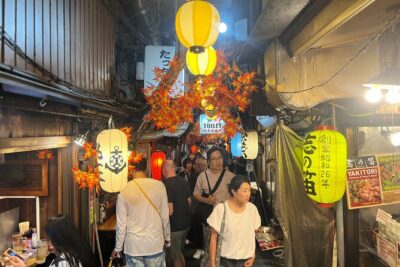
Shinjuku Food Tour (13 Dishes at 4 Local Eateries)
Read our review →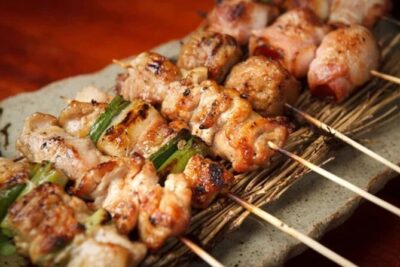
Shinjuku Food Tour (15 Dishes and 4 Eateries)
Read our review →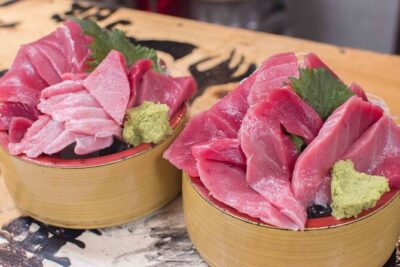
Best of Shinjuku: Izakaya Food Tour (4 Stops, 14+ Tastings)
Read our review →
Tokyo Night Foodie Tour in Shinjuku – Seasonal Sushi, Wagyu Beef
Read our review →
Eat and Drink Like a Local: Tokyo Ueno Food Tour-Taverns&Ramen
Read our review →
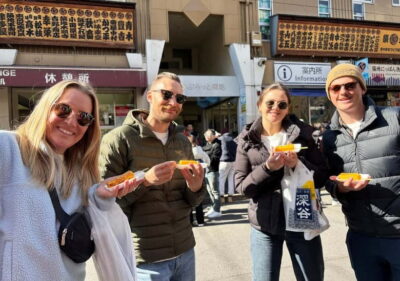
Tsukiji Fish Market: Street Food & Culture Walking Tour
Read our review →Shinjuku Food Tour – 15 Dishes, 3 Drinks, 4 Eateries
Read our review →Browse the lists this tour appears in