
Reviewed · JAPANESE CULTURE WORKSHOPS
Tokyo: Kintsugi Workshop to Learn the Art of Golden Joinery
Kintsugi turns a broken plate into a piece with a story. In this two-hour Tokyo workshop, you learn the basic craft of joining pottery cracks with lacquer and gold powder, while also exploring wabi-sabi, the Japanese appreciation of imperfection and impermanence. The finished piece is your souvenir, not a factory-made trinket.
I like the quiet, hands-on pace and the small group of no more than six people. I also like the way the instructor lets you do the work yourself, while offering a steady hand when needed. The main caution is value: at $63 per person, you pay extra for the plate, usually ¥1,000 to ¥2,000, and the amount of repair may be modest.
In This Review
- Key points to know before booking
- Why kintsugi feels like more than a craft class
- Meeting at Gakugei Daigaku Station
- The opening lesson: history, materials, and meaning
- Choosing the piece and beginning the repair
- Applying lacquer and gold powder
- A calm two hours, with room to talk
- What you take home
- Who will enjoy this Tokyo workshop
- Price, booking flexibility, and timing
- Is the kintsugi workshop worth booking?
- FAQ
- Where does the kintsugi workshop meet?
- How long does the workshop last?
- What language is the workshop conducted in?
- How many people can join the class?
- Is the pottery plate included in the price?
- What materials are provided?
- Can I take my repaired pottery home?
- What is the cancellation policy?
- Is the workshop suitable for wheelchair users?
Key points to know before booking
- Repair pottery with artificial lacquer and gold powder: The materials are supplied, and your finished piece becomes a personal keepsake.
- Meet at Gakugei Daigaku Station: Your guide sends a photo before the meeting time so you can identify the right person.
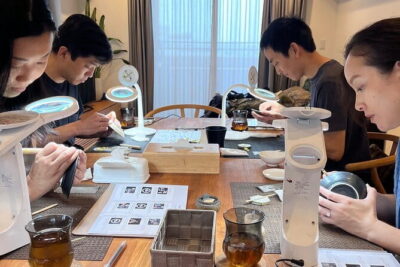
- Small groups make a difference: With a maximum of six people, you get room for questions and individual help.
- The workshop lasts two hours: That gives you time to file, mend, and finish your pottery without rushing.
- Anne and Chiara have received special praise: Their careful explanations and calm teaching style help beginners follow each step.
- Check the pottery size before you pay: The plate is not included and costs about ¥1,000 to ¥2,000.
Why kintsugi feels like more than a craft class
Kintsugi, written 金継ぎ, means golden joinery. The basic idea is simple: repair broken ceramics rather than throw them away, and make the repair visible with a bright seam of gold, silver, or platinum.
This workshop focuses on gold powder and artificial lacquer. You are not trying to hide the break. You are making it part of the object.
That idea connects to wabi-sabi, a Japanese way of seeing beauty in things that are imperfect, temporary, and marked by use. You will not leave with a museum-quality antique repair, and the class does not promise that. What you do get is a small lesson in patience and preservation, plus a piece that carries your own handwork.
I find that this matters because the class is not built around taking a quick photograph and moving on. Filing, applying the adhesive, and adding the gold require attention. The work slows you down. In a city as fast-moving as Tokyo, two quiet hours at a table can be a useful change of pace.
More craft workshops in Tokyo:
- Tokyo Shinjuku Chopsticks Making Class
★ 5.0 · 1,763 reviews - Kintsugi Experience: Art of Golden Joinery in Tokyo
★ 5.0 · 467 reviews - Authentic Pure Gold Kintsugi Workshop with Master Taku in Tokyo
★ 5.0 · 217 reviews
Meeting at Gakugei Daigaku Station
The meeting point is Gakugei Daigaku Station in Honshu, Tokyo. You should plan to arrive with enough time to find the guide without hurrying, especially if you are unfamiliar with the area.
Before the meeting, the guide sends a picture of themselves. That is a practical touch at a busy station, where finding a stranger can otherwise become the first challenge of the class.
The supplied information does not specify the exact workshop room or how far it is from the station. I would keep your schedule flexible around the two-hour session and confirm the meeting instructions before setting out. If you cannot find a slot on your preferred date, contact the operator through WhatsApp. The schedule may sometimes be adjusted.
The opening lesson: history, materials, and meaning
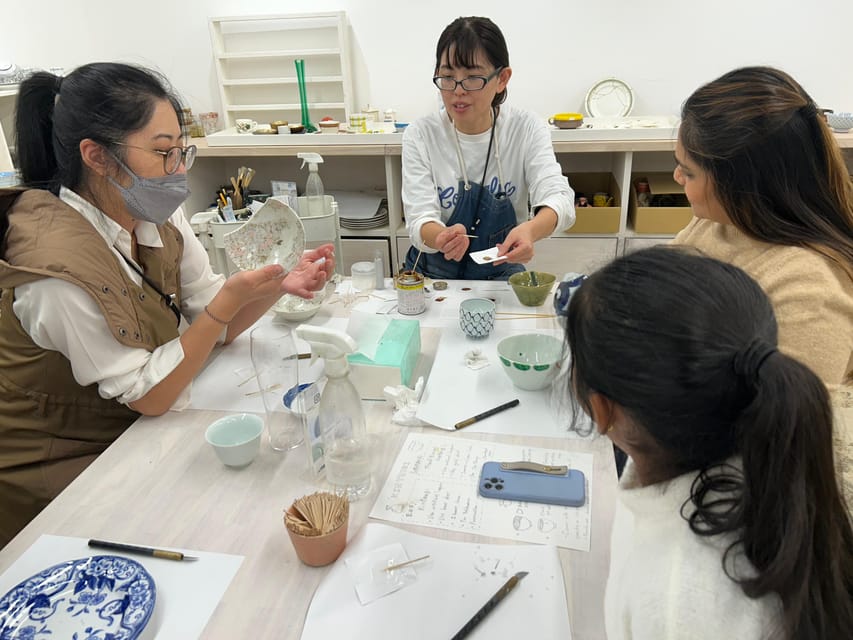
The class begins with a short introduction to kintsugi and its philosophy. The art dates back to the 15th century, and the instructor explains how older forms of lacquer adhesive were made.
This opening is brief, but it gives your repair a useful setting. You learn that the gold line is not merely decoration. It announces the object’s past instead of pretending the damage never happened.
The language of instruction is English. Anne has been praised for preparing the materials and explaining each step clearly. Chiara has also led the class, with a translator who understood both the craft and the practical work. That arrangement can help when a technical explanation needs more than simple English.
All the main tools are provided. You work with artificial lacquer and gold powder. The class is designed for beginners, so you do not need to arrive with prior pottery or repair skills.
One detail deserves attention: the plate itself is not included. You arrange one for an additional ¥1,000 to ¥2,000. Ask what sort of piece you will repair before the workshop begins, since the size and amount of broken pottery affect how much actual repair you get to do.
Choosing the piece and beginning the repair
The pottery is the center of the activity, but it is also where expectations can differ. The supplied details describe a broken pottery piece or plate, while one participant expected to repair an entire bowl and found the actual section available for repair quite small.
That is the clearest drawback to consider. Some classes may give you a larger break or more of the object to work on. Here, the amount of visible damage can vary. If you want a long, involved repair, ask in advance how much of the plate you will handle.
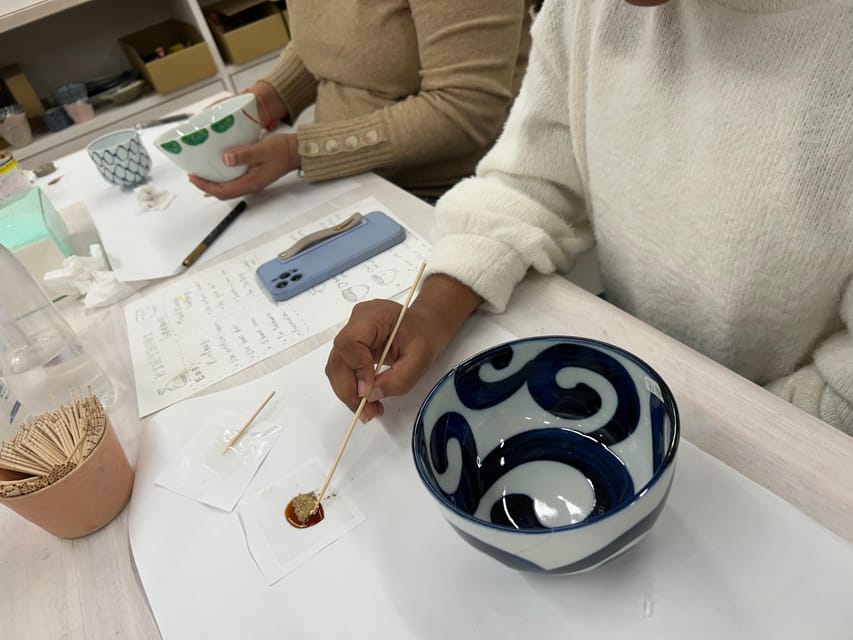
Once you have your piece, the instructor guides you through the process. You may spend a fair amount of time preparing the ceramic surface. One participant noted that filing the pottery can take about half an hour. That sounds less exciting than sprinkling gold, but it is important work. A careful surface helps the repaired line look cleaner.
The filing stage also shapes the pace of the class. This is not a quick paint-and-go activity. You need to work slowly and pay attention to pressure, edges, and the shape of the break. Younger children may find this part tiring, which is why the activity is better suited to older children, including children over 12.
A few more Tokyo bookings worth comparing
- Sushi Making Tokyo Roll and Authentic Japanese Sushi Class
★ 5.0 · 3,971 reviews - Tokyo: Roll and Authentic Sushi Making Class in Asakusa
★ 4.9 · 1,957 reviews - Tokyo: Sushi Making Class in a Happi Coat near a Famous Spot
★ 4.9 · 1,377 reviews - Chopstick Making Workshop in Ginza
★ 4.8 · 1,366 reviews
Applying lacquer and gold powder
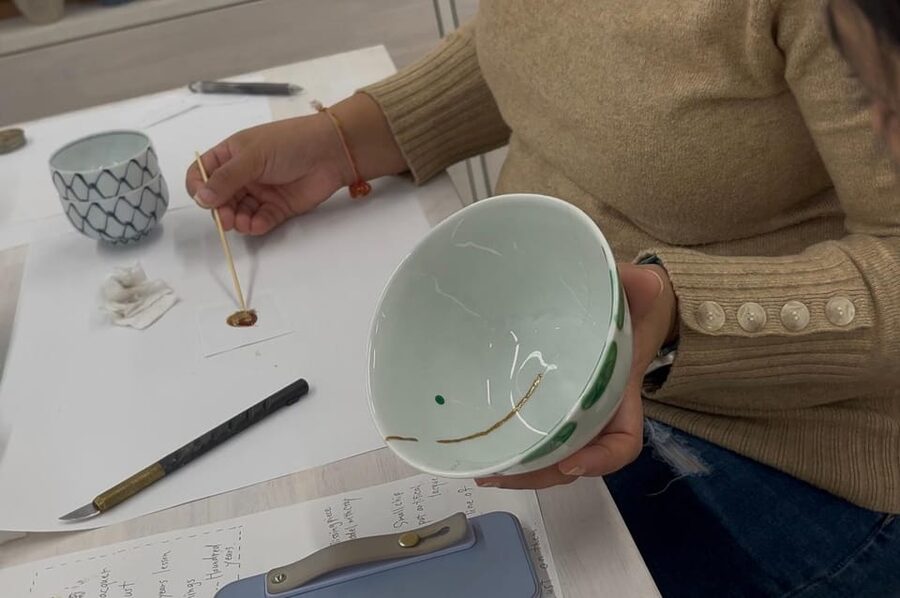
After the pottery is prepared, you use lacquer to join or fill the break, then add gold powder to the repaired seam. The materials supplied for the main process include lacquer and gold powder, so you do not need to bring a craft kit.
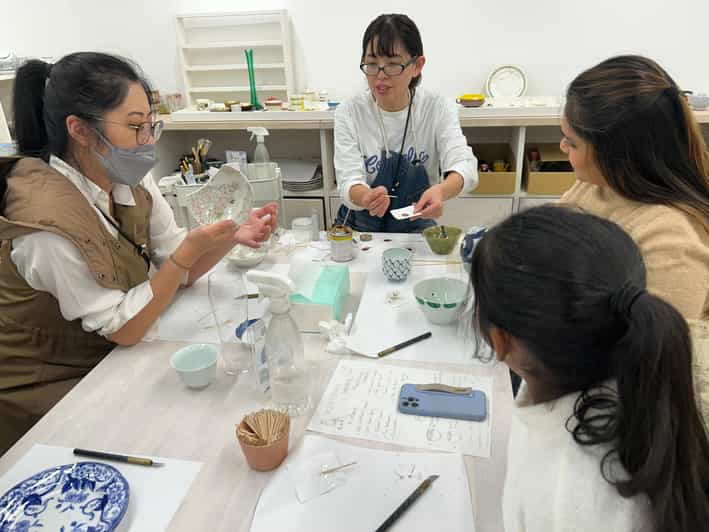
This is where the small group helps. With no more than six people, the instructor can check your work and give help without taking the project away from you. The strongest teaching feedback points to exactly this balance: you perform the task yourself, but an experienced hand is there when you need guidance.
The finish may be a single gold crack rather than a fully rebuilt vessel. One completed project was described as a bowl with a gold-colored crack, a simple result that still made a special souvenir. Your final piece may look modest, but that is part of the appeal. The value is in the process and the story attached to it.
Take care with the gold powder and adhesive. The available information does not list special clothing requirements or aftercare instructions, so listen closely to the guide’s directions during the class. If you have concerns about handling the materials, ask before you begin.
A calm two hours, with room to talk
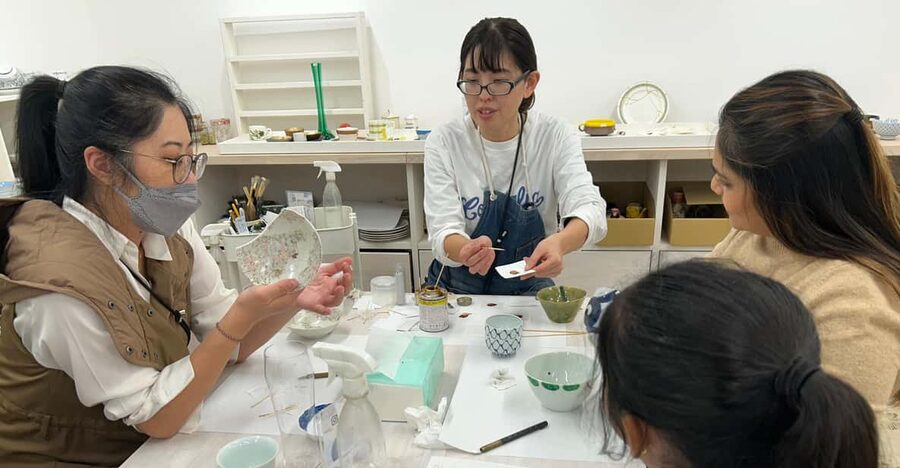
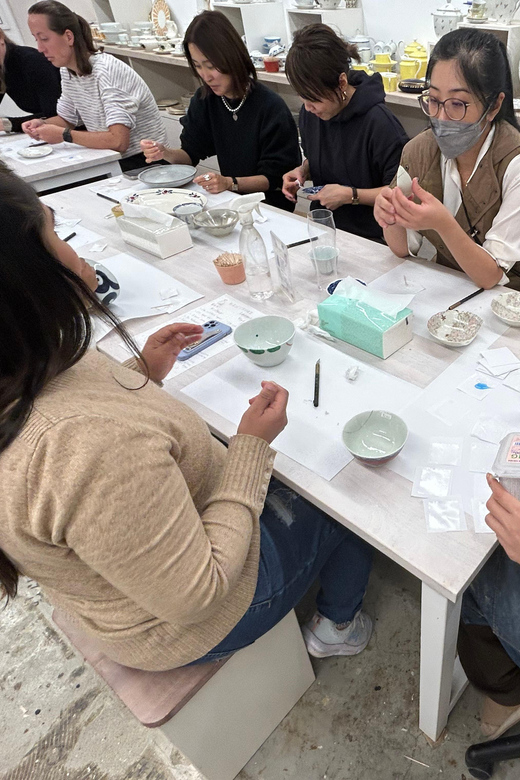
The class lasts two hours, which is long enough to work through several stages without forcing everything into a short demonstration. You also have time to talk with the guide and the other people at the table.
One participant especially liked the two-hour format because it allowed time to relax, complete each step, and interact with the group. That is a good way to understand the mood here. You are not racing between sights. You are sitting with one object and giving it your attention.
The reflective side of kintsugi may appeal to couples, solo visitors, friends, and families with older children. It is also a useful choice for a rainy afternoon or for a break from Tokyo’s crowded sightseeing routes. The class does not depend on weather, and the small group keeps it personal.
Still, the calm pace will not suit everyone. If you want a high-energy activity or a large finished object, this may feel slow and limited. The workshop is best for someone who enjoys making something with their hands and does not mind that the result may have a small repair.
What you take home
Your repaired pottery becomes the souvenir. That gives the $63 price a different value from a standard craft demonstration, because you leave with something you worked on personally.
The finished item will not replace a major Tokyo sight, and you should not book this expecting a professional restoration course. It is a beginner workshop with supplied tools, a short introduction, and guided practice.
The strongest outcome is personal rather than technical. You see the crack, remember the filing and careful application, and keep an object that shows the repair instead of hiding it. For many people, that makes more sense than buying another mass-produced souvenir.
The extra plate charge affects the total cost. At ¥1,000 to ¥2,000, it is not a huge addition, but it should be part of your budget. At $63 before that cost, I would call the class fairly priced for a small-group, English-language activity if you value the instruction and finished keepsake. I would be less enthusiastic if you are mainly paying for a large amount of pottery repair.
Who will enjoy this Tokyo workshop
I would recommend it most strongly to you if you like:
- Hands-on cultural activities: You make something rather than simply listen to a talk.
- Japanese aesthetics: The class gives you a practical way to understand wabi-sabi.
- Small groups: Six people or fewer means more direct help.
- Personal souvenirs: You take home the pottery you repair.
- Quiet, focused time: The two-hour format leaves space to work without rushing.
- Older children and families: The activity can suit children over 12, though filing may be tiring for younger participants.
I would think twice if you expect to repair a whole bowl or complete a large project. The amount of pottery available for repair may be small, and the plate costs extra.
The supplied information gives conflicting accessibility details. The activity is described in one place as wheelchair accessible, but another section says it is not suitable for wheelchair users. If this matters to you, contact Bloom Voyage JP before booking and ask for a clear answer about the room, entrance, seating, and toilet access.
Babies under one year are not suitable for this activity. The class is conducted in English, and the guide may use translation support when needed.
Price, booking flexibility, and timing
The listed price is $63 per person for two hours. Add ¥1,000 to ¥2,000 for the plate, since it is not included in the main price.
You can cancel up to 24 hours before the start time for a full refund. You can also reserve now and pay later, which helps if your Tokyo schedule is still changing. Starting times vary, so check the available time when you book.
The group limit of six is one of the better reasons to reserve ahead. There are limited spaces, and the operator suggests contacting them by WhatsApp if your preferred date has no opening. That is especially useful for couples or families trying to attend together.
I would place this activity into a day when you want a slower indoor stop. Do not stack it too tightly against a distant reservation. The meeting point is at Gakugei Daigaku Station, and the workshop itself takes the full two hours.
Is the kintsugi workshop worth booking?
Book it if you want a thoughtful Tokyo activity with a real hands-on element, an English-speaking guide, and a keepsake you make yourself. The small group, careful instruction, and two-hour pace are the main strengths.
Before paying, ask how much of the pottery you will repair. That single question addresses the biggest concern: you may work on only a small crack rather than an entire bowl. Also add the plate fee to the advertised price and confirm the wheelchair-access details if needed.
For the right person, this is a memorable break from sightseeing. You leave with a gold-lined piece of pottery and a useful reminder that repair can be part of an object’s beauty.
FAQ
Where does the kintsugi workshop meet?
You meet the guide at Gakugei Daigaku Station in Tokyo. The guide sends a picture of themselves before the meeting time.
How long does the workshop last?
The workshop lasts two hours.
What language is the workshop conducted in?
The instructor teaches in English. Translation support may also be used during the class.
How many people can join the class?
The workshop is limited to six participants.
Is the pottery plate included in the price?
No. You arrange the plate separately for about ¥1,000 to ¥2,000.
What materials are provided?
The main materials and tools include artificial lacquer and gold powder. A short introduction to kintsugi and its philosophy is also included.
Can I take my repaired pottery home?
Yes. You take home the piece you repair as a personal keepsake.
What is the cancellation policy?
You can cancel up to 24 hours before the activity for a full refund.
Is the workshop suitable for wheelchair users?
The supplied information gives conflicting details. One section describes the activity as wheelchair accessible, while another says it is not suitable for wheelchair users. Contact Bloom Voyage JP before booking to confirm the current access arrangements.
New on our Tokyo list
- From Tokyo: Mount Fuji & Hakone Full Day Private Tour★ 4.9 · 25 reviews
- Tokyo Spectacular View Day-Cruise in 90 Minutes★ 5.0 · 25 reviews
- Real Tokyo Runner Club : Daikoku Car Meet Night Tour with JDM Car★ 5.0 · 25 reviews
- 2.5 Hour-Guided Cycle Tour in the Central Tokyo★ 5.0 · 25 reviews
- Ramen Making from Scratch +Akihabara Tour –Cooking Class★ 5.0 · 25 reviews
- [Self-Drive] Tokyo & Daikoku Custom Car Driving Tour★ 4.9 · 25 reviews
- Tokyo: 2-Hour Night Bike Tour of the City’s Hidden Gems★ 4.9 · 25 reviews
- Buddha, Bamboo & Zen – Bespoke Kamakura Private Walking Tours★ 5.0 · 25 reviews
Japanese Culture Workshops, compared.
Kintsugi Experience: Art of Golden Joinery in Tokyo
Read our review →
Authentic Pure Gold Kintsugi Workshop with Master Taku in Tokyo
Read our review →
KABUKI Show at Kabukiza Theatre Admission Ticket
Read our review →
KABUKI, BUNRAKU, etc. presented by National Theatre
Read our review →
Kintsugi Workshop Class in Shibuya, Tokyo with mon cadeau
Read our review →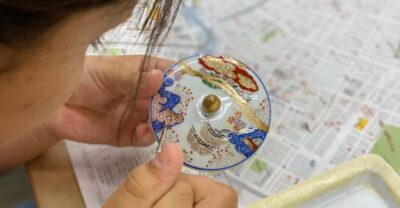
Browse the lists this tour appears in