
Reviewed · SAMURAI & NINJA EXPERIENCES
Tokyo: Samurai History Walking Tour
Tokyo’s samurai story is not locked away in a museum. It is scattered through modern streets, palace gardens, temple grounds, and railway districts. This four-hour walk connects those pieces, from Taira no Masakado’s grave, tied to the earliest era of the warrior class, to Sengaku-ji and the famous 47 Ronin.
I like the way the tour covers the full arc of samurai power, not just the polished version of honor and swordsmanship. I also like the honest, questioning approach of guide John, who explains whether samurai were noble retainers, political operators, or something closer to armed enforcers at different points in Japanese history.
The main drawback is the pace. Four hours on foot, with public transport mixed in, will suit an active visitor better than someone who tires quickly. You’ll also need about 400 yen for transport, plus up to 800 yen for the cemetery and museum at Sengaku-ji.
In This Review
- Key points to know before you book
- Why this tour gives samurai history a proper timeline
- Meeting John outside Tokyo Station
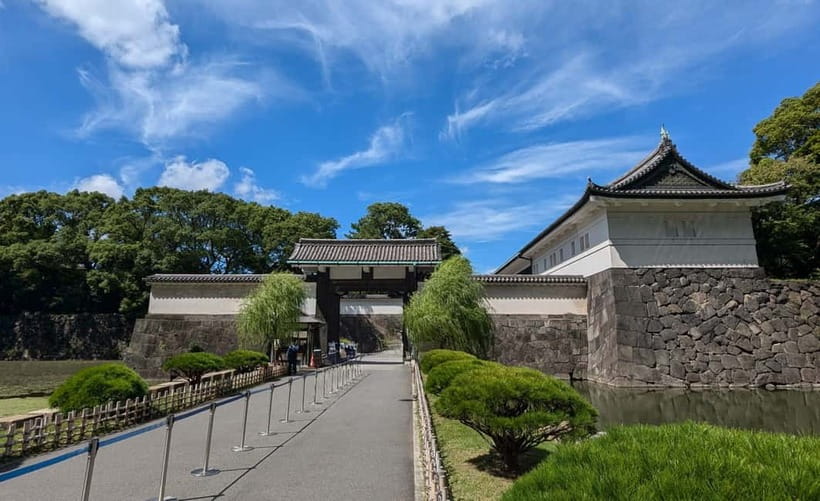
- Edo Castle and the Imperial Palace East Gardens
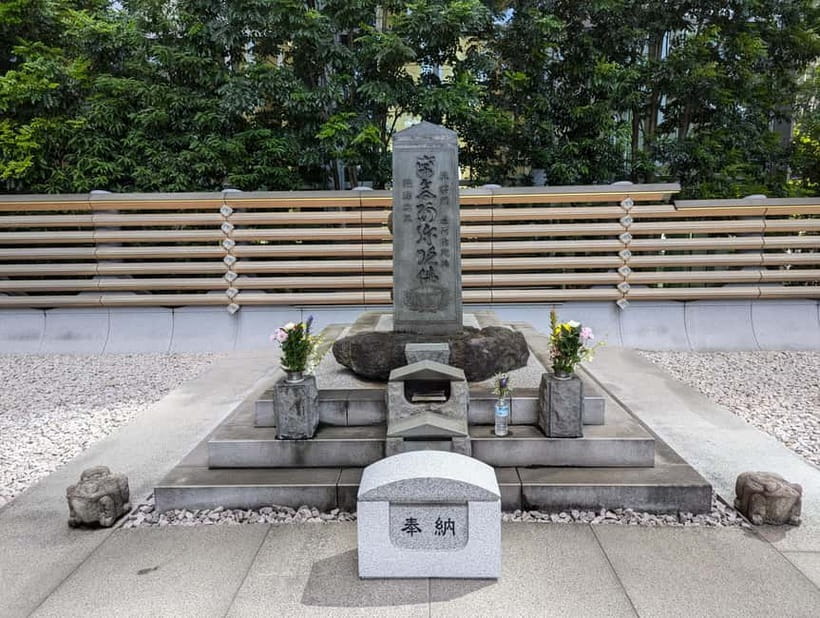
- Taira no Masakado and the earliest samurai era
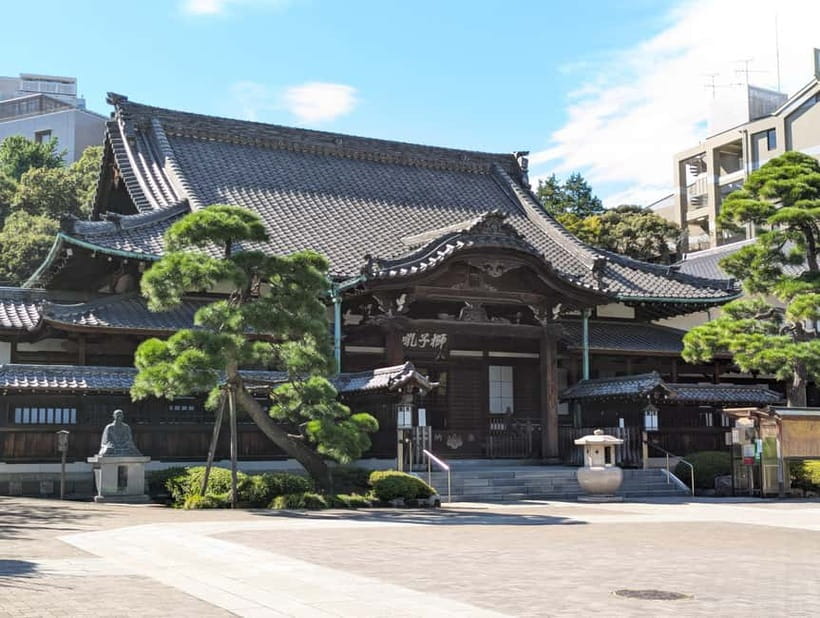
- Sengaku-ji and the 47 Ronin
- The walking and public-transport balance
- What John adds to the experience
- Is $33 good value in Tokyo?
- Who should book this four-hour walk?
- Should you book the Tokyo Samurai History Walking Tour?
- FAQ
- How long does the Tokyo Samurai History Walking Tour last?
- Where does the tour start?
- Where does the tour finish?
- Is public transportation included in the price?
- Are the Sengaku-ji cemetery and museum included?
- Is the tour suitable for people with limited mobility?
Key points to know before you book
- Samurai history across nine centuries: The tour links events from the 900s through the end of the samurai era in 1868.
- Three important Tokyo sites: You visit Edo Castle ruins in the Imperial Palace East Gardens, Taira no Masakado’s grave, and Sengaku-ji.
- John leads the English tour: He is a friendly, well-informed guide who welcomes questions and adds cultural context.
- Walking with short train or subway rides: Public transport breaks up the route, but this remains a lengthy walking experience.
- Small-group or private format: The setting gives you more room to ask questions than a large coach tour.
- Modest headline price, extra costs: The $33 fee covers the guide, while transport and Sengaku-ji admission cost extra.
Why this tour gives samurai history a proper timeline
Many Tokyo history tours focus on one famous figure or one dramatic tale. This one tries to answer the larger question: how did the samurai begin, how did they gain control, and why did they disappear?
That broader frame matters. The word samurai can suggest a fixed type of warrior, guided by an unchanging code. The reality was less tidy. Samurai power developed over centuries, and their role changed with the needs of courts, shoguns, regional lords, and the new central government.
John’s approach is built around that tension. You are not simply handed a heroic story. You look at the evidence at each site and hear how the meaning of samurai changed over time.
That makes the tour a good choice if you want more than costume imagery or famous movie references. You will still hear about loyalty, warfare, revenge, and duty, but the aim is to place those ideas inside the political story of Japan.
The tour is conducted in English and is available as a private or small-group experience. That matters here because the subject invites questions. If you want to ask how the 47 Ronin fit into the larger samurai tradition, or why a particular grave remains important, you should have a better chance in a smaller setting than on a large bus tour.
More samurai and ninja sessions:
- Tokyo: Samurai Ninja Museum Guided tour and Experience
★ 4.6 · 1,010 reviews - Tokyo: Samurai Sword & Archery Class from Samurai Descendant
★ 5.0 · 603 reviews - Best Samurai Experience in Tokyo
★ 5.0 · 458 reviews
Meeting John outside Tokyo Station
The tour begins at Marunouchi Square, just outside the Marunouchi Central Exit of JR Tokyo Station. This is a practical meeting place, but Tokyo Station is large, so give yourself time to find the correct exit.
John identifies himself as a bald white male and sends a Google Maps location on the day of the tour. He also contacts you by WhatsApp or email after your booking is confirmed. Check both your email and the GetYourGuide app before setting out, especially if you are not familiar with Tokyo Station.
The opening portion lasts about 30 minutes. Rather than rushing straight to a monument, you get an introduction to the setting and the subject. Marunouchi is a modern business district, yet it sits beside the Imperial Palace grounds, making it a useful starting point for a discussion of power in Tokyo.
I like this beginning because it sets up the contrast you will see throughout the day. Tokyo is a city of glass towers and crowded rail lines, but beneath that modern surface are the remains of institutions that shaped Japan for centuries.
Edo Castle and the Imperial Palace East Gardens
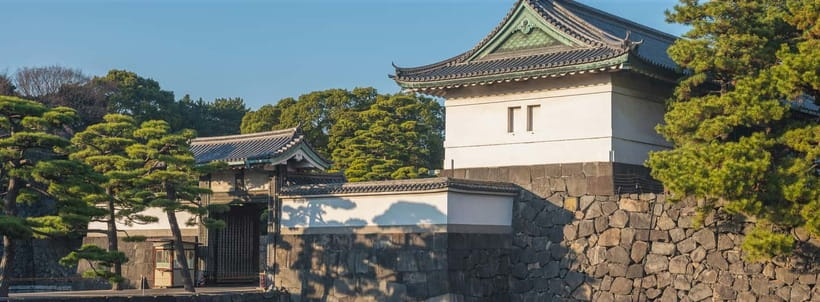
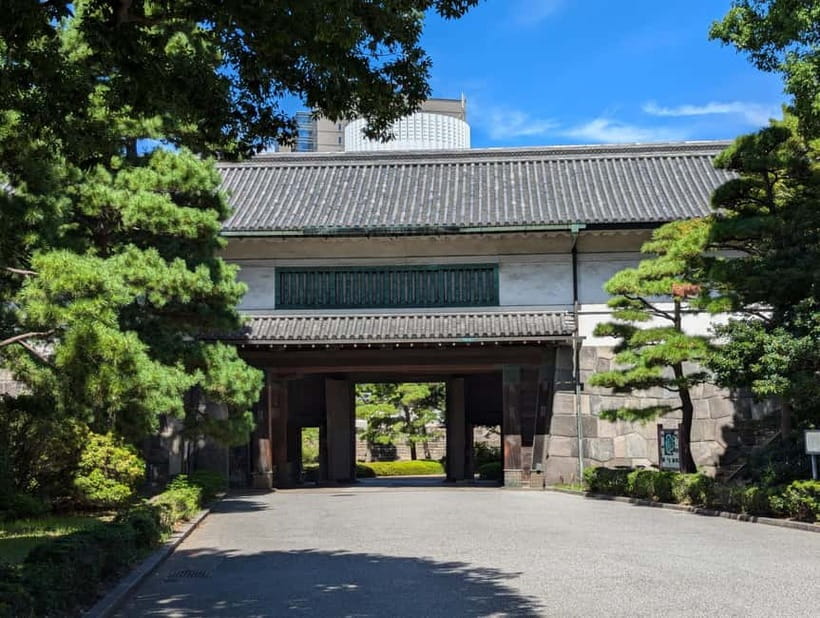
The longest stop is Edo Castle, with about 105 minutes of guided explanation. Today, you visit the ruins and the East Gardens of the Tokyo Imperial Palace, not a preserved medieval fortress with intact walls and rooms.
That distinction is important. You are seeing traces of the castle that became the center of Tokugawa rule, rather than walking through a fully reconstructed samurai compound. The surviving stonework and garden setting require some imagination, but they also give John room to explain how the castle functioned as the seat of political control.
This is likely the most useful stop for understanding the samurai at the height of their power. The Tokugawa shogunate governed Japan for more than two centuries, and Edo Castle was the heart of that system. The tour can connect the physical remains to the larger question of how warriors moved from provincial fighters to the ruling class.
You should expect a guided history lesson rather than a theatrical performance. The supplied details do not promise costumes, demonstrations, or sword practice. The value lies in seeing a major site while John explains the people and power structures connected with it.
The 105-minute block is generous. It gives you time to walk, pause, and ask questions, but it also makes this the point where sturdy shoes and a reasonable level of fitness matter most. If you have been sightseeing since early morning, the castle section may feel long.
The East Gardens can also be a calmer part of the day than the streets around Tokyo Station. Even so, this is not a garden-only outing. Come prepared for history, walking, and uneven or tiring stretches rather than a relaxed park visit.
Taira no Masakado and the earliest samurai era
Taira no Masakado’s grave brings the story back to the 900s. His name is tied to the early development of samurai power, long before the Tokugawa period and the familiar image of the disciplined retainer serving a lord.
This stop helps prevent a common mistake: treating samurai as a group that appeared fully formed. The tour uses Masakado to open the question of how warrior families gained influence and why armed provincial leaders became important in Japanese politics.
The grave is also a useful reminder that historical sites do not always look grand. A small or compact memorial can carry great weight because of the person associated with it and the beliefs surrounding the place. You may find this stop less visually impressive than Edo Castle, but it is important for the story’s beginning.
The supplied schedule gives exact times for the opening, Edo Castle, and Sengaku-ji, but not a separate duration for Masakado’s grave. Treat it as part of the wider route rather than a long standalone visit.
That arrangement suits the subject. The tour is not asking you to spend half a day at one monument. It is showing you how different sites, spread across Tokyo, mark different chapters in the rise and fall of the warrior class.
A few more Tokyo bookings worth comparing
- Tokyo: Imperial Palace and Shogun Historical Walking Tour
★ 5.0 · 2,251 reviews - Tokyo: Imperial Palace Japanese History Walking Tour
★ 4.9 · 987 reviews - Yanaka Walking Tour: Historic and Traditional District of Tokyo
★ 5.0 · 530 reviews - Tokyo: Shinjuku Historical Walking Tour & Secret Backstreets
★ 5.0 · 530 reviews
Sengaku-ji and the 47 Ronin
The final major stop is Sengaku-ji, where the 47 Ronin are buried. The guided visit lasts about one hour and brings you to one of the best-known samurai stories in Japan.
The tale is famous for loyalty and revenge, but it can also be reduced to a simple legend. This is where John’s questioning style becomes useful. The story raises difficult issues about duty, law, personal loyalty, and the price of obedience. You are encouraged to consider what the episode tells you about samurai culture rather than accepting a polished heroic version.
Sengaku-ji charges separately for the cemetery and museum. The cemetery costs 300 yen and the museum costs 500 yen, so budget up to 800 yen if you want both. These fees are small compared with the tour price, but they are easy to miss when comparing costs.
The temple stop gives the day a strong ending because the 47 Ronin are often the first samurai topic many visitors recognize. By placing them after the early history and Edo Castle, the tour shows that their story belongs to a much larger political and social system.
You finish at Takanawa Gateway Station. This is useful for continuing your day, since you are not returned to Tokyo Station. Plan your next trip from the final station rather than assuming the tour loops back to its starting point.
The walking and public-transport balance
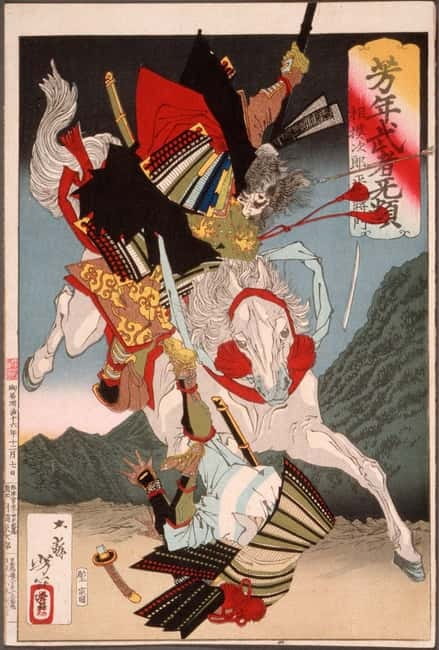
This is called a walking tour for good reason. You will spend much of the four hours on foot, moving between historical locations and listening to explanations along the way.
Public transport is used occasionally to rest your legs. The transport cost is about 400 yen per person, not included in the booking price. The train or subway rides are practical rather than part of a special sightseeing experience, but they keep the day from becoming one uninterrupted march.
The operator does not recommend the tour for people who tire very easily. Extra rests can be arranged for those who need them, but the route still requires a basic ability to walk for several hours.
I would wear comfortable shoes and carry water. The tour does not generally stop for food because the schedule is short, so pick up snacks at a convenience store before meeting John. You can eat along the way if you get hungry.
There is no planned meal break. That makes the tour efficient for a visitor with limited time, but less suitable if you prefer a slow day with cafés and long pauses.
The experience is not suitable for wheelchair users, and it is not recommended for people over 95. Those limits reflect the walking route and transfers, not a lack of interest in including different ages. If mobility is a concern, ask before booking rather than relying on the promise of extra rests.
What John adds to the experience
John is the guide named in the booking messages and in the feedback provided for this tour. His strengths are his command of Japanese history and culture, his clear storytelling, and his willingness to answer questions.
That last point is especially useful on a subject full of familiar myths. You can ask about the meaning of honor, the difference between samurai and other warriors, or how the class changed over time. The tour is not just a sequence of facts delivered while walking.
Families with teenagers may find the subject a good fit. The stories involve battles, loyalty, political change, and revenge, while the sites provide something real to look at. One family with teenage children found that everyone enjoyed the day, which suggests the tour can work across age groups when young people already have some interest in Japan.
The style is likely best for people who enjoy conversation. If you want a fast list of photo stops with little explanation, this may feel too slow. If you want to test the guide with questions and follow a complicated story, the small-group format has a clear advantage.
The tour has received 12 five-star ratings, with particular praise for John’s storytelling, friendly manner, and command of the subject. That does not remove the practical concerns about walking, but it does point to the guide as the main reason to choose this experience.
Is $33 good value in Tokyo?
At $33 per person, the base price is modest for four hours with an English-speaking guide. It covers the guide fee and the guided visits, but not local transport or the optional Sengaku-ji cemetery and museum fees.
A realistic extra budget is about 400 yen for transport and up to 800 yen for Sengaku-ji. Add a small amount for snacks, and you still have a fairly low-cost half-day experience.
The value is strongest if you want interpretation. You can visit the Imperial Palace East Gardens or Sengaku-ji on your own, but you would need to piece together the samurai timeline yourself. The fee pays for the connection between locations and for someone to explain why each one matters.
The value is weaker if you are mainly looking for dramatic architecture. Edo Castle is presented through ruins, and Taira no Masakado’s grave may be modest in appearance. This is a history-focused outing, not a series of grand interiors.
Private or small-group availability also affects the value. A private booking costs more in many tour settings, but the supplied price is listed at $33 per person, so check the price for your chosen group type and date before paying.
Free cancellation is available up to 24 hours before the start time, and you can reserve now and pay later. Those options help if your Tokyo plans are still moving, but the core decision remains simple: can you comfortably walk for four hours, and do you want a guided explanation of samurai history?
Who should book this four-hour walk?
I would choose this tour if you want a clear historical framework rather than isolated sightseeing. It suits first-time visitors who are curious about samurai, families with older children or teenagers, and repeat visitors who want to see Tokyo through its political past.
It is also a good fit if you have already visited the major modern districts and want something more focused. The route begins in Marunouchi, passes through the Imperial Palace area, and ends at Takanawa Gateway Station, so it can be fitted into a wider day with some planning.
I would hesitate if you dislike long walks, need a guaranteed meal stop, or prefer a tour built around visual spectacle. The route has rest breaks through public transport, but it does not become an easy stroll.
You should also be comfortable with a guide who discusses samurai without treating every old story as unquestioned truth. That is a benefit for curious visitors, but it may not suit someone seeking a simple heroic tale.
Should you book the Tokyo Samurai History Walking Tour?
Book it if you want a connected story from the 900s to 1868, especially if you enjoy asking questions and comparing legend with political reality. The combination of Taira no Masakado, Edo Castle, and Sengaku-ji gives the four hours a useful structure.
Skip it if four hours on foot sounds tiring or if you want substantial free time for food and photos. For everyone else, $33 is a fair price for an English-led introduction to Tokyo’s samurai past, with only modest extra costs for transport and temple admission.
FAQ
How long does the Tokyo Samurai History Walking Tour last?
The tour lasts four hours. It includes guided time at Marunouchi Square, Edo Castle ruins, and Sengaku-ji, with public transport used occasionally between locations.
Where does the tour start?
The meeting point is outside the Marunouchi Central Exit of JR Tokyo Station, in Marunouchi Square. John sends a Google Maps link to his location on the day of the tour.
Where does the tour finish?
The tour finishes at Takanawa Gateway Station. It does not finish back at Tokyo Station.
Is public transportation included in the price?
No. Public transport costs about 400 yen per person and are paid separately.
Are the Sengaku-ji cemetery and museum included?
No. Entry costs 300 yen for the cemetery and 500 yen for the museum. You can budget up to 800 yen if you visit both.
Is the tour suitable for people with limited mobility?
The tour is not suitable for wheelchair users and is not recommended for people who tire very easily. Extra rest stops can be arranged for some participants, but the experience remains a lengthy walking tour.
More Walking Tours in Tokyo
- Tokyo Tsukiji Fish Market Food and Culture Walking Tour
★ 5.0 · 3,184 reviews - Tokyo: Shinjuku Local Bar and Izakaya Guided Walking Tour
★ 4.9 · 1,794 reviews - Tokyo: Tsukiji Fish Market Food and Walking tour
★ 5.0 · 1,724 reviews - Tokyo: Asakusa Walking Tour with Sensoji Temple Visit
★ 4.8 · 1,583 reviews
New on our Tokyo list
- Sumi-e Experience in a relaxing green tea shop in Tokyo★ 5.0 · 3 reviews
- Tokyo : Kamikaze Street Drift Ride★ 5.0 · 3 reviews
- Private Zen Meditation in English in Shinjuku, Tokyo★ 5.0 · 3 reviews
- Onsen Spa in Tokyo and Asakusa Bar Hopping with Local Guide★ 5.0 · 3 reviews
- Easy for everyone! Now you can play handmade mini shamisen and show off to everyone! Musical instruments, sweets and live music★ 5.0 · 3 reviews
- Tokyo: Private Tsukiji Street Food & Sake with Local Guide★ 5.0 · 3 reviews
- Mt Fuji Exploration Tour with Free Japanese Kusa Mochi from Tokyo★ 4.5 · 3 reviews
- Tokyo Tsukiji Fish Market Walking and Exploring Hidden Gems Tour★ 5.0 · 3 reviews
Samurai & Ninja Experiences, compared.
Samurai Ninja Museum Guided tour and Experience
Read our review →
Samurai Sword & Archery Class from Samurai Descendant
Read our review →

Ninja Experience (Family Friendly) at Samurai Ninja Museum TOKYO
Read our review →
Samurai Entertainment Night Show in Kanda Shrine
Read our review →
Tokyo Sword Experience – includes Museum Ticket/Ninja Experience
Read our review →
Samurai Ninja Museum Asakusa: Samurai Sword Lesson & Tour
Read our review →
Ninja Samurai 2-hour hands-on lesson by Japanese master in Tokyo
Read our review →Browse the lists this tour appears in