
Reviewed · SUMO EXPERIENCES
Tokyo Sumo Culture Tour with Chanko-Nabe Lunch in Ryogoku
Ryogoku is where sumo makes the most sense. This 3.5-hour walk takes you past working stables, a shrine linked to the sport’s legendary founder, the Kokugikan arena, and old tournament grounds before ending with a steaming chanko-nabe lunch.
I like the small maximum of eight, which keeps the walk personal and makes it easier to ask questions. I also like the mix of living sumo culture and older Tokyo history, with guides such as Jeff, Taka, and Aki-san bringing the stories to life. The main drawback is clear: you do not watch a practice session or an actual match, and some Sunday or museum-related stops may be unavailable.
In This Review
- Key points to know before booking
- Why Ryogoku is the right place to learn sumo
- Hakkaku-beya: a look at a working stable
- Nominosukune Shrine and the origins of sumo
- Outside the Kokugikan, sumo’s modern home
- Ryogoku Edo Noren and the full-scale ring
- Ekoin Temple and Edo-period tournaments
- Kasuganobeya and the practical side of wrestler life
- Chanko-nabe at Tomoegata
- What the $131.12 price really buys you
- Timing, transport, and the Sunday question
- Who will enjoy this tour most
- Should you book the Ryogoku sumo tour?
- FAQ
- How long does the Tokyo Sumo Culture Tour last?
- Is lunch included?
- Will I watch sumo practice or an actual match?
- How large is the tour group?
- Where does the tour start and finish?
- Can I cancel for a full refund?
Key points to know before booking
- Ryogoku is the real setting: You walk through Tokyo’s sumo district rather than simply hearing about the sport indoors.
- The group is capped at eight: That is a useful size for questions, conversation, and keeping up on city streets.
- The tour visits stables from outside: Hakkaku-beya and Kasuganobeya add atmosphere, but they are not open practice-viewing sessions.
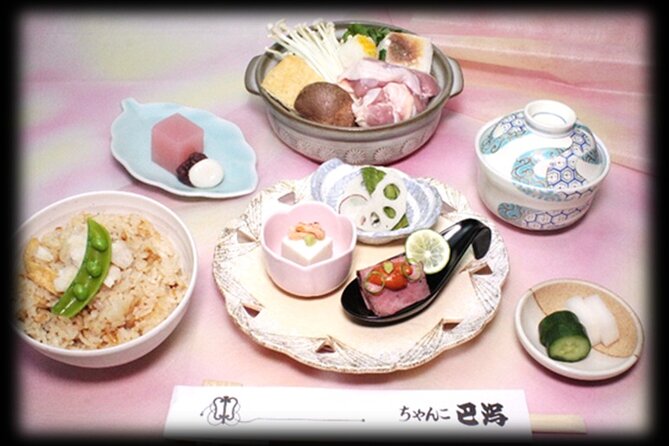
- Chanko-nabe is included: Lunch gives you a direct taste of the hot-pot food associated with sumo wrestlers’ strength and training.
- The tour is history-heavy: Shrines, temples, the Edo-period tournament site, and a full-scale ring add context beyond the modern arena.
- Live sumo is not part of the plan: If seeing wrestlers compete or train is your main goal, this tour alone will not meet it.
Why Ryogoku is the right place to learn sumo
Sumo can look simple from the seats: two wrestlers, one ring, one quick burst of force. In Ryogoku, you begin to see the system around it. The neighborhood contains the national arena, several stables, shrines tied to sumo tradition, and places connected with tournaments held long before modern Tokyo.
That setting gives this tour its value. You are not just memorizing rules from a guidebook. You are walking through the district where wrestlers live and train, where major tournaments take place, and where the sport’s older customs still shape daily life.
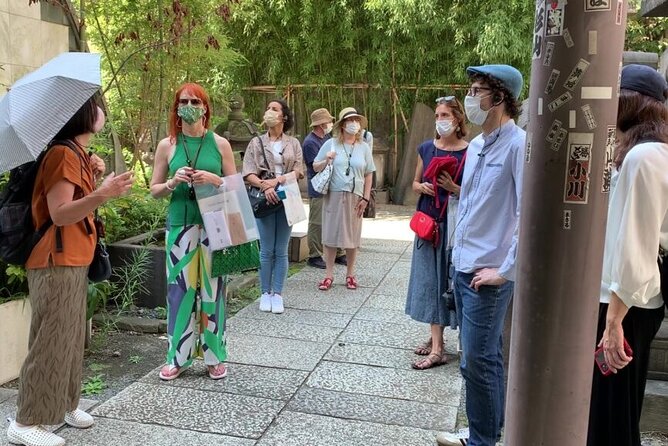
The tour begins at 9:30 a.m. near Ryogoku Station and lasts about three and a half hours. The pace includes several short stops, so you should be comfortable walking through an urban neighborhood. The route is guided, which matters in Ryogoku. The sights are spread around the district, and a guide helps connect them instead of leaving you to piece together the story on your own.
More sumo mornings:
- Tokyo: Sumo Show Experience with Chicken Hot Pot and a Photo
★ 4.8 · 6,678 reviews - Tokyo: Sumo Show and Dining Experience
★ 4.8 · 2,742 reviews - the SUMO show
★ 5.0 · 1,960 reviews
Hakkaku-beya: a look at a working stable
The first stop is Hakkaku-beya, one of the sumo stables in Ryogoku. You look at the building from outside, where wrestlers live and train.
That distinction is important. This is not a scheduled stable visit or a guaranteed chance to see practice. You should treat it as a glimpse of the setting and an introduction to the stable system. Your guide can explain what happens behind the walls and how a stable functions as both a training place and a home.
For someone new to sumo, this is useful early in the walk. You start with the people and institutions behind the sport before moving to shrines, arenas, and historical sites. The visit lasts about 15 minutes, so it does not take much time from the larger story.
Nominosukune Shrine and the origins of sumo
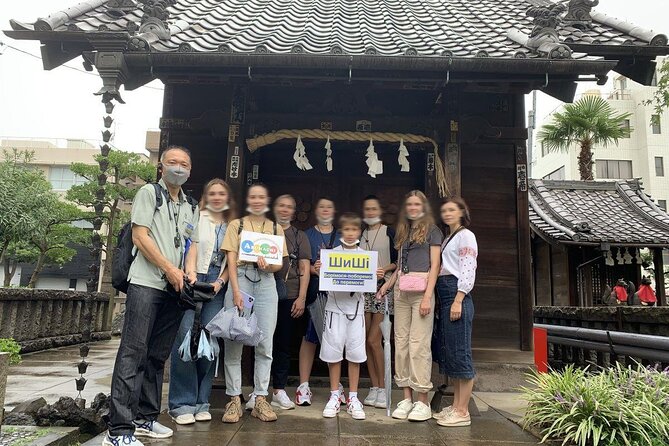
At Nominosukune Shrine, the guide explains the figure associated with the founding of sumo about 1,500 years ago. The stop lasts around 30 minutes, giving you time to look at the shrine while learning how the sport’s rules changed over the centuries.
This is one of the most important stops for understanding why sumo is more than a contest of strength. Its rituals, rules, and sacred associations have developed over a very long period. The guide can also explain how the sport gradually took the form you see today.
The shrine offers a useful pause from the modern city. You are still close to the arena and train station, but the subject shifts from professional competition to origin stories and religious tradition. If you enjoy cultural context, this is likely to be one of the strongest sections of the tour.
Outside the Kokugikan, sumo’s modern home
Ryogoku Kokugikan is the main arena for grand sumo tournaments in Tokyo. The tour views it from outside and uses the building as a starting point for stories about the sport’s most important venue.
The arena hosts three grand tournaments each year. If your visit happens outside a tournament period, you will see the exterior rather than a match. That can still be worthwhile, particularly if you want to understand where professional sumo reaches its largest public stage.
Your guide may focus on details about the arena and its role in sumo. Guides Jeff, Taka, and Aki-san have each been praised for making these explanations clear, personal, and easy to follow. A guide’s storytelling matters here because an exterior view alone does not take long. The context is what turns a photo stop into a useful part of the walk.
A nearby sumo museum may also be closed, as happened on one tour. You should not count on museum access unless your booking information specifically confirms it. The experience is built around the neighborhood walk, not guaranteed indoor admission.
A few more Tokyo bookings worth comparing
- Tokyo: Mt.Fuji & Lake Kawaguchiko 1-Day Bus Tour w/Optional Lunch
★ 4.5 · 839 reviews - Tokyo: Sumo Experience and Chanko Nabe Lunch
★ 4.8 · 257 reviews - Tokyo: Tsukiji Fish Market Tour with 6 Stops & Seafood Lunch
★ 4.5 · 165 reviews - Tokyo: 1 Day Bus Tour with Meiji-Jingu,Odaiba,lunch&Skytree
★ 4.6 · 156 reviews
Ryogoku Edo Noren and the full-scale ring
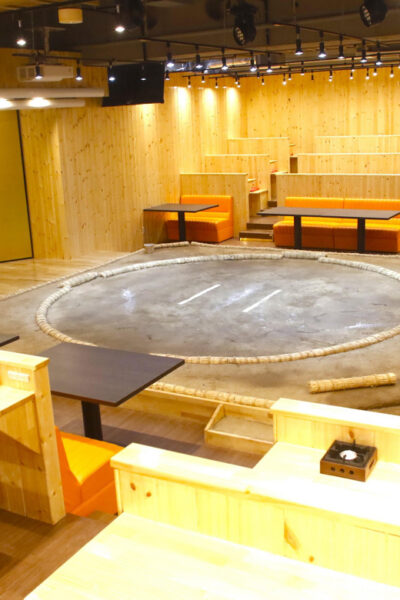
Ryogoku Edo Noren recreates the feel of old Edo, the former name for Tokyo, and contains a full-scale sumo ring. This is where you can get closer to the physical shape of the ring and ask questions about how sumo is staged.
Seeing the ring at full size helps put the sport in perspective. On television, the space can look compact. In person, its boundaries, raised platform, and ritual importance become easier to understand. Your guide can explain what you are looking at and share stories about observing sumo.
This stop is especially useful if you have never attended a match. You may leave with a better sense of where wrestlers stand, how the contest is framed, and why the ring itself carries such importance. It also adds a visual element after the more conversational stops at the stable and shrine.
Ekoin Temple and Edo-period tournaments
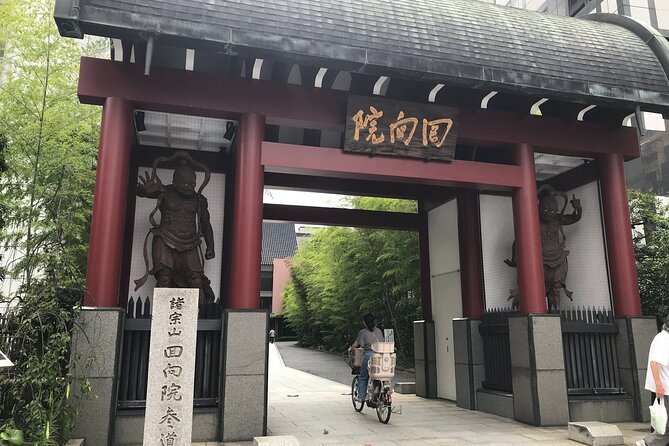
Ekoin Temple connects the walk with an earlier chapter of sumo. Tournaments were held here during the Edo period, when Tokyo was still known as Edo and Japan was governed by the samurai class.
The guide explains the social status of wrestlers, how tournaments were organized, and what they looked like before modern sumo arenas existed. This gives you a helpful contrast with the Kokugikan. The modern arena is a formal national stage, while Ekoin points to a time when sumo was shaped by older social structures and public customs.
The visit takes about 15 minutes. It is short, but it adds depth to the route. Instead of treating sumo as a fixed tradition, you see how it changed over time. That is a key reason to choose this experience over a simple arena photo stop.
Kasuganobeya and the practical side of wrestler life
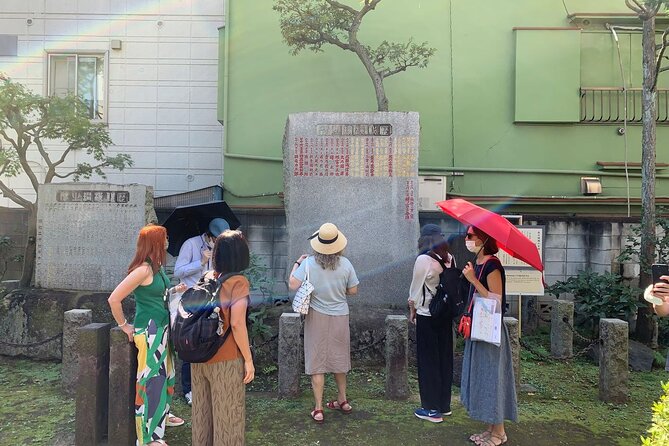
The next stable is Kasuganobeya. The tour notes its connection with a Bulgarian-born wrestler and points out the wrestler-size bicycles used in daily life.
That small detail gives the walk a welcome human scale. Sumo wrestlers are often presented through rank, ceremony, and dramatic matches. Seeing the oversized bicycles shifts your attention to ordinary routines and practical needs.
Again, this is an outside visit, not a promise of access to a training session. The stop lasts about 15 minutes. You should expect atmosphere and explanation rather than a performance. If you want a confirmed view of practice, you will need a separate experience designed for that purpose.
Chanko-nabe at Tomoegata
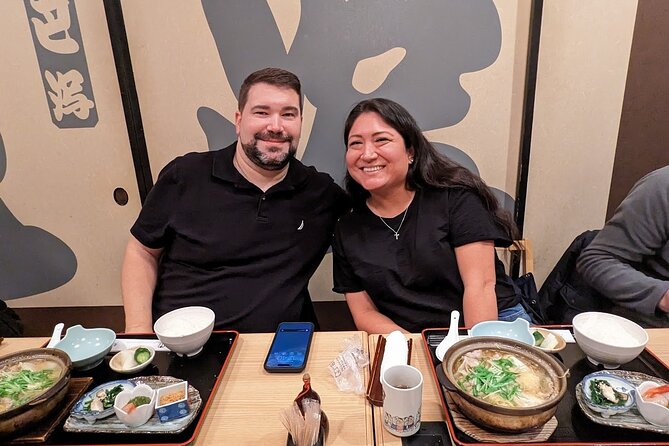
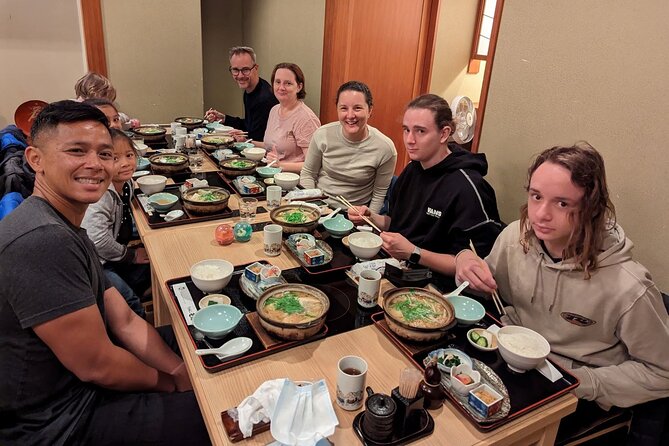
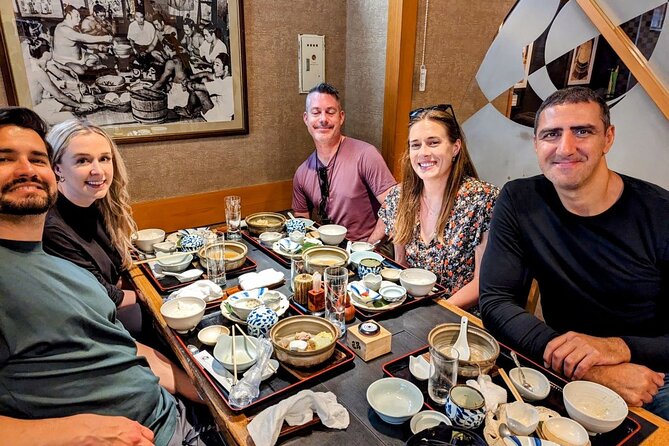
The tour ends at Tomoegata Chanko, a restaurant described as one of the better places in the district for this food. Lunch lasts about one hour and is included in the price.
Chanko-nabe is a hot-pot dish associated with the sumo wrestlers’ diet. It is used to help build weight and muscle, and the meal gives you a direct connection to the food culture surrounding the sport. Rather than ending with a quick snack, the tour finishes around a shared dish that reinforces what you have been learning.
The lunch is one of the clearest practical benefits of the package. You do not have to search for a restaurant after the walk, and you get time to continue talking with the guide and your small group. Alcoholic drinks are not included, so plan to pay separately if you want them.
The restaurant is also the endpoint. There is no hotel pickup or drop-off, but ending in Ryogoku makes it simple to continue exploring the neighborhood on your own.
What the $131.12 price really buys you
At $131.12 per person, this is not a cheap neighborhood walk. The value comes from the guide, the small group, the connected route, and the included lunch rather than from admission tickets. The listed stops are free, and there is no match ticket or museum entry built into the price.
I would see the cost as reasonable for someone who wants a focused introduction to sumo and prefers not to research the district alone. A guide who can explain the rules, rank system, stable life, religious links, and tournament history adds much more than a map would.
The small group is a real advantage. With no more than eight people, you can ask about details that interest you, and the guide can adjust explanations to the group. Jeff has been singled out for being personable and well informed, while Taka and Aki-san have also been praised for their explanations and warmth. Guide quality is important on a walking tour, and the available guide feedback points to this being one of the strongest parts of the experience.
The price is harder to justify if you mainly want to see wrestlers in action. Since practice and matches are not included, you may prefer to spend the money on a tournament ticket or a separate practice-viewing activity, if one is available for your dates.
Timing, transport, and the Sunday question
The meeting point is at Ryogoku Station, at 1-chome 4-29 Yokoami in Sumida City. The tour starts at 9:30 a.m., so you should arrive with enough time to find the correct station exit and meeting area.
The route is near public transportation, and the ending point is Tomoegata Chanko at 2-chome 17-6 Ryogoku. Since the tour runs for about three and a half hours, you will finish around lunchtime, with the meal serving as the final stop rather than an extra activity afterward.
Check the date carefully if you are hoping to see more than exteriors. A Sunday visit may not offer access to training facilities, and the tour does not promise actual practice in the first place. Tournament periods and museum opening days can also affect what you see. The walk still has value on a quiet day, but the experience is strongest when you understand that it is a cultural and historical tour, not a live sumo event.
Who will enjoy this tour most
I would recommend it to first-time sumo fans, families with older children, and anyone who wants a clear introduction to Japanese sport and tradition. The route gives you several angles on the subject, from sacred origins and old tournament grounds to modern professional stables and wrestler food.
It is also a good choice if you like walking tours with a defined theme. The route is not a general Tokyo sightseeing stroll. Almost every stop relates to sumo, Ryogoku, or the district’s older identity as a center of the sport.
You may want something else if your main goal is photographing wrestlers, watching training, or attending a match. The stable visits are from outside, the Kokugikan is viewed from outside, and no actual sumo viewing is included.
Free cancellation is available when you cancel at least 24 hours before the 9:30 a.m. start time. Changes or cancellations made later are not accepted for a refund. Confirmation arrives at booking, and most people can take part, though the tour does involve a guided urban walk.
Should you book the Ryogoku sumo tour?
Book it if you want the story behind sumo, not only the spectacle. The route brings together stables, shrines, temples, the Kokugikan, an Edo-era ring, and chanko-nabe in one manageable morning. The small group and strong guides, especially Jeff, Taka, and Aki-san, add the personal touch that makes the price easier to accept.
Skip it if you already know Ryogoku well or have secured a match or practice visit elsewhere. You will not see a live session here. For a first look at sumo culture, though, this is a well-shaped introduction with a satisfying meal at the end.
FAQ
How long does the Tokyo Sumo Culture Tour last?
The tour lasts approximately 3 hours and 30 minutes. It starts at 9:30 a.m. and ends at Tomoegata Chanko after lunch.
Is lunch included?
Yes. Chanko-nabe lunch at Tomoegata Chanko is included. Alcoholic beverages are not included.
Will I watch sumo practice or an actual match?
No. The tour does not include live sumo practice or match viewing. The stable visits and the Kokugikan stop are viewed from outside.
How large is the tour group?
The maximum group size is eight people. This keeps the experience relatively small and allows time for questions.
Where does the tour start and finish?
The tour starts near Ryogoku Station at 1-chome 4-29 Yokoami, Sumida City. It ends at Tomoegata Chanko at 2-chome 17-6 Ryogoku, Sumida City.
Can I cancel for a full refund?
Yes, if you cancel at least 24 hours before the experience start time. Cancellations or changes made less than 24 hours before the start are not accepted for a refund.
New on our Tokyo list
- Tokyo Spectacular View Day-Cruise in 90 Minutes★ 5.0 · 25 reviews
- From Tokyo: Mount Fuji & Hakone Full Day Private Tour★ 4.9 · 25 reviews
- Real Tokyo Runner Club : Daikoku Car Meet Night Tour with JDM Car★ 5.0 · 25 reviews
- 2.5 Hour-Guided Cycle Tour in the Central Tokyo★ 5.0 · 25 reviews
- Ramen Making from Scratch +Akihabara Tour –Cooking Class★ 5.0 · 25 reviews
- [Self-Drive] Tokyo & Daikoku Custom Car Driving Tour★ 4.9 · 25 reviews
- Tokyo: 2-Hour Night Bike Tour of the City’s Hidden Gems★ 4.9 · 25 reviews
- Samurai themed Entertainment show in Shinjuku★ 4.5 · 25 reviews
Sumo Experiences, compared.
Sumo Show Experience with Chicken Hot Pot and a Photo
Read our review →
Tokyo Shinjuku Sumo Show & Experience with Photo
Read our review →

Authentic Sumo Experience in Tokyo: Enter the Sanctuary
Read our review →
Luxury Sumo Show Experience & Japanese cuisine & Drink
Read our review →
Browse the lists this tour appears in