
Reviewed · TEA CEREMONIES
Tokyo: Tea Ceremony & Japanese Sweets Making
Tokyo’s tea culture becomes much easier to understand when you get to make the tea yourself. In this one-hour workshop, you watch the formal Otemae demonstration, then prepare your own matcha and pair it with a seasonal Japanese sweet you craft by hand.
I like the small maximum of 10 people, which gives the tea master room to guide you through each step. I also like the clear-English instruction and the calm, hands-on format. The main drawback is the short running time: this is a focused introduction, not a long ceremonial tea lesson.
In This Review
- Key points at a glance
- A short Tokyo tea ceremony with hands-on work
- Watching the Otemae demonstration
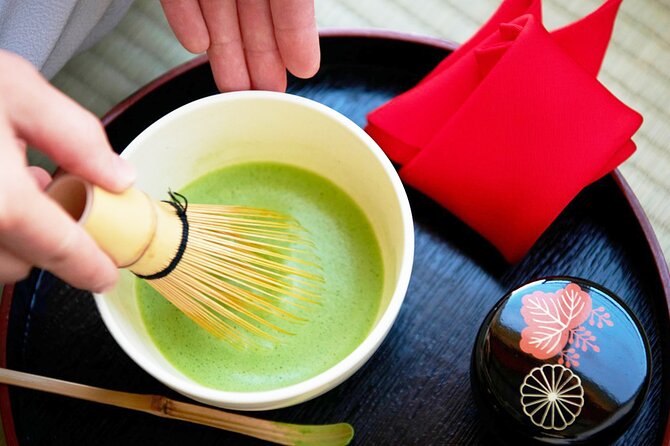
- Making your own matcha
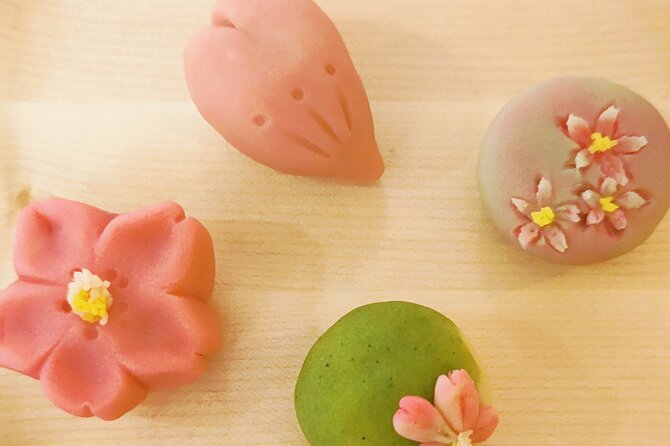
- Designing a seasonal Japanese sweet
- Why the small group size matters
- Location in Hakusan, Bunkyo City
- How the one-hour schedule fits a Tokyo itinerary
- Is $32.58 a fair price?
- Who should book this experience?
- Practical booking advice
- Should you book the Tokyo tea ceremony?
- FAQ
- Where does the tea ceremony activity take place?
- How long does the activity last?
- What will I do during the workshop?
- Is the activity conducted in English?
- How experienced is the tea master?
- How many people can join?
- Where does the activity end?
- Is the experience near public transportation?
- What is the price?
- Can I cancel for a full refund?
Key points at a glance
- Watch Otemae before making matcha: You first see the formal preparation, then try the process yourself.
- Make your own seasonal sweet: The sweet is not just a snack on the side. You shape and design it as part of the activity.
- Learn from an experienced tea master: The instructor has more than 10 years of tea experience.
- Small group setting: The activity accepts no more than 10 people, a useful size for hands-on guidance.
- Convenient one-hour format: It fits neatly into a Tokyo sightseeing day, though the short schedule leaves little extra time.
- Simple cancellation terms: You receive a full refund if you cancel at least 24 hours before the start time.
A short Tokyo tea ceremony with hands-on work
This is not just a demonstration where you sit quietly and watch someone else prepare tea. The central appeal is the change from observer to participant. You see the traditional method, then take the whisk and prepare your own cup of matcha.
That order matters. Without first seeing the motions, the tools and gestures can seem mysterious. The Otemae demonstration gives you a visual guide before you try the process yourself. You can then pay attention to the details of whisking, serving, and tasting instead of wondering what happens next.
The workshop also adds Japanese sweets, which makes the hour feel more complete. You craft a seasonal sweet yourself and taste it with the matcha. The pairing helps you notice the contrast between the tea’s strong, grassy flavor and the sweet confection.
The activity is guided in clear English by an expert host. That makes it a practical choice if you want cultural context without struggling through a lesson conducted only in Japanese. The available information does not give the host’s name, but it does specify more than 10 years of tea experience.
More tea rooms worth booking:
- Matcha Making Class in Tokyo with Authentic Japanese Sweets Set
★ 5.0 · 744 reviews - Tokyo: Traditional Tea Ceremony with a Tea Master
★ 5.0 · 528 reviews - Tokyo: Matcha Making Experience with Mochi Sweets in Asakusa
★ 4.9 · 388 reviews
Watching the Otemae demonstration
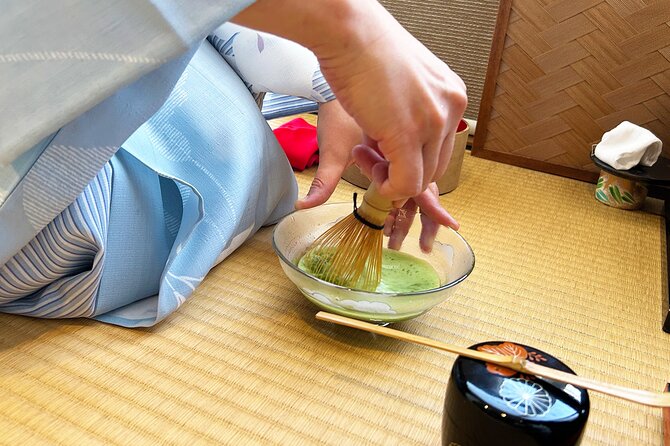
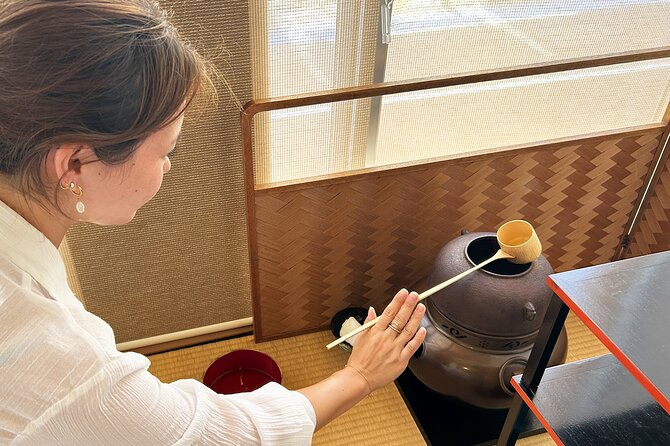
The formal Otemae demonstration is the most traditional part of the experience. Here, the tea master shows you how matcha preparation is carried out before asking you to make your own.
A ceremony is about more than mixing green powder and hot water. The order of actions, care with the utensils, and quiet focus all shape the experience. Even in a short workshop, seeing those elements together gives you a better sense of why Japanese tea preparation is treated as a practiced art rather than a quick drink-making routine.
I would pay close attention during this first section. Notice the pace and the way each movement is handled. You will have a better time making your own matcha if you treat the demonstration as a lesson rather than background entertainment.
The supplied description does not specify the names or types of utensils, the exact room design, or how much time the demonstration takes. That is useful to keep in mind. You should expect a clear introduction to the ceremony, but not assume a full-length formal tea gathering with every traditional element.
Making your own matcha
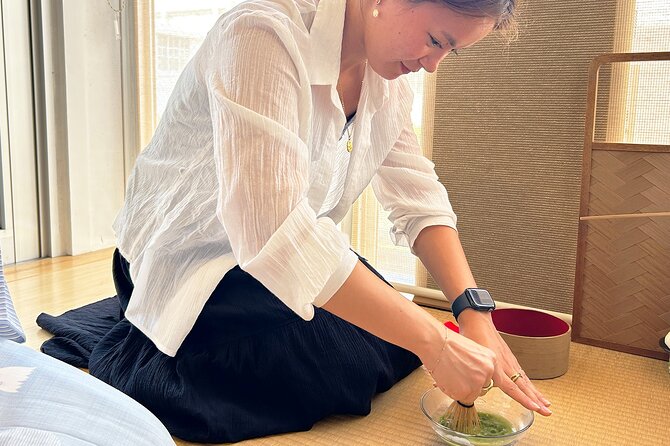
After watching the tea master, you prepare matcha yourself. This is the point where the workshop earns much of its appeal. You are not simply handed a finished bowl and told how it was made. You take part in the process and taste the result.
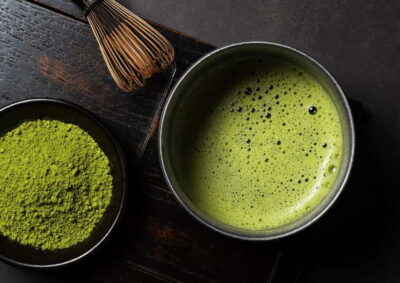
Matcha has a distinctive flavor, and the description specifically points to its rich taste. Your own preparation may feel different from the tea master’s version, which is part of the fun. The activity gives you a direct way to understand the drink rather than treating it as a fashionable green tea product.
Clear English guidance is especially useful here. Small instructions can matter when you are learning a traditional method for the first time. The host can explain what to do, show the motion, and help keep the experience relaxed for beginners.
The one-hour limit does mean the matcha lesson must stay focused. You should not expect a detailed study of tea schools, regional traditions, farming, or years of whisking practice. You can expect a practical introduction that lets you try the main action for yourself.
Designing a seasonal Japanese sweet
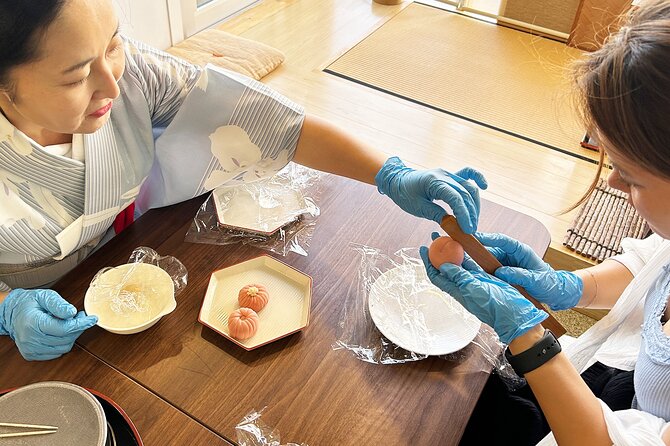
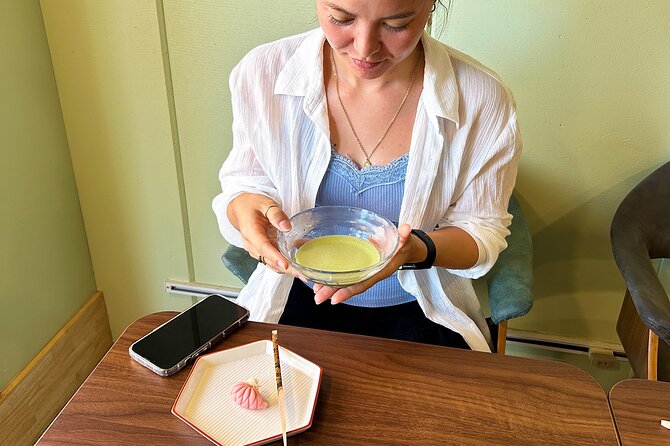
The sweets portion gives the workshop a second hands-on activity. You craft a seasonal Japanese sweet yourself, then enjoy it alongside the matcha.
This is a good choice for anyone who likes food activities more than passive sightseeing. Shaping the sweet adds a creative element, and the finished piece becomes part of your tea tasting. It also gives you a better understanding of how Japanese sweets can be designed for appearance as well as flavor.
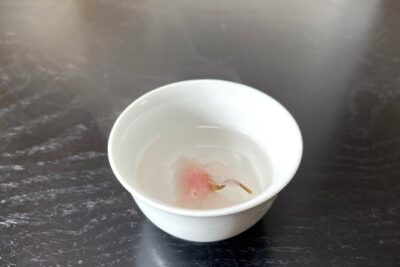
The word seasonal is important. It suggests that the sweet may reflect the time of year, but no specific sweet or ingredient is identified. Do not book this expecting a particular confection unless the provider confirms it in advance.
The pairing also serves a practical purpose. Matcha can be intense, and a sweet gives your palate a different note to compare with it. The tea and confection are meant to be enjoyed together, not as two unrelated parts of the schedule.
A few more Tokyo bookings worth comparing
- Make Traditional Nerikiri Sweets & Matcha experience in Shibuya
★ 5.0 · 130 reviews - Private Mochi Sweets Making class near Shibuya area
★ 5.0 · 93 reviews - Japanese Traditional Sweets making and Tea Ceremony
★ 4.7 · 50 reviews - Tokyo Local Food Tour: Noodles, Skewers, Dumplings, Sweets
★ 5.0 · 48 reviews
Why the small group size matters
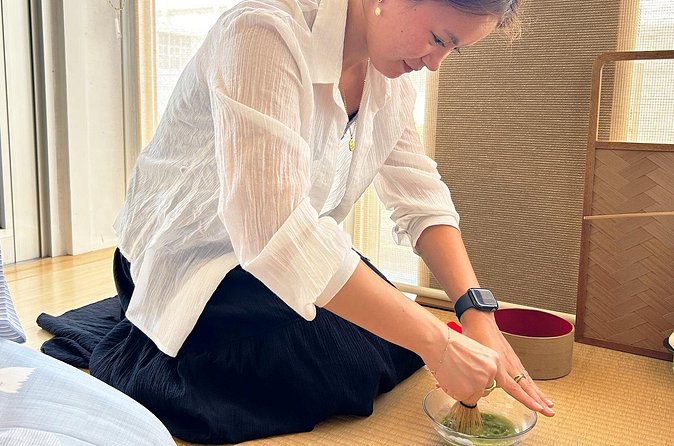
The maximum group size is 10 people. That is not a private lesson, but it is small enough to make a hands-on workshop more manageable than a large class.
When you are learning to prepare matcha, you may want to see the demonstration clearly and receive a correction if your technique needs work. A group capped at 10 gives the host a reasonable chance to keep an eye on participants.
Small groups also suit the quiet mood of a tea ceremony. A crowded room can make it harder to hear instructions and harder to maintain the calm pace that gives the activity its character. Still, the exact group size on your date can be smaller or simply close to the limit, since the listed maximum is not a promise that every session will fill.
The rating is 4.8 from 10 reviews, with 90 percent recommending the activity. That is a strong signal, but the sample is small. I would use it as reassurance rather than proof that the experience will match every expectation.
Location in Hakusan, Bunkyo City
The meeting point is in Hakusan, in Tokyo’s Bunkyo City. The listed address places the activity at the second floor of Fil Park Hakusan Hills, inside the VaLerio Luana Japan personal training gym with a diet-focused Japanese food concept.
That setting is worth noting because it may not look like a traditional tea house from the outside. You are meeting at a modern commercial address, not at a clearly identified historic temple or famous tea pavilion. The ceremony itself is described as traditional, but the venue information points to a practical urban location.
The site is near public transportation, which helps when fitting the workshop between other Tokyo plans. You receive a mobile ticket, so you can keep the booking details on your phone rather than arranging a printed voucher.
Give yourself enough time to locate the building and the second-floor entrance. The address includes several details, including the Hakusan neighborhood, building name, and floor. I would save the full meeting information before leaving your hotel and check that you are heading to Bunkyo City, not another part of Tokyo with a similar name.
The activity ends back at the meeting point. That makes the next step of your day easier to plan, especially if you want to continue exploring Bunkyo or return by public transportation.
How the one-hour schedule fits a Tokyo itinerary
A one-hour activity is easy to add to a busy day. You can place it between major sights without giving up half a day, and the return to the starting point keeps the schedule tidy.
The trade-off is depth. The hour must cover the Otemae demonstration, matcha preparation, your own tea tasting, and sweet making. Each part is likely to be introductory rather than extensive. If you want a long, highly formal ceremony with extended explanations, this will probably feel brief.
For most people, the short length is a benefit. You get a direct encounter with Japanese tea culture without needing to commit to a larger cultural program. It also works well for families, first-time visitors to Japan, and anyone who wants one food-based activity during a packed Tokyo stay.
I would avoid scheduling something that begins immediately afterward on the other side of the city. The activity itself lasts about an hour, but finding the location and moving on may take extra time. The supplied information does not provide a specific buffer recommendation, so leave a practical margin in your own plans.
Is $32.58 a fair price?
At $32.58 per person, the cost is reasonable for a small-group cultural workshop that includes instruction, matcha preparation, tasting, and a handmade Japanese sweet.
The value comes from participation. You are paying for access to a tea master, guided practice, and the chance to create part of what you eat. A simple cup of matcha would cost much less, but it would not give you the demonstration or the instruction.
The price looks strongest if you enjoy learning by doing. If you mainly want a quiet cup of tea in a beautiful traditional setting, the short workshop and modern meeting location may not offer the atmosphere you have in mind.
The group limit also supports the price. A class for up to 10 people can provide more personal attention than a large public demonstration, though it is not the same as booking a private ceremony. Since the listing shows only 5 or more bookings in the previous month, the activity may not be a heavily booked mass attraction, but that figure can change and should not be treated as a guarantee of a nearly empty class.
Who should book this experience?
I would recommend this workshop to you if you want a manageable introduction to matcha and Japanese sweets. It suits first-time visitors who want cultural context, food lovers who enjoy making things, and couples or families looking for an activity that feels different from standard sightseeing.
It is also a good fit if you value instruction in clear English. You can follow the process without relying only on watching other people or guessing what each gesture means.
The activity may appeal to you if you like a calm pace but still want something practical to do. The tea ceremony provides the cultural structure, while making matcha and sweets keeps the hour active.
I would hesitate if your main goal is a long, highly formal ceremony in a historic setting. The available details do not promise a temple, garden, private room, or extended session. I would also think twice if you have very limited flexibility after booking, since changes and cancellations made less than 24 hours before the start time are not accepted.
Practical booking advice
You receive confirmation when you book, and the mobile ticket should make arrival straightforward. Keep the address handy because the meeting point is inside a named building and on the second floor.
The activity returns to the same place where it begins. That is useful when you are connecting it with another stop, but remember that the one-hour duration is approximate rather than a precise guarantee of the exact end minute.
Free cancellation is available if you cancel at least 24 hours before the local start time. Cancel later than that and you will not receive a refund. Any changes made inside that 24-hour window are also not accepted, so check your Tokyo schedule before booking.
Should you book the Tokyo tea ceremony?
Book it if you want a short, practical introduction to Japanese tea culture, especially if making your own matcha and seasonal sweet sounds better than simply watching a ceremony. The experienced tea master, clear English instruction, small group cap, and $32.58 price make this a sensible cultural stop in Hakusan.
Skip it if you want a long ceremony, a named historic venue, or a highly detailed study of tea traditions. This is a compact workshop with a modern meeting point and a clear focus: watch the method, try it yourself, and enjoy the tea with a sweet you helped create.
FAQ
Where does the tea ceremony activity take place?
It takes place in Hakusan, Bunkyo City, Tokyo, at the second floor of Fil Park Hakusan Hills, inside VaLerio Luana Japan.
How long does the activity last?
The activity lasts approximately one hour.
What will I do during the workshop?
You will watch an Otemae tea demonstration, learn how to prepare matcha, make your own matcha, and craft a seasonal Japanese sweet to enjoy with it.
Is the activity conducted in English?
Yes. The experience is guided in clear English by an expert host.
How experienced is the tea master?
The tea master has more than 10 years of experience.
How many people can join?
The maximum group size is 10 people.
Where does the activity end?
It ends back at the meeting point in Hakusan.
Is the experience near public transportation?
Yes. The meeting point is near public transportation.
What is the price?
The listed price is $32.58 per person.
Can I cancel for a full refund?
Yes, if you cancel at least 24 hours before the experience start time. Cancellations or changes made less than 24 hours before the start time are not accepted for a refund.
New on our Tokyo list
- Sumi-e Experience in a relaxing green tea shop in Tokyo★ 5.0 · 3 reviews
- Tokyo : Kamikaze Street Drift Ride★ 5.0 · 3 reviews
- Private Zen Meditation in English in Shinjuku, Tokyo★ 5.0 · 3 reviews
- Onsen Spa in Tokyo and Asakusa Bar Hopping with Local Guide★ 5.0 · 3 reviews
- Easy for everyone! Now you can play handmade mini shamisen and show off to everyone! Musical instruments, sweets and live music★ 5.0 · 3 reviews
- Tokyo: Private Tsukiji Street Food & Sake with Local Guide★ 5.0 · 3 reviews
- Mt Fuji Exploration Tour with Free Japanese Kusa Mochi from Tokyo★ 4.5 · 3 reviews
- Tokyo Tsukiji Fish Market Walking and Exploring Hidden Gems Tour★ 5.0 · 3 reviews
Tea Ceremonies, compared.

Matcha Making Class in Tokyo with Authentic Japanese Sweets Set
Read our review →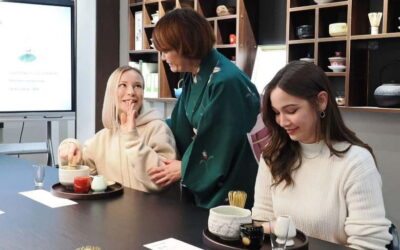
Matcha Making Experience with Mochi Sweets in Asakusa
Read our review →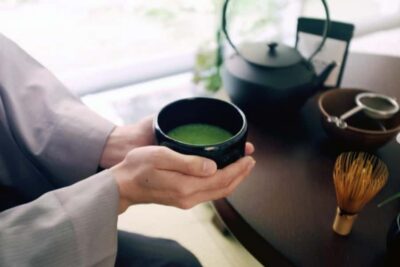
Tea Ceremony Workshop in Tokyo by the Experienced Instrucor
Read our review →

Make Traditional Nerikiri Sweets & Matcha experience in Shibuya
Read our review →Browse the lists this tour appears in