
Reviewed · TEA CEREMONIES
Tokyo: Tea Ceremony & Japanese Traditional Sweets
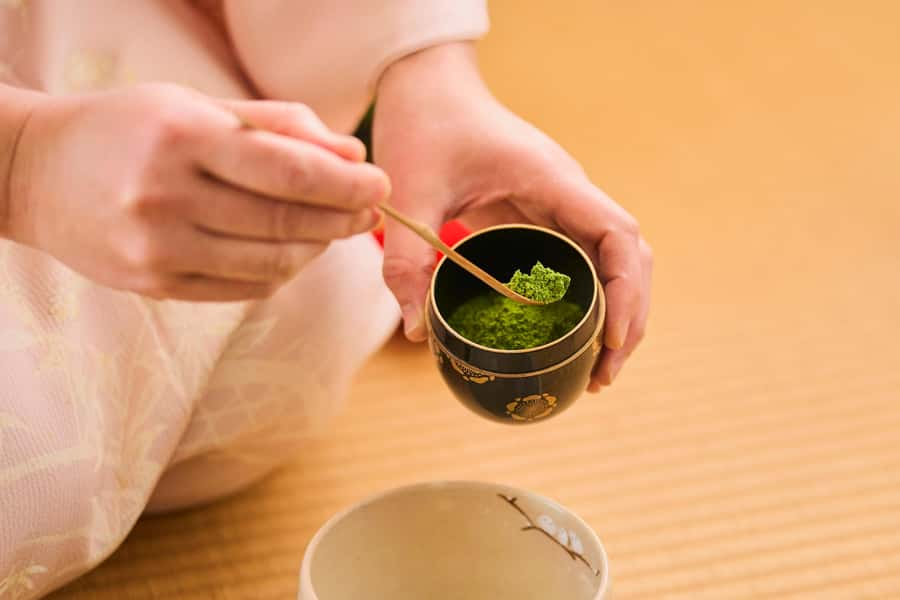
Tokyo’s tea ceremony is not just a cup of tea. It is a careful sequence of movements, gestures, and tastes, and this one-hour class lets you see the process before trying it yourself. You will watch a tea master perform the graceful otemae demonstration, then prepare matcha and shape a seasonal Japanese sweet.
I like the hands-on format, especially the chance to make your own nerikiri instead of simply eating a finished confection. I also like the small group, capped at 10 people, and the clear English guidance from a tea master with more than 10 years of experience. The main limitation is the short running time: this is a focused introduction, not a full afternoon study of tea culture.
In This Review
- Key points to know before booking
- Why this one-hour tea class works
- Arriving near Hakusan Station
- Watching the otemae demonstration
- Whisking your own bowl of matcha
- Shaping seasonal nerikiri sweets
- How much personal attention can you expect?
- English guidance and who will enjoy it most
- Is $27 a good value?
- Practical details that matter
- Should you book this Tokyo tea ceremony?
- FAQ
- Where does the tea ceremony take place?
- How far is the venue from a train station?
- How long does the experience last?
- What language is the class conducted in?
- Who leads the tea ceremony?
- Do I get to make my own matcha?
- Do I make the Japanese sweets myself?
- How many people can join the group?
- Is the venue wheelchair accessible?
- What should I wear?
- How much does the experience cost?
- Can I cancel for a refund?
- Can I reserve now and pay later?
Key points to know before booking
- You make both parts of the treat: Whisk your own matcha and prepare a seasonal nerikiri sweet.
- The ceremony comes before your turn: Watch the tea master’s otemae demonstration so the movements make sense when you try them.
- The class is English only: An expert host explains the ceremony and answers questions in English, with no Japanese language support.
- The group stays small: A maximum of 10 participants gives the class a more personal feel.
- The setting is easy to reach: The venue is about a five-minute walk from Toei Mita Line Hakusan Station.
- The price is modest for a practical cultural class: At $27 per person, you get instruction, the ceremony, matcha preparation, and traditional sweets in one hour.
Why this one-hour tea class works
I like tea ceremonies best when you are given enough context to understand what you see, then allowed to take part. That is the shape of this experience. You do not simply sit quietly while someone prepares tea. You first watch, then learn the basic process, and finally make your own bowl.
The class is led by a licensed tea master with more than 10 years of experience. That matters because small actions in a tea ceremony can look mysterious at first. The way the tea is handled, the order of the movements, and the attention given to the bowl all carry meaning. Clear instruction helps you appreciate those details instead of treating the ceremony as a photo opportunity.
An English-speaking host supports the experience with explanations and answers to questions. The tone appears suited to first-time participants. You do not need prior knowledge of Japanese tea customs, and you should feel comfortable asking for help when it is your turn to whisk the matcha or shape the sweet.
The class also has a calm rhythm. One participant described it as a peaceful break from the busy pace of Tokyo, and that is a useful way to think about the experience. It gives you an hour of quiet concentration without asking you to leave the city or commit to a long cultural program.
More tea rooms worth booking:
- Matcha Making Class in Tokyo with Authentic Japanese Sweets Set
★ 5.0 · 744 reviews - Tokyo: Traditional Tea Ceremony with a Tea Master
★ 5.0 · 528 reviews - Tokyo: Matcha Making Experience with Mochi Sweets in Asakusa
★ 4.9 · 388 reviews
Arriving near Hakusan Station
The meeting point is on the second floor of Phil Park Hakusan Hills, at 1-26-17 Hakusan in Bunkyo-ku. It is about a five-minute walk from Hakusan Station on the Toei Mita Line.
I would allow a little extra time to find the correct entrance and reach the second floor. The directions specifically point you to the second floor as shown on Google Maps, so check the map before leaving your hotel. This is a practical detail, but it can save you from arriving flustered just as a quiet ceremony is beginning.
The location is in Tokyo rather than in a remote tea house or a countryside retreat. That makes it easy to fit into a day of sightseeing, but you should not expect a grand garden setting based on the information provided. The appeal here is the instruction and participation, not a long visit to a historic estate.
Wear comfortable clothes. You will be sitting and working with tea and sweets, so clothing that lets you move easily is the sensible choice. The venue is wheelchair accessible, which makes this class more practical for many visitors, though you should still confirm any personal access needs when booking.
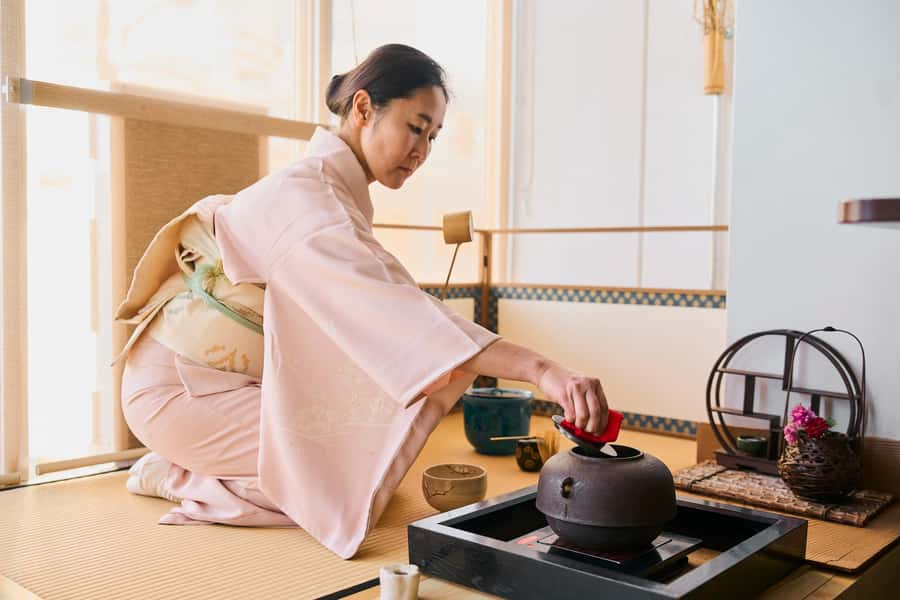
Watching the otemae demonstration
The ceremony begins with the tea master’s demonstration. This is your chance to see the process without having to remember every step yourself.
Otemae refers to the formal preparation and serving of matcha. The demonstration gives the class its cultural center. Watch the pace, the handling of the utensils, and the deliberate order of the preparation. Much of the appeal comes from how ordinary actions become precise and thoughtful when performed as part of the ceremony.
The tea master’s experience is important here. With more than a decade in the craft, the instructor can show the movements clearly and explain what you are seeing. The English support keeps the ceremony approachable, especially if you are unfamiliar with Japanese customs or unsure when to participate.
I would resist the urge to focus only on photographs. The class is short, and the demonstration passes quickly. Pay attention to the sequence so that your own preparation feels like a continuation of the lesson rather than a separate craft activity.
The ceremony may also give you a better sense of why matcha is served in this particular way. It is not presented as an everyday mug of tea. The preparation asks you to slow down, notice the bowl, and take part in a shared ritual.
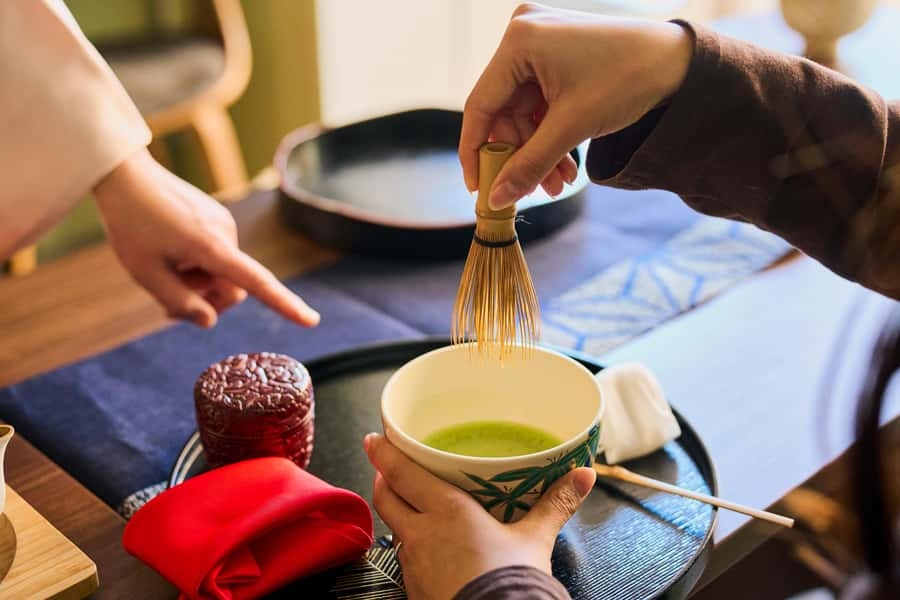
Whisking your own bowl of matcha
After watching the demonstration, you get to prepare your own matcha. This is the point where the class becomes more than a performance.
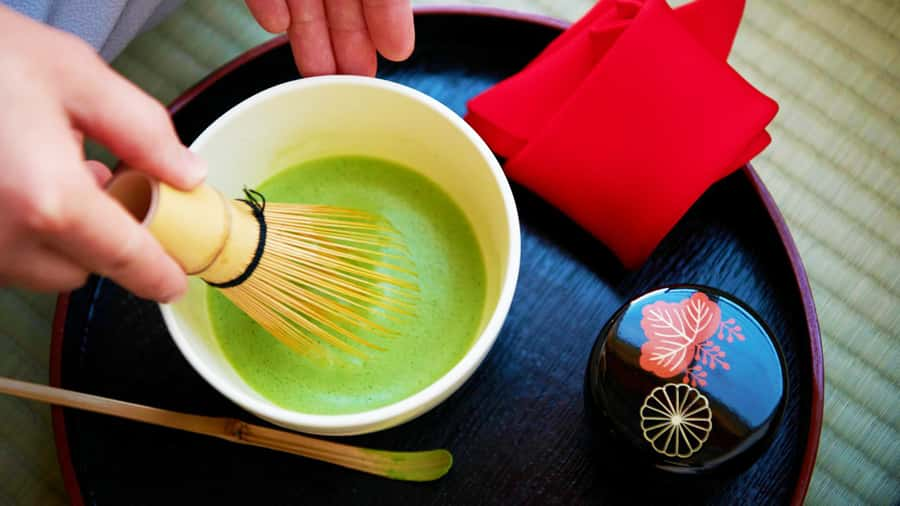
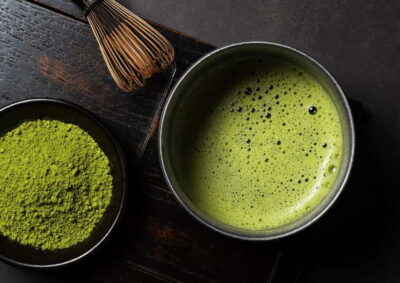
You will learn how to whisk the powdered tea and create your own bowl to taste. Matcha has a strong, distinctive flavor, and preparing it yourself helps you understand the work behind the drink. The goal is not to produce a perfect bowl on your first try. The useful part is learning the basic method and seeing how the tea changes as you whisk it.
The instructor and English-speaking host can guide you through the process and help when needed. That support is particularly valuable for anyone who has never handled a bamboo whisk or prepared matcha before. One of the strongest features of this experience is the chance to ask questions as you work, instead of trying to copy a demonstration from a distance.
You should expect a direct taste of matcha’s character. It is concentrated, grassy, and more forceful than the mild green tea many people drink at home. The description emphasizes its rich flavor, but individual reactions will vary. If you already enjoy matcha, this is a chance to prepare it in a traditional setting. If you are new to it, approach the first sip with curiosity rather than expecting a sweet café drink.
The hands-on part also gives you a small skill to remember after the class. You will not become a tea master in an hour, but you will leave knowing more about how matcha is prepared and served.
A few more Tokyo bookings worth comparing
- Make Traditional Nerikiri Sweets & Matcha experience in Shibuya
★ 5.0 · 130 reviews - Private Mochi Sweets Making class near Shibuya area
★ 5.0 · 93 reviews - Japanese Traditional Sweets making and Tea Ceremony
★ 4.7 · 50 reviews - Tokyo Local Food Tour: Noodles, Skewers, Dumplings, Sweets
★ 5.0 · 48 reviews
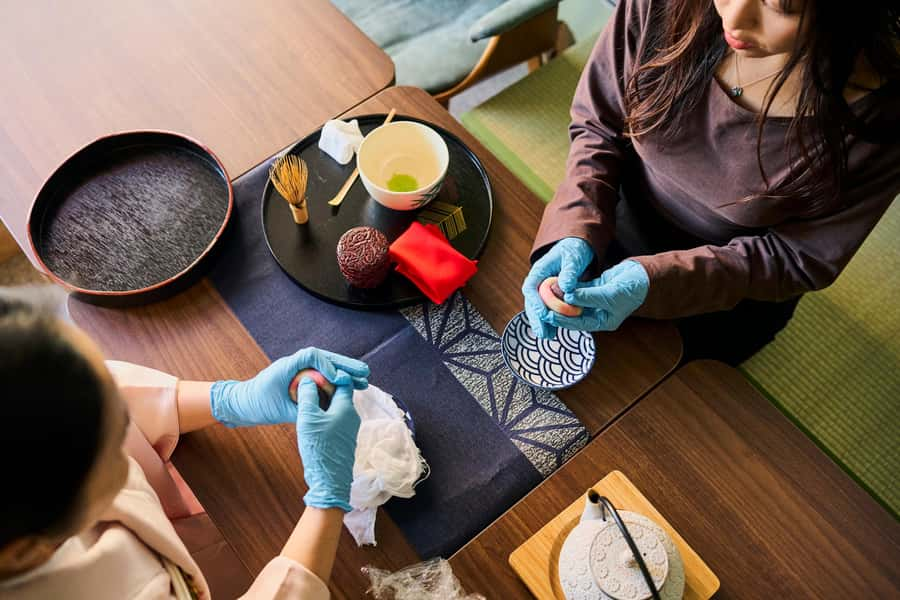
Shaping seasonal nerikiri sweets
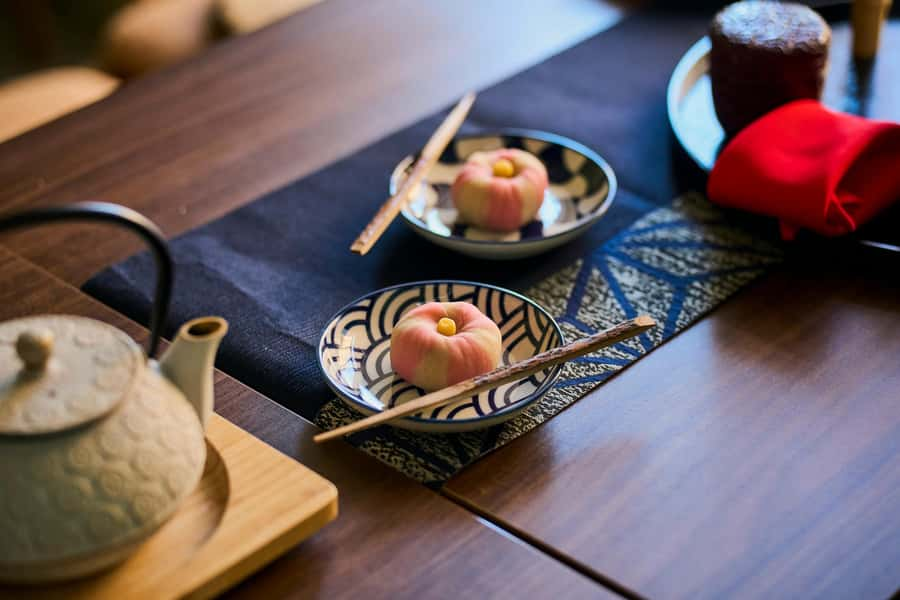
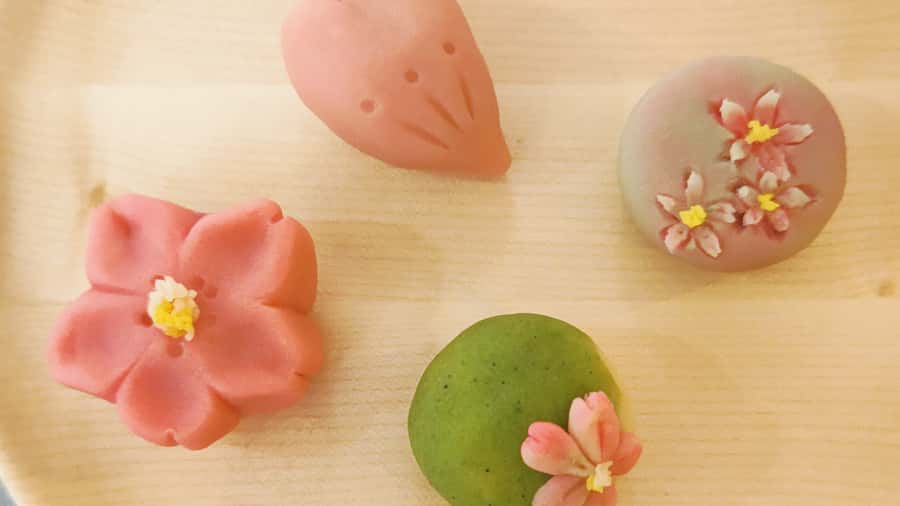
The other hands-on activity is making nerikiri, a traditional Japanese confection. These sweets are made in delicate forms and colors that reflect the season, often through flowers or other natural motifs.
This is a fine pairing for the tea ceremony because the sweet balances the strong taste of matcha. You are not simply handed a packaged snack. You shape the confection yourself, using the colors and form provided for the seasonal design.
Nerikiri shows how Japanese sweets can function as small works of edible art. The shape is part of the experience. A flower-inspired design or another seasonal motif connects the food to the time of year, even in a compact classroom setting.
I like this part for visitors who want a creative activity but do not want to spend half a day in a cooking school. You get a cultural lesson and a simple craft in one sitting. The task may require patience, since delicate shapes are not always easy to form on the first attempt. That is also where the small group helps. With no more than 10 people, the instructor can provide assistance instead of leaving you to guess.
The finished nerikiri is enjoyed with the matcha you prepare. That final combination gives the class a clear ending: make the sweet, make the tea, then taste the two together.
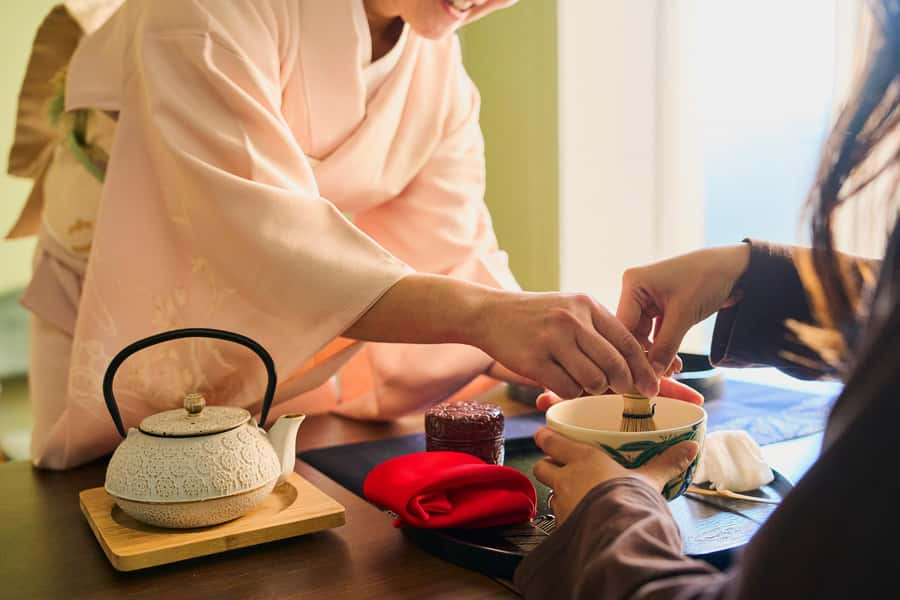
How much personal attention can you expect?
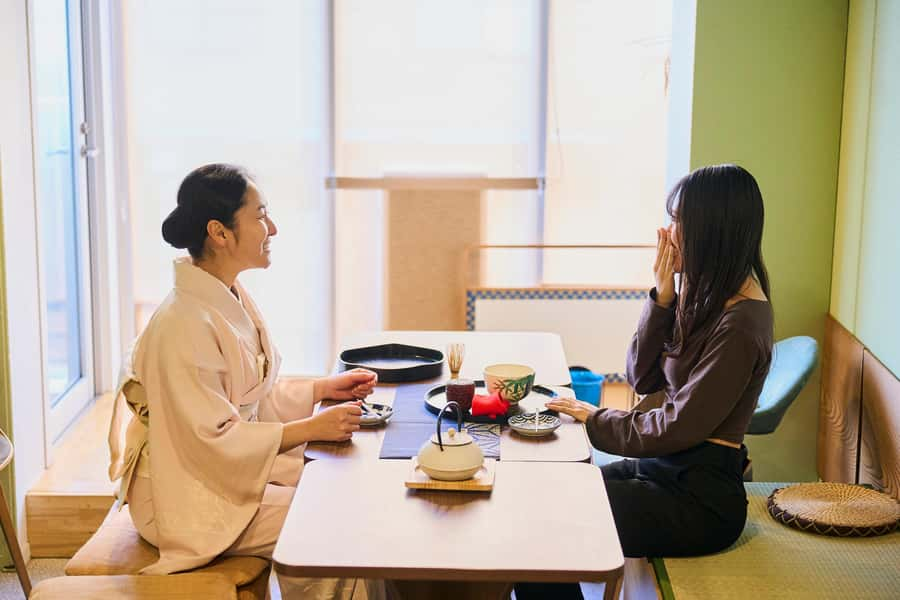
The group limit of 10 is one of the strongest practical points. A tea ceremony can feel distant if you are one person in a large audience. Here, the small group should make it easier to see the demonstration and receive help during the hands-on sections.
The available feedback points to a kind and informative instructor. The guide has been praised for answering questions and helping when needed, which is exactly what you want in a class built around unfamiliar movements. I would still keep your expectations realistic. A small group is not the same as a private lesson, and the one-hour schedule leaves limited time for extended discussion.
That short length can be an advantage. If your Tokyo itinerary is packed, you can fit this class between other plans without giving up a full morning or afternoon. It is also a good choice if you want one well-defined cultural activity rather than a long formal program.
The tradeoff is depth. You will receive an introduction to the ceremony, matcha, and nerikiri, but not an exhaustive study of tea schools, utensils, seasonal customs, or Japanese confectionery. Book it for a clear first taste, not for advanced training.
English guidance and who will enjoy it most
This is an English-only experience. The host provides explanations in English, and Japanese language support is not available. That makes the class a good fit for English-speaking visitors who want cultural background along with the demonstration.
I would recommend it especially to:
- First-time visitors who want an approachable introduction to Japanese tea customs
- Couples, friends, or solo visitors who enjoy calm, creative activities
- People who want to make something rather than only watch
- Matcha fans curious about traditional preparation
- Families or mixed-age groups who can manage a focused one-hour class
- Visitors looking for a wheelchair-accessible activity near a train station
You may want to choose another experience if your main goal is a long ceremony in a historic garden, a formal kimono experience, or instruction in Japanese. None of those features is included in the information provided here.
The calm pace also makes this a useful change from Tokyo’s louder sights. You are still in the city, but the activity asks you to concentrate on a few simple actions. That contrast can be refreshing during a busy itinerary.
Is $27 a good value?
At $27 per person, this is a reasonable price for a one-hour cultural activity that includes the tea ceremony, English guidance, matcha preparation, and traditional Japanese sweets.
The value comes from the combination. A demonstration alone would be less engaging. A sweets workshop alone would miss the ceremonial context. This class links the two, allowing you to watch the formal method, prepare your own matcha, shape nerikiri, and taste them together.
The price is also easier to justify because the group is limited to 10 participants and the tea master has more than 10 years of experience. You are paying for instruction and participation, not simply admission to a room where tea happens to be served.
Still, consider the one-hour duration. If you want a major cultural event with extensive background, the class may feel brief. If you want a compact activity that gives you real participation at a moderate cost, the price works well.
Free cancellation up to 24 hours before the start gives you some flexibility, and the reserve-now, pay-later option lets you hold a place without paying immediately. Starting times vary, so check availability against your Tokyo plans.
Practical details that matter
The experience lasts one hour, so arrive ready to begin. Comfortable clothes are the only stated item to bring.
The address is:
2nd Floor, Phil Park Hakusan Hills
1-26-17 Hakusan, Bunkyo-ku, Tokyo
The meeting point is about five minutes from Toei Mita Line Hakusan Station. Use the provided Google Maps location and confirm that you are heading to the second floor.
The class is wheelchair accessible. It is conducted in English only, with no Japanese support. The group is limited to 10 participants, and the instructor language is English.
The overall rating is 4.9 from 21 ratings, which fits the main strengths of the experience: a kind instructor, clear explanations, hands-on preparation, and a quiet break from a demanding sightseeing schedule. I would place more weight on those repeated practical strengths than on the number alone.
Should you book this Tokyo tea ceremony?
Book this class if you want a short, hands-on introduction to Japanese tea culture. You will see a formal otemae demonstration, learn from an experienced tea master, whisk your own matcha, and shape a seasonal nerikiri sweet. That is a lot of cultural content in one hour.
I especially recommend it for first-time participants who want clear English guidance and for anyone who prefers taking part over sitting in the audience. The small group, accessible venue, and $27 price make it an easy addition to a Tokyo itinerary.
Skip it if you are seeking a full-day study, a historic garden setting, or Japanese-language instruction. For a calm and practical first encounter with matcha and traditional sweets near Hakusan Station, this is a sensible choice.
FAQ
Where does the tea ceremony take place?
It takes place on the second floor of Phil Park Hakusan Hills, at 1-26-17 Hakusan, Bunkyo-ku, Tokyo.
How far is the venue from a train station?
The meeting point is about a five-minute walk from Toei Mita Line Hakusan Station.
How long does the experience last?
The tea ceremony and sweets experience lasts one hour.
What language is the class conducted in?
The class is conducted in English only. Japanese language support is not available.
Who leads the tea ceremony?
A licensed tea master with more than 10 years of experience leads the ceremony and teaches the preparation.
Do I get to make my own matcha?
Yes. After watching the otemae demonstration, you prepare and whisk your own bowl of matcha.
Do I make the Japanese sweets myself?
Yes. You make nerikiri, a traditional Japanese confection shaped to reflect seasonal flowers and motifs.
How many people can join the group?
The group is limited to 10 participants.
Is the venue wheelchair accessible?
Yes, the activity is wheelchair accessible.
What should I wear?
Comfortable clothes are recommended.
How much does the experience cost?
The listed price is $27 per person.
Can I cancel for a refund?
You can cancel up to 24 hours in advance for a full refund.
Can I reserve now and pay later?
Yes. The reserve-now, pay-later option lets you book without paying at the time of reservation.
New on our Tokyo list
- Sumi-e Experience in a relaxing green tea shop in Tokyo★ 5.0 · 3 reviews
- Tokyo : Kamikaze Street Drift Ride★ 5.0 · 3 reviews
- Private Zen Meditation in English in Shinjuku, Tokyo★ 5.0 · 3 reviews
- Onsen Spa in Tokyo and Asakusa Bar Hopping with Local Guide★ 5.0 · 3 reviews
- Easy for everyone! Now you can play handmade mini shamisen and show off to everyone! Musical instruments, sweets and live music★ 5.0 · 3 reviews
- Tokyo: Private Tsukiji Street Food & Sake with Local Guide★ 5.0 · 3 reviews
- Mt Fuji Exploration Tour with Free Japanese Kusa Mochi from Tokyo★ 4.5 · 3 reviews
- Tokyo Tsukiji Fish Market Walking and Exploring Hidden Gems Tour★ 5.0 · 3 reviews
Tea Ceremonies, compared.
Matcha Making Class in Tokyo with Authentic Japanese Sweets Set
Read our review →
Matcha Making Experience with Mochi Sweets in Asakusa
Read our review →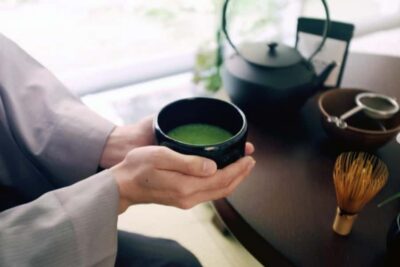
Tea Ceremony Workshop in Tokyo by the Experienced Instrucor
Read our review →

Make Traditional Nerikiri Sweets & Matcha experience in Shibuya
Read our review →Browse the lists this tour appears in