
Reviewed · TSUKIJI & TOYOSU MARKET TOURS
Tokyo: Tsukiji Fish Market Walking Tour
Tokyo’s Tsukiji Outer Market is best understood one bite and one stall at a time. This two-hour walking tour puts you beside seafood sellers, specialty-food shops, and vendors serving small portions of Japanese favorites. Guides such as Doren, Nao, Ryo, Yota, and Shingo help you choose what to try instead of leaving you to guess.
I like two things right away: the group is limited to 10 people, and the tour costs only $17 per person. I also like that the experience reaches beyond food, with explanations of Japanese culinary customs and, on some outings, a stop at Tsukiji Hongwanji Temple. The main catch is simple: your tastings are extra, and cash is important because some stalls do not take cards.
In This Review
- Key points to know before you go
- What Tsukiji Outer Market feels like today
- Meeting near Tsukiji Station
- How the two-hour market walk unfolds
- Why a guide helps at Tsukiji
- The food: small bites, broad choices
- History and culinary traditions without a lecture
- Group size, accessibility, and walking demands
- Is $17 a good value?
- Who will enjoy this market tour most?
- Practical tips for a better visit
- Should you book the Tsukiji walking tour?
- FAQ
- Where does the Tsukiji Fish Market walking tour start?
- Where does the tour finish?
- How long does the tour last?
- What is included in the price?
- Are hotel pickup and drop-off included?
- Do I need to bring cash?
- Are food tastings included?
- Is the tour offered in English?
- How large is the group?
- Can wheelchair users join?
Key points to know before you go
- Tuna, oysters, wagyu, eel, mochi, and more: The food choices can range from seafood to sweets and snacks.
- A guide helps you avoid guesswork: You receive suggestions on good stalls, local specialties, and affordable choices.
- Two hours is enough for a focused introduction: You can sample several foods without turning the visit into an all-day outing.
- Cash matters: Bring Japanese yen for samples and purchases at stalls that do not accept cards.
- Small groups feel more practical: With no more than 10 participants, it is easier to hear the guide and move through tight market lanes.
- The market is not only about fish: Expect food shops, cooking tools, cultural stories, and the chance to browse ingredients.
What Tsukiji Outer Market feels like today
The first thing to understand is that this is not a formal museum tour. Tsukiji Outer Market is a working shopping district, with narrow lanes, food counters, shop fronts, and stalls selling ingredients and kitchen goods. You will see seafood, but the experience is broader than looking at fish displays.
One useful comment from the tour’s customer feedback is that there may not be much fish to simply look at beyond vendors selling fish and meat skewers. That is not a deal breaker, but it helps set the right expectation. This tour is mainly about eating, learning, and finding your way around, not standing beside a large wholesale auction floor.
Your guide gives the market a storyline. Instead of moving from stall to stall without context, you learn how seafood and other ingredients connect to Japanese cooking. You also hear about vendor traditions and the habits that shape shopping and eating in Japan.
I find that especially useful if this is your first trip to Japan. A market can be exciting but confusing when every sign is unfamiliar and the food portions are small. A guide can explain what you are seeing and point out items you might not order on your own.
More market mornings in Tokyo:
- Tokyo Tsukiji Fish Market Food and Culture Walking Tour
★ 5.0 · 3,184 reviews - Tokyo: Tsukiji Fish Market Food and Walking tour
★ 5.0 · 1,724 reviews - Tokyo: Tsukiji Fish Market Guided Walking Tour
★ 4.9 · 1,397 reviews
Meeting near Tsukiji Station
The tour begins at the Starbucks close to Tsukiji Station, about a two-minute walk from the station. The listed meeting coordinates are 35.6679239, 139.7720981, so check your booking details and arrive with enough time to find the correct café.
You return to the same Starbucks after the market walk. That makes the outing easy to fit into a Tokyo day, especially if you are planning another activity afterward. Hotel pickup and drop-off are not included, so you make your own way to and from the meeting point.
Starting times vary, so check availability when you book. One customer found the early start worth getting up for, while another described the tour as early for their schedule. If you are not a morning person, pay close attention to the available time before reserving.
How the two-hour market walk unfolds
The guide gathers the small group at the station meeting point, then leads you into Tsukiji Outer Market. The exact order of stalls can change, and food choices may depend on the day, the group, and what is available.
You can expect a moving tour rather than a long stop at one shop. The pace gives you time to look, listen, taste, and make a few purchases without trying to cover every corner of the market.
Past outings have included:
- Fatty tuna and tuna sushi
- Oysters
- Wagyu or Kobe beef
- Eel
- Fresh fruit
- Mochi
- Wasabi beans
- Fish and meat skewers
- Beer paired with market snacks
This list is a guide to the kinds of food that may appear, not a guaranteed tasting menu. The tour information does not promise specific dishes, and you should plan to pay for samples separately.
The best part is the choice. If you are a serious food fan, you can use the guide’s advice to select ingredients or bites that suit you. One customer specifically appreciated having the freedom to choose foods and even bought ingredients for later cooking.
Why a guide helps at Tsukiji
You can walk through the market on your own. The stalls are open to the public, and independent exploration costs nothing beyond what you buy. The value of this tour is the guide’s local explanation and the time saved from wandering past food you do not recognize.
Guides can suggest restaurants, snacks, and stalls that fit your budget. One customer was concerned that the market might be filled with tourist-oriented shops, then found that guide Nao led the group to affordable places that felt more local. That is exactly the kind of help that can make a $17 tour worthwhile.
I also like the cultural layer. The guide does not only identify seafood. You learn about ingredients used in traditional dishes, Japanese food customs, and the role the market plays in the country’s cooking culture.
Different guides bring different personalities. Doren is described as energetic and fun, while Ryo is noted for patience and clear explanations. Yota earned a playful comparison to Master Yoda for his informative style. Other named guides include Yayoi, Nicholas, Nao, and Shingo.
You cannot choose a particular guide from the information provided, so treat the names as examples of the guiding team rather than a guarantee. The common thread is an English-language tour led by a live guide.
A few more Tokyo bookings worth comparing
- Tsukiji Fish Market Guided Tour and Sushi Making with Pro Chef
★ 5.0 · 775 reviews - Tokyo: Tsukiji Fish Market Food and Culture Walking Tour
★ 4.7 · 757 reviews - Tsukiji Fish Market: Street Food & Culture Walking Tour
★ 5.0 · 669 reviews - Tsukiji Fish Market Small-Group Food Walking Tour
★ 5.0 · 621 reviews
The food: small bites, broad choices
This is a food-focused outing, but it is not presented as a fixed meal. You move through the market and decide what you want to taste or buy. That gives you more control than a preset menu, though it also means your final spending depends on your appetite.
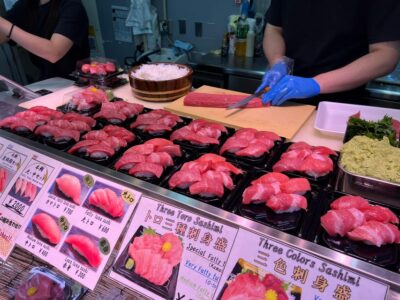
Seafood is the obvious draw. Tuna sushi, fatty tuna, oysters, and eel have all featured in past outings. If you are curious about premium ingredients, wagyu and Kobe beef may also appear. Fruit, mochi, and wasabi beans add variety, so you are not limited to raw fish.
That range makes the tour useful for mixed groups. One person can focus on seafood while another tries sweets, meat, or market snacks. It also gives cautious eaters a gentler introduction than a meal built entirely around unfamiliar fish.
Bring cash. This point deserves extra attention because it affected the experience for at least one customer. Some sampling stops do not accept cards, and the tour information specifically tells you to carry cash. The $17 booking price does not cover every bite or purchase, so set aside a separate food budget.
You may also find beer available during the walk. Some past outings paired market food with Sapporo or other beers, and one customer enjoyed walking with a beer while sampling different items. This is not described as a guaranteed inclusion, so do not count on alcohol being part of your booking.
History and culinary traditions without a lecture
The tour includes the market’s history and its place in Japanese food culture. That matters because Tsukiji is more than a row of snack stalls. The guide helps connect what you see to the ingredients and habits behind Japanese cuisine.
Expect practical explanations rather than a formal classroom talk. You might learn how certain ingredients are used, why particular foods are valued, or how vendors and shoppers follow local customs. The strongest customer comments repeatedly highlight the cultural explanations, not just the eating.
A stop at Tsukiji Hongwanji Temple may also be included. One past outing paired the market with this nearby shrine or temple visit, adding a quieter cultural pause to the food walk. Since the stated itinerary centers on Tsukiji Outer Market, consider the temple stop a possible extra rather than a fixed promise.
This balance is one of the tour’s strengths. You get food, shopping, and cultural context in one short outing. If you only want a history walk, this is not the right choice. If you want to understand the food while tasting it, the format makes good sense.
Group size, accessibility, and walking demands
The group is limited to 10 participants. That is small enough for you to hear the guide more easily than on a large coach-style outing, and it should make stall visits more manageable. Tight market lanes can still feel busy, especially at popular food stops, but a small group is a sensible format here.
The activity is listed as wheelchair accessible. It is still worth considering that this is a walking tour through a market, with changing conditions around stalls and food counters. The provided information does not give details about seating, restroom access, or the exact surface of every lane, so contact the provider if you need specific assistance.
You return to the starting Starbucks after two hours. That fixed endpoint is useful if you have timed plans later, though you should allow extra time if you expect to shop or linger after the guided portion.
Is $17 a good value?
At $17 per person, the tour is priced as a low-cost introduction to Tsukiji. You are paying for the guide and the organized walk, not for a full meal or a large bundle of tastings.
The value comes from three things. First, a guide can help you find worthwhile stalls without spending your whole visit guessing. Second, you receive explanations about food culture that you would miss on a quick solo walk. Third, the two-hour length keeps the experience focused and leaves the rest of your day free.
Your actual cost will be higher if you sample several premium items. Tuna, oysters, wagyu, and other specialty foods require separate payment, and cash is needed at some stalls. Still, even with extra food spending, the basic tour price is modest for a small-group, English-language experience.
I would not book it solely for a cheap lunch. Book it because you want help understanding the market and choosing what to eat. If you are already confident navigating Tsukiji and prefer to make every food decision alone, the $17 may be less useful.
Who will enjoy this market tour most?
This tour suits first-time visitors to Tokyo who want a gentle introduction to Japanese food culture. You do not need to know the names of ingredients or understand market etiquette before arriving. The guide fills in those gaps.
It is also a strong match for food-focused visitors who want to try several small portions rather than sit down for one standard meal. The freedom to choose from seafood, meat, fruit, sweets, and snacks gives you room to follow your own appetite.
Families and mixed-interest groups may appreciate the variety, though the provided details do not specify a minimum age or child policy. People with limited time can also fit the two-hour walk into a busy Tokyo schedule.
You may want to skip it if you dislike crowded food areas, do not want to pay separately for samples, or are looking for a long, detailed historical tour. The experience is active, informal, and centered on food stops.
Practical tips for a better visit
Bring cash in Japanese yen. This is the most important preparation point, especially if you want to sample food rather than only watch the market.
Wear comfortable shoes and arrive at the Starbucks near Tsukiji Station a little early. The tour lasts two hours, and you will spend that time walking between stalls.
Keep your choices flexible. The guides may suggest tuna sushi, oysters, wagyu, eel, mochi, fruit, or other market foods, but no fixed tasting list is promised. If you have dietary restrictions, the available information does not explain how they are handled, so ask the provider before booking.
Leave room in your bag for small purchases. The market sells specialty goods, ingredients, and culinary tools as well as ready-to-eat food. One past customer used the tour to buy ingredients for future dishes, which is a good reminder that Tsukiji can serve shoppers as much as snack hunters.
Finally, check the start time carefully. The tour may begin early, and an early visit can shape the rest of your day.
Should you book the Tsukiji walking tour?
I would book this tour if you want a low-cost, guided introduction to Tsukiji that combines food with useful cultural background. The strongest reasons are the small group, the English-speaking guide, the chance to try unusual foods, and the help choosing affordable stalls.
I would be more cautious if you expect a large fish market display or a meal included in the ticket. You may see fish and seafood, but the main experience is moving through food vendors and specialty shops. Bring cash, budget extra for tastings, and treat individual dishes or a temple stop as dependent on the day.
For a first visit to Tokyo, the tour offers a practical way to get your bearings and learn what is worth trying. At $17, it is an easy call for curious eaters who want a guide beside them instead of a map in their hand.
FAQ
Where does the Tsukiji Fish Market walking tour start?
The tour starts at the Starbucks located close to Tsukiji Station, about a two-minute walk from the station.
Where does the tour finish?
The guided walk returns to the Starbucks near Tsukiji Station.
How long does the tour last?
The tour lasts two hours.
What is included in the price?
The price includes the walking tour and a live English-speaking guide.
Are hotel pickup and drop-off included?
No. You make your own way to the meeting point, and hotel pickup and drop-off are not included.
Do I need to bring cash?
Yes. Bring cash because some food sampling stops do not accept cards.
Are food tastings included?
The activity includes the guided walk and guide, but food purchases and samples are not listed as included. Plan to pay separately for anything you choose to eat or buy.
Is the tour offered in English?
Yes. The listed tour language is English.
How large is the group?
The group is limited to 10 participants.
Can wheelchair users join?
The activity is listed as wheelchair accessible. Contact the provider for details about your particular mobility needs during the market walk.
More Walking Tours in Tokyo
- Tokyo: Imperial Palace and Shogun Historical Walking Tour
★ 5.0 · 2,251 reviews - Tokyo: Shinjuku Local Bar and Izakaya Guided Walking Tour
★ 4.9 · 1,794 reviews - Tokyo: Asakusa Walking Tour with Sensoji Temple Visit
★ 4.8 · 1,583 reviews - Tokyo Castle & Imperial PalaceーShogun Walking Tour
★ 4.7 · 1,068 reviews
More Shopping Tours in Tokyo
- Tokyo: Tsukiji Fish Market Sushi Making Class with Pro Chef
★ 4.9 · 506 reviews - Tokyo Food Tour Taste Fresh Delights at Tsukiji Market
★ 5.0 · 429 reviews - Tokyo Tsukiji Fish Market Tour and Sushi Making Lesson
★ 5.0 · 390 reviews - Tsukiji Fish Market: Street Food & Culture Walking Tour
★ 4.8 · 259 reviews
New on our Tokyo list
- From Tokyo: Mount Fuji & Hakone Full Day Private Tour★ 4.9 · 25 reviews
- Tokyo Spectacular View Day-Cruise in 90 Minutes★ 5.0 · 25 reviews
- Real Tokyo Runner Club : Daikoku Car Meet Night Tour with JDM Car★ 5.0 · 25 reviews
- 2.5 Hour-Guided Cycle Tour in the Central Tokyo★ 5.0 · 25 reviews
- Ramen Making from Scratch +Akihabara Tour –Cooking Class★ 5.0 · 25 reviews
- [Self-Drive] Tokyo & Daikoku Custom Car Driving Tour★ 4.9 · 25 reviews
- Tokyo: 2-Hour Night Bike Tour of the City’s Hidden Gems★ 4.9 · 25 reviews
- Samurai themed Entertainment show in Shinjuku★ 4.5 · 25 reviews
Tsukiji & Toyosu Market Tours, compared.

Tokyo Tsukiji Fish Market Food and Culture Walking Tour
Read our review →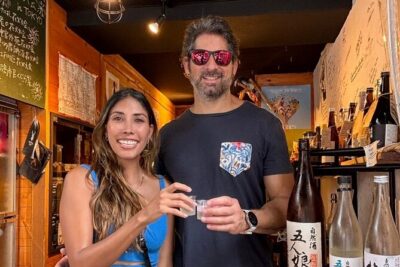

Tokyo Sushi Making Class in Tsukiji with Professional Chef
Read our review →
Tsukiji Fish Market Guided Tour and Sushi Making with Pro Chef
Read our review →Tsukiji Fish Market Food and Culture Walking Tour
Read our review →
Tsukiji Fish Market: Street Food & Culture Walking Tour
Read our review →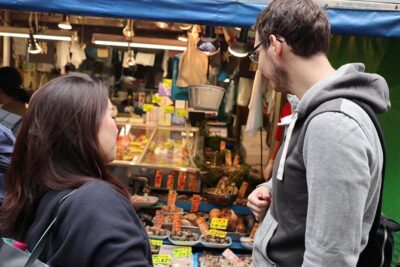
Tsukiji Fish Market Small-Group Food Walking Tour
Read our review →Browse the lists this tour appears in