
Reviewed · TEMPLE & SHRINE TOURS
Tokyo War History Tour: Yasukuni Shrine & War Museum
Yasukuni Shrine is not simply another Tokyo shrine. It is a place of mourning, ritual, national identity, and international argument, all packed into one visit. This private tour helps you understand why the site matters, then takes you into the Yushukan War Museum, where Japan’s military story is presented from a distinctive point of view.
I like the combination of religious space and museum exhibits, and I like having a private English-speaking guide to explain what you are seeing rather than leaving you to sort out the meaning alone. The guide named Tatsuo has received especially warm praise for making Japan’s history clear, including small cultural details that connect the past with daily life today.
The main consideration is the subject itself. Japan’s modern wars, imperial expansion, and wartime memory can be painful and politically sensitive, and the museum does not present the same balance you may find in a standard academic history book. You should come ready to listen carefully and ask questions.
In This Review
- Key Points Before You Book
- Why Yasukuni Shrine Matters
- Walking Through the Shrine Grounds
- What to Expect Inside the Yushukan
- The Museum’s Point of View
- Chidorigafuchi: A Different Kind of Memorial
- How Much Time You Need
- Is $87 a Fair Price?
- Who Will Get the Most From This Tour?
- Practical Tips for a Better Visit
- Should You Book the Yasukuni History Tour?
- FAQ
- How long does the tour take?
- What places are included?
- Is the tour private?
- Is an English-speaking guide included?
- Is museum admission included?
- What should I bring?
Key Points Before You Book
- Yasukuni Shrine was founded in 1869 to honor people who died in conflicts from the Meiji Restoration through the Asia-Pacific War.
- The Yushukan presents a distinct Japanese wartime narrative, so the guide’s historical context is a central part of the experience.
- Tatsuo is one guide praised for clear, interesting explanations, including surprising links between old customs and modern Japanese etiquette.
- The extended option adds Chidorigafuchi National Cemetery, giving you a direct comparison between religious enshrinement and secular state commemoration.
- The tour lasts 150 to 210 minutes, with moderate walking and about 110 minutes inside the museum.
- At $87 per person, the value comes from private attention and interpretation, not from a low-cost museum visit.
Why Yasukuni Shrine Matters
Yasukuni Shrine was established in 1869, during the period when Japan was moving from a feudal political order toward a modern nation-state. It commemorates people who died in the country’s conflicts, including wars connected with modernization, imperial expansion, and the Asia-Pacific War.
That purpose makes Yasukuni different from a typical Shinto shrine. Instead of honoring a traditional deity, it enshrines the spirits of war dead. For some Japanese families, it remains a place to mourn relatives. For others, and for many people outside Japan, it raises difficult questions about how a country remembers military sacrifice and responsibility.
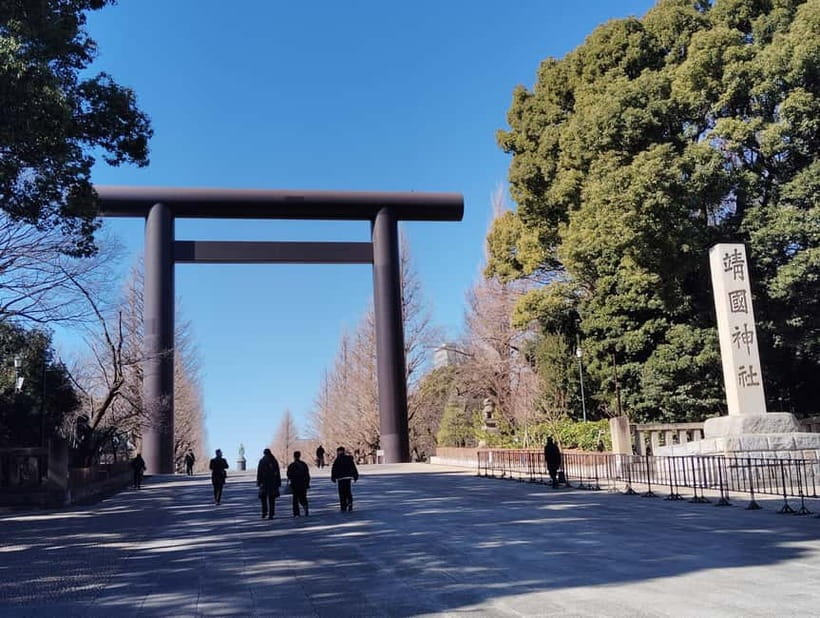
Your visit begins at the imposing First Torii, also called the large torii gate. From there, the guide explains how the shrine’s meaning changed along with Japan’s political system and military development. You will hear about the influence of samurai ethics, imperial ideology, and modernization, then see how those ideas were expressed through ritual and public memory.
I find this opening important because it keeps the visit from becoming a simple sightseeing stop. You are not just looking at a gate, a shrine building, or a ceremonial path. You are looking at institutions created during a period when Japan was defining itself as a modern power.
More temples and shrines near Tokyo:
- Tokyo: Meiji Shrine, Asakusa, Skytree Bus Tour and Cruise
★ 4.7 · 1,986 reviews - Tokyo: Asakusa Walking Tour with Sensoji Temple Visit
★ 4.8 · 1,583 reviews - Nikko: Kegon Falls, Lake Chuzenji & Toshogu Temple
★ 4.6 · 1,577 reviews
Walking Through the Shrine Grounds
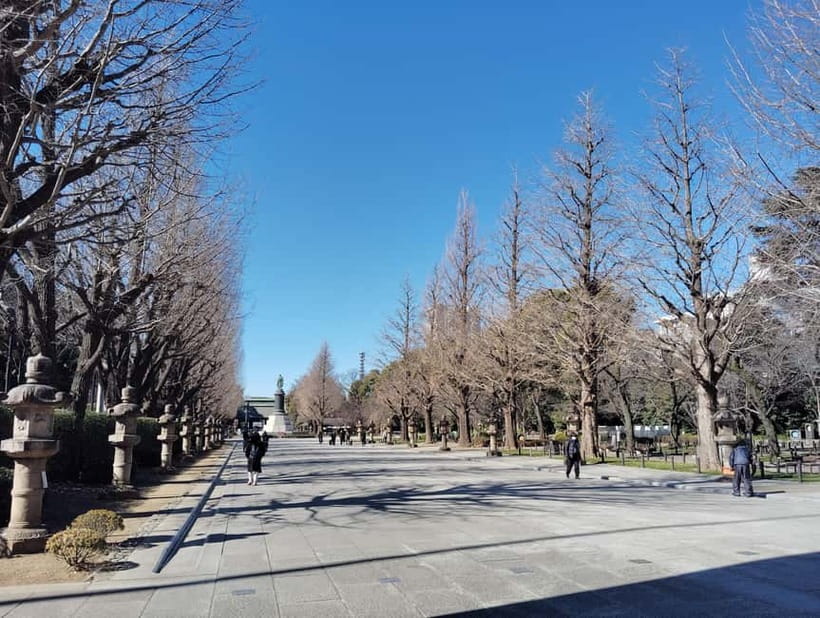
The shrine portion takes about 40 minutes. That is enough time to learn the basic etiquette, walk through the grounds, and discuss the site without rushing from one explanation to the next.
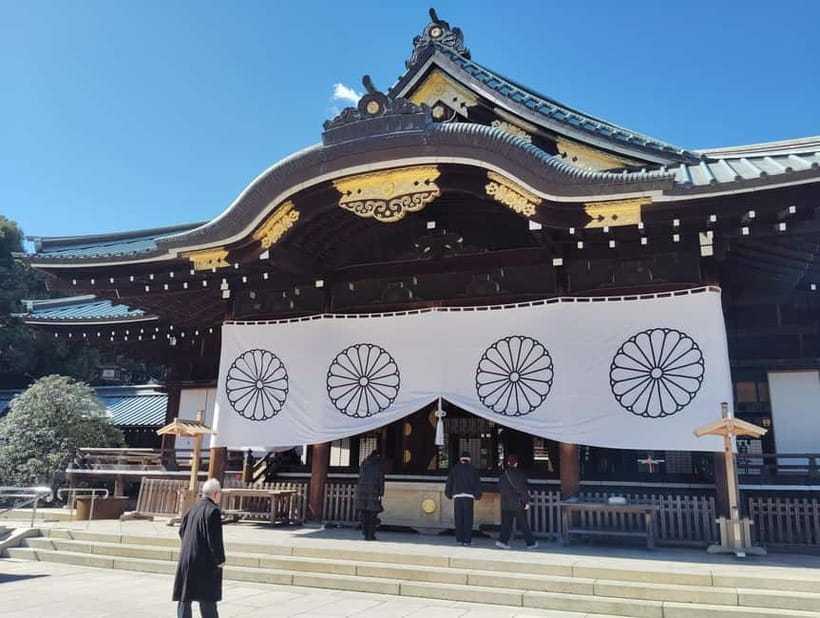
You will have a chance to take part in traditional shrine etiquette. The guide explains how ritual practice connects the living with the dead and how a religious ceremony can also carry political meaning. That mixture is one reason this place can feel different from the quieter, more familiar shrines you may see elsewhere in Tokyo.
The grounds are also useful for setting up the museum visit. Before you enter the Yushukan, you will already have a framework for thinking about sacrifice, national service, and the way modern Japan used history to shape public identity.
This part is not a dramatic attraction in the usual sightseeing sense. If you want gardens, food, or a light cultural outing, the subject may feel heavy. But if you want to understand why Yasukuni continues to attract attention, the guided walk gives you the necessary foundation.
Wear comfortable shoes. The tour involves walking outdoors and spending a long period inside the museum. A hat, sunscreen, and water are sensible, especially in warm weather. Smoking is not permitted, and you should follow the shrine’s rules during the visit.
What to Expect Inside the Yushukan
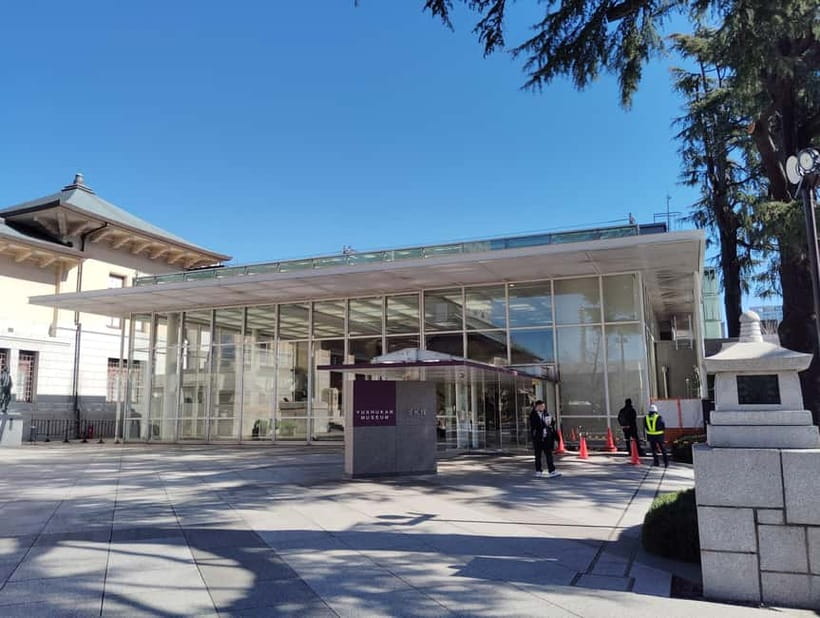
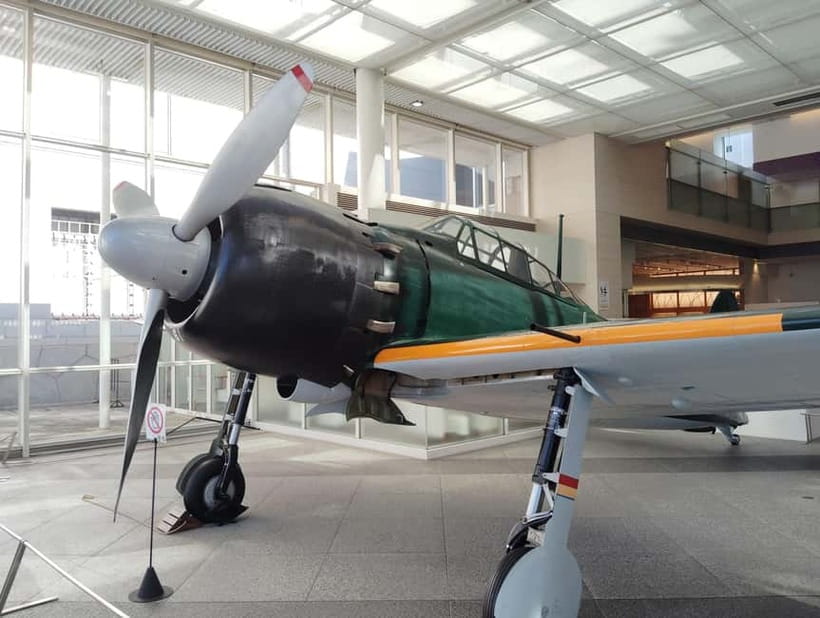
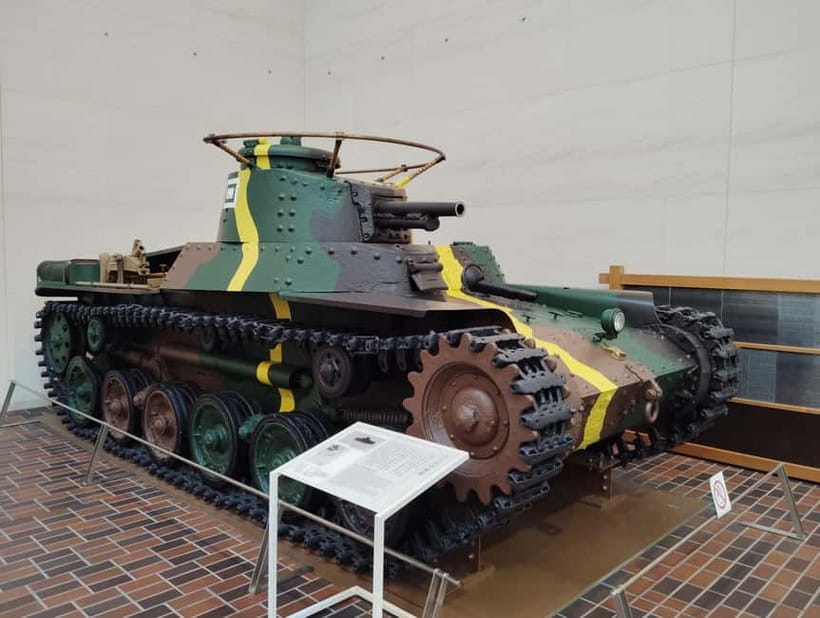
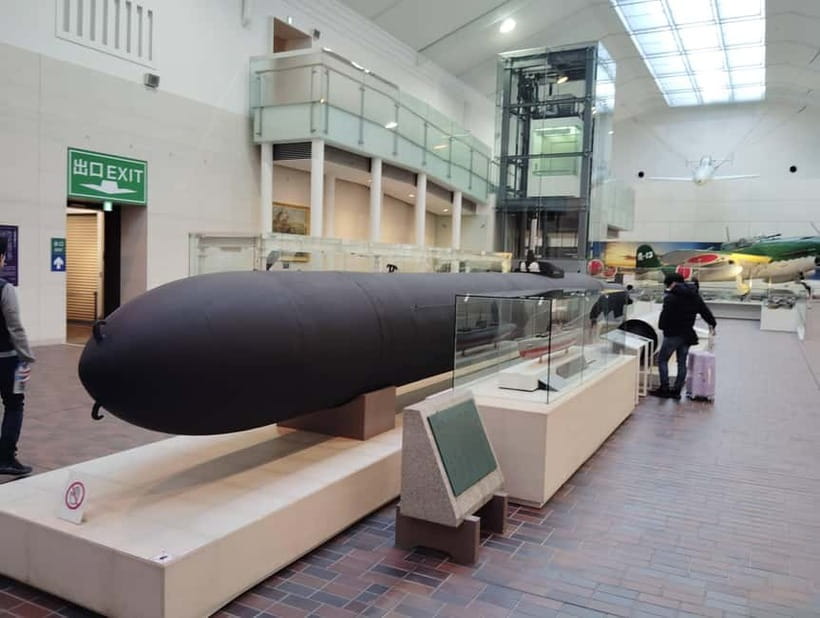
The Yushukan War Museum receives the largest share of the tour, about 110 minutes. It traces Japan’s military history from the late Tokugawa period through World War II, with displays that include artifacts, photographs, and documents.
The museum uses its own terms and framing for Japan’s wartime past. The Pacific War is also presented in the context of what Japan commonly called the Greater East Asia War. That wording matters. It signals that the museum is not merely arranging dates and objects. It is presenting an interpretation of why Japan fought and how those conflicts should be remembered.
Your guide’s role is especially useful here. Instead of accepting every display at face value, you can ask how the museum’s presentation fits into wider historical debate. The tour is designed to explain more than one point of view, without pretending that all interpretations carry equal weight or that the difficult questions have simple answers.
The exhibits may include unique artifacts, photographs, and documents. One particularly useful feature of a guided visit is the chance to pause over details that you might otherwise miss. A guide can explain why an object matters, how it relates to the period, and what the museum chooses to emphasize.
One guide, Tatsuo, has been praised for connecting museum content with everyday Japanese customs. A curious example concerns why people traditionally walk on the left side of a pavement or stand on the left side of an escalator. The explanation reaches back earlier than the age of cars, and it offers a memorable reminder that history often survives in ordinary habits.
Photography is restricted in some museum areas, and flash photography is not allowed. Do not assume you can photograph every display. If you are bringing a camera, use it with care and follow the guide’s instructions.
The Museum’s Point of View
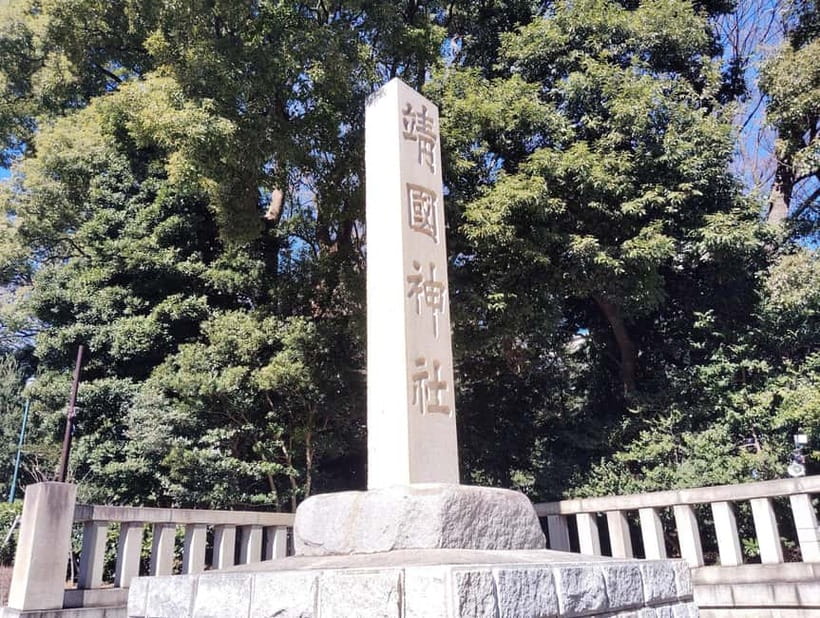
You should know what kind of museum this is before booking. The Yushukan presents a distinct narrative of Japan’s military history. It gives attention to military sacrifice and Japan’s wartime experience, but it is not designed as a neutral overview of every side of the conflicts.
That does not make the visit worthless. In fact, it can make the visit more useful if you understand the difference between seeing a national memorial museum and reading a general history textbook. The museum shows how one institution frames the past. Your guide adds the wider context needed to assess that framing.
I value this format because it lets you examine historical memory as well as historical events. You are learning about wars, but you are also learning how a society chooses to remember them. That is a key part of understanding modern Japan.
The private format helps here. With only your group participating, you can ask direct questions about terminology, disputed events, or the relationship between religion and government. You are not tied to the pace of a large group, and the guide can spend more time on the topics that interest you most.
Still, this is not a tour for everyone. If you prefer to avoid war museums or politically sensitive subjects, choose a different Tokyo activity. The material may be uncomfortable, and the experience asks for attention rather than casual amusement.
More museums worth an hour:
- Tokyo: teamLab Planets TOKYO Digital Art Museum Entry Ticket
★ 4.6 · 9,779 reviews - Tokyo: Samurai Ninja Museum Guided tour and Experience
★ 4.6 · 1,010 reviews - Ninja Experience (Family Friendly) at Samurai Ninja Museum TOKYO
★ 5.0 · 441 reviews - Tokyo Studio Ghibli Museum and Ghibli Film Appreciation Tour
★ 4.5 · 421 reviews
Chidorigafuchi: A Different Kind of Memorial
The extended option continues to Chidorigafuchi National Cemetery and adds about an hour to the visit. The cemetery was established in 1959 as a secular, state-administered memorial for unidentified war dead repatriated from overseas battlefields.
This stop gives the tour its clearest comparison. Yasukuni is a religious shrine that enshrines spirits, while Chidorigafuchi is a government memorial for unidentified dead. Both relate to war and loss, but they do so through different institutions and different forms of public remembrance.
That contrast is valuable because it moves the discussion beyond the question of whether Yasukuni is religious or political. You can see two approaches to mourning side by side: one tied to Shinto ritual and national identity, the other tied to a secular state responsibility toward the dead.
The extended visit is the better choice if you are interested in memorial design, memory studies, international relations, or the way postwar Japan dealt with the remains of people who died overseas. It also gives the tour a calmer final stop after the museum’s more concentrated displays.
The shorter option may suit you if your schedule is tight or if the museum is your main goal. The core shrine and museum visit still lasts between two and a half and three and a half hours, depending on the booked option. If you have the time and the subject interests you, I would favor the extended version because the comparison adds real value rather than simply adding another sight.
How Much Time You Need
The advertised duration ranges from 150 to 210 minutes. The difference depends on the option selected, particularly the addition of Chidorigafuchi National Cemetery.
A useful way to think about the timing is:
- About 40 minutes at Yasukuni Shrine
- About 110 minutes inside the Yushukan War Museum
- About one hour at Chidorigafuchi on the extended option
This is not a quick stop between major Tokyo attractions. The museum alone requires sustained attention, and moderate walking is part of the experience. Plan it as a serious half-day activity rather than something to squeeze into a spare hour.
The tour begins at the First Torii of Yasukuni Shrine, though the exact meeting arrangement can vary with the option booked. Drop-off may be at Chidorigafuchi National Cemetery or at the Yushukan. Transportation to and from the meeting point is not included, so you need to arrange your own way there and onward.
There is no food or drink included. Bring water, particularly during hot or sunny weather. Since the experience involves a shrine and museum rather than a meal stop, eat beforehand if you know you will need a break.
Is $87 a Fair Price?
At $87 per person, this tour costs more than entering a museum on your own. The price makes sense if you value private guidance, English explanations, and the freedom to ask questions about sensitive material.
You are paying for a licensed English-speaking guide, private group attention, and admission to the Yushukan. The guide also helps you interpret the shrine and museum together, which is where much of the value lies. Without that link, you might see two connected sites but miss the larger argument about religion, government, sacrifice, and national memory.
The private format is especially useful for couples, families with older children, students, and small groups with a focused interest in modern Japanese history. A large public tour may give you basic facts, but it is less likely to pause for your particular questions.
The value is lower if you mainly want a visual introduction to Yasukuni or if you are comfortable reading museum displays independently. The museum admission is included, but the main reason to book is the explanation and discussion, not the ticket itself.
A free-cancellation policy up to 24 hours before the tour also gives you some flexibility, and you can reserve now and pay later. Those are practical advantages if your Tokyo schedule is still shifting.
Who Will Get the Most From This Tour?
I would recommend this experience to you if you have a serious interest in:
- Japan’s transition from feudal society to modern nation-state
- Military history and the Asia-Pacific War
- Shinto ritual and religious memorials
- National identity and public memory
- International relations in East Asia
- The way museums shape historical understanding
It can also suit culturally curious people who want something beyond Tokyo’s food, shopping, and temples. The tour does not reduce modern Japan to a simple story of heroes and villains. It gives you a place to examine how history remains active in public life.
Students and researchers may find the private format particularly useful because questions can guide the conversation. Families should judge the subject matter carefully. The tour concerns war, death, and contested interpretations, so it may not be right for young children or anyone seeking a light outing.
The English-language option is the one described here. A private group means your party participates on its own, which allows a more focused discussion and a pace suited to your interests.
Practical Tips for a Better Visit
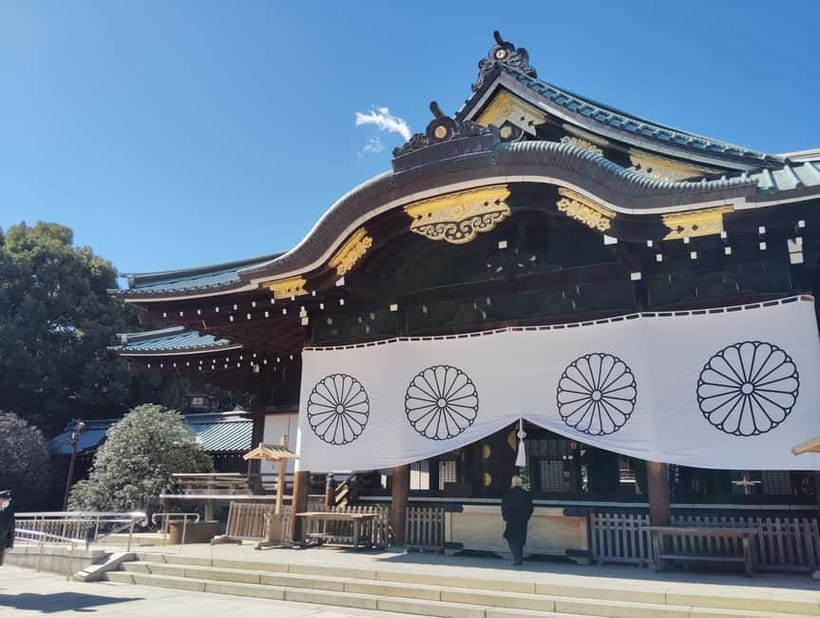
Wear shoes that are comfortable for several hours of walking. Bring water, sunscreen, and a hat if the weather is warm. A camera is allowed in some places, but museum photography can be restricted, and flash photography is not permitted.
Go in with questions. You might ask how Yasukuni differs from a conventional Shinto shrine, how the Yushukan’s terms compare with those used in English-language histories, or why Chidorigafuchi was created as a secular memorial.
Try not to judge the museum only by whether you agree with its presentation. Pay attention to what is included, what is emphasized, and how the story is organized. That approach will help you gain more from the guide’s explanations.
Give yourself time after the tour if you want to think through what you saw. This is an experience that may raise as many questions as it answers, which is part of its value.
Should You Book the Yasukuni History Tour?
Book it if you want a serious, guided look at one of Tokyo’s most debated historical sites. The combination of Yasukuni Shrine, the Yushukan, and optional Chidorigafuchi gives you more than a museum visit. It shows how Japan remembers military death through both religious and state institutions.
I would choose the extended option if your schedule allows. The cemetery adds a clear comparison and makes the postwar discussion more complete. If you have less time, the shrine and museum still offer a focused look at Japan’s modern conflicts.
Skip it if you want a relaxed cultural walk, dislike war-related material, or prefer to explore museums without interpretation. For everyone else, the private format and guide-led context make the $87 price reasonable, especially if your aim is to understand rather than simply look.
FAQ
How long does the tour take?
The tour lasts between 150 and 210 minutes, depending on the option selected. The extended option includes the visit to Chidorigafuchi National Cemetery.
What places are included?
The core tour includes Yasukuni Shrine and the Yushukan War Museum. The extended option also includes Chidorigafuchi National Cemetery.
Is the tour private?
Yes. Only your group participates in the tour.
Is an English-speaking guide included?
Yes. A licensed, live English-speaking guide is included. Tatsuo is one of the guides associated with the experience.
Is museum admission included?
Yes. Admission to the Yushukan War Museum is included.
What should I bring?
Bring comfortable shoes, a hat, sunscreen, a camera if desired, and water. Flash photography is not allowed, and photography may be restricted in parts of the museum.
More Historical Tours in Tokyo
- Tokyo: Imperial Palace and Shogun Historical Walking Tour
★ 5.0 · 2,251 reviews - Tokyo: Imperial Palace Japanese History Walking Tour
★ 4.9 · 987 reviews - Tokyo: Shinjuku Historical Walking Tour & Secret Backstreets
★ 5.0 · 530 reviews - Yanaka Walking Tour: Historic and Traditional District of Tokyo
★ 5.0 · 530 reviews
New on our Tokyo list
- Sumi-e Experience in a relaxing green tea shop in Tokyo★ 5.0 · 3 reviews
- Tokyo : Kamikaze Street Drift Ride★ 5.0 · 3 reviews
- Private Zen Meditation in English in Shinjuku, Tokyo★ 5.0 · 3 reviews
- Onsen Spa in Tokyo and Asakusa Bar Hopping with Local Guide★ 5.0 · 3 reviews
- Easy for everyone! Now you can play handmade mini shamisen and show off to everyone! Musical instruments, sweets and live music★ 5.0 · 3 reviews
- Tokyo: Private Tsukiji Street Food & Sake with Local Guide★ 5.0 · 3 reviews
- Mt Fuji Exploration Tour with Free Japanese Kusa Mochi from Tokyo★ 4.5 · 3 reviews
- Tokyo Tsukiji Fish Market Walking and Exploring Hidden Gems Tour★ 5.0 · 3 reviews
Temple & Shrine Tours, compared.
Meiji Shrine, Asakusa, Skytree Bus Tour and Cruise
Read our review →
Asakusa Walking Tour with Sensoji Temple Visit
Read our review →

Kamakura & Enoshima Day Trip including Temple Tickets
Read our review →
Nikko Toshogu Shrine and Kegon Waterfall Tour
Read our review →
Tokyo Panoramic 1 Day: Meiji Shrine, Asakusa, Odaiba and SKYTREE®
Read our review →
Mt. Fuji Heritage Tour: Traditional Villages, Lakes & Shrine
Read our review →Browse the lists this tour appears in