
Reviewed · TSUKIJI & TOYOSU MARKET TOURS
Tokyo’s Kitchen: Tsukiji Market Food & Culture Walk
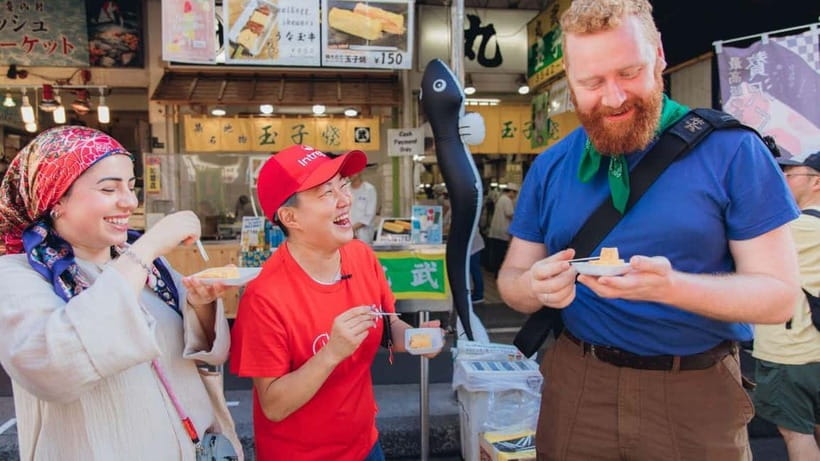
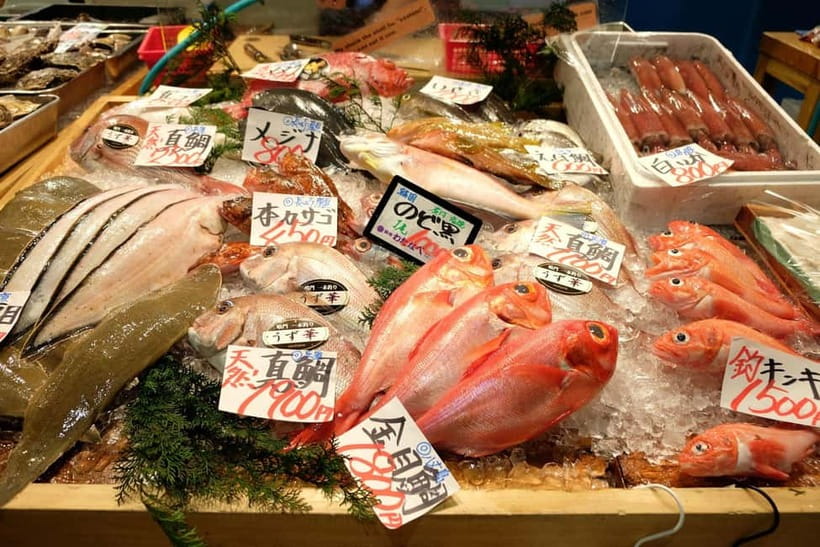
Tokyo’s Kitchen begins where Tokyo’s food story feels most immediate: among the narrow lanes and food stalls of Tsukiji Outer Market. You taste your way through sushi, sashimi, tamagoyaki, street snacks, and seasonal wagashi while a local guide explains what you are eating and why it matters.
I like the tiny group, capped at six, and the personal ties guides have with market vendors. I also like the way the tour links food with Buddhist and Shinto customs, rather than treating Tsukiji as only a place to grab breakfast.
The main consideration is pace and weather. The market can be wet, crowded, and windy, and three hours of tasting adds up quickly. Come hungry, wear closed-toe shoes, and expect a food tour rather than a behind-the-scenes look at every working area.
In This Review
- Key points at a glance
- Starting beneath the Kabukiza Theatre
- Kabuki Inari Shrine brings a quiet start
- Entering Tsukiji Outer Market with a local guide
- The tasting route is the heart of the morning
- Vendor connections make the market easier to enter
- Namiyoke Inari Jinja adds the spiritual link
- A final sushi stop can feel like a small feast
- What $80 buys you
- Group size, weather, and food needs
- Who will enjoy this Tsukiji walk
- Booking details worth knowing
- Should you book Tokyo’s Kitchen?
- FAQ
- Where does the Tsukiji food tour begin?
- Where does the tour finish?
- How long does the experience last?
- What language is the tour offered in?
- How many people are in the group?
- What food is included?
- Are extra food and drinks included?
- Can vegetarians and vegans join?
- What should I wear?
Key points at a glance
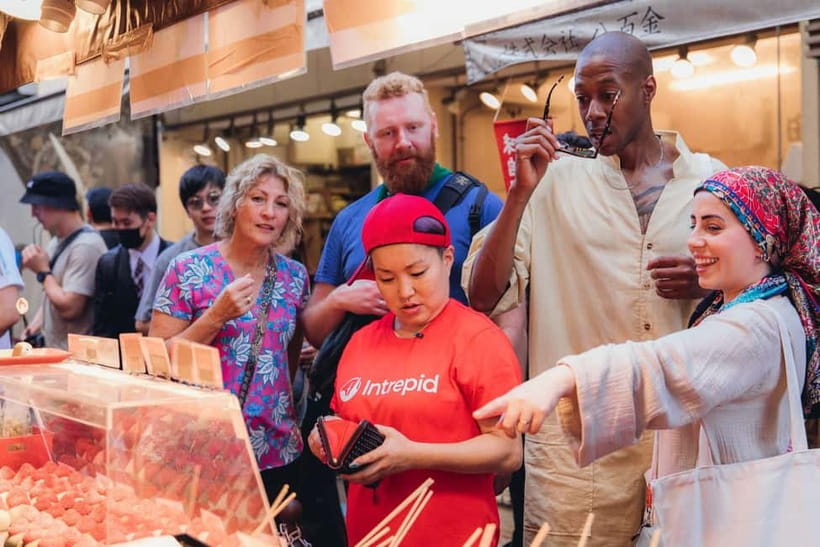
- A generous tasting route: Try fresh sushi, sashimi, tamagoyaki, Japanese snacks, wagashi, tea, and possibly sake or other drinks.
- A six-person limit: The small group makes it easier to stay together in crowded lanes and ask questions.
- Two shrines frame the walk: Visit Kabuki Inari Shrine near the meeting point and Namiyoke Inari Jinja near the market.
- Guides add local access: Guides such as Mikki, Oku, Mihori, Shino, and Yumi have been praised for warm explanations and friendly vendor connections.
- More than a food crawl: Learn sushi history, market customs, simple shrine etiquette, and Tsukiji’s connection with Buddhism and Shinto.
- Plan for a full morning: The advertised price is $80 per person for three hours, with extra food and drinks not included.
Starting beneath the Kabukiza Theatre
You meet at Higashi-ginza Station, Exit 3, at street level, in front of the Kabukiza Theatre. Look for the top of the escalator on the Harumi Street side, near the small shrine and torii gate.
This is a useful meeting point because it places you right beside Kabuki Inari Shrine and close to the market. Still, station exits in Tokyo can be confusing, so give yourself a few extra minutes. You do not want to begin a food tour by sprinting through Ginza with an empty stomach and a phone in your hand.
The tour starts with a guided visit to Kabuki Inari Shrine. It is a small stop, but it gives the morning a cultural frame before you begin eating. You learn simple gestures used to show respect at a Japanese shrine, then move toward Tsukiji with a better sense of how food, place, and ritual connect.
More market mornings in Tokyo:
- Tokyo Tsukiji Fish Market Food and Culture Walking Tour
★ 5.0 · 3,184 reviews - Tokyo: Tsukiji Fish Market Food and Walking tour
★ 5.0 · 1,724 reviews - Tokyo: Tsukiji Fish Market Guided Walking Tour
★ 4.9 · 1,397 reviews
Kabuki Inari Shrine brings a quiet start
Kabuki Inari Shrine is not a grand temple complex. That is part of its appeal. It sits near the busy Kabukiza Theatre, where Tokyo’s modern city life and older religious customs share the same small patch of ground.
Your guide explains basic Shinto customs and the meaning behind the torii gate and shrine visit. You do not need prior knowledge or special clothing. The point is to learn a few simple gestures and understand why people pause, bow, and show respect before returning to the city’s noise.
This opening also helps you read the market differently. Tsukiji is not just a commercial district. Its food traditions are shaped by gratitude, seasonal awareness, craft, and respect for ingredients.
Entering Tsukiji Outer Market with a local guide
From the shrine, you head into Tsukiji Outer Market. The former wholesale fish market at Tsukiji moved to Toyosu, including the famous tuna auction, but the Outer Market remains a major food district with shops, stalls, restaurants, and specialist vendors.
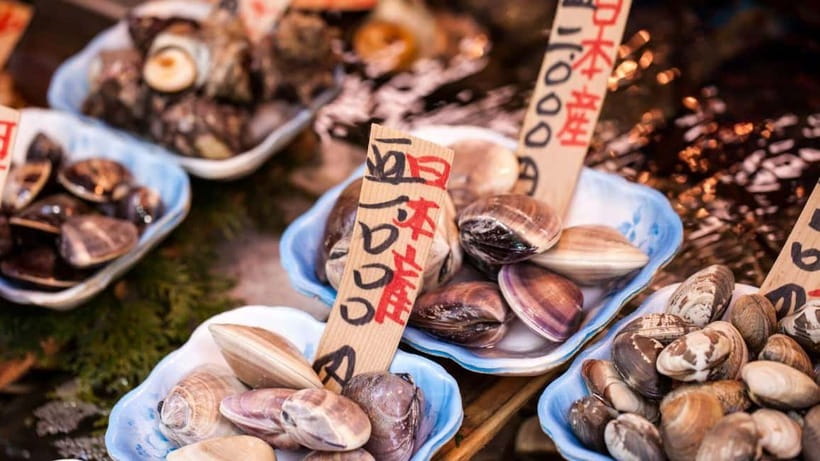
That distinction matters. You are not walking through the old wholesale auction floor, and this is not a tour of Toyosu’s auction facilities. You are exploring Tsukiji’s public-facing food lanes, where you can see ingredients, finished dishes, cooking tools, sweets, and small shops serving both local customers and curious visitors.
The market can feel confusing at first. Signs may be unfamiliar, lanes can be tight, and several stalls may sell similar-looking foods. A small English-speaking group helps a lot. Your guide keeps the group together, translates when needed, and explains the difference between what is worth tasting now and what is better understood as a shop or ingredient.
Guides have included Mikki, Oku, Mihori, Shino, Yumi, Kyou, and Shinto. The guide assigned to your date will vary, but the experience depends heavily on this person’s market knowledge and communication style. A good guide turns a busy food district into a readable neighborhood.
The tasting route is the heart of the morning
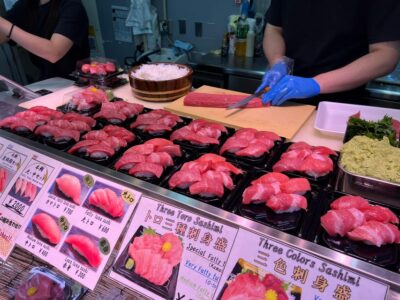
You should arrive ready to eat, but not stuffed. The tasting portions may be small, yet there are many of them. Past tours have included sushi, sashimi, tamagoyaki, Kobe beef skewers, strawberries, soybeans, matcha, dashi, mochi, green tea, and seasonal wagashi sweets.
The exact selection can change with availability and season. That is normal in a market where freshness matters more than a fixed restaurant menu. Your guide may also adjust tastings to suit the group’s interests and dietary needs.
Sushi is not treated as a single dish here. You learn how sushi developed and how market culture helped shape the way seafood is bought, prepared, and eaten. Sashimi and fresh sushi offer the clearest taste of Tsukiji’s seafood identity, while tamagoyaki gives you a completely different lesson in Japanese cooking.
One especially useful stop can be a tamagoyaki shop, where you may see how the sweet rolled omelet is prepared. It is a simple-looking food, but the layers depend on timing, heat, and practiced movement. Seeing it in the market helps you understand why Japanese food culture places such value on skilled repetition.
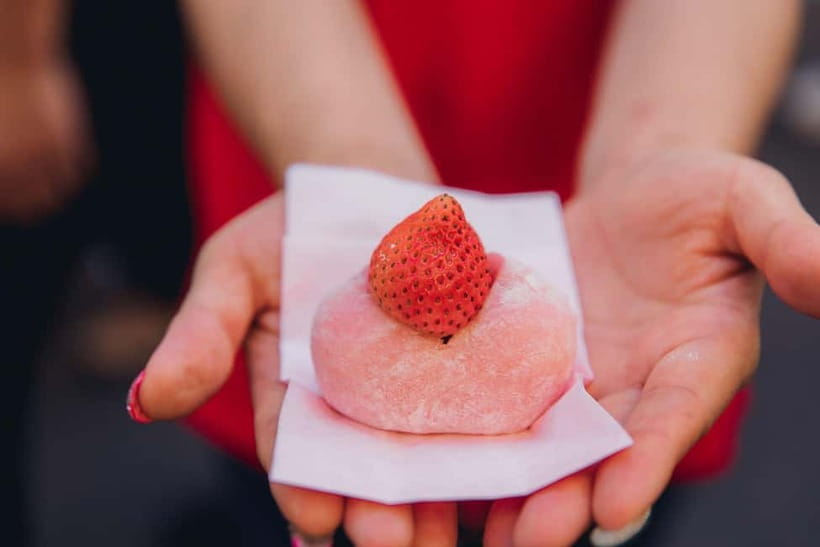
Other tastings widen the picture. Dashi introduces the savory base behind many Japanese dishes. Matcha, wagashi, and mochi show how sweets and tea are tied to season and presentation. Snacks such as soybeans or unusual drinks may feel less familiar, which is exactly why a guide helps.
Some tours have included pepper cola tea and sake. Alcohol is only available to people aged 20 or older under Japanese rules. Younger participants receive non-alcoholic alternatives.
A few more Tokyo bookings worth comparing
- Tsukiji Fish Market Guided Tour and Sushi Making with Pro Chef
★ 5.0 · 775 reviews - Tokyo: Tsukiji Fish Market Food and Culture Walking Tour
★ 4.7 · 757 reviews - Tsukiji Fish Market: Street Food & Culture Walking Tour
★ 5.0 · 669 reviews - Tsukiji Fish Market Small-Group Food Walking Tour
★ 5.0 · 621 reviews
Vendor connections make the market easier to enter
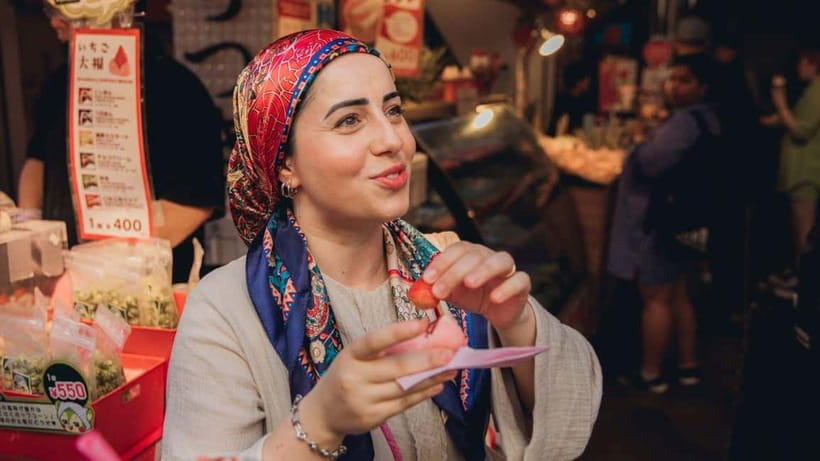
The strongest part of this experience is not simply the number of samples. It is the way a guide can introduce you to vendors with a sense of respect and familiarity.
Guides have been described as being greeted by name at market stalls. That can change the tone of a visit. Instead of stopping at random, pointing at food, and trying to guess what you are buying, you have someone who can explain the product and help you approach the stall politely.
Oku, in particular, has used photos, maps, and models to make explanations easier to follow. That kind of visual help is useful when you are learning about unfamiliar ingredients or trying to understand how the market has changed.
You may also see products beyond seafood. Reviews of the experience describe stops involving fruit, beef, beans, tea, dashi, sweets, and cooking ingredients. This variety keeps the walk from becoming one long sequence of sushi samples.
The market remains a working commercial area, not a stage set. You need to stay alert, avoid blocking narrow walkways, and follow your guide’s lead around vendors and other customers. The six-person limit helps, but it does not remove the need for courtesy.
Namiyoke Inari Jinja adds the spiritual link
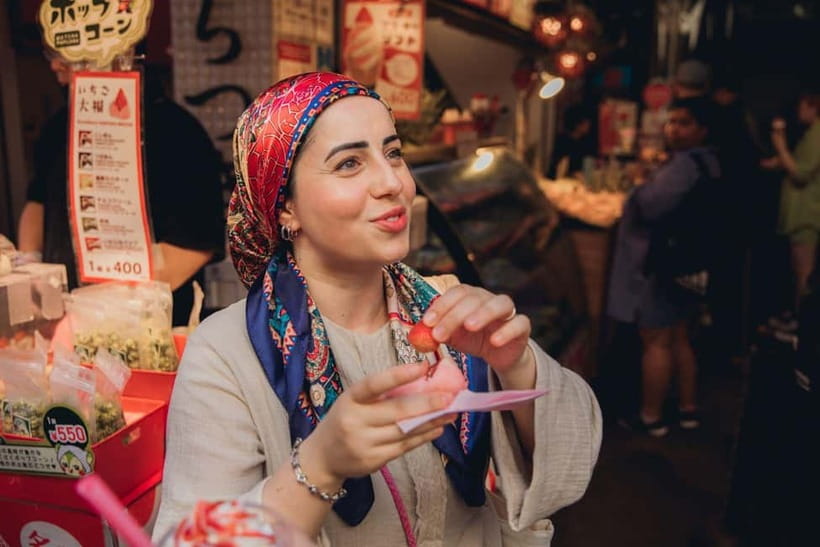
The route continues to Namiyoke Inari Jinja, a historic shrine near Tsukiji. This is where the tour’s food and religion theme comes together most clearly.
Your guide explains the connection between Tsukiji, Buddhist beliefs, and Shinto spirit. The subject is not presented as a formal religious lecture. Instead, you learn how market traditions, respect for food, and shrine customs fit into everyday Japanese life.
The shrine also provides a calmer pause after the market’s close lanes and constant choices. You can practice the simple gestures introduced earlier and ask questions about customs that may otherwise seem mysterious.
This stop is valuable for another reason: it prevents the morning from becoming a checklist of snacks. You begin to see the market as part of a wider community, shaped by food, work, faith, and seasonal rhythms.
A final sushi stop can feel like a small feast
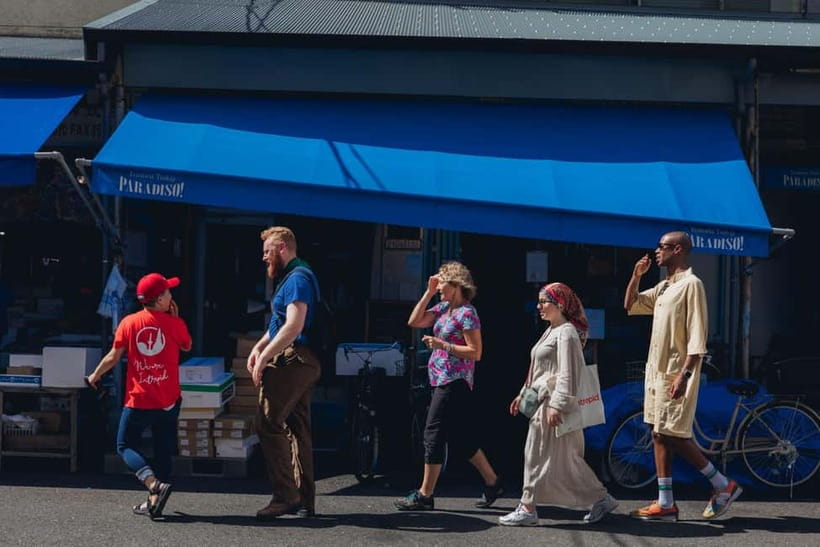
The tour ends at Tsukiji Fish Market, with the food route often finishing on a more substantial tasting. One past experience included fresh sushi, sashimi, sake, and even the chance to grind fresh wasabi.
That final meal gives you time to sit with what you have learned. Earlier tastings introduce ingredients in quick market portions. The closing sushi allows you to compare textures and flavors after your guide has explained some of the background.
Do not assume every group will receive the same final menu. Fish availability, dietary needs, season, and the guide’s route can affect what appears. Still, you should expect multiple included tastings rather than only one token sample.
Food and drinks beyond the included tastings are not covered. If you see something you want to buy, bring extra money and ask your guide for help. The tour can help you identify good options, but you pay for additional purchases yourself.
What $80 buys you
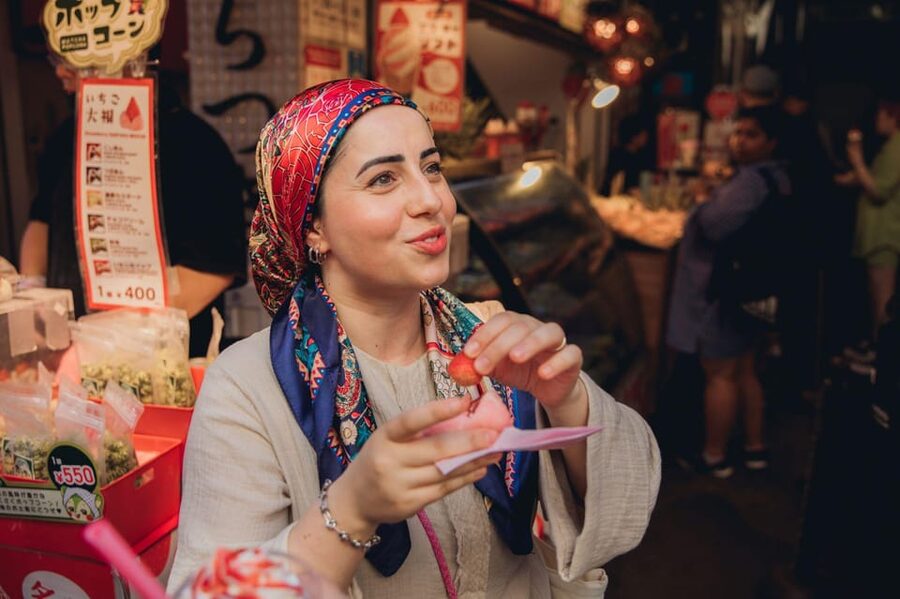
At $80 per person, this is not the cheapest way to walk through Tsukiji. You could enter the market on your own without paying a tour fee, then buy individual snacks as you go.
The value comes from the explanation, translation, tasting plan, and small group. You are paying to avoid guessing at every stall, to understand the food in context, and to meet vendors through a guide who knows how to approach them. For a first morning in Tokyo, that structure can save time and reduce the worry of ordering unfamiliar food.
The price is easier to justify if you plan to taste widely. Sushi, sweets, snacks, tea, and other samples can quickly add up when purchased separately. You also receive a three-hour guided walk and shrine visits, not just a meal.
It is less compelling if you already know Tsukiji well, speak Japanese, or mainly want access to working wholesale areas. One clear limitation is that the tour focuses on the Outer Market and public food culture. It does not promise a full look behind the scenes, and that may disappoint anyone expecting warehouse or auction access.
Group size, weather, and food needs
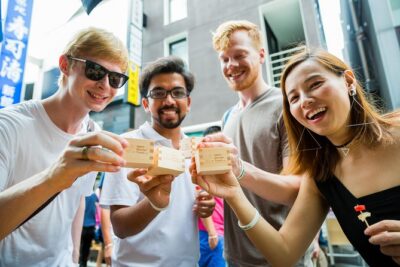
The group limit is six people, though some departures may be smaller. One couple had a private-feeling experience with only two participants, while another group enjoyed having six people from different countries. Either way, the small format makes it easier to hear the guide and ask for changes.
Tsukiji’s market floors can be wet. Closed-toe shoes, such as sneakers, are the sensible choice. Rain and wind can also make the morning uncomfortable, so pack for conditions rather than assuming Tokyo weather will cooperate.
Vegetarian and vegan options are available where possible, but choices may be limited because the tour takes place in a seafood market. Tell the operator about dietary restrictions before booking so the guide can prepare. The same advice applies to serious allergies or strong dislikes.
Children aged five and under can join free, but you should tell the operator about a child under six when booking. The tour lasts three hours and involves walking and eating in a busy market, so consider how comfortably your child handles that setting.
The tour is offered in English with a live guide. It is carbon neutral and run by a certified B Corp, which may matter if you prefer to support an operator that has made environmental and social commitments.
Who will enjoy this Tsukiji walk
I would choose this tour for a first or second morning in Tokyo, especially if you want a friendly introduction to Japanese food without having to decode every menu yourself.
It suits you if you:
- Like trying many foods in small portions
- Want cultural background along with breakfast
- Prefer a small group to a large organized walk
- Are curious about sushi, tea, sweets, dashi, and market ingredients
- Want to learn simple shrine customs
- Enjoy asking questions and spending time with a local guide
It may not suit you if you want a long, quiet visit at each shop, a formal cooking lesson, or access to the former wholesale auction area. It is also not ideal if you prefer to choose every bite yourself or do not eat seafood and have not arranged dietary alternatives in advance.
Booking details worth knowing
The tour lasts three hours, with starting times based on availability. It begins at Higashi-ginza Station and ends at Tsukiji Fish Market, so you can continue exploring the area afterward.
Cancellation is free up to 24 hours before the start for a full refund. You can also reserve now and pay later, which is useful when your Tokyo schedule is still shifting.
I would book it early in a Tokyo stay rather than on your final morning. The guide can introduce foods and market areas that help you make better choices for the rest of your trip, and you will have time afterward to return to stalls you especially liked.
Should you book Tokyo’s Kitchen?
Book this tour if you want Tsukiji explained as well as tasted. The best parts are the small group, the range of samples, and the guide’s personal connection with vendors. The shrine visits and Buddhist and Shinto context add meaning without turning the morning into a lecture.
At $80, the tour costs more than wandering alone, but it offers a clear return if you value translation, food guidance, and cultural context. Come with an empty stomach, sturdy shoes, and flexible expectations about the exact menu.
Skip it if your priority is the old tuna auction, wholesale operations, or a completely self-directed food crawl. For everyone else, this is a practical, flavorful way to understand why Tsukiji remains one of Tokyo’s most useful places to eat and learn.
FAQ
Where does the Tsukiji food tour begin?
It begins at Higashi-ginza Station, Exit 3, at street level in front of the Kabukiza Theatre. Meet on the Harumi Street side near the small shrine and torii gate, at the top of the escalator.
Where does the tour finish?
The tour finishes at Tsukiji Fish Market.
How long does the experience last?
The guided walk lasts three hours.
What language is the tour offered in?
The tour is conducted in English with a live English-speaking guide.
How many people are in the group?
The group is limited to six participants.
What food is included?
Included tastings can include fresh sushi, sashimi, Japanese snacks, tamagoyaki, seasonal wagashi, tea, and other market foods. The exact selection may vary.
Are extra food and drinks included?
No. Additional food and drinks are not included in the $80 price.
Can vegetarians and vegans join?
Vegetarian and vegan options are available where possible, but choices may be limited because the tour takes place in a seafood market. Share dietary needs before booking.
What should I wear?
Wear closed-toe shoes, such as sneakers, because market floors can be wet. Also prepare for rain or wind if the forecast calls for it.
More Walking Tours in Tokyo
- Tokyo: Imperial Palace and Shogun Historical Walking Tour
★ 5.0 · 2,251 reviews - Tokyo: Shinjuku Local Bar and Izakaya Guided Walking Tour
★ 4.9 · 1,794 reviews - Tokyo: Asakusa Walking Tour with Sensoji Temple Visit
★ 4.8 · 1,583 reviews - Tokyo Castle & Imperial PalaceーShogun Walking Tour
★ 4.7 · 1,068 reviews
More Shopping Tours in Tokyo
- Tokyo: Tsukiji Fish Market Sushi Making Class with Pro Chef
★ 4.9 · 506 reviews - Tokyo Food Tour Taste Fresh Delights at Tsukiji Market
★ 5.0 · 429 reviews - Tokyo Tsukiji Fish Market Tour and Sushi Making Lesson
★ 5.0 · 390 reviews - Tsukiji Fish Market: Street Food & Culture Walking Tour
★ 4.8 · 259 reviews
New on our Tokyo list
- From Tokyo: Mount Fuji & Hakone Full Day Private Tour★ 4.9 · 25 reviews
- Tokyo Spectacular View Day-Cruise in 90 Minutes★ 5.0 · 25 reviews
- Real Tokyo Runner Club : Daikoku Car Meet Night Tour with JDM Car★ 5.0 · 25 reviews
- 2.5 Hour-Guided Cycle Tour in the Central Tokyo★ 5.0 · 25 reviews
- Ramen Making from Scratch +Akihabara Tour –Cooking Class★ 5.0 · 25 reviews
- [Self-Drive] Tokyo & Daikoku Custom Car Driving Tour★ 4.9 · 25 reviews
- Tokyo: 2-Hour Night Bike Tour of the City’s Hidden Gems★ 4.9 · 25 reviews
- Samurai themed Entertainment show in Shinjuku★ 4.5 · 25 reviews
Tsukiji & Toyosu Market Tours, compared.
Tokyo Tsukiji Fish Market Food and Culture Walking Tour
Read our review →
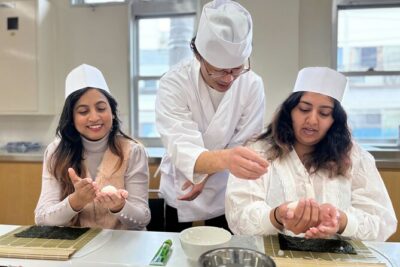
Tokyo Sushi Making Class in Tsukiji with Professional Chef
Read our review →
Tsukiji Fish Market Guided Tour and Sushi Making with Pro Chef
Read our review →Tsukiji Fish Market Food and Culture Walking Tour
Read our review →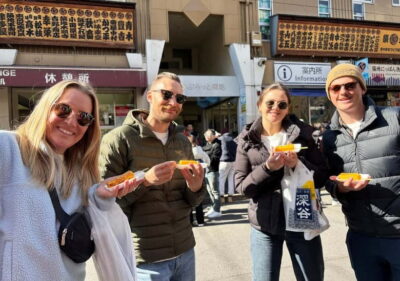
Tsukiji Fish Market: Street Food & Culture Walking Tour
Read our review →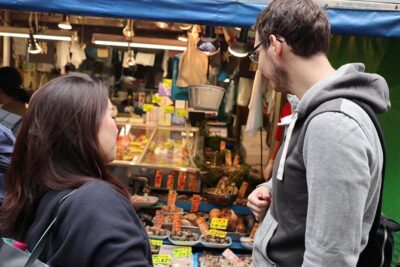
Tsukiji Fish Market Small-Group Food Walking Tour
Read our review →Browse the lists this tour appears in