
Reviewed · TEA CEREMONIES
Authentic Japanese Tea Ceremony Experience in Kamakura
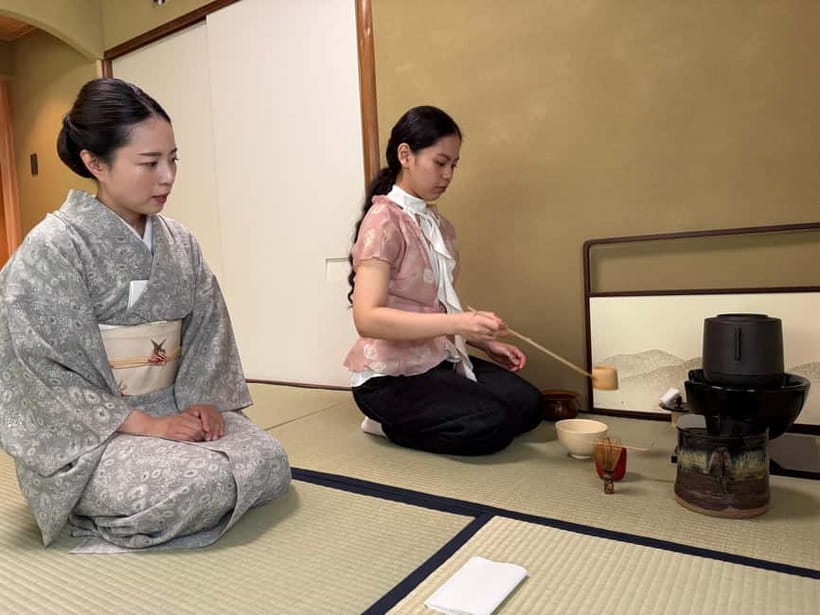
Kamakura’s tea ceremony offers more than a cup of green tea. In a quiet sukiya-zukuri tea room, you watch the measured ritual, learn why each movement matters, then whisk and serve matcha yourself. I like the small six-person limit and the English instruction. They keep this from feeling like a stage show.
I also like the practical mix of watching and doing. You receive two servings of matcha with seasonal wagashi, then have a chance to try the process under guidance. The main consideration is finding the tea room near Kita-Kamakura Station, since the directions describe the walk as roughly five to seven minutes. Allow a little extra time.
In This Review
- Key points to know
- Entering the tea room near Kita-Kamakura Station
- The first lesson: what sadō means
- Watching the tea ceremony performance
- Tasting two bowls of matcha with wagashi
- Making and serving your own matcha
- Why the six-person limit changes the experience
- Is $36 a fair price for one hour?
- Planning the visit without stress
- Who should book this Kamakura tea ceremony
- Should you book it?
- FAQ
- How long does the Japanese tea ceremony experience last?
- Where does the activity meet?
- How many people can join the experience?
- Is the experience offered in English?
- Do I make matcha myself?
- What food and drink are included?
- What should I bring?
- Can I join if kneeling is difficult?
Key points to know
- A real hands-on tea lesson: You do not only watch a performance. You whisk and serve matcha yourself.
- Small groups of six: The limited size suits a calm, personal lesson rather than a crowded demonstration.
- Two matcha servings with wagashi: Seasonal Japanese sweets balance the tea’s sharp, grassy taste.
- English and Japanese instruction: An English-speaking certified tea master explains both the actions and their meaning.
- Tatami-room etiquette matters: Remove your shoes and bring socks. Chairs are available if kneeling is difficult, but notify the provider ahead of time.
- Convenient from central Tokyo: Kita-Kamakura is about an hour from central Tokyo, making this a useful short cultural outing.
Entering the tea room near Kita-Kamakura Station
The meeting point is Tea Room Chikusuian, near Restaurant Wata, about a five to seven-minute walk from JR Kita-Kamakura Station. The location information gives slightly different walking times, so I would allow around 10 minutes from the station. That small cushion is worthwhile, especially if you are unfamiliar with the area.
Kita-Kamakura is a fitting place for this activity. The town is known for temples and a slower pace than central Tokyo. You do not need to set aside a full day for the tea ceremony, but pairing it with nearby Kamakura sights makes good use of your time.
Once inside, you remove your shoes before entering the tatami tea room. Bring socks, even in warm weather. This is both a comfort tip and part of showing respect in a traditional Japanese interior.
The room uses the sukiya-zukuri style, a design associated with refined simplicity and natural materials. The setting is not presented as a large tourist attraction. Its value comes from the quiet scale, where you can focus on the utensils, the movements, and the explanation.
More tea rooms worth booking:
- Private Tour in Kamakura: Matcha Tea Tasting & Photo Session
★ 5.0 · 6 reviews - Matcha Making Class in Tokyo with Authentic Japanese Sweets Set
★ 5.0 · 744 reviews - Tokyo: Traditional Tea Ceremony with a Tea Master
★ 5.0 · 528 reviews
The first lesson: what sadō means
The session begins with an introduction to Japanese tea ceremony, known as sadō, or the way of tea. The tea master explains the background and meaning of the practice before moving into the demonstration.
This matters because the ceremony can look mysterious if you only see the surface. A bowl, whisk, scoop, cloth, and tea container each have a place in the process. Small gestures are not random. They show care for the tea, the room, and the person receiving it.
The instructor also explains the idea of omotenashi, the Japanese spirit of thoughtful hospitality. You see it in the careful preparation and in the way tea is offered. The point is not speed. It is attention.
The lesson includes ideas linked to Zen and mindfulness. You are encouraged to notice the order of the actions and the calm rhythm of the room. This does not turn the hour into a lecture. It gives you a useful key for understanding why the ceremony values restraint and concentration.
The English-speaking format helps here. You can ask questions and follow the etiquette without guessing. Japanese instruction is also available, so the experience serves both local and international participants.
Watching the tea ceremony performance
The tea master then gives a live demonstration. Watch the preparation closely, since this is the best time to see the complete flow before you try it yourself.
The performance is part cultural lesson, part welcome. You see how the tea is prepared and presented with care, rather than simply mixed and handed over. The deliberate pace may feel unusual if you are used to ordering a quick drink, but that contrast is exactly the point.
You should not expect a theatrical show with a long series of surprises. This is a one-hour introduction in an intimate room. The appeal is detail: the arrangement of utensils, the controlled hand movements, the respectful serving style, and the calm exchange between host and guest.
Photos are allowed at designated times. Keep your camera put away during the main ritual unless the instructor invites you to take pictures. That lets you pay attention and avoids interrupting the quiet mood.
Tasting two bowls of matcha with wagashi
You receive two servings of freshly whisked matcha during the session. Matcha has a strong, grassy taste and a fine texture that differs from ordinary steeped green tea. If you have never tried it, the Japanese sweets are an important part of the experience.
The wagashi are seasonal Japanese sweets. Their sweetness helps balance the tea, and their changing seasonal character connects the tasting to Japanese food culture. The sweets are not just an extra snack. They prepare your palate for matcha and make the ceremony easier to appreciate.
The two servings also give you a useful comparison between watching and doing. The first bowl is prepared for you as part of the demonstration. Later, you make tea yourself. You can notice the difference between receiving the finished drink and taking responsibility for each step.
Do not expect a large meal. Matcha and wagashi make this a light cultural activity, not a replacement for lunch. Plan your schedule accordingly if you want a longer food stop in Kamakura.
More Kamakura and Enoshima days:
- Tokyo: Kamakura & Enoshima Day Trip including Temple Tickets
★ 4.5 · 1,375 reviews - Tokyo: Mt. Fuji, Kamakura, Big Buddha, & Lake Ashi Day Trip
★ 4.5 · 867 reviews - From Tokyo: Kamakura & Enoshima 1-Day Bus Tour
★ 4.5 · 189 reviews - Kamakura Historical Walking Tour with the Great Buddha
★ 5.0 · 129 reviews
Making and serving your own matcha
The hands-on section is the strongest reason to choose this activity over a simple tea demonstration. The instructor guides you step by step as you whisk matcha and serve it.
No previous experience is needed. You do not have to memorize complicated rules before arriving. The lesson gives you a chance to learn by following the sequence, with the tea master nearby to correct or explain as needed.
This part also makes the etiquette easier to remember. When you prepare the bowl yourself, you understand why the tools are handled in a particular order. You are not merely hearing about customs. You are practicing them.
The process may feel a little awkward at first, especially if you are trying to remember where to place each utensil. That is normal. The goal is not to produce a perfect performance. It is to understand the care behind the actions and gain enough confidence to repeat the basic method later.
Families with children aged seven and older may find the activity a good fit if the child can sit quietly, listen, and handle the utensils carefully. Couples and first-time visitors should also find the personal scale comfortable. A six-person limit gives each participant a better chance to follow the demonstration and take a turn.
Why the six-person limit changes the experience
The maximum group size is six. That number is small enough for the instructor to maintain a calm tone and guide participants directly.
In a large group, tea ceremony can become something you watch from a distance. Here, the small format supports the practical lesson. You can see the utensils clearly, ask questions in English or Japanese, and receive help during your own attempt.
The tradeoff is that availability may be limited. Starting times vary, so check the schedule before planning other Kamakura visits around it. The small group is one of the main reasons to reserve ahead, particularly if you are traveling with family or as a couple.
The atmosphere should suit people who prefer a quiet cultural experience. It may not suit anyone looking for a fast, casual activity with constant movement. The ceremony asks for attention and a little patience.
Is $36 a fair price for one hour?
At $36 per person, the price is reasonable if you value instruction and participation rather than just refreshments. You receive the room setting, a traditional performance, guidance from a certified tea master, two bowls of matcha, seasonal wagashi, and use of the tea utensils.
A cheaper tea stop might give you a cup of matcha and a sweet, but it would not necessarily explain the customs or let you make and serve the tea. That hands-on element gives this experience its value.
The one-hour duration also makes the price easier to fit into a Kamakura day. You are not committing half a day to a formal cultural program. At the same time, the short length means the lesson is an introduction, not an advanced study of sadō.
I would choose this activity for its combination of access and depth. You get a genuine look at the formality of tea ceremony without needing prior knowledge, special clothing, or a long time commitment. If your main goal is simply to drink matcha, $36 may feel high. If you want to understand the ritual and practice it, the cost is easier to justify.
Planning the visit without stress
The tea room is about an hour from central Tokyo, according to the activity information. Check your train plans carefully and give yourself time to walk from Kita-Kamakura Station. The meeting instructions point you toward Restaurant Wata and Tea Room Chikusuian.
The stated cancellation policy allows a full refund if you cancel at least 24 hours in advance. You can also reserve and pay later, which helps if your Kamakura plans depend on weather or other bookings.
There is no dress code, but modest clothing is recommended. You will remove your shoes, so socks are required. Avoid clothing that makes sitting on tatami uncomfortable.
Chairs are available if kneeling is difficult. Tell the provider in advance so the room can be prepared. The activity is not suitable for wheelchair users or pregnant women, according to the supplied conditions.
The session is recommended for ages seven and up. Photos are permitted only at designated times, so treat the camera rule as part of the etiquette lesson.
Who should book this Kamakura tea ceremony
I would recommend it to first-time visitors who want a clear introduction to Japanese customs. The English-speaking instructor removes much of the uncertainty, while the practical tea-making section keeps the hour active.
It is also a good choice for couples looking for a quiet cultural activity, and for families with older children who can manage a tatami room. People interested in Japanese design, Zen ideas, hospitality, or food traditions will get more from the explanations than someone seeking only a quick drink.
You may want to skip it if you dislike sitting quietly, have difficulty removing shoes, or want a long, highly formal ceremony. The activity is short and welcoming, but it still follows the basic expectations of a traditional tea room.
The strongest praise given to this experience has focused on how pleasant, friendly, interesting, and beautiful the hour feels. That matches the structure: it combines a peaceful setting with a clear lesson and a chance to participate. The one practical weakness is the location detail, so plan your walk rather than arriving at the station just before the start time.
Should you book it?
Book this tea ceremony if you want to understand what happens behind the gestures, not just take a photo of a bowl of matcha. The small group, English instruction, two tea servings, wagashi, and guided practice make the $36 price fair for a one-hour cultural lesson.
I would book it as part of a Kita-Kamakura day, leaving extra time to find the tea room and explore the area before or after. Bring socks, dress simply, and expect a calm session rather than a show. For an authentic first look at Japanese tea customs with enough hands-on practice to remember it, this is a strong choice.
FAQ
How long does the Japanese tea ceremony experience last?
The session lasts approximately 60 minutes.
Where does the activity meet?
Meet at Tea Room Chikusuian, near Restaurant Wata, about a five to seven-minute walk from JR Kita-Kamakura Station.
How many people can join the experience?
The group is limited to a maximum of six participants.
Is the experience offered in English?
Yes. Instruction is available in English and Japanese, and the activity includes an English-speaking instructor.
Do I make matcha myself?
Yes. After watching the traditional tea ceremony performance, you receive step-by-step guidance to whisk and serve matcha yourself.
What food and drink are included?
The experience includes matcha and seasonal Japanese sweets called wagashi. You receive two servings of freshly whisked matcha.
What should I bring?
Bring socks because shoes must be removed before entering the tatami tea room.
Can I join if kneeling is difficult?
Chairs are available if kneeling is difficult, but you should notify the provider in advance. The activity is not suitable for wheelchair users or pregnant women.
New on our Kamakura list
- 1-Day trip: Kamakura City (Enoshima/Shonan/Beach)★ 4.7 · 3 reviews
- Kamakura Zen: Great Buddha, Nature, Bamboo & Samurai Culture★ 5.0 · 3 reviews
- Kamakura Half Day Walking Tour with Local Experience★ 3.4 · 4 reviews
- Hiking Tour in Enoshima with a Local Guide★ 5.0 · 4 reviews
- Kamakura Tour with Pro Photographer: Anime Train & Fuji Sunset★ 5.0 · 4 reviews
- Kamakura Private Custom Tour★ 5.0 · 4 reviews
- Kamakura Historical and Cultural Day Trip with Local Cuisine★ 5.0 · 4 reviews
- Kamakura Full-Day Private Tour★ 5.0 · 4 reviews
Tea Ceremonies, compared.
Matcha Making Class in Tokyo with Authentic Japanese Sweets Set
Read our review →
Matcha Making Experience with Mochi Sweets in Asakusa
Read our review →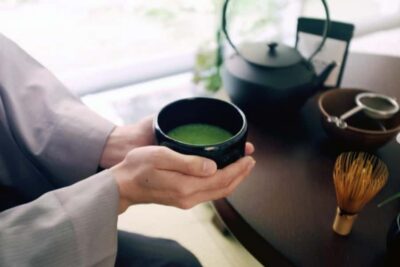
Tea Ceremony Workshop in Tokyo by the Experienced Instrucor
Read our review →

Make Traditional Nerikiri Sweets & Matcha experience in Shibuya
Read our review →Browse the lists this tour appears in