
Reviewed · SUMO EXPERIENCES
Exclusive Sumo Morning Practice in Tokyo with Photo Opportunity
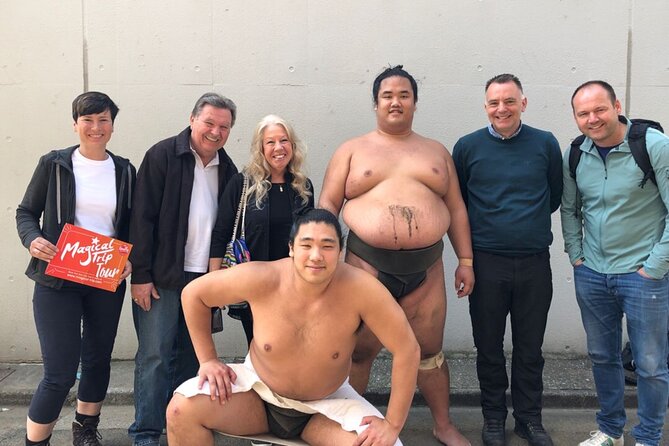
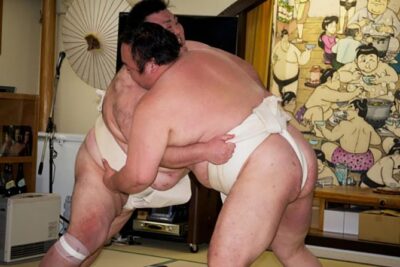
Sumo practice is not a staged show. Inside a stable near Tokyo Skytree, you watch young wrestlers train with striking force and total concentration. The best part is the closeness: you may see warmups, repeated clashes, and serious bouts from the tatami area, then get a photo with the wrestlers afterward.
I like the small maximum group of 10, which gives your guide room to explain the rules and customs. I also like the short two-hour schedule, since an 8:00 a.m. start leaves much of your Tokyo day free. The main drawback is seating: it is first come, first served, and arriving late can put you two or three rows back.
In This Review
- Key points before you book
- Why a Sumo Stable Is More Interesting Than a Tournament
- Starting at Oshiage Station at 8:00 a.m.
- Entering a Working Sumo Stable
- What the Morning Practice Feels Like
- Getting the Best View and Photos
- Is $99.10 a Fair Price?
- Who Will Enjoy This Experience Most
- Summer Heat and Simple Preparation
- The Main Trade-Off: Authentic Access With Firm Rules
- Should You Book This Sumo Morning Practice?
- FAQ
- Where does the tour meet?
- What time does the activity start?
- How long does the experience last?
- Where does the tour visit?
- Where does the activity end?
- How many people can join the tour?
- Is seating guaranteed near the front?
- Can I take photographs?
- Can I enter all areas of the sumo stable?
- What is the cancellation policy?
Key points before you book
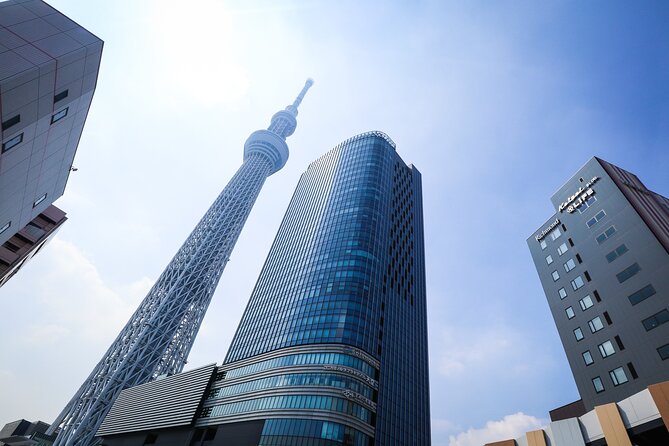
- Watch real morning practice at a sumo stable near Tokyo Skytree, not a tournament performance.
- Meet at Oshiage Station at 8:00 a.m., at the taxi stand in the station rotary.
- Expect a small group of up to 10 people, with explanations from an English-speaking guide.
- Sit only in the tatami areas. Other parts of the stable are off-limits.
- Photo time is included, with a chance to pose with wrestlers and the sensei.
- Arrive early for better seating, since places are assigned first come, first served.
Why a Sumo Stable Is More Interesting Than a Tournament
A Tokyo sumo tournament is thrilling, but it only runs during set periods of the year. This morning visit gives you a way to see sumo practice even when no tournament is scheduled.
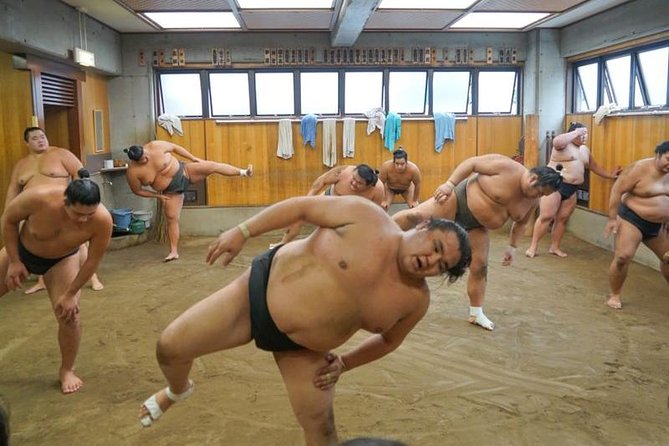
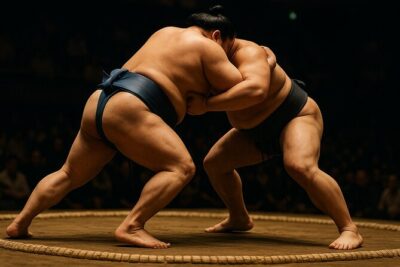
The difference matters. At a tournament, you see polished bouts under bright arena lights, with a large crowd and a formal program. At practice, you see the work behind the spectacle. Wrestlers warm up, repeat movements, spar, and test one another in a setting built for training.
The action can look almost plain at first. Then a wrestler charges, absorbs a heavy impact, and drives his opponent backward with remarkable speed. The repeated attacks help you understand that sumo is not simply about size. It calls for balance, timing, strength, discipline, and the ability to stay focused under pressure.
This is also a cultural visit, not just a sports stop. Your guide explains the background and meaning of what you see, including the customs and philosophy connected with sumo. Guides named in the experience include Hana, Yuki, and Kentake. The strongest guide feedback points to clear English explanations, useful historical context, and an energetic presentation.
More sumo mornings:
- Tokyo: Sumo Show Experience with Chicken Hot Pot and a Photo
★ 4.8 · 6,678 reviews - Tokyo: Sumo Show and Dining Experience
★ 4.8 · 2,742 reviews - the SUMO show
★ 5.0 · 1,960 reviews
Starting at Oshiage Station at 8:00 a.m.
The meeting point is the taxi stand in the station rotary at Oshiage Station, in Sumida City. The address is 1-chōme 1, Oshiage, Tokyo 131-0045. This is a central and practical starting place, but station meeting points can still cause a few minutes of confusion, especially if you come through a large underground station.
I would plan to arrive early enough to find the taxi stand without rushing. The meeting time is 8:00 a.m., and the group then visits one of the sumo stables around Tokyo Skytree. The exact stable is not presented as a public sightseeing site, so follow the guide rather than trying to head there independently.
That arrangement is useful. A stable is a working place, and the visit depends on respectful access. Your guide handles the route and gives you the basic rules before you enter. The activity ends back at the meeting point, which makes planning your next stop easier.
The early start is both a benefit and a small challenge. You need to get moving in the morning, but you also finish with most of the day available for Asakusa, Tokyo Skytree, museums, shopping, or another part of the city.
Entering a Working Sumo Stable
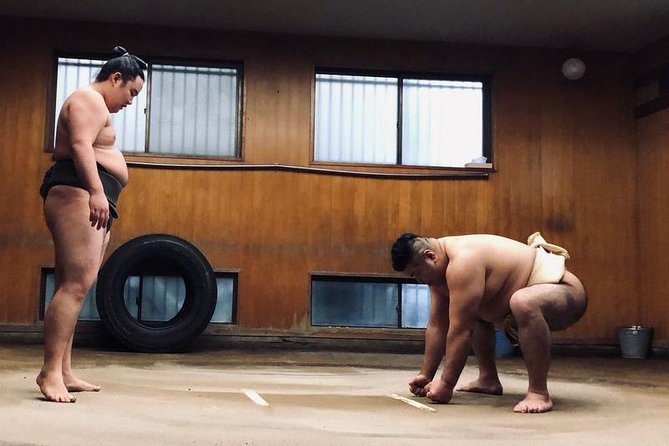
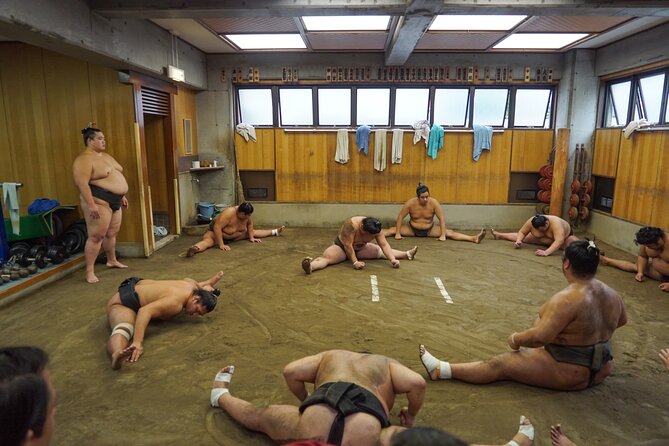
The stable is where wrestlers live, train, and follow the daily structure of professional sumo. This visit gives you a rare look at that training environment, one that even many Japanese people never see.
Do not expect a theater with a fixed show schedule. The wrestlers are practicing for their own reasons, and the session may feel repetitive at times. That is part of its value. You are watching athletes repeat demanding movements rather than perform a tourist routine.
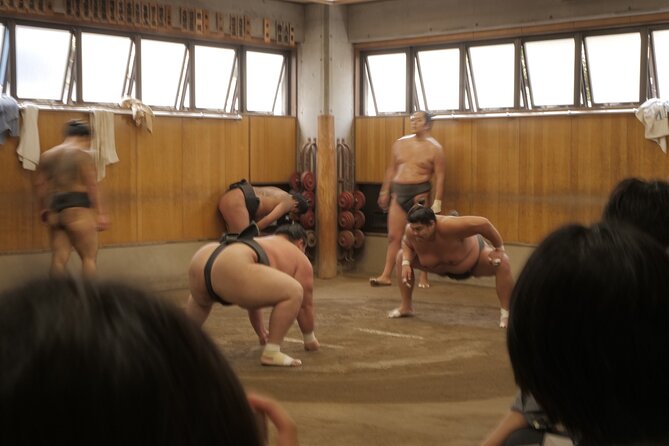
The practice may include warmups and sparring between wrestlers. Some of the most powerful moments come from the attacks, which can be sudden and intense even when the bout lasts only a short time. You will also see the serious concentration required between exchanges.
There are strict limits on where you can go. The tatami, or straw flooring areas, are open to the group, but all other sections of the stable are off-limits. Treat this as a working training facility. Stay where you are placed, keep your voice low, and let the wrestlers set the tone.
This restriction is worth understanding before you book. The visit offers unusual access, but it is not an open house. You are close enough to watch the action, not free to wander through the stable or approach wrestlers whenever you wish.
What the Morning Practice Feels Like
The physical force is the first thing you notice. Sumo attacks are short, direct, and powerful. A bout can seem simple until you see how quickly a wrestler must react while keeping his feet, posture, and balance.
The practice also shows the human side of the sport. The wrestlers may be large, but they are often quite young. Seeing them train at close range makes the sport feel less like a distant national symbol and more like a demanding daily job carried out by focused athletes.
A useful guide makes a big difference here. Without context, you might see bodies colliding and miss the meaning behind the movements. Guides such as Kentake, Hana, and Yuki are praised for explaining the history, training, and philosophy in clear English.
The small group helps too. With no more than 10 people, you have a better chance of hearing the guide and asking a question. This is a better setup for learning than a large bus tour, although the exact amount of personal attention will depend on the guide and how busy the stable is.
The session lasts about two hours for the full activity, but the actual practice can feel shorter or longer depending on the morning. One useful point to keep in mind is that the training itself may become repetitive. If you need constant variety, a tournament will give you more pageantry and changing matchups. If you want to understand how athletes prepare, the repetition is precisely what you came to see.
A few more Tokyo bookings worth comparing
- Tokyo: Sumo Morning Practice Viewing Tour
★ 4.8 · 570 reviews - Tokyo: Sumo Morning Training Visit
★ 4.4 · 370 reviews - Tokyo: Sumo Morning Practice Tour at Sumida City
★ 4.8 · 308 reviews - Tokyo Sumo Morning Practice Tour at Stable
★ 5.0 · 298 reviews
Getting the Best View and Photos
Seating is first come, first served because the stable is often visited by several tour companies. Arriving late may mean sitting two or three rows from the front. You should not count on choosing the best place after the group has entered.
That seating rule is the most important practical tip for this experience. Get to Oshiage Station early, find the meeting point, and be ready to follow the guide promptly. A front-row position can make a real difference when the wrestlers are training close by.
The photo opportunity comes after or around the practice, depending on the stable’s schedule and rules. You can take photos of the wrestlers and may pose with them. Some visitors also have the chance to take a group picture with the full stable and the sensei.
Keep your expectations sensible. The photo opportunity is a welcome extra, but the training remains the main event. The wrestlers are not there to put on a long photo session. Respectful behavior and quick cooperation will help the group make the most of the available time.
Because the activity takes place indoors on tatami flooring, wear clothing that lets you sit comfortably. The supplied information does not specify a dress code, so follow any instructions given by the guide or stable staff.
Is $99.10 a Fair Price?
At $99.10 per person, this is not the cheapest cultural activity in Tokyo. You are paying for a short, tightly organized visit rather than a full-day tour. The value depends on how much you want access to a working sumo stable.
For a casual look at Japanese sports, the price may feel high. You could spend less on a museum or public sumo-related attraction. But those alternatives do not give you the same close view of morning training, the guide’s explanations inside the stable, or the chance to pose with wrestlers and the sensei.
The small group improves the calculation. A maximum of 10 people is far more manageable than a large group when seating is limited and the setting requires quiet attention. You are also buying convenience: a central meeting point, an organized visit, and help understanding what you are seeing.
I would consider it good value for a first-time visitor who has a strong interest in sumo, Japanese culture, or sports training. It is less convincing for someone who only wants a quick photograph or expects a tournament atmosphere.
The tour has free cancellation if you cancel at least 24 hours before the 8:00 a.m. start time. Changes or cancellations made within 24 hours are not accepted for a refund, so keep the local cut-off time in mind when arranging your Tokyo schedule.
Who Will Enjoy This Experience Most
This visit suits you if sumo is high on your Tokyo list but no tournament is taking place during your stay. It also works well for anyone who prefers a real working setting to a large public performance.
Sports fans should appreciate the close look at training. You can see the force, repetition, and focus that sit behind the short bouts. Culture-minded visitors will benefit most when they pay attention to the guide’s explanation of why the practice is conducted as it is.
It is also a useful choice for a busy itinerary. The activity takes about two hours and begins early. You can combine it with other plans in eastern Tokyo without giving up an entire morning or afternoon.
Families and mixed-interest groups may find it worthwhile because the action is easy to grasp even if you know little about sumo. Still, the quiet setting and seating limits mean it is not a place for wandering children or casual conversation.
I would hesitate to recommend it to anyone who dislikes early starts, sitting on tatami, or watching repeated training drills. I would also warn photographers that seating is not guaranteed near the front, and the stable controls the setting.
Summer Heat and Simple Preparation
Tokyo summers are hot and humid, even in the morning. Bring water and wear a hat for the time before and after entering the stable. The heat advice is especially useful if you plan to continue sightseeing around Tokyo Skytree afterward.
You should also build in a little extra time for the Oshiage meeting point. The activity is near public transportation, but a central station can be confusing when you are trying to locate a particular taxi stand.
The tour accepts mobile tickets, and booking confirmation is provided at the time of booking. Most people can take part, according to the activity information. Specific accessibility details beyond that are not provided, so contact the provider if you need exact information about seating or movement inside the stable.
The Main Trade-Off: Authentic Access With Firm Rules
The appeal is clear: you get close to an activity most people never witness. The trade-off is that the experience operates on the stable’s terms, not on a visitor-friendly timetable built around unlimited access.
You cannot enter every area. You may not get the front row. The practice may repeat the same movements for a while. Those limits are not flaws to hide, but they shape the experience you are buying.
For me, that makes the visit more credible. The wrestlers are training, not acting. The lack of a polished tourist performance is exactly why the strongest moments can feel so special.
The guide is central to making the morning work. Hana is described as enthusiastic and well informed about sumo practice. Yuki is praised for explaining the background and philosophy thoroughly. Kentake is noted for fluent English and for sharing useful details about the wrestlers and the sport. Your guide may be someone else, but the activity is designed around this kind of interpretation.
Should You Book This Sumo Morning Practice?
Book it if you want to see serious sumo training up close, especially if your Tokyo dates do not overlap with a tournament. The combination of a small group, a central meeting point, clear cultural explanation, and a photo with the wrestlers gives the morning real value.
Arrive early for the best possible seating, bring water in summer, and think of the visit as a respectful look inside a working stable rather than a staged show. If you can accept those conditions, this is one of the more unusual two-hour activities you can add to a Tokyo itinerary.
Skip it if you need a full tournament atmosphere, dislike repetitive practice, or want complete freedom to move around and photograph. For everyone else, the chance to watch concentrated athletes collide just a few rows away is a strong reason to make room for an early start.
FAQ
Where does the tour meet?
The meeting point is the taxi stand in the station rotary at Oshiage Station, 1-chōme 1, Oshiage, Sumida City, Tokyo 131-0045.
What time does the activity start?
The activity starts at 8:00 a.m.
How long does the experience last?
The activity lasts approximately two hours.
Where does the tour visit?
The group visits one of the sumo stables around Tokyo Skytree.
Where does the activity end?
The activity ends back at the Oshiage Station meeting point.
How many people can join the tour?
The maximum group size is 10 people.
Is seating guaranteed near the front?
No. Seating in the stable is first come, first served. Late arrivals may be seated two or three rows from the front.
Can I take photographs?
Yes. The experience includes a chance to photograph the wrestlers and pose for pictures with them.
Can I enter all areas of the sumo stable?
No. All areas are off-limits except for the tatami flooring areas.
What is the cancellation policy?
You can cancel at least 24 hours before the local start time for a full refund. Cancellations or changes made less than 24 hours before the start are not accepted for a refund.
New on our Tokyo list
- From Tokyo: Mount Fuji & Hakone Full Day Private Tour★ 4.9 · 25 reviews
- Tokyo Spectacular View Day-Cruise in 90 Minutes★ 5.0 · 25 reviews
- Real Tokyo Runner Club : Daikoku Car Meet Night Tour with JDM Car★ 5.0 · 25 reviews
- 2.5 Hour-Guided Cycle Tour in the Central Tokyo★ 5.0 · 25 reviews
- Ramen Making from Scratch +Akihabara Tour –Cooking Class★ 5.0 · 25 reviews
- [Self-Drive] Tokyo & Daikoku Custom Car Driving Tour★ 4.9 · 25 reviews
- Tokyo: 2-Hour Night Bike Tour of the City’s Hidden Gems★ 4.9 · 25 reviews
- Samurai themed Entertainment show in Shinjuku★ 4.5 · 25 reviews
Sumo Experiences, compared.
Sumo Show Experience with Chicken Hot Pot and a Photo
Read our review →
Tokyo Shinjuku Sumo Show & Experience with Photo
Read our review →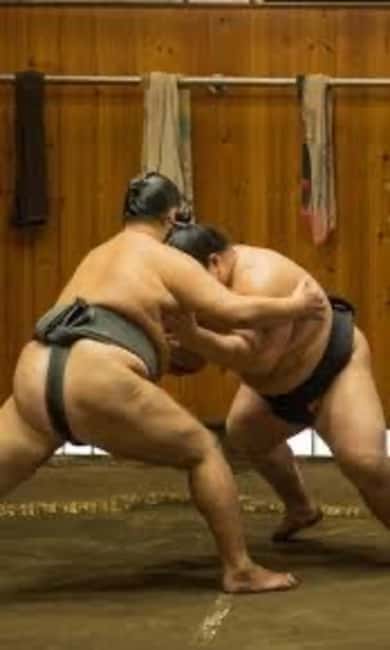

Authentic Sumo Experience in Tokyo: Enter the Sanctuary
Read our review →
Luxury Sumo Show Experience & Japanese cuisine & Drink
Read our review →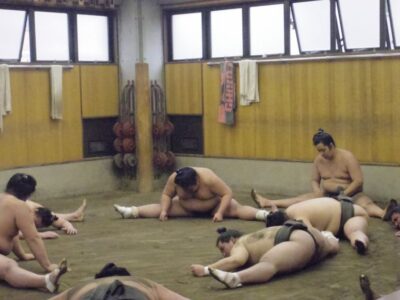
Browse the lists this tour appears in