
Reviewed · JAPANESE COOKING CLASSES
Japanese Cooking and Udon Making Class in Tokyo with Masako
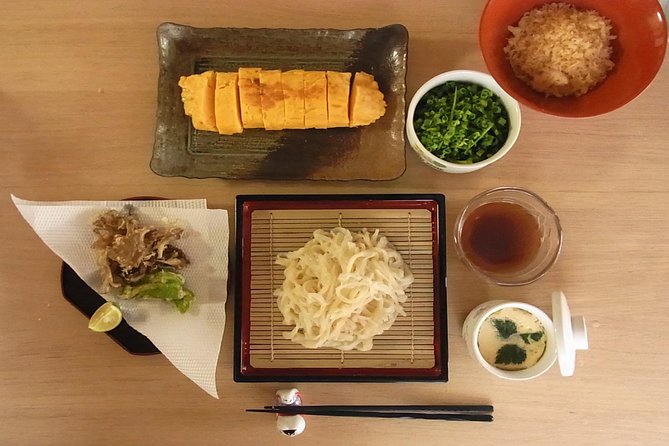
The special part of this Tokyo class is not only the bowl of noodles. You work in Masako’s own home kitchen, kneading udon dough, preparing Japanese omelet and tempura, then sitting down to eat what you made. She also writes your name in Kanji, turning a practical lesson into a personal souvenir.
I like the private format, which gives you direct help instead of a rushed group demonstration. I also like the useful menu: udon, tamagoyaki, tempura, and dashi are dishes you can realistically try again at home. The main consideration is location. The class meets in northern Tokyo’s Adachi City, not in the central sightseeing districts, and Masako speaks limited English, so a translator is part of the setup.
In This Review
- Key points to know before booking
- Making udon from flour, water, and patience
- Tamagoyaki and tempura add variety to the meal
- A home setting rather than a cooking studio
- Green tea, Kanji, and a personal welcome
- What communication is like during the cooking
- The meal is part of the lesson
- Who will get the most from this class
- Who may want a different Tokyo activity
- Timing, booking, and cancellation details
- FAQ
- Where does the cooking class take place?
- How long does the experience last?
- Is this a private class?
- What dishes can I make?
- Do I need to choose a menu?
- Are children allowed?
- Is hotel transportation included?
- Should you book Masako’s udon class?
Key points to know before booking
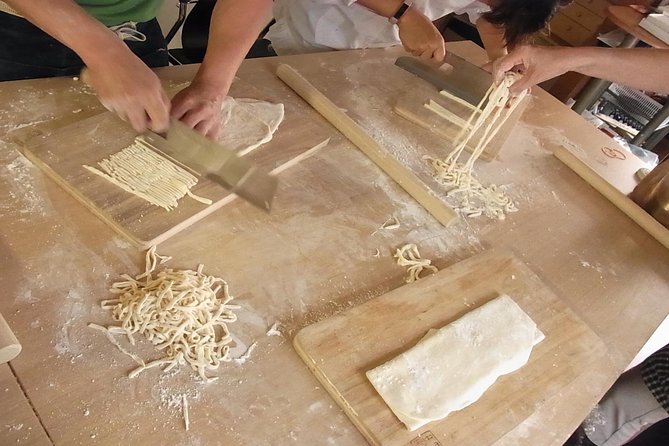
- Handmade udon is the main event: Learn about flour, water ratios, kneading, resting, flattening, cutting, and cooking.
- Private instruction: Only your own group takes part, with close teaching assistance throughout the class.
- A full meal is included: You eat the udon and other dishes you prepare, with drinks and alcoholic beverages provided.
- Four menu choices are available: Send Masako your preferred menu after booking.
- Calligraphy is part of the welcome and farewell: Masako writes your name in Kanji and may create a personalized fan or other small keepsake.
- Plan for northern Tokyo: The meeting point is in Senju, Adachi City, and there is no hotel pickup or drop-off.
Making udon from flour, water, and patience
The class focuses on the part of Japanese cooking most visitors cannot easily see in a restaurant: the work behind a simple bowl of noodles.
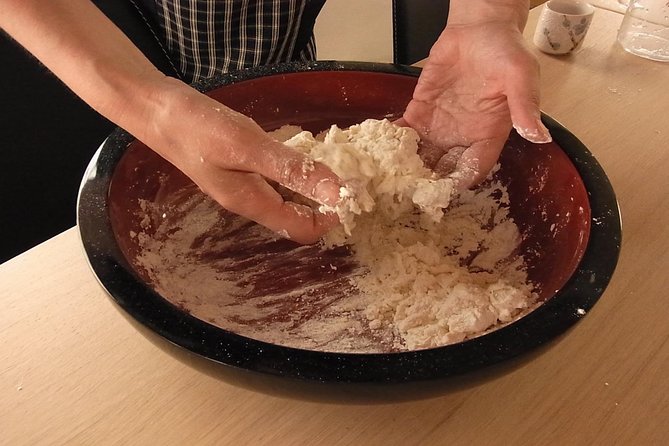
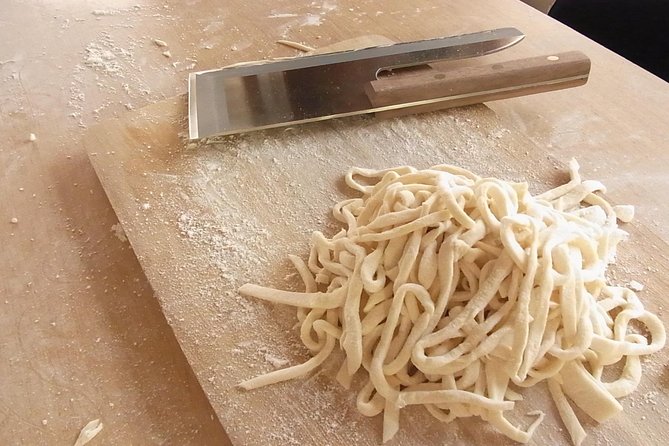
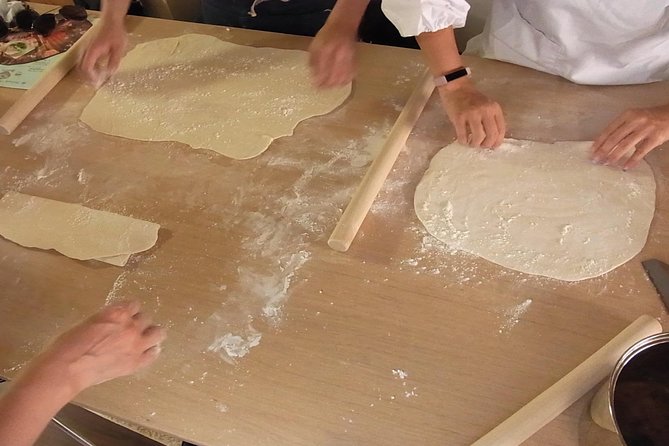
You begin with the dough. Masako explains which flours to choose or mix, how much water to use, and how the dough should feel as you knead it. This is a hands-on lesson, not a quick stir-and-watch demonstration. You flatten and cut the dough yourself, then cook the noodles for the meal.
The kneading takes effort, and that is part of the fun. Udon dough needs more handling than many first-time cooks expect. Masako shows you how to work it properly, how long it needs to rest, and how to get an even sheet before cutting. These are small techniques, but they are the sort of details that make a home-cooked result much better.
I especially like that the lesson does not treat udon as a mysterious restaurant specialty. You learn a repeatable process. Once you are home, you can try it again with ordinary kitchen equipment and adjust the texture to your taste.
The class lasts about two and a half hours, so the udon is only one part of the session. You are not simply making noodles and leaving. The dough work is mixed with preparation of several other dishes, which keeps the class moving while the dough rests.
More cooking classes in Tokyo:
- Ramen & Gyoza Cooking Class in Tokyo with Local Supermarket Visit
★ 5.0 · 823 reviews - Tokyo: Easy Ramen Cooking Experience in Kabukicho, Shinjuku
★ 4.6 · 321 reviews - Ramen and Sushi Cooking Class with Sake Pairing Set in Tokyo
★ 5.0 · 291 reviews
Tamagoyaki and tempura add variety to the meal
The other dishes make the class feel like a complete Japanese meal rather than a single-recipe workshop.
Tamagoyaki, the rolled Japanese omelet, is one of the most useful skills to take home. You learn how to cook and roll the egg in layers, with ingredients that can include sugar and miso. Each person may get a chance to make an omelet, which is helpful because the rolling technique is easier to understand with the pan in your own hands.
This is also where the private setting matters. Masako can watch your timing, help with the roll, and answer questions as you go. If your first attempt is not perfectly shaped, you still get to eat it. That is a forgiving way to learn.
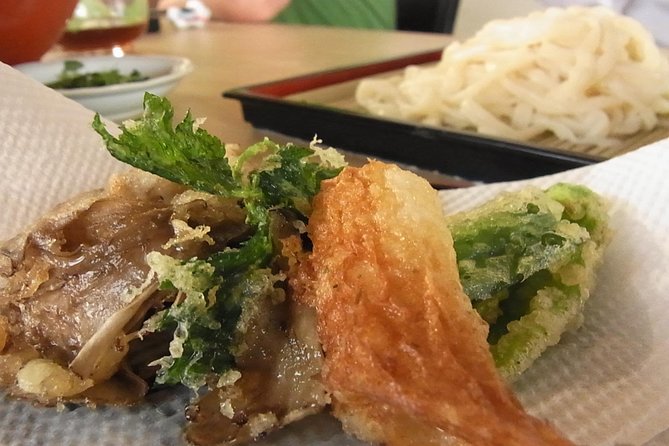
Tempura brings a different skill set. You prepare vegetables and shrimp, then learn frying tips from Masako. The class gives you more than a list of ingredients. It shows you how to approach the batter and cooking process so you can repeat it later.
Dashi may also be part of the cooking, especially with the udon soup. This gives you a useful introduction to the savory base behind many Japanese dishes. The exact dishes depend on the menu you select, since Masako offers four menu choices. You should contact her with your preference rather than assuming every session follows exactly the same lineup.
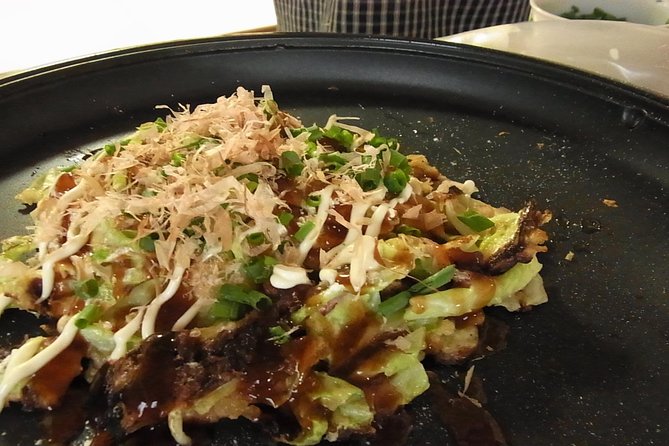
A typical combination described for the class includes handmade udon, soup, tamagoyaki, and vegetable or shrimp tempura. Other Japanese classics, including okonomiyaki, may also be possible. Ask about the available choices when you book.
A home setting rather than a cooking studio
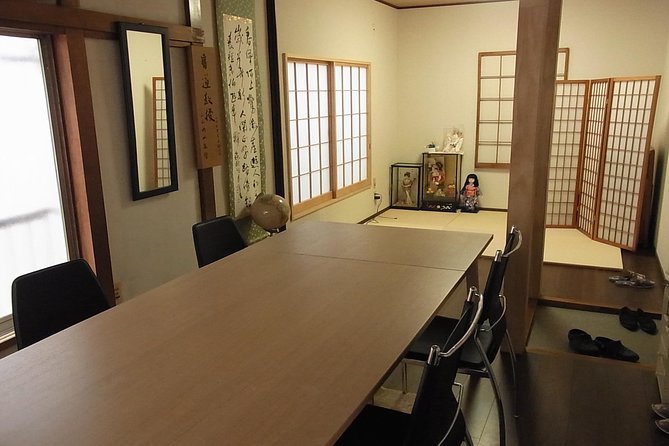
The class takes place in Masako’s home in Senju, in Adachi City. That setting gives you a look at a real Japanese kitchen and ordinary home cooking rather than a polished school built only for visitors.
For me, this is one of the strongest reasons to choose the experience. A cooking studio can teach technique well, but a home setting shows how dishes fit into daily life. You see the scale and rhythm of cooking in a family kitchen, and Masako’s stated aim is to teach simple, nutritious dishes that you can prepare again at home.
The location also changes the feel of your time in Tokyo. You are heading away from the main tourist zones and into a residential part of the city. That means the class is not the easiest add-on to a morning around Asakusa, Shibuya, or the Imperial Palace. On the other hand, it gives you a reason to visit a less central area.
The meeting point is listed at 27-5 Senju 4-chome, Adachi City, Tokyo 120-0034. The activity ends back at the same meeting point. It is near public transportation, but hotel pickup and drop-off are not included, so allow time to find the address and reach it comfortably.
Green tea, Kanji, and a personal welcome
The class begins with green tea and calligraphy. Masako is a qualified calligraphy professional, and she writes your name in Kanji as part of the welcome.
This is more than a decorative extra. Japanese names do not always translate directly into Kanji, so the choice of characters and their meaning can become a small cultural lesson. The calligraphy gives you something personal to take home, not just another printed recipe card.
The calligraphy may return at the end of the meal. Several class formats include a personalized fan or another handmade item featuring each participant’s name or selected characters. These gifts are not the main reason to book, but they add warmth to an already personal visit.
You may also see origami or receive another small handmade souvenir. The precise gift can vary, so I would treat it as a pleasant bonus rather than a guaranteed item beyond the stated calligraphy souvenir.
A few more Tokyo bookings worth comparing
- Sushi Making Tokyo Roll and Authentic Japanese Sushi Class
★ 5.0 · 3,971 reviews - Tokyo: Roll and Authentic Sushi Making Class in Asakusa
★ 4.9 · 1,957 reviews - Tokyo Shinjuku Chopsticks Making Class
★ 5.0 · 1,763 reviews - Tokyo: Sushi Making Class in a Happi Coat near a Famous Spot
★ 4.9 · 1,377 reviews
What communication is like during the cooking
Masako speaks limited English, and a translator is scheduled to be present. This matters because cooking depends on quick explanations: texture, timing, heat, and technique are not always easy to communicate with gestures alone.
The translator helps keep the lesson clear, while Masako demonstrates the physical steps in the kitchen. You can expect a mix of spoken instruction, showing, and hands-on practice. If you have a food allergy or dietary restriction, send that information ahead of time. The class can accommodate dietary needs, but advance notice gives Masako a chance to plan the ingredients.
The language setup should not put off a beginner. The cooking is described as accessible, and the instruction is step by step. Still, this is not a fully English-led culinary lecture. If you want detailed explanations of every Japanese food term or a long conversation about cooking theory, the translator arrangement may feel less smooth than a class led by a fluent English-speaking chef.
For many people, the visual nature of the work is an advantage. You can watch how Masako kneads, rolls, cuts, and fries, then copy the movement. That style suits practical home cooking.
The meal is part of the lesson
At the end, you eat the dishes you prepared. This gives the session a satisfying shape: learn, cook, sit down, and taste the result.
The meal can include handmade udon with soup, rolled omelet, and tempura. Alcoholic beverages are included, along with other drinks. The food is simple rather than formal restaurant cuisine, which fits the home setting and the class’s focus on recipes you can recreate.
Come hungry. You are making several dishes, and the meal is a full part of the experience. The timing also means you are likely to spend much of the two and a half hours moving between preparation and eating rather than sitting through a long demonstration.
I see real value here for anyone who wants more than a quick cooking activity. You get dinner, instruction, cultural exchange, and a keepsake in one booking. At $142 per person, the price is not low for a two-and-a-half-hour activity, but the comparison is not simply between this and a bowl of udon. You are paying for private teaching, all ingredients, a meal, drinks, translation support, and the personal home visit.
The value improves if you would otherwise book both a cooking class and a separate meal. It also improves for a couple or small group that wants focused attention. Group discounts may be available, so check the final price if you are booking for several people.
Who will get the most from this class
This is a strong choice for couples, adult families, and small private groups. It suits beginners because you do not need advanced cooking skills to take part. The steps are practical, and Masako can adjust her help to the people in your group.
It is also a good fit if you have already visited Tokyo’s major sights and want a more local activity. The class lets you spend time in a Japanese home and learn dishes tied to everyday meals.
Food lovers will appreciate the chance to make udon from scratch. You may also enjoy it if you collect food techniques from your trips and want recipes that are not too difficult to attempt at home. One useful test is this: if you would be excited to buy flour and try handmade noodles after returning home, this class is likely worth your time.
The official policy says children are not accepted because of kitchen safety. Do not assume a family booking will be allowed, even though some past participants have described attending with older children. Confirm the age policy before paying if anyone in your party is underage.
Who may want a different Tokyo activity
You may prefer another class if you want a large professional kitchen, a central Tokyo location, or a lesson conducted entirely in fluent English.
The northern Adachi City meeting point adds travel time from the main sightseeing areas. For a short Tokyo visit, calculate the transport before booking. A class that looks like a two-and-a-half-hour activity can take a larger part of your day once you include the journey in both directions.
You should also think about food preferences. Four menus are available, but you need to state your choice in advance. If you have strict dietary restrictions, communicate them before the session and ask what can be prepared.
Finally, this is an active class. You will knead, roll, cut, fry, and prepare several items. If you want to relax over a meal without participating in the cooking, this is the wrong format.
Timing, booking, and cancellation details
The experience lasts approximately two hours and 30 minutes and is a private activity for your group only. Confirmation is sent within 48 hours of booking, subject to availability. Since the class is booked an average of 52 days ahead, reserve early if your Tokyo dates are fixed.
You receive a mobile ticket, and group discounts may be available. There is no hotel transportation, so you are responsible for reaching the Senju meeting point and returning from it.
Free cancellation is available up to 24 hours before the local start time for a full refund. Cancellations or changes made less than 24 hours before the start are not refunded or accepted.
FAQ
Where does the cooking class take place?
The class takes place at Masako’s home in Senju, Adachi City, Tokyo. The listed address is 27-5 Senju 4-chome, Tokyo 120-0034.
How long does the experience last?
The cooking class lasts approximately two hours and 30 minutes.
Is this a private class?
Yes. Only your own group participates in the activity, with one-to-one teaching assistance during the private session.
What dishes can I make?
The class centers on handmade udon. Depending on your selected menu, you may also prepare tamagoyaki, tempura, dashi, soup, or other Japanese dishes such as okonomiyaki.
Do I need to choose a menu?
Masako offers four menu choices. You should message her with your preferred meal after booking.
Are children allowed?
No. Masako does not accept children for the cooking class because of safety concerns in the kitchen.
Is hotel transportation included?
No. Hotel pickup and drop-off are not included. The activity begins and ends at the meeting point in Senju, near public transportation.
Should you book Masako’s udon class?
Book it if you want a private, hands-on food lesson with a real home setting, a generous meal, and a personal cultural touch. The handmade udon is the practical core, while tamagoyaki, tempura, drinks, translation support, and Kanji calligraphy make the visit feel like a complete experience.
I would especially choose it for a couple or small adult group that values personal contact over a central location. At $142 per person, it asks more than a standard group cooking workshop, but you receive focused help and several extras in return.
Skip it if your schedule cannot spare the trip to Adachi City, if you want a fully English-speaking instructor, or if your party includes children. For everyone else, this is a thoughtful way to trade a few hours of sightseeing for skills, dinner, and a handmade reminder of Tokyo.
New on our Tokyo list
- From Tokyo: Mount Fuji & Hakone Full Day Private Tour★ 4.9 · 25 reviews
- Tokyo Spectacular View Day-Cruise in 90 Minutes★ 5.0 · 25 reviews
- Real Tokyo Runner Club : Daikoku Car Meet Night Tour with JDM Car★ 5.0 · 25 reviews
- 2.5 Hour-Guided Cycle Tour in the Central Tokyo★ 5.0 · 25 reviews
- Ramen Making from Scratch +Akihabara Tour –Cooking Class★ 5.0 · 25 reviews
- [Self-Drive] Tokyo & Daikoku Custom Car Driving Tour★ 4.9 · 25 reviews
- Tokyo: 2-Hour Night Bike Tour of the City’s Hidden Gems★ 4.9 · 25 reviews
- Samurai themed Entertainment show in Shinjuku★ 4.5 · 25 reviews
Japanese Cooking Classes, compared.
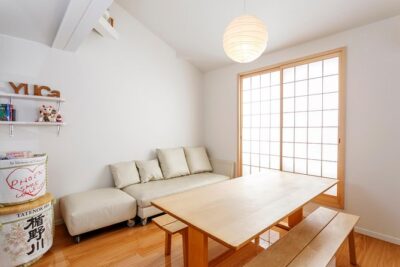
Ramen & Gyoza Cooking Class in Tokyo with Local Supermarket Visit
Read our review →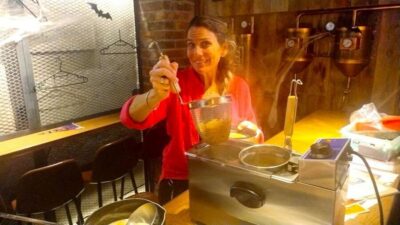
Easy Ramen Cooking Experience in Kabukicho, Shinjuku
Read our review →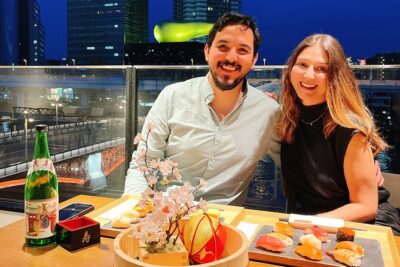
Ramen and Sushi Cooking Class with Sake Pairing Set in Tokyo
Read our review →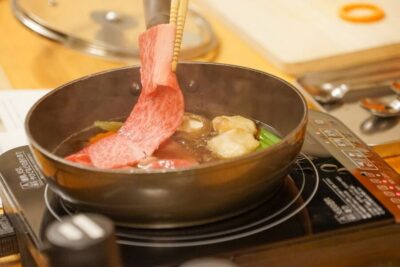
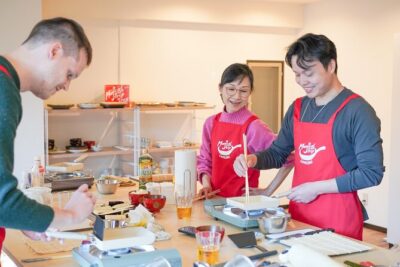
Tokyo Washoku 4-hour Cooking Class: From Market to Table
Read our review →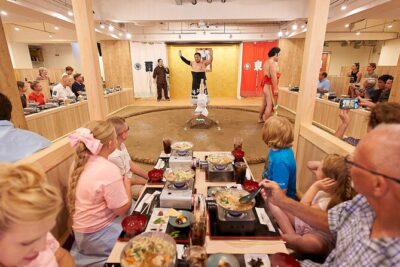
TokyoSumoShow, ChickenHotPot, and Mochi-Pounding by Pro Wrestlers
Read our review →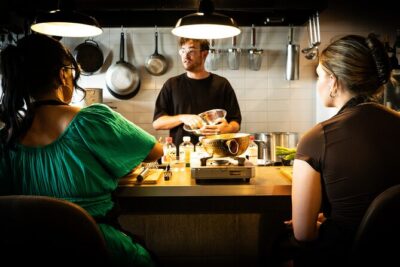
Professional Ramen & Gyoza with Ramen Chef in a restaurant!
Read our review →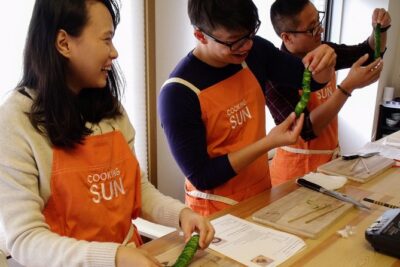
Small-Group Wagyu Beef and 7 Japanese Dishes Tokyo Cooking Class
Read our review →Browse the lists this tour appears in