
Reviewed · JAPANESE COOKING CLASSES
Japanese Cooking Class and Cultural Experience Around Tokyo
Japanese home cooking is the heart of this Chiba experience. You prepare three or four everyday Japanese dishes, learn how dashi gives soup its depth, and sit down to eat what you made. The class then shifts to local sake tasting, with tea or calligraphy available instead.
I like the hands-on format and the small maximum of eight people, which should leave room for questions. I also like the choice of four menus when your group is the only booking, plus a thoughtful alcohol-free option. The main catch is that menu choice is not guaranteed when another group shares the class.
In This Review
- Key points
- What the three-hour class is really about
- Starting with dashi, the base of Japanese flavor
- Choosing from menus A, B, C, or D
- Eating what you prepare
- Sake, tea, or calligraphy for the final 30 minutes
- Why the small group size matters
- Meeting at Chiba Station
- Food allergies and menu planning
- Is $100.11 a fair price?
- The cancellation rule in plain English
- Who will enjoy this cooking class most?
- Should you book it?
- FAQ
- Where does the Japanese cooking class meet?
- How long does the experience last?
- How many dishes will I cook?
- Can I choose the cooking menu?
- Is sake tasting included?
- Can I choose something other than sake?
- Can children or non-drinkers join?
- Can I request an allergy-friendly menu?
- Is pickup available?
- What is the cancellation policy?
Key points
- Dashi lesson: Learn the basic Japanese soup stock that supports many home-style dishes.
- Three to four dishes: You cook, rather than simply watch a demonstration.
- Menu choice: Select from menus A, B, C, or D when your group has the class to itself.
- Flexible finale: Choose sake tasting, Japanese tea tasting, or calligraphy.
- Small group: The class accepts a maximum of eight people.
- Chiba location: Meet at Chiba Station, close to public transportation.
What the three-hour class is really about
This is not a restaurant meal with a quick cooking demonstration attached. The point is to show you how ordinary Japanese food is built at home, beginning with ingredients and basic methods rather than flashy presentation.
The cooking portion takes about 2.5 hours. After that, you spend roughly 30 minutes with sake, tea, or calligraphy. That split gives the class a pleasant rhythm: work with your hands first, then slow down for a cultural activity.
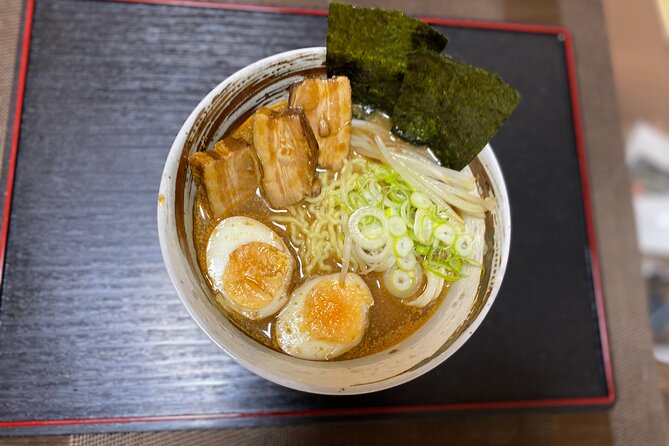
You will choose from four menu categories, labeled A through D. The exact dishes are not listed in the available information, but each menu represents well-known Japanese home-style food. You should think of this as a lesson in familiar Japanese cooking, not a specialist class focused on restaurant cuisine.
The host prepares ingredients in advance. That saves time and keeps a three-hour class moving, though it also means you may not get a full lesson in shopping, ingredient selection, or every preparation step from scratch.
More cooking classes in Tokyo:
- Ramen & Gyoza Cooking Class in Tokyo with Local Supermarket Visit
★ 5.0 · 823 reviews - Tokyo: Easy Ramen Cooking Experience in Kabukicho, Shinjuku
★ 4.6 · 321 reviews - Ramen and Sushi Cooking Class with Sake Pairing Set in Tokyo
★ 5.0 · 291 reviews
Starting with dashi, the base of Japanese flavor
The most useful lesson here may be the simplest one: dashi. This Japanese soup stock gives many dishes their savory base, and learning how it works helps explain why Japanese cooking can taste full without relying on heavy sauces or large amounts of fat.
You will learn about dashi and Japanese ingredients as you cook. The information provided does not specify the exact stock ingredients or equipment, so the level of detail may depend on the selected menu and the host’s teaching style. Still, this part of the class gives you something practical to take home: a better sense of how Japanese cooks create depth in soups and other dishes.
I like that dashi is treated as a central idea instead of a side note. A lesson on sushi rolling can be fun, but it does not necessarily explain the everyday food you see across Japan. Dashi does.
The class also introduces you to basic cooking methods used in Japanese homes. You will take part in the work, not just watch someone else handle the ingredients. For children, first-time cooks, and anyone who wants a low-pressure food activity, that distinction matters.
Choosing from menus A, B, C, or D
At booking, you can request menu A, B, C, or D. If you or your group is the only booking that day, you can choose your favorite option. If another group joins the class, the host may need to use one menu for everyone.
That condition is important. If your heart is set on one particular menu, ask about availability before treating the choice as guaranteed. The host prepares ingredients ahead of time, so last-minute menu changes may not be possible.
The menus are described as popular and well-known in Japan. That makes the class more useful for a first visit than a highly unusual food lesson might be. You are learning dishes connected to everyday Japanese eating, which gives you a better chance of recognizing ingredients and flavors during the rest of your stay.
At the same time, you should not book this expecting a detailed regional cuisine tour. The experience takes place in Chiba, but no specific regional dishes or local food stops are included. It is a cooking class with cultural elements, not a market tour or restaurant crawl.
Eating what you prepare
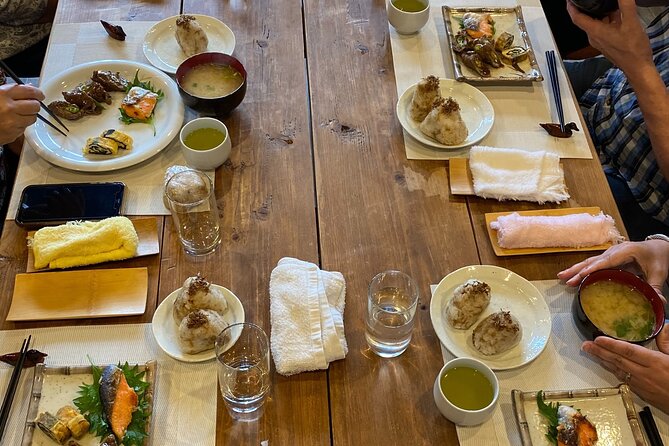
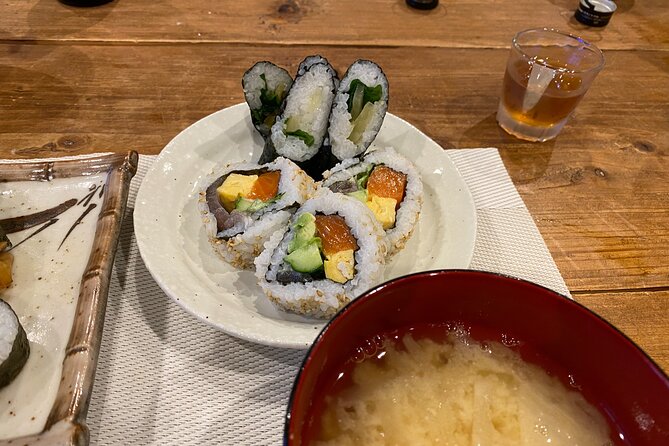
After the cooking is finished, you enjoy the dishes together. This is more than a convenient lunch break. Eating the food immediately lets you connect the finished meal with the steps that produced it.
You can ask questions while the food is still fresh in your mind, such as how the dish is normally served or how you might adapt it at home. The available information does not promise a printed recipe booklet, so bring a phone or small notebook if you want to record ingredients and techniques.
The meal should also help you judge the difference between Japanese food designed for a home kitchen and the polished dishes served in restaurants. That is one of the strongest reasons to choose this experience. You are not only sampling a national cuisine. You are learning how a local host approaches it in an everyday setting.
Keep your expectations practical. The activity description does not provide a detailed dish list, so you cannot know in advance whether the class will include a favorite food. The broad menu choice helps, but the exact recipes remain part of the booking conversation.
A few more Tokyo bookings worth comparing
- Sushi Making Tokyo Roll and Authentic Japanese Sushi Class
★ 5.0 · 3,971 reviews - Tokyo: Roll and Authentic Sushi Making Class in Asakusa
★ 4.9 · 1,957 reviews - Tokyo Shinjuku Chopsticks Making Class
★ 5.0 · 1,763 reviews - Tokyo: Sushi Making Class in a Happi Coat near a Famous Spot
★ 4.9 · 1,377 reviews
Sake, tea, or calligraphy for the final 30 minutes
Once the food is finished, the class moves into a short cultural activity. The standard choice is sake tasting, featuring locally made Japanese sake described as rare and high quality.
This is a good finale because it gives you time to sit and talk after the cooking. The tasting is not presented as a long brewery visit or a technical sake seminar. It is a compact introduction to a local Japanese drink, paired with the meal you have just prepared.
You do not have to drink alcohol. If you are not an adult or simply do not enjoy alcohol, you can request Japanese tea tasting or calligraphy instead. The tea option is especially useful for mixed groups, since Japan has many types of tea and the activity is not limited to green tea.
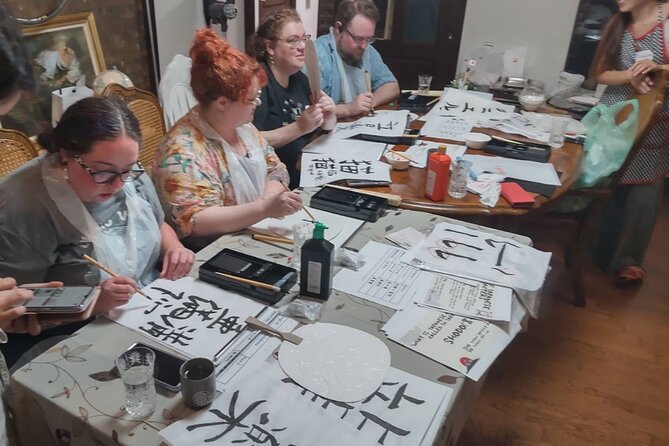
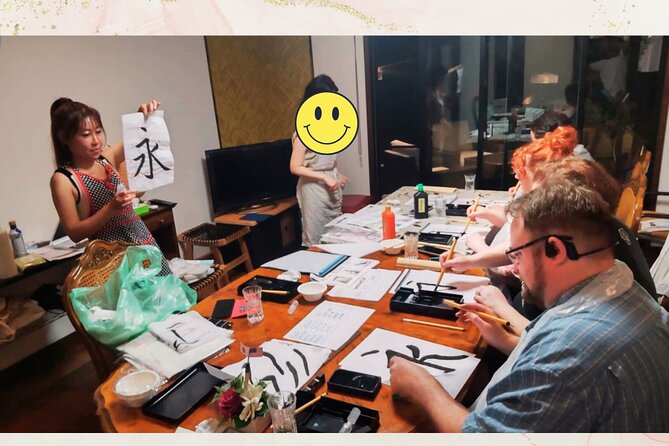
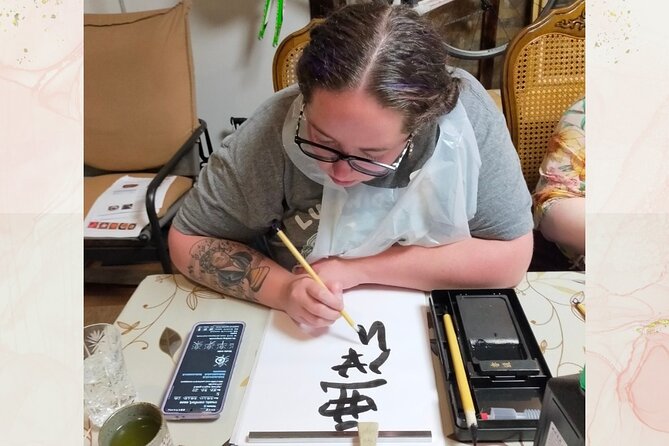
Calligraphy offers a more hands-on souvenir. You can write your name or Kanji using special brushes and ink. A past session also included decorating a fan after learning basic calligraphy skills, so fan decoration may be possible as part of the cultural activity, but it should not be treated as a fixed inclusion unless the host confirms it.
Tell the host your preferred option when you book. Do not wait until the class begins, since the materials and program may need to be arranged beforehand.
Why the small group size matters
The maximum group size is eight people. That is not a private class, but it is small enough to make a hands-on lesson workable.
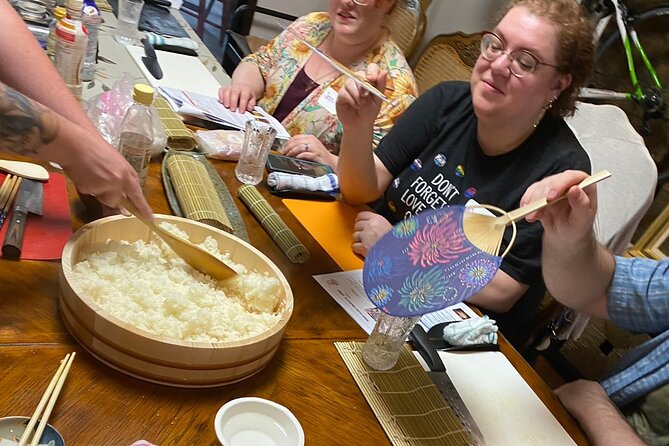
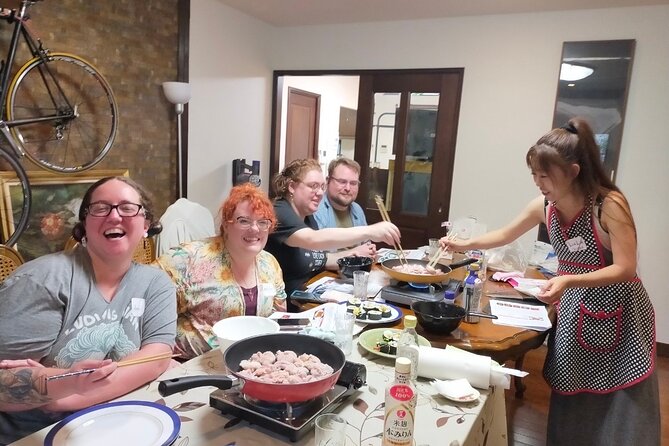
Cooking classes can become awkward when too many people crowd around one work area. With eight or fewer, you have a better chance to see the demonstration, handle ingredients, and ask questions. The exact amount of individual work may still vary if two separate groups attend together.
The small size also suits families and friends who want to share an activity without committing to a full private tour. It can work well for solo visitors too, though the social feel will depend on who else books that date.
The host is described as kind and engaging, and the teaching style appears designed to keep the mood light. That matters in a class where some participants may have little cooking experience. You do not need to arrive as an expert, and a few unevenly shaped dishes should be part of the fun rather than a crisis.
Meeting at Chiba Station
The meeting point is Chiba Station, at 1 Chome 1 Shinchiba, Chuo Ward, Chiba, postal code 260-0031. The location is near public transportation, and pickup is offered.
Chiba is outside central Tokyo, so check the route from your hotel before booking. The experience is advertised as being around Tokyo, but the actual meeting point is in Chiba. That may be easy to manage if you are staying in the Chiba area, and it may take more planning if you are based in central Tokyo.
The station meeting point is a practical choice because it gives you a clear place to gather rather than asking you to find a private home or an obscure neighborhood address. Still, confirm the pickup details and exact meeting instructions after booking. The stated meeting point is Chiba Station, but the available information does not provide a travel time, hotel pickup area, or directions to the cooking venue.
Confirmation is sent within 48 hours, subject to availability. I would avoid placing this class on a tight day with a train reservation or another timed attraction. The cooking itself takes about three hours, and you need to allow extra time for getting to and from Chiba Station.
Food allergies and menu planning
Tell the host about food allergies in advance. The menus can be discussed, which is helpful, but the information does not promise that every allergy can be accommodated or that the kitchen is allergy-free.
Give clear details when you book. If you have several restrictions, ask which menu can be adjusted before your visit. The host prepares ingredients ahead of time, so early notice is more useful than asking for a major change at the last minute.
This advice also applies to strong dislikes and dietary preferences. The supplied information specifically mentions allergies, not vegetarian, vegan, kosher, halal, or other dietary arrangements. Do not assume those needs can be met without confirmation.
Is $100.11 a fair price?
At $100.11 per person, this is not the cheapest way to eat Japanese food. You could spend far less on a casual meal in Japan. The value comes from the instruction, the hands-on cooking, the meal, and the final sake, tea, or calligraphy activity.
For three hours, the price can make sense if you want a structured cultural activity rather than another restaurant visit. You are paying for preparation, teaching, ingredients, and a small group setting. The ability to request a menu and change the final activity also adds flexibility.
The value is strongest for first-time visitors, families, couples, and small groups who want an easy introduction to Japanese food. It is less compelling if you already cook Japanese dishes confidently or mainly want a large tasting menu.
Group discounts are offered, but the amount is not specified. If you are booking for several people, check the final per-person price rather than assuming a particular saving. Pickup is also offered, though the cost and coverage are not provided, so confirm whether it changes the total.
The cancellation rule in plain English
You can cancel for a full refund up to 24 hours before the local start time. Cancellations or changes made less than 24 hours before the class are not accepted for a refund.
The class requires a minimum number of participants. If the host cancels because that minimum is not reached, you will be offered another date or experience, or receive a full refund.
This is a reasonable policy, but the 24-hour cutoff deserves attention. If you are arranging a busy Tokyo and Chiba itinerary, book this on a day when your schedule is fairly stable.
Who will enjoy this cooking class most?
I would choose this experience if you want to participate, not simply observe. It suits visitors who enjoy food, families looking for a shared activity, and small groups that want a break from temples, shopping, and train stations.
It is also a good fit if your group has mixed interests. One person can enjoy sake, while another chooses tea or calligraphy. Children and non-drinkers are not pushed toward alcohol, and the calligraphy option gives the final half-hour a clear cultural focus.
You may want to skip it if you need a fixed menu, a central Tokyo location, or a specialist culinary course. The exact menu depends on the booking situation, and the class requires a trip to Chiba Station. The experience is basic and home-style by design, so serious cooks should not expect advanced restaurant techniques.
The small group and hands-on cooking are the most appealing parts. The class gives you a reason to learn what dashi does, how familiar Japanese dishes come together, and how a simple meal can lead into sake, tea, or brushwork.
Should you book it?
Book this class if you value participation and local food skills more than a famous sightseeing stop. The combination of cooking, eating, and a short cultural activity gives you a full afternoon with a clear purpose.
Before paying, confirm three things: your menu choice, the preferred finale of sake, tea, or calligraphy, and how pickup works from your location. Also disclose allergies early and allow plenty of time for the trip to Chiba.
For the right visitor, $100.11 buys more than lunch. It buys a practical introduction to Japanese home cooking and a relaxed cultural activity in a group of no more than eight. Just remember that the class is in Chiba, the menu may be shared with another group, and the cooking is basic rather than advanced.
FAQ
Where does the Japanese cooking class meet?
The meeting point is Chiba Station at 1 Chome 1 Shinchiba, Chuo Ward, Chiba, Japan, postal code 260-0031.
How long does the experience last?
The activity lasts approximately three hours. About 2.5 hours are used for cooking, followed by about 30 minutes of sake tasting, tea tasting, or calligraphy.
How many dishes will I cook?
You will cook three to four Japanese home-style dishes.
Can I choose the cooking menu?
You can choose from menus A, B, C, or D when booking. Your preferred menu is available only if your group is the only group attending that day. If another group joins, the menu may be shared.
Is sake tasting included?
Sake tasting is the standard final activity after the cooking and meal. The experience includes locally made Japanese sake.
Can I choose something other than sake?
Yes. You can request Japanese tea tasting or calligraphy instead of sake. Tell the host your choice when you book.
Can children or non-drinkers join?
The sake activity can be changed to tea tasting or calligraphy for anyone who is not an adult or does not want alcohol.
Can I request an allergy-friendly menu?
You should tell the host about food allergies in advance. The menus can then be discussed, but specific accommodations must be confirmed with the host.
Is pickup available?
Pickup is offered. The available information does not state the pickup area or whether an additional fee applies, so confirm those details before the class.
What is the cancellation policy?
You can cancel at least 24 hours before the local start time for a full refund. Cancellations or changes made less than 24 hours before the start time are not refunded or accepted.
New on our Tokyo list
- Sumi-e Experience in a relaxing green tea shop in Tokyo★ 5.0 · 3 reviews
- Tokyo : Kamikaze Street Drift Ride★ 5.0 · 3 reviews
- Private Zen Meditation in English in Shinjuku, Tokyo★ 5.0 · 3 reviews
- Onsen Spa in Tokyo and Asakusa Bar Hopping with Local Guide★ 5.0 · 3 reviews
- Easy for everyone! Now you can play handmade mini shamisen and show off to everyone! Musical instruments, sweets and live music★ 5.0 · 3 reviews
- Tokyo: Private Tsukiji Street Food & Sake with Local Guide★ 5.0 · 3 reviews
- Mt Fuji Exploration Tour with Free Japanese Kusa Mochi from Tokyo★ 4.5 · 3 reviews
- Tokyo Tsukiji Fish Market Walking and Exploring Hidden Gems Tour★ 5.0 · 3 reviews
Japanese Cooking Classes, compared.
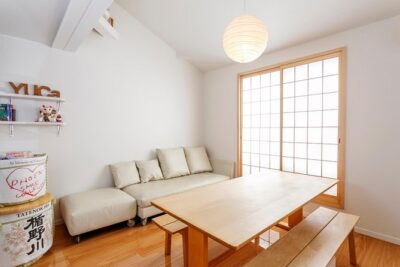
Ramen & Gyoza Cooking Class in Tokyo with Local Supermarket Visit
Read our review →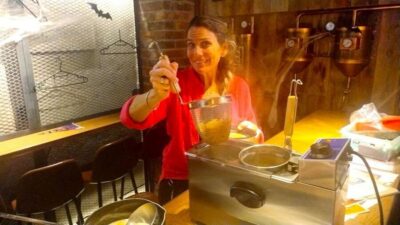
Easy Ramen Cooking Experience in Kabukicho, Shinjuku
Read our review →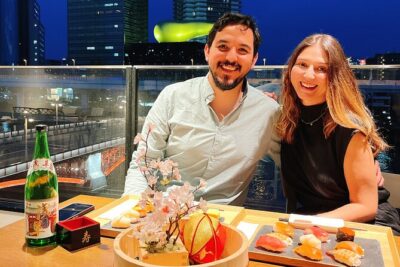
Ramen and Sushi Cooking Class with Sake Pairing Set in Tokyo
Read our review →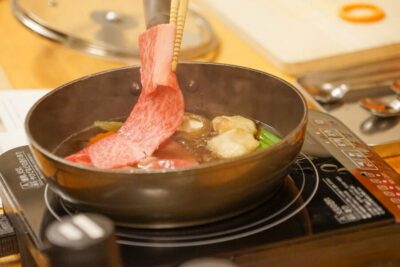
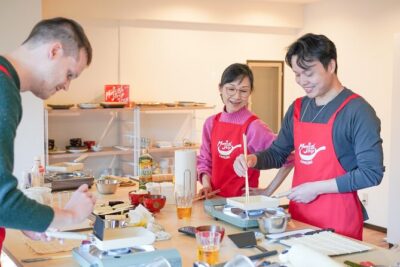
Tokyo Washoku 4-hour Cooking Class: From Market to Table
Read our review →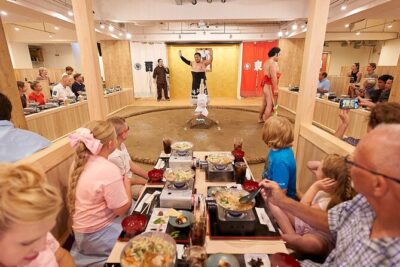
TokyoSumoShow, ChickenHotPot, and Mochi-Pounding by Pro Wrestlers
Read our review →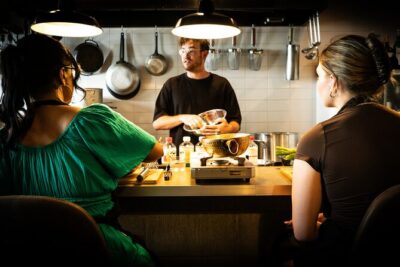
Professional Ramen & Gyoza with Ramen Chef in a restaurant!
Read our review →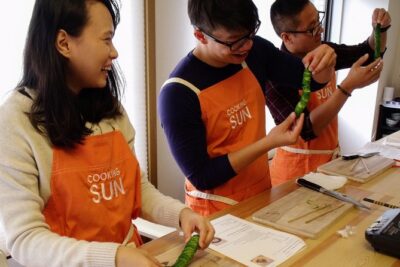
Small-Group Wagyu Beef and 7 Japanese Dishes Tokyo Cooking Class
Read our review →Browse the lists this tour appears in