
Reviewed · JAPANESE COOKING CLASSES
Japanese Cooking Class in Tokyo with a Local Chef Chieko
Tokyo can feel like a city of restaurants, but this class lets you step into the more personal world of Japanese home cooking. Near Shinjuku, certified instructor Chieko teaches you to prepare one main dish and two side dishes, then sit down and eat what you made.
I like the practical menu choices and the chance to learn family cooking tips from a woman raised on Shikoku Island. I also like the setting: this is not a staged restaurant meal, but a small cooking studio tied to everyday Japanese food. The main caution is the meeting address, which can be hard to spot, so allow extra time and look for help in the building lobby.
In This Review
- Key points at a glance
- Cooking Japanese food near Shinjuku
- Choosing one of five home-style menus
- What Chieko brings to the kitchen
- A hands-on class, not a cooking demonstration
- Sitting down to eat what you made
- Why the $109 price can make sense
- Vegetarian needs, allergies, and seasonal changes
- Finding the meeting point without stress
- Who will enjoy this Tokyo experience
- Booking and cancellation details
- Should you book Chieko’s cooking class?
- FAQ
- Where does the Japanese cooking class take place?
- How long does the cooking class last?
- What will I cook?
- Do I eat the food I prepare?
- Can the class accommodate vegetarians?
- Should I report food allergies before the class?
- Is hotel pickup included?
- What is the cancellation policy?
Key points at a glance
- Three dishes from scratch: Prepare one main dish and two side dishes, then share the finished meal.
- Five menus to choose from: Pick a menu when booking and tell the host about allergies or dietary needs in advance.
- Chieko’s family connection: She learned traditional dishes from her mother and grew up with fresh seafood, vegetables, and rice on Shikoku Island.
- Easy access from Shinjuku: The cooking studio is about a 10-minute walk from Shinjuku Station.
- Vegetarian-friendly planning: Chieko can accommodate a vegetarian diet when you provide details ahead of time.
- A personal host experience: Chieko and her team, including host Junko, add warm touches such as yukata options and birthday surprises when arranged.
Cooking Japanese food near Shinjuku
The class takes place in Shibuya City, about a 10-minute walk from Shinjuku Station. That location matters. You can fit the lesson into a day of sightseeing without making a long trip across Tokyo, and the area has good public transport connections for getting there and away afterward.
Your listed meeting point is センスネイル, 2-chōme-5-1 Yoyogi, Shibuya, Tokyo 151-0053. This is a practical detail to take seriously. The address can be difficult to identify because the building may not have clear names on the mailboxes. One useful tip is to expect someone to meet you in the building lobby rather than assuming you should find a marked cooking-school entrance on your own.
The class runs in one of two time slots: 11 a.m. to 1:30 p.m. or 5 p.m. to 7:30 p.m. The advertised duration is sometimes described as two hours, but the booking information gives you a 2.5-hour window. Use the longer time when planning your Tokyo day.
More cooking classes in Tokyo:
- Ramen & Gyoza Cooking Class in Tokyo with Local Supermarket Visit
★ 5.0 · 823 reviews - Tokyo: Easy Ramen Cooking Experience in Kabukicho, Shinjuku
★ 4.6 · 321 reviews - Ramen and Sushi Cooking Class with Sake Pairing Set in Tokyo
★ 5.0 · 291 reviews
Choosing one of five home-style menus
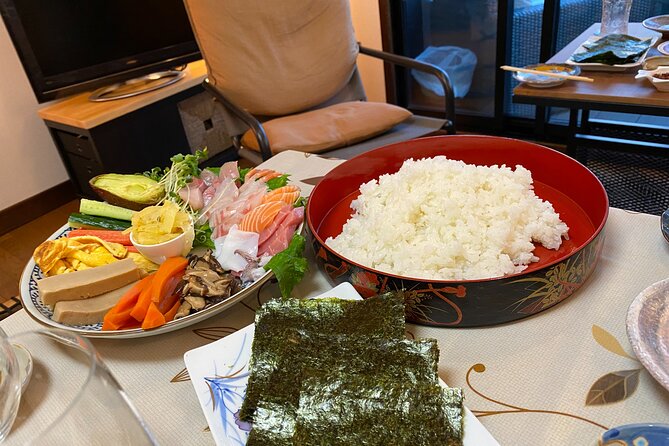
You choose one menu from five options. The exact dishes are not listed in the available details, and the menu can change with the season. That is not a flaw in itself. Japanese home cooking depends on what is fresh and available, and seasonal changes can make the class feel more like a real household meal than a fixed tourist demonstration.
The structure remains clear. You cook one main dish plus two side dishes. This gives you more range than a class focused only on sushi or one picture-ready item. You learn how the parts of a Japanese meal work together, then eat them as a complete spread.
You should select your menu and report allergies or dietary requirements during booking. Do not wait until you arrive. The host can accommodate a vegetarian diet, but advance notice is important when ingredients and preparation need to be adjusted.
The recipes are intended to be simple enough to repeat at home. That is one of the strongest reasons to book this class. You are not just watching a skilled cook handle complicated equipment. You are learning methods and small kitchen tips passed down from Chieko’s mother, with the aim of making the dishes again after returning home.
What Chieko brings to the kitchen
Chieko was born and raised on Shikoku Island, where fresh seafood, vegetables, and rice were part of daily life. She later lived in Kyoto, Osaka, and Los Angeles before moving to Tokyo. That background gives her a useful connection to several food traditions within Japan, as well as experience explaining Japanese cooking to people from outside the country.
She is a certified cooking instructor, but the class is built around home food rather than formal culinary training. You can expect guidance as you work, explanations of the produce, and reasons behind the way ingredients are prepared. The setting is best suited to people who want to understand what they are doing, not simply collect a recipe card.
The teaching team can include other hosts. Junko, for example, has led classes with a friendly and thoughtful approach. She offered a yukata experience at no extra cost when asked, and prepared a small birthday gift for one participant. Those touches are not guaranteed parts of every booking, but they show the personal tone this experience can have.
A hands-on class, not a cooking demonstration
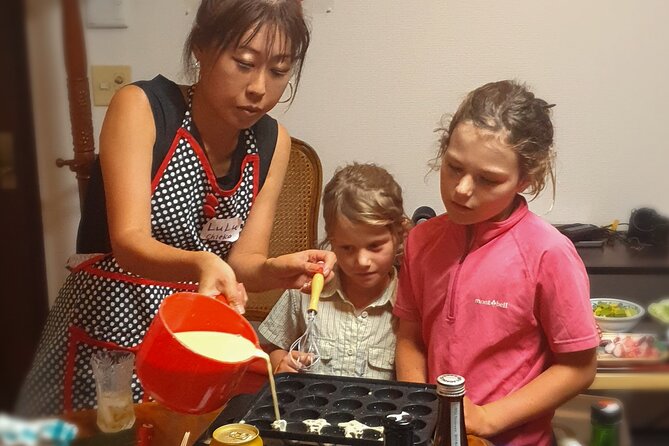
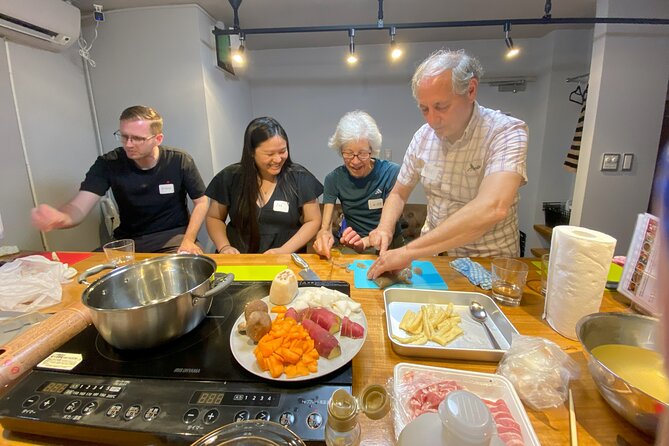
You take part in preparing the dishes rather than sitting back while someone else does all the work. The class is designed around making food together, so you should expect to handle ingredients and follow Chieko’s instructions as the meal comes together.
That hands-on format is valuable in Japanese cooking because small details matter. You can ask why a certain ingredient is used, how a dish fits into a home meal, or how to adapt the recipe in your own kitchen. The lesson also gives you a closer look at produce and cooking habits that are easy to miss when you only eat in restaurants.
The pace should feel manageable for most people because the recipes are described as simple and easy. Still, a 2.5-hour session requires some attention and participation. If you want a quick tasting with no work, this is not the right choice. If you enjoy learning by doing, the format makes good use of your time.
The maximum group size is 11 people. That is not the same as a one-on-one private lesson, even though the experience description also refers to a private class. For booking purposes, think of it as a host-led class with a limited group size. The actual feel will depend on how many people are scheduled that day.
A few more Tokyo bookings worth comparing
- Sushi Making Tokyo Roll and Authentic Japanese Sushi Class
★ 5.0 · 3,971 reviews - Tokyo: Roll and Authentic Sushi Making Class in Asakusa
★ 4.9 · 1,957 reviews - Tokyo Shinjuku Chopsticks Making Class
★ 5.0 · 1,763 reviews - Tokyo: Sushi Making Class in a Happi Coat near a Famous Spot
★ 4.9 · 1,377 reviews
Sitting down to eat what you made
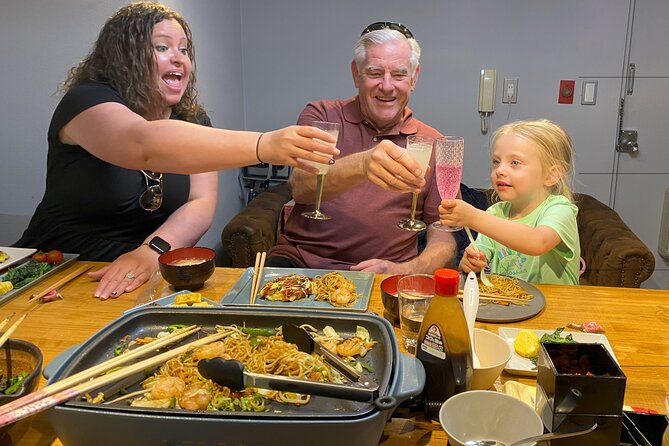
After the cooking portion, you sit down with the host and share the meal. This final step gives the lesson a natural finish. You can see how the main dish and side dishes work together, rather than rushing off with food packed away in a container.
The meal is included in the price, so you are not paying separately for a restaurant lunch or dinner afterward. The value is not only in the amount of food. It comes from having a host explain the dishes, eating in a local setting, and making a meal that connects the cooking lesson to everyday life in Japan.
I especially like this part for people who want conversation and cultural context. Food becomes an easy way to discuss family habits, regional ingredients, and daily routines. Chieko’s Shikoku background adds a personal thread, while her years in Kyoto, Osaka, Los Angeles, and Tokyo give her a broader view of Japanese food.
Do not expect a formal restaurant service or a large presentation. The appeal is the shared meal you helped create. The class works best when you enjoy a relaxed table conversation as much as the cooking itself.
Why the $109 price can make sense
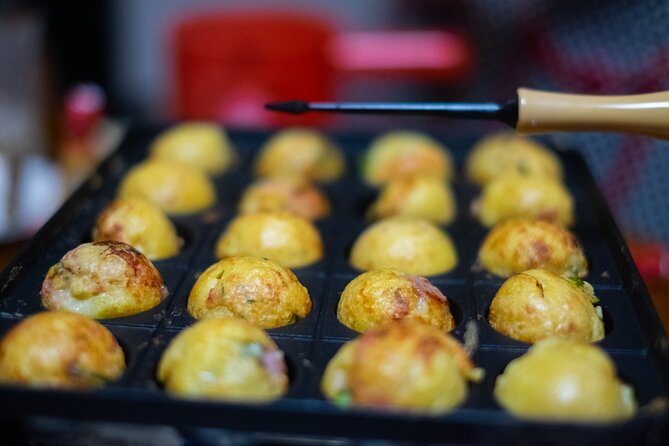
At $109 per person, this is not a bargain meal by Tokyo standards if you judge it only by the amount of food. You can eat inexpensive Japanese dishes elsewhere. The price makes more sense when you count the instruction, ingredients, three-dish meal, and personal contact with the host.
You are paying for about 2.5 hours of organized activity, not just lunch or dinner. The class also gives you recipes and techniques you can use later, which adds value for anyone who cooks at home. A restaurant meal ends when you leave. A successful cooking lesson can keep paying off in your own kitchen.
The value is strongest for couples, families, and small groups who want an activity they can share. It can also suit solo visitors who enjoy meeting a local host, though the group size may make the experience less private than the word private suggests.
The price is less compelling if you have a very short Tokyo schedule, do not like cooking, or only want to sample sushi without preparation. In those cases, a meal at a casual restaurant may be simpler and cheaper.
Vegetarian needs, allergies, and seasonal changes
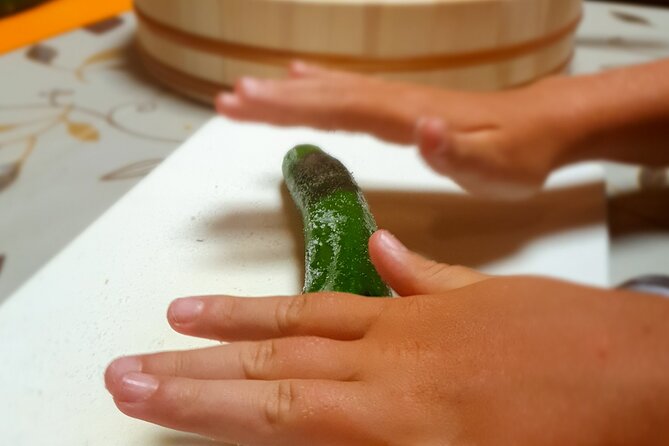
Chieko can accommodate a vegetarian diet, but you must write your requirements in the special requests section when booking. The same rule applies to allergies. Giving clear information early allows the host to choose suitable ingredients and plan the menu safely.
The menu may vary by season. That can affect the dishes available and the produce used. You should choose your preferred menu from the five options provided and understand that seasonal conditions may shape the final version.
If you have several dietary restrictions, contact the provider during the booking process rather than assuming every request can be handled on arrival. The available information confirms vegetarian accommodation, but it does not promise that every allergy or diet can be supported.
Finding the meeting point without stress
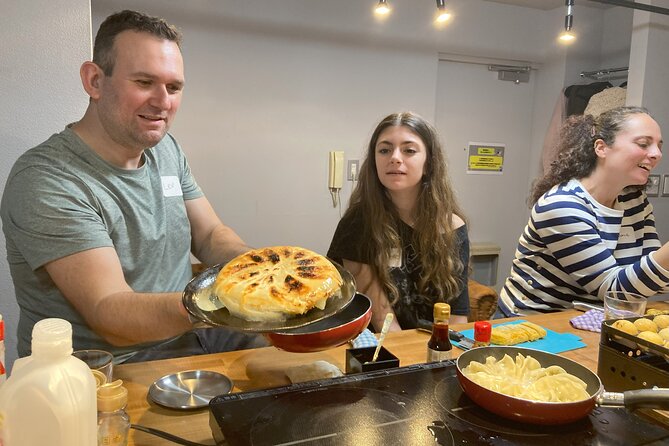
The studio is close to a major station, but close does not always mean easy to find in Tokyo. Give yourself enough time to walk from Shinjuku Station, check the building number, and identify the correct entrance.
The meeting point is listed at センスネイル on 2-chōme-5-1 Yoyogi. Because the address may not be clearly marked on the mailboxes, watch for instructions about meeting in the lobby. This is the one practical weakness that deserves more attention than the standard transport details.
The activity ends back at the meeting point. There is no hotel pickup or drop-off, so you handle your own transport to and from the class. The location near public transportation makes that fairly simple, but you should still save the address and booking details before leaving your hotel.
Who will enjoy this Tokyo experience
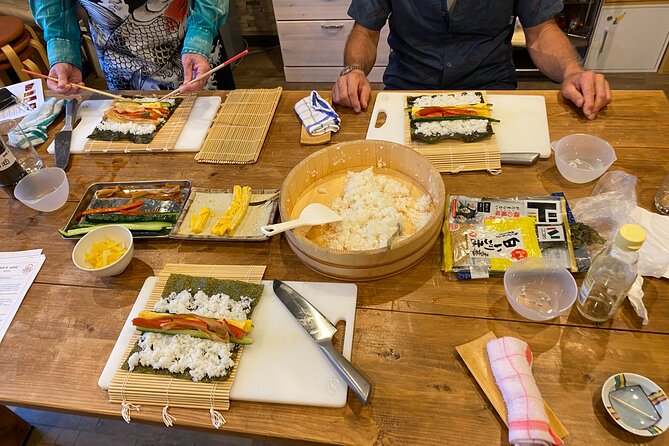
I would choose this class if you want food to be your way into local culture. It is a good match for:
- Home cooks who want recipes that can be repeated outside Japan.
- Couples and families looking for a shared activity rather than another restaurant meal.
- Vegetarians who provide their requirements in advance.
- First-time visitors who want a local connection near a central Tokyo station.
- Food-focused visitors who want more context than a standard tasting.
- People celebrating a special occasion, since thoughtful touches such as a birthday gift may be possible when arranged with the host.
It may not suit you if you dislike group activities, need a fully private lesson with guaranteed one-to-one attention, or have complex dietary restrictions that require exact confirmation. The maximum group size is 11, and the menu is subject to seasonal change.
Booking and cancellation details
Confirmation is sent within 48 hours of booking, subject to availability. Since the experience is often booked about 47 days ahead, it is wise to reserve early if you need the 11 a.m. or 5 p.m. slot on a particular date.
You can cancel for a full refund up to 24 hours before the local start time. Changes or cancellations made inside that 24-hour window are not accepted for a refund. The activity uses a mobile ticket, so keep the booking accessible on your phone.
Should you book Chieko’s cooking class?
Book it if you want a personal, useful food experience rather than a meal you simply order and eat. The combination of three home-cooked dishes, a central Tokyo location, family cooking tips, and time at the table gives you a genuine sense of how Japanese food fits into daily life.
The main tradeoffs are the $109 price, the possible group size, seasonal menu changes, and the slightly awkward meeting address. Plan carefully, give dietary details early, and allow time to find the lobby.
For me, the strongest reason to choose it is the chance to leave with more than a full stomach. You get a better understanding of Japanese home cooking and practical ideas to use back home. If that sounds more appealing than another restaurant reservation, this is a worthwhile addition to a Tokyo stay.
FAQ
Where does the Japanese cooking class take place?
The class takes place at a cooking studio in Shibuya City, about a 10-minute walk from Shinjuku Station. The listed meeting point is センスネイル, 2-chōme-5-1 Yoyogi, Shibuya, Tokyo 151-0053, Japan.
How long does the cooking class last?
The scheduled experience lasts 2.5 hours. The available time slots are 11 a.m. to 1:30 p.m. and 5 p.m. to 7:30 p.m.
What will I cook?
You choose one menu from five options. The class includes one main dish and two side dishes, with the menu potentially changing by season.
Do I eat the food I prepare?
Yes. After the hands-on cooking lesson, you sit down and share the home-cooked Japanese meal you helped prepare.
Can the class accommodate vegetarians?
Yes, Chieko can accommodate a vegetarian diet. You should provide your dietary requirements in the special requests section when booking.
Should I report food allergies before the class?
Yes. Choose your menu and tell the host about any allergies in advance during the booking process.
Is hotel pickup included?
No. Hotel pickup and drop-off are not included. You make your own way to the meeting point, and the activity ends there.
What is the cancellation policy?
You can cancel at least 24 hours before the experience start time for a full refund. Cancellations or changes made less than 24 hours before the start time are not accepted for a refund.
New on our Tokyo list
- Sumi-e Experience in a relaxing green tea shop in Tokyo★ 5.0 · 3 reviews
- Tokyo : Kamikaze Street Drift Ride★ 5.0 · 3 reviews
- Private Zen Meditation in English in Shinjuku, Tokyo★ 5.0 · 3 reviews
- Onsen Spa in Tokyo and Asakusa Bar Hopping with Local Guide★ 5.0 · 3 reviews
- Easy for everyone! Now you can play handmade mini shamisen and show off to everyone! Musical instruments, sweets and live music★ 5.0 · 3 reviews
- Tokyo: Private Tsukiji Street Food & Sake with Local Guide★ 5.0 · 3 reviews
- Mt Fuji Exploration Tour with Free Japanese Kusa Mochi from Tokyo★ 4.5 · 3 reviews
- Tokyo Tsukiji Fish Market Walking and Exploring Hidden Gems Tour★ 5.0 · 3 reviews
Japanese Cooking Classes, compared.
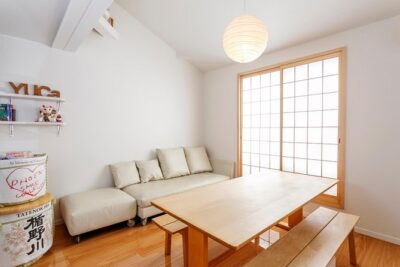
Ramen & Gyoza Cooking Class in Tokyo with Local Supermarket Visit
Read our review →
Easy Ramen Cooking Experience in Kabukicho, Shinjuku
Read our review →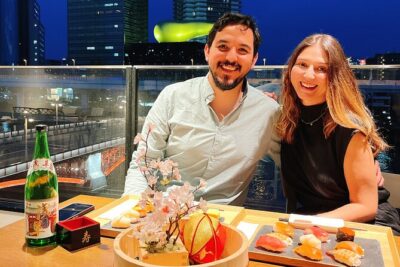
Ramen and Sushi Cooking Class with Sake Pairing Set in Tokyo
Read our review →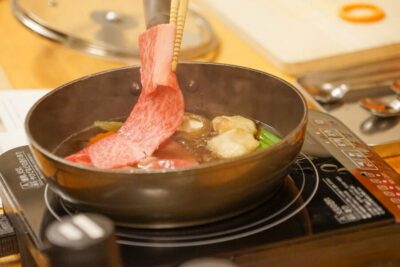
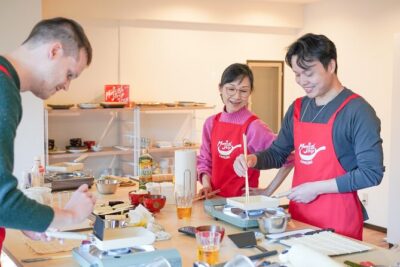
Tokyo Washoku 4-hour Cooking Class: From Market to Table
Read our review →
TokyoSumoShow, ChickenHotPot, and Mochi-Pounding by Pro Wrestlers
Read our review →
Professional Ramen & Gyoza with Ramen Chef in a restaurant!
Read our review →
Small-Group Wagyu Beef and 7 Japanese Dishes Tokyo Cooking Class
Read our review →Browse the lists this tour appears in