
Reviewed · JAPANESE COOKING CLASSES
Mochi and Nerikiri Wagashi Combination Cooking Class
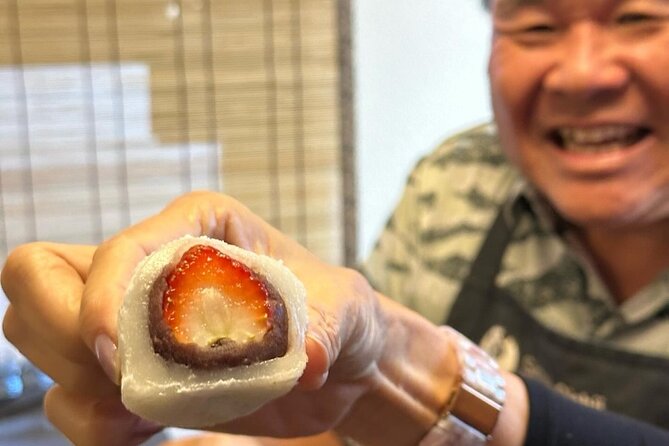
The best part of this private home cooking class is the close look at wagashi, Japan’s delicate traditional sweets, without the pressure of a large group. Satoko teaches you to make strawberry daifuku, dango, and two seasonal nerikiri designs, then guides you through preparing matcha in her home.
I like the patient, hands-on format, especially for beginners, and I like that the recipes use plant-based ingredients that are easy to find outside Japan. The class also includes a special takeaway box, free apron and tools, and photos of the process. The main consideration is the location: you’ll need to reach a residential meeting point in Ota City, about 15 minutes from central Tokyo, and two cats remain in the home during the lesson.
In This Review
- Key points to know before booking
- A quiet Tokyo kitchen instead of a busy sightseeing stop
- What you make during the 2.5-hour class
- Why the wagashi lesson is more than a sweets workshop
- Shaping seasonal nerikiri without feeling rushed
- Matcha and the final tasting
- How the price compares with the experience
- Who will enjoy this class most
- Timing, transport, and small practical matters
- Should you book the Mochi and Nerikiri class?
- FAQ
- Where does the mochi and nerikiri class take place?
- How long does the class last?
- Is this a private activity?
- What sweets will I make?
- Is matcha included?
- Can I take the sweets with me?
- Is the class suitable for vegetarians?
Key points to know before booking
- Private instruction with Satoko: Only your group takes part, so you can ask questions and work at a comfortable pace.
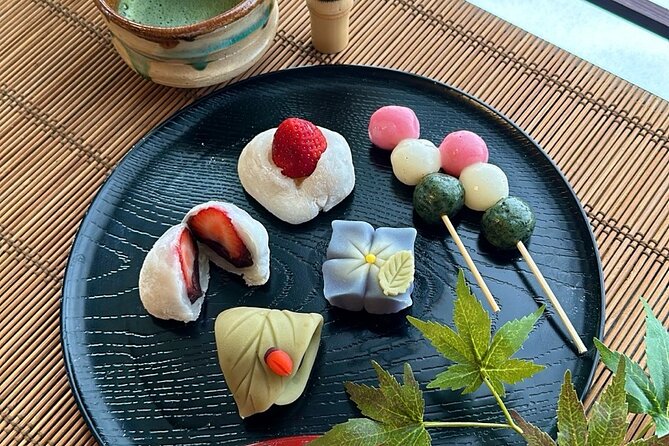
- Three kinds of mochi and two nerikiri designs: You’ll prepare strawberry daifuku, dango on skewers, and seasonal wagashi motifs.
- A calm residential setting: The class takes place in Satoko’s home in Tokyo’s Ota City, away from the city center’s crowds.
- Matcha is part of the lesson: You’ll make a bowl of matcha with guidance, then enjoy it with your sweets.
- Takeaway packaging is included: Eat your creations at the end or place them in the provided box.
- Cat allergies need attention: Two short-haired cats stay in the bedroom, but the class may not suit anyone with a strong allergy.
A quiet Tokyo kitchen instead of a busy sightseeing stop
This experience trades major attractions for a small, personal setting. You meet at 20-15 Kitaminemachi in Ota City, Tokyo, and the activity ends at the same place. The setting matters because wagashi is best understood slowly, with time to notice how the sweets are shaped, colored, filled, and presented.
I like the contrast. You get a break from Tokyo’s trains, shopping streets, and packed sidewalks, yet you are still in the city. The class is described as about 15 minutes from central Tokyo, and it is near public transportation, though private transportation is not included. Plan your route carefully and allow enough time to find the residential meeting point.
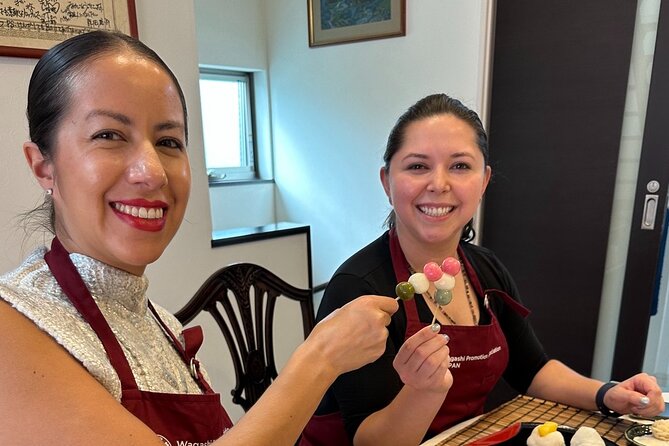
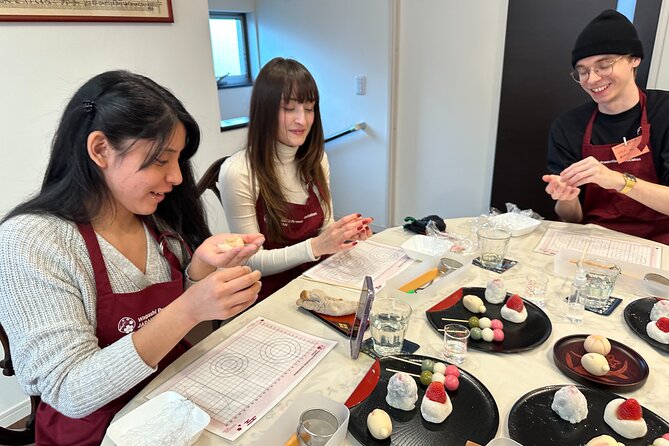
Satoko teaches in her own home through ankotopia WAGASHI School. The private format means your party is not combined with strangers. That is useful if you want to ask basic questions, need extra help shaping the dough, or are traveling with children or relatives who prefer a gentler pace.
The class has a warm, local feel, but it is still a home visit. You should be comfortable removing yourself from the polished atmosphere of a studio kitchen and entering someone’s private space. Two short-haired cats stay in the bedroom during the lesson. They are kept away from the cooking area, but anyone with a strong cat allergy should choose another activity.
More cooking classes in Tokyo:
- Ramen & Gyoza Cooking Class in Tokyo with Local Supermarket Visit
★ 5.0 · 823 reviews - Tokyo: Easy Ramen Cooking Experience in Kabukicho, Shinjuku
★ 4.6 · 321 reviews - Ramen and Sushi Cooking Class with Sake Pairing Set in Tokyo
★ 5.0 · 291 reviews
What you make during the 2.5-hour class
The lesson focuses on mochi made from glutinous rice flour. The dough is prepared and colored in advance, so you do not spend the whole class waiting for ingredients to cook. Instead, your time goes toward shaping, filling, decorating, and learning how each sweet is used.
You’ll use the mochi to make strawberry daifuku, a soft rice-flour sweet wrapped around a filling and fresh fruit. Strawberry is used during the appropriate season. Outside strawberry season, pineapple or kiwi replaces it. That seasonal change is a practical touch, since it keeps the class tied to ingredients that are available at the time of your visit.
Next comes dango, mochi balls arranged on skewers. This is a more straightforward shape than daifuku, but it gives you a different feel for the texture and handling of mochi. You’ll see how a simple ball can become a familiar Japanese sweet through portioning and presentation.
The class also includes two kinds of nerikiri wagashi. These are traditional sweets shaped into seasonal motifs. You’ll learn to form the dough into the design chosen for the season, so the exact appearance changes during the year. That means a spring visit and an autumn visit may not produce the same decorative pieces.
The dough for shaping is made and colored before the class. This keeps the session within its roughly two-and-a-half-hour length and makes it easier for a first-timer to concentrate on technique. You will also have access to a tutorial video, which gives you a useful reference after the class.
I see this as a good balance. You get real hands-on work, but you are not asked to manage every technical step from raw ingredients onward. If your goal is to study professional confectionery production, this is not that sort of course. If your goal is to understand the shapes and recreate them at home, the setup makes good sense.
Why the wagashi lesson is more than a sweets workshop
Wagashi is tied to Japanese seasons, tea, color, and visual balance. The class introduces the history of mochi and explains different ways to eat it, so you are not simply producing attractive snacks without context.
That background helps you understand why the sweets are shaped so carefully. Nerikiri motifs change with the season, and the decoration is part of the experience rather than an afterthought. You’ll work with food that is designed to be looked at as well as eaten.
Satoko also explains different ways to enjoy mochi. The supplied details do not specify every method covered, so I would treat this as a broad introduction rather than a full regional survey. Still, it adds value to the cooking portion because you learn how mochi fits into Japanese food culture.
The recipes are described as simple and easy to repeat. Ingredients are also said to be readily available in other countries. That makes this a useful class for someone who wants a souvenir skill instead of only a souvenir object. You can try the sweets again for family and friends after returning home.
The plant-based ingredients make the class suitable for vegetarians. If you have other dietary restrictions, you should ask the provider before booking, since the available information only confirms the plant-based nature of the recipes.
Shaping seasonal nerikiri without feeling rushed
Nerikiri can look intimidating because finished pieces often resemble flowers, leaves, or other seasonal forms. Satoko’s format keeps the process manageable by preparing the dough and colors ahead of time and then guiding you through the shaping.
I like that the class treats decoration as a skill you can learn, not just a demonstration to watch. Your hands do the work. You’ll shape the dough into a motif, adjust its form, and see how small details change the final piece.
This is also where private instruction earns its keep. A large class can make it hard to see a demonstration or get help at the right moment. Here, your group has direct access to Satoko, and the class is designed for personal attention.
A note of realism: delicate food shaping takes patience. Your first pieces may not look as neat as the examples. That is part of the fun, but it is worth knowing if you are booking mainly for perfect photographs. The class does include time for presentation, and Satoko took many photos during one guest’s session, but photography should be treated as a pleasant extra rather than the main service promised.
A few more Tokyo bookings worth comparing
- Sushi Making Tokyo Roll and Authentic Japanese Sushi Class
★ 5.0 · 3,971 reviews - Tokyo: Roll and Authentic Sushi Making Class in Asakusa
★ 4.9 · 1,957 reviews - Tokyo Shinjuku Chopsticks Making Class
★ 5.0 · 1,763 reviews - Tokyo: Sushi Making Class in a Happi Coat near a Famous Spot
★ 4.9 · 1,377 reviews
Matcha and the final tasting
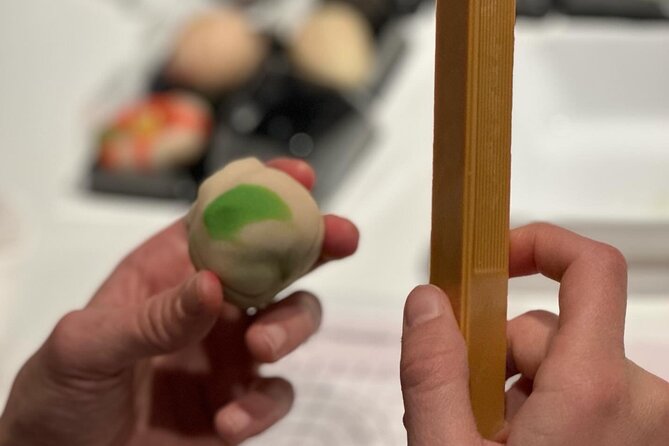
After making the sweets, you can prepare matcha with Satoko’s guidance. You’ll make a bowl of the green tea yourself, then taste it with your mochi and wagashi.
This closing portion gives the class a proper rhythm. You make the sweets, prepare the tea, and sit down to enjoy what you created. The combination also shows why wagashi is often served with matcha: the sweetness of the confection balances the tea’s stronger, earthy flavor.
You can eat your creations during the class or put them into the special box provided for takeaway. I prefer having both choices. If you are already full from other Tokyo food stops, the box lets you save the sweets. If you want the full experience, eating them with freshly prepared matcha gives the lesson a more satisfying finish.
Drinking water, a free apron, a hand towel, and special wagashi tools are included. These small details mean you do not need to arrive equipped for a cooking school. The gift souvenir is another nice touch, especially if you want something Japanese to take home besides the sweets, which may not travel well.
How the price compares with the experience
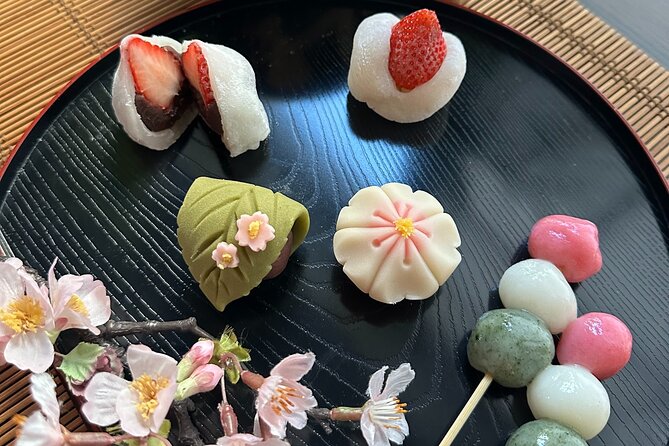
The listed price is $85.66 per person. That is not a low-cost snack stop, but it covers a private two-and-a-half-hour lesson, ingredients, use of tools, matcha, takeaway packaging, and personal instruction in a local home.
The value depends on what you want from Tokyo. If you only want to taste wagashi, buying sweets from a shop will cost less and take less time. If you want a quiet cultural activity where you make several sweets and learn techniques you can repeat, the price is easier to justify.
The private format is the biggest value point. You are not paying for a short demonstration in a crowded room. Your group receives Satoko’s attention, and you can ask questions as you shape each item. Group discounts are available, which may help if you are booking for several people.
The current rating is 5 out of 5 from 27 ratings, with 100 percent recommending the activity. One especially useful detail is the praise for Satoko’s kind and patient teaching, along with her help arranging the finished sweets for attractive photographs. I would place the strongest value on the instruction and personal setting, not on the number of sweets alone.
Who will enjoy this class most
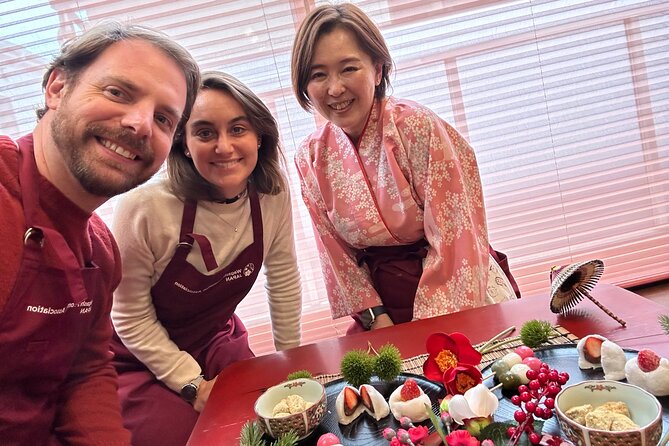
I would recommend this experience to first-time visitors who want a calmer side of Tokyo. It also suits returning visitors who have already seen the major sights and want a hands-on activity connected to Japanese food.
It is a good fit for:
- Beginners who want direct help rather than a complex professional course
- Vegetarians, since the recipes use plant-based ingredients
- Couples, families, and small private groups
- Anyone interested in Japanese seasonal design and tea
- People who want recipes they can recreate at home
- Visitors who enjoy meeting a local host in a residential setting
Children may enjoy the shaping and coloring, though the supplied information does not give a minimum age or child policy. If you are booking with young children, confirm the details first.
I would be more cautious if you have a strong cat allergy, dislike home-based activities, or want a lesson that begins with every ingredient prepared from scratch. The dough is made and colored in advance, which keeps the class focused but limits the amount of full recipe production.
Timing, transport, and small practical matters
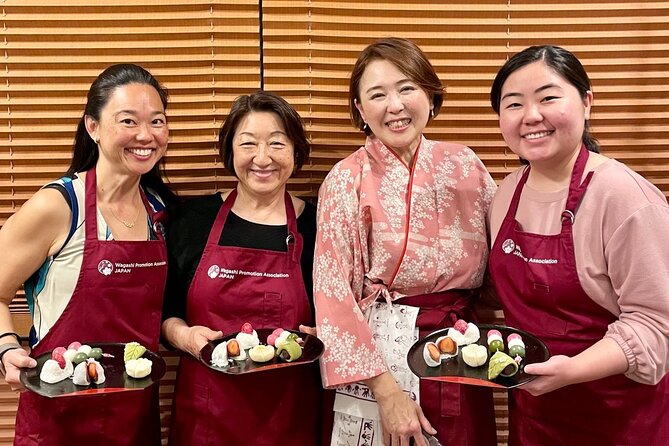
The class lasts approximately 2 hours and 30 minutes. That is long enough to feel substantial without taking an entire day from your Tokyo plans. I would avoid placing another tightly timed attraction immediately afterward, since finding the meeting point and returning from Ota City may take longer than the class itself.
The start and end point are the same: 20-15 Kitaminemachi, Ota City, Tokyo 145-0073. Public transportation is nearby, but private transportation is not included. Check the route before leaving your hotel, particularly if you are staying in central Tokyo and have an early start.
Confirmation is provided at booking, and mobile tickets are accepted. Free cancellation is available if you cancel at least 24 hours before the local start time. Changes or cancellations inside that window are not accepted for a refund.
Bring an appetite for sweets, but not necessarily a large one. You will produce several pieces, and the option to pack them in the special box is helpful if you cannot eat everything at once.
Should you book the Mochi and Nerikiri class?
Book it if you want personal instruction, seasonal Japanese sweets, and a local home setting in one compact activity. The class gives you more than a tasting: you make strawberry daifuku or its seasonal fruit substitute, dango, and two nerikiri designs, then prepare matcha and decide how to enjoy the results.
Skip it if you are looking for a cheap food sample, a central Tokyo attraction, or a professional pastry course with every ingredient prepared from the beginning. For most people who value a calm, hands-on cultural activity, the private format, patient teaching, takeaway box, and repeatable recipes make the $85.66 price reasonable.
My practical advice is simple: check the route to Kitaminemachi, consider the cat allergy notice, and confirm the seasonal fruit and wagashi motifs if those details matter to you. If they fit your plans, this is a thoughtful way to spend a morning or afternoon making something beautiful, edible, and distinctly Japanese.
FAQ
Where does the mochi and nerikiri class take place?
The class takes place at 20-15 Kitaminemachi, Ota City, Tokyo 145-0073, Japan. The activity ends back at the same meeting point.
How long does the class last?
The class lasts approximately 2 hours and 30 minutes.
Is this a private activity?
Yes. Only your group participates in the activity.
What sweets will I make?
You’ll make strawberry daifuku, dango on skewers, and two kinds of nerikiri wagashi. Outside strawberry season, pineapple or kiwi is used instead of strawberry, and the nerikiri motifs change with the season.
Is matcha included?
Yes. You can make matcha with guidance from the host and taste it with your creations.
Can I take the sweets with me?
Yes. A special takeaway box is included. You can either eat the sweets with matcha or pack them to take with you.
Is the class suitable for vegetarians?
Yes. The recipes use plant-based ingredients, and the class is described as suitable for vegetarians. Two short-haired cats stay in the bedroom during the lesson, so the activity is not recommended for anyone with a strong cat allergy.
New on our Tokyo list
- From Tokyo: Mount Fuji & Hakone Full Day Private Tour★ 4.9 · 25 reviews
- Tokyo Spectacular View Day-Cruise in 90 Minutes★ 5.0 · 25 reviews
- Real Tokyo Runner Club : Daikoku Car Meet Night Tour with JDM Car★ 5.0 · 25 reviews
- 2.5 Hour-Guided Cycle Tour in the Central Tokyo★ 5.0 · 25 reviews
- Ramen Making from Scratch +Akihabara Tour –Cooking Class★ 5.0 · 25 reviews
- [Self-Drive] Tokyo & Daikoku Custom Car Driving Tour★ 4.9 · 25 reviews
- Tokyo: 2-Hour Night Bike Tour of the City’s Hidden Gems★ 4.9 · 25 reviews
- Samurai themed Entertainment show in Shinjuku★ 4.5 · 25 reviews
Japanese Cooking Classes, compared.
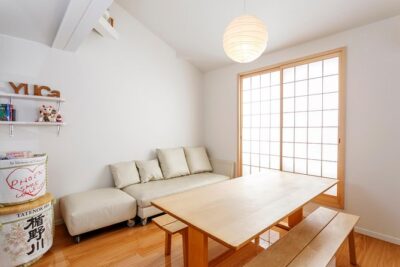
Ramen & Gyoza Cooking Class in Tokyo with Local Supermarket Visit
Read our review →
Easy Ramen Cooking Experience in Kabukicho, Shinjuku
Read our review →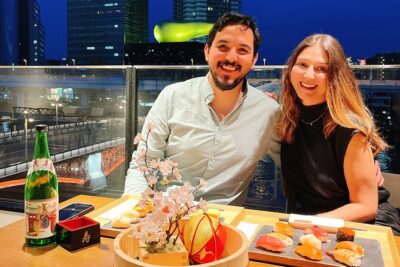
Ramen and Sushi Cooking Class with Sake Pairing Set in Tokyo
Read our review →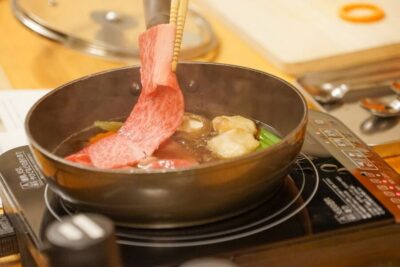
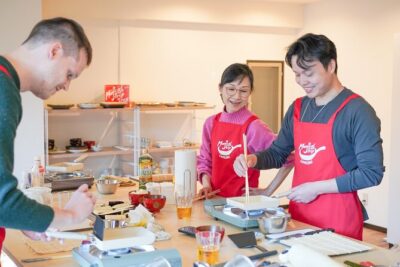
Tokyo Washoku 4-hour Cooking Class: From Market to Table
Read our review →
TokyoSumoShow, ChickenHotPot, and Mochi-Pounding by Pro Wrestlers
Read our review →
Professional Ramen & Gyoza with Ramen Chef in a restaurant!
Read our review →
Small-Group Wagyu Beef and 7 Japanese Dishes Tokyo Cooking Class
Read our review →Browse the lists this tour appears in