
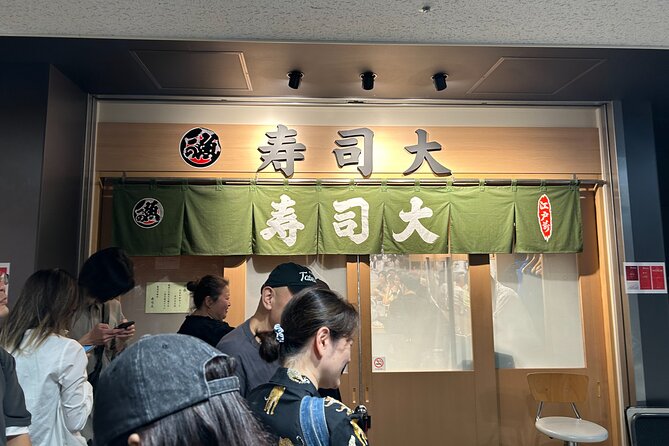
Reviewed · TSUKIJI & TOYOSU MARKET TOURS
Morning Market Adventure: Toyosu & Tsukiji with Tuna Auction
The day begins before sunrise, when Tokyo’s seafood trade is already in full motion. At Toyosu Market, you watch the tuna auction from a visitor viewing area, then follow the process through the eyes of a private guide. Afterward, you move on to old Tsukiji, where food stalls, knife shops, sushi counters, and vendors create a very different scene.
I like two things here. First, the guide can explain what you are seeing instead of leaving you to stare through glass at a silent room. Guides such as Sachiyo, Nobby, Mayumi, and Yumi have helped visitors understand tuna grades, auction customs, fishing areas, and the move from Tsukiji to Toyosu. Second, the private format lets you pause for sushi or other seafood, adjust the pace, and ask the questions you would otherwise save for later.
The main drawback is the 5:00 am start. You must also pay for breakfast, the taxi from your hotel if needed, and the bus from Toyosu to Tsukiji. The tuna auction floor itself is not guaranteed, so this is best for people who value explanation and access to both markets, not only a close-up auction view.
In This Review
- Key points to know before booking
- Why the 5:00 am start matters at Toyosu
- Watching the tuna auction from the viewing area
- From wholesale trade to a possible sushi breakfast
- Crossing from Toyosu to old Tsukiji
- The private guide is the main value
- What the tour does not promise
- Who should book this morning market tour
- Practical advice for making the morning work
- Should you book it?
- FAQ
- What time does the tour begin?
- Where does the tour start?
- Does the tour include hotel pickup?
- Is breakfast included?
- Is the tuna auction floor included?
- Are transport costs included?
- How long does the experience last?
- Can I cancel for a refund?
Key points to know before booking
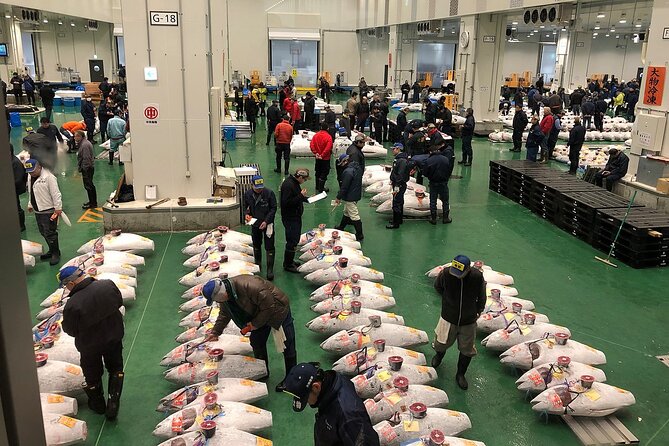
- The auction viewing is from a glass-walled visitor area: You can watch the tuna trade without entering the working floor.
- Toyosu and Tsukiji offer two different market experiences: Toyosu is modern, controlled, and spacious, while Tsukiji feels more hands-on and food-focused.
- Your private guide makes the early start worthwhile: Guides may explain tuna quality, auction signals, market customs, and the history behind the move to Toyosu.
- Food is not included: You can stop for sushi or seafood, but you pay directly for what you eat.
- Transport needs planning: The listed meeting point is Shijo-mae Station in Toyosu, and the bus to Tsukiji costs extra.
- The tour is best for small groups with specific interests: Seafood lovers, first-time Tokyo visitors, families, and anyone wanting personal guidance will get the most from it.
Why the 5:00 am start matters at Toyosu
Toyosu Market is Tokyo’s newest and largest wholesale market, built to take over the central seafood role once held by Tsukiji. The early hour is not a gimmick. It places you at the market when the auction activity is underway and when the day’s seafood trade is beginning.
You meet at Shijo-mae Station, near Toyosu Market. The stated meeting point is at 6 Chome, Toyosu, and the tour begins at 5:00 am. Pickup is offered, and several guides have arranged hotel meetings, but you should confirm this before booking because the published details also identify the station as the start point. A taxi from your hotel is not included.
The first part lasts about 90 minutes. Your guide leads you through the market area and explains how the wholesale system works. This is where the private format earns its keep. You can ask why certain tuna are treated differently, how the auction connects suppliers with wholesalers, and what happens after the sale.
The guides bring different strengths. Sachiyo has used notes and visual aids to explain the auction process, while Mayumi has explained fishing methods, tuna locations, seasonal produce, knives, and Japanese food customs. Nobby has been especially useful for guiding people through the market layout and pointing out what is worth seeing. Your exact guide is assigned by the operator, so these names are examples of the guiding style rather than a guarantee.
The market itself is not a free-roaming food hall. Toyosu is a working wholesale facility, and the public viewing areas are designed to let you observe without getting in the way. That means you should not expect the noisy, close-quarters feel of an old fish market. The trade happens behind barriers and viewing windows, while the guide supplies the context.
More market mornings in Tokyo:
- Tokyo Tsukiji Fish Market Food and Culture Walking Tour
★ 5.0 · 3,184 reviews - Tokyo: Tsukiji Fish Market Food and Walking tour
★ 5.0 · 1,724 reviews - Tokyo: Tsukiji Fish Market Guided Walking Tour
★ 4.9 · 1,397 reviews
Watching the tuna auction from the viewing area
The auction is the signature moment. Large tuna are displayed for buyers, and auction activity takes place below the public viewing area. The glass-walled observation space gives you an overall view, but it is not the same as standing among the buyers and workers.
This distinction matters. Some visitors want to be on the auction floor itself. The supplied tour information explains that only 50 people a day are selected for floor access through a lottery, and applications may need to be made months in advance. The tour does not promise that access. Instead, it places you in the visitor viewing area, which offers a broader look at the operation and keeps you out of a busy work zone.
I see that as a fair trade for many people. The working floor is not a stage built for sightseeing. Staff are handling valuable seafood and moving through a serious commercial operation. From the window, you can watch the system with less risk of blocking anyone, and your guide can point out what is happening as it unfolds.
The auction also gives you a useful lesson in value. A tuna is not simply a fish with a high price. Size, quality, origin, condition, and buyer demand all affect its worth. The guides can connect those details to the tuna you later eat as sushi, giving you a better sense of why some pieces cost far more than others.
The timing may also help with jet lag. You will need to wake around 4:30 or earlier, depending on where you sleep and how you reach Toyosu, but an early start can be easier on your first full day in Tokyo than on a morning after several late nights. I would still avoid scheduling a demanding activity immediately afterward.
From wholesale trade to a possible sushi breakfast
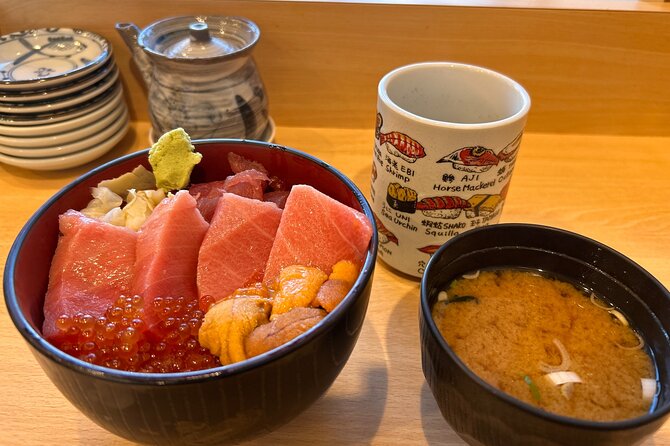
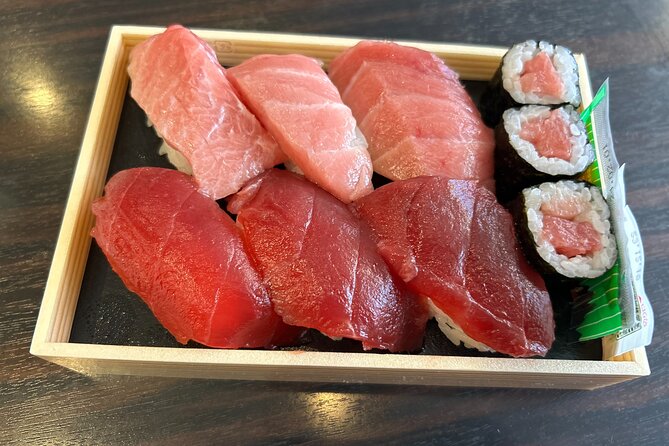
Breakfast is not part of the tour price, but the private format makes it easy to stop for food. Several guides have taken groups to sushi counters or recommended places near the market, including spots where high-quality tuna and other fresh fish are served.
This is one of the tour’s strongest practical features. You are not forced to choose a restaurant from a long list while tired and hungry. You can ask your guide for a meal that suits your budget and appetite. One group had an omakase sushi breakfast that became one of the best meals of its trip. Another was guided to a good sushi restaurant after the market visit.
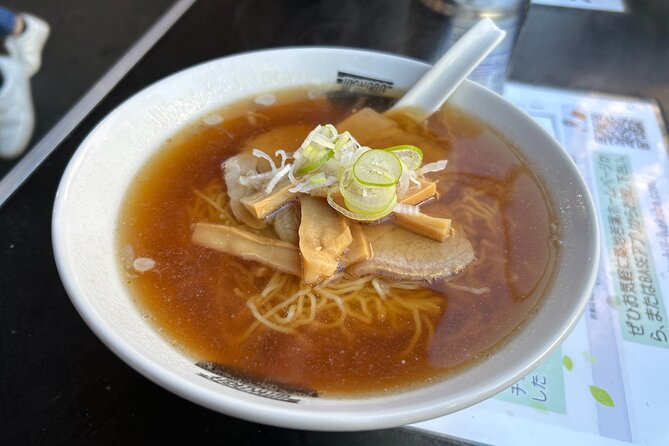
Do not mistake this for an included tasting. You pay for your own meal, and the price can vary widely depending on what you order. At Tsukiji, you might find affordable market food, but premium tuna and omakase can quickly push the bill higher.
If you are traveling with children or with someone who does not eat raw fish, say so early. The private setup allows the guide to tailor stops, but the supplied information does not promise a specific menu or restaurant. The same applies to allergies and dietary limits. Share those details before the morning begins.
Crossing from Toyosu to old Tsukiji
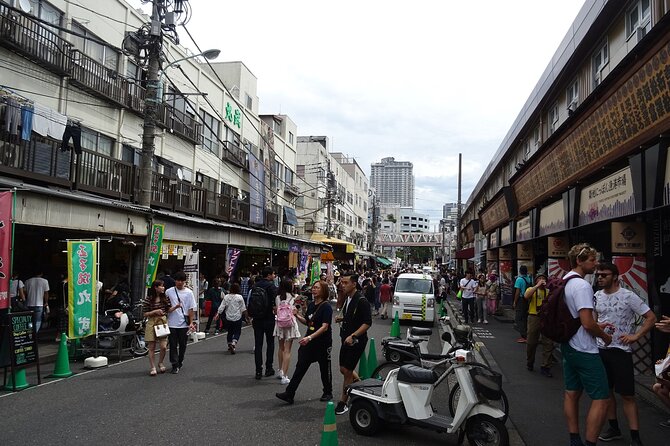
After Toyosu, the tour continues to Tsukiji Outer Market. A bus connects the two areas, and the fare is not included. The shift between markets is important because the two places feel nothing alike.
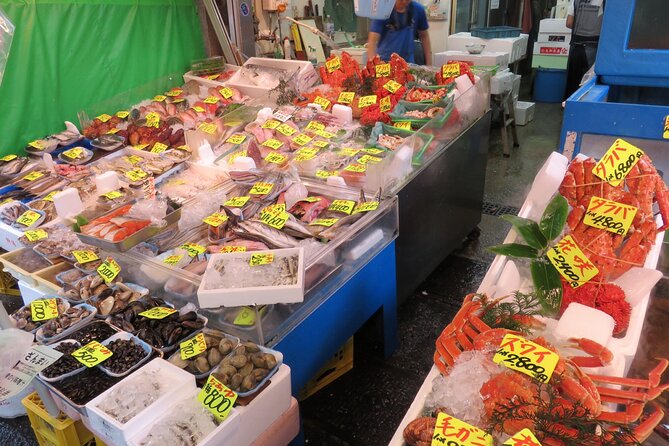
Toyosu is organized around modern wholesale operations and public viewing areas. Tsukiji Outer Market is a street-level food district with small stalls and specialist shops. You can look for sushi, sashimi, cooked Japanese food, tea, produce, seasonings, kitchen tools, and souvenirs.
The tour allows about 90 minutes at Tsukiji. That is enough time for a guided introduction and a few carefully chosen stops, but not enough to inspect every lane or shop. I like that limit. Tsukiji can become a blur of signs and samples if you arrive without a plan. A guide can help you focus on the parts that match your interests.
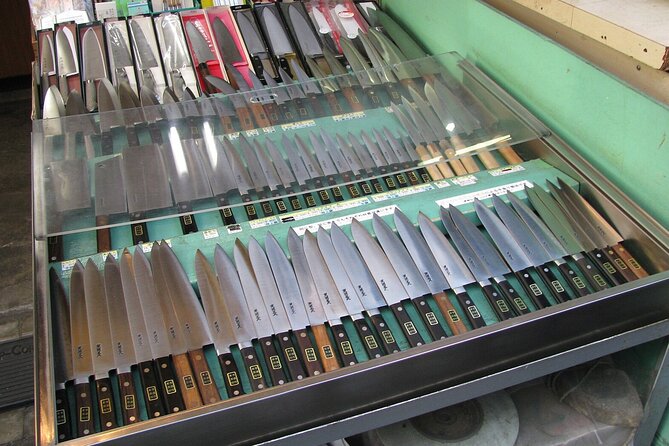
Food is the obvious draw, but kitchenware is another reason to come. Mayumi helped one visitor arrange a custom chef’s knife and ship it to the United States. That is a more useful souvenir than another generic Tokyo trinket, though you should treat any special purchase, shipping arrangement, or customization as an additional transaction rather than part of the tour.
You can also use this stop to learn how Japanese food culture connects market ingredients, preparation, and presentation. A guide may explain seasonal fruit, seafood quality, tea, knives, and the difference between Shinto and Buddhist traditions if your questions lead in that direction. The tour is not only about buying breakfast. It can become a compact lesson in how food fits into daily life in Japan.
A few more Tokyo bookings worth comparing
- Tsukiji Fish Market Guided Tour and Sushi Making with Pro Chef
★ 5.0 · 775 reviews - Tokyo: Tsukiji Fish Market Food and Culture Walking Tour
★ 4.7 · 757 reviews - Tsukiji Fish Market: Street Food & Culture Walking Tour
★ 5.0 · 669 reviews - Tsukiji Fish Market Small-Group Food Walking Tour
★ 5.0 · 621 reviews
The private guide is the main value
At $154.60 per person, this is not a cheap way to see a free market. Toyosu and Tsukiji do not charge admission for the portions described, and you still pay for your own taxi, bus ride, and food. The real purchase is time, interpretation, route planning, and personal attention.
For a solo visitor, the price may feel high. For a couple or small family, the private format becomes easier to justify because the guide can adapt to your pace. You are not waiting for a large group, and you can spend more time on tuna, sushi, produce, knives, or local customs depending on your interests.
A group discount may improve the value for several people booking together. The tour also offers a mobile ticket and confirmation at booking. Most people can participate, and service animals are allowed, but the very early start and amount of walking through market areas are worth considering.
The strongest guides do more than name fish. Sachiyo has prepared people for the auction and stayed in touch through WhatsApp. Nobby has helped with restaurant recommendations and subway directions at the end. Mayumi has guided groups to the station, explained how to buy tickets, and answered questions that ranged from tuna seasons to Japanese religious customs.
That level of help is particularly useful on your first Tokyo morning. Toyosu can feel unfamiliar, and the market district is not arranged like a standard sightseeing attraction. A private guide reduces the chance that you spend your short auction window trying to find the correct entrance.
What the tour does not promise
You should book with clear expectations. The tour does not guarantee entry to the auction floor. It does not include breakfast, taxi fare from your hotel, or the bus fare from Toyosu to Tsukiji. It also does not promise a particular restaurant, menu, tuna size, or named guide.
The auction may be visually impressive, but it is still a working process. You may see the action through a window rather than hear every call or stand close to the fish. The guide’s explanations are a major part of the experience, so this tour suits you best if you want to understand the system, not just take a quick photograph.
The published duration is about three hours, divided into roughly 90 minutes at each market. Some experiences described by the guides ran closer to three or four hours when guests added food, extra questions, a shrine, or help with transport. Keep your later plans flexible, especially if you hope to eat after the scheduled finish.
The tour ends at Tsukiji Outer Market, in the Tsukiji 4 Chome area. That is useful because you can continue eating or shopping on your own, rather than being returned to Toyosu. It also means you must plan your next route from Tsukiji.
Who should book this morning market tour
I would recommend it most strongly to seafood lovers, first-time visitors to Tokyo, families who want an easier morning, and anyone curious about the business behind sushi. You will get more from the tour if you ask questions and want to understand what you are seeing.
It is also a good choice if you have limited time. In three hours, you cover two major food districts that offer very different experiences. You do not need to work out the best viewing point, decode the market layout, or choose a restaurant without help.
I would hesitate if you dislike early mornings, have no interest in seafood, or want to enter the auction floor itself. You may also find better value by visiting Tsukiji on your own if your main goal is casual street food and shopping.
The experience has a 4.9 rating from 87 reviews, with 98 percent recommending it. The most consistent praise centers on guide preparation, clear explanations, personal attention, and food suggestions. That pattern tells you where the value lies: not in admission tickets, but in the person leading you through the morning.
Practical advice for making the morning work
Confirm the meeting arrangement before you go. The official start point is Shijo-mae Station, but hotel pickup has been arranged for some groups. Do not assume that a hotel taxi is included.
Bring a phone with the guide’s contact details and allow extra time for the journey. Missing the first part of a 5:00 am market tour would be costly, especially since public transport options are more limited at that hour.
Wear comfortable shoes and keep your hands free. You may want room for small food purchases, tea, or a kitchen tool at Tsukiji. If you plan to buy a knife or another bulky item, ask the guide about shipping before committing.
Book early if the date matters. The experience was booked more than 10 times in the previous week, and private tours depend on guide availability. You can cancel for a full refund up to 24 hours before the start time. Changes or cancellations inside that window are not accepted.
Should you book it?
Book this tour if you want the tuna auction explained, not simply seen. The private guide, two-market route, and food advice make the $154.60 price easier to defend for couples or small groups, especially when Tokyo is new to you.
Skip it if the 5:00 am start sounds miserable or if floor access is your main goal. For everyone else, this is a focused way to meet Tokyo’s seafood trade at work, then compare modern Toyosu with the food stalls and specialist shops of Tsukiji.
FAQ
What time does the tour begin?
The tour begins at 5:00 am local time.
Where does the tour start?
The listed meeting point is Shijo-mae Station near Toyosu Market, at 6 Chome, Toyosu, Koto City, Tokyo.
Does the tour include hotel pickup?
Pickup is offered, and some guides have met groups at their hotels. Confirm the exact arrangement before the tour because the listed meeting point is Shijo-mae Station.
Is breakfast included?
No. Breakfast is not included, though the private guide can allow time to stop for sushi or other food. You pay for your own meal.
Is the tuna auction floor included?
The tour includes viewing the tuna auction from a visitor area, including the glass-walled observation area. Access to the working auction floor is not guaranteed.
Are transport costs included?
No. A taxi from your hotel to the market and the bus from Toyosu to Tsukiji are not included.
How long does the experience last?
The tour lasts about three hours, with approximately 90 minutes at Toyosu Market and 90 minutes at Tsukiji Outer Market.
Can I cancel for a refund?
You can cancel at least 24 hours before the start time for a full refund. Cancellations or changes made less than 24 hours before the start time are not accepted.
More Morning in Tokyo
- Tokyo: Sumo Morning Practice Viewing Tour
★ 4.8 · 570 reviews - Tokyo: Sumo Morning Training Visit
★ 4.4 · 370 reviews - Tokyo: Sumo Morning Practice Tour at Sumida City
★ 4.8 · 308 reviews - Tokyo Sumo Morning Practice Tour at Stable
★ 5.0 · 298 reviews
More Shopping Tours in Tokyo
- Tokyo: Tsukiji Fish Market Sushi Making Class with Pro Chef
★ 4.9 · 506 reviews - Tokyo Food Tour Taste Fresh Delights at Tsukiji Market
★ 5.0 · 429 reviews - Tokyo Tsukiji Fish Market Tour and Sushi Making Lesson
★ 5.0 · 390 reviews - Tsukiji Fish Market: Street Food & Culture Walking Tour
★ 4.8 · 259 reviews
New on our Tokyo list
- From Tokyo: Mount Fuji & Hakone Full Day Private Tour★ 4.9 · 25 reviews
- Tokyo Spectacular View Day-Cruise in 90 Minutes★ 5.0 · 25 reviews
- Real Tokyo Runner Club : Daikoku Car Meet Night Tour with JDM Car★ 5.0 · 25 reviews
- 2.5 Hour-Guided Cycle Tour in the Central Tokyo★ 5.0 · 25 reviews
- Ramen Making from Scratch +Akihabara Tour –Cooking Class★ 5.0 · 25 reviews
- [Self-Drive] Tokyo & Daikoku Custom Car Driving Tour★ 4.9 · 25 reviews
- Tokyo: 2-Hour Night Bike Tour of the City’s Hidden Gems★ 4.9 · 25 reviews
- Samurai themed Entertainment show in Shinjuku★ 4.5 · 25 reviews
Tsukiji & Toyosu Market Tours, compared.
Tokyo Tsukiji Fish Market Food and Culture Walking Tour
Read our review →
Tokyo Sushi Making Class in Tsukiji with Professional Chef
Read our review →
Tsukiji Fish Market Guided Tour and Sushi Making with Pro Chef
Read our review →Tsukiji Fish Market Food and Culture Walking Tour
Read our review →
Tsukiji Fish Market: Street Food & Culture Walking Tour
Read our review →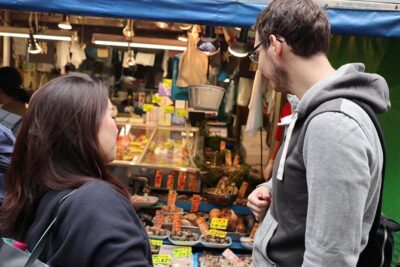
Tsukiji Fish Market Small-Group Food Walking Tour
Read our review →Browse the lists this tour appears in