
Reviewed · RAMEN EXPERIENCES
Tokyo: 2-Hour Vegan and Vegetarian Ramen Guided Walking Tour
Tokyo’s ramen scene is not easy for vegetarians to navigate alone. This tour solves that problem with four mini bowls of vegan ramen at two shops, one focused on Hokkaido-style ramen and the other on classic Tokyo tsukemen. You taste a useful range without committing to four full meals.
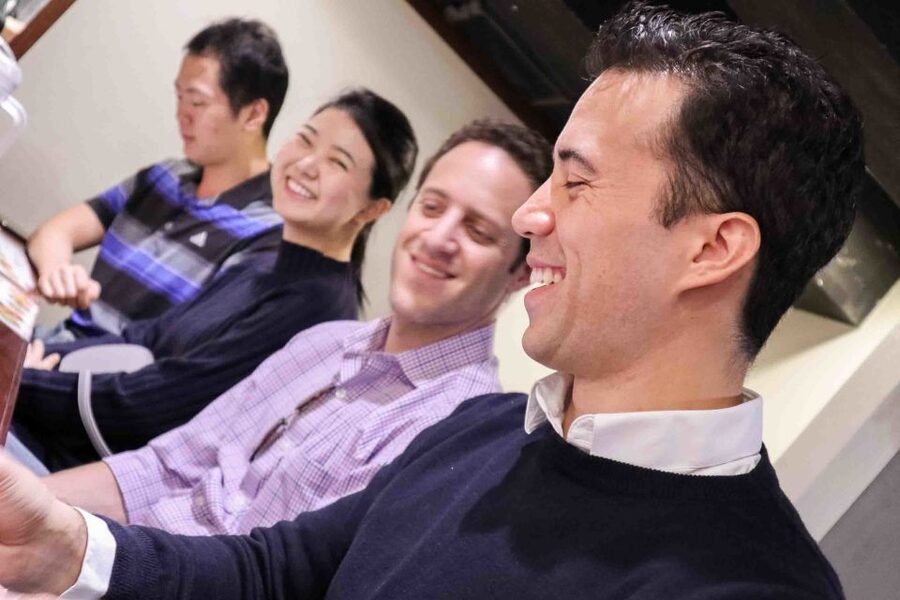
I especially like the train ride from Shibuya to Shinjuku, because it turns lunch into a small slice of ordinary Tokyo life, and the way the guide connects each bowl to ramen’s regional story. Guides including Brian, Makayla, Bunga, Frank, and Sahori have led the experience.
The main drawback is cost: $96 per person is a lot for two hours, even with four tastings and a drink included. You also pay your own train fare, and the tour is not suitable for wheelchair users.
In This Review
- Key points at a glance
- Four mini bowls instead of one heavy meal
- Meeting beneath the Shibuya crossing crowds
- First stop: Hokkaido-style ramen in Shibuya
- The train from Shibuya to Shinjuku
- Second stop: Tokyo tsukemen in Shinjuku
- What the vegan setup really means
- The guide makes the difference
- Is $96 a fair price?
- Timing, comfort, and access
- Who should book this ramen walk?
- Should you book it?
- FAQ
- How long does the Tokyo vegan ramen tour last?
- How many ramen servings are included?
- Are the ramen bowls vegan?
- Are gluten-free noodles available?
- Is a drink included?
- Where does the tour meet?
- Do I pay for the train between Shibuya and Shinjuku?
- Which neighborhoods does the tour visit?
- Is the tour offered in English?
- Is the tour suitable for wheelchair users?
Key points at a glance
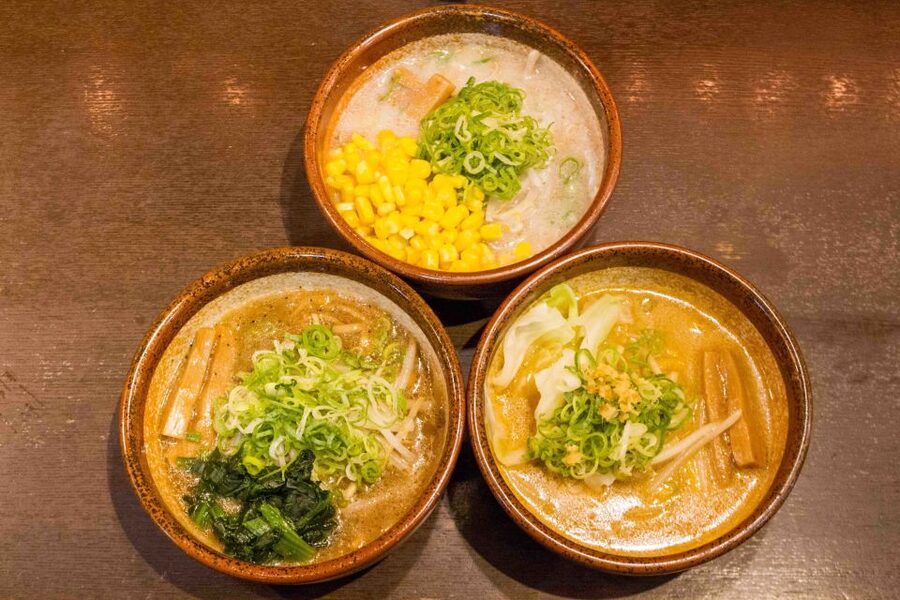
- Four small bowls, two Tokyo neighborhoods: Taste several ramen styles without ordering four full portions.
- Hokkaido meets Tokyo: Learn why Hokkaido-style ramen and Tokyo tsukemen matter in Japan’s ramen story.
- Designed for plant-based diners: Vegan ramen is provided, with non-vegan broth options and gluten-free noodles available.
- A practical Shibuya to Shinjuku route: Meet near the Hachiko statue, then take the train between the two food stops.
- English-speaking personal guidance: Private and small-group formats are available, with guides such as Brian, Makayla, Bunga, Frank, and Sahori.
- Best for curious eaters: The tour works well if you want food context, not just a quick bowl of noodles.
Four mini bowls instead of one heavy meal
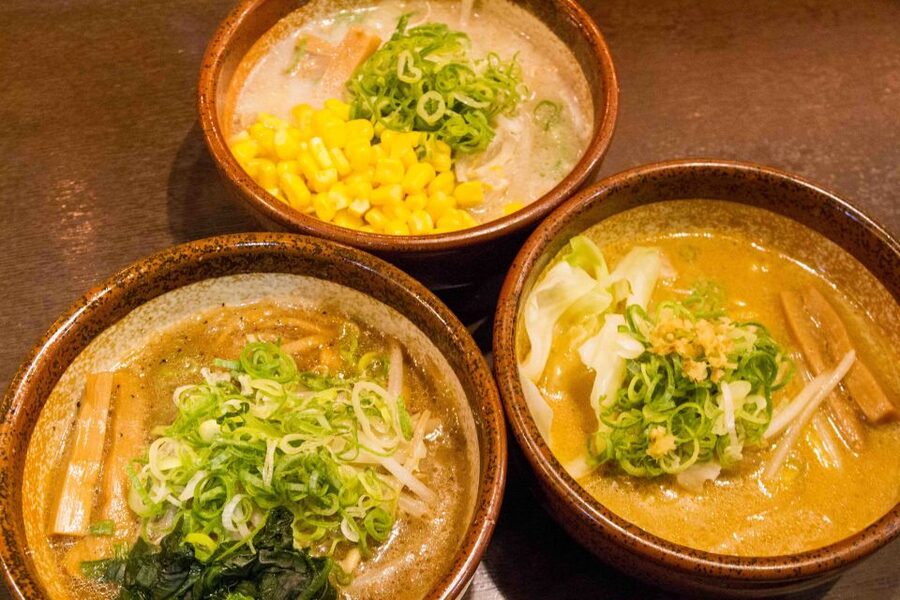
The smartest feature here is the tasting format. A full bowl of ramen can be filling, especially when you are eating several times a day in Tokyo. Four mini bowls let you compare broth, noodle style, and serving method while keeping enough room for the rest of your day.
The tour visits two ramen shops. At the first, you try ramen connected with Hokkaido, the northern island that has played an important role in the development and spread of ramen in Japan. At the second, you taste classic Tokyo-style tsukemen, where noodles are served separately from the dipping broth.
That contrast gives the outing a clear purpose. You are not simply stopping at two restaurants that happen to offer vegan food. You are using two different ramen traditions to understand how the dish changes from place to place.
The bowls are small, but the tasting is still intended to be satisfying. You receive four mini servings in total, along with one drink. If you have a large appetite, you may want to plan another meal later, since the tour is a tasting rather than a full ramen lunch.
More ramen stops:
- Eat and Drink Like a Local: Tokyo Ueno Food Tour-Taverns&Ramen
★ 5.0 · 957 reviews - Ramen & Gyoza Cooking Class in Tokyo with Local Supermarket Visit
★ 5.0 · 823 reviews - Tokyo: Ramen Tasting Tour with 6 Mini Bowls of Ramen
★ 4.9 · 432 reviews
Meeting beneath the Shibuya crossing crowds
The meeting point is in front of Shibu Hachi Box, across from the Hachiko statue. Your guide waits farther to the left, beneath the word Shibu, holding a Tokyo Ramen Tours sign.
This is a practical meeting spot, but Shibuya Station can be confusing. Give yourself extra time to reach the Hachiko area, particularly if you are unfamiliar with the station’s many exits. Once you find the statue, look for the sign rather than trying to identify the guide from a photograph.
The starting location puts you right in one of Tokyo’s best-known districts. The experience does not present Shibuya as a sightseeing lecture, but the walk gives you a feel for the area before the food begins. You are starting in a district known for its huge pedestrian crossing and constant foot traffic, then moving on to another major Tokyo center, Shinjuku.
The tour lasts two hours, so punctuality matters. A late arrival could affect the schedule at the restaurants and the train transfer.
First stop: Hokkaido-style ramen in Shibuya
The first ramen shop specializes in authentic Hokkaido-style ramen. The supplied information does not specify the exact four flavors or toppings served on a particular day, so you should think of this stop as a chance to compare the shop’s regional approach rather than as a fixed menu of named bowls.
The guide explains Hokkaido’s place in ramen history and the wider ramen world. That background is useful because ramen is not one single national recipe. Regional styles have their own broths, noodles, and serving traditions, and Hokkaido is one of the key places to understand that variety.
For a plant-based diner, the important point is that the tasting remains flexible. Vegan broth is available, and non-vegan broth options are available for each ramen if your group has mixed dietary needs. This makes the tour easier for couples or friends who do not all eat the same way.
You should tell the guide about your dietary needs clearly before ordering. Gluten-free noodles are also available, according to the tour information. Since restaurant options can depend on preparation, early communication is the sensible approach.
Several diners specifically praised the food itself, describing the ramen as some of the best they had eaten and saying they would not have found the restaurants alone. That is a strong reason to consider the tour if you are vegetarian or vegan and do not want to spend your Tokyo trip checking menus and translating ingredients.
The train from Shibuya to Shinjuku
The route includes a train ride from Shibuya to Shinjuku. Your train fare is not included, so bring a transportation card or cash for the ticket.
This transfer is short in practical travel terms, but it adds useful texture to the outing. You are not being driven from one restaurant to the next in a tourist vehicle. You use Tokyo’s rail system and move between two districts in the same way many residents do.
The train connection also keeps the tour focused. Rather than remaining in one neighborhood, you see how two major parts of the city fit together. The activity does not promise a full walking tour of Shibuya and Shinjuku, so do not book it expecting landmark commentary or an extended city tour. The neighborhoods are the setting for the ramen experience, not a separate sightseeing program.
Your guide handles the movement between the stops, which is particularly helpful if you are still getting used to Tokyo’s stations. You still need to pay attention and carry your own fare, but the group format removes much of the guesswork.
A few more Tokyo bookings worth comparing
- Vegan Friendly Sushi & Okonomiyaki Shibuya Night Foodie Tour
★ 5.0 · 124 reviews - Ramen & Dumpling Cooking in Tokyo with Chef/Vegan possible
★ 5.0 · 107 reviews - Vegan/Vegetarian Ramen and Gyoza by Bentoya cooking
★ 5.0 · 59 reviews - Ramen Making from Scratch with Tokyo Mom(Vegan Option Available)
★ 5.0 · 39 reviews
Second stop: Tokyo tsukemen in Shinjuku
The second shop specializes in classic Tokyo tsukemen, or dipping ramen. This is the tour’s clearest contrast with the first stop. Instead of eating noodles already sitting in a bowl of broth, you dip the noodles into the accompanying soup.
That serving method makes the tasting feel different even before you consider the ingredients. You can pay attention to the relationship between the noodles and the broth, rather than treating ramen as one blended bowl. For anyone new to tsukemen, this is one of the most useful parts of the route.
The shop provides mini portions as part of the four-bowl tasting. Exact serving details can vary, but the tour is designed to let you sample this Tokyo style without the commitment of a full-size order.
The guide’s explanation is what turns the stop into more than a restaurant visit. Guides such as Frank and Bunga have been praised for explaining ramen preparation, food culture, and the background behind different varieties. Makayla has also led the tour with a friendly, educational approach. Your individual guide will shape the conversation, but English-language guidance is part of the experience.
If you find a favorite bowl, one useful suggestion is to return later for a full serving. The tasting format is good for comparison, while a second visit lets you order more of the style you prefer.
What the vegan setup really means
This is not simply a standard ramen tour with one vegetarian bowl added as an afterthought. The experience is built around vegan ramen, which is important in Tokyo, where finding suitable ramen can take more research than many first-time visitors expect.
At the same time, the tour allows non-vegan broth options for each ramen. That gives mixed groups more freedom, although anyone choosing non-vegan broth should confirm exactly what they want with the guide before ordering.
Gluten-free noodles are available as well. This makes the tour more useful for people who need to avoid gluten, but you should still explain your needs carefully. The supplied information confirms availability, but it does not provide a full allergy protocol or guarantee about cross-contact.
The tour is also a good fit if you are simply curious about plant-based Japanese food. You do not need to treat vegan ramen as a compromise. The tasting is set up to show different flavor profiles and preparation styles, rather than offering only one safe option.
Halal diners should ask about current arrangements before booking. The tour information says there are halal ramen options available and that a halal-focused tour could be offered if demand grows, but it does not promise a dedicated halal itinerary for every departure.
The guide makes the difference
Ramen is easy to eat without explanation. A guide gives you a reason to notice what changes from bowl to bowl.
The English-speaking guides bring different personalities to the outing. Brian has been praised for being friendly and genuinely interested in the people he guides. Makayla has led an educational and fun tour, while Bunga has been described as full of useful ramen information. Frank has also been praised for answering broader questions about Tokyo, including things to eat, see, and do beyond the tour itself.
Sahori has led the experience as well. If you are booking a private or small-group format, the guide may be able to shape the conversation around your interests more easily than on a large group outing.
That personal contact is a real part of the value. You can ask why ramen differs by region, how the styles compare, or what else to try in Tokyo. The experience is not only about consuming four bowls. It gives you a better way to read ramen menus during the rest of your trip.
Still, guide quality can vary from person to person. The consistently high 4.8 rating from 33 reviews suggests strong overall performance, but it does not mean every guide will have the same style or offer the same amount of extra Tokyo advice.
Is $96 a fair price?
At $96 per person, this is a premium food experience. You are paying for four mini bowls, one drink, an English-speaking guide, the coordination between two restaurants, and the convenience of finding vegan ramen without doing the research yourself.
The price makes more sense if you have strict dietary needs or want a structured introduction to ramen. A vegetarian or vegan visitor may spend considerable time finding suitable shops, checking ingredients, and working out how to order. The tour packages that work into two hours.
It is less convincing if your only goal is to eat the largest amount of ramen for the least money. You could likely spend less on an individual bowl, but that would not provide four comparisons, a guide, or the regional context.
Private and small-group options are available. A private format can be worthwhile if your group has several dietary requirements or wants to ask many questions. If price is your main concern, a small group should offer a better balance, provided that format is available for your date.
The train fare from Shibuya to Shinjuku is extra, but that is a minor addition compared with the tour cost. Bring a transportation card or cash so this simple transfer does not become a nuisance.
Timing, comfort, and access
The activity lasts two hours, with starting times shown according to availability. An 11 a.m. departure can work well if you want ramen before the busiest part of the day. One small-group outing at that time on a Monday had the added benefit of being the only group there, though you should not assume that will happen on your date.
The tour is compact enough to fit into a busy Tokyo itinerary. You could schedule it early in your stay to learn which ramen style you prefer, then return to a favorite shop later for a full bowl. It also works well on arrival day for people who want an easy, food-focused introduction to Shibuya and Shinjuku, though you should consider your energy after a long flight.
The experience involves walking through two busy districts and using a train. It is not suitable for wheelchair users, according to the activity information. The tour is not described as fully accessible, so anyone with other mobility concerns should ask the provider before reserving.
You receive one drink, but no other inclusions are specified. Plan your expectations accordingly. This is a focused ramen tasting, not a general Tokyo food crawl.
Who should book this ramen walk?
I would put this near the top of the list for vegans and vegetarians who want to eat confidently in Tokyo. It is also useful for anyone who loves ramen but wants to understand the difference between regional styles and tsukemen.
It suits:
- First-time Tokyo visitors who want help navigating ramen shops
- Plant-based diners who do not want to rely on guesswork
- Mixed-diet groups needing vegan and non-vegan options
- Food lovers who prefer several tastings to one large meal
- Visitors interested in Japanese food culture and regional traditions
- People who enjoy asking a guide broader questions about Tokyo
I would be more cautious if you dislike walking, find train transfers stressful, or want a full-size meal at each stop. The price also requires some thought. Four mini bowls and a drink are good value only if the guidance and access to suitable restaurants matter to you.
Should you book it?
Book this tour if finding vegan ramen on your own feels like work and you want more than a quick restaurant recommendation. The two-stop route, Hokkaido background, Tokyo tsukemen, and flexible noodle and broth choices give the experience a clear shape.
I would schedule it early in your Tokyo visit. You can learn which ramen styles suit you, ask the guide for more food ideas, and return later for a full bowl of your favorite.
Skip it if you are comfortable researching restaurants yourself, need wheelchair access, or are mainly looking for a cheap and filling lunch. For the right eater, though, the tour offers a practical introduction to one of Japan’s most famous dishes without making plant-based dining feel like a side issue.
FAQ
How long does the Tokyo vegan ramen tour last?
The tour lasts two hours.
How many ramen servings are included?
You receive four mini bowls of ramen.
Are the ramen bowls vegan?
Yes. The tour is built around vegan ramen. Non-vegan broth options are also available for each ramen.
Are gluten-free noodles available?
Yes, gluten-free noodles are available. Tell the guide about your dietary needs before ordering.
Is a drink included?
Yes. One drink is included in the tour.
Where does the tour meet?
Meet in front of Shibu Hachi Box, across from the Hachiko statue in Shibuya. The guide waits farther to the left beneath the word Shibu and carries a Tokyo Ramen Tours sign.
Do I pay for the train between Shibuya and Shinjuku?
No. Train fare is not included, so bring a transportation card or cash for the journey.
Which neighborhoods does the tour visit?
The tour visits Shibuya and Shinjuku, traveling by train between the two ramen shops.
Is the tour offered in English?
Yes. The tour includes a live English-speaking guide.
Is the tour suitable for wheelchair users?
No. The activity is listed as unsuitable for wheelchair users.
More 2-Hour Experiences in Tokyo
- Ninja Samurai 2-hour hands-on lesson by Japanese master in Tokyo
★ 5.0 · 194 reviews - Tokyo 2-Hour Genuine Samurai Experience: Kendo in Japan
★ 5.0 · 112 reviews - Tokyo: Flagship 2-Hour Street Go-Kart Tour by Street Kart
★ 4.9 · 94 reviews - Tokyo: Shinjuku Izakaya and Golden Gai Bar Hopping Tour (2h)
★ 4.9 · 67 reviews
More Walking Tours in Tokyo
- Tokyo Tsukiji Fish Market Food and Culture Walking Tour
★ 5.0 · 3,184 reviews - Tokyo: Imperial Palace and Shogun Historical Walking Tour
★ 5.0 · 2,251 reviews - Tokyo: Shinjuku Local Bar and Izakaya Guided Walking Tour
★ 4.9 · 1,794 reviews - Tokyo: Tsukiji Fish Market Food and Walking tour
★ 5.0 · 1,724 reviews
New on our Tokyo list
- Tokyo Spectacular View Day-Cruise in 90 Minutes★ 5.0 · 25 reviews
- From Tokyo: Mount Fuji & Hakone Full Day Private Tour★ 4.9 · 25 reviews
- Real Tokyo Runner Club : Daikoku Car Meet Night Tour with JDM Car★ 5.0 · 25 reviews
- 2.5 Hour-Guided Cycle Tour in the Central Tokyo★ 5.0 · 25 reviews
- Ramen Making from Scratch +Akihabara Tour –Cooking Class★ 5.0 · 25 reviews
- [Self-Drive] Tokyo & Daikoku Custom Car Driving Tour★ 4.9 · 25 reviews
- Tokyo: 2-Hour Night Bike Tour of the City’s Hidden Gems★ 4.9 · 25 reviews
- Samurai themed Entertainment show in Shinjuku★ 4.5 · 25 reviews
Ramen Experiences, compared.

Eat and Drink Like a Local: Tokyo Ueno Food Tour-Taverns&Ramen
Read our review →
Ramen & Gyoza Cooking Class in Tokyo with Local Supermarket Visit
Read our review →

Easy Ramen Cooking Experience in Kabukicho, Shinjuku
Read our review →
Ramen and Sushi Cooking Class with Sake Pairing Set in Tokyo
Read our review →
Professional Ramen & Gyoza with Ramen Chef in a restaurant!
Read our review →
Ramen Dojo Tokyo | Make All 3 (Tonkotsu/Shoyu/Miso)
Read our review →Ramen Dojo Tokyo | Make All 3 (Tonkotsu/Shoyu/Miso)
Read our review →Browse the lists this tour appears in