
Reviewed · JAPANESE COOKING CLASSES
Small-Group Osaka-Style Okonomiyaki Cooking Class
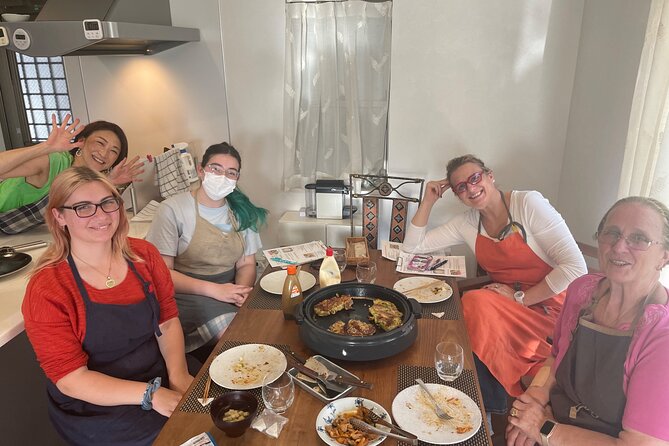
The best part of this two-hour cooking class is the setting: you leave the tourist studio behind and cook in Eri’s home near Asagaya. She teaches Osaka-style okonomiyaki, a savory pancake you build, flip, and cover with toppings. I like the small group, limited to five, and the practical advice on replacing Japanese ingredients once you return home.
I also like that Eri adds a second dish, stir-fried pork and kimchi, while the okonomiyaki cooks. The main consideration is the price, $150 per person, which is a serious spend for a two-hour meal. You are paying for personal instruction and a home visit, not just a plate of food.
In This Review
- Key points at a glance
- Why this Tokyo cooking class feels different
- Meeting Eri at Asagaya Station
- Learning the ingredients before cooking
- Building and flipping your okonomiyaki
- Stir-fried pork and kimchi while you wait
- Dietary needs and ingredient swaps
- Is $150 a fair price?
- Who will enjoy this most
- Booking, timing, and cancellation details
- The final call
- FAQ
- Where does the okonomiyaki class meet?
- Where does the cooking take place?
- How long does the activity last?
- How many people can join?
- Is the class taught in English?
- Can I request vegetarian or vegan food?
- What food will I prepare?
- What is the cancellation policy?
Key points at a glance
- Home kitchen near Asagaya: Meet outside JR Asagaya Station, then travel a short distance to Eri’s house for a more personal setting than a commercial studio.
- Five-person maximum: The small group gives you room to ask questions, get help with the batter, and practice flipping.
- Build your own okonomiyaki: Choose fillings with Eri’s help, then layer ingredients, cook the pancake, flip it, and finish it with sauces and toppings.
- Useful ingredient substitutes: Eri explains dashi, sauce, and other Japanese ingredients, including ways to recreate the dish outside Japan.
- Vegetarian and vegan options: Adjustments can be made for vegetarian and other dietary needs, with vegan choices available.
- A side dish while you wait: You also prepare stir-fried pork and kimchi, then sit down for a meal with itadakimasu.
Why this Tokyo cooking class feels different
Many cooking classes take place in a polished teaching kitchen built for visitors. This one is deliberately more home-based. You meet Eri at NewDaysJapan outside the JR Asagaya Station ticket gates, on the second-floor concourse, at the listed address in Suginami City. From there, the class moves to her home a short distance away.
That change of setting matters. You are not only learning how to make a Japanese dish. You are also seeing how a local host organizes an ordinary meal, explains pantry ingredients, and talks about daily life. Eri says she enjoys speaking with people from other countries, and her English is good enough for cooking instructions and questions.
The class is limited to five people. That is small enough for direct help, especially during the parts that can go wrong: mixing the batter, judging when the bottom has set, and turning the pancake without breaking it. If you have tried okonomiyaki at home and ended up with something dense or difficult to flip, the personal correction can be more useful than another recipe found online.
The home setting also means you should not expect a formal restaurant or a large demonstration kitchen. That is part of the appeal, but it may not suit you if you prefer a polished, highly structured class with several instructors and professional equipment.
More cooking classes in Tokyo:
- Ramen & Gyoza Cooking Class in Tokyo with Local Supermarket Visit
★ 5.0 · 823 reviews - Tokyo: Easy Ramen Cooking Experience in Kabukicho, Shinjuku
★ 4.6 · 321 reviews - Ramen and Sushi Cooking Class with Sake Pairing Set in Tokyo
★ 5.0 · 291 reviews
Meeting Eri at Asagaya Station
Your meeting point is NewDaysJapan at JR Asagaya Station, outside the ticket gates on the second-floor concourse. Read the meeting details carefully, since the Japanese address is included and the station has several areas where people could easily wait for one another.
Eri has picked up and returned at the station in at least some arrangements, particularly when her home is a little farther away. The stated meeting point remains the station, and the activity finishes back there. Allow a few minutes to find the exact spot and keep your phone available in case you need to coordinate.
Asagaya is in Suginami, west of central Tokyo. The meeting point is practical if you are already using the JR line, but this is not a class inside a major sightseeing district. You are making a short side trip to a residential area for the home experience. That is a good trade for anyone who wants a calmer, more local afternoon rather than another stop in a commercial quarter.
The activity lasts about two hours. That is enough time for instruction, cooking, the extra dish, and eating, but it is not a full-day food tour. You should arrive ready to begin rather than expecting a long neighborhood walk or a broad survey of Japanese cooking.
Learning the ingredients before cooking
Eri begins by explaining ingredients such as dashi and okonomiyaki sauce. This is an important step because the dish can look simple at first glance. The flavor depends on the balance of the batter, the savory stock, the fillings, and the toppings.
Dashi is especially useful to understand. It forms part of the savory base in many Japanese dishes, and Eri explains the role it plays here along with possible substitutes. That advice gives the class lasting value. You are not just copying a recipe with ingredients that may be difficult to find in your own country.
The same applies to the sauce. Eri shows you how the familiar flavors work together and explains what to use if the exact Japanese products are unavailable at home. If you enjoy bringing food skills back from a trip, this is one of the strongest reasons to consider the class.
The lesson is taught in English, and Eri invites questions. Her English may not have the polish of a professional culinary school instructor, but the available information suggests she can guide an English-speaking class through the process and discuss substitutions. A small group helps here because you can ask for clarification instead of trying to follow a fast demonstration from the back of a room.
Building and flipping your okonomiyaki
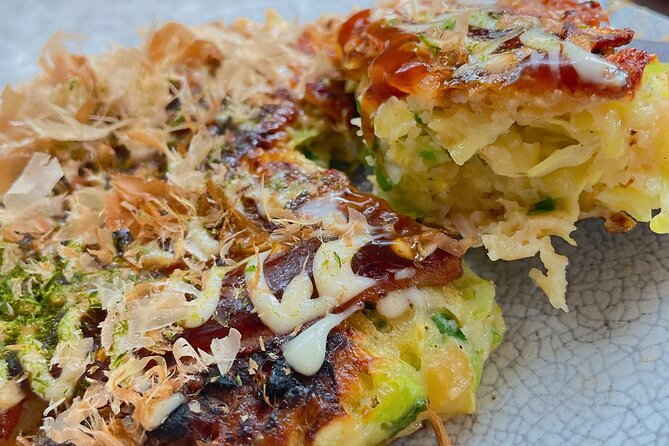
Okonomiyaki gives you more choice than many fixed-menu cooking lessons. You can choose what to put inside, with Eri helping you make workable combinations. The dish is designed to accept different fillings, so you get room to adapt it to your taste and diet.
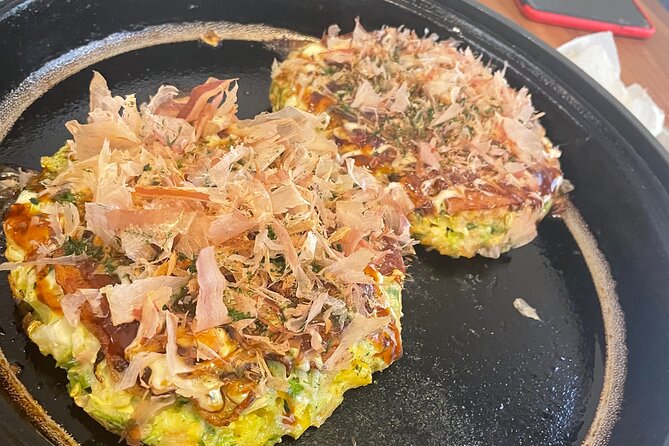
The process has several satisfying stages. You layer the ingredients, cook the mixture, and wait for it to firm up. Then comes the moment that requires the most nerve: flipping the pancake. Eri offers tips for keeping it fluffy and tasty, and the small group means you should have support when it is time to turn it.
Fluffiness is the central lesson. A heavy, wet okonomiyaki is easy to produce if you overwork the mixture or misjudge the cooking time. Eri focuses on the details that help the pancake stay light, rather than simply telling you to combine everything and hope for the best.
Once cooked, you finish the okonomiyaki with sauce and toppings. This is where the dish becomes personal. You can adjust the final layer to your taste, and you get to see how a plain-looking pancake turns into a full Japanese meal.
The experience is hands-on, but it is not presented as a competition. You do not need advanced cooking skills. One of the strongest points from the available feedback is that Eri corrected mistakes in a home cook’s usual method and even added a second recipe as a bonus. That suggests the class is useful for beginners as well as people who already make okonomiyaki at home.
A few more Tokyo bookings worth comparing
- Sushi Making Tokyo Roll and Authentic Japanese Sushi Class
★ 5.0 · 3,971 reviews - Tokyo: Roll and Authentic Sushi Making Class in Asakusa
★ 4.9 · 1,957 reviews - Tokyo Shinjuku Chopsticks Making Class
★ 5.0 · 1,763 reviews - Tokyo: Sushi Making Class in a Happi Coat near a Famous Spot
★ 4.9 · 1,377 reviews
Stir-fried pork and kimchi while you wait
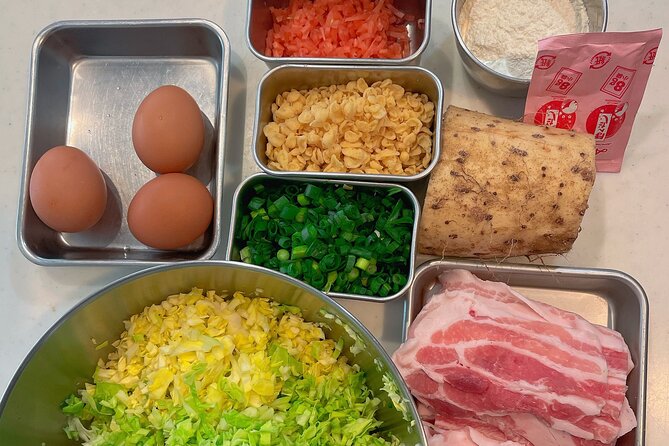
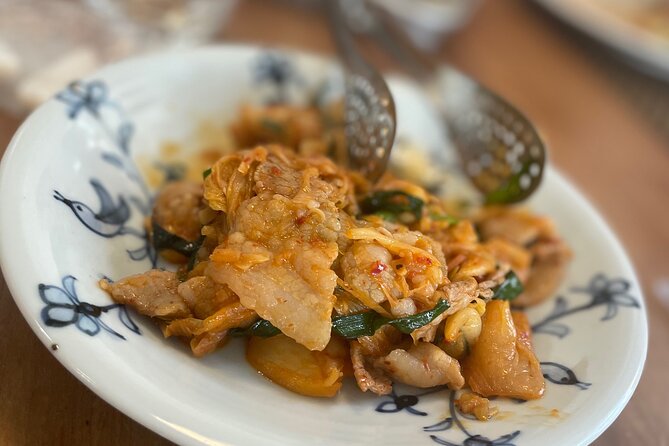
Okonomiyaki needs time on the cooking surface, so Eri uses the waiting period well. You prepare stir-fried pork and kimchi, a savory side dish that adds a different texture and stronger flavor to the meal.
This is a smart addition to a short class. You are not standing around watching one pancake cook, and you leave with more than one preparation to repeat. The side dish also gives you another way to think about Japanese home cooking, where a main dish may be served with smaller savory items rather than eaten alone.
The pork and kimchi option will not suit every diet, but the class can adjust for vegetarian and other dietary restrictions. Vegetarian and vegan choices are available, although you should provide your requirements when booking or before the class so Eri can plan the ingredients.
When the food is ready, you sit down and say itadakimasu before eating. It is a small moment, but it gives the class a clear rhythm: learn, prepare, cook, and share the meal. You are not rushing out with a container after a demonstration.
Dietary needs and ingredient swaps
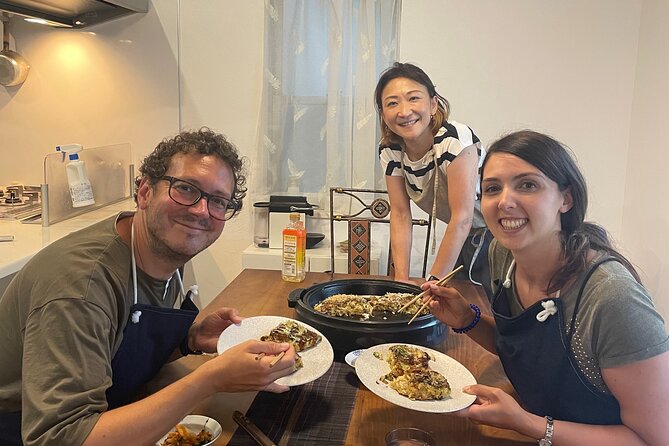
The flexibility of okonomiyaki makes this class a good choice for people who do not eat meat. Vegetarian and vegan adjustments are available, and other dietary restrictions can be accommodated. Still, the practical step is to communicate your needs early. The class involves ingredients such as dashi, sauces, pork, and kimchi, so substitutions may affect more than one part of the meal.
Eri’s explanation of replacements is useful for anyone living outside Japan. Some Japanese products are easy to find in large cities but less common elsewhere. Learning the purpose of an ingredient gives you more options than simply memorizing a brand name.
You might also benefit if you already have an okonomiyaki recipe that never turns out quite right. Eri can show you where your method differs, from the way you combine ingredients to the way you judge cooking time. One participant discovered several errors in their usual home preparation, which is exactly the sort of correction a recipe card cannot provide.
Is $150 a fair price?
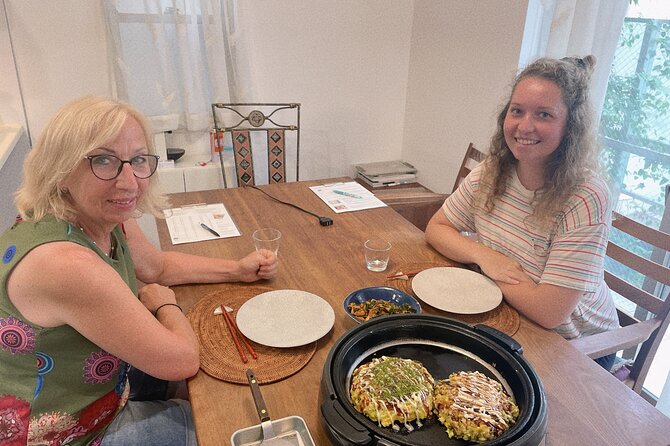
At $150 per person, this is not a budget meal. The class lasts about two hours, and the food itself is made from accessible ingredients. If you are comparing it with a casual restaurant meal, the price will feel high.
The value comes from the setting and the level of contact. The group has a maximum of five people, you cook in Eri’s home, and you receive direct help with a dish that depends on technique. You also make a second recipe, eat what you prepare, and get advice on ingredient substitutions for future cooking.
I would see the fee as reasonable for someone who specifically wants a personal home visit and a skill to take home. It is harder to justify if you only want to taste okonomiyaki or have a packed Tokyo schedule. You can order the dish for far less at a restaurant, without spending time reaching Asagaya.
Group discounts are available, so the price may work better if you are traveling with family or friends. The small group limit remains important: a discount does not turn this into a large class, and the five-person maximum is part of what makes the instruction personal.
Who will enjoy this most
I would recommend this experience to you if food is one of the main reasons you travel. It suits curious home cooks, couples, families, and small groups who want conversation along with a meal.
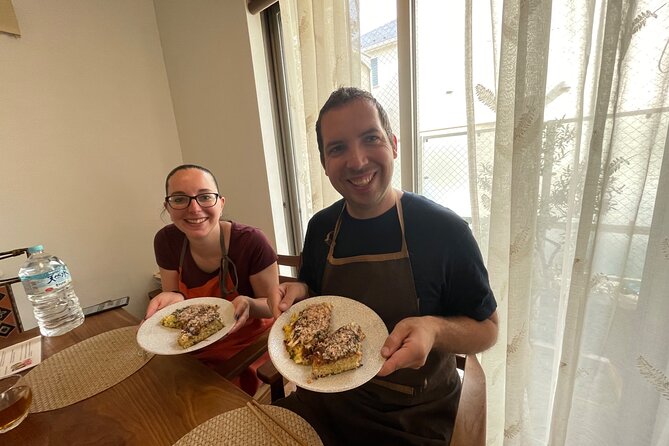
It is also a good match for a family visit. One participant brought a grandmother, and the class worked well as a shared activity. The teacher was patient and helped make the experience comfortable for both generations. Since you cook together and eat together, it gives a family more to talk about than a standard restaurant stop.
Vegetarians and vegans should also consider it, provided they share their needs ahead of time. The flexible filling choices and stated dietary adjustments make this more practical than a fixed-menu class.
You may want to skip it if you dislike cooking in a private home, need a fully formal culinary lesson, or have only a short layover in Tokyo. The class is intimate and personal, not a fast sightseeing activity. It also requires you to reach Asagaya and then return to the station when finished.
Booking, timing, and cancellation details
The activity is usually booked about seven days ahead, so I would not leave it until the last day of your Tokyo stay. Confirmation is normally issued when you book. If you reserve within nine hours of the start time, confirmation comes as soon as possible and depends on availability.
A mobile ticket is provided, and service animals are allowed. The activity is near public transportation, with the meeting and return point at Asagaya Station.
You can cancel for a full refund up to 24 hours before the start time. Cancellations or changes made within 24 hours are not accepted for a refund, and the cut-off uses local Tokyo time. That policy is worth noting if your train plans or flight schedule are still uncertain.
The final call
Book this class if you want to learn a dish you can repeat, meet an English-speaking local host, and spend two hours in a Tokyo home rather than a standard tourist venue. The strongest reasons are the five-person limit, Eri’s practical advice on fluffy okonomiyaki, and the ingredient substitutions you can use after Japan.
Skip it if $150 feels too steep for a short meal lesson or if your main goal is simply to eat okonomiyaki. For the right food-focused visitor, though, the class offers something more lasting than lunch: you leave knowing how to mix, cook, flip, top, and adapt the dish to your own kitchen.
FAQ
Where does the okonomiyaki class meet?
You meet at NewDaysJapan outside the JR Asagaya Station ticket gates, on the second-floor concourse in Suginami City, Tokyo.
Where does the cooking take place?
The cooking takes place at Eri’s home, a short distance from Asagaya Station. The home setting is intended to feel more like a local visit than a studio class.
How long does the activity last?
The class lasts approximately two hours, including the cooking, side dish preparation, and meal.
How many people can join?
The maximum group size is five people.
Is the class taught in English?
Eri speaks English well enough to teach the cooking process and answer questions.
Can I request vegetarian or vegan food?
Yes. Vegetarian and vegan options are available, and adjustments can be made for other dietary restrictions.
What food will I prepare?
You will make Osaka-style okonomiyaki and stir-fried pork and kimchi while the okonomiyaki cooks.
What is the cancellation policy?
You can cancel up to 24 hours before the start time for a full refund. Cancellations or changes within 24 hours are not refunded or accepted.
New on our Tokyo list
- Sumi-e Experience in a relaxing green tea shop in Tokyo★ 5.0 · 3 reviews
- Tokyo : Kamikaze Street Drift Ride★ 5.0 · 3 reviews
- Private Zen Meditation in English in Shinjuku, Tokyo★ 5.0 · 3 reviews
- Onsen Spa in Tokyo and Asakusa Bar Hopping with Local Guide★ 5.0 · 3 reviews
- Easy for everyone! Now you can play handmade mini shamisen and show off to everyone! Musical instruments, sweets and live music★ 5.0 · 3 reviews
- Tokyo: Private Tsukiji Street Food & Sake with Local Guide★ 5.0 · 3 reviews
- Mt Fuji Exploration Tour with Free Japanese Kusa Mochi from Tokyo★ 4.5 · 3 reviews
- Tokyo Tsukiji Fish Market Walking and Exploring Hidden Gems Tour★ 5.0 · 3 reviews
Japanese Cooking Classes, compared.
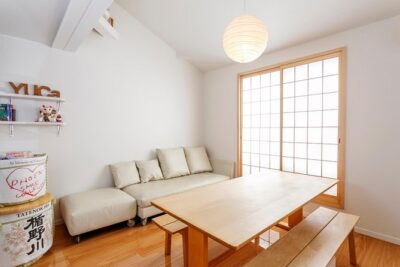
Ramen & Gyoza Cooking Class in Tokyo with Local Supermarket Visit
Read our review →
Easy Ramen Cooking Experience in Kabukicho, Shinjuku
Read our review →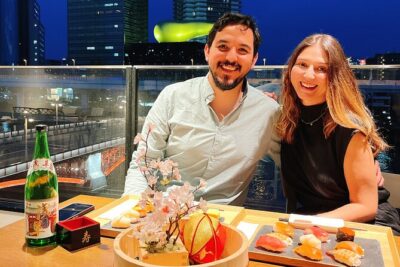
Ramen and Sushi Cooking Class with Sake Pairing Set in Tokyo
Read our review →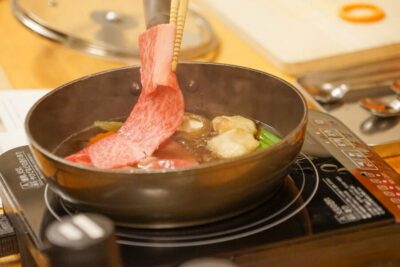
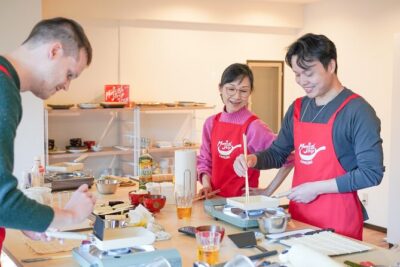
Tokyo Washoku 4-hour Cooking Class: From Market to Table
Read our review →
TokyoSumoShow, ChickenHotPot, and Mochi-Pounding by Pro Wrestlers
Read our review →
Professional Ramen & Gyoza with Ramen Chef in a restaurant!
Read our review →
Small-Group Wagyu Beef and 7 Japanese Dishes Tokyo Cooking Class
Read our review →Browse the lists this tour appears in