
Reviewed · SUMO EXPERIENCES
Sumo Morning Training Watch in Tokyo,Hotel-pickup w/English guide
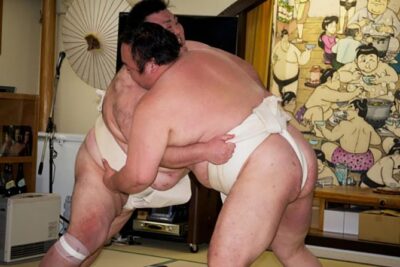
You may sit just a few feet from professional wrestlers as they stretch, stamp, grapple, and push one another across the practice ring. This is not a staged show. It is a working morning at a real sumo stable, where athletes train under strict rules and close supervision.
I like the included hotel pickup and the English-speaking guide, especially because finding a stable on your own can be tricky. I also like the chance to watch hard, repetitive training rather than only seeing polished bouts at a tournament. The main consideration is that the 7:30 am start is early, transportation often involves walking and public transit, and one poorly prepared guide could make the silent training session harder to follow.
In This Review
- Key Points
- Inside a Working Sumo Stable
- Why the 7:30 am Start Matters
- Learning the Rules Before the First Bout
- Silence, Cushions, and a Very Close View
- The Trip Through Tokyo Adds Context
- Is $159.88 a Fair Price?
- When the Tour Is Not Available
- Who Will Enjoy This Most
- Practical Tips for a Better Morning
- Should You Book This Sumo Morning Training?
- FAQ
- What time does the sumo training tour start?
- How long does the experience last?
- Is hotel pickup included?
- Is hotel drop-off included?
- Does the tour include an English-speaking guide?
- Can I take photos with the sumo wrestlers?
- When is this program unavailable in 2025?
Key Points
- Watch from remarkably close range: Sit on cushions near the ring while wrestlers perform drills and practice bouts.
- See the work behind the sport: Expect leg, hip, and upper-body exercises before the serious matches begin.
- Travel with a guide from your hotel: Pickup helps you manage Tokyo trains and buses, though hotel drop-off is not included.
- Learn while staying quiet: Guides may use notes, handouts, sketches, or a dry erase board during training.
- Photos may follow the session: Depending on the stable and schedule, you may meet wrestlers for pictures afterward.
- Plan around the sumo calendar: The program is unavailable during several 2025 date ranges, so check before booking.
Inside a Working Sumo Stable
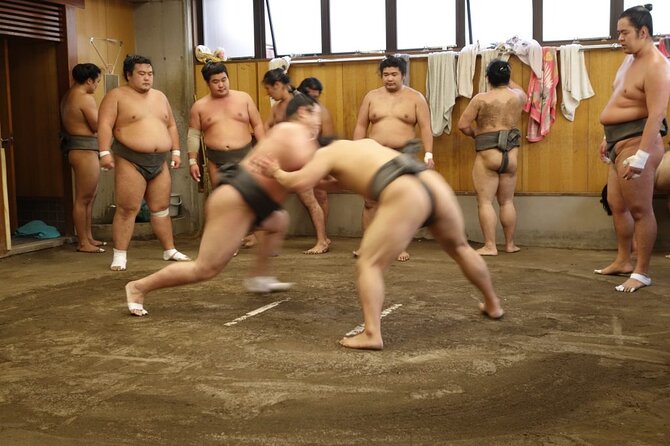
The appeal here is simple: you are not watching a performance arranged for tourists. You are observing professional wrestlers doing the daily work that supports their careers.
The morning can begin with basic exercises. These focus on the legs, hips, and upper body, along with strength-building routines. You might see stretching, repeated movements, and wrestlers pushing one another across the floor. The routines can look slow at first, but the physical effort becomes clear once the wrestlers move into contact drills.
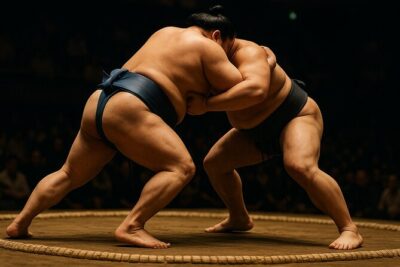
The practice matches are the main event. Two wrestlers face one another at a time, and the bouts can be sudden and forceful. You are close enough to hear the impact, which gives the sport a very different feel from watching a tournament in a large arena.
Other wrestlers may continue stretching or working through drills nearby. A stable master or senior figure might correct a wrestler’s technique or call him aside after a mistake. That working atmosphere is important. You are seeing training, not a tidy demonstration with every move explained aloud.
The session often lasts around 90 minutes to two hours, depending on the stable and the day. The overall tour lasts about three hours, including the trip from your hotel and the return toward the city.
More sumo mornings:
- Tokyo: Sumo Show Experience with Chicken Hot Pot and a Photo
★ 4.8 · 6,678 reviews - Tokyo: Sumo Show and Dining Experience
★ 4.8 · 2,742 reviews - the SUMO show
★ 5.0 · 1,960 reviews
Why the 7:30 am Start Matters
Morning training is part of the experience, not just an inconvenient tour time. Sumo stables train early, so you need to be ready at your hotel by the arranged pickup time, with no slow breakfast beforehand.
The early start also helps you see the wrestlers in a focused setting. The room is quiet, the training is underway, and there is little of the noise or showmanship associated with a public tournament.
Hotel pickup is a real advantage in Tokyo. The stable can be difficult to find, and several participants have relied on their guide to manage trains, buses, and walks through local neighborhoods. The guide may meet you in the lobby, take you through the transport system, and explain sumo on the way.
Do not assume pickup means a private vehicle. Several guides have taken participants by subway, bus, or on foot. Bring comfortable walking shoes and a charged transit card such as Suica. You pay for food and drinks separately, and the tour does not include hotel drop-off.
Learning the Rules Before the First Bout
Sumo has many rituals that can seem mysterious when you first watch it. The guide explains the basic rules, the meaning of the movements, and the traditions behind the sport before training begins.
This preparation makes a real difference. Without it, you may see two huge athletes standing in a ring and wonder why they spend so long stamping, stretching, or facing each other before the bout starts.
Depending on the guide, the teaching style can vary. Guides such as Koichiro Shimotamari, Hiro, Atsushi, Mari, Midori, Yuka, Hiromi, Kyoko, and Tadashi Umebayashi have been praised for explaining details, answering questions, and helping with the public transportation.
Some guides provide handouts. Others sketch techniques or write notes during the practice. Hiro, for example, used a dry erase board so questions could be asked without disturbing the wrestlers. This is a smart solution because visitors are expected to remain quiet while training is in progress.
You should ask questions before or after the session, and use the quiet viewing time to watch closely. A good guide can point out who is who, explain the purpose of a drill, and clarify what happened in a bout. One participant had a less helpful guide who offered little explanation beyond the stable rules. That appears to be the exception, but it is a fair reminder that the guide matters greatly here.
Silence, Cushions, and a Very Close View
The training room is not a theater. You may sit on cushions near the ring, sometimes only a few feet from the wrestlers. That closeness is thrilling, but it also means you must follow the stable’s rules carefully.
Talking during training is not allowed. Your guide may communicate with you in writing, point out details quietly, or save the explanation for a break or the trip afterward.
Low seating is part of the traditional setting. The tour information notes cushions, and one participant said low chairs may be brought in for those who need them. Getting down to the floor and standing up again could still be uncomfortable for some people, so keep your physical comfort in mind when deciding.
Most people can participate, and the group is limited to a maximum of 15. A smaller group can make it easier to see the ring and ask questions. On one particularly quiet morning, a couple had the practice session almost to themselves, which allowed for more interaction afterward.
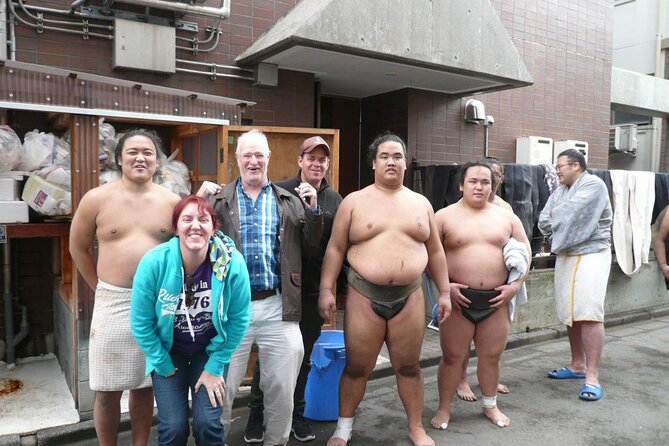
You should not expect a guaranteed photo opportunity during every visit. Photos with wrestlers may be possible after training, depending on the stable and the schedule. Several participants did get pictures, sometimes with a couple of wrestlers who kindly stayed behind after the session.
A few more Tokyo bookings worth comparing
- Tokyo: Sumo Morning Practice Viewing Tour
★ 4.8 · 570 reviews - Tokyo: Sumo Morning Training Visit
★ 4.4 · 370 reviews - Tokyo: Sumo Morning Practice Tour at Sumida City
★ 4.8 · 308 reviews - Tokyo Sumo Morning Practice Tour at Stable
★ 5.0 · 298 reviews
The Trip Through Tokyo Adds Context
The ride to the stable is not dead time. Your guide can explain Japanese customs, sumo terms, and what you are seeing as you move through the city.
Some guides have added a brief stop at a local shrine or temple on the way back to the station. Others have answered questions about Tokyo, suggested places to visit, or helped participants reach their next destination. One guide even made sure a group could continue to its next stop after the tour.
These extras depend on time, route, and the individual guide. They are not separate scheduled attractions, so do not book this expecting a sightseeing tour of shrines or neighborhoods. Still, the local setting helps you see sumo as part of everyday Japanese culture rather than an isolated attraction.
The transport portion also explains why hotel pickup is worth paying for. Tokyo’s train network is efficient, but a stable address may not be obvious, and a small timing mistake could mean missing the opening exercises. An English-speaking guide removes much of that stress.
Is $159.88 a Fair Price?
At $159.88 per person, this is not a budget activity. You are paying for access that is difficult to arrange independently, a nationally licensed English-speaking guide, hotel pickup, and help with transportation.
The value depends on what you want from sumo. If you only want to see a match, a tournament ticket or televised bout may cost less. If you want to understand how wrestlers train and see the sport from close range, this offers something a public match cannot.
The guide is a major part of the price. You receive cultural context, explanations of rules and rituals, help navigating Tokyo, and assistance communicating around a language barrier. The benefit is strongest if you are new to Japan or unfamiliar with sumo.
The price does not cover food, drinks, transit fares, or hotel drop-off. These are small costs compared with the tour fee, but they matter when you are building a morning budget. Bring water and eat before pickup, since there is no meal included and the early schedule leaves little room for stopping.
The experience receives a 4.9 rating from 72 reviews, with 97 percent recommending it. Those numbers suggest a consistently strong product, while the one clear complaint about limited guide explanation shows why you should view the tour as guide-dependent rather than completely fixed.
When the Tour Is Not Available
The program does not operate on these 2025 dates:
- May 10 through June 5
- June 26 through August 6
- September 13 through October 8
- October 23 through December 3
These long breaks appear tied to the sumo calendar and stable availability. Confirm your date before making plans, especially if you are visiting during one of the major tournament periods.
Your booking is confirmed within 48 hours, subject to availability. Since the activity is often booked 57 days ahead, early planning is sensible if your Tokyo dates are fixed.
You can cancel for a full refund up to 24 hours before the start time. Changes or cancellations inside that 24-hour window are not accepted for a refund, and the cutoff uses Tokyo local time.
Who Will Enjoy This Most
I would choose this for anyone with even a passing interest in sumo, Japanese customs, or sports training. You do not need to know the rules in advance. A good guide can give you the basics quickly, then help you notice the details that would otherwise pass by.
It works especially well for:
- First-time visitors who want a cultural activity beyond temples and shopping
- Sports fans interested in discipline, strength, and technique
- Families with older children who can remain quiet during training
- Visitors who prefer a working local setting to a staged cultural show
- People who want an English-speaking guide for Tokyo transport
- Couples or small groups willing to start early for a rare access opportunity
I would hesitate if you dislike floor seating, early mornings, silence, or public transit. The experience is also less suitable if you need a guaranteed photograph or a fully scripted schedule. The stable controls the training, and the session can differ from one morning to the next.
Practical Tips for a Better Morning
Wear shoes suitable for walking and bring a transit card with enough balance for the ride. You may travel by train or bus, and the route can include a walk through local streets.
Arrive in your hotel lobby a few minutes early. Guides have been praised for arriving promptly, but your own delay could affect the group and cause you to miss the start of training.
Eat before pickup and bring water. Food and drinks are not included, and there is no promise of a refreshment stop.
Keep your questions for the guide, not the wrestlers. During training, silence is part of respecting the stable. A notebook or phone used discreetly may help, but follow the guide’s instructions about photography and devices.
Ask for explanations after the session if you want more detail. Some guides offer an informal walk, shrine visit, or help reaching your next destination, but those additions depend on the day.
Should You Book This Sumo Morning Training?
Book it if you want the real working side of sumo, not just a ceremonial introduction. The chance to sit close to active wrestlers, watch serious practice bouts, and see the repetition behind the sport is special.
The strongest reason to pay the premium is the guide. Pickup, public-transit help, quiet explanations, and local advice turn a difficult-to-arrange visit into a manageable morning. Koichiro, Hiro, Mari, Midori, Yuka, Hiromi, Kyoko, Atsushi, and Tadashi Umebayashi have all been singled out for thoughtful help, though guide quality can vary.
Skip it if you want a late start, private transport, a meal, or a guaranteed photo. For everyone else, this is one of Tokyo’s more unusual cultural activities, with genuine access and very little theatrical polish. Bring good shoes, respect the silence, and let the wrestlers’ work speak for itself.
FAQ
What time does the sumo training tour start?
The tour starts at 7:30 am.
How long does the experience last?
The experience lasts approximately three hours.
Is hotel pickup included?
Yes. Hotel pickup is included in the tour price.
Is hotel drop-off included?
No. Hotel drop-off is not included.
Does the tour include an English-speaking guide?
Yes. A nationally licensed English-speaking guide accompanies the tour.
Can I take photos with the sumo wrestlers?
You may have the chance to take photos with wrestlers after training, depending on the stable and the schedule.
When is this program unavailable in 2025?
The program is unavailable from May 10 to June 5, June 26 to August 6, September 13 to October 8, and October 23 to December 3.
New on our Tokyo list
- From Tokyo: Mount Fuji & Hakone Full Day Private Tour★ 4.9 · 25 reviews
- Tokyo Spectacular View Day-Cruise in 90 Minutes★ 5.0 · 25 reviews
- Real Tokyo Runner Club : Daikoku Car Meet Night Tour with JDM Car★ 5.0 · 25 reviews
- 2.5 Hour-Guided Cycle Tour in the Central Tokyo★ 5.0 · 25 reviews
- Ramen Making from Scratch +Akihabara Tour –Cooking Class★ 5.0 · 25 reviews
- [Self-Drive] Tokyo & Daikoku Custom Car Driving Tour★ 4.9 · 25 reviews
- Tokyo: 2-Hour Night Bike Tour of the City’s Hidden Gems★ 4.9 · 25 reviews
- Samurai themed Entertainment show in Shinjuku★ 4.5 · 25 reviews
Sumo Experiences, compared.
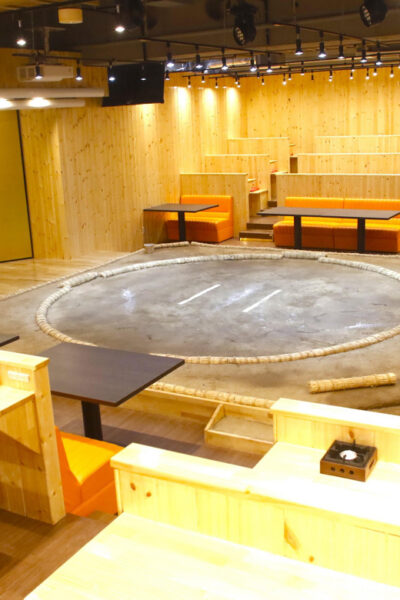
Sumo Show Experience with Chicken Hot Pot and a Photo
Read our review →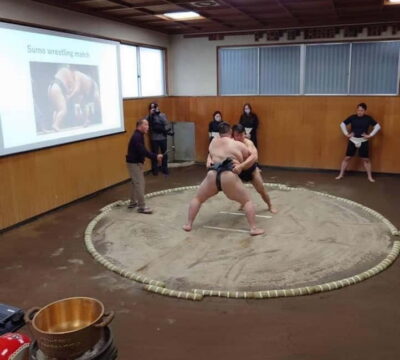
Tokyo Shinjuku Sumo Show & Experience with Photo
Read our review →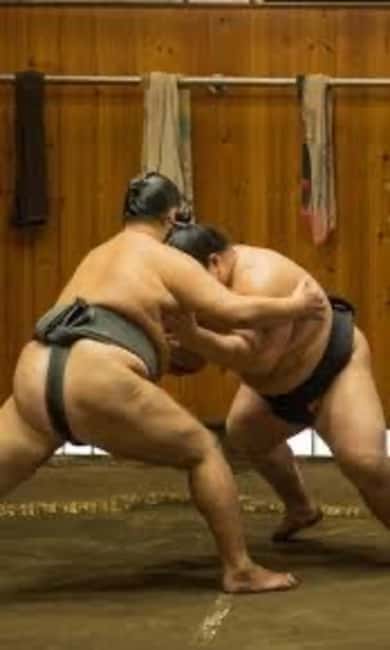

Authentic Sumo Experience in Tokyo: Enter the Sanctuary
Read our review →
Luxury Sumo Show Experience & Japanese cuisine & Drink
Read our review →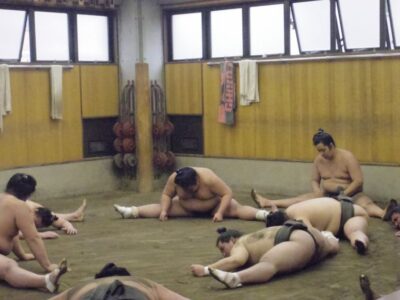
Browse the lists this tour appears in