
Reviewed · TEMPLE & SHRINE TOURS
Tokyo Asakusa Sensoji Temple Night Walking Tour
Asakusa takes on a different feel after sunset. The red lantern at Kaminarimon Gate glows over the entrance to Sensoji, the old shopping street quiets down, and the walk ends among small pubs on Hoppy Street. You get a useful first look at one of Tokyo’s most traditional neighborhoods without spending half a day on it.
I like the small group limit of eight and the easy meeting point near public transport. I also like the route itself: it moves from temple sights to snack shops, old amusement-park streets, and local drinking spots. The main catch is timing. Sensoji’s main hall closes at 6pm, so this is mainly an evening exterior tour, not a chance to explore the temple interior.
In This Review
- Key Points to Know Before You Book
- Why This Asakusa Walk Works Best at Night
- Meeting at the Asakusa Culture Tourist Information Center
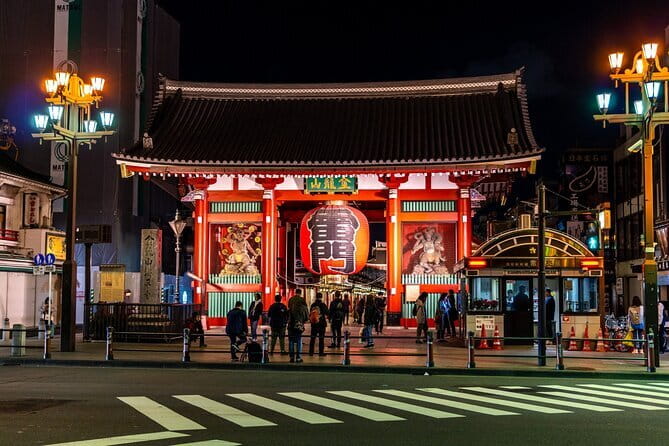
- Kaminarimon Gate and the Big Red Lantern
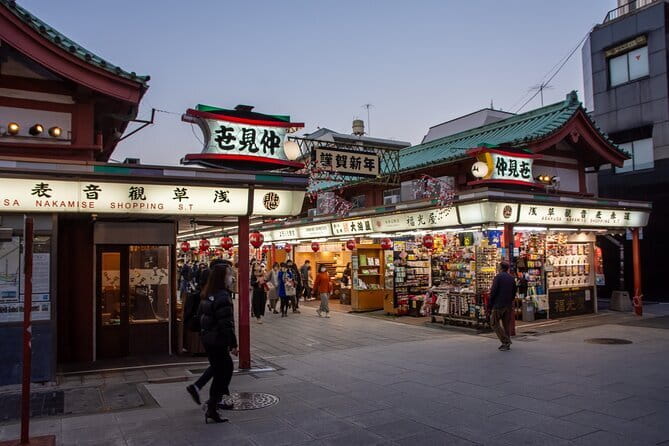
- Nakamise Shopping Street: Snacks and Souvenirs
- Sensoji Temple Without the Daytime Interior Visit
- Hanayashikidori and Old Tokyo Atmosphere
- Hoppy Street and the Taste of Asakusa Nightlife
- Guide Yugo and the Value of a Small Group
- Who Will Get the Most From This Tour
- Timing, Cancellation, and Practical Value
- Should You Book the Asakusa Night Walk?
- FAQ
- How long does the Tokyo Asakusa Sensoji Temple Night Walking Tour last?
- How much does the tour cost?
- Where does the tour begin?
- Where does the tour end?
- Can I enter Sensoji Temple during the evening tour?
- How many people can join the tour?
- Is the tour near public transportation?
- Can I cancel for a full refund?
Key Points to Know Before You Book
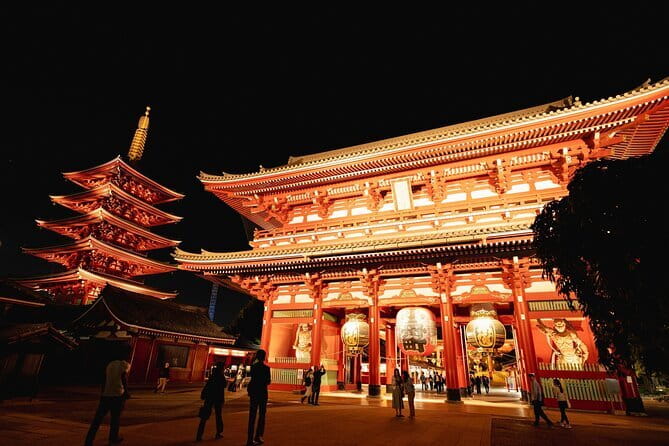
- Kaminarimon after dark: See Sensoji’s famous red lantern and the wind and thunder guardians with fewer daytime crowds.
- A compact 90-minute route: Cover five stops in one evening without committing to a long walking tour.
- Only eight people per group: The capped size should make it easier to hear the guide and ask for food or nightlife advice.
- Sensoji is mostly an outdoor stop: The main hall closes at 6pm, so interior access may not be possible.
- A useful ending on Hoppy Street: Finish near izakayas serving Hoppy, yakitori, oden, and other Japanese pub food.
- A $35 orientation to Asakusa: The price pays for a local guide, neighborhood context, and practical ideas for the rest of your stay.
Why This Asakusa Walk Works Best at Night
Asakusa is one of the easiest places in Tokyo to connect a famous sight with everyday neighborhood life. The Sensoji complex provides the grand setting, while the streets around it offer snacks, souvenirs, restaurants, cafés, and old-fashioned nightlife.
This tour uses that contrast well. You begin at a major landmark, walk through the approach to the temple, then move toward Hanayashikidori and Hoppy Street. The route is short enough to fit into a busy Tokyo schedule, but varied enough that it does not feel like a single photo stop.
The timing also changes the mood. Asakusa can be crowded during the day, especially around Kaminarimon and Nakamise Shopping Street. In the evening, you can take in the illuminated gates and temple grounds at a slower pace. Shops may be closing, so you should not expect the full daytime shopping experience, but the quieter setting is part of the appeal.
At $35 per person, this is not the cheapest way to see a temple from the outside. Its value comes from the guide and the sequence of stops. You are paying for a local introduction to Asakusa, plus suggestions about where to eat and drink after the walk. If you already know the area well, the price may feel less worthwhile. For a first evening in Tokyo, it is a sensible way to get your bearings.
More temples and shrines near Tokyo:
- Tokyo: Meiji Shrine, Asakusa, Skytree Bus Tour and Cruise
★ 4.7 · 1,986 reviews - Tokyo: Asakusa Walking Tour with Sensoji Temple Visit
★ 4.8 · 1,583 reviews - Nikko: Kegon Falls, Lake Chuzenji & Toshogu Temple
★ 4.6 · 1,577 reviews
Meeting at the Asakusa Culture Tourist Information Center
The tour begins at the Asakusa Culture Tourist Information Center, at 2-chome-18-9 Kaminarimon in Taito City. This is a practical meeting point near public transportation and close to the first stop.
Give yourself enough time to locate the building and find the guide. A central meeting point sounds simple, but Asakusa has several busy streets and entrances around the temple district. Keep the mobile ticket available on your phone, since confirmation is provided at booking and the activity uses mobile tickets.
The group is limited to eight people. That matters on a walking tour because the streets around Sensoji can be busy and noisy. A small group usually makes it easier to stay together, hear explanations, and ask questions about restaurants or local customs.
The tour requires a moderate level of physical fitness. You will be walking for about an hour and a half, with stops rather than a long continuous march. The supplied details do not list special accessibility arrangements, so you should check directly if you have mobility needs that require specific support.
Kaminarimon Gate and the Big Red Lantern
The first stop is Kaminarimon, or Thunder Gate, the best-known entrance to Sensoji. Its enormous red lantern makes an obvious first photograph, but the gate has more to see than its size.
On either side are statues of Fujin and Raijin, the gods of wind and thunder. Your guide can help you notice these figures instead of simply stopping beneath the lantern, taking a picture, and moving on. The planned visit lasts about 10 minutes, which is enough for photographs and a short explanation.
Night is a good time to see the gate because the lantern becomes the center of attention. During the day, people often crowd the area for the same photograph. After dark, the light gives the gate a more theatrical look, while the surrounding streets begin to feel less hurried.
This stop is free, as are all the listed stops on the route. That does not mean the tour lacks cost considerations. You are not paying entrance fees here, so the $35 price is entirely for the guided experience and the time saved in choosing and connecting the sights.
Nakamise Shopping Street: Snacks and Souvenirs
From Kaminarimon, you continue along Nakamise Shopping Street toward Sensoji. The street is lined with shops selling traditional snacks, souvenirs, and crafts. It is the most obvious place on the route to pick up a small keepsake.
A daytime visit gives you the fullest shopping selection, but an evening walk offers a different benefit. The guide can point out the character of the street and suggest items or food to look for, even if some shops are closed or winding down by the time you arrive.
You might find traditional Japanese sweets, small crafts, and souvenir goods here. The tour description does not promise a particular shop or product, so treat the stop as an introduction rather than a dedicated shopping session.
I would avoid planning your entire souvenir haul around this walk. Instead, use Nakamise to notice what appeals to you, then return during opening hours if you want more time to browse. The tour includes roughly 10 minutes here, so you will need to keep moving.
More Asakusa visits:
- Tokyo: Japanese Dance Cabaret Theater Asakusa-Kaguwa Ticket
★ 4.8 · 2,270 reviews - Tokyo: Roll and Authentic Sushi Making Class in Asakusa
★ 4.9 · 1,957 reviews - Tokyo Asakusa Rickshaw Tour
★ 5.0 · 1,375 reviews - Tokyo Panoramic 1 Day: Meiji Shrine, Asakusa, Odaiba and SKYTREE®
★ 4.5 · 1,222 reviews
Sensoji Temple Without the Daytime Interior Visit
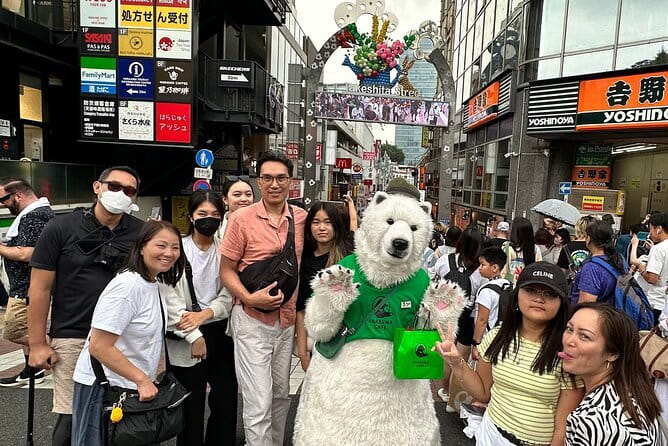
Sensoji is the heart of the walk. It is one of Tokyo’s oldest and best-known temples and is dedicated to Kannon, the goddess of mercy. The grounds and gates give you a strong sense of the district’s identity, even when the main hall is closed.
The planned stop lasts about 30 minutes, the longest single visit on the route. That gives the guide time to explain the temple area and point out the major visual details. You can expect this part to focus on the exterior and grounds in the evening.
The important limitation is clear: the main hall closes at 6pm, so you may not be able to enter. If stepping inside the hall is your main reason for visiting Sensoji, book a daytime visit separately. This tour should not be treated as a substitute for seeing the interior.
That limitation may disappoint some people. One customer specifically wished the temple had remained open and suggested starting the tour about 30 minutes earlier. That is useful advice if interior access matters to you. On the other hand, a later start gives you the quieter atmosphere that makes the evening route appealing.
Think of this as a night view of Sensoji, not a complete temple visit. You get the gates, grounds, lighting, and setting, along with a guide’s context. You will need another visit for the main hall if it is open to you during your trip.
Hanayashikidori and Old Tokyo Atmosphere
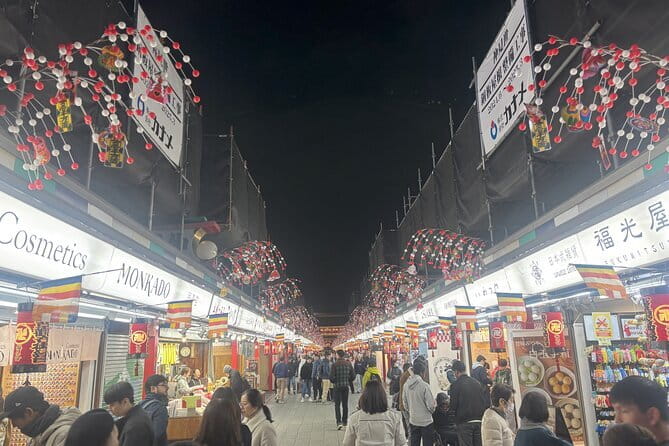
The route then moves to Hanayashikidori, a lively street near Sensoji named for Hanayashiki, Japan’s oldest amusement park. The street has shops, restaurants, and cafés, with traditional snacks, souvenirs, and local food along the way.
This is where the tour shifts from major temple landmark to neighborhood wandering. The street offers a nostalgic sense of old Tokyo, though you should not expect a museum-style presentation. The appeal is in seeing how small businesses, food stops, and entertainment fit around the temple district.
The planned visit lasts about 20 minutes. That is enough to walk the area and hear suggestions, but not enough for a full meal or extended shopping. If something catches your eye, make a note and return later.
This stop is especially useful if you want to do more than photograph Sensoji. Tokyo can feel enormous and hard to read at first. A guide-led walk through a smaller district helps you identify streets you might otherwise pass without understanding their character.
Hoppy Street and the Taste of Asakusa Nightlife
The final stop is Hoppy Street, where the tour ends. This street is known for izakayas, Japanese pubs that serve food with drinks, and for Hoppy, a local beverage associated with casual neighborhood drinking.
The atmosphere here is more relaxed than formal. You might find yakitori, or grilled chicken skewers, and oden, a hot pot dish, alongside drinks. The route does not state that food or drinks are included, so plan to pay separately if you decide to stay for a bite.
Ending here is a smart choice. You finish with a practical question answered: where should I eat or have a drink tonight? The guide can offer ideas along the way, and the final location puts you near places where you can continue the evening on your own.
Hoppy Street will suit you if you enjoy informal food and drink settings. It may be less appealing if you want a quiet, polished restaurant or a structured tasting. The tour gives you the setting and local pointers, but it does not promise a meal, reserved seating, or a guided tasting.
Guide Yugo and the Value of a Small Group

A customer singled out Yugo as welcoming and well informed, especially with a family group. That personal detail matters because a short walking tour depends heavily on the guide’s manner. A good guide needs to keep eight people together, explain the sights clearly, and make recommendations that fit different interests.
The tour provider is Japan Wonder Travel. The available information identifies Yugo by name in the feedback, but it does not say that Yugo leads every departure. Your guide may be someone else, so book this for the route and format rather than for a guaranteed individual guide.
The eight-person cap is one of the better features here. Large groups can turn a narrow street walk into a slow procession, and it can be hard to ask a question without losing the guide. With fewer people, you have a better chance to discuss food, shopping, or what to see next.
The rating is 4.9 from 19 ratings, with 100 percent recommending the experience. That is a strong signal, though the sample is still small. The most useful practical point is not simply the score. It is the repeated emphasis on the guide’s welcoming approach, balanced against the concern about Sensoji’s closing time.
Who Will Get the Most From This Tour
I would choose this walk if you are visiting Tokyo for the first time and want a simple introduction to Asakusa. It works well on your first or second evening because you finish with clear ideas for where to eat and what streets deserve a return visit.
It also suits you if you enjoy walking, local food districts, historic buildings, and small groups. Families can use the short route and clear sequence of stops, while solo visitors may appreciate meeting a few other people without joining a large crowd.
History fans should keep their expectations measured. You will see an important temple and hear about the area, but the tour lasts only 90 minutes. It is an orientation, not a full historical lecture or a specialist temple study.
You may want to skip it if you have already spent considerable time in Asakusa or if your priority is entering Sensoji’s main hall. In that case, visit the temple independently earlier in the day and spend your evening elsewhere.
The tour is also not a full food tour. You will pass through places known for snacks, pubs, and local dishes, but the price does not include listed food or drinks. Book it for neighborhood guidance, not for a guaranteed dinner.
Timing, Cancellation, and Practical Value
The experience lasts about one hour and 30 minutes. The listed stops add up to 90 minutes: 10 minutes at Kaminarimon, 10 at Nakamise, 30 at Sensoji, 20 at Hanayashikidori, and 20 at Hoppy Street.
The schedule is tight but logical. It gives the temple the most time, then leaves enough room for the streets where you may want to linger afterward. If you hope to shop or eat during the tour, keep in mind that the group needs to stay on schedule.
This experience is booked an average of 25 days in advance. That suggests you should reserve ahead if your Tokyo dates are fixed, especially since each group holds no more than eight people.
Free cancellation is available up to 24 hours before the start time for a full refund. Changes or cancellations made less than 24 hours before the start time are not accepted for a refund, and cut-off times follow local Tokyo time. That policy gives you some flexibility, but do not wait until the last evening to decide.
Should You Book the Asakusa Night Walk?
Book this tour if you want a short, social introduction to Asakusa with a clear route and a local guide. The best parts are the night view of Kaminarimon and Sensoji, the small group size, and the useful finish near Hoppy Street.
Do not book it expecting to enter Sensoji’s main hall or receive a full meal. If temple interiors are essential, visit earlier in the day. If casual Japanese nightlife interests you, the ending gives you a good place to continue exploring.
At $35, I see fair value for a first-time visitor who wants context and direction without spending a full day. The tour does not cover every corner of Asakusa, but it gives you a well-paced starting point and leaves you near food, drink, and further exploring.
FAQ
How long does the Tokyo Asakusa Sensoji Temple Night Walking Tour last?
The tour lasts approximately 1 hour and 30 minutes.
How much does the tour cost?
The listed price is $35 per person.
Where does the tour begin?
It begins at the Asakusa Culture Tourist Information Center, 2-chome-18-9 Kaminarimon, Taito City, Tokyo.
Where does the tour end?
The tour ends on Hoppy Street, at Hoppy St, 2-chome-8 Asakusa, Taito City, Tokyo.
Can I enter Sensoji Temple during the evening tour?
You may not be able to enter the main hall because it closes at 6pm. The tour includes the Sensoji stop, but interior access is not guaranteed.
How many people can join the tour?
The group has a maximum of eight travelers.
Is the tour near public transportation?
Yes. The meeting point is near public transportation.
Can I cancel for a full refund?
Yes, if you cancel at least 24 hours before the experience start time. Cancellations made less than 24 hours in advance are not refunded.
More Evening Experiences in Tokyo
- Tokyo Night Foodie Tour in Shinjuku – Seasonal Sushi, Wagyu Beef
★ 5.0 · 1,161 reviews - Tokyo: Daikoku JDM Car Meet & Night Car Culture Tour
★ 4.8 · 626 reviews - Tokyo After 5: Authentic Japanese Food & Drink Night Tour
★ 4.5 · 560 reviews - EVO, WRX, Skyline – JDM Night Run to Daikoku Car Meet
★ 4.9 · 478 reviews
More Walking Tours in Tokyo
- Tokyo Tsukiji Fish Market Food and Culture Walking Tour
★ 5.0 · 3,184 reviews - Tokyo: Imperial Palace and Shogun Historical Walking Tour
★ 5.0 · 2,251 reviews - Tokyo: Shinjuku Local Bar and Izakaya Guided Walking Tour
★ 4.9 · 1,794 reviews - Tokyo: Tsukiji Fish Market Food and Walking tour
★ 5.0 · 1,724 reviews
New on our Tokyo list
- Sumi-e Experience in a relaxing green tea shop in Tokyo★ 5.0 · 3 reviews
- Tokyo : Kamikaze Street Drift Ride★ 5.0 · 3 reviews
- Private Zen Meditation in English in Shinjuku, Tokyo★ 5.0 · 3 reviews
- Onsen Spa in Tokyo and Asakusa Bar Hopping with Local Guide★ 5.0 · 3 reviews
- Easy for everyone! Now you can play handmade mini shamisen and show off to everyone! Musical instruments, sweets and live music★ 5.0 · 3 reviews
- Tokyo: Private Tsukiji Street Food & Sake with Local Guide★ 5.0 · 3 reviews
- Mt Fuji Exploration Tour with Free Japanese Kusa Mochi from Tokyo★ 4.5 · 3 reviews
- Tokyo Tsukiji Fish Market Walking and Exploring Hidden Gems Tour★ 5.0 · 3 reviews
Temple & Shrine Tours, compared.
Meiji Shrine, Asakusa, Skytree Bus Tour and Cruise
Read our review →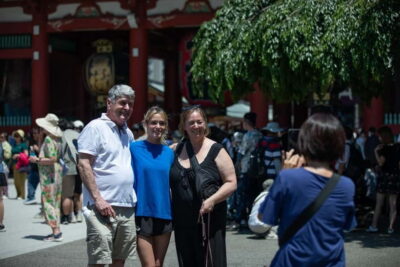
Asakusa Walking Tour with Sensoji Temple Visit
Read our review →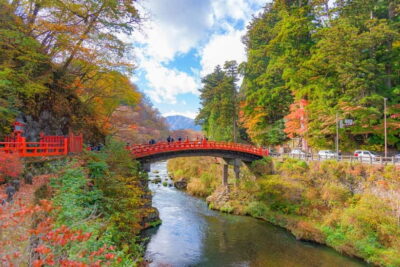
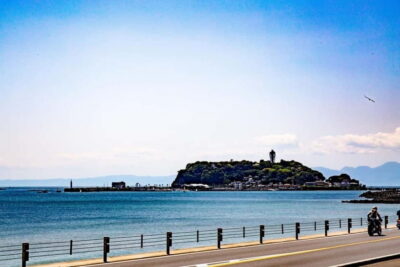
Kamakura & Enoshima Day Trip including Temple Tickets
Read our review →
Nikko Toshogu Shrine and Kegon Waterfall Tour
Read our review →
Tokyo Panoramic 1 Day: Meiji Shrine, Asakusa, Odaiba and SKYTREE®
Read our review →
Mt. Fuji Heritage Tour: Traditional Villages, Lakes & Shrine
Read our review →Browse the lists this tour appears in