
Reviewed · JAPANESE COOKING CLASSES
Tokyo Cute Bento Cooking Class – Make a Kawaii Character Lunchbox
Making a kawaii character bento turns lunch into a small craft project. At Tokyo Cute Bento in Akasaka, you shape prepared ingredients into pandas, dogs, bears, frogs, hearts, and seasonal designs, then sit down to eat your handiwork. Kenji and his team, including Mami, Yuzu, and Saori, guide each step in English.
I like the clear, beginner-friendly format, and I like that the class includes both cultural context and useful food skills. The main drawback is finding the venue: it is below street level, under a ramen shop, and one family had trouble locating the entrance.
In This Review
- Key things to know
- Making lunch into Japanese food art
- What happens during the 15-minute introduction
- The 60-minute character bento workshop
- Why families and adults both fit the class
- The 15-minute photography session
- Eating the finished bento
- Dietary needs and menu planning
- Finding the Akasaka meeting point
- Price, group size, and what you receive
- The best time to fit it into your Tokyo plan
- Should you book Tokyo Cute Bento?
- FAQ
- How long does the Tokyo Cute Bento class last?
- Where does the class meet?
- Is the class taught in English?
- Can the class accommodate vegetarian or vegan diets?
- How many people can join the class?
- Can I cancel for a full refund?
Key things to know
- A two-hour hands-on class: Spend about 15 minutes on bento culture, 60 minutes making food, 15 minutes taking photos, and 30 minutes eating.
- Character designs for all ages: Choose from cute themes such as panda, dog, bear, or frog, with designs that appeal to children, teenagers, and adults.
- English instruction: Kenji and the teaching team provide clear demonstrations, step-by-step images, and personal help as you work.
- Dietary requests are possible: Vegetarian and vegan menus are available, and the class can accommodate no-nut and no-milk requirements when you mention them at booking.
- A proper photo finish: Finished bentos are photographed against prepared backdrops, with lighting and background choices.
- Small group setting: The maximum is 12 people, so you should receive more help than in a large cooking school.
Making lunch into Japanese food art
Bento is more than food packed into a box. It is a Japanese way of arranging a meal so that color, balance, portions, and appearance all work together. This class gives you a friendly way to see that idea in action without requiring advanced cooking skills.
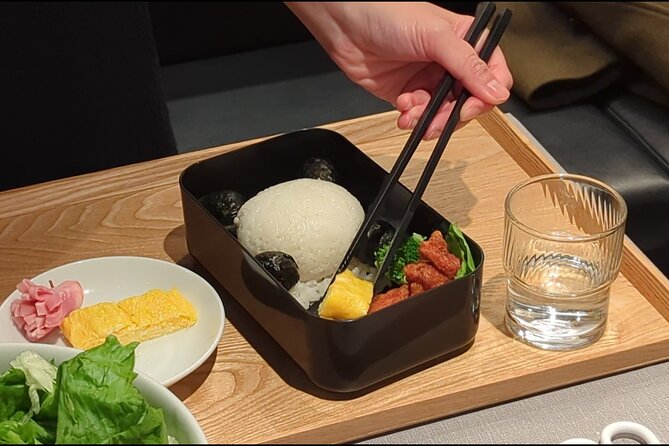
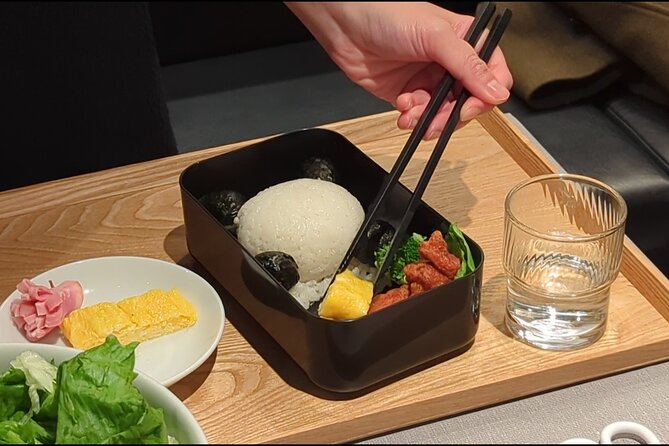
The focus is kawaii, or cute, food culture. Instead of simply filling a lunchbox, you use rice and other prepared ingredients to form faces, animals, flowers, and small decorative pieces. A panda or dog bento may look like a simple lunch from a distance, but the details require patience and a steady hand.
That is the useful lesson here. You begin to notice how small touches create expression: a pair of eyes, a shaped piece of food, or a careful arrangement of color. You also see why Japanese lunchbox preparation can take more time than simply placing leftovers in a container.
The class is not presented as a formal culinary course. It is a creative food workshop with enough instruction to help you succeed. That makes it a good choice if you want a cultural activity that feels relaxed and social, rather than another long sightseeing stop.
More cooking classes in Tokyo:
- Ramen & Gyoza Cooking Class in Tokyo with Local Supermarket Visit
★ 5.0 · 823 reviews - Tokyo: Easy Ramen Cooking Experience in Kabukicho, Shinjuku
★ 4.6 · 321 reviews - Ramen and Sushi Cooking Class with Sake Pairing Set in Tokyo
★ 5.0 · 291 reviews
What happens during the 15-minute introduction
The class starts with an introduction to Japanese bento culture. This takes about 15 minutes, so it should provide useful context without delaying the practical part of the session.
I like this opening because it gives meaning to the craft. You are not just copying a cartoon face. You learn why bento matters in Japanese daily life and how food presentation fits into the wider culture of washoku, or traditional Japanese cuisine.
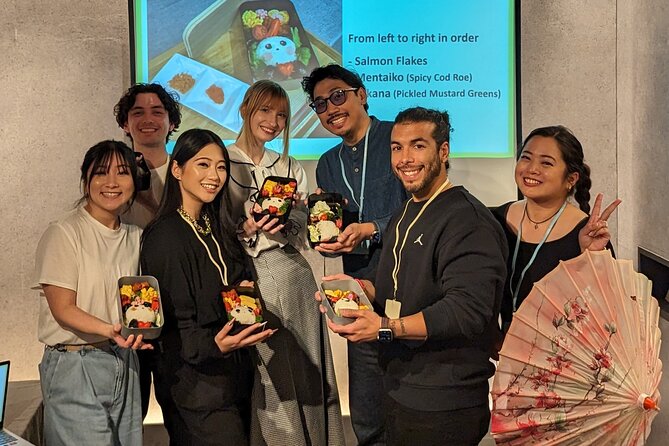
The instructors also explain the plan and show examples of the finished designs. Step-by-step photos and onscreen examples help you understand the process before you begin. This matters if you are the kind of person who likes to see the whole project before handling the ingredients.
Do not expect a long lecture on Japanese food history. The introduction is short by design. The real value comes from putting the ideas into practice during the next hour.
The 60-minute character bento workshop
The main part of the experience is hands-on. Ingredients and tools are provided, and the instructors lead you through the character design in manageable stages.
The prepared sets are a real advantage. You do not need to spend the class shopping, measuring, or preparing every ingredient from scratch. Instead, you can focus on shaping, arranging, and learning the techniques that make the bento look appealing.
Kenji is described as patient and encouraging, which is useful when your panda looks less like a panda than you hoped. The teaching team also keeps an eye on the work in progress and helps when a step feels tricky. You can expect guidance rather than a strict demonstration where everyone must work alone.
The class includes several small cute pieces, not only one large character. You might make a panda, dog, bear, or frog, along with hearts, flowers, or other decorations. The exact design can vary, so think of the themes as examples rather than a guaranteed menu for every session.
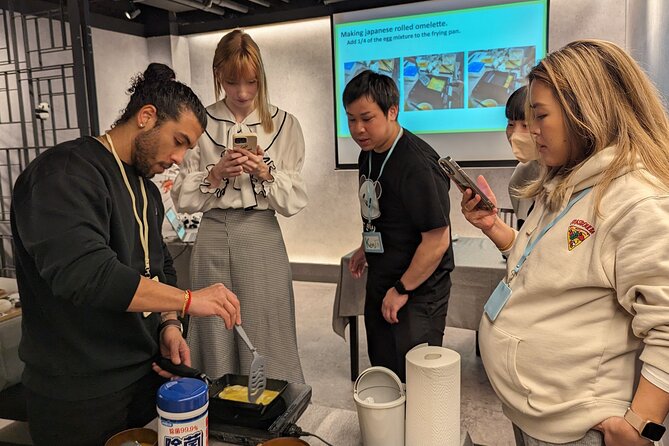
Some of the most useful techniques include shaping ingredients and making Japanese rolled omelet. One participant specifically enjoyed learning to make a traditional Japanese omelet, and another practiced omelet shapes and flowers. These are skills you can repeat at home, even if your future lunchboxes are much less elaborate.
The class works well for beginners because success does not depend on artistic talent. You receive visual examples, tools, prepared food, and direct help. Still, you should expect to work carefully. Cute food takes a little time, and rushing the final details can spoil the expression on your character.
Why families and adults both fit the class

This is an easy activity to share with children, especially children who like crafts, food, animals, or anime-style design. Families have made several different character boxes together, which gives each person a project of their own.
The class is not limited to young children. Teenagers, young adults, and solo participants can enjoy it too. One useful point is that a person attending alone can still have an intimate, welcoming session, particularly when the group is small.
I would be cautious about booking it for very small children. The activity involves detailed assembly and careful handling of food, and one parent specifically felt it was better suited to older children. The supplied information does not give a minimum age, so contact the provider if age is a concern.
Adults who enjoy food photography or creative hobbies may get as much from the class as children. The task is simple enough to be approachable, but detailed enough to hold your attention. It is also a good change of pace if your Tokyo schedule has been full of temples, department stores, and long walks.
A few more Tokyo bookings worth comparing
- Sushi Making Tokyo Roll and Authentic Japanese Sushi Class
★ 5.0 · 3,971 reviews - Tokyo: Roll and Authentic Sushi Making Class in Asakusa
★ 4.9 · 1,957 reviews - Tokyo Shinjuku Chopsticks Making Class
★ 5.0 · 1,763 reviews - Tokyo: Sushi Making Class in a Happi Coat near a Famous Spot
★ 4.9 · 1,377 reviews
The 15-minute photography session
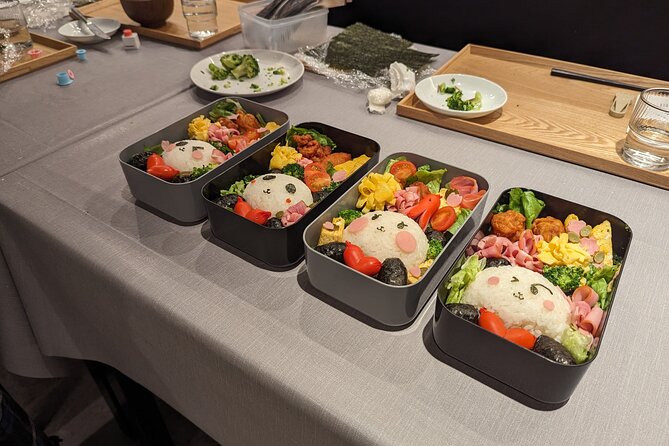
Once the bento is complete, the class shifts from food preparation to presentation. A photography session of about 15 minutes lets you record the finished box before you eat it.
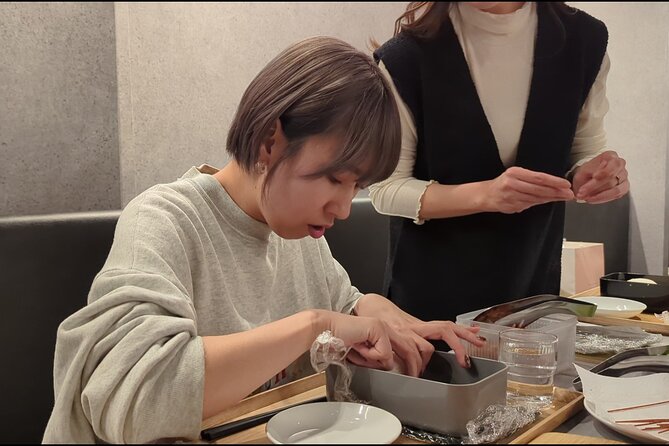
The setup includes prepared backdrops, lighting, and more than one background option. The instructors photograph the food as it develops and then take pictures of the finished product, along with photos of you and your creation.
This is more than a nice extra. A character bento is temporary, and its appearance is part of the fun. Taking photos gives you a keepsake even after lunch is gone. If you are making the class part of a family trip, the pictures also capture a shared activity rather than just another posed group shot.
Allow enough time to arrange your food before the photos. The final image will look best if the characters and decorative pieces are placed carefully. You may be tempted to start eating right away, but the photo period is short and worth using.
Eating the finished bento
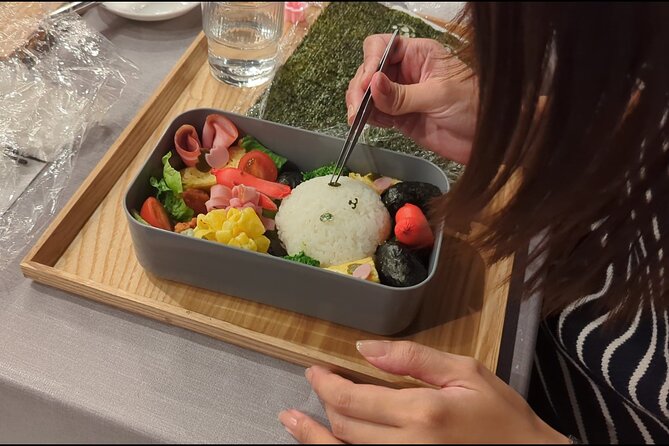
The final 30 minutes are set aside for eating. This gives you time to appreciate the result, compare designs, and see how the prepared ingredients taste.
The appearance gets most of the attention, but the food is not treated as decoration only. Several participants found the finished bento tasty, and one person was pleasantly surprised by the flavor after spending so much time admiring the design.
You can enjoy the bento during the class or take your creation with you, depending on the arrangements for your session. The experience description says you take home your creation, and one participant specifically appreciated keeping the bento box as a souvenir. Confirm the exact takeaway arrangement when booking if carrying food through the rest of your day matters to you.
There is a funny problem with this sort of class: your lunch may look too cute to eat. That hesitation is part of the pleasure, but the meal is intended to be enjoyed, not preserved.
Dietary needs and menu planning
Vegetarian and vegan options are available. The class can also accommodate no-nut and no-milk requirements, but you must provide that information when booking.
This is an important practical point. Do not wait until you arrive to explain an allergy or dietary restriction. The provider needs notice so the ingredients and preparation can be adjusted safely.
The supplied information does not list every ingredient or provide a separate menu for each dietary option. If you have a serious allergy, ask specific questions by email before your class. The provider says the workshop can be conducted entirely in English, so communication should be manageable.
The class has also accommodated vegetarian preferences without difficulty. That makes it a more useful choice than many food activities, where the cooking demonstration centers on meat or dairy and the alternative feels like an afterthought.
Finding the Akasaka meeting point
The meeting point is Tokyo Cute Bento Japan at 2-21, Akasaka 2-chome, Minato City, Tokyo 107-0052, in a basement-level space. The activity begins and ends at this location.
The most important arrival tip is to allow extra time to find the entrance. The venue is below street level and under a ramen shop, so it may not look like a cooking school from the street. One participant had trouble locating it, while another found the modern facilities very nice once inside.
Use the full address and look for the ramen shop connection rather than expecting a prominent street-front sign. If you are unsure, contact the provider by email before the day of the class. Being early is especially wise in Akasaka, where a few minutes spent circling the block can quickly become a missed start.
The venue is near public transportation, but the supplied details do not specify a particular station or walking time. Check your route on the day and build in a little cushion.
Price, group size, and what you receive
The price is $66.07 per person for about two hours. That is not the cheapest meal in Tokyo, but you are paying for more than lunch.
Your fee covers the ingredients, tools, instruction, cultural introduction, guided assembly, photography, and the bento you make. You also leave with a repeatable skill, particularly the shaping methods and omelet techniques. For a family, the value comes from having a shared activity that occupies a useful part of the day without requiring anyone to follow a long walking route.
A maximum of 12 participants keeps the class from becoming a crowded demonstration. You should still expect to share the space and wait briefly for help if several people need assistance at once. The instructor support and prepared workstations make the price easier to justify for first-time bento makers.
The mobile ticket is convenient, and confirmation is provided at booking. Free cancellation is available until 24 hours before the start time. Changes or cancellations inside that window are not accepted, so check your schedule before the cutoff.
The best time to fit it into your Tokyo plan
This class works particularly well on a rainy day. You spend the whole session indoors, and the pace gives your feet a break from Tokyo’s hard-working sidewalks.
It also suits the middle of a packed trip, when you want something calm but still connected to Japanese culture. You do not need to reserve an entire day around it. The two-hour format leaves room for other plans before or after, though you should allow time to reach Akasaka and find the basement entrance.
Food-focused visitors will enjoy the class, but you do not need to be a serious cook. The activity leans toward food art and presentation, with enough cooking technique to keep it practical.
I would choose it for:
- Families with older children
- Couples or friends who enjoy making things together
- Solo visitors looking for a small-group activity
- Vegetarian and vegan participants who notify the provider ahead of time
- Anyone wanting a break from outdoor sightseeing
- People who like taking photos of food and handmade projects
I would choose another activity if you want a full Japanese cooking course involving many raw ingredients, several dishes, or advanced knife work. This is a focused character-bento workshop, not a broad survey of home cooking.
Should you book Tokyo Cute Bento?
Book it if you want a playful, low-pressure way to connect with Japanese food culture. The strongest reasons are the patient English instruction, the prepared ingredients, the small maximum group, and the chance to make a lunch that is both edible and personal.
It is especially good for families, creative adults, and anyone who wants a souvenir they can actually eat. Vegetarian, vegan, no-nut, and no-milk arrangements add practical value, provided you give advance notice.
Keep two things in mind: the venue can be hard to spot, and the class is more about cute presentation than serious cooking. If that matches your idea of fun, $66.07 is a fair price for the instruction, meal, photos, and take-home memory. Arrive early, bring your appetite, and prepare to feel slightly guilty before eating your panda.
FAQ
How long does the Tokyo Cute Bento class last?
The class lasts approximately two hours. The schedule includes 15 minutes of bento culture, 60 minutes of hands-on preparation, 15 minutes for photography, and 30 minutes to enjoy the meal.
Where does the class meet?
The meeting point is Tokyo Cute Bento Japan at 2-21, Akasaka 2-chome, Minato City, Tokyo 107-0052. The venue is in a basement-level space under a ramen shop.
Is the class taught in English?
Yes. The workshop can be conducted entirely in English, and the instructors provide clear instructions and visual examples.
Can the class accommodate vegetarian or vegan diets?
Yes. Vegetarian and vegan options are available. No-nut and no-milk requirements can also be accommodated when you provide the information at booking.
How many people can join the class?
The maximum group size is 12 participants.
Can I cancel for a full refund?
Yes, you can cancel up to 24 hours before the experience start time for a full refund. Cancellations or changes made less than 24 hours before the start time are not accepted for a refund.
New on our Tokyo list
- Tokyo Spectacular View Day-Cruise in 90 Minutes★ 5.0 · 25 reviews
- From Tokyo: Mount Fuji & Hakone Full Day Private Tour★ 4.9 · 25 reviews
- Real Tokyo Runner Club : Daikoku Car Meet Night Tour with JDM Car★ 5.0 · 25 reviews
- 2.5 Hour-Guided Cycle Tour in the Central Tokyo★ 5.0 · 25 reviews
- Ramen Making from Scratch +Akihabara Tour –Cooking Class★ 5.0 · 25 reviews
- [Self-Drive] Tokyo & Daikoku Custom Car Driving Tour★ 4.9 · 25 reviews
- Tokyo: 2-Hour Night Bike Tour of the City’s Hidden Gems★ 4.9 · 25 reviews
- Samurai themed Entertainment show in Shinjuku★ 4.5 · 25 reviews
Japanese Cooking Classes, compared.
Ramen & Gyoza Cooking Class in Tokyo with Local Supermarket Visit
Read our review →
Easy Ramen Cooking Experience in Kabukicho, Shinjuku
Read our review →
Ramen and Sushi Cooking Class with Sake Pairing Set in Tokyo
Read our review →
Tokyo Washoku 4-hour Cooking Class: From Market to Table
Read our review →
TokyoSumoShow, ChickenHotPot, and Mochi-Pounding by Pro Wrestlers
Read our review →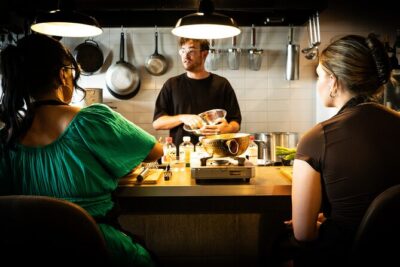
Professional Ramen & Gyoza with Ramen Chef in a restaurant!
Read our review →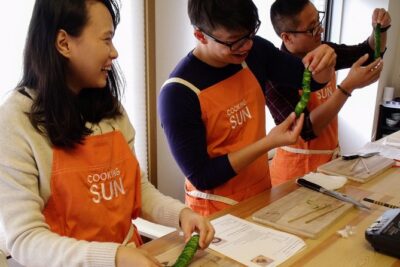
Small-Group Wagyu Beef and 7 Japanese Dishes Tokyo Cooking Class
Read our review →Browse the lists this tour appears in