
Reviewed · TEMPLE & SHRINE TOURS
Tokyo History: Sensoji Temple & Asakusa District Private Tour
Sensoji Temple is only part of the story in Asakusa. This private walk links the temple’s lantern-lined approach with old shopping streets, small craft displays, melon pan, age manju, and Kappabashi’s wonderfully odd restaurant-supply shops. I like the one-to-one format, which lets you ask questions and adjust the pace. I also like the included temple offering, a small but meaningful touch that gives you a role in the visit rather than leaving you to simply take photos.
The main thing to consider is the price: $139.63 per person is reasonable for a private guide, but less attractive for a solo visitor than for a couple or family using a group discount. The three-hour route also involves steady walking, and food beyond the listed temple offering is not included.
In This Review
- At a glance
- Why Asakusa works so well for a private walk
- Kaminarimon and Nakamise: the right place to begin
- Hozomon and Sensoji: customs before photographs
- Hanayashiki and the side streets of old Asakusa
- Traditional crafts and the working side of Tokyo
- Kappabashi: the most playful stop on the route
- What the private guide adds
- Time, walking, price, and practical value
- Who should book this Asakusa walk?
- Should you book it?
- FAQ
- How long is the Sensoji and Asakusa private tour?
- Is this a private experience?
- Where does the tour start?
- Where does the tour end?
- Is the temple offering included?
- Are hotel transportation and food included?
- Can I cancel for a full refund?
At a glance
- A private walk through Asakusa: Only your group and a local guide take part, so the route can be adjusted to your interests.
- Sensoji from Kaminarimon to the main grounds: Enter through the famous gate, walk Nakamise, pass Hozomon, and learn temple customs along the way.
- Local snacks built into the route: The walk includes a chance to try age manju and pass a shop known for fresh melon pan.
- A look beyond the temple: Hanayashiki, the Traditional Crafts Center, and Kappabashi add modern neighborhood life and old Tokyo character.
- Flexible guides with strong personal reviews: Guides including Gulay, Sheilina, Carlos, Abu, William, and RamKy are praised for adapting the walk and explaining Japanese customs.
- Three hours, starting and ending in the same place: Meet at 2-chōme-16-11 Kaminarimon, near public transportation, and return there at the end.
Why Asakusa works so well for a private walk
Asakusa is one of the easiest parts of Tokyo to understand on foot. You begin near Kaminarimon, the Thunder Gate, then move through a traditional shopping street toward Sensoji. From there, the route shifts into quieter side streets, craft displays, snack stops, and Kappabashi, where restaurant owners shop for equipment and the plastic dishes outside restaurants are made.
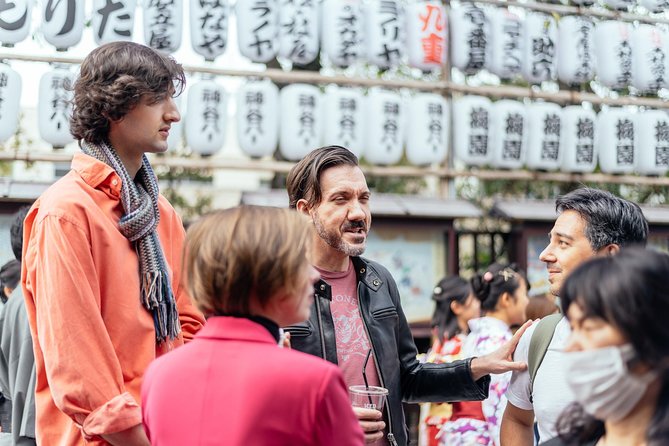
I like this progression because it gives you more than a temple visit. You see how worship, shopping, food, small manufacturing, and neighborhood tourism sit next to one another. A guide can explain the difference between Buddhist and Shinto customs, point out details you might walk past, and answer the practical questions that come up in real time.
The private format matters here. Asakusa can become crowded, especially around holidays and major temple dates. A guide can help you move through the busiest areas, find a calmer angle for explanations, and spend longer on the parts that interest you. The route has been adjusted successfully during busy periods, including Lunar New Year and Japan’s Foundation Day holiday.
The tour earns a perfect five-star rating from 28 reviews, with 100 percent recommending it. That is a small sample, but the pattern is clear: the strongest praise goes to guide flexibility, cultural explanations, and the easy mix of history with snacks and shopping.
More temples and shrines near Tokyo:
- Tokyo: Meiji Shrine, Asakusa, Skytree Bus Tour and Cruise
★ 4.7 · 1,986 reviews - Tokyo: Asakusa Walking Tour with Sensoji Temple Visit
★ 4.8 · 1,583 reviews - Nikko: Kegon Falls, Lake Chuzenji & Toshogu Temple
★ 4.6 · 1,577 reviews
Kaminarimon and Nakamise: the right place to begin
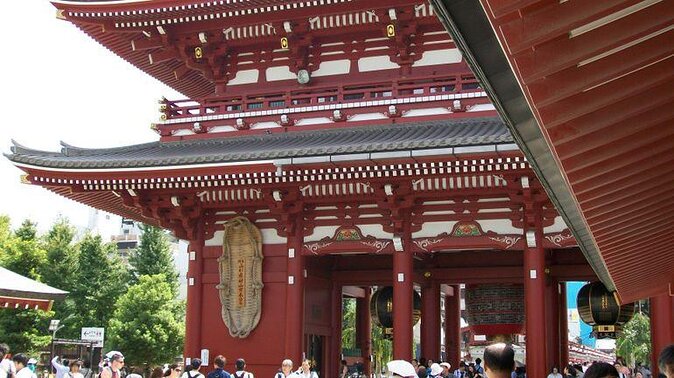
The meeting point is at 2-chōme-16-11 Kaminarimon in Taito City. From here, you enter through the colorful gate with its large traditional lantern and guardian statues. Your guide uses this opening to set the scene before you move into Nakamise Shopping Street.
Nakamise has served temple visitors since the 18th century. Today, its storefronts sell souvenirs, sweets, small gifts, and traditional-looking goods. It is touristy, but that does not make it useless. This is the historic approach to one of Tokyo’s most important temples, and the guide helps separate the meaningful details from the ordinary shopping.
You have about 20 minutes here. That is enough for a first look, a few questions, and perhaps a snack, but not enough for a slow shopping spree. If you already know you want souvenirs, tell your guide early. The private setup makes it easier to pause at a shop that interests you, though extra purchases are your responsibility.
I especially like Nakamise as an introduction because the street gives you a visual lesson in how temple precincts work. It is not simply a road leading to a building. It is a place where food, gifts, religious customs, and daily commerce meet.
Hozomon and Sensoji: customs before photographs
At Hozomon, the second major gate, your guide leads you toward the temple grounds. The route includes a stop at a shop to try age manju in a flavor of your choice. Age manju is a fried sweet bun, and this brief tasting adds a local food note to what could otherwise be a purely architectural visit.
Food is not generally included in the tour price, apart from the stated temple offering, so you should confirm how the age manju tasting is handled before ordering. The important point is that the walk gives you a chance to try something associated with the neighborhood instead of relying only on the usual sightseeing checklist.
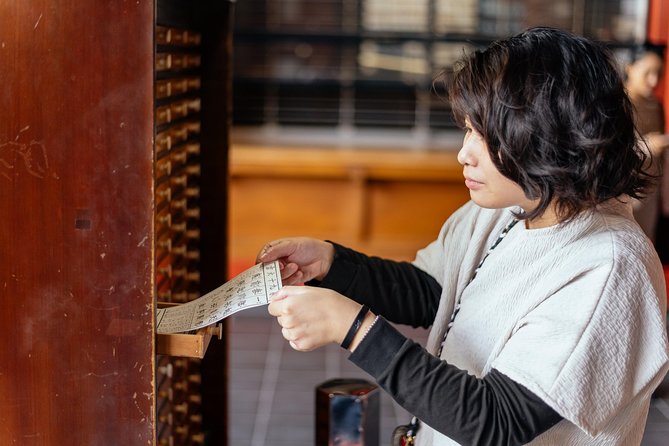
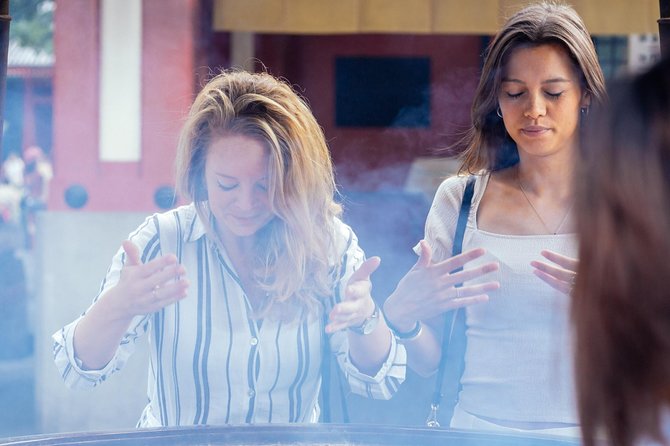
Before entering Sensoji, you can let incense smoke waft over you, a customary act connected with health and purification. Your guide can explain how to approach the temple respectfully and what you are seeing. The included offering is a thoughtful detail, since it allows you to participate in the temple visit.
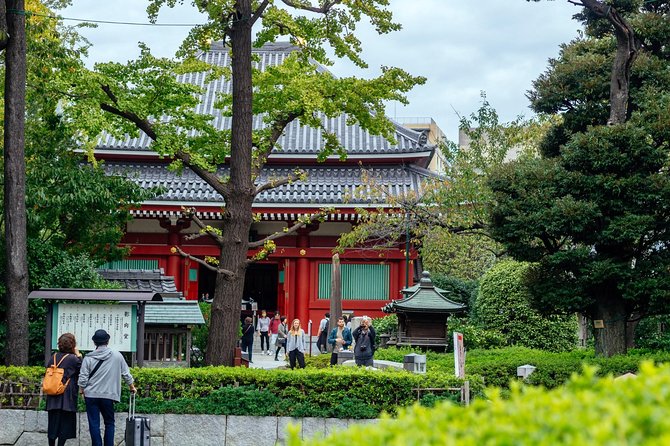
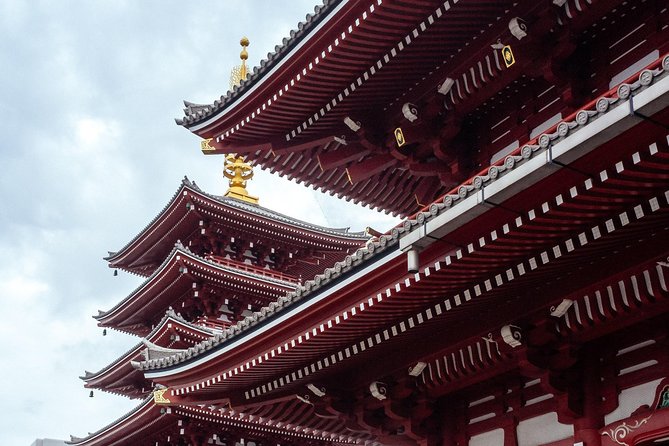
Sensoji dates to 628 and is considered Tokyo’s oldest temple. That age gives the stop weight, but the guide’s explanation is what makes the visit useful. The temple has been damaged and rebuilt over the centuries, and the surrounding area has changed many times. A local guide can connect the visible gates, incense, worshippers, and ceremonies with the longer story of Tokyo.
You have about 20 minutes at the temple. That is enough for an introduction and a meaningful visit, but it is not a long study of every structure in the grounds. If temple architecture is your main interest, ask for more time here when booking or at the start. If you want a wider look at Asakusa, the scheduled route keeps moving.
The temple grounds can also provide unexpected moments. One guest saw a Shinto wedding blessing, while another encountered a samurai ceremony. These events are not guaranteed, but they show why a guide can be useful: you may learn what is happening instead of watching a ceremony without context.
Hanayashiki and the side streets of old Asakusa
After Sensoji, your guide takes you through narrower streets toward Asakusa Hanayashiki. The stop lasts about 15 minutes and includes a place known for freshly made melon pan, a sweet bread with a crisp surface.
This is one of the tour’s more appealing shifts in tone. You move from a major Buddhist temple into everyday neighborhood streets, with food and local businesses providing the connection. Hanayashiki also adds a bit of amusement history to the route, though the experience described here is a pass-through rather than a full amusement park visit.
I would not book this walk expecting long stops at every attraction. The schedule gives you a taste of each area. That is useful for a first visit, but anyone wanting extended shopping, temple photography, or time inside individual venues may find the pace brisk.
More Asakusa visits:
- Tokyo: Japanese Dance Cabaret Theater Asakusa-Kaguwa Ticket
★ 4.8 · 2,270 reviews - Tokyo: Roll and Authentic Sushi Making Class in Asakusa
★ 4.9 · 1,957 reviews - Tokyo Asakusa Rickshaw Tour
★ 5.0 · 1,375 reviews - Tokyo Panoramic 1 Day: Meiji Shrine, Asakusa, Odaiba and SKYTREE®
★ 4.5 · 1,222 reviews
Traditional crafts and the working side of Tokyo
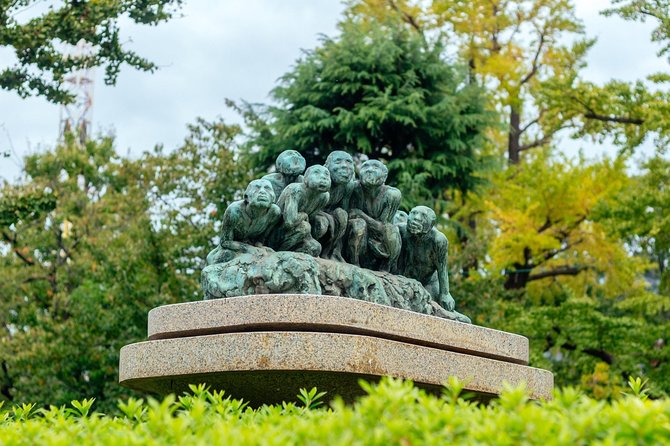
The Edo Taito Traditional Crafts Center, also called the Edo Shitamachi Traditional Crafts Museum, offers a look at items made by Tokyo artists. The planned stop is about 15 minutes.
If you visit on a weekend, you may see a craftsperson working in front of you. That possibility gives the stop extra value, because finished objects can feel distant from the hands and methods that produced them. The center helps you see Asakusa as more than a preserved historic district. It is also a place where practical skills and small-scale making continue.
The time here is short, so think of it as an introduction rather than a full museum visit. If you collect Japanese crafts or want to understand a particular technique, mention that to your guide. Guides such as Gulay, Sheilina, RamKy, and Carlos have been praised for shaping explanations around personal interests and answering questions well.
Kappabashi: the most playful stop on the route
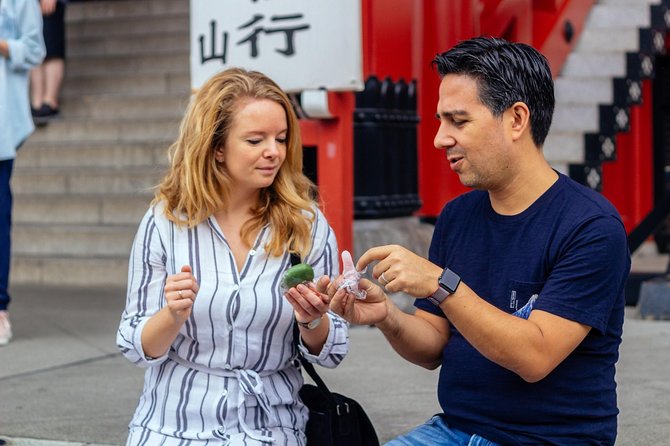
Kappabashi Dogugai is famous for kitchen equipment and restaurant supplies. It is also where the realistic plastic food models seen outside Japanese restaurants are created. The tour includes two listed 15-minute stops here, so Kappabashi receives more attention than the other short stops.
This is often the part that makes the walk feel personal rather than routine. You can see the tools, dishes, signs, and food samples that support Japan’s restaurant trade. Even if you have no interest in opening a restaurant, the shops are fun to browse and offer souvenirs that are more useful than a generic key ring.
One guest bought small bowls here and later remembered the guide whenever using them. That is exactly the kind of purchase that can make a neighborhood visit stick with you. Still, keep the time limit in mind. Kappabashi is large enough to occupy far more than 30 minutes, especially if you stop to shop.
The duplicated Kappabashi entry suggests that this area is intended to receive two short looks, but the exact division may vary with your guide and interests. Ask at the beginning if you want to prioritize cookware, food models, ceramics, or gifts.
What the private guide adds
The biggest strength of this experience is not simply having someone point out buildings. It is having a person who can explain how to behave, what a ritual means, and why a shopping street matters.
Several guides have received especially warm praise. Abu is described as flexible and able to handle special requests. Sheilina is noted for kindness and personal attention. Gulay has been praised for explaining Japanese culture and customs in a clear, engaging way, even on an unusually crowded holiday. Carlos is described as personable and generous with suggestions for other places in Tokyo. RamKy is praised for teaching through the backstreets and answering questions about Japanese culture.
Guides can change, so you should not book solely to secure one particular person unless the provider confirms availability. The repeated strength is the format: a local host, a private group, and room for conversation.
This also makes the tour a good early-Tokyo activity. One parent and an 18-year-old daughter used it as a way to get a quick grounding in Japanese customs before seeing more of the city. That is sensible. A few hours of cultural context can help you understand later temple visits, shrine etiquette, food traditions, and neighborhood life.
Time, walking, price, and practical value
The experience lasts about three hours. The listed stops total about two hours, leaving roughly an hour for walking between them, conversations, and variations in pace. You should expect a walking tour rather than a seated sightseeing activity.
A moderate level of physical fitness is recommended. The route includes streets, temple grounds, shopping areas, and time on your feet. Wear comfortable shoes, especially if you plan to continue exploring after the tour.
At $139.63 per person, the value depends on your group size. For one person, it is a significant cost for a three-hour walk. For a couple, family, or small group, the private attention and group discounts may make the price easier to justify. You are paying for flexibility and interpretation, not admission to expensive attractions. The listed stops have no admission charge, and the offering at Sensoji is included.
The price does not include hotel pickup or drop-off. You meet at Kaminarimon and finish back at the same meeting point. The area is near public transportation, so the fixed meeting point is fairly practical, but you need to allow time to reach it.
Food and drinks are not included unless specifically stated. The temple offering is included, and the route includes chances to try age manju and melon pan, but you should budget for any snacks or purchases and confirm tasting details before the tour.
The tour is carbon neutral, with emissions offset. That will not change the walking experience, but it is a useful factor if you compare similar private activities.
Who should book this Asakusa walk?
I would recommend it to first-time Tokyo visitors who want Asakusa explained rather than simply photographed. Families and couples will benefit from the private format, particularly if one person wants temple history while another prefers food, crafts, or shopping.
It also suits visitors who enjoy asking questions. You can learn about religious customs, neighborhood traditions, Japanese culture, and practical Tokyo suggestions in one conversation. The guides have also helped with broader Tokyo recommendations, which can be useful at the start of a trip.
I would be more cautious if you want a slow museum visit, a full temple study, or several hours of shopping. The route covers many places in three hours, so each stop is an introduction. You may also find the price high if you are traveling alone and are comfortable exploring independently.
Free cancellation is available if you cancel at least 24 hours before the local start time. Changes or cancellations inside that window are not accepted and are not refunded.
Should you book it?
Book this tour if you want a human guide through Asakusa’s customs, snacks, temple grounds, and side streets, especially on your first Tokyo visit. The strongest reasons are the private format, flexible pacing, and the range of stops, from Sensoji incense to Kappabashi food models.
Skip it if you prefer a self-guided walk, plan to spend most of your time shopping, or need hotel transportation. For everyone else, the cost is easiest to justify when shared by two or more people. You get a clear introduction to Asakusa, a chance to ask questions freely, and enough local context to make the rest of Tokyo easier to read.
FAQ
How long is the Sensoji and Asakusa private tour?
The tour lasts approximately three hours.
Is this a private experience?
Yes. Only your group and your local guide participate.
Where does the tour start?
It starts at 2-chōme-16-11 Kaminarimon, Taito City, Tokyo 111-0034, Japan.
Where does the tour end?
The activity ends back at the meeting point.
Is the temple offering included?
Yes. A small offering for Sensoji Temple is included.
Are hotel transportation and food included?
No. Hotel pickup and drop-off are not included. Food and beverages are also not included unless specifically listed, so you should confirm the details of any snack tasting.
Can I cancel for a full refund?
Yes, if you cancel at least 24 hours before the experience start time. Cancellations made less than 24 hours in advance are not refunded.
More Historical Tours in Tokyo
- Tokyo: Imperial Palace and Shogun Historical Walking Tour
★ 5.0 · 2,251 reviews - Tokyo: Imperial Palace Japanese History Walking Tour
★ 4.9 · 987 reviews - Tokyo: Shinjuku Historical Walking Tour & Secret Backstreets
★ 5.0 · 530 reviews - Yanaka Walking Tour: Historic and Traditional District of Tokyo
★ 5.0 · 530 reviews
New on our Tokyo list
- From Tokyo: Mount Fuji & Hakone Full Day Private Tour★ 4.9 · 25 reviews
- Tokyo Spectacular View Day-Cruise in 90 Minutes★ 5.0 · 25 reviews
- Real Tokyo Runner Club : Daikoku Car Meet Night Tour with JDM Car★ 5.0 · 25 reviews
- 2.5 Hour-Guided Cycle Tour in the Central Tokyo★ 5.0 · 25 reviews
- Ramen Making from Scratch +Akihabara Tour –Cooking Class★ 5.0 · 25 reviews
- [Self-Drive] Tokyo & Daikoku Custom Car Driving Tour★ 4.9 · 25 reviews
- Tokyo: 2-Hour Night Bike Tour of the City’s Hidden Gems★ 4.9 · 25 reviews
- Samurai themed Entertainment show in Shinjuku★ 4.5 · 25 reviews
Temple & Shrine Tours, compared.
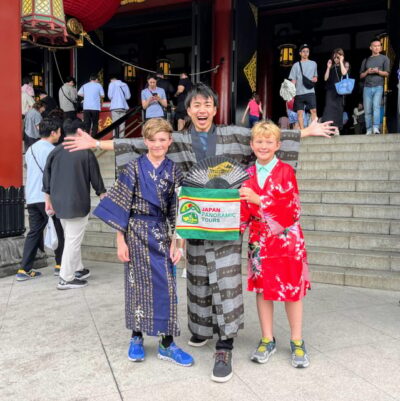
Meiji Shrine, Asakusa, Skytree Bus Tour and Cruise
Read our review →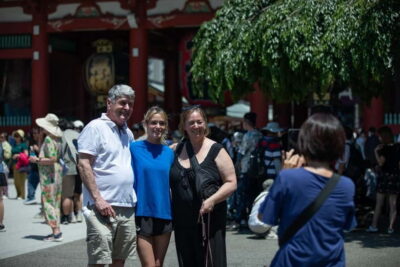
Asakusa Walking Tour with Sensoji Temple Visit
Read our review →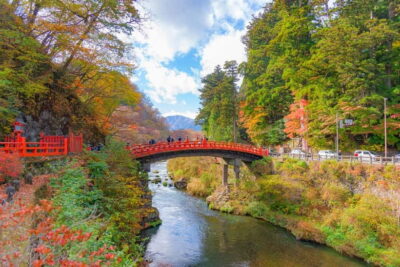
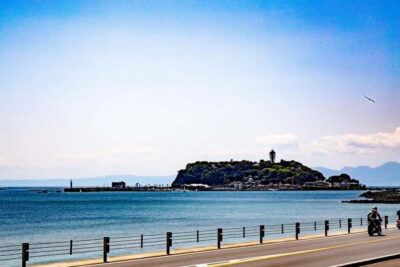
Kamakura & Enoshima Day Trip including Temple Tickets
Read our review →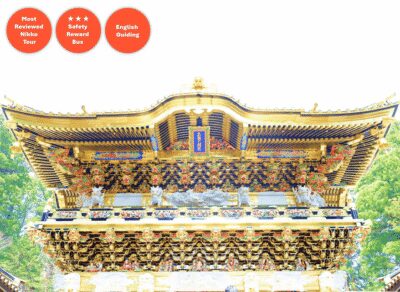
Nikko Toshogu Shrine and Kegon Waterfall Tour
Read our review →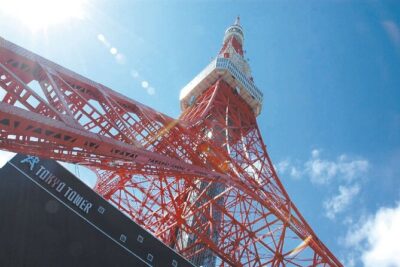
Tokyo Panoramic 1 Day: Meiji Shrine, Asakusa, Odaiba and SKYTREE®
Read our review →
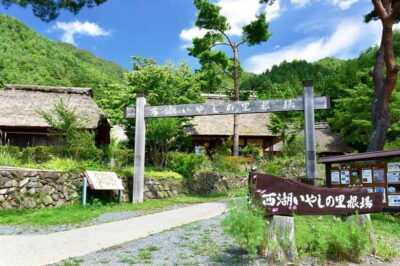
Mt. Fuji Heritage Tour: Traditional Villages, Lakes & Shrine
Read our review →Browse the lists this tour appears in