
Reviewed · JAPANESE COOKING CLASSES
Tokyo: Japanese Cooking Class – Bring the flavors of Japan to France
The best part of this Tokyo cooking class is its tiny three-person limit. You cook in Yumiko’s home, with her daughter Yuri helping in French, so the lesson feels more like a meal with a Japanese family than a large tourist workshop. I like the practical recipes, especially karaage, miso soup, and onigiri, and I like that the ingredients are easy to find in France.
The main thing to consider is the home setting. Cats live in the house, though they are kept away during cooking, so this is not a good choice if you have an animal allergy. Food allergies also need careful discussion before booking.
In This Review
- Key points at a glance
- A Japanese kitchen lesson, not a sushi performance
- Meeting Yumiko and Yuri near Futako-Tamagawa
- The 150-minute cooking plan
- Welcome tea and introductions
- Karaage, the main cooking lesson
- Soup, vegetables, fish, and rice
- Plating and the shared meal
- Why the small group changes the experience
- French instruction with real cultural context
- Ingredients you can find after Tokyo
- What the $89 price includes
- Food allergies, vegetarian changes, and cats
- Who should book this Tokyo cooking class?
- FAQ
- Where does the Japanese cooking class meet?
- How long does the activity last?
- What language is used?
- How many people can join?
- Is the class suitable for vegetarians?
- Are ingredients and cooking equipment provided?
- Should you book it?
Key points at a glance
- Cook with Yumiko and Yuri: Yumiko leads the Japanese home-cooking lesson, while Yuri helps in French and explains cultural details.
- Make everyday Japanese food: The sample menu includes karaage, tonjiru-style pork and vegetable miso soup, teriyaki salmon, sesame vegetables, and rice or onigiri.
- Maximum of three people: You receive close attention and plenty of chances to take part, rather than watching from the back of a room.
- Recipes designed for France: The ingredients and methods are chosen so you can repeat the dishes at home.
- Eat from Japanese ceramics: Your finished food is plated in traditional tableware before the meal, followed by seasonal tea.
- Plan around the home setting: Cats are present in the house, and children under six, people with animal allergies, and people with food allergies should not book.
A Japanese kitchen lesson, not a sushi performance
Tokyo has no shortage of sushi counters and ramen shops. This class takes a more useful path: it shows you what Japanese home cooking can look like on an ordinary day.
You will learn dishes that are familiar in Japan but less familiar to many visitors. Karaage is the headline act, with its crisp coating and tender chicken. The meal also brings in soup, vegetables, fish, and rice, giving you a better feel for how several small parts work together.
I especially like the focus on food you can make after returning home. You are not being shown a rare ingredient that requires a special trip to a Tokyo market. The stated aim is to use items available in France, which gives the class real value for French-speaking visitors who want more than a pleasant afternoon meal.
The class is held in French. Yumiko teaches the cooking, and Yuri provides French support throughout the workshop. Yuri has lived in France, and the communication arrangement matters here: you can ask questions about technique, ingredients, and Japanese customs without relying on gestures or a translation app.
More cooking classes in Tokyo:
- Ramen & Gyoza Cooking Class in Tokyo with Local Supermarket Visit
★ 5.0 · 823 reviews - Tokyo: Easy Ramen Cooking Experience in Kabukicho, Shinjuku
★ 4.6 · 321 reviews - Ramen and Sushi Cooking Class with Sake Pairing Set in Tokyo
★ 5.0 · 291 reviews
Meeting Yumiko and Yuri near Futako-Tamagawa
Your meeting point is in front of the McDonald’s just outside the East exit of Futako-Tamagawa Station. The station serves the Den-en-toshi and Ōimachi lines, so check your route and allow enough time to find the correct exit.
From there, you are welcomed into a Japanese home for a small-group workshop. The maximum is three participants, a major difference from a standard cooking studio. With so few people, you can expect to work directly with the hosts and receive help during each stage.
A welcome tea starts the visit. This small touch sets the pace: the class is not built around rushing from one recipe to another. It is a social meal as well as a lesson, with time to talk about the food and daily life in Japan.
The home setting has an obvious trade-off. You will not have the polished space or formal equipment of a professional culinary school. In return, you see how these dishes fit into a Japanese household, and the meal takes place in the same warm, personal environment where the food is prepared.
Aprons, towels, and slippers are provided. You can arrive without packing cooking gear, though comfortable clothing is still sensible for a hands-on session.
The 150-minute cooking plan
The class lasts two and a half hours. That is enough time to prepare several dishes, eat what you make, and talk with the hosts, but it is not a full-day culinary course.
The exact order may vary, but you can expect the session to move through several connected stages:
Welcome tea and introductions
The first few minutes help you settle in and meet Yumiko and Yuri. If you are traveling alone, this is a useful format because the small group makes conversation easier. One booking was arranged as a gift for a mother taking her first solo trip, and the hosts made a point of keeping the details clear before the class.
That kind of communication is worth noting if you feel unsure about joining a home-based activity alone. You can contact the host before booking about dates, allergies, or dietary needs.
A few more Tokyo bookings worth comparing
- Sushi Making Tokyo Roll and Authentic Japanese Sushi Class
★ 5.0 · 3,971 reviews - Tokyo: Roll and Authentic Sushi Making Class in Asakusa
★ 4.9 · 1,957 reviews - Tokyo Shinjuku Chopsticks Making Class
★ 5.0 · 1,763 reviews - Tokyo: Sushi Making Class in a Happi Coat near a Famous Spot
★ 4.9 · 1,377 reviews
Karaage, the main cooking lesson
Karaage is the central dish. It is Japanese fried chicken, but the lesson is about more than frying meat. Yumiko shares practical tips for getting flavor into the chicken and for producing a satisfying finish at home.
The class is suited to beginners, so you do not need advanced knife skills or a background in Japanese cuisine. You take part rather than simply watch, with the hosts showing techniques and answering questions as you work.
Karaage also makes sense as the lead dish for this audience. It is well known in both Japan and France, easy to understand at the table, and useful for a home cook who wants a reliable Japanese recipe without hunting for unusual ingredients.
Soup, vegetables, fish, and rice
The rest of the menu gives the fried chicken some balance. The sample meal includes miso soup with pork and vegetables, often described as tonjiru, plus teriyaki salmon, sesame vegetables, and rice or onigiri.
The soup is particularly important because it shows the umami side of Japanese food. One detailed account highlighted the tonjiru as especially full of flavor. You learn how a simple bowl of soup can bring together meat, vegetables, and miso in a way that feels hearty without being heavy.
Onigiri adds another everyday Japanese staple. You form rice balls rather than treating rice as a plain side dish. The class also helps you see how a Japanese meal is built from several modest dishes, not one giant centerpiece.
The menu is described as a sample, so you should confirm the exact dishes if a particular ingredient matters to you. Vegetarian versions are available, but you must contact the host before booking so the menu can be adapted.
Plating and the shared meal
Once the cooking is finished, your food is served on Japanese ceramics. The tableware is not just decoration. It gives you a glimpse of the care Japanese households can put into presenting a simple meal, with different dishes given their own place.
You then eat what you prepared in the same home. This is where the class shifts from instruction to conversation. The hosts explain aspects of Japanese daily culture, and you have a chance to ask questions while the food is in front of you.
A seasonal tea closes the meal. It is selected by the hostess and served after the food, along with the welcome tea and a free drink during the activity.
Why the small group changes the experience
Three people is an unusually small number for a cooking class. That limit has practical benefits. Yumiko can watch what you are doing, correct a technique, and respond to questions without a line of participants waiting.
You also get more control over the pace. A beginner can ask for an explanation without feeling that the whole room is being held up. Someone with cooking experience can ask about flavor or method instead of receiving only basic instructions.
The small size also supports the cultural side of the class. You are not only assembling food. You are speaking with a Japanese mother and daughter, learning how dishes fit into family cooking, and hearing explanations in French. The hosts have been described as attentive and welcoming, with Yuri helping guests feel comfortable from the start.
There is a limit to this strength. If you prefer a lively class with a larger group, lots of people your age, or a professional demonstration kitchen, this may feel too intimate. The home format is best for people who value conversation and direct contact.
French instruction with real cultural context
For French-speaking visitors, the language is a major reason to choose this class. Yuri helps translate and explain throughout the workshop, and the experience is designed for French-language instruction.
That means you can ask the questions that often get lost in a standard demonstration. Why use this ingredient? What texture should the chicken have? How does this soup fit into a daily meal? How would you alter the dish at home in France?
The lesson also gives you cultural context without turning into a lecture. You learn about familiar household foods, Japanese tableware, seasonal tea, and the way a meal can combine several small dishes. One participant found the explanations useful for understanding Japanese daily life as well as cooking.
English and Japanese may also be spoken by the hosts, but the formal activity language is French. If you need another language, confirm the arrangements before you book.
Ingredients you can find after Tokyo
The strongest practical feature is the shopping list. The recipes are built around ingredients that can be found in France, so you can repeat the meal without ordering specialty products from Japan.
This matters because many cooking classes are fun in the moment but hard to recreate. You may taste something wonderful, receive a recipe, and then discover that half the ingredients are unavailable back home. Here, the goal is different. You learn adaptable dishes that can become part of your own cooking routine.
The recipes also suit different skill levels. Beginners get clear methods and hands-on help. More experienced cooks can focus on the small tips that affect flavor, especially the use of miso and other ingredients linked to umami.
You receive the recipes after or during the activity, along with all ingredients and utensils needed for the class. The apron loan and provided towels and slippers make the practical side easy.
What the $89 price includes
At $89 per person, this is not the cheapest way to eat in Tokyo. You could buy a filling meal for less, and a short food demonstration might cost less as well.
The value comes from the combination. The price covers 150 minutes of instruction, a full meal, ingredients, utensils, recipes, apron use, welcome tea, and another drink. You also receive the attention of two hosts in a group capped at three people.
I would compare it with the cost of a private or near-private lesson rather than with the price of a restaurant meal. You are paying for personal instruction and the chance to repeat the dishes at home, not just for karaage on a plate.
The price makes the most sense if you are curious about Japanese home cooking, want French-language help, or plan to use the recipes later. It is less compelling if you mainly want a quick meal or a formal chef-led class.
Free cancellation is available up to 24 hours before the activity, and you can reserve now and pay later. Those terms help if your Tokyo schedule is still changing, but check the available starting times before you build the rest of your day around it.
Food allergies, vegetarian changes, and cats
Contact the host before booking if you have any allergy or food concern. People with food allergies are listed as unsuitable for the activity, so do not assume that a last-minute adjustment will be possible.
Vegetarians are welcome when the menu is arranged in advance. The class description specifically asks vegetarian participants to send a message before booking. That gives Yumiko time to adapt the dishes rather than trying to change the meal once cooking has started.
Cats live in the house, although they are kept away during the cooking session. People with animal allergies should not book. If you simply dislike cats but have no allergy, the home setting may still be worth considering carefully, since the animals are part of the household even if they are not in the cooking area.
Children under six are not suitable for this activity. The hands-on cooking, small home environment, and hot food make this a better fit for older children, teens, and adults, though the supplied rules only specify the under-six restriction.
Who should book this Tokyo cooking class?
I would choose this activity if you want to:
- Learn everyday Japanese dishes instead of only sushi or ramen
- Cook in French with help from Yuri
- Meet a Japanese mother and daughter in a home setting
- Leave with recipes that work in France
- Join a very small class where you can ask questions freely
- Combine cooking, a full meal, and cultural conversation
It is a particularly good pick for solo visitors and couples who want a personal activity. It also works well as a thoughtful gift, since the hosts can communicate directly about arrangements and the class does not require previous experience.
I would look elsewhere if you have a food or animal allergy, need a fully professional kitchen, want a large social group, or prefer a short activity with little conversation. The class is warm and personal by design, so that style needs to suit you.
FAQ
Where does the Japanese cooking class meet?
Meet in front of the McDonald’s just outside the East exit of Futako-Tamagawa Station. The station is served by the Den-en-toshi and Ōimachi lines.
How long does the activity last?
The cooking class lasts 150 minutes, or two and a half hours. Starting times depend on availability.
What language is used?
The activity is conducted in French. Yuri, Yumiko’s daughter, is present to help with communication and translation during the workshop.
How many people can join?
The class is limited to a maximum of three participants.
Is the class suitable for vegetarians?
Yes, vegetarian menus are available. You must contact the host before booking so the menu can be adapted.
Are ingredients and cooking equipment provided?
Yes. The price includes all ingredients and utensils, the recipes, an apron loan, towels, slippers, meals, welcome tea, and a free tea or other included drink.
Should you book it?
Book this class if you want a personal look at Japanese food as it is cooked and shared at home. The combination of Yumiko’s instruction, Yuri’s French support, a three-person limit, and recipes suited to French kitchens gives the experience a clear purpose.
The drawbacks are just as clear: cats are present in the house, food allergies are not suitable, and the intimate setting will not appeal to everyone. For French-speaking beginners, solo visitors, and home cooks who want to bring karaage, miso soup, onigiri, and Japanese meal-planning ideas back home, the $89 price is fair.
New on our Tokyo list
- Sumi-e Experience in a relaxing green tea shop in Tokyo★ 5.0 · 3 reviews
- Tokyo : Kamikaze Street Drift Ride★ 5.0 · 3 reviews
- Private Zen Meditation in English in Shinjuku, Tokyo★ 5.0 · 3 reviews
- Onsen Spa in Tokyo and Asakusa Bar Hopping with Local Guide★ 5.0 · 3 reviews
- Easy for everyone! Now you can play handmade mini shamisen and show off to everyone! Musical instruments, sweets and live music★ 5.0 · 3 reviews
- Tokyo: Private Tsukiji Street Food & Sake with Local Guide★ 5.0 · 3 reviews
- Mt Fuji Exploration Tour with Free Japanese Kusa Mochi from Tokyo★ 4.5 · 3 reviews
- Tokyo Tsukiji Fish Market Walking and Exploring Hidden Gems Tour★ 5.0 · 3 reviews
Japanese Cooking Classes, compared.
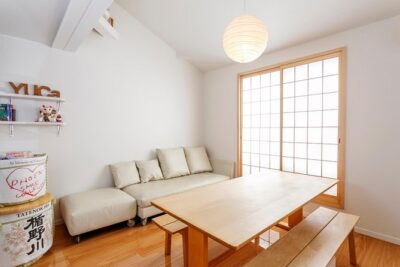
Ramen & Gyoza Cooking Class in Tokyo with Local Supermarket Visit
Read our review →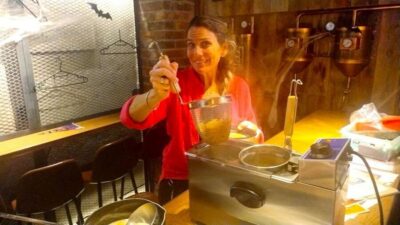
Easy Ramen Cooking Experience in Kabukicho, Shinjuku
Read our review →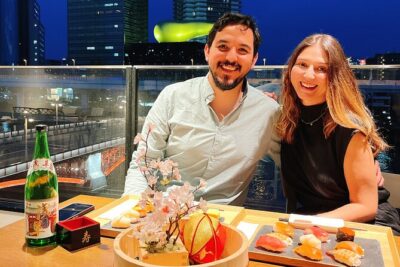
Ramen and Sushi Cooking Class with Sake Pairing Set in Tokyo
Read our review →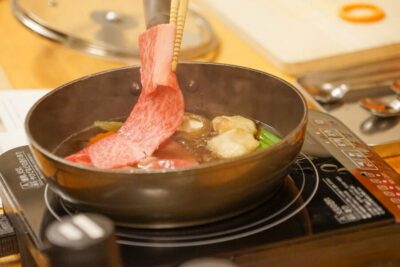
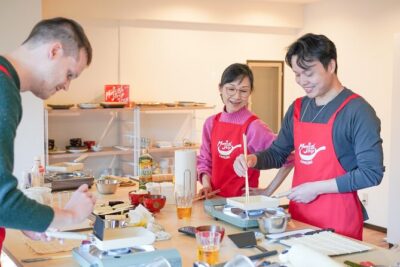
Tokyo Washoku 4-hour Cooking Class: From Market to Table
Read our review →
TokyoSumoShow, ChickenHotPot, and Mochi-Pounding by Pro Wrestlers
Read our review →
Professional Ramen & Gyoza with Ramen Chef in a restaurant!
Read our review →
Small-Group Wagyu Beef and 7 Japanese Dishes Tokyo Cooking Class
Read our review →Browse the lists this tour appears in