
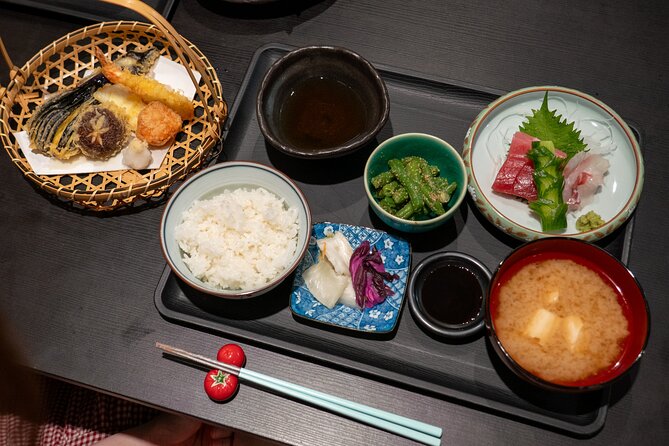
Reviewed · JAPANESE COOKING CLASSES
Tokyo: Japanese Knife Skills and Sashimi & Tempura Cooking Class
The most useful part of this Tokyo class is not the lunch, though the sashimi and tempura give you a tasty finish. It is the knife-sharpening lesson, where you learn how a Japanese blade should be handled, cared for, and used before you try to make precise cuts.
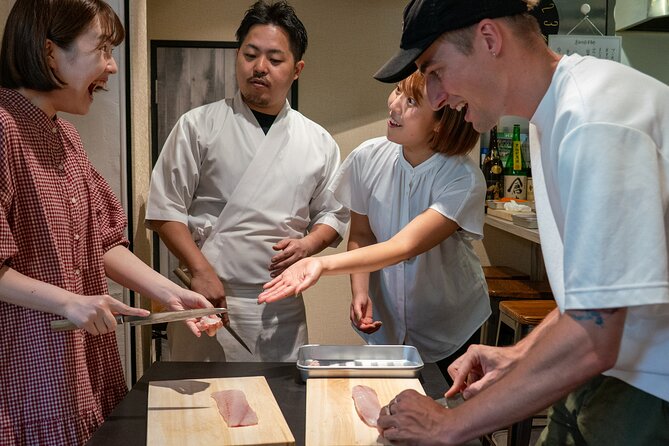
I like the private format for two, since the chef can correct your grip and cutting motion instead of giving a broad talk to a crowd. I also like that you can bring a Japanese knife purchased during your trip, turning the class into practical training for the tool you will use at home.
The main consideration is pace. The class lasts about two hours, and nearly 50 minutes are devoted to knife care and sharpening. If you mainly want a long cooking session, this may feel more like a knife workshop with lunch than a full culinary course.
In This Review
- Key points to know before booking
- Why this class is really about the knife
- Meeting at Nishi-Koyama Station
- The 50-minute sharpening and care lesson
- Sashimi slicing and decorative vegetable cuts
- Preparing sashimi and tempura in a short cooking session
- Eating the handmade lunch
- What the $123.79 price means
- Who will get the most from this Tokyo class
- Timing, cancellation, and practical planning
- Should you book the knife and sashimi class?
- FAQ
- Where does the class meet?
- What time does the activity start?
- How long does the experience last?
- How do I reach the cooking venue?
- Is transportation from my hotel included?
- Are knives provided?
- Can I bring a Japanese knife I bought in Tokyo?
- What will I learn during the class?
- What food will I prepare and eat?
- How many people can join?
- Is cancellation free?
Key points to know before booking
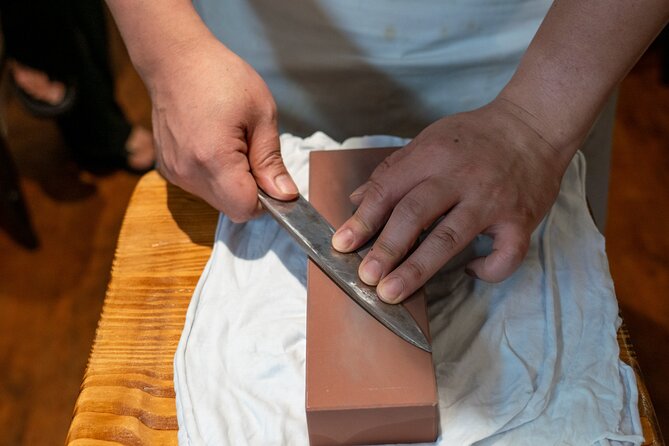
- Sharpening comes first: Nearly 50 minutes cover knife care and sharpening before cooking begins.
- Private class for two: The format allows personal instruction, though the activity requires at least two participants and can accept up to six people.
- Sashimi and tempura are made by you: You practice slicing sashimi and vegetables, then prepare a meal and platter to eat.
- Decorative cuts are part of the lesson: The vegetable work is fun but can be harder than it looks.
- Easy station meeting point: Meet at ground-level Nishi-Koyama Station, then walk about 10 minutes to the venue with your guide.
- Bring your own Japanese knife if you have one: Otherwise, use one of the supplied knives.
Why this class is really about the knife
Many Japanese cooking classes put the food first. This one puts the blade first.
That changes the feel of the afternoon. You are not simply following a recipe and taking home a few kitchen tips. You begin with the tool that controls the texture, shape, and appearance of the food. A properly sharpened knife can slice sashimi cleanly, cut vegetables with less crushing, and make small decorative details possible.
The class includes instruction in sharpening and proper knife care, then moves into handling and cutting. That order makes sense. If you want to buy a Japanese knife in Tokyo, this gives you a better chance of treating it properly once you return home.
You do not need to own a knife already. Knives are provided, so you can attend with just yourself. If you have bought one during your time in Japan, you are welcome to bring it for practice. That is a useful touch because a new knife should not become an expensive souvenir that sits in a drawer.
The instruction is designed for different skill levels. The chef works at your pace, and the private arrangement means you can ask about grip, pressure, sharpening, or care as questions come up. The class is not presented as a professional qualification, but it can give a home cook a better foundation.
More cooking classes in Tokyo:
- Ramen & Gyoza Cooking Class in Tokyo with Local Supermarket Visit
★ 5.0 · 823 reviews - Tokyo: Easy Ramen Cooking Experience in Kabukicho, Shinjuku
★ 4.6 · 321 reviews - Ramen and Sushi Cooking Class with Sake Pairing Set in Tokyo
★ 5.0 · 291 reviews
Meeting at Nishi-Koyama Station
The meeting point is at the ground-level exit of Nishi-Koyama Station, at 6-chōme-3-10 Koyama in Shinagawa City. The start time is noon.
This is a practical meeting point because the area is near public transportation. You should still allow enough time to find the correct station exit. The class does not include hotel pickup or private transportation, so getting to Nishi-Koyama is your responsibility.
After meeting the guide, you walk about 10 minutes to the venue. That short walk is part of the transition from a station meeting point into a more focused cooking setting. Keep your own knife safely packed if you bring one, and avoid arriving with loose kitchen gear.
An English-fluent Japanese guide leads the experience. Amy is one guide associated with the class, and the available feedback highlights her humor and warm manner. The chef handles the practical knife and cooking instruction, while the guide can help explain the setting and keep the session moving.
The exact atmosphere depends on the group. It is described as a private class for two, while the stated maximum is six people. The minimum is two participants, so solo booking is not the intended format, even though one person was able to join in the available feedback. Confirm the current booking conditions if you are trying to attend alone.
The 50-minute sharpening and care lesson
The first major block lasts about 50 minutes and covers knife care and sharpening. For most home cooks, this is the part with the longest shelf life.
Sharpening is easy to do badly. Too much pressure, the wrong angle, or careless handling can damage a blade or produce an uneven edge. A Japanese chef can show you the basic motion directly, which is much easier to understand than trying to copy a short online video after you return home.
You will also learn how to handle the knife safely and maintain it properly. The supplied information does not specify the exact sharpening equipment or knife style, so you should not expect a technical lesson tailored to every Japanese blade on the market. Still, the focus is valuable if you are buying a knife in Japan and want basic care instruction before packing it into your luggage.
This section also gives the chef time to see how you hold and move the knife. That matters. Small corrections can affect control, comfort, and the quality of the cut. In a larger class, you might only watch a demonstration. Here, the private setup should give you more direct attention.
The strongest praise for this experience centers on this lesson. It is described as useful, educational, and especially worthwhile for anyone who wants to sharpen and use a Japanese knife like a chef. If your main goal is to improve knife skills, this is the reason to book.
Sashimi slicing and decorative vegetable cuts
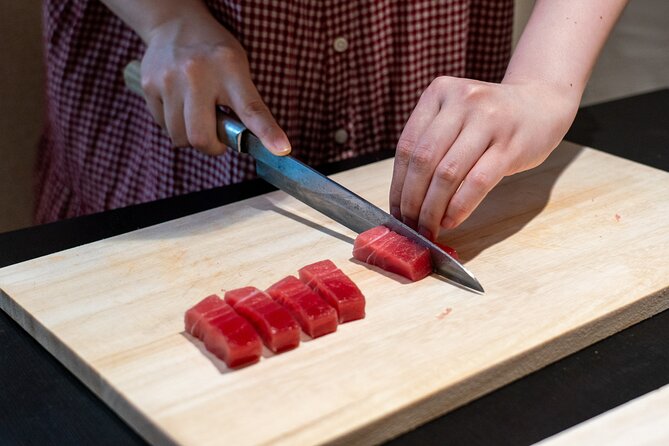
After the knife lesson, you move to food preparation. You practice cutting sashimi and vegetables with precision, including decorative vegetable techniques.
Sashimi is a good test of knife control because the cut should be clean. You are working with an ingredient where texture matters, not just appearance. The aim is not to hack food into pieces, but to use the blade smoothly and deliberately.
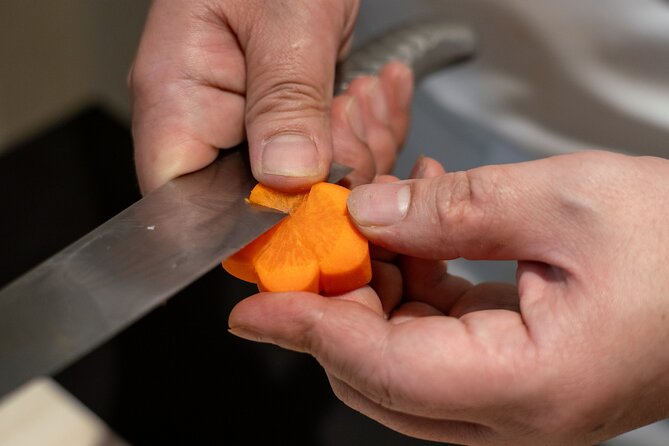
The class also covers decorative cutting. This can mean making vegetables look more refined than the rough chopping most home kitchens require. It is a small detail, but it shows how Japanese food presentation depends on patience and control.
Do not assume the decorative cuts will be easy. One of the clearest practical points from the available feedback is that this section can be difficult, and that difficulty helps you understand the skill involved. That is a good sign for a class: you are not being handed a simple party trick and sent home claiming to be a chef.
At the same time, the short schedule limits how much repetition you can get. You may learn the method and produce a few attractive cuts, but mastery will require practice at home. Treat the session as a strong introduction rather than a complete course in Japanese food presentation.
A few more Tokyo bookings worth comparing
- Sushi Making Tokyo Roll and Authentic Japanese Sushi Class
★ 5.0 · 3,971 reviews - Tokyo: Roll and Authentic Sushi Making Class in Asakusa
★ 4.9 · 1,957 reviews - Tokyo Shinjuku Chopsticks Making Class
★ 5.0 · 1,763 reviews - Tokyo: Sushi Making Class in a Happi Coat near a Famous Spot
★ 4.9 · 1,377 reviews
Preparing sashimi and tempura in a short cooking session
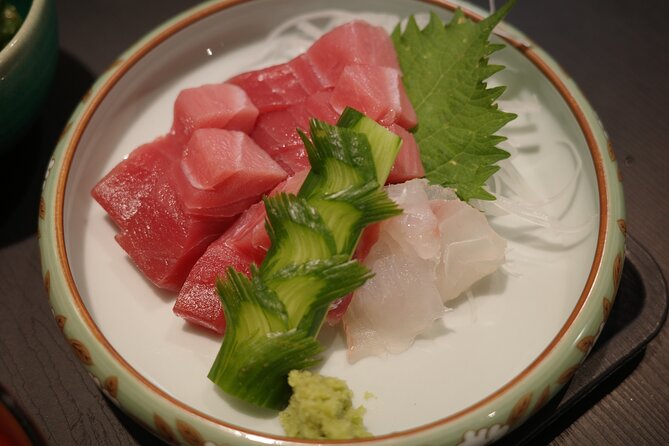
The cooking session is scheduled for about 30 minutes. You prepare your sashimi meal and a tempura platter with the chef’s guidance.
Sashimi keeps the focus on clean slicing, while tempura gives you a different kind of task and a warm contrast to the raw fish. Together, the dishes make the meal feel more substantial than a knife demonstration followed by a snack.
The class is hands-on. You are not simply watching a chef prepare lunch while you take notes. You use the knife techniques from the first part, work with vegetables, and help prepare the food you will later eat.
Still, 30 minutes is not a lot of time for a long menu. The experience is built around technique, not a wide selection of dishes. If you want to learn several Japanese recipes, sauces, or regional specialties, this class may be too narrow. If you want a focused lesson in knives, sashimi, and tempura, the limited menu keeps the afternoon on target.
The meal is included, and you eat what you prepare for about 30 minutes. That final period gives you time to enjoy the result rather than rushing straight back to the station.
Eating the handmade lunch
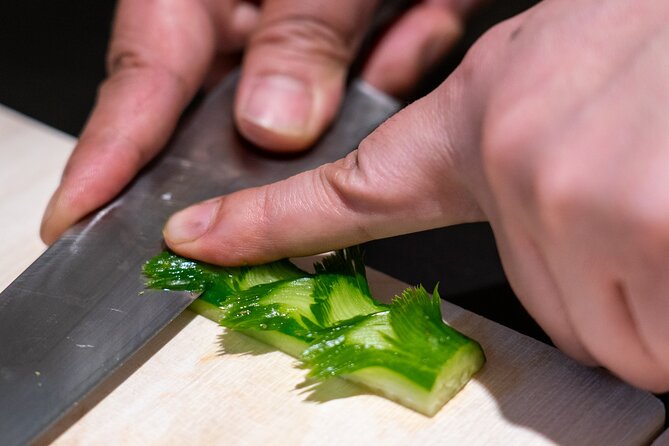
The meal is the reward, but it is also part of the lesson.
You can see the connection between the blade and the plate. Sashimi cut with care has a different look and texture from fish sliced without attention. Decorative vegetables show how a simple ingredient can become part of the presentation. Tempura adds a cooked dish to the table and gives you a chance to enjoy something you helped make.
I like this setup because lunch has a clear purpose. You are not paying for an unrelated restaurant meal after a classroom talk. The food reflects the work you have just done.
The meal is described as a handmade sashimi lunch with a tempura platter. Details such as the exact fish, vegetables, seasoning, or drink are not specified, so you should not book expecting a fixed menu beyond those main elements.
The 30-minute eating period is enough for a relaxed finish within the planned timetable. Since the activity ends at the venue, you can leave after lunch rather than returning to the station with the guide.
What the $123.79 price means
At $123.79 per person, this is not a bargain lunch. You are paying for a small-format lesson, chef attention, knife instruction, food, and the chance to practice rather than just watch.
The value is strongest if you already cook at home or plan to buy a Japanese knife in Tokyo. A class that teaches you how to sharpen and care for that knife can prevent careless use later. The private format also matters because knife technique depends on small physical details that are hard to correct in a crowded demonstration.
The value is weaker if you mainly want to eat sashimi and tempura. A restaurant meal will cost less and take less time. It will not teach you how to sharpen a blade, make decorative cuts, or prepare the food yourself.
Booking patterns also suggest that you should plan ahead. This experience is booked an average of 24 days in advance. That does not guarantee it will sell out on your dates, but it is a reason not to leave it until the last afternoon of a short Tokyo visit.
A mobile ticket is provided, which makes entry simple once your booking is confirmed. The activity requires a minimum of two participants and accepts no more than six, so check the party rules carefully when selecting your date.
Who will get the most from this Tokyo class
This class suits you if you fit one or more of these descriptions:
- You own, or plan to buy, a Japanese kitchen knife.
- You want direct instruction instead of a cooking demonstration.
- You enjoy precise craft and do not mind practicing small movements.
- You want an indoor two-hour activity near public transportation.
- You prefer a small group and personal attention.
- You are curious about sashimi and tempura but do not need a long recipe-focused course.
It is also a good choice for a pair who wants a shared activity with a useful souvenir skill rather than another sightseeing stop. The minimum of two makes it a natural fit for friends or couples booking together.
I would be more cautious if you dislike raw fish, want a full-day cooking school, or need hotel transportation. The class includes sashimi as a central dish, and the focus stays on knife work. You should also expect decorative cutting to test your patience.
The available feedback repeatedly points to a warm guide, clear instruction, and a chef who is patient with beginners. Amy is described as funny and welcoming, while the chefs are praised for their patience and passion. Those details matter because knife practice can feel intimidating at first.
Timing, cancellation, and practical planning
The advertised duration is about two hours, beginning at noon. The planned flow includes the station meeting, a 10-minute walk, approximately 50 minutes of knife care and sharpening, 30 minutes of cooking, and 30 minutes for the meal. Since those segments leave little room for delay, plan your day without a tight connection immediately afterward.
The activity ends at the venue. Transportation from your hotel is not included, but the meeting point is near public transportation.
You receive confirmation at booking, and the ticket is mobile. Free cancellation is available if you cancel at least 24 hours before the local start time. Cancellations or changes made less than 24 hours before the start are not refunded or accepted. If the minimum number is not met and the class is canceled, you are offered another date or experience, or a full refund.
Should you book the knife and sashimi class?
Book it if you want to understand Japanese knives, not just eat Japanese food. The 50-minute sharpening lesson, private attention, sashimi practice, and decorative vegetable work give the class a clear purpose. Bringing home a Japanese knife is easy. Learning to care for it is the part many people skip.
Skip it if your priority is a broad cooking menu, a cheap lunch, or hotel pickup. At $123.79 per person, the price makes sense for hands-on instruction and a small group, not for the meal alone.
For a pair of home cooks, this is a focused and useful Tokyo afternoon. You leave with better knowledge of knife care, some practice with sashimi and vegetables, and a lunch made with your own hands.
FAQ
Where does the class meet?
Meet at the ground-level exit of Nishi-Koyama Station, at 6-chōme-3-10 Koyama, Shinagawa City, Tokyo 142-0062, Japan.
What time does the activity start?
The class starts at 12:00 pm.
How long does the experience last?
The experience lasts approximately two hours.
How do I reach the cooking venue?
You meet your guide at Nishi-Koyama Station and walk about 10 minutes to the venue.
Is transportation from my hotel included?
No. Hotel travel and private transportation are not included.
Are knives provided?
Yes. Knives are provided for the lesson.
Can I bring a Japanese knife I bought in Tokyo?
Yes. You may bring your own Japanese knife purchased during your travels.
What will I learn during the class?
You will learn Japanese knife care and sharpening, sashimi slicing, and decorative vegetable cutting techniques.
What food will I prepare and eat?
You will prepare a sashimi meal and a tempura platter, then eat the lunch you made.
How many people can join?
The activity requires a minimum of two participants and has a maximum of six travelers.
Is cancellation free?
You can cancel for a full refund up to 24 hours before the experience start time. Cancellations or changes made less than 24 hours before the start are not refunded or accepted.
New on our Tokyo list
- Sumi-e Experience in a relaxing green tea shop in Tokyo★ 5.0 · 3 reviews
- Tokyo : Kamikaze Street Drift Ride★ 5.0 · 3 reviews
- Private Zen Meditation in English in Shinjuku, Tokyo★ 5.0 · 3 reviews
- Onsen Spa in Tokyo and Asakusa Bar Hopping with Local Guide★ 5.0 · 3 reviews
- Easy for everyone! Now you can play handmade mini shamisen and show off to everyone! Musical instruments, sweets and live music★ 5.0 · 3 reviews
- Tokyo: Private Tsukiji Street Food & Sake with Local Guide★ 5.0 · 3 reviews
- Mt Fuji Exploration Tour with Free Japanese Kusa Mochi from Tokyo★ 4.5 · 3 reviews
- Tokyo Tsukiji Fish Market Walking and Exploring Hidden Gems Tour★ 5.0 · 3 reviews
Japanese Cooking Classes, compared.
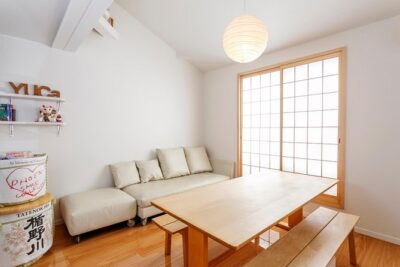
Ramen & Gyoza Cooking Class in Tokyo with Local Supermarket Visit
Read our review →
Easy Ramen Cooking Experience in Kabukicho, Shinjuku
Read our review →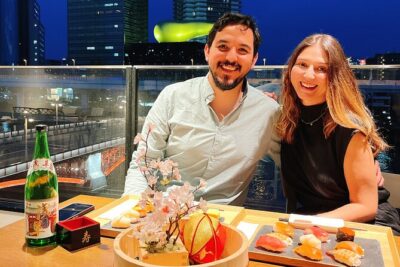
Ramen and Sushi Cooking Class with Sake Pairing Set in Tokyo
Read our review →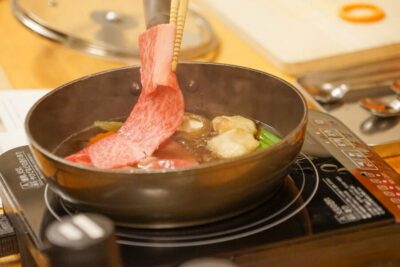
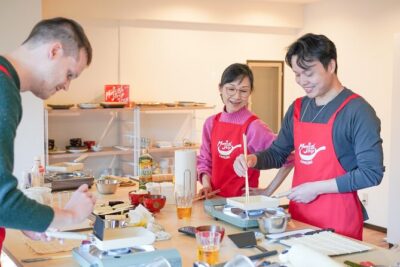
Tokyo Washoku 4-hour Cooking Class: From Market to Table
Read our review →
TokyoSumoShow, ChickenHotPot, and Mochi-Pounding by Pro Wrestlers
Read our review →
Professional Ramen & Gyoza with Ramen Chef in a restaurant!
Read our review →
Small-Group Wagyu Beef and 7 Japanese Dishes Tokyo Cooking Class
Read our review →Browse the lists this tour appears in