
Reviewed · JAPANESE COOKING CLASSES
Tokyo: Private Japanese Cooking Class with a Local Chef
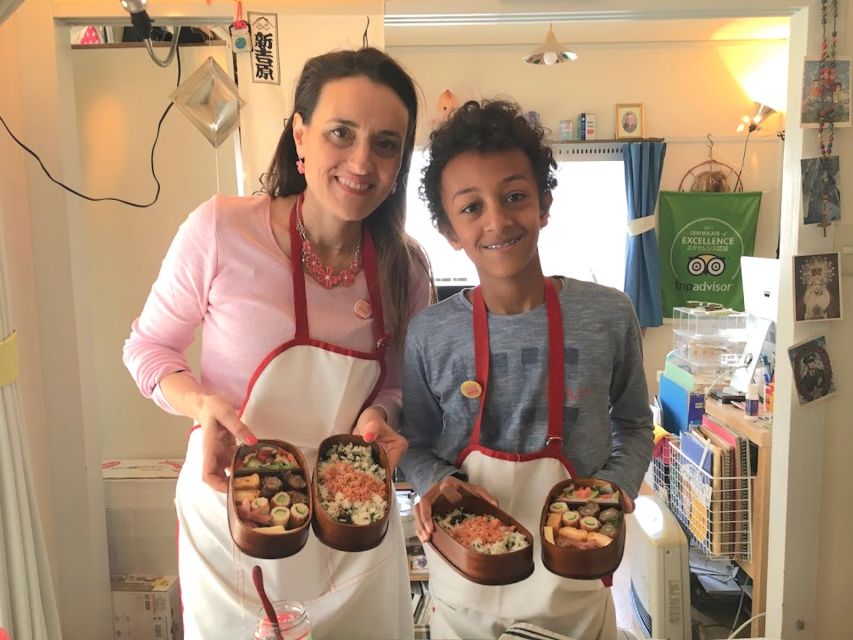
Tokyo’s best food lessons may happen far from a restaurant kitchen. In Chef Sato’s small Shinjuku apartment, you prepare Japanese dishes, sit down to eat them, and get a glimpse of ordinary Tokyo life. The menu changes by day, so you might make ramen and gyoza, or a traditional set meal with rice, seasonal vegetables, and several side dishes.
I like the private format, which gives you room to ask questions and take part instead of standing at the back of a large demonstration. I also like the personal touch: Sato shares family cooking traditions, explains why seasonal ingredients matter, and may lead you around lesser-seen parts of Shinjuku and Nakano after a morning class.
The main consideration is the changing menu. If you have your heart set on ramen, gyoza, or sushi, check the day’s schedule before booking. The advertised timing also needs a quick check, since the experience is described as three hours or 270 minutes, while the class schedule itself runs for two and a half hours.
In This Review
- Key points to know before booking
- Cooking Japanese food in a Shinjuku apartment
- Seasonal ingredients explain more than the recipes
- Pick your day by the food you want to cook
- Ramen and gyoza are practical souvenirs
- Eating at the same table completes the lesson
- The optional Shinjuku and Nakano walk
- Is $120 per person good value?
- Timing, meeting point, and planning tips
- Who will enjoy this class most?
- Should you book Chef Sato’s cooking class?
- FAQ
- Where does the cooking class take place?
- Where do I meet the chef?
- What language is used during the class?
- How long does the experience last?
- What time are the classes held?
- What food will I cook?
- How many dishes will I prepare?
- Is food included in the price?
- Is the class private?
- Is there a tour after the cooking class?
Key points to know before booking
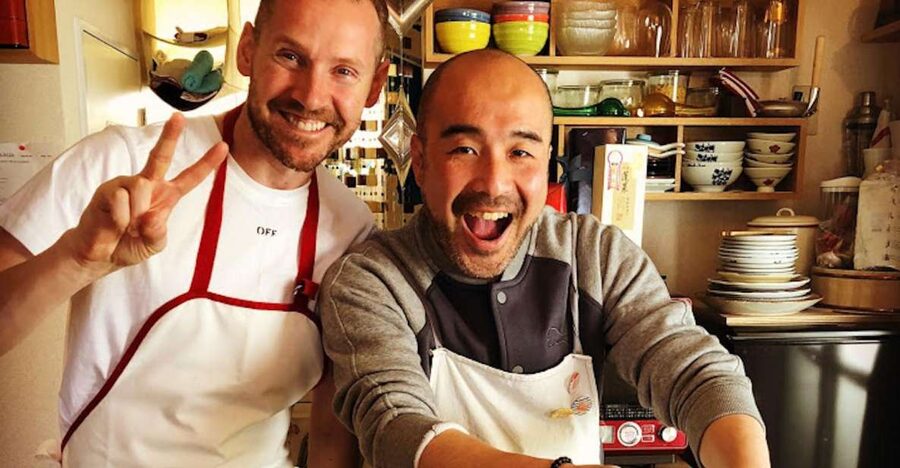
- Chef Sato teaches in English and welcomes questions about ingredients, technique, and Japanese food customs.
- The class takes place in a private apartment in Shinjuku, not a commercial cooking school.
- Menus change by weekday, with traditional meals on some days and popular foods such as ramen, curry, gyoza, and okonomiyaki on others.
- You cook and eat the food yourself, with two to four dishes depending on the menu.
- Morning participants can add a local walk from 1 PM to 3:30 PM after class.
- The price is $120 per person, with meals, Japanese barley tea, and pickup at the meeting point included.
Cooking Japanese food in a Shinjuku apartment
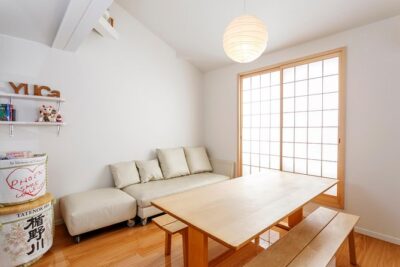
The experience begins at the east exit police box at Shinjuku Station. From there, Chef Sato meets you and takes you to his apartment, a short walk away. This simple start matters in Tokyo, where Shinjuku Station can feel like a city within a city. Having a named meeting point and a host waiting for you removes some of the usual station confusion.
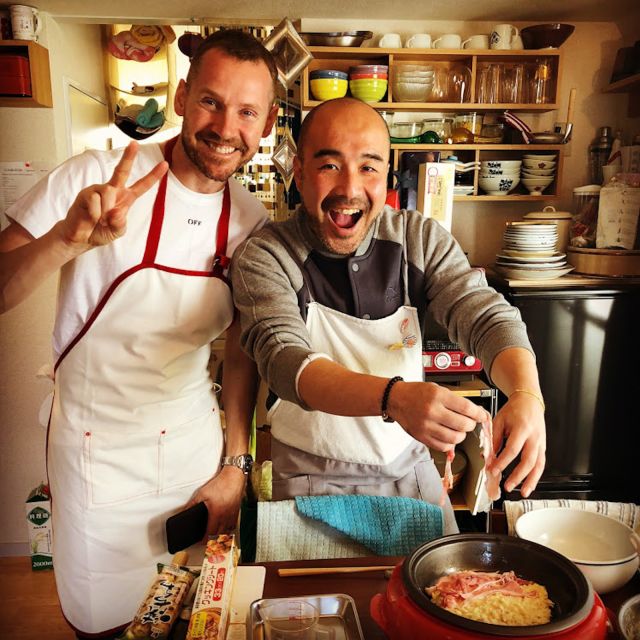
The setting is part of the appeal. You are not entering a polished culinary studio built for tourists. You are being welcomed into a real home, with the more relaxed rhythm that brings. Past participants describe the class as feeling like cooking with a friend, and that is useful context if you prefer conversation and personal contact over a formal lesson.
Sato’s family influenced his cooking from an early age. He explains how his parents taught him traditional Japanese food and talks about the place cooking holds in his life. That background gives the class a human center, rather than making it just a list of recipes.
You should expect to participate throughout. The class includes chopping, seasoning, preparation, cooking, and presentation. It is not a show where you simply watch a chef work. You get practical tasks and can ask why a certain ingredient is used or why a dish is prepared in a particular way.
More cooking classes in Tokyo:
- Ramen & Gyoza Cooking Class in Tokyo with Local Supermarket Visit
★ 5.0 · 823 reviews - Tokyo: Easy Ramen Cooking Experience in Kabukicho, Shinjuku
★ 4.6 · 321 reviews - Ramen and Sushi Cooking Class with Sake Pairing Set in Tokyo
★ 5.0 · 291 reviews
Seasonal ingredients explain more than the recipes
Japanese cooking often looks simple on the plate, but the balance comes from careful ingredients and preparation. Sato places strong emphasis on seasonality, which means the food you make depends partly on what is suitable at that time of year.
That idea is more valuable than memorizing one fixed menu. You learn to think about freshness, balance, texture, and presentation. You may also pick up small household tips, such as how to remove dark spots from potatoes, how to prepare vegetables, or how to arrange several dishes attractively.
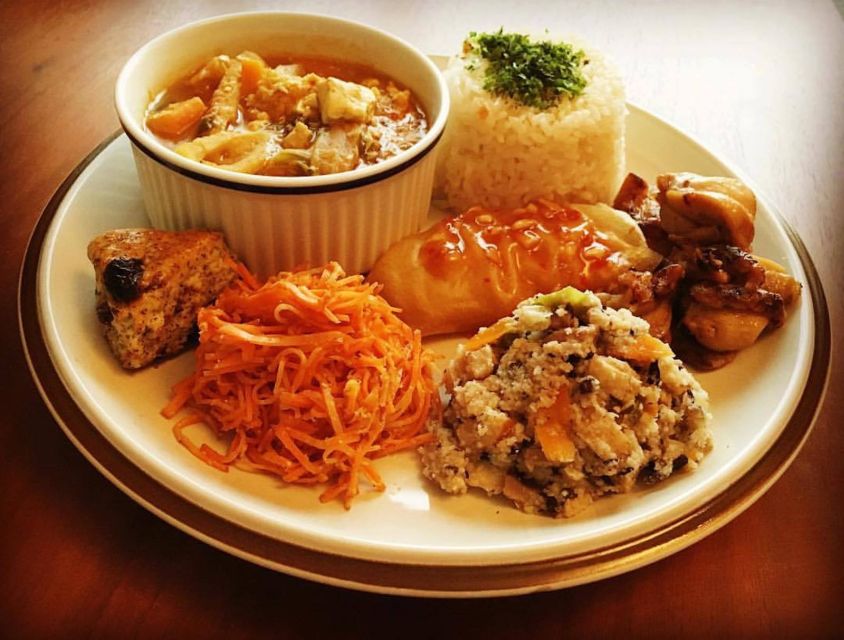
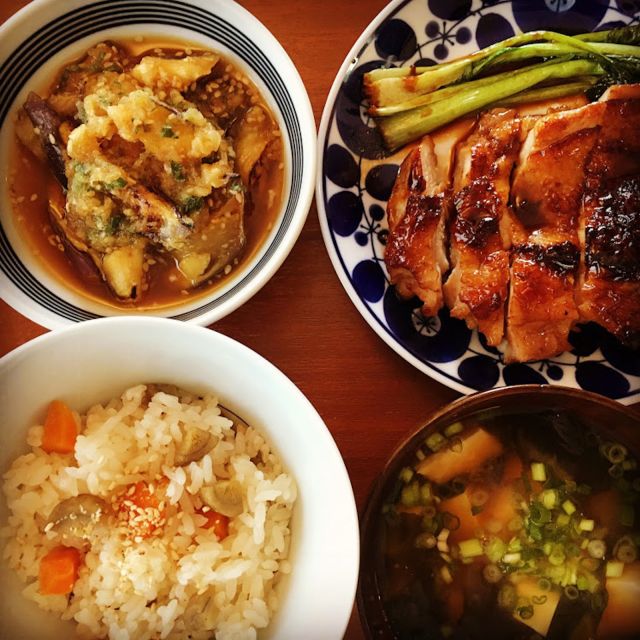
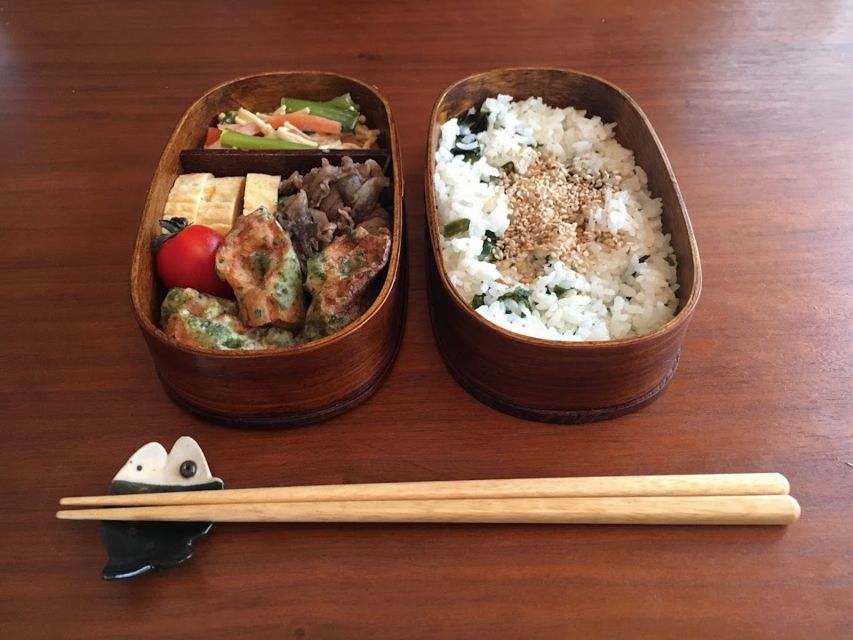
Past menus have included miso soup, rice, teriyaki chicken, salad, stuffed fishcake, and vegetables. Another class included katsu curry with rice, fresh spring tofu salad, chikuwa vegetable appetizers, and homemade miso from Sato’s family. These are the sorts of dishes that make sense for home cooking, and many can be attempted again after you return home.
The food is not presented as restaurant theater. You help make a meal that Japanese families might recognize: rice, soup, a main dish, and small sides. That is a useful contrast to eating only at ramen shops or department-store food halls.
Pick your day by the food you want to cook
The weekly schedule divides the experience into two broad menu styles.
On Saturday, Sunday, Monday, and Tuesday, the class focuses on standard traditional meals. You might prepare teishoku, a set meal with rice, a seasonal main dish, and two seasonal side dishes. Other possibilities include donburi, bento, tonjiru, and rice balls.
This is the better choice if you want to understand the structure of a Japanese home meal. A set meal teaches you how separate dishes work together. You are not relying on one large bowl of food, but building a meal with different flavors, colors, and textures.
Wednesday, Thursday, and Friday are popular food days. The possible menus include curry rice, okonomiyaki, gyoza, ramen, rice burgers, kara-age, and yakisoba. The listed set meal option includes a seasonal fried main dish and two side dishes.
This schedule is useful, but it does not guarantee every listed dish on every date. The menu changes according to the day, and the class may also be adjusted to suit food preferences. Contacting Sato before booking or soon after is wise if you need a particular menu or have dietary concerns.
The menu can include two to four items. That sounds modest, but it is enough for a full meal when rice, soup, a main dish, and side dishes are involved. Do not judge the class by the number of recipes alone. The useful part is learning the preparation behind them and eating the results at the end.
Ramen and gyoza are practical souvenirs
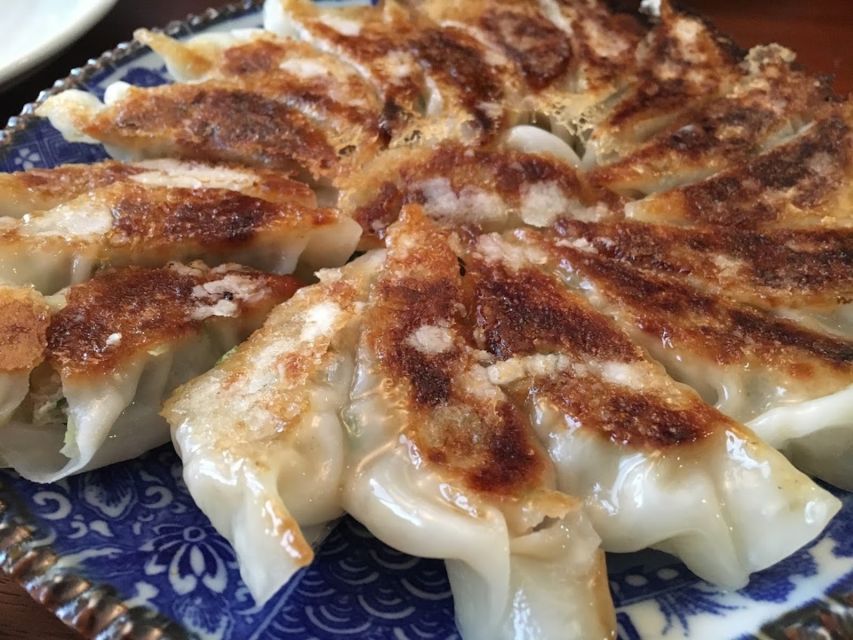
Ramen and gyoza are especially appealing choices because they are familiar foods with techniques you can repeat at home. The class has included handmade miso ramen and gyoza, with participants preparing the dishes from scratch.
For many people, that combination makes a satisfying first Japanese cooking lesson. You learn how separate ingredients become a finished bowl of noodles and a plate of dumplings, while also discovering that home cooking does not require a restaurant-sized kitchen.
Gyoza also gives you a hands-on task that suits a private class. You can help prepare the filling and shape the dumplings rather than simply watching them land in a pan. Ramen offers a different lesson, with attention to broth, noodles, and toppings.
Still, do not book this activity assuming ramen and gyoza are always available. Those dishes belong to the popular-food schedule, not every day of the week. If a particular dish is the reason you are booking, confirm the date and menu first.
A few more Tokyo bookings worth comparing
- Sushi Making Tokyo Roll and Authentic Japanese Sushi Class
★ 5.0 · 3,971 reviews - Tokyo: Roll and Authentic Sushi Making Class in Asakusa
★ 4.9 · 1,957 reviews - Tokyo Shinjuku Chopsticks Making Class
★ 5.0 · 1,763 reviews - Tokyo: Sushi Making Class in a Happi Coat near a Famous Spot
★ 4.9 · 1,377 reviews
Eating at the same table completes the lesson
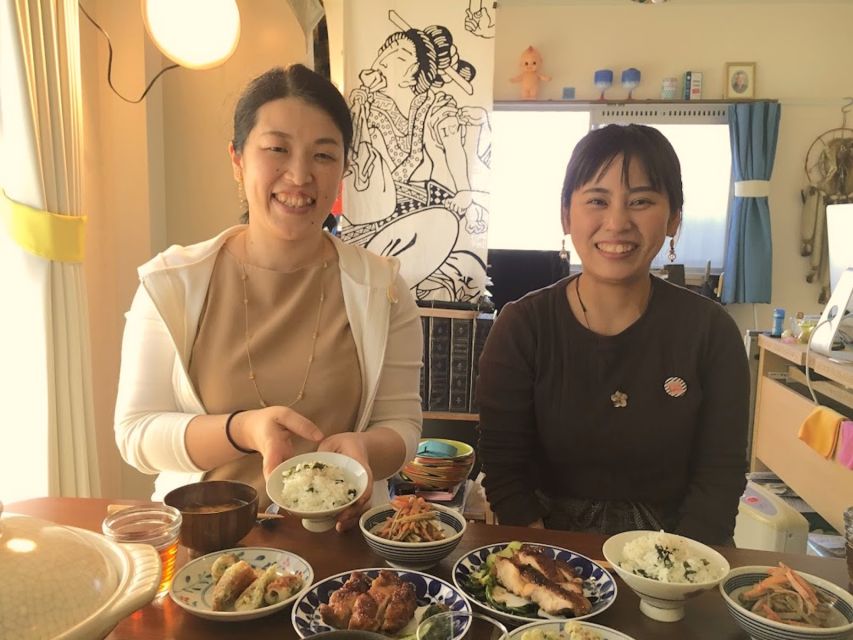
Once the cooking is finished, you sit down and eat the meal you prepared. This is more than a convenient ending. It lets you see how Japanese food works as a shared home meal, with several modest dishes served together rather than one course arriving at a time.
The class includes meals and a free drink of Japanese barley tea. Barley tea is a common nonalcoholic drink in Japan, and it fits the home-style setting better than a staged tasting. You can focus on the food and conversation without needing to buy anything extra during the lesson.
The meal also gives you time to talk with Sato. He shares stories about his family and cooking, and the conversation can extend beyond recipes to Japanese customs and daily life. Several people have valued this personal exchange as much as the food itself.
If you have been eating out for most of your trip, this change of pace can be welcome. You get a home-cooked meal and a chance to understand how some Japanese dishes are assembled in an ordinary kitchen. The tradeoff is that an apartment class is intimate. If you want a professional kitchen, formal certification, or advanced culinary training, this is not the right type of activity.
The optional Shinjuku and Nakano walk
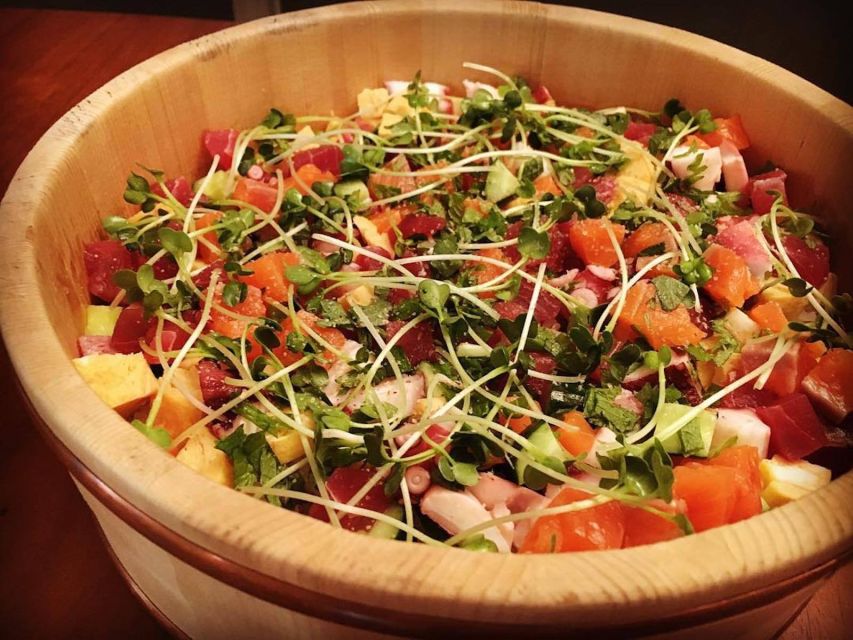
Morning classes run from 10:30 AM to 1 PM. Afterward, an optional short trip is available from 1 PM to 3:30 PM. The walk visits several interesting places that may not appear in a standard guidebook.
The exact stops are not specified, so you should treat this as a flexible local outing rather than a fixed sightseeing route. Sato has shown people parts of Shinjuku and Nakano, pointing out places they might otherwise pass without noticing. That makes the walk a useful add-on if you want neighborhood context after the cooking.
It also changes the shape of the day. Instead of leaving the apartment and immediately returning to the major sights, you continue with someone who knows the area and can answer questions. Sato has also offered recommendations for desserts and other things to do in Tokyo.
The walk follows the morning class only. Evening classes run from 6 PM to 8:30 PM, so they do not include the listed afternoon outing. If the walk matters to you, choose a morning booking and allow the full afternoon.
Is $120 per person good value?
At $120 per person, this is not a cheap meal, but it is more than a meal. The price includes a private English-language lesson, the food you prepare and eat, Japanese barley tea, and pickup at the Shinjuku meeting point.
The value depends on what you want from Tokyo. If you only want to eat ramen or curry, you can spend much less at a casual restaurant. If you want a personal introduction to Japanese home cooking, a chance to ask questions, recipe ideas to take home, and time with a local host, the price is easier to justify.
The private group format is important here. You are paying for attention and flexibility, not just ingredients. Couples, families, and small groups can take part together without being mixed into a large class. The available information identifies this as a private group, but does not specify the maximum number of participants beyond the menu and class format.
Recipe handouts have been provided in some classes, which can help you recreate the dishes later. That detail is not listed as a formal inclusion, so you should not depend on receiving printed recipes, but it is worth asking Sato if cooking at home is a main goal.
The best value comes when you treat this as a cultural activity with dinner included. It is less compelling if you are comparing it only with the cost of a restaurant plate.
Timing, meeting point, and planning tips
Morning and evening classes are offered every day. The listed morning time is 10:30 AM to 1 PM, and the evening time is 6 PM to 8:30 PM. The activity is also described as lasting three hours or 270 minutes, so confirm the exact duration and start time when you check availability.
Meet at the police box by Shinjuku Station’s east exit, at 3-38-38-1, Shinjuku, Shinjuku-ku, Tokyo, 160-0022. Shinjuku is large and crowded, so arrive with enough time to find the east exit rather than cutting it close.
The instructor speaks English. That is a major help when discussing ingredients, cooking steps, and cultural details. You can ask about food preferences before the class, and the menu may be tailored in response to your request.
The activity offers free cancellation up to 24 hours before the start time and a reserve-now, pay-later option. Those terms are useful in a Tokyo itinerary, where train plans, weather, and changing reservations can affect your day.
Who will enjoy this class most?
I would choose this for you if you like food but want more than a restaurant meal. It suits beginners and home cooks alike, since the lesson focuses on practical preparation and welcomes questions.
It is also a strong choice for couples and small private groups. The apartment setting encourages conversation, and the experience can feel personal without requiring you to commit to a full day away from Tokyo’s sights.
Families may appreciate the hands-on format, though the supplied information does not give a minimum age or child policy. Ask before booking if you are traveling with young children.
This is less suitable if you need a fixed menu, a large professional kitchen, or a highly technical cooking course. It is also not ideal for someone who dislikes changing plans, since the menu depends on the day and season.
Should you book Chef Sato’s cooking class?
Book it if you want a warm, personal look at Japanese food and daily life. The strongest reasons are the private apartment setting, Sato’s patient English teaching, the chance to prepare several dishes yourself, and the meal at the end.
Choose your date carefully. Traditional meal days suit you if you want teishoku, rice, soup, and seasonal sides. Popular-food days are the better bet for ramen, gyoza, curry, okonomiyaki, kara-age, or yakisoba.
If you select a morning class, consider adding the 1 PM to 3:30 PM local walk. At $120 per person, the experience asks more than a casual lunch, but it gives you cooking instruction, food, conversation, and a personal connection to Shinjuku. For many visitors, that is a fair price for a Tokyo memory you can use again in your own kitchen.
FAQ
Where does the cooking class take place?
The class takes place in Chef Sato’s apartment in Shinjuku, Tokyo.
Where do I meet the chef?
Meet at the police box by the east exit of Shinjuku Station, at 3-38-38-1, Shinjuku, Shinjuku-ku, Tokyo, 160-0022, Japan.
What language is used during the class?
The instructor teaches in English.
How long does the experience last?
The experience is described as lasting three hours or 270 minutes. The listed morning and evening class times each run for two and a half hours, so check the exact duration when booking.
What time are the classes held?
Morning classes run from 10:30 AM to 1 PM. Evening classes run from 6 PM to 8:30 PM.
What food will I cook?
The menu changes by day. Possible dishes include teishoku, donburi, bento, tonjiru, rice balls, curry rice, okonomiyaki, gyoza, ramen, rice burgers, kara-age, and yakisoba.
How many dishes will I prepare?
You will cook two to four items, depending on the selected menu.
Is food included in the price?
Yes. The meals you prepare and eat are included, along with Japanese barley tea.
Is the class private?
Yes. It is offered as a private group experience.
Is there a tour after the cooking class?
An optional short trip is available every day after the morning class, from 1 PM to 3:30 PM. The outing visits places in the area that may not be in guidebooks.
New on our Tokyo list
- From Tokyo: Mount Fuji & Hakone Full Day Private Tour★ 4.9 · 25 reviews
- Tokyo Spectacular View Day-Cruise in 90 Minutes★ 5.0 · 25 reviews
- Real Tokyo Runner Club : Daikoku Car Meet Night Tour with JDM Car★ 5.0 · 25 reviews
- 2.5 Hour-Guided Cycle Tour in the Central Tokyo★ 5.0 · 25 reviews
- Tokyo: 2-Hour Night Bike Tour of the City’s Hidden Gems★ 4.9 · 25 reviews
- Ramen Making from Scratch +Akihabara Tour –Cooking Class★ 5.0 · 25 reviews
- [Self-Drive] Tokyo & Daikoku Custom Car Driving Tour★ 4.9 · 25 reviews
- Samurai themed Entertainment show in Shinjuku★ 4.5 · 25 reviews
Japanese Cooking Classes, compared.
Ramen & Gyoza Cooking Class in Tokyo with Local Supermarket Visit
Read our review →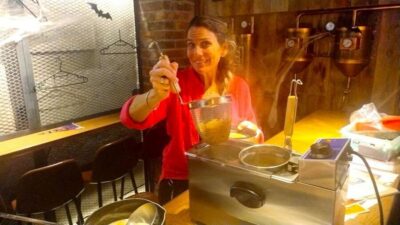
Easy Ramen Cooking Experience in Kabukicho, Shinjuku
Read our review →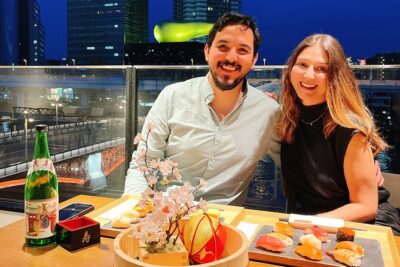
Ramen and Sushi Cooking Class with Sake Pairing Set in Tokyo
Read our review →
Tokyo Washoku 4-hour Cooking Class: From Market to Table
Read our review →
TokyoSumoShow, ChickenHotPot, and Mochi-Pounding by Pro Wrestlers
Read our review →
Professional Ramen & Gyoza with Ramen Chef in a restaurant!
Read our review →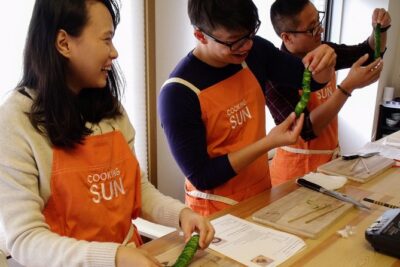
Small-Group Wagyu Beef and 7 Japanese Dishes Tokyo Cooking Class
Read our review →Browse the lists this tour appears in