
Reviewed · SUMO EXPERIENCES
Tokyo Sumo Morning Practice: Viewing & Exclusive Interaction
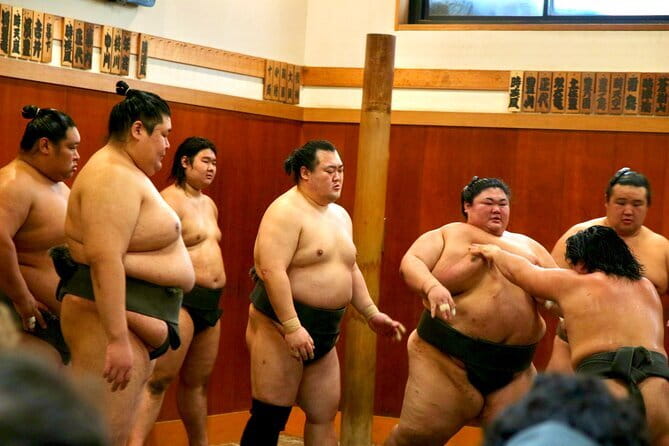
Real sumo practice is nothing like watching a polished performance. You sit only a few meters from the wrestlers as they stomp, stretch, grapple, and crash into one another on the practice floor. The room can feel quiet one moment and shake with impact the next. This is the real working life of sumo, not a staged show.
I like two things especially: the close view of training and the chance to speak with the wrestlers afterward. Guides such as Sarah, Momo, Haru, Peach, and Taka have been praised for clear explanations and friendly help. The optional Japanese meal afterward is another nice touch. The main caution is time and value: some visits have ended much earlier than the advertised three hours, while the $95.77 price can feel high if your session includes little beyond practice, a short question period, and photos.
In This Review
- Key points at a glance
- Why morning practice gives you a better look at sumo
- Meeting at Narihira Park in Sumida
- Sitting close to the practice floor
- A personal question period with the wrestlers
- The souvenir banzuke and final questions
- The optional Japanese brunch afterward
- Is $95.77 a fair price?
- Who should book this morning?
- Booking, cancellation, and practical details
- Should you book the Tokyo sumo practice?
- FAQ
- Where does the sumo morning practice experience begin?
- How long does the experience last?
- What does the tour include?
- Is brunch included?
- Can I take photos with the wrestlers?
- Can visitors enter the sumo ring?
- Is the experience suitable for children?
- What is the cancellation policy?
Key points at a glance
- Watch real morning training: See wrestlers work through exercises, rituals, and practice bouts at close range.
- Learn before you enter the stable: The opening briefing covers sumo rules, customs, history, and proper behavior.
- Meet the wrestlers afterward: The visit includes a Q&A and personal photographs, with occasional chances for male visitors to enter the ring.
- Expect a quiet, focused morning: Practice may last up to two hours, and children need to sit quietly during the session.
- Finish with a sumo souvenir: You receive an official banzuke ranking sheet in an original folder.
- Leave room for brunch: An optional Japanese meal follows the visit and may cost about ¥1,000 to ¥2,000, depending on what you order.
Why morning practice gives you a better look at sumo
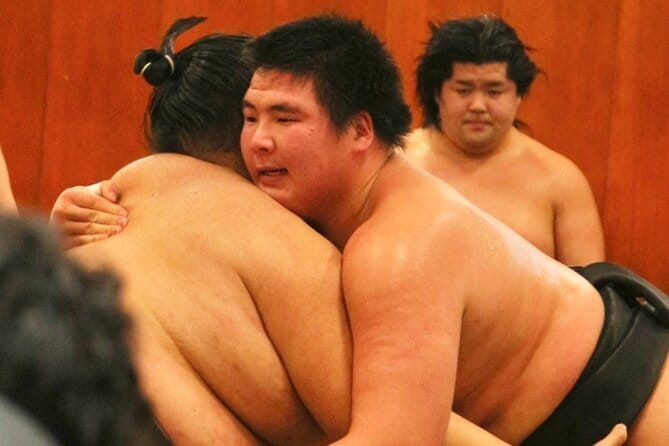
Tokyo hosts sumo tournaments only a few times each year. If your visit falls outside tournament dates, this morning practice is a useful alternative. It does not replace the excitement of a full tournament, but it shows you the work behind that spectacle.
At a tournament, you watch from a seat among thousands of people. Here, you see the preparation close up. You notice the repeated exercises, the waiting, the individual habits of the wrestlers, and the serious mood inside the stable. The wrestlers are not performing for a tourist audience. They are training.
That distinction matters. Practice is not a contest with a winner and a loser. It is a demanding session built around technique, strength, repetition, and discipline. You may see several practice bouts, but the point is preparation rather than competition.
The strongest part of the experience is this direct view of effort. A television broadcast shows the dramatic clash. This visit lets you see the long work before the clash, including the physical conditioning and rituals that make the sport more understandable.
More sumo mornings:
- Tokyo: Sumo Show Experience with Chicken Hot Pot and a Photo
★ 4.8 · 6,678 reviews - Tokyo: Sumo Show and Dining Experience
★ 4.8 · 2,742 reviews - the SUMO show
★ 5.0 · 1,960 reviews
Meeting at Narihira Park in Sumida
The tour begins at Narihira Park in Sumida City, near the multipurpose restroom. The listed meeting address is 2-chōme-3-番 Narihira, Sumida City, Tokyo 130-0002. Your guide welcomes you there and gives an orientation before the group goes to the stable.
Pay close attention to the meeting instructions. One person specifically warned that the location shown on a ticket could be incorrect, so it is wise to check the latest meeting details and any message from the guide before leaving your hotel. Guides have also contacted participants the day before with directions and reading material, which can make an early start much less stressful.
The orientation lasts about 20 minutes. This is not filler. It prepares you for what you are about to see. Your guide explains basic sumo rules, the background of the sport, the stable system, and the customs that shape a practice morning.
You also learn how to behave inside the stable. The wrestlers are working, so silence and attention matter. Use the briefing to ask your guide about anything that is unclear before entering. Once practice begins, you may have few chances to speak.
If you are coming from Shinjuku for an 8 a.m. session, allow extra time for the trip. One useful tip is to consider a taxi or ride service if you are worried about arriving late. The early hour and the Sumida meeting point can make this a less convenient start than a central Tokyo tour.
Sitting close to the practice floor
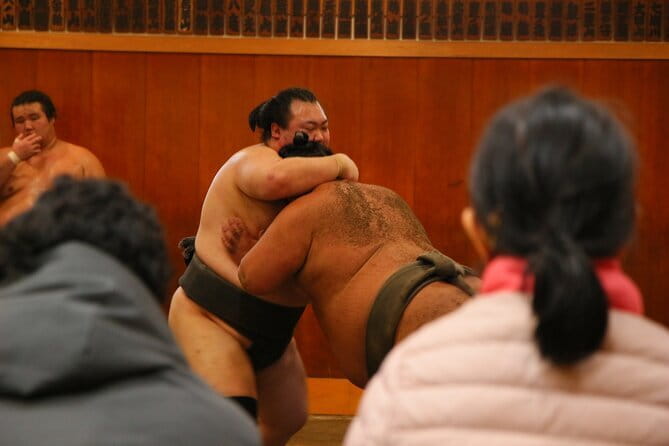
The main viewing session lasts about 90 minutes, though the actual length and intensity can vary. You sit close to the wrestlers and watch them train at a distance that is far more personal than a tournament seat.
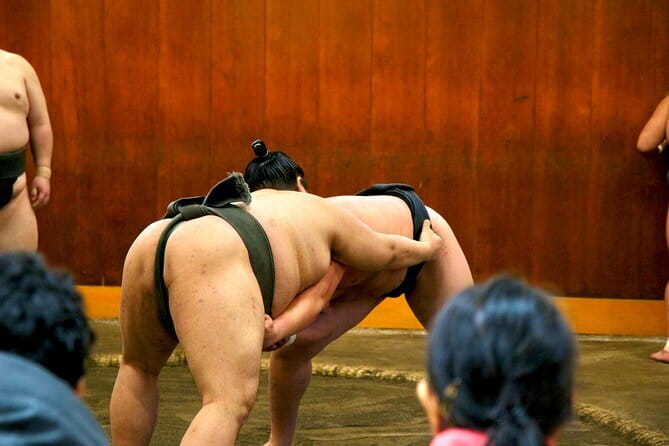
Expect a serious atmosphere. The wrestlers repeat exercises and techniques, prepare their bodies, and take part in practice bouts. The sounds are part of the experience: foot stomps, shouted effort, the slap of bodies, and the heavy impact when two wrestlers meet.
This is also where the guide’s preparation pays off. Without an introduction, a visitor unfamiliar with sumo might see a series of large men pushing and falling. With some basic context, you can recognize the role of ritual, stance, balance, timing, and repeated practice.
Several people have found it fascinating to watch the wrestlers’ different styles and personalities. That is one of the pleasures of a small stable. You are not just seeing a generic sport. You are watching individuals develop their own ways of moving and responding.
The session can require patience. One description says visitors may sit quietly for up to two hours, depending on the training schedule. That makes the experience a poor fit for children who cannot remain still and quiet. Families with older children have enjoyed it, including groups whose children later joined the interaction, but you should explain the rules before arrival.
Do not expect a tournament atmosphere. There are no crowds roaring around you, no formal bout card for you to follow, and no promise that every morning will contain the same number of practice matches. The payoff is a closer look at ordinary training, not a guaranteed sporting spectacle.
A personal question period with the wrestlers
After practice, the mood changes. The wrestlers may speak with the group, answer questions, and pose for photos. This is the most personal part of the visit, and it helps turn an observation session into a cultural exchange.
The question period is guided and may be limited. One account describes up to five questions, while another hoped for a chance to speak directly with the oyakata, the stablemaster. Your English-speaking guide helps translate between the group and the wrestlers, but direct access to the stablemaster is not promised.
Prepare your questions in advance. Ask about training, daily life, the path into sumo, or what the wrestlers find hardest. A short, thoughtful question will make better use of the time than trying to think of something on the spot.
The wrestlers are often described as friendly and open during this part of the experience. You can take personal photos with them, which is a far different memory from photographing a match from the stands. Bring a phone or camera, but remember that the stable is still a working place. Follow your guide’s instructions about when photography is appropriate.
Some male visitors have been invited into the ring for a brief, playful pushing challenge. Fathers, sons, and grandsons have taken part, and one adult visitor was allowed to push against a wrestler who held back until giving him a little ground. This is not guaranteed, and it is not a formal wrestling lesson.
Women are not permitted to enter the ring because of long-standing sumo traditions. Women can still watch practice, ask questions, and take photos, but you should know about this restriction before booking. It is an important point for families and mixed groups.
A few more Tokyo bookings worth comparing
- Tokyo: Sumo Morning Practice Viewing Tour
★ 4.8 · 570 reviews - Tokyo: Sumo Morning Training Visit
★ 4.4 · 370 reviews - Tokyo: Sumo Morning Practice Tour at Sumida City
★ 4.8 · 308 reviews - Tokyo Sumo Morning Practice Tour at Stable
★ 5.0 · 298 reviews
The souvenir banzuke and final questions
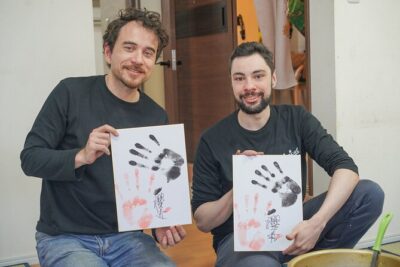
The group returns to Narihira Park for a closing session of about 30 minutes. Here, the guide can handle extra questions and present an official banzuke, the ranking sheet used in sumo, in a specially designed original folder.
The banzuke is more useful than a generic tour trinket because it connects directly to the sport you have just seen. It gives you a physical reminder of the ranking system and helps you continue following sumo after leaving Tokyo.
The closing period also gives you a little breathing room. The stable visit is concentrated and quiet. Back in the park, you can ask about a ritual you noticed or clarify a rule you did not understand during the practice.
The full experience is advertised at roughly two and a half to three hours. In practice, the length can depend on the stable’s schedule. One visitor found the entire visit lasted only about an hour, so you should not plan an important appointment immediately afterward based only on the maximum advertised duration.
At the same time, the morning schedule is convenient for sightseeing. If your session ends on time, you still have most of the day for Asakusa, Tokyo Skytree, Ueno, or another Sumida-area stop. That makes this easier to fit into a short Tokyo visit than an evening activity.
The optional Japanese brunch afterward
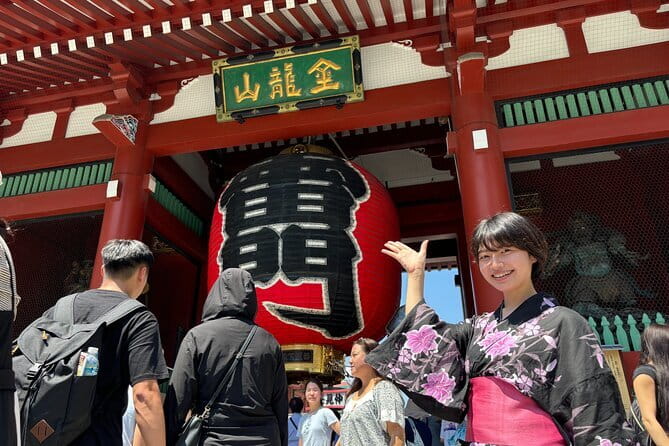
An optional brunch adds a relaxed food stop after the stable. It is not included in the $95.77 tour price, so treat it as an extra choice rather than part of the basic package.
The meal is closer to lunch than to a European-style brunch. A guide can explain the dishes and help you choose. The cost may be around ¥1,000 to ¥2,000, depending on what you eat.
I would consider adding it if you want help ordering Japanese food or if you have not yet had a traditional-style meal during your stay. It also gives you more time to talk with the guide and other members of the group while the morning is still fresh.
Skip it if you have a full sightseeing schedule or a restaurant reservation elsewhere. The sumo visit itself returns to the meeting point, so you are free to continue your day without eating with the group.
Is $95.77 a fair price?
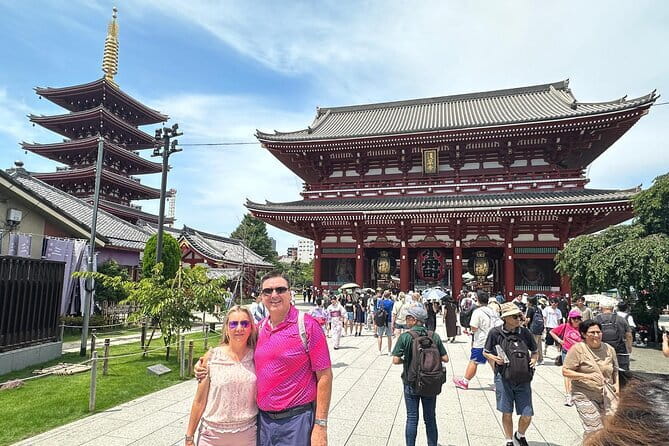
At $95.77 per person, this is not a cheap introduction to sumo. The price includes the English-speaking guide, the practice viewing fee, and the official banzuke souvenir set. It does not include the optional brunch.
The value depends on what you want from the morning. If you want a genuine look inside a working stable, the close seating and wrestler interaction may justify the cost. A tournament ticket gives you the thrill of formal matches, but it does not give you this kind of access to training.
If your visit is outside tournament season, the comparison changes. You may have no practical chance to attend a Tokyo tournament at all. In that case, this is one of the more direct ways to see professional wrestlers at work.
The price feels less convincing if your session is brief or the guide provides only limited background. Several strong experiences included detailed explanations from guides such as Momo, Sarah, Haru, Peach, and Taka. But the quality of the interpretation may vary by guide and by group needs.
A maximum group size of 45 is listed, which sounds large for an intimate stable visit. In practice, some sessions have had much smaller groups, including one group of eight watching seven wrestlers. You cannot count on that level of intimacy, but it explains why the experience can feel very personal on some dates.
Book this for access, not for a long guided lecture. Read any pre-tour material sent by your guide so you arrive with basic questions ready. That will help you get more value from the short orientation and Q&A.
Who should book this morning?
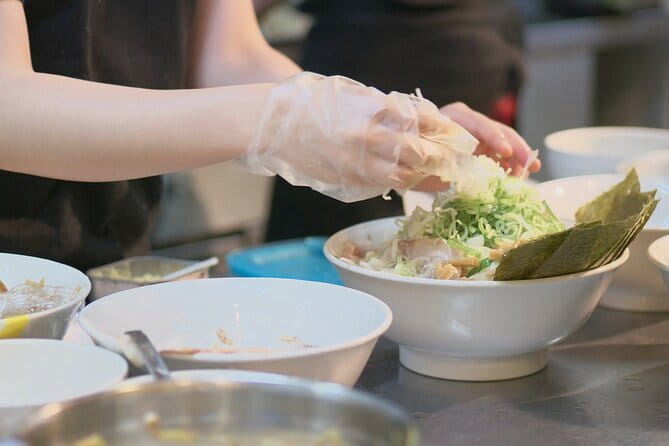
I would recommend it most to people with a real interest in Japanese culture, traditional sports, photography, or the daily discipline behind performance. It is also a strong family choice for older children who can sit quietly and follow stable etiquette.
It suits a first-time sumo visitor because the guide explains the rules and rituals before practice. It also works for fans who have watched sumo on television and want to understand what happens away from the tournament arena.
You should think twice if you need constant movement, dislike quiet observation, or want guaranteed competitive bouts. This is a practice session, and the wrestlers’ schedule controls what you see.
It is also less suitable if everyone in your group expects to enter the ring. Men may sometimes be invited to take part, but the opportunity is not guaranteed, and women cannot enter the ring under the stable’s traditional rules.
Wear comfortable clothing that allows you to sit for a long period. The most important preparation is mental: this is a working training environment. Keep your voice down, listen to the guide, and avoid treating the stable like a theme park.
Booking, cancellation, and practical details
Confirmation is provided when you book, and the activity is near public transportation. The tour begins and ends at the Narihira Park meeting point, so arrange your onward plans from there rather than expecting a central Tokyo drop-off.
The mobile ticket is convenient, but do not rely on it alone for directions. Check the meeting point carefully, especially since one participant reported a location error on the ticket. Any message from the operator should take priority for the final meeting instructions.
Most people can participate, and the maximum group size is 45. The information provided does not describe special accessibility arrangements, so contact the operator before booking if you need specific assistance.
Free cancellation is available up to 24 hours before the start time for a full refund. Cancellations or changes made less than 24 hours before the start are not accepted for a refund, and the cut-off uses Tokyo local time.
Should you book the Tokyo sumo practice?
Book it if you want to see real training at close range, not just a staged demonstration or a tournament from far away. The strongest parts are the raw physical practice, the chance to ask wrestlers questions, the photographs, and the rare possibility of a friendly ring challenge.
I would book with three expectations. Practice may be quiet and demanding rather than theatrical. The length can vary. And at nearly $100 before brunch, the value depends heavily on how much explanation and interaction your group receives.
For sumo fans, families with patient older children, and visitors outside tournament season, this is a worthwhile Tokyo morning. For casual sightseers on a tight budget, compare the price with a tournament ticket or another cultural activity first. Check the meeting location, read the pre-arrival material, and keep the rest of your day flexible. Do that, and you will give yourself the best chance of seeing what makes sumo more than a few seconds of spectacular impact.
FAQ
Where does the sumo morning practice experience begin?
It begins at Narihira Park in Sumida City, near the multipurpose restroom. The listed address is 2-chōme-3-番 Narihira, Sumida City, Tokyo 130-0002, Japan.
How long does the experience last?
The advertised duration is approximately two hours and 30 minutes to three hours. The exact length can vary with the stable’s training schedule, and at least one session was reported to finish much earlier.
What does the tour include?
The price includes an English-speaking guide, the sumo morning practice viewing fee, and an official banzuke ranking sheet in an original folder.
Is brunch included?
No. Japanese brunch is optional and costs extra. The meal may cost approximately ¥1,000 to ¥2,000, depending on what you order.
Can I take photos with the wrestlers?
Yes. A photo session with the wrestlers follows the practice, along with an opportunity to ask questions.
Can visitors enter the sumo ring?
Some male visitors may be invited to take part in a brief pushing challenge, but this is not guaranteed. Women are not allowed into the ring because of traditional restrictions.
Is the experience suitable for children?
Families have enjoyed the activity, but children must be able to sit quietly during practice, which may last up to two hours depending on the morning schedule.
What is the cancellation policy?
You can cancel at least 24 hours before the local start time for a full refund. Cancellations or changes made less than 24 hours before the start are not accepted for a refund.
New on our Tokyo list
- From Tokyo: Mount Fuji & Hakone Full Day Private Tour★ 4.9 · 25 reviews
- Tokyo Spectacular View Day-Cruise in 90 Minutes★ 5.0 · 25 reviews
- Real Tokyo Runner Club : Daikoku Car Meet Night Tour with JDM Car★ 5.0 · 25 reviews
- 2.5 Hour-Guided Cycle Tour in the Central Tokyo★ 5.0 · 25 reviews
- Ramen Making from Scratch +Akihabara Tour –Cooking Class★ 5.0 · 25 reviews
- [Self-Drive] Tokyo & Daikoku Custom Car Driving Tour★ 4.9 · 25 reviews
- Tokyo: 2-Hour Night Bike Tour of the City’s Hidden Gems★ 4.9 · 25 reviews
- Samurai themed Entertainment show in Shinjuku★ 4.5 · 25 reviews
Sumo Experiences, compared.
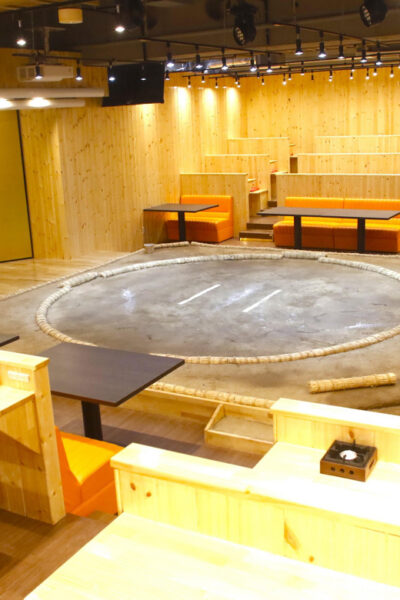
Sumo Show Experience with Chicken Hot Pot and a Photo
Read our review →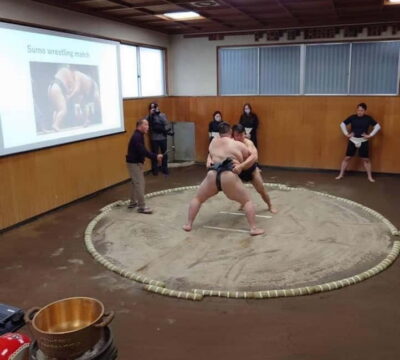
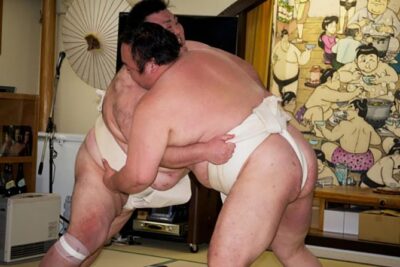
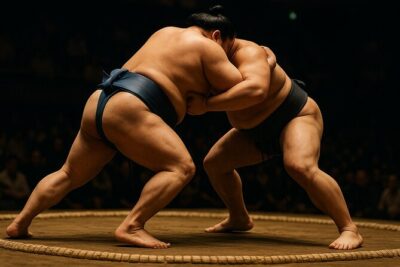
Tokyo Shinjuku Sumo Show & Experience with Photo
Read our review →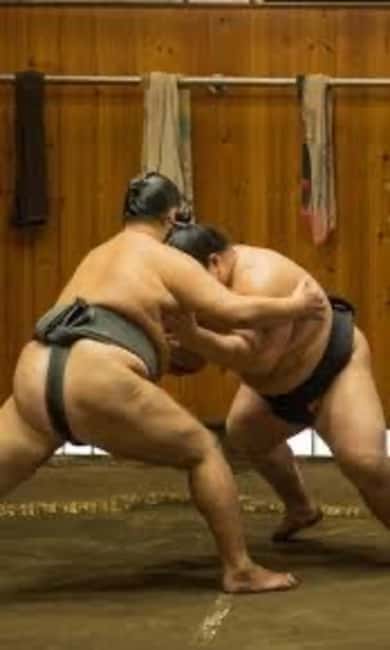
Authentic Sumo Experience in Tokyo: Enter the Sanctuary
Read our review →
Luxury Sumo Show Experience & Japanese cuisine & Drink
Read our review →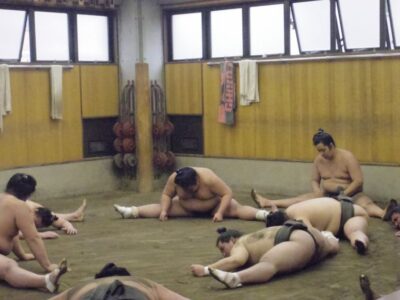
Browse the lists this tour appears in