
Reviewed · SUMO EXPERIENCES
Tokyo Sumo Morning Practice: Viewing & Exclusive Interaction
Tokyo Sumo Morning Practice: Viewing and Exclusive Interaction
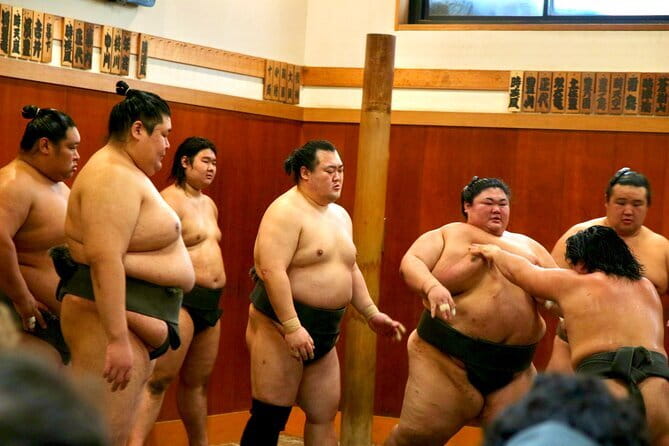
The best part of this morning tour is the access. You are not watching a staged dinner show. You sit quietly inside an active sumo stable as wrestlers warm up, train, and spar at close range. The room can feel intense, even overwhelming, as bodies hit the ring and the practice carries on with little fuss.
I like two things especially. First, the guide explains the rules, rituals, and manners before you enter, so the action makes sense instead of looking like a blur of powerful collisions. Second, you get time to speak with active wrestlers and take photos after practice. The main drawback is the early start and the strict rules: no food, recording, or flash, and children under six cannot join.
In This Review
- Key points at a glance
- Why authentic practice matters more than a staged show
- Starting at Narihira Park with a useful briefing
- Walking into an active sumo stable
- Choosing a zabuton or a stool
- The Q&A and photo session with active wrestlers
- Returning to the park for the Banzuke and final questions
- What the $93 price includes
- Who will enjoy this morning most
- Practical tips before you go
- Is this Tokyo sumo tour worth booking?
- FAQ
- Where does the Tokyo sumo morning practice tour meet?
- How long does the experience last?
- What happens at the meeting point?
- Is transportation included?
- Can I sit on a chair instead of the floor?
- Can I take photographs?
- Can I record video or audio?
- Can I speak with the sumo wrestlers?
- Does the tour operate differently during a Grand Sumo Tournament?
Key points at a glance
- Real morning practice: Watch current wrestlers train inside an active sumo stable, rather than attending a staged performance.
- Flexible seating: Sit on a front-row zabuton floor cushion or use stools at the back if floor seating is uncomfortable.
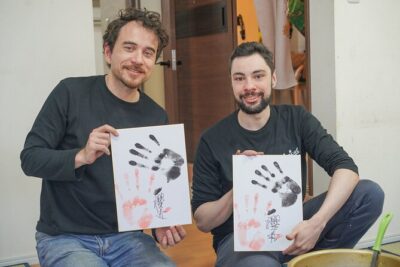
- Direct wrestler interaction: Ask about training and daily life, take commemorative photos, and, when offered, try a brief sumo bout.
- Guides who add context: English and Japanese guidance is provided, with guides including Haru, Momo, Sana, and Ryoko praised for clear explanations and warm help.
- A useful souvenir: Take home an official Banzuke, the sumo ranking sheet, in a specially designed folder.
- Convenient finish: The tour ends around 11:00 AM near Narihira Park, putting you close to Tokyo Skytree and Asakusa.
Why authentic practice matters more than a staged show
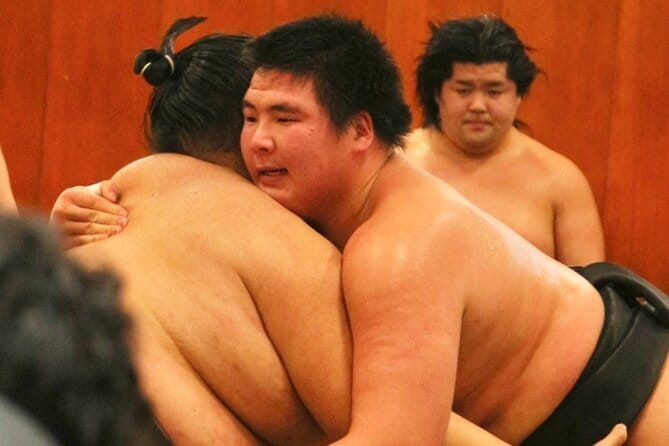
Sumo is easy to recognize but harder to understand from a distance. You see large athletes in a ring, hear a sharp slap or stomp, and perhaps catch the basic idea of pushing an opponent out. The training session shows you the discipline behind that brief contest.
This is a working practice, not a performance arranged for visitors. The wrestlers are preparing for competition, repeating movements, testing strength, and building stamina. That difference matters. You are seeing daily athletic work rather than a polished presentation designed around applause.
The early hour also helps. Sumida is quiet in the morning, and the setting feels removed from the bright signs and packed shopping streets elsewhere in Tokyo. The calm outside makes the noise inside the stable more striking.
You will need to behave like a respectful observer. Stay quiet during practice, follow the seating instructions, and use your camera only as permitted. Photography is allowed, but flash photography, video recording, and audio recording are not.
More sumo mornings:
- Tokyo: Sumo Show Experience with Chicken Hot Pot and a Photo
★ 4.8 · 6,678 reviews - Tokyo: Sumo Show and Dining Experience
★ 4.8 · 2,742 reviews - the SUMO show
★ 5.0 · 1,960 reviews
Starting at Narihira Park with a useful briefing
Your meeting point is near the multipurpose restroom at Narihira Park. This is not just a place to gather and count heads. The guide checks your name, gives you sumo-related materials, and explains the manners and rules you need to follow inside the stable.
I like this arrangement because the briefing comes before the sensitive part of the experience. You have time to ask basic questions before entering, and you are less likely to distract the wrestlers once training begins.
The introduction covers sumo history, rules, and etiquette. It is especially helpful if you know the sport mainly from photographs or a quick visit to a tournament. You will have a better sense of what the athletes are doing and why the room observes certain customs.
Guides work in English and Japanese. Several names appear in the experience feedback, including Haru, Momo, Sana, and Ryoko. Haru is praised for friendly English guidance, while Momo is noted for clear explanations at both the beginning and end. Sana and Ryoko are also singled out for helpful, warm service.
You should arrange your own transportation to Narihira Park. Transportation is not included, so check the meeting point and allow time to arrive before the start.
Walking into an active sumo stable
From the park, you take a short walk to an active sumo stable. The stable is where wrestlers live and train, making it a serious working environment rather than an attraction built for public viewing.
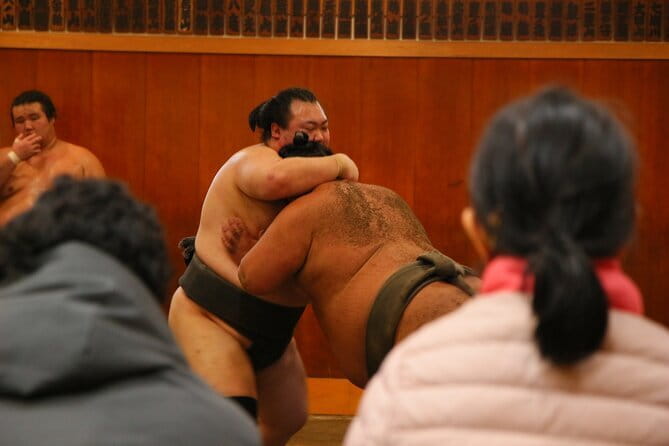
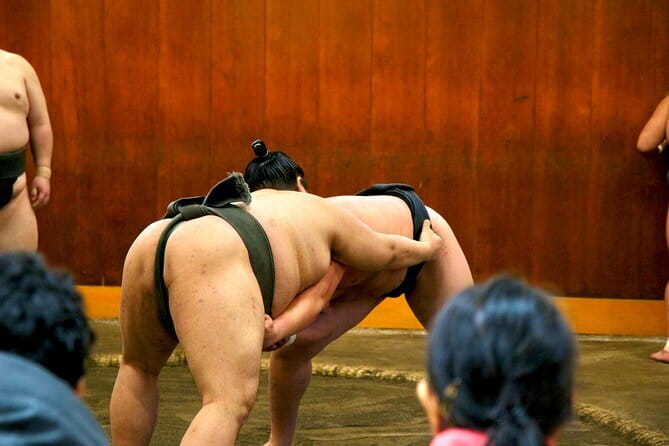
Once inside, you watch the practice from a designated seating area. The training can include warm-ups, repeated drills, and sparring. You might see the wrestlers working through the same movements again and again, then facing one another with sudden force.
The close distance is a major reason to book this experience. Sumo looks controlled on television, but in person you notice the sound, speed, and physical effort more clearly. The training can be a little overwhelming, especially when a powerful collision happens only a short distance away.
The session is also a lesson in restraint. The wrestlers are not performing for the room, so they will not pause to explain every movement or play to the cameras. That can feel less convenient than a formal show, but it is exactly what gives the visit its value.
Choosing a zabuton or a stool
You have two seating options. For the closest view, choose a traditional floor cushion called a zabuton. These cushions are placed toward the front and give you a more immediate sense of the ring and training area.
If sitting on the floor is difficult, stools are available at the back. The view is less close, but you can watch without forcing yourself into an uncomfortable position. This small choice makes the tour more practical for different bodies and comfort levels.
Do not assume that the front row is automatically best. If you are worried about floor seating, choose the stool and pay attention to the practice. A distracted observer who is shifting constantly will enjoy less than someone sitting comfortably farther back.
The seating position is part of the etiquette briefing, so follow the guide’s instructions. The stable is a working space, and the tour depends on visitors being quiet and orderly.
A few more Tokyo bookings worth comparing
- Tokyo: Sumo Morning Practice Viewing Tour
★ 4.8 · 570 reviews - Tokyo: Sumo Morning Training Visit
★ 4.4 · 370 reviews - Tokyo: Sumo Morning Practice Tour at Sumida City
★ 4.8 · 308 reviews - Tokyo Sumo Morning Practice Tour at Stable
★ 5.0 · 298 reviews
The Q&A and photo session with active wrestlers
After practice, the mood changes. You have a chance to speak directly with the wrestlers through the guide, asking about training, daily life, and their mindset as athletes.
This is the point where the experience becomes personal. Watching a demanding practice can leave you with a general impression of strength and discipline. Asking questions lets you connect those impressions to the people doing the work.
The guide helps with communication and keeps the exchange moving. You do not need to know the right Japanese terms or prepare a long list of questions. Ask about the subjects you genuinely want to understand, such as what a normal training day involves or how wrestlers approach hard practice.
Photography is included during the commemorative session, but you still need to follow the stable’s rules. Flash is not allowed, and the experience does not permit video or audio recording.
Some sessions may offer an extra playful moment. The supplied experience details include accounts of male audience members being invited to try a short bout with a professional wrestler. This is not presented as a guaranteed part of every visit, so treat it as a possible bonus, not a promised feature.
The chance to ask questions is consistently one of the strongest parts of the morning. It gives you something a tournament seat cannot: direct contact with athletes outside the ring, in a setting where you can ask about the person behind the competition.
Returning to the park for the Banzuke and final questions
After the stable visit, the group returns to Narihira Park for the closing session. Here you receive an official Banzuke, or sumo ranking sheet, inside a specially designed souvenir folder.
The Banzuke is more useful than a generic logo item because it connects directly to the sport’s competitive structure. You can look at it later and remember that sumo is not only about dramatic matches. Rankings, status, and tournament results shape how the sport is understood.
The final Q&A takes place at the park rather than being squeezed into the stable visit. Your guide remains available to answer questions about customs and traditions, or to offer personalized suggestions for the rest of your Tokyo day.
I like this extra time because the questions often arrive after you have seen the practice. You may notice a ritual or training pattern that did not make sense at first. The park session gives you a quieter place to ask about it.
The tour wraps up around 11:00 AM. That timing works well if you want to continue to Tokyo Skytree or Asakusa. You are not locked into a full-day activity, and the morning leaves room for lunch and more sightseeing.
What the $93 price includes
At $93 per person, this is not a cheap way to fill a morning. The price includes the stable visit fee, an English-speaking guide, and the special souvenir. Transportation to the meeting point is separate.
The value depends on what you want from sumo. If your goal is simply to see a match, a tournament ticket or televised bout may suit you better. If you want to understand how wrestlers train and speak with active athletes, the stable access makes the cost easier to justify.
You are also paying for the guidance. Without an explanation of the rules and manners, the practice could feel like a powerful but confusing workout. The guide provides the framework, handles the Q&A, and helps you take part respectfully.
The souvenir adds a modest extra benefit, but I would not book this tour for the folder alone. The real value is the combination of working practice, small-group-style access, and time with the wrestlers.
A 4.9 rating from 74 reviews suggests very strong satisfaction, and the recurring praise focuses on the same elements: authentic practice, friendly guides, wrestler questions, and the chance to see training close up. I would still keep expectations realistic. You are visiting a working stable, not receiving a theatrical show with a guaranteed scripted program.
Who will enjoy this morning most
I would recommend this experience to anyone with a serious curiosity about sumo, especially first-time visitors who want context as well as photographs.
It suits you if you:
- Prefer working cultural settings to staged entertainment
- Want to ask active athletes about daily life and training
- Are comfortable observing quietly for part of the visit
- Can manage an early morning start
- Want to continue sightseeing near Skytree or Asakusa afterward
It may not suit you if you need constant narration, want to record the entire experience, or dislike sitting on the floor. The stool option helps with seating, but the rules remain firm. Children under six are not allowed.
The tour also requires patience. The wrestlers are training first, and your interaction comes afterward. If you are looking only for a quick photo, the three-hour format may feel longer than necessary. If you want the practice to make sense, the full morning is worthwhile.
Practical tips before you go
Arrive at Narihira Park with enough time to find the meeting point near the multipurpose restroom. The guide checks names and distributes materials there, so do not wander off assuming the group will meet at the stable.
Wear clothing that allows you to sit comfortably if you choose a zabuton. If floor seating is not suitable, request or select a stool at the back.
Keep your phone and camera ready for still photography, but turn off the flash. Do not plan to record video or audio. Food, alcohol, and drugs are not allowed.
Grand Sumo Tournament periods require special attention. During the approximate two-week tournaments in January, May, and September, practice starts about 30 minutes earlier and viewing lasts about one hour. Check the date carefully because this shorter schedule changes the shape of the morning.
The tour offers free cancellation up to 24 hours before the start and a reserve-now, pay-later option. Those policies help if your Tokyo schedule is still changing, but you should still confirm the current starting time when booking.
Is this Tokyo sumo tour worth booking?
I would book it if you want genuine access, a clear introduction to sumo, and a chance to speak with active wrestlers. The practice is the main event, but the guides, photo session, Banzuke souvenir, and final questions turn it into a fuller cultural experience.
I would skip it if you want a relaxed late morning, unrestricted photography, or a guaranteed wrestling demonstration. The early start, quiet rules, and changing practice schedule require flexibility.
For many visitors, this is a strong use of three hours and $93, particularly when paired with Tokyo Skytree or Asakusa afterward. Go in ready to observe respectfully, and you will get far more than a quick look at large athletes in a ring.
FAQ
Where does the Tokyo sumo morning practice tour meet?
The meeting point is near the multipurpose restroom at Narihira Park in Sumida.
How long does the experience last?
The standard experience lasts three hours and finishes around 11:00 AM.
What happens at the meeting point?
The guide checks your name, provides sumo-related materials, and explains important manners and rules before the stable visit.
Is transportation included?
No. Transportation to Narihira Park is not included.
Can I sit on a chair instead of the floor?
Yes. You can use a traditional zabuton floor cushion near the front or stools at the back.
Can I take photographs?
Yes, photography is allowed when you follow the stable’s rules. Flash photography is not permitted.
Can I record video or audio?
No. Video recording and audio recording are not allowed.
Can I speak with the sumo wrestlers?
Yes. After practice, you can ask active wrestlers questions through the guide and take commemorative photos with them.
Does the tour operate differently during a Grand Sumo Tournament?
Yes. During the approximate two-week tournaments in January, May, and September, practice starts about 30 minutes earlier and viewing lasts about one hour.
New on our Tokyo list
- From Tokyo: Mount Fuji & Hakone Full Day Private Tour★ 4.9 · 25 reviews
- Tokyo Spectacular View Day-Cruise in 90 Minutes★ 5.0 · 25 reviews
- Real Tokyo Runner Club : Daikoku Car Meet Night Tour with JDM Car★ 5.0 · 25 reviews
- 2.5 Hour-Guided Cycle Tour in the Central Tokyo★ 5.0 · 25 reviews
- Ramen Making from Scratch +Akihabara Tour –Cooking Class★ 5.0 · 25 reviews
- [Self-Drive] Tokyo & Daikoku Custom Car Driving Tour★ 4.9 · 25 reviews
- Tokyo: 2-Hour Night Bike Tour of the City’s Hidden Gems★ 4.9 · 25 reviews
- Tokyo: Mt. Fuji, Owakudani, Hakone Shrine, & Open-Air Museum★ 4.7 · 25 reviews
Sumo Experiences, compared.
Sumo Show Experience with Chicken Hot Pot and a Photo
Read our review →
Tokyo Shinjuku Sumo Show & Experience with Photo
Read our review →
Authentic Sumo Experience in Tokyo: Enter the Sanctuary
Read our review →
Luxury Sumo Show Experience & Japanese cuisine & Drink
Read our review →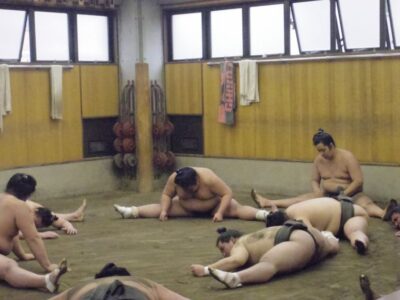
Browse the lists this tour appears in