
Reviewed · SUMO EXPERIENCES
Tokyo: Sumo Morning Practice with journalists. Not fake show
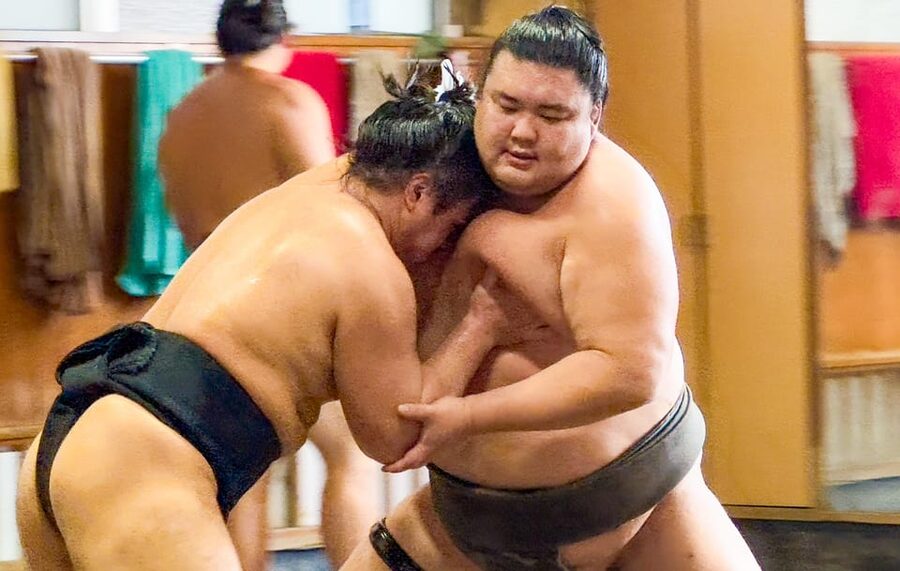
The best thing about this Tokyo sumo tour is simple: you watch real morning practice at Takasago-beya, not a performance arranged for tourists. The wrestlers train while you sit quietly nearby, giving you a close look at the discipline, repetition, and respect that shape sumo.
I like the access to a world that is usually closed to the public, and I like having a national newspaper sumo journalist explain what you are seeing. The chance to ask direct questions, followed by commemorative photos, adds real value.
The main drawback is the price, $103 per person, and the traditional stable setup. You sit on the floor, must remove your shoes, and cannot use flash photography. The operator also says the stable is not suitable for wheelchair users, despite the general activity information marking the experience as wheelchair accessible.
In This Review
- Key points to know before booking
- Why this is real sumo rather than a tourist performance
- Meeting in Ryogoku and getting to the stable
- Two hours inside Takasago-beya
- What the sumo journalist adds
- Photos with the wrestlers, with clear limits
- The short walk through Ryogoku
- Is $103 a fair price?
- Who will enjoy this morning most?
- How to prepare for a respectful visit
- Should you book this Tokyo sumo experience?
- FAQ
- Where does the tour meet?
- How long does the experience last?
- Do I watch a real sumo practice?
- Is the tour conducted in English?
- Who leads the tour?
- Can I take photographs?
- Do I get to take a photo with the wrestlers?
- What should I wear?
- Is food included?
- Can wheelchair users join?
Key points to know before booking
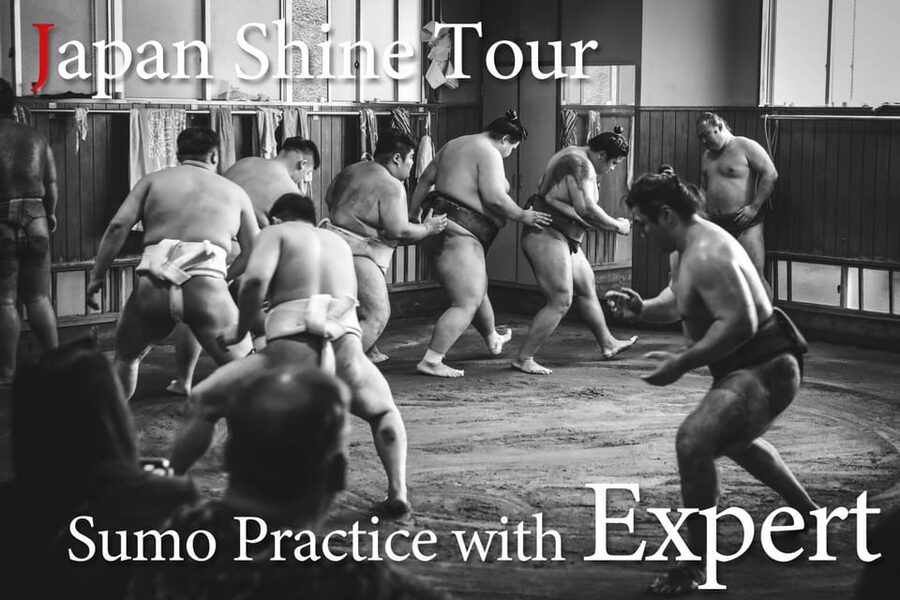
- Real training, not a stage show: Watch wrestlers complete their morning practice inside an active sumo stable.
- Reporter-led explanations: Guides including Shinya Setsu and Shin bring years of sumo reporting and explain the sport in clear English.
- Quiet observation matters: You need to remain respectful and silent during practice, so read the advance material carefully.
- Photos come after practice: You may take commemorative photos with the wrestlers, while flash photography is forbidden during training.
- Ryogoku adds useful context: The final walk includes Ryogoku Edo NOREN and sumo-related sights near the national stadium.
- Plan for floor seating: Wear comfortable clothing, arrive early, and be ready to sit on the floor for much of the morning.
Why this is real sumo rather than a tourist performance
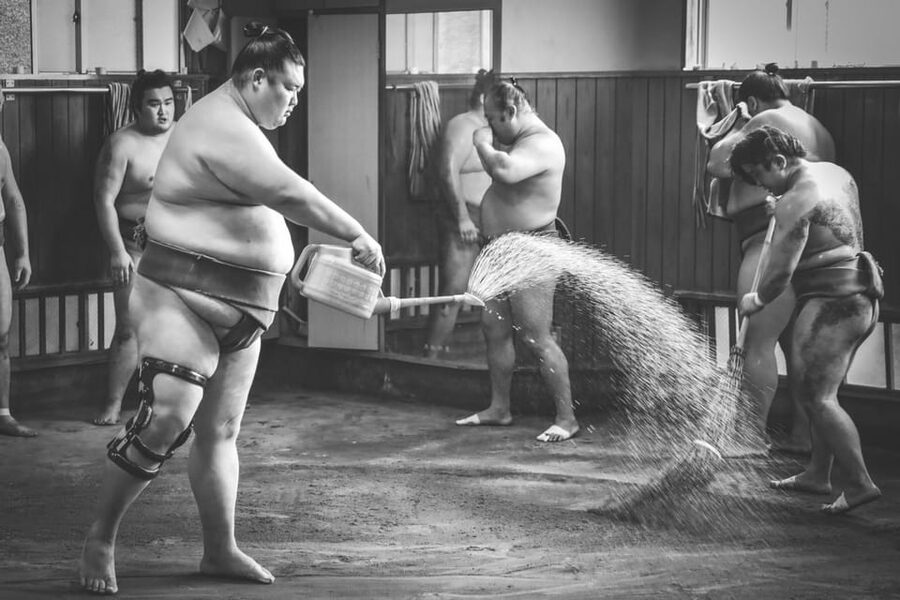
Tokyo offers plenty of cultural shows, but this experience gives you something different. You are not watching wrestlers act out a routine for an audience. You are observing a genuine morning practice at Takasago-beya, a sumo stable with special permission to admit visitors.
That distinction matters. In a tournament, you see the polished public side of sumo: formal entrances, announced bouts, judges, and a packed arena. At practice, you see the work behind that spectacle. Training can include repeated exercises, bouts, and drills, with younger wrestlers working under the eyes of senior rikishi.
You also need to adjust your expectations. This is not designed as a loud, interactive show. You sit quietly and watch. The value comes from being present in a private working setting, then having a specialist explain the details that might otherwise pass you by.
That quiet atmosphere is part of the appeal. Sumo is built around ritual and respect, and your behavior inside the stable is part of the experience. Follow the instructions, avoid flash photography, and do not bring food or drinks into the practice.
More sumo mornings:
- Tokyo: Sumo Show Experience with Chicken Hot Pot and a Photo
★ 4.8 · 6,678 reviews - Tokyo: Sumo Show and Dining Experience
★ 4.8 · 2,742 reviews - the SUMO show
★ 5.0 · 1,960 reviews
Meeting in Ryogoku and getting to the stable
The meeting point is at the Ryogoku HANAWA Building, close to Ryogoku Station. From the Toei Oedo Line station, use Exit A2 at ground level. The location is also about a five-minute walk from the east exit of JR Ryogoku Station.
This is one place where I would arrive early. The group leaves on time, and the short transfer to the stable is listed as about five minutes. One particularly useful feature is the detailed advance information sent by the operator, including meeting instructions and material about sumo and the practice routine.
That preparation is not just paperwork. Since you are expected to stay quiet while the wrestlers train, it helps to know what to watch for before you enter. You will get more from the practice if you understand the purpose of the movements and the basic structure of a stable.
The operator contacts you before the date with final details. Keep your phone available and check those instructions carefully, especially if you are unfamiliar with Tokyo’s station exits.
Two hours inside Takasago-beya
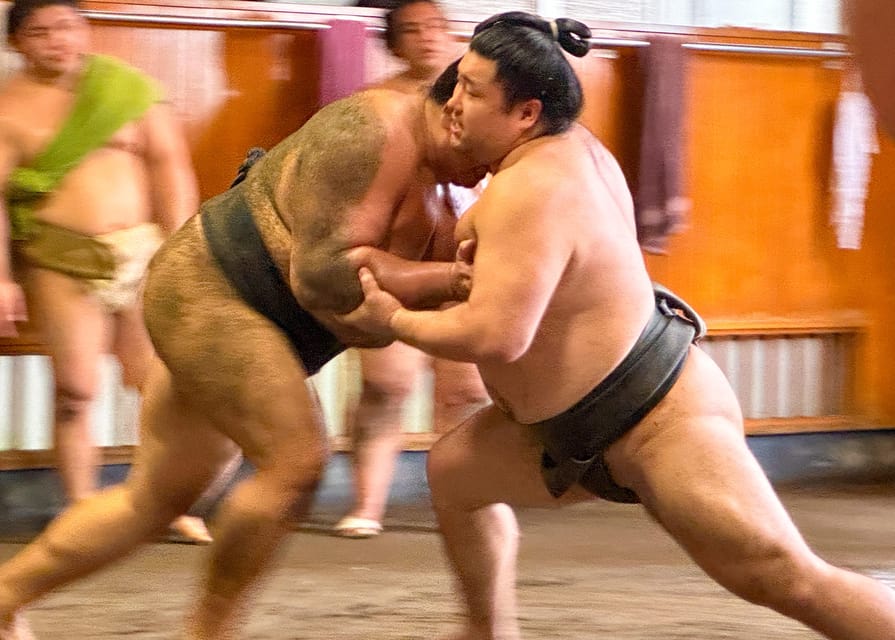
The main part of the morning takes place at Takasago-beya Sumo Stable. The guided visit is scheduled for about two hours, though the exact practice length can vary. One detailed account described roughly 90 minutes of training, followed by photographs and explanations.
Inside, you sit on the floor and watch the wrestlers work. There is no raised tourist seating, so your clothing and comfort matter. Choose loose, practical clothes and avoid anything that makes floor sitting difficult.
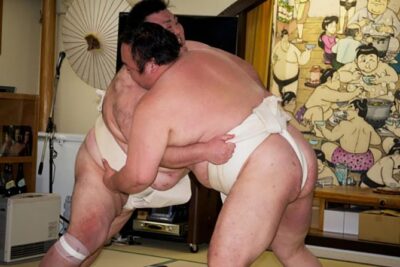
The training itself is the heart of the visit. You may see less experienced wrestlers practicing alongside senior professionals. That contrast helps you understand that sumo is not only about the few minutes of a tournament bout. It is built on daily repetition, stamina, technique, and a strict internal order.
The practice can also be physically intense. You see the power behind the sport at close range, but you also notice its controlled movements and formal manners. The strength is obvious. The elegance can be easier to miss without an explanation, which is why the guide’s role matters so much.
Do not expect a predictable lineup of famous wrestlers every morning. The information says you watch live practice at this stable, and some participants have seen well-known rikishi or a former ozeki up close. Still, the particular wrestlers present can change. The focus is the training itself, not a guaranteed celebrity appearance.
What the sumo journalist adds
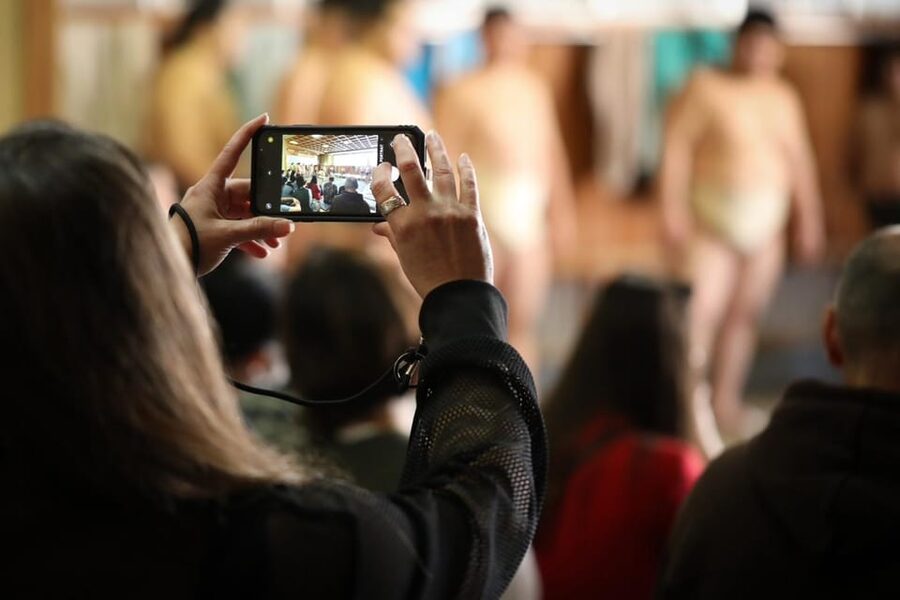
The guide is more than a translator. The tour is led by a sumo specialist who works as a national newspaper journalist. Shinya Setsu is named in several detailed accounts, while other sessions have included Shin, Karen, and Ray.
The strongest part of this format is the chance to ask questions. You can ask about the rules, ranking, rituals, stable life, training, hierarchy, and the daily routine of a rikishi. A guide who has reported on sumo can also explain the personalities and stories behind the formal surface of the sport.
Shinya Setsu is described as offering funny stories and personal reporting experience, while Shin is praised for making the sport easier to understand. Karen and Ray have also led sessions with substantial explanations outside the stable. The exact guide depends on your date, but the experience is built around this specialist knowledge.
I especially like the way the information continues after the practice. The guide may explain what you just saw, rather than giving you a general lecture that could apply anywhere. That makes the two-hour stable visit easier to follow and gives you a better sense of why the wrestlers train in particular ways.
Advance and follow-up materials are another useful touch. The operator has sent videos, documentaries, match clips, and links after the activity. These are helpful if the morning leaves you wanting to understand more about sumo once you return home.
A few more Tokyo bookings worth comparing
- Mt Fuji & Hakone Cruise, Drum Show Bullet Train 1 Day from Tokyo
★ 4.0 · 7,413 reviews - Tokyo Shinjuku Sumo Show & Experience with Photo
★ 5.0 · 1,750 reviews - Mt Fuji & Hakone Cruise, Drum Show Bus 1 Day from Tokyo
★ 4.0 · 1,287 reviews - Tokyo: Sumo Show and Experience in Shinjuku
★ 4.8 · 1,001 reviews
Photos with the wrestlers, with clear limits
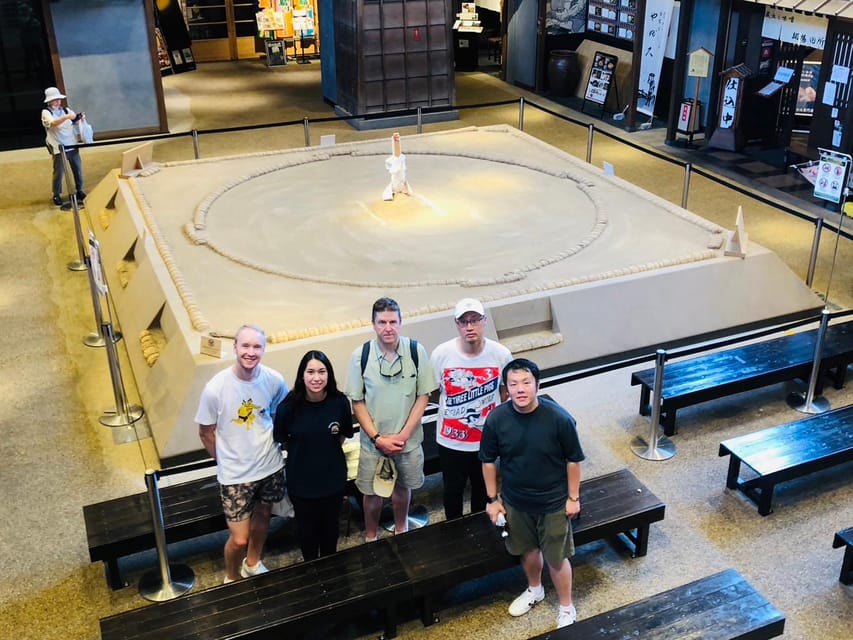
Commemorative photos are included, and the opportunity to take a picture with the wrestlers is a memorable part of the visit. It gives you a personal reminder of a setting that most visitors cannot enter.
There are rules. Flash photography is not allowed during practice, and you should bring a camera or phone that works well without flash. Do not treat the stable like a photo studio. The wrestlers are training, and the priority is respectful observation.
The photo opportunity comes after the practice rather than interrupting it. That is the right order. You get to watch without distraction, then take pictures once the formal training has ended.
Bring only what you need. Food, alcohol, drugs, fireworks, and baby carriages are not allowed. Shoes must be removed indoors, so wear clean socks and footwear that is easy to take off.
The short walk through Ryogoku
After leaving the stable, the tour continues toward Ryogoku Edo NOREN. The transfer and walking portions are short, and the final guided section lasts about 30 minutes before ending at Ryogoku Station.
Ryogoku is the natural neighborhood for this subject. It is closely linked with sumo, and the area around Ryogoku Kokugikan helps place the practice within Tokyo’s wider sumo culture. The tour may include a sumo shop, museum material, and explanations near the stadium, depending on the day’s route and access.
One practical point is worth noting: the experience does not promise entry into the main tournament arena or access to the actual competition ring. One participant expected a visit to the stadium ring but understood the stop to involve a nearby replica. So book this for the stable practice, not for a behind-the-scenes stadium tour.
The walk is useful after sitting on the floor. It gives you a chance to ask follow-up questions and hear stories in a less formal setting. It also makes the tour feel like a short introduction to Ryogoku, rather than a single stop followed by an immediate return to the station.
A sumo shop stop may appeal to collectors, but it is not the main reason to book. If you have limited interest in souvenirs, treat it as a brief part of the neighborhood walk.
Is $103 a fair price?
At $103, this is not a cheap Tokyo activity. You receive no meal, drinks, or transportation to and from the stable, so the price is mainly paying for access, the guide, and the special arrangement with the stable.
That access is the key point. It is difficult to arrange a stable visit independently, and the stable’s permission is normally restricted. The tour operator handles the introduction, timing, guidance, language support, and behavior rules. For someone who has tried and failed to arrange daily practice access, that can make the fee easier to justify.
The guide also adds more than basic directions. You receive roughly two hours at the stable, explanations from a sumo specialist and journalist, a question period, commemorative photos, and a short Ryogoku visit. Several people who follow sumo on television found the behind-the-scenes practice at least as interesting as a formal match.
Still, I would not call it good value for everyone. If you only want to see a bout, spend your money on tournament tickets when available. If you are curious about how wrestlers train and live, the stable access makes this one of the stronger cultural activities in Tokyo.
The cancellation terms help reduce the risk: you can cancel up to 24 hours in advance for a full refund, and you can reserve now and pay later. Check the available start times because the activity lasts three hours and begins in the morning.
Who will enjoy this morning most?
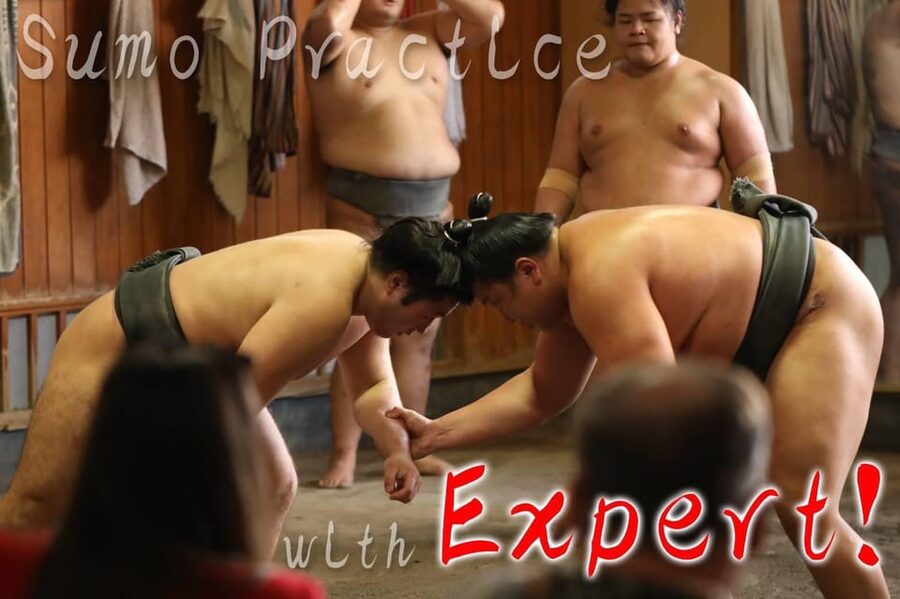
This is a strong choice for sumo fans, people interested in Japanese customs, and anyone unable to obtain tournament tickets. It also suits couples or families with older children who can sit quietly and follow the rules.
You do not need to know sumo before arriving. The guide explains the sport from the basics, including history, rituals, rules, rank, hierarchy, and daily life. In fact, a newcomer may gain more from the explanations because the practice can be hard to interpret at first glance.
The activity is less suitable for babies and very young children. Babies under one are specifically excluded, and baby carriages are not allowed. A child who cannot sit quietly on the floor would also have a difficult morning, even if the child is older than one.
The stable is not suitable for wheelchair users because of its traditional setup. The general activity details also call it wheelchair accessible, so this information conflicts. I would contact the operator before booking if you use a wheelchair or need step-free access.
How to prepare for a respectful visit
Arrive early at the meeting point. The group leaves on time, and missing the transfer could mean missing part of the practice.
Wear comfortable clothes and plan to sit on the floor. Bring a camera, but do not use flash during training. You should also be ready to remove your shoes indoors.
Read the information sent before the tour. It may include videos and explanations of the practice routine, which help you understand what is happening while you remain quiet.
Most important, remember that this is an active stable, not a theater. Keep your voice low, follow the guide, and avoid bringing prohibited items. The more respectfully you behave, the better this rare access feels for everyone, including the wrestlers.
Should you book this Tokyo sumo experience?
I would book it if you want authentic sumo practice, not merely a staged cultural demonstration. The stable access is rare, the journalist guide gives useful context, and the practice shows the work behind the tournament spectacle.
I would skip it if you dislike floor seating, need full wheelchair access, or want guaranteed appearances by particular wrestlers. The $103 price is high, but it is reasonable for a hard-to-arrange visit that includes specialist guiding, photos, and a Ryogoku walk.
Book this as a quiet, serious morning with a personal side. You watch first, ask questions afterward, and leave with a better understanding of why sumo is much more than two wrestlers pushing each other out of a ring.
FAQ
Where does the tour meet?
The meeting point is at the Ryogoku HANAWA Building near Toei Oedo Line Ryogoku Station, Exit A2 at ground level. It is about a five-minute walk from the east exit of JR Ryogoku Station.
How long does the experience last?
The full activity lasts three hours. The stable visit is scheduled for about two hours, followed by a roughly 30-minute guided section near Ryogoku Edo NOREN and Ryogoku Station.
Do I watch a real sumo practice?
Yes. The activity includes live morning practice at Takasago-beya Sumo Stable. It is not presented as a staged tourist show.
Is the tour conducted in English?
Yes. The live guide language is English.
Who leads the tour?
The tour is led by a sumo specialist who is also a national newspaper journalist. Guides named in the activity material and participant accounts include Shinya Setsu, Shin, Karen, and Ray. The guide assigned to your date may vary.
Can I take photographs?
Yes, cameras are recommended, and commemorative photos are included. Flash photography is not allowed during practice.
Do I get to take a photo with the wrestlers?
A commemorative photo opportunity with the wrestlers is included after the practice.
What should I wear?
Wear comfortable clothing because you will sit on the floor during the practice. Shoes must be removed indoors.
Is food included?
No. Meals and drinks are not included, and food is not allowed inside the stable.
Can wheelchair users join?
The activity information contains conflicting accessibility details. It is marked wheelchair accessible in one place, but the stable visit is also described as unsuitable for wheelchair users because of the traditional setup. Contact the operator before booking if this applies to you.
More Morning in Tokyo
- Tokyo: Sumo Morning Practice Viewing Tour
★ 4.8 · 570 reviews - Tokyo: Sumo Morning Training Visit
★ 4.4 · 370 reviews - Tokyo: Sumo Morning Practice Tour at Sumida City
★ 4.8 · 308 reviews - Tokyo Sumo Morning Practice Tour at Stable
★ 5.0 · 298 reviews
New on our Tokyo list
- From Tokyo: Mount Fuji & Hakone Full Day Private Tour★ 4.9 · 25 reviews
- Tokyo Spectacular View Day-Cruise in 90 Minutes★ 5.0 · 25 reviews
- Real Tokyo Runner Club : Daikoku Car Meet Night Tour with JDM Car★ 5.0 · 25 reviews
- 2.5 Hour-Guided Cycle Tour in the Central Tokyo★ 5.0 · 25 reviews
- Ramen Making from Scratch +Akihabara Tour –Cooking Class★ 5.0 · 25 reviews
- [Self-Drive] Tokyo & Daikoku Custom Car Driving Tour★ 4.9 · 25 reviews
- Tokyo: 2-Hour Night Bike Tour of the City’s Hidden Gems★ 4.9 · 25 reviews
- Samurai themed Entertainment show in Shinjuku★ 4.5 · 25 reviews
Sumo Experiences, compared.
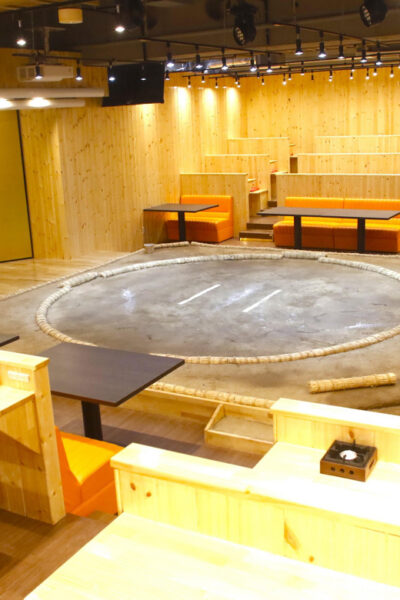
Sumo Show Experience with Chicken Hot Pot and a Photo
Read our review →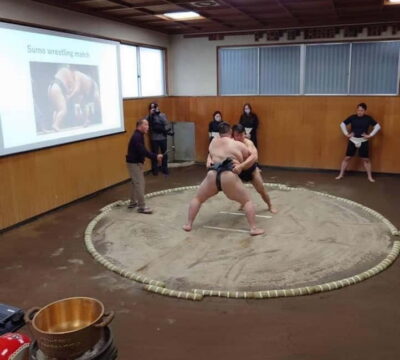
Tokyo Shinjuku Sumo Show & Experience with Photo
Read our review →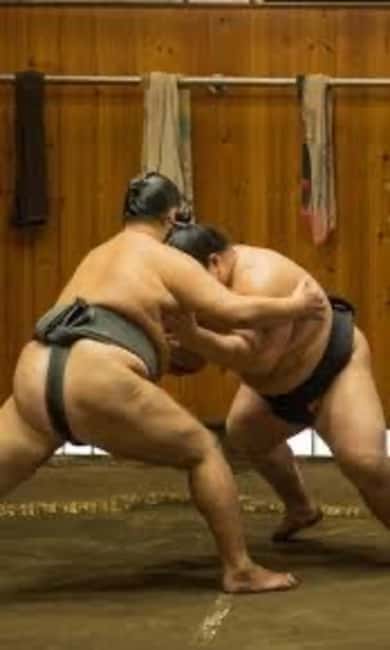

Authentic Sumo Experience in Tokyo: Enter the Sanctuary
Read our review →
Luxury Sumo Show Experience & Japanese cuisine & Drink
Read our review →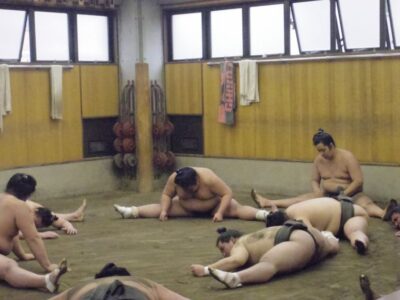
Browse the lists this tour appears in