
Reviewed · SUMO EXPERIENCES
Tokyo: Sumo Morning Practice with Photo Banzuke and Guide
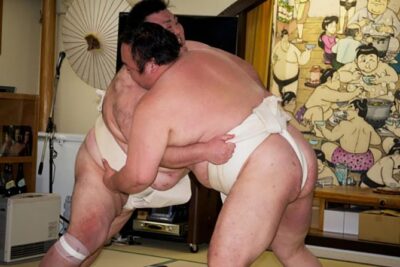
Sumo morning practice gives you something tournament tickets cannot always provide: a look at the sport before the show begins. You sit in chairs inside a working stable and watch wrestlers train, repeat moves, and test one another at close range. There are no weight classes here, so size and technique meet in a sport built on force, balance, and ritual.
I like the small group of up to nine, which makes the English presentation easier to follow and keeps the visit from feeling like a large bus outing. I also like the chance to see a real practice session rather than only a formal tournament, when the wrestlers are working toward their next major match. The guide adds useful context about sumo basics, so you can understand more than just who pushed whom out.
The main drawback is the length. The experience is priced at $115 per person and lasts about seven hours, yet the core practice and presentation take only part of that time. One recent booking found the morning slow to get moving and felt the total outing was long. Arrive early, and tell the guide if you already know you may need to leave before the end.
In This Review
- Key points to know before you book
- Why morning practice is the real attraction
- Meeting at Kiyosumi-Shirakawa Station
- The first 15 minutes with your guide
- Watching 2.5 hours of sumo training
- The 15 minute photo stop
- Walking between the stable and station
- Learning the basics after the practice
- Is $115 a fair price?
- Who will enjoy this most?
- Practical advice for a smoother morning
- Should you book this sumo experience?
- FAQ
- Where does the sumo morning practice tour meet?
- How long does the activity last?
- How long is the sumo practice session?
- Is the tour conducted in English?
- How large is the group?
- Can children join the activity?
- What should I bring?
Key points to know before you book
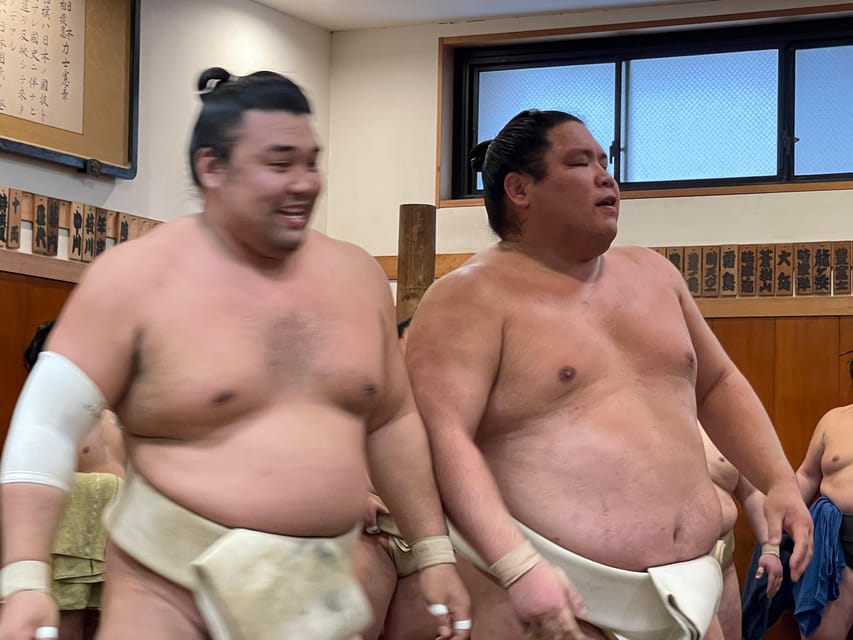
- Watch practice inside a genuine sumo stable, one of only a limited number of stables that accept visitors for morning training.
- Sit in chairs during the session, a useful comfort detail during a long period of watching.
- Learn the basics after practice, including how to make sense of a sport with no weight classes.
- Meet at Exit B1 of Kiyosumi-Shirakawa Station, beside a FamilyMart convenience store.
- Expect a small English-speaking group, limited to nine people.
- Bring comfortable shoes and a camera, and do not cut the meeting time close.
Why morning practice is the real attraction
A sumo tournament is polished, scheduled, and easy to understand as a sporting event. Morning practice is different. You see the daily work behind the ring, where wrestlers train before the public spectacle begins.
That difference matters. Sumo is Japan’s national sport, but tournaments take place for only 90 days each year. If your visit does not match the tournament calendar, this practice offers a way to see sumo in action without waiting for a tournament day.
The stable is a working place, not a theater built for sightseeing. You watch wrestlers prepare for future matches, and the setting gives the sport a more serious feel. The attraction is not a long list of sights. It is the chance to observe concentration, repetition, and physical power from a respectful distance.
The unusual rule is part of the appeal. Sumo has no weight class, so a smaller wrestler can face someone much larger. That makes each bout easy to follow even if you know little about the sport. You can see that sumo is not simply a contest of bulk. Timing, footwork, balance, and the first push all matter.
More sumo mornings:
- Tokyo: Sumo Show Experience with Chicken Hot Pot and a Photo
★ 4.8 · 6,678 reviews - Tokyo: Sumo Show and Dining Experience
★ 4.8 · 2,742 reviews - the SUMO show
★ 5.0 · 1,960 reviews
Meeting at Kiyosumi-Shirakawa Station
Your day begins at Exit B1 of Kiyosumi-Shirakawa Station. The exit is near a FamilyMart convenience store, and the guide waits at the exit so people arriving by train, taxi, or another form of transport can find the group.
This is one part of the morning where precision pays off. The meeting point is clear once you are at Exit B1, but it is wise to identify the exact spot before leaving your hotel. One person specifically wanted more detail about where to wait near the FamilyMart, so do not rely on a last-second search around the station.
The operator asks you not to be late, and that warning is practical rather than fussy. This is a group visit, and the stable cannot be treated like a museum where you can enter whenever you please. If you are running late, contact the operator, but understand that the group’s schedule comes first.
Allow extra time for Tokyo transport. Even a simple train ride can involve long station passages, platform changes, and a few wrong turns. Arriving early also gives you a calmer start before the walking and guided portions begin.
The first 15 minutes with your guide
The listed schedule begins with about 15 minutes of guided touring. This is likely when the guide gathers the group, checks that everyone is present, and explains what will happen next.
That short introduction has real value. Sumo practice follows customs that may not be obvious if you are seeing it for the first time. Knowing when to stay quiet, where to sit, and what to watch helps you enjoy the session without treating the stable like a photo set.
The tour is conducted in English. The guide explains the plan and later gives a short presentation on the basics of sumo. The guide’s role is important here because the practice itself may not come with a running commentary. You need someone to explain what you are seeing and why it matters.
The small group limit of nine is a good fit for this kind of visit. It is easier to hear a guide in a quiet setting, and there are fewer people competing for attention. The tradeoff is that the group still has to move together, so the experience is not designed for a completely private schedule.
Watching 2.5 hours of sumo training
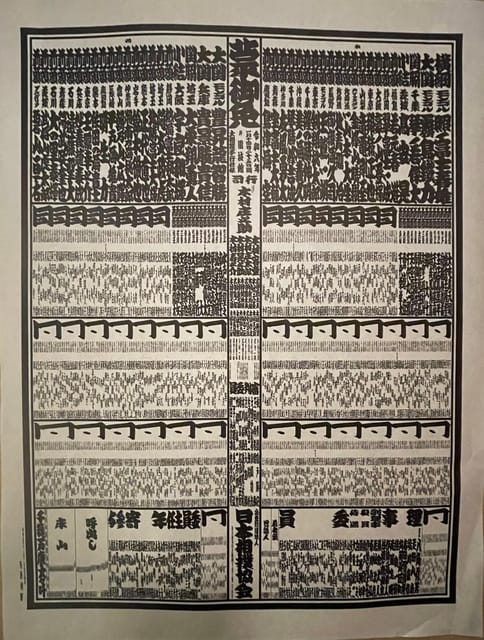
The central guided portion lasts about two and a half hours. This is the heart of the experience, and it is also where your patience matters most.
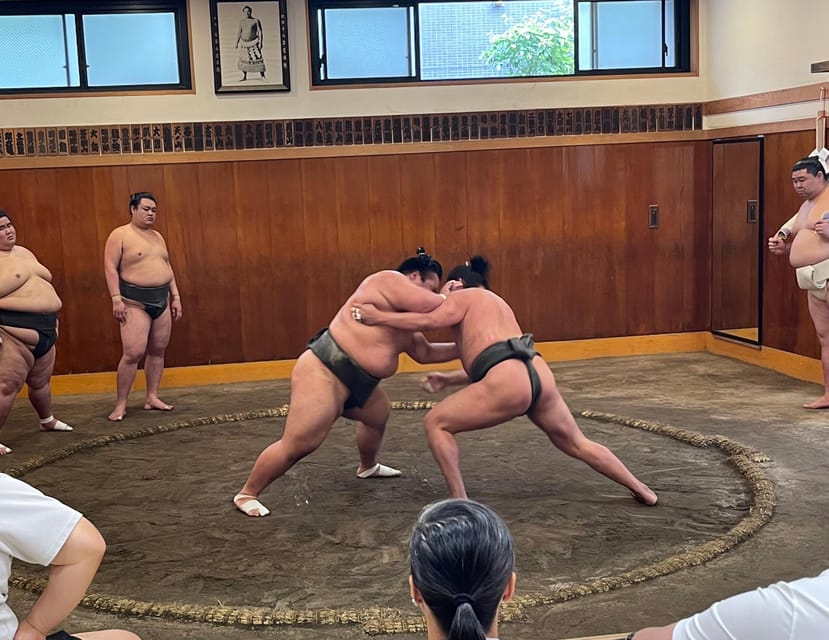
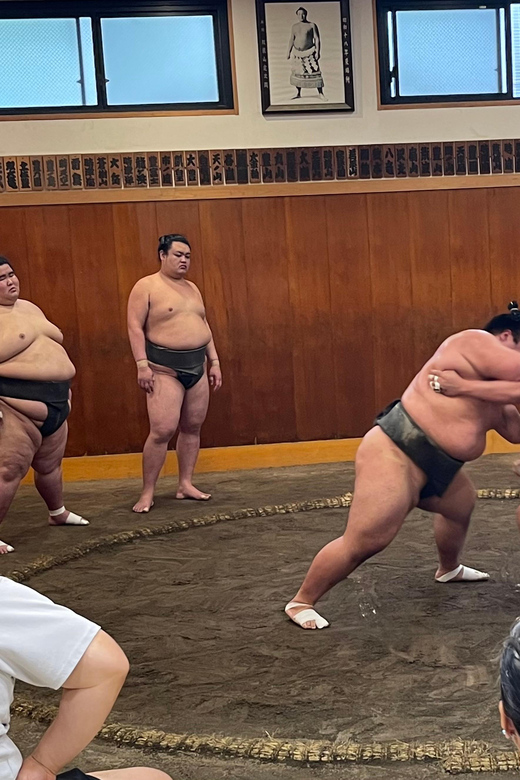
You sit in chairs and watch the wrestlers train. That detail should not be overlooked. Sitting makes a long observation session easier, especially if you are not used to spending hours watching a practice rather than a timed match. You are there to observe the rhythm of training, not to expect a constant stream of dramatic showdowns.
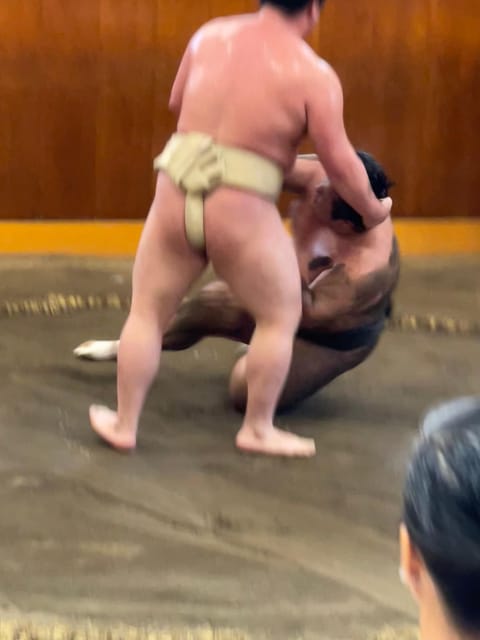
You may see wrestlers work on their moves and compete during practice. The setting lets you notice the contrast between the enormous bodies and the precise actions required to stay upright, drive forward, or force an opponent out. The sport can look simple from a distance. Time spent watching training helps show how much control sits behind each movement.
This is also the point where expectations matter. A practice session is not a tournament performance. There may be quiet stretches, repeated drills, pauses, and moments when the action feels less dramatic than a televised bout. One person found the outing a little long, especially on a pleasant day when more time in Tokyo was tempting.
I would book this for the chance to watch sumo up close, not for a packed entertainment schedule. If you need constant action, two and a half hours may test you. If you enjoy watching a traditional sport in its working setting, the slower pace is part of the value.
The chairs also support a more respectful way to watch. You are not being led from one staged activity to another. You remain in place and pay attention to the practice. Bring your camera, but remember that photographs should not become more important than the session itself.
A few more Tokyo bookings worth comparing
- Tokyo: Sumo Morning Practice Viewing Tour
★ 4.8 · 570 reviews - Tokyo: Sumo Morning Training Visit
★ 4.4 · 370 reviews - Tokyo: Sumo Morning Practice Tour at Sumida City
★ 4.8 · 308 reviews - Tokyo Sumo Morning Practice Tour at Stable
★ 5.0 · 298 reviews
The 15 minute photo stop
After the practice, the itinerary allows about 15 minutes for photos. This gives you a clear chance to take pictures of the setting and mark the experience without turning the entire visit into a photo hunt.
The timing is sensible. You first watch the training, then have a defined period for photographs. That arrangement helps you stay focused during practice while still bringing home a visual reminder.
Do not assume that every possible photo will be available at every moment. The supplied details promise a photo stop, but they do not specify which wrestlers will be present, where photographs will be taken, or whether individual posed pictures are guaranteed. Bring a camera, but keep your expectations sensible.
Walking between the stable and station
The schedule includes two walking sections of about 10 minutes each. These short walks are part of the overall day, so comfortable shoes are a good idea.
The walking does not sound demanding, but small stretches add up during a seven-hour experience. Wear shoes that are easy to walk in and that you can keep on comfortably while moving with a group.
The total duration is listed as seven hours, while the clearly timed guided and photo sections add up to less than that. The remaining time includes meeting, movement, transitions, and the rest of the group schedule. This is worth noting if you are trying to fit the experience between other Tokyo plans.
The tour returns to Kiyosumi-Shirakawa Station. That makes the end point simple, but you should still leave room in your day rather than booking a tight reservation immediately afterward.
Learning the basics after the practice
The short presentation after the session is one of the most useful parts for anyone new to sumo. Without it, you might remember the size of the wrestlers and the sound of bodies hitting the ring, but miss the structure behind what you saw.
The guide covers the basics of sumo and explains the traditions surrounding the sport. The goal is not to turn you into an expert in one morning. It is to give you enough information to recognize what is happening and understand why the practice matters.
I like this order. You watch first, then receive the explanation. That lets the guide connect the rules and customs to actions you have just seen. The result should be more useful than a talk given before you have any sense of the stable or the wrestlers’ routine.
The experience is especially helpful if you plan to watch a tournament later in your trip. You will have a better idea of what to look for, from the initial movements to the way wrestlers use force and balance. Even if you never attend a tournament, the talk gives context that photographs alone cannot provide.
Is $115 a fair price?
At $115, this is not a casual add-on. You are paying for access to a rare setting, a seven-hour group schedule, an English-speaking guide, and the chance to observe a practice that only selected stables open to visitors.
The value depends on your interest in sumo. If you only want a quick photograph with a wrestler, the price and duration may feel excessive. The photo stop is only about 15 minutes, and the main attraction is watching training rather than receiving a staged performance.
If you care about traditional sport and prefer a working setting to a tourist presentation, the price makes more sense. You receive several hours of access and explanation, and the group size is capped at nine. That small number is important in a place where quiet observation and clear instructions matter.
There is also practical flexibility. You can reserve now and pay later, and free cancellation is available up to 24 hours in advance. Those terms help if your Tokyo schedule is still changing, but they do not remove the need to show up on time.
Who will enjoy this most?
I would recommend this to adults and older children who can sit quietly and stay interested in a long practice session. Children under nine are not suitable for the activity, so families with younger children need another plan.
It also suits people who want more than a quick cultural photo. The guide explains the sport, the visit takes place in a real stable, and the training gives you time to observe rather than simply pass through.
You may want to skip it if your Tokyo schedule is packed or if you dislike fixed group timing. A seven-hour booking can take a large part of your day. It is also not ideal if you expect a tournament atmosphere, constant matches, or a short walk-in attraction.
The activity is listed as wheelchair accessible, which is useful for visitors who need that assurance. Still, the day includes walking sections and group movement, so you should confirm any personal needs when booking.
Practical advice for a smoother morning
- Arrive early at Exit B1. Find the FamilyMart near the exit before the meeting time, and wait at the exit rather than somewhere inside the station.
- Keep the guide’s contact details handy. If transport trouble delays you, contact the operator instead of assuming the group can wait.
- Wear comfortable shoes. Two 10-minute walking sections are listed, along with station movement and transitions.
- Bring a camera. A 15-minute photo stop is included, but the main value is observation, not posed photography.
- Plan a light rest afterward. The day is long, and the practice can be quiet and focused rather than fast-paced.
- Do not schedule a tight appointment after the return. Group timing and late arrivals can affect the pace.
The activity has a 4.9 rating from 34 reviews, with repeated praise for the guide’s friendly explanations and the close view of the wrestlers. One French booking called the experience exceptional because of how near the group could get, while an Australian booking praised the artful tradition but asked for more exact meeting directions. A Dutch booking found it genuine rather than a tourist trap.
Those points match the practical picture. The guide and the access are the strongest reasons to book. The main caution is timing. One British booking enjoyed the experience but felt it took too long and wished the day had moved faster after late arrivals. If you need to leave early, tell the guide at the start so the group is not surprised.
Should you book this sumo experience?
Book it if you want a close look at serious sumo training, a small English-speaking group, and enough explanation to understand the sport. The chance to sit in chairs inside a working stable is the key feature, and the no-weight-class format makes the action fascinating even for a first-time spectator.
Skip it if you want a short activity, a formal tournament, or a flexible morning. Seven hours is a major commitment, and practice may include quiet periods rather than nonstop clashes.
For the right visitor, this is one of Tokyo’s better ways to see sumo as a living tradition rather than a staged attraction. Arrive early, wear comfortable shoes, and give the practice the time it deserves.
FAQ
Where does the sumo morning practice tour meet?
Meet at Exit B1 of Kiyosumi-Shirakawa Station, near a FamilyMart convenience store.
How long does the activity last?
The full experience lasts about seven hours.
How long is the sumo practice session?
The main guided practice portion is listed as approximately two and a half hours.
Is the tour conducted in English?
Yes. The tour includes a live English-speaking guide and a short presentation about the basics of sumo.
How large is the group?
The experience is limited to nine participants.
Can children join the activity?
Children under nine years old are not suitable for this experience.
What should I bring?
Bring comfortable shoes and a camera.
New on our Tokyo list
- From Tokyo: Mount Fuji & Hakone Full Day Private Tour★ 4.9 · 25 reviews
- Tokyo Spectacular View Day-Cruise in 90 Minutes★ 5.0 · 25 reviews
- Real Tokyo Runner Club : Daikoku Car Meet Night Tour with JDM Car★ 5.0 · 25 reviews
- 2.5 Hour-Guided Cycle Tour in the Central Tokyo★ 5.0 · 25 reviews
- Ramen Making from Scratch +Akihabara Tour –Cooking Class★ 5.0 · 25 reviews
- [Self-Drive] Tokyo & Daikoku Custom Car Driving Tour★ 4.9 · 25 reviews
- Tokyo: 2-Hour Night Bike Tour of the City’s Hidden Gems★ 4.9 · 25 reviews
- Samurai themed Entertainment show in Shinjuku★ 4.5 · 25 reviews
Sumo Experiences, compared.
Sumo Show Experience with Chicken Hot Pot and a Photo
Read our review →
Tokyo Shinjuku Sumo Show & Experience with Photo
Read our review →

Authentic Sumo Experience in Tokyo: Enter the Sanctuary
Read our review →
Luxury Sumo Show Experience & Japanese cuisine & Drink
Read our review →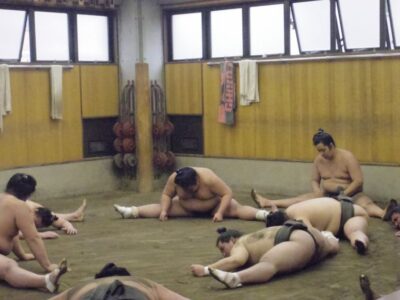
Browse the lists this tour appears in