
Reviewed · SUMO EXPERIENCES
Tokyo Sumo Practice Watching & Visit Town from Samurai era
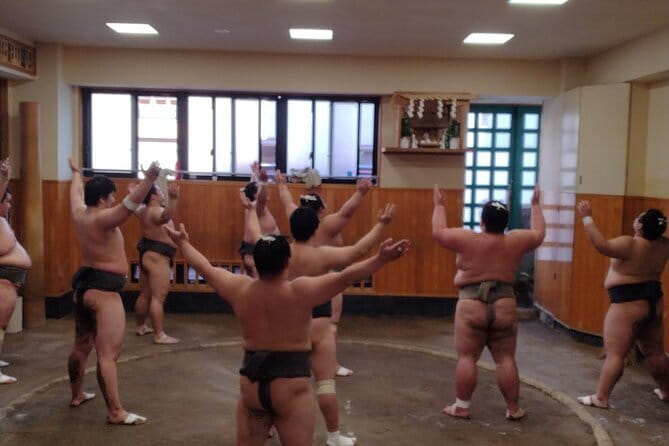
The main event is real sumo practice at Shikoroyama-beya, where you watch wrestlers train from close to the ring. This is not a tournament performance. It is a working stable, and special permission is needed to enter, which gives the morning a rare, behind-the-scenes feel.
I like the way the tour pairs sumo with Kiyosumi Teien, a quiet garden of ponds, koi, and carefully arranged scenery. I also like the visit to Fukagawa Edo Museum, where a full-size old Tokyo street lets you see how ordinary people lived. The main consideration is the price: at $123.79, you are paying for access, a private guide, and three admissions, not just a short sumo viewing.
In This Review
- Key points
- Why this Tokyo morning works
- Meeting Ken at Kiyosumi-shirakawa Station
- Inside Shikoroyama-beya, watching the training
- Kiyosumi Teien, a garden after the ring
- Fukagawa Edo Museum and old Tokyo street life
- What Ken adds to the morning
- Is $123.79 a fair price?
- Timing, walking, and who should book
- Cancellation and booking details
- Should you book this sumo and Edo Tokyo tour?
- FAQ
- How long does the tour last?
- What time does the tour start?
- Where do I meet the guide?
- Where does the tour end?
- Will I watch real sumo wrestlers practice?
- Can I take a photo with sumo wrestlers?
- What other places are included?
- Are admission fees included?
- Is private transportation included?
- What is the cancellation policy?
Key points
- Ringside sumo practice: Watch wrestlers warm up and train inside Shikoroyama-beya with special permission.
- A chance to meet the wrestlers: The tour includes an opportunity for a photoshoot with sumo wrestlers.
- Guide Ken’s personal approach: Ken leads the walk, explains sumo customs, and speaks fluent English.
- Two very different Tokyo stops: Kiyosumi Teien offers quiet garden scenery, while Fukagawa Edo Museum recreates an Edo-period neighborhood.
- A compact morning schedule: The tour begins at 8:30 a.m. and lasts about three and a half hours.
- Small-group format: A maximum of 15 people keeps the experience more manageable than a large city tour.
Why this Tokyo morning works
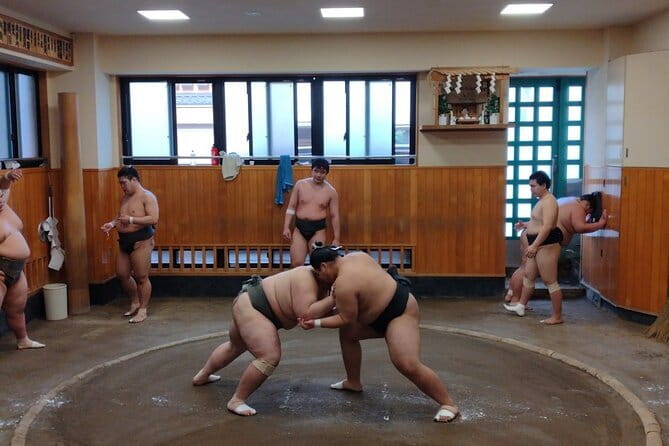
Tokyo offers plenty of polished attractions, but sumo practice shows you a more private side of Japanese life. The wrestlers are not performing for a stadium crowd. They are repeating drills, building strength, and following the demanding routine of a sumo stable.
That difference matters. You see the sport as work before you see it as spectacle. The sound, concentration, and physical effort can make a stronger impression than simply watching a tournament from a seat.
Ken then adds context as the tour moves through Kiyosumi-shirakawa. He is described as punctual, polite, patient, and fluent in English, useful qualities when a tour depends on both timing and explanation. The tour is not only about getting you through the door. It is designed to help you understand what you are seeing.
The route also gives you a useful change of pace. After the intense practice session, you walk through a garden and then enter a museum built around everyday Edo life. You finish with a broader picture of Tokyo, from traditional sport to historic streets and domestic details.
More sumo mornings:
- Tokyo: Sumo Show Experience with Chicken Hot Pot and a Photo
★ 4.8 · 6,678 reviews - Tokyo: Sumo Show and Dining Experience
★ 4.8 · 2,742 reviews - the SUMO show
★ 5.0 · 1,960 reviews
Meeting Ken at Kiyosumi-shirakawa Station
The meeting point is at Kiyosumi-shirakawa Station, at ground level by the B1 exit, at 1-chōme-6-13 Shirakawa in Koto City. The start time is 8:30 a.m., so you need to plan your local train ride carefully and allow enough time to find the correct exit.
The guide meets you at the station and walks with the group to the sumo stable. This first walk takes about 10 minutes and is included in the tour. Since no private transport is provided, the morning is built around walking and public transportation access.
That is a good fit for you if you prefer a tour that begins in an ordinary neighborhood rather than at a major landmark. Kiyosumi-shirakawa is not presented as a grand ceremonial entrance to Tokyo. It is simply the starting point for a morning that gradually reveals several layers of the city.
The group can include up to 15 people. That is small enough for questions and personal guidance, though it is not a private tour. If you have a specific interest in sumo rules or Japanese history, ask Ken early so he can shape his explanations around your questions.
Inside Shikoroyama-beya, watching the training
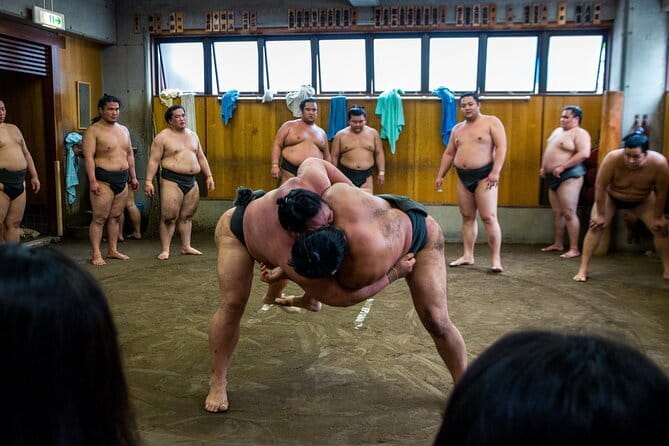
You spend about 90 minutes at Shikoroyama-beya Sumo Stable. The key feature is the viewing position: you watch from ringside inside the stable, rather than from a distant public arena.
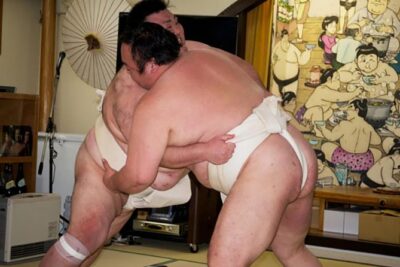
A sumo stable is where wrestlers train and follow their daily practice routine. Here, you watch warmups and training exercises rather than a formal match. That can be more revealing than a tournament because the focus is on repetition, discipline, and preparation.
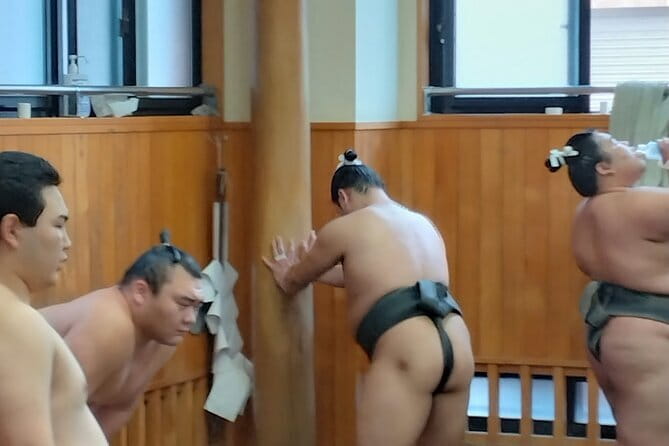
You should expect the atmosphere to be serious. The wrestlers are there to work, and your role is to observe respectfully. Ken helps explain the customs and traditions, which is especially useful if you know sumo mainly from television or have never watched a practice session before.
The special permission required to enter is a major part of the value. Many Tokyo sightseeing activities are easy to access on your own. This one gives you entry to a place that normally is not part of a standard sightseeing route.
The experience also includes a chance for a photoshoot with sumo wrestlers. The exact format and timing are not specified, so treat it as an opportunity rather than a guaranteed extended meeting. Follow the guide’s instructions, and remember that the stable is a working environment.
One practical point is worth stressing: this is a morning practice visit, not a tournament ticket. If your main goal is to watch official bouts with a full crowd, you will need a separate tournament plan. This tour can help you understand the sport before you attend one, or give you a look at sumo if your schedule does not match tournament dates.
Several parts of the experience depend on Ken’s explanations. One review specifically wished for more detail on sumo, the Edo period, and modern competitions, along with a short handout. That is fair criticism. The tour offers live access and spoken guidance, but it may not provide a printed reference sheet for later study.
Kiyosumi Teien, a garden after the ring
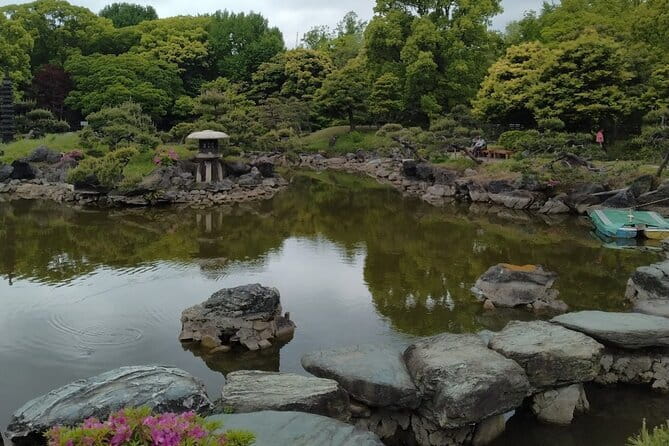
After the stable, the tour spends about 50 minutes at Kiyosumi Teien. The garden gives the morning a quieter rhythm, with ponds, koi, and carefully composed views.
This is a walking garden, meant to be enjoyed as you move through it rather than from one single viewpoint. The contrast with sumo is part of its appeal. You shift from the force and noise of training to open space, silence, and small details.
The garden is also a useful place for Ken to connect scenery with Japanese ideas about design and history. He explains what you are seeing instead of leaving you to guess why a pond, path, or planting has been arranged in a particular way.
You should not expect a full-day garden visit. Fifty minutes is enough for an introduction and a pleasant walk, but it leaves limited time for lingering, photography, or a slow circuit. If gardens are your main interest, you may want to return independently.
The stop works best as a balance to the sumo stable. It gives you a chance to slow down, ask questions, and absorb a different part of Tokyo without spending another hour crossing the city.
More samurai and ninja sessions:
- Tokyo: Samurai Ninja Museum Guided tour and Experience
★ 4.6 · 1,010 reviews - Tokyo: Samurai Sword & Archery Class from Samurai Descendant
★ 5.0 · 603 reviews - Best Samurai Experience in Tokyo
★ 5.0 · 458 reviews - Ninja Experience (Family Friendly) at Samurai Ninja Museum TOKYO
★ 5.0 · 441 reviews
Fukagawa Edo Museum and old Tokyo street life

The final major stop is Fukagawa Edo Museum, where you spend about an hour. The museum recreates a life-size Tokyo townscape from the end of the Edo period.
This is not simply a room of cases and labels. You walk through a recreated neighborhood, with houses, streets, and everyday tools placed inside. Sound and lighting show changes in the day, helping you picture the rhythm of local life.
That focus on ordinary objects is valuable. Grand castles and famous temples tell you about power and ceremony. A recreated neighborhood can show how people used their homes, streets, and tools in daily life.
The museum also rounds out the sumo visit. Sumo is often described through ceremony, tradition, and national identity. Fukagawa Edo Museum gives you a more grounded view of the society around those traditions.
The one-hour visit is long enough to explore at a steady pace. As with the garden, you may want more time if you enjoy museums and historical reconstruction. The tour must keep moving because it combines four stops into one morning, so this is an introduction rather than an exhaustive museum visit.
One useful expectation: the quality of this stop depends partly on how much explanation you want. Ken provides historical background during the tour, but the experience is not advertised as a specialist academic seminar. If you want extensive detail about Edo politics, sumo rankings, or modern competitions, you may need to ask direct questions or continue your reading afterward.
What Ken adds to the morning
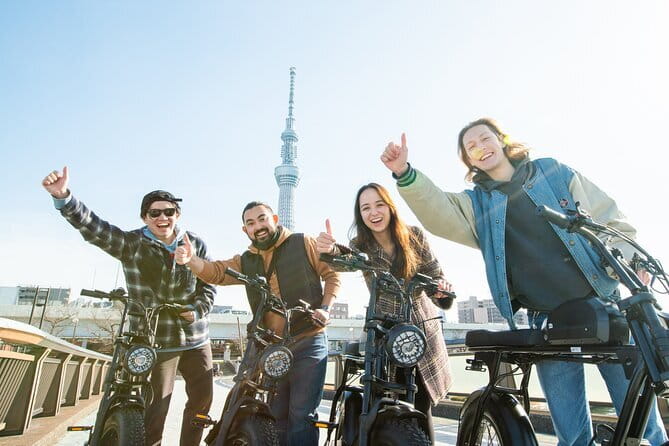
The guide is central to the experience. Ken leads from the station through the stable visit, garden, and museum, so you do not have to work out the sequence yourself.
His role is especially important at the sumo stable. Without context, a visitor may see stretches, footwork, shoving drills, and ritual gestures without understanding their purpose. Ken explains the culture and traditions behind the training and helps connect what happens in the ring to the wider history of sumo.
The available feedback describes him as helpful, patient, well organized, and fluent in English. Families may appreciate his calm manner, while first-time visitors can benefit from having someone answer basic questions without making them feel uninformed.
I would still treat the level of detail as a possible variable. The tour’s strong point is access and conversation. It is less clearly suited to someone seeking a formal, highly technical lecture. Ask about the rules, rankings, training routines, or tournament system if those are the subjects you care about most.
The small-group limit of 15 helps. A group of that size can still feel busy inside a compact stable or museum, but it gives you a better chance to hear the guide than a large bus tour would.
Is $123.79 a fair price?
At $123.79 per person, this is not a budget morning. The price includes the professional guide, admission fees to all listed locations, and taxes. It does not include private transportation.
The strongest value comes from the sumo access. You are paying for a special entry to a working stable, not merely for directions to a public venue. The garden and museum add two admissions and create a fuller three-and-a-half-hour program.
If you only want to see sumo wrestlers for a few minutes, the price may feel high. If you want a guided cultural morning that combines sumo, garden design, and Edo city life, the cost is easier to justify.
The tour also saves planning time. You do not need to arrange separate admission to Kiyosumi Teien and Fukagawa Edo Museum or figure out how to connect them after the practice visit. That convenience has real value during a short Tokyo stay.
Because the experience is usually booked about 17 days ahead, it is sensible to reserve early if the date matters to you. Confirmation arrives within 48 hours, subject to availability, so do not assume the booking is final until you receive it.
Timing, walking, and who should book
The tour starts early at 8:30 a.m. That is a practical time for sumo practice, since the stable visit is tied to the wrestlers’ training schedule. It also leaves part of the afternoon open for another Tokyo district.
You will walk between parts of the experience, and private transportation is not included. The supplied information says most people can participate, with no age, height, or weight restrictions for the included activities.
I would recommend this tour to:
- First-time Tokyo visitors who want a guided cultural introduction.
- People curious about sumo but unable to attend a tournament.
- Families who prefer a mix of active viewing, outdoor scenery, and a museum.
- Visitors who value access to places they are unlikely to arrange alone.
- Anyone interested in both traditional culture and ordinary Edo-era life.
I would be more cautious if you want a long, technical lecture on sumo or a slow garden visit. The schedule is full, and each stop is designed as part of a larger morning.
The tour ends back at the meeting point. That makes onward planning easier, especially if you want to continue exploring Kiyosumi-shirakawa or travel elsewhere in Tokyo afterward.
Cancellation and booking details
You can cancel up to 24 hours before the start time for a full refund. Cancellations made less than 24 hours before the tour are not refunded, and changes within that period are not accepted.
The experience uses a mobile ticket. It is near public transportation, and admission fees and taxes are included. Confirmation is sent within 48 hours, subject to availability.
Should you book this sumo and Edo Tokyo tour?
Book it if you want more than a quick photo with a wrestler. The combination of special-access sumo practice, a traditional garden, and a life-size Edo neighborhood gives you three distinct views of Tokyo in one well-planned morning.
The biggest reason to choose it is Ken’s guiding. His fluent English, patience, and personal explanations help turn an unfamiliar training session into something you can understand. The strongest caution is the price and the limited depth of the formal information. You may need to ask questions to get the detailed sumo background you want.
For a first visit to Tokyo, I think the tour makes sense when you value access and local context over low cost. It is less suitable if you are only looking for a tournament match or a relaxed, unstructured morning.
FAQ
How long does the tour last?
The tour lasts approximately 3 hours and 30 minutes.
What time does the tour start?
The tour starts at 8:30 a.m.
Where do I meet the guide?
You meet the guide at Kiyosumi-shirakawa Station, at ground level by the B1 exit, at 1-chōme-6-13 Shirakawa, Koto City, Tokyo.
Where does the tour end?
The activity ends back at the meeting point.
Will I watch real sumo wrestlers practice?
Yes. You watch real sumo wrestlers practice from ringside at Shikoroyama-beya Sumo Stable.
Can I take a photo with sumo wrestlers?
The tour includes a chance for a photoshoot with sumo wrestlers.
What other places are included?
The tour includes Kiyosumi Teien garden and Fukagawa Edo Museum, along with the sumo stable.
Are admission fees included?
Yes. Admission fees to all locations included in the tour, as well as taxes and other listed fees, are included.
Is private transportation included?
No. Private transportation is not included. The guide walks with the group between parts of the experience.
What is the cancellation policy?
You can cancel at least 24 hours before the start time for a full refund. Cancellations or changes made less than 24 hours before the start time are not accepted for a refund.
New on our Tokyo list
- Sumi-e Experience in a relaxing green tea shop in Tokyo★ 5.0 · 3 reviews
- Tokyo : Kamikaze Street Drift Ride★ 5.0 · 3 reviews
- Private Zen Meditation in English in Shinjuku, Tokyo★ 5.0 · 3 reviews
- Onsen Spa in Tokyo and Asakusa Bar Hopping with Local Guide★ 5.0 · 3 reviews
- Easy for everyone! Now you can play handmade mini shamisen and show off to everyone! Musical instruments, sweets and live music★ 5.0 · 3 reviews
- Tokyo: Private Tsukiji Street Food & Sake with Local Guide★ 5.0 · 3 reviews
- Mt Fuji Exploration Tour with Free Japanese Kusa Mochi from Tokyo★ 4.5 · 3 reviews
- Tokyo Tsukiji Fish Market Walking and Exploring Hidden Gems Tour★ 5.0 · 3 reviews
Sumo Experiences, compared.
Sumo Show Experience with Chicken Hot Pot and a Photo
Read our review →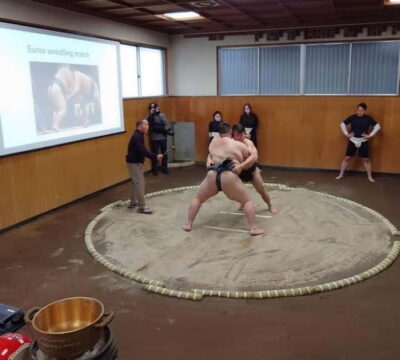
Tokyo Shinjuku Sumo Show & Experience with Photo
Read our review →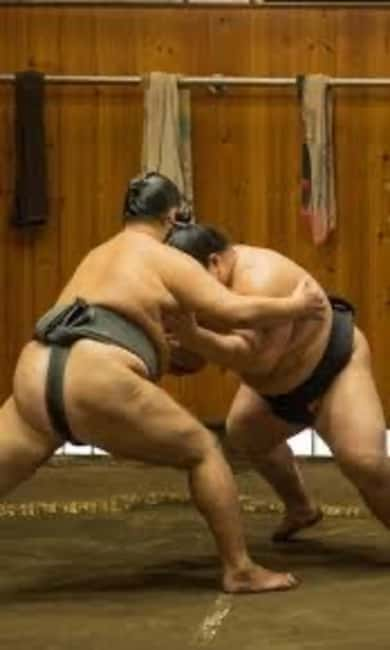

Authentic Sumo Experience in Tokyo: Enter the Sanctuary
Read our review →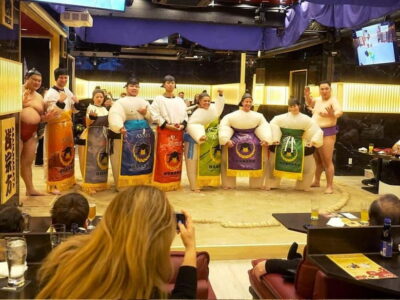
Luxury Sumo Show Experience & Japanese cuisine & Drink
Read our review →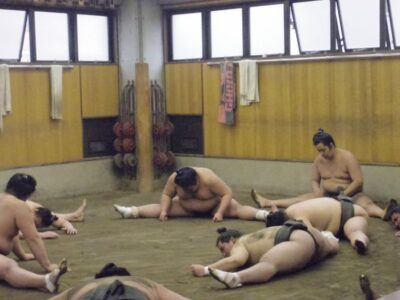
Browse the lists this tour appears in