
Reviewed · TEA CEREMONIES
Tokyo: Tea Ceremony Experience in Asakusa
A Japanese tea ceremony can look formal from the outside, but this one-hour Asakusa experience keeps the doors open to beginners. You learn how matcha is made, why each gesture matters, and how to prepare a bowl yourself, all with time to ask questions and take photos.
I especially like the small group of up to eight, which should make it easier to follow the demonstration and get help with your whisking. I also like the friendly teaching style praised in the sessions led by Midori, Madori, and Kaz. The main consideration is that this is a relaxed introduction, not a full formal tea-school ceremony, and kimono rental costs extra or must be arranged separately.
In This Review
- Key points to know before booking
- Why this Asakusa tea class works for first-time visitors
- Meeting the host at Tokyo Tourist Lounge Asakusa
- The opening lesson: matcha, custom, and the meaning of the ritual
- Watching the matcha whisking demonstration
- Making your own bowl of matcha
- A relaxed ceremony, not a strict formal performance
- What the $25 price gives you
- Who will enjoy this experience most
- Practical details for a smooth visit
- Should you book the Asakusa tea ceremony?
- FAQ
- How long does the Tokyo tea ceremony experience last?
- Where is the meeting point?
- Is the experience taught in English?
- Is kimono rental included?
- Can I make my own matcha?
- Can I cancel for a full refund?
Key points to know before booking
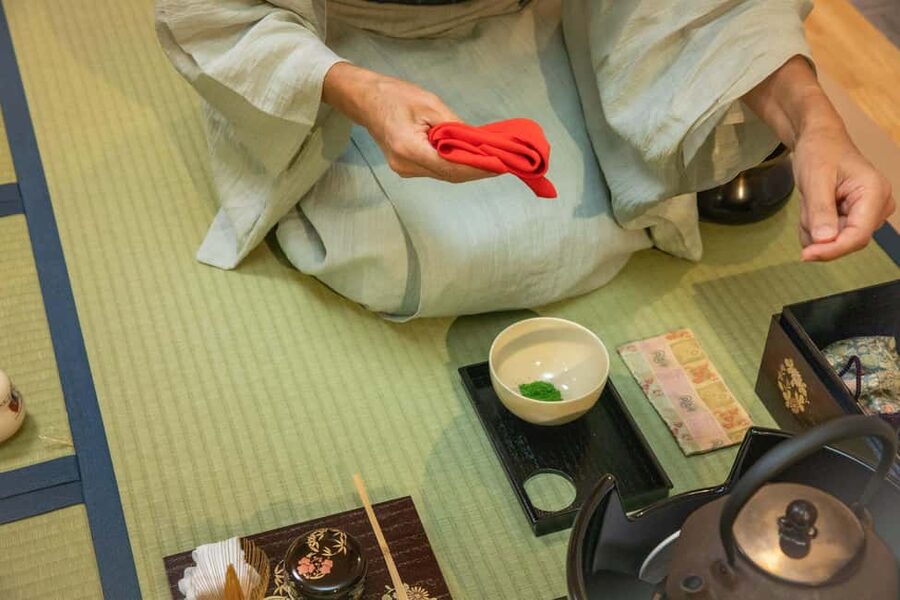
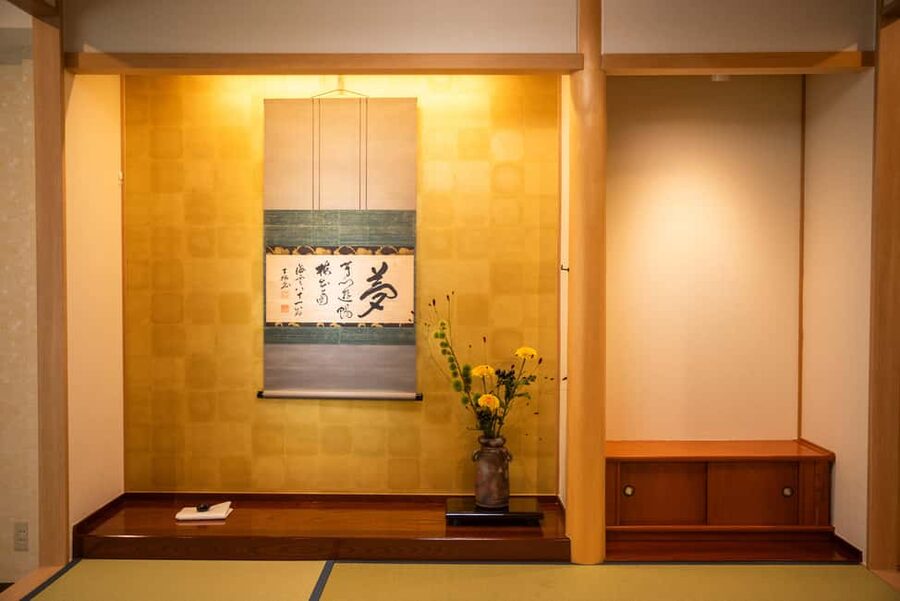
- You make your own matcha: After watching the host, you whisk and serve your own bowl of powdered green tea.
- The ceremony is explained step by step: You learn the meaning behind pouring water, preparing the tea, and presenting it.
- Traditional sweets are included: The sweets give you a classic pairing with the slightly bitter matcha.
- The setting is beginner-friendly: You can ask questions, take photographs, and enjoy the session without strict formal rules.
- The group stays small: With no more than eight participants, the demonstration should remain personal and easy to follow.
- The location is in central Asakusa: Meet at Tokyo Tourist Lounge Asakusa on the fifth floor, using the listed map coordinates if needed.
Why this Asakusa tea class works for first-time visitors
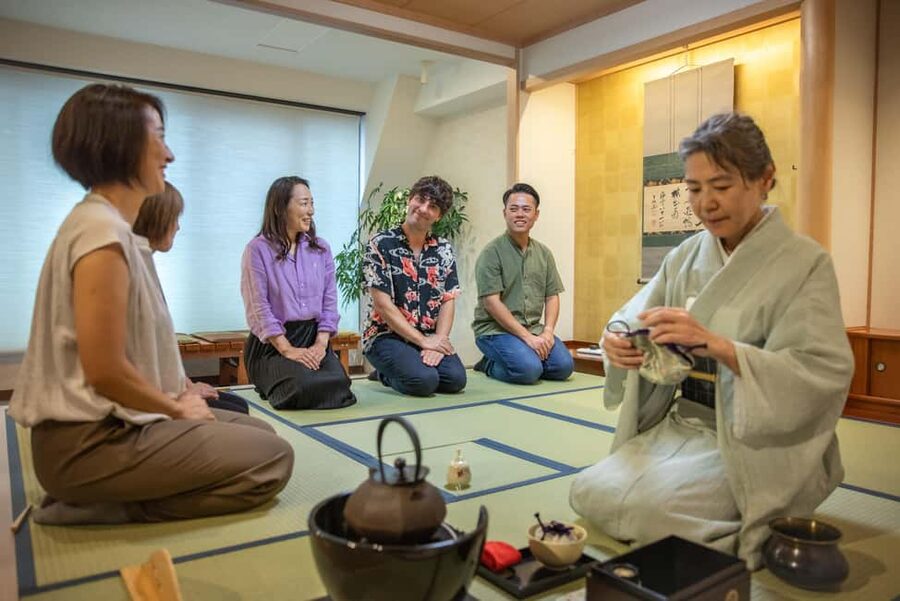
The best part of this experience is the chance to understand tea ceremony as more than a cup of green tea. Your host explains the ideas of harmony and hospitality that shape the ritual, then shows how those ideas appear in small actions.
That context matters. Without an explanation, whisking matcha can feel like a short craft lesson. With the cultural background, the slow movements and careful presentation begin to make sense. You see that the ceremony is built around attention: attention to the tea, to the person receiving it, and to the moment you share.
This class also avoids the stiff feeling that can put beginners off. You are encouraged to ask questions and take photos during the session. That makes it a good choice if you want a cultural activity but do not want to worry about making a mistake.
The experience is taught in English. Past sessions have been led by hosts named Midori, Madori, and Kaz. The available feedback gives particular emphasis to clear explanations, a kind manner, and detailed guidance through each action. Since the host for your time slot may vary, book this for the format and teaching approach rather than for a guaranteed individual instructor.
More tea rooms worth booking:
- Matcha Making Class in Tokyo with Authentic Japanese Sweets Set
★ 5.0 · 744 reviews - Tokyo: Traditional Tea Ceremony with a Tea Master
★ 5.0 · 528 reviews - Tokyo: Matcha Making Experience with Mochi Sweets in Asakusa
★ 4.9 · 388 reviews
Meeting the host at Tokyo Tourist Lounge Asakusa
The meeting point is Tokyo Tourist Lounge Asakusa, located on the fifth floor of its building. Search the exact name in the Google Maps app, or use the supplied coordinates: 35.7103757, 139.796744.
This is the kind of meeting point where a few minutes of planning helps. The directions specify the building and floor, so do not stop at the venue name alone. If you are already exploring Asakusa, allow enough time to locate the entrance and reach the fifth floor before the start.
The activity lasts one hour. That makes it easy to fit before or after other Asakusa plans, but it also means the session moves at a steady pace. Arrive ready to listen from the beginning. A late arrival could mean missing the introduction to the ceremony, which is where the host sets out the cultural meaning of the steps.
The venue is listed as wheelchair accessible. That is useful for visitors who need an accessible setting, though you should still confirm any personal access needs when booking if you require details beyond the general accessibility information provided.
The opening lesson: matcha, custom, and the meaning of the ritual
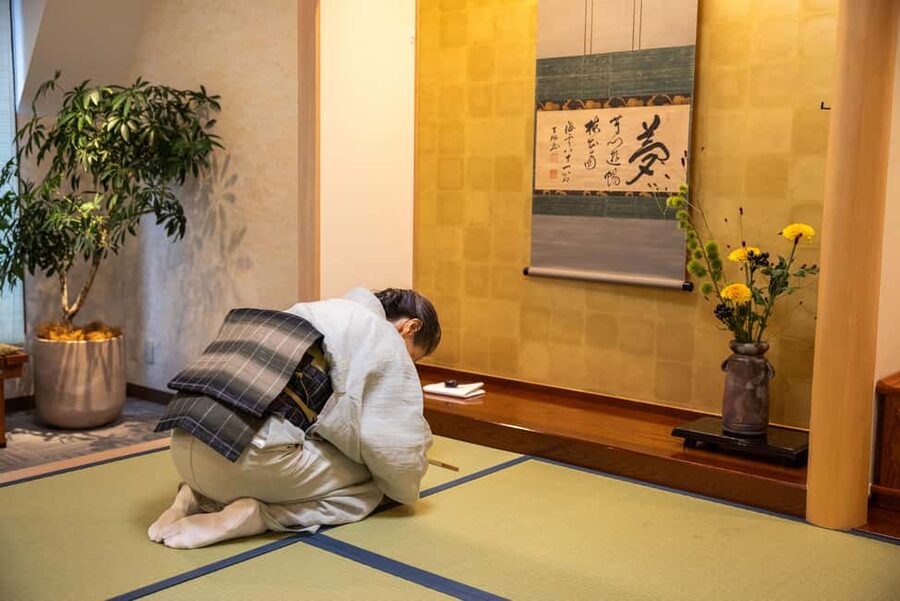
The session begins with an introduction to matcha and its place in Japanese culture. One account of the class specifically notes an explanation of where matcha comes from, why it matters, and how it relates to Japanese society.
This is a valuable part of the hour because it gives you something to look for during the practical demonstration. Instead of simply copying hand movements, you learn why the host handles the tea with care and why the presentation follows an ordered pattern.
The ceremony then unfolds in a guided sequence. Your host explains actions such as pouring water, preparing the tea, and presenting the bowl. You are not expected to arrive with specialist knowledge. The class is designed for curious beginners, so the explanations should help you follow along even if this is your first contact with tea ceremony.
I like this balance of background and practice. You get enough information to understand the custom, but the session remains an activity rather than a lecture. The reported experience with Madori, in particular, describes each action being explained along with its meaning in Japanese culture.
Watching the matcha whisking demonstration
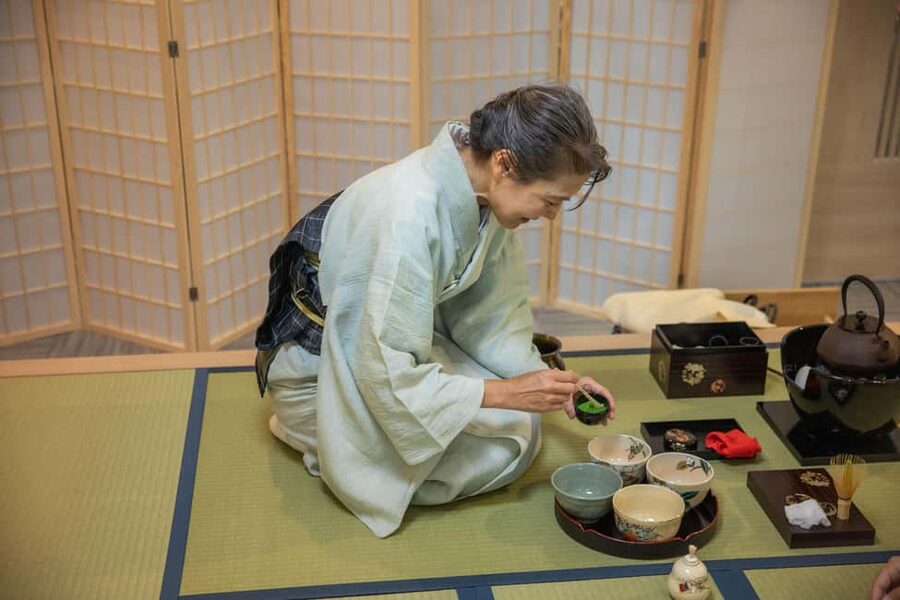
Matcha is powdered tea, so it is prepared differently from the tea bags and loose leaves many visitors know. The powder is combined with water and whisked until it becomes a smooth drink with a light layer of foam.
Your host demonstrates the basic preparation, including how to use the whisk. Pay attention to the motion rather than rushing through it. The point is not to perform a perfect trick for a photograph. It is to learn the method and understand the care involved in making a bowl for another person.
The class keeps this stage approachable. You can ask questions as the demonstration unfolds, and the instructor guides you through the gestures. That is important because the whisk, bowl, water, and tea all work together. A short explanation can prevent the practical part from feeling confusing.
You also receive traditional Japanese sweets. Their sweetness provides a useful contrast with matcha, which can taste grassy, earthy, or pleasantly bitter depending on your palate. The sweets are not just a snack added to the booking. They show how the tea is traditionally enjoyed as part of a larger presentation.
More Asakusa visits:
- Tokyo: Japanese Dance Cabaret Theater Asakusa-Kaguwa Ticket
★ 4.8 · 2,270 reviews - Tokyo: Meiji Shrine, Asakusa, Skytree Bus Tour and Cruise
★ 4.7 · 1,986 reviews - Tokyo: Roll and Authentic Sushi Making Class in Asakusa
★ 4.9 · 1,957 reviews - Tokyo: Asakusa Walking Tour with Sensoji Temple Visit
★ 4.8 · 1,583 reviews
Making your own bowl of matcha
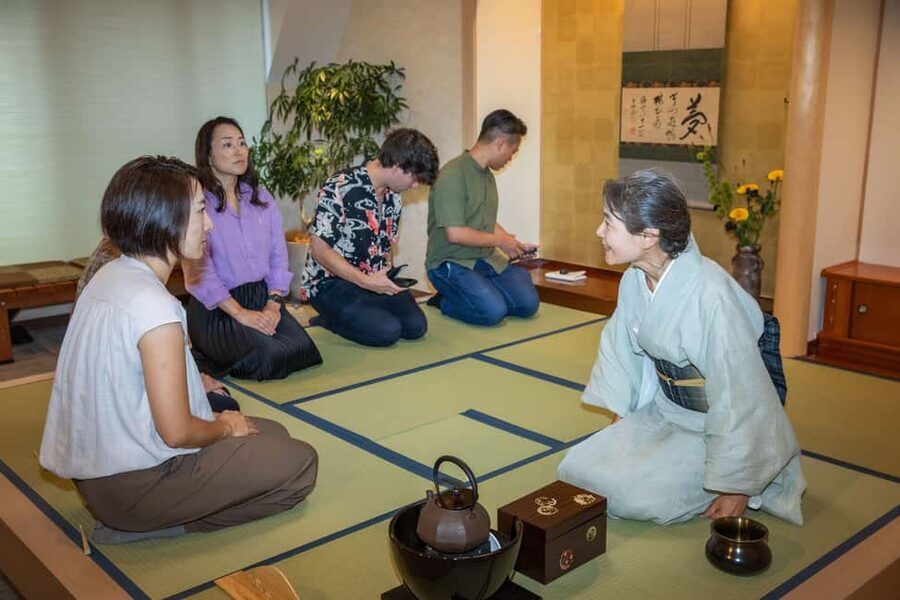
The hands-on section is the heart of the experience. After seeing the demonstration, you prepare your own bowl of matcha and serve it according to the steps you have learned.
This is where the small group size earns its keep. With a maximum of eight people, the host has a better chance to see how each person is doing and offer guidance. You can repeat a movement, check a detail, or ask what you should do next without feeling lost in a crowd.
Do not expect a contest. Your first bowl does not need to look perfect. The value is in trying the process yourself and noticing how much attention goes into a drink that can be prepared in only a few minutes.
You are also given time to savor the tea at your own pace. That slower finish fits the spirit of the ceremony. The activity is not built around quickly tasting matcha and moving on to the next attraction. It asks you to pause, notice the flavor, and appreciate the care that went into the preparation.
The class reports describe this moment as a chance to prepare, serve, and enjoy your own matcha. For many people, that practical memory will last longer than the technical details of the introduction. You leave knowing not just what matcha is, but how it feels to make it.
A relaxed ceremony, not a strict formal performance
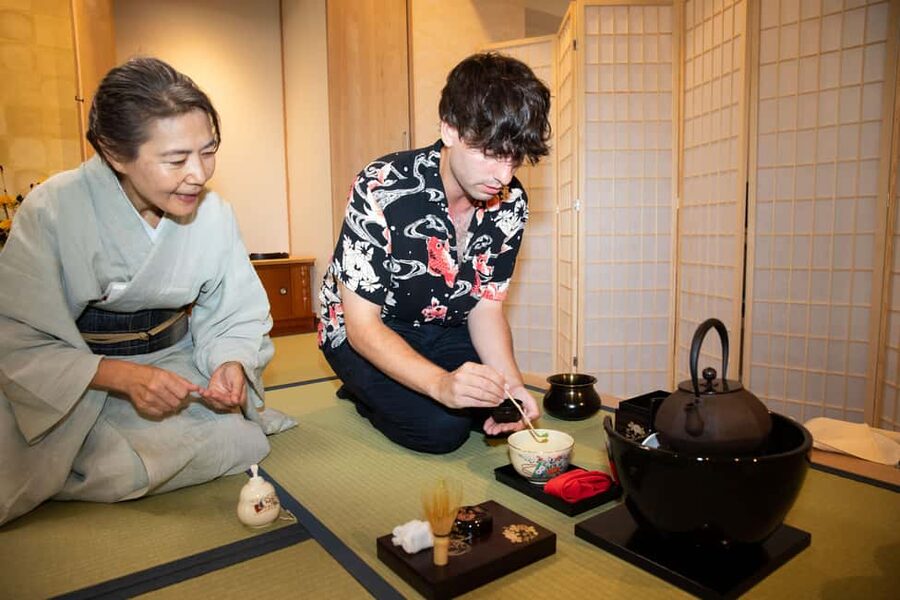
It is important to set the right expectation. This is a relaxed version of a Japanese tea ceremony made for beginners and curious visitors. You will learn traditional ideas and gestures, but the atmosphere is designed to be fun and approachable.
That is a strength for most visitors. You can ask questions and take photos during the session, which removes some of the pressure associated with formal cultural demonstrations. If you are worried about sitting silently or following complex rules, this class offers a gentler introduction.
The trade-off is depth. A one-hour experience cannot cover every school of tea ceremony, every utensil, or the full range of etiquette. If you already study tea ceremony seriously, you may want a longer or more formal lesson. For a first introduction, the lighter approach is likely more useful.
I also recommend thinking about what you want from the photographs. You can take pictures, but the main value is participation and explanation. A few good photographs can record the experience, while constant camera use could distract you from the details that make the ceremony worth attending.
What the $25 price gives you
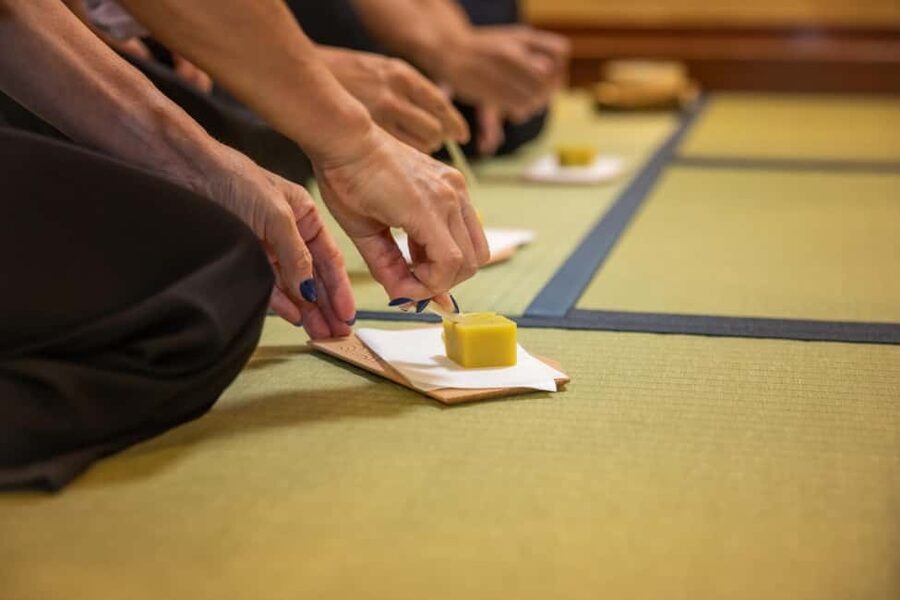
At $25 per person, this is a reasonably priced cultural activity in Tokyo. You receive the ceremony, an English-language matcha lesson, traditional sweets, and a guided hands-on session. The small group limit makes the price more attractive because you are not paying for a large demonstration where it is hard to see or ask anything.
The strongest value comes from the combination of explanation and participation. A simple matcha tasting might cost less, but it would not necessarily teach you the meaning behind the gestures or let you prepare your own bowl. A more formal ceremony might offer greater depth, but it could also cost more and feel less accessible.
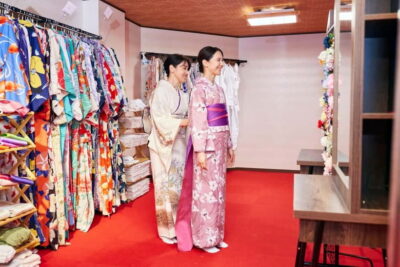
Kimono rental is not included. That keeps the base price clear, especially for visitors who only want the tea lesson. If wearing kimono is important to you, treat it as a separate consideration rather than assuming it forms part of the booking.
The one-hour duration also helps with value. You are not giving up half a day, and the activity can fit neatly into a sightseeing schedule. At the same time, the short format means you should book it for a focused introduction, not an all-day cultural study.
Who will enjoy this experience most
I would choose this class for a first visit to Japan, a repeat visit with an interest in Japanese customs, or a short cultural break from sightseeing. It works well for solo visitors, couples, and small groups who want an activity that encourages conversation rather than rushing from one attraction to the next.
It should also suit families or mixed-interest groups, provided everyone is comfortable taking part in a guided tea lesson. The ability to ask questions makes it less intimidating for anyone unfamiliar with Japanese etiquette.
The class is especially useful if you have seen matcha on menus but have never understood how it is prepared. You get a clear introduction to the drink, a taste of traditional sweets, and a chance to handle the whisk yourself.
You may want to choose another type of activity if you are looking for a full formal ceremony, a kimono package, or a long technical workshop. Those expectations go beyond what this one-hour beginner session promises.
Practical details for a smooth visit
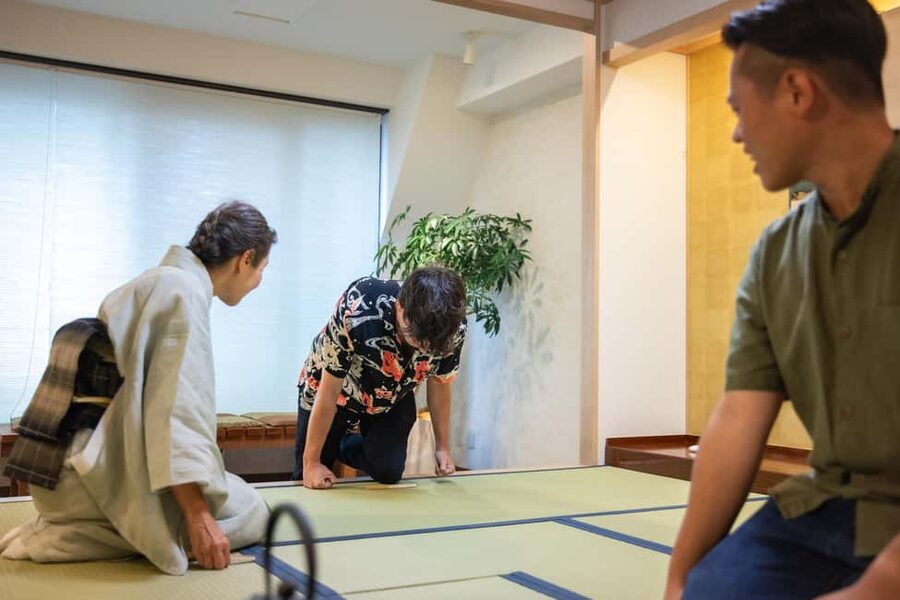
The class is in English, and the group is limited to eight participants. The listed starting times vary, so check availability for the date you want before arranging the rest of your day.
Use Google Maps and search for Tokyo Tourist Lounge Asakusa. Remember that the venue is on the fifth floor. The coordinates can help if the building is difficult to identify from the street.
The activity offers free cancellation up to 24 hours before the start for a full refund. You can also reserve now and pay later, which helps if your Tokyo schedule is still changing. These policies are useful, but check the booking terms for your exact time slot before paying.
Wear something that lets you sit and move comfortably. The supplied information does not require a particular dress code, and kimono rental is not part of the activity. The key preparation is arriving on time and ready to take part.
The overall rating is 5 out of 5 from 36 reviews, with repeated praise for the peaceful mood, clear instruction, and kind hosts. The comments from Maria, Evangeline, Irem, Radomir, and others point to the same practical strength: you are not simply watching a ceremony, you are being shown how to understand and make the tea.
Should you book the Asakusa tea ceremony?
Book it if you want a short, friendly, hands-on introduction to matcha. The combination of cultural explanation, sweets, personal preparation, and a group of no more than eight gives you more substance than a quick tea tasting.
I would also book it if you value a calm hour in the middle of a busy Tokyo itinerary. The class gives you a reason to slow down without requiring a full day or a high price.
Skip it if your main goal is wearing kimono, attending a strict ceremonial performance, or studying advanced tea practice. Kimono is not included, and the relaxed format is aimed at beginners.
For most visitors, this is a sensible $25 choice in Asakusa. You learn the basic method, understand the ideas behind the ritual, and leave with the memory of preparing your own bowl rather than merely watching someone else do it.
FAQ
How long does the Tokyo tea ceremony experience last?
The experience lasts one hour.
Where is the meeting point?
Meet at Tokyo Tourist Lounge Asakusa, located on the fifth floor of the building. You can search the venue name in Google Maps or use the coordinates 35.7103757, 139.796744.
Is the experience taught in English?
Yes. The instructor language is English.
Is kimono rental included?
No. Kimono rental is not included in the activity.
Can I make my own matcha?
Yes. After learning the preparation method, you can whisk and serve your own bowl of matcha, then enjoy it at your own pace.
Can I cancel for a full refund?
Yes. You can cancel up to 24 hours in advance for a full refund.
New on our Tokyo list
- From Tokyo: Mount Fuji & Hakone Full Day Private Tour★ 4.9 · 25 reviews
- Tokyo Spectacular View Day-Cruise in 90 Minutes★ 5.0 · 25 reviews
- Real Tokyo Runner Club : Daikoku Car Meet Night Tour with JDM Car★ 5.0 · 25 reviews
- 2.5 Hour-Guided Cycle Tour in the Central Tokyo★ 5.0 · 25 reviews
- Ramen Making from Scratch +Akihabara Tour –Cooking Class★ 5.0 · 25 reviews
- [Self-Drive] Tokyo & Daikoku Custom Car Driving Tour★ 4.9 · 25 reviews
- Tokyo: 2-Hour Night Bike Tour of the City’s Hidden Gems★ 4.9 · 25 reviews
- Tokyo: Mt. Fuji, Owakudani, Hakone Shrine, & Open-Air Museum★ 4.7 · 25 reviews
Tea Ceremonies, compared.
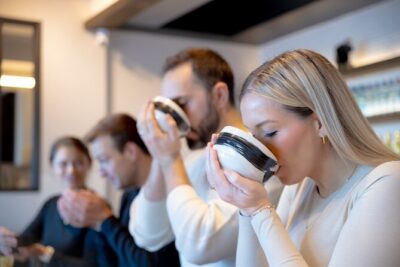
Matcha Making Class in Tokyo with Authentic Japanese Sweets Set
Read our review →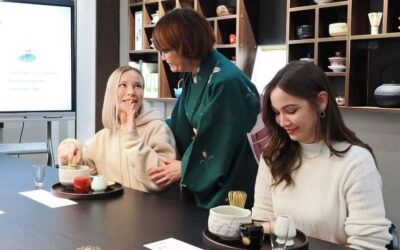
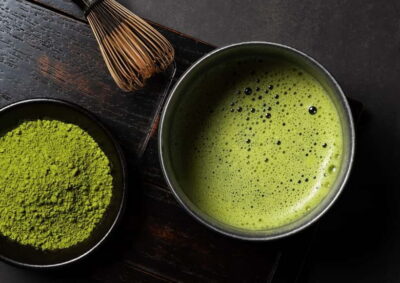
Matcha Making Experience with Mochi Sweets in Asakusa
Read our review →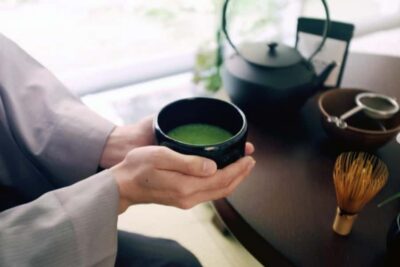
Tea Ceremony Workshop in Tokyo by the Experienced Instrucor
Read our review →

Make Traditional Nerikiri Sweets & Matcha experience in Shibuya
Read our review →Browse the lists this tour appears in