
Reviewed · TSUKIJI & TOYOSU MARKET TOURS
Tokyo: Tsukiji Market Guided Tour & Sushi-Making Experience
Tsukiji is at its best when you let the market lead you. This 225-minute experience takes you past tuna, sashimi, seaweed, produce, and specialist shops before moving to a kitchen where you make three kinds of sushi yourself. The real appeal is the contrast between market culture and hands-on cooking.
I like the small group, limited to 10 people, and the fact that public transportation between Tsukiji and the cooking facility is included. I also like the mix of sushi styles: nigiri, thin hosomaki rolls, and gunkanmaki with a soft topping.
The main caution is the price. At $177 per person, this is not a cheap way to eat sushi, and one participant found the fish quality disappointing. Also, the market walk does not appear to include buying tuna or selecting fish for your class, so book this for the guided access and cooking lesson, not for a market-to-table seafood feast.
In This Review
- Key points to know before booking
- Starting at Tsukiji Hongwanji Temple
- Reading Tsukiji Outer Market beyond the food stalls
- What the market walk is really worth
- Moving from Tsukiji to the sushi kitchen
- Making nigiri, hosomaki, and gunkanmaki
- How good will the sushi be?
- Dining etiquette and eating your own work
- Is $177 a fair price?
- Who will enjoy this Tokyo experience?
- Practical details that affect your day
- Should you book the Tsukiji and sushi class?
- FAQ
- Where does the Tsukiji tour begin?
- How long does the activity last?
- Is the tour conducted in English?
- What types of sushi will I make?
- Is transportation between the market and kitchen included?
- Are food and ingredients included?
- Can I cancel for a refund?
Key points to know before booking
- Tsukiji starts at the temple: Meet at the entrance of Tsukiji Hongwanji Temple, only about 30 seconds from Exit 1 of Tsukiji Metro Station.
- Three sushi styles are covered: You make nigiri, hosomaki, and gunkanmaki under an instructor’s direction.
- The group stays small: A maximum of 10 participants gives you a better chance to see and follow the demonstrations.
- The market visit is a guided walk: You see seafood shops, dried goods, produce, and working merchants, but the experience does not guarantee a fish purchase.
- The class is near Tokyo Tower: Public transport from Tsukiji to the kitchen is included, but hotel transfers are not.
- The price reflects instruction: Ingredients, a licensed guide, a licensed instructor, transportation, and a souvenir kit are included, but $177 is high if your main goal is simply eating sushi.
Starting at Tsukiji Hongwanji Temple
Your meeting point is easy to find if you use the subway. Tsukiji Hongwanji Temple is right by Tsukiji Station on the Hibiya Line, and the entrance is about a 30-second walk from Exit 1. That short walk matters in Tokyo, where a tour can become stressful before it starts if the meeting point is buried in a side street.
The temple also gives you a useful landmark while you wait. Look for your English-speaking guide at the temple entrance rather than wandering into the market on your own. Hotel pickup is not included, so you need to reach Tsukiji independently.
The experience is designed for a small group of no more than 10 people. That is a good size for a market walk, where narrow lanes can make a large group awkward, and for a cooking lesson, where you need to see the instructor’s hands. The guide is nationally licensed, and the sushi instructor is also licensed.
No guide names are provided for this activity, so you should not book expecting a particular host. The quality of the day will depend partly on the guide leading your scheduled departure.
More market mornings in Tokyo:
- Tokyo Tsukiji Fish Market Food and Culture Walking Tour
★ 5.0 · 3,184 reviews - Tokyo: Tsukiji Fish Market Food and Walking tour
★ 5.0 · 1,724 reviews - Tokyo: Tsukiji Fish Market Guided Walking Tour
★ 4.9 · 1,397 reviews
Reading Tsukiji Outer Market beyond the food stalls
Tsukiji Outer Market is different from the former wholesale market area many people picture. The inner wholesale operation moved to Toyosu, but Tsukiji Outer Market remains a working food district with shops selling seafood, kitchen ingredients, and Japanese cooking supplies.
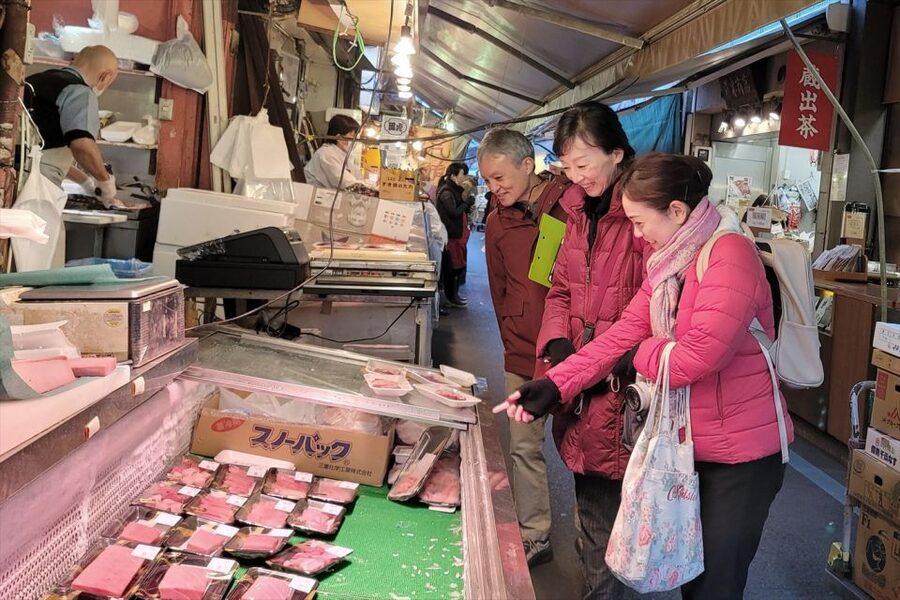
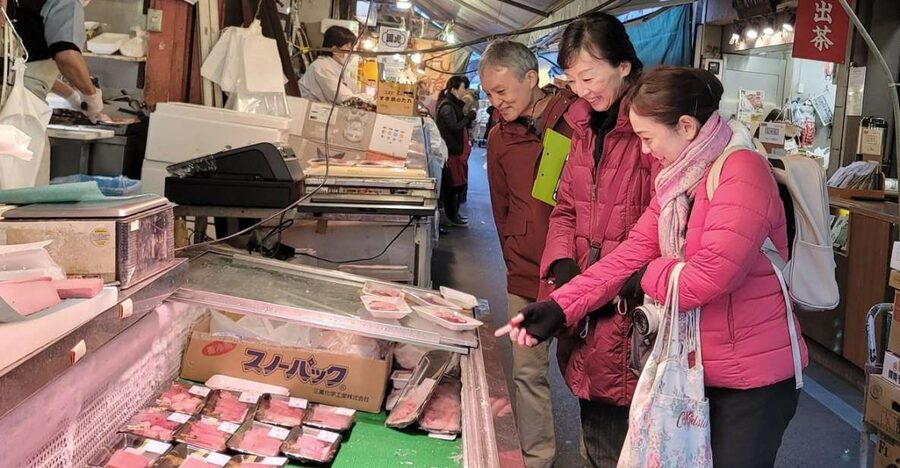
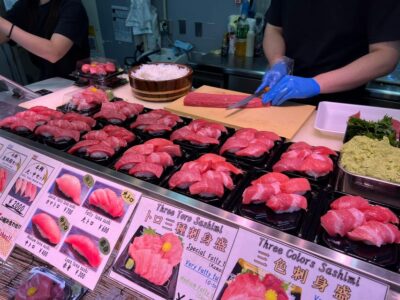
Your walk takes you through narrow lanes lined with freshly sliced sashimi, tuna, dried seaweed, fruits, vegetables, and other food items. You also pass merchants at work and shops used by high-end restaurant cooks. That is useful context: you are not simply walking through a sightseeing street filled with snack counters. You are seeing a place tied to the daily supply of Tokyo kitchens.
The guide explains the history of Tsukiji and how the famous market developed in central Tokyo. That background helps you understand why the area became such a powerful symbol of Japanese seafood culture, even after the wholesale market relocated.
I would treat this portion as an orientation rather than a shopping expedition. You have time to look, smell, and ask questions, but the provided details do not promise free time for extensive purchases or tastings. You also should not assume that every stall will be open or equally active at every departure time.
The promise of hunting for freshly caught tuna can sound like a special buying experience. In practice, the market section is a guided walk, and the fish used in class is included as part of the activity. One participant specifically expected to select or purchase tuna and found that this did not happen. If that detail is important to you, ask the provider before booking.
What the market walk is really worth
The market is the most place-specific part of the day. You could make sushi in many cities, but you cannot reproduce the feeling of walking through Tsukiji’s seafood lanes in a classroom elsewhere.
I like that the tour gives you a reason to look closely. Instead of passing through and wondering what the shops sell, you learn about tuna, seaweed, sashimi, produce, and the specialist trade. A guide can also help you notice the difference between a shop aimed at home cooks and one serving professional kitchens.
Still, the walk will not satisfy everyone. If you already know Tsukiji well, you may find the guided route less useful than exploring independently. The market can also be crowded and confined, so comfortable shoes are essential. The activity is described as wheelchair accessible, yet it is also listed as unsuitable for people with mobility impairments. That conflicting information deserves clarification before you reserve.
Bad weather can cancel the activity. Since both the market walk and transportation are part of the plan, rain or other poor conditions may affect the schedule.
Moving from Tsukiji to the sushi kitchen
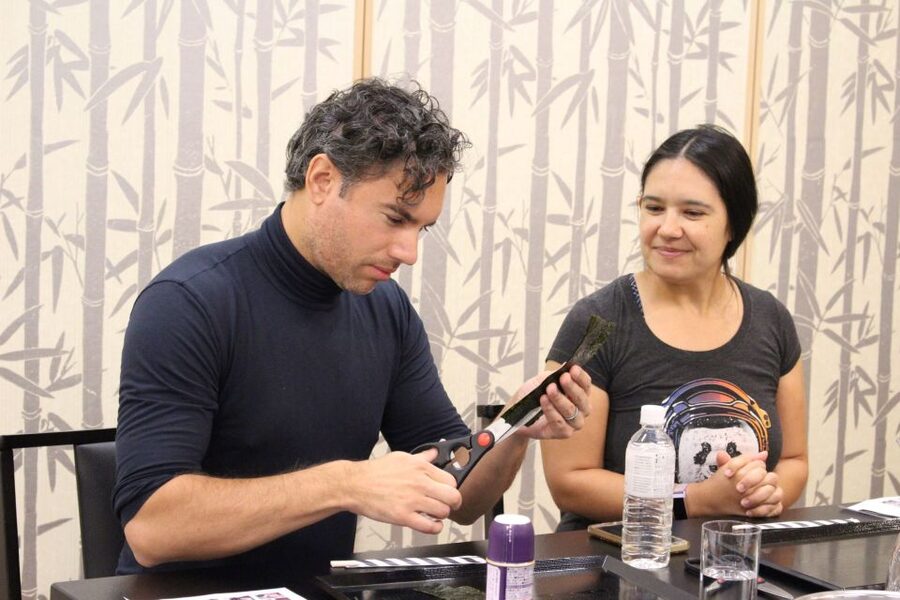
After the market, you use public transportation to reach a state-of-the-art kitchen near Tokyo Tower. This transfer is included, which is helpful in a city where navigating the subway can take time, especially when you are trying to keep up with a group.
The move also changes the mood of the experience. Tsukiji gives you the working market setting. The kitchen provides a clean, controlled place to learn technique and food hygiene. That combination makes the experience more useful than a simple market stroll, particularly if you want to understand how raw fish becomes a finished piece of sushi.
Hotel pickup and drop-off are not included. You should plan to reach the temple on your own and make your own arrangements after the class. The duration is approximately 225 minutes, but the timing can change with the number of participants.
Near Tokyo Tower is a practical end point for the rest of your day. The activity does not include sightseeing at the tower, though, so do not count on a tower visit as part of the class.
More sushi mornings and classes:
- Sushi Making Tokyo Roll and Authentic Japanese Sushi Class
★ 5.0 · 3,971 reviews - Tokyo: Roll and Authentic Sushi Making Class in Asakusa
★ 4.9 · 1,957 reviews - Make Sushi and Create Unforgettable Memories in Tokyo
★ 5.0 · 1,413 reviews - Tokyo: Sushi Making Class in a Happi Coat near a Famous Spot
★ 4.9 · 1,377 reviews
Making nigiri, hosomaki, and gunkanmaki
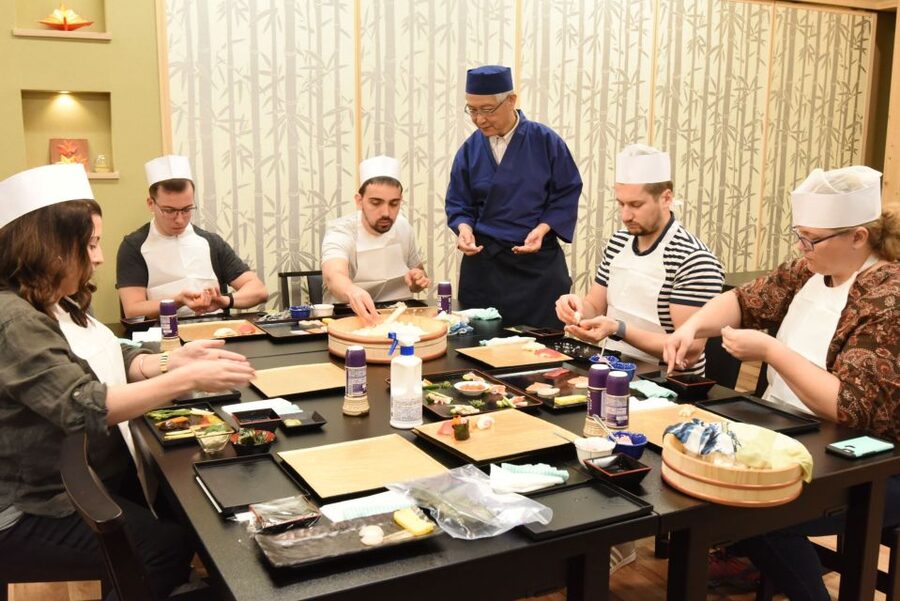
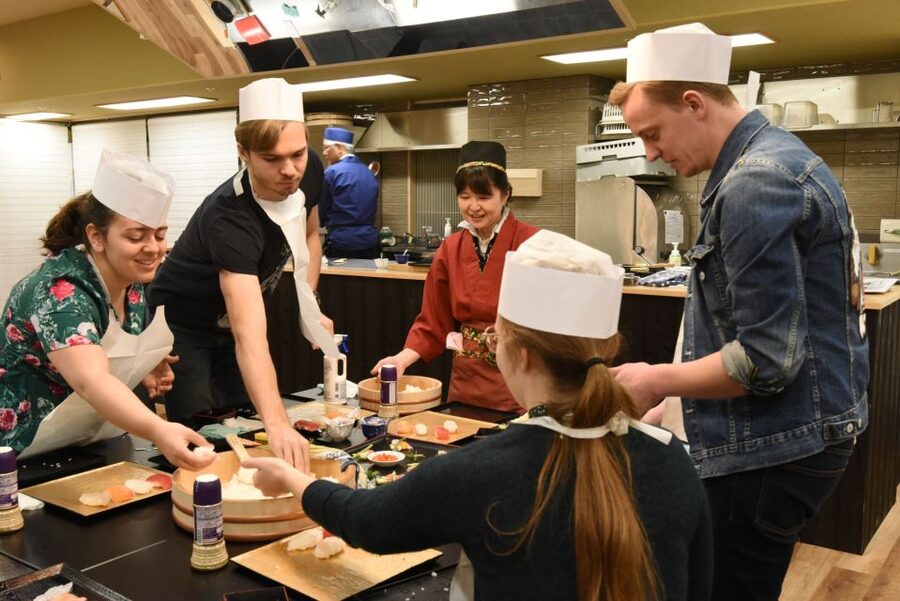
The cooking lesson covers three familiar sushi forms, each requiring a different approach.
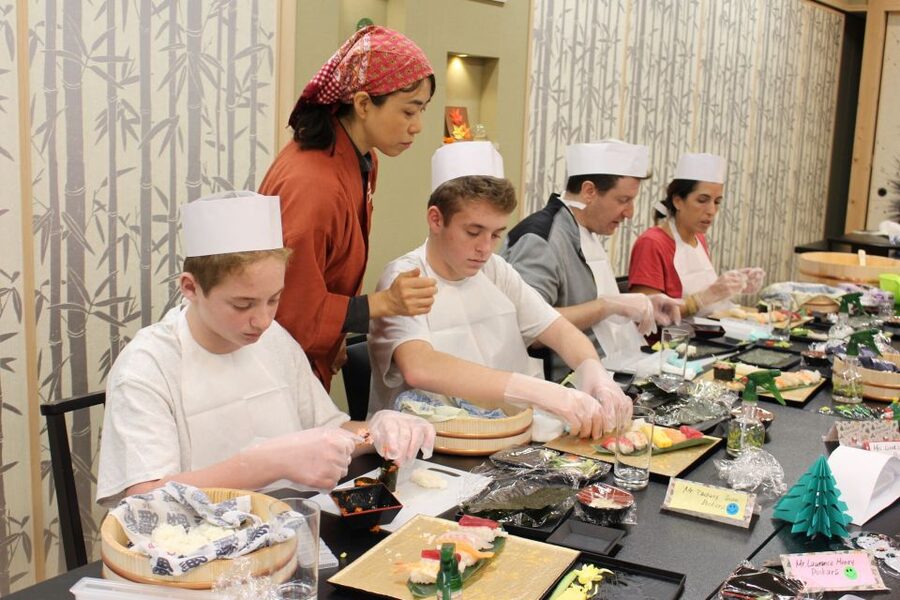
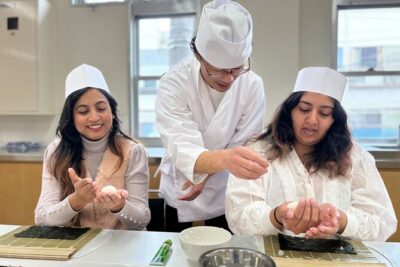
Nigiri is the traditional hand-formed piece with rice and a topping. It looks simple, but shaping the rice and placing the fish neatly takes control. The instructor demonstrates the process, then supervises as you try it yourself.
Hosomaki is a thin sushi roll. You learn how to handle the nori and rice so the roll stays compact rather than becoming a loose bundle. This is likely the most recognizable roll-making exercise for many first-time students.
Gunkanmaki uses nori wrapped around the rice, creating a small vessel for a soft topping. It gives you a third shape and texture to practice, rather than repeating the same rolling motion three times.
Before you begin, the instructor explains the background of sushi and basic hygiene techniques. That is important here. The class is not only about making a plate that looks attractive. You are handling ingredients that may include raw seafood, so clean preparation and careful handling are part of the lesson.
All sushi ingredients are included. You do not need to buy fish at Tsukiji, and the activity does not require you to bring cooking supplies. Dietary restrictions and most special requirements can be accommodated, but you should provide that information in advance rather than waiting until the class begins.
How good will the sushi be?
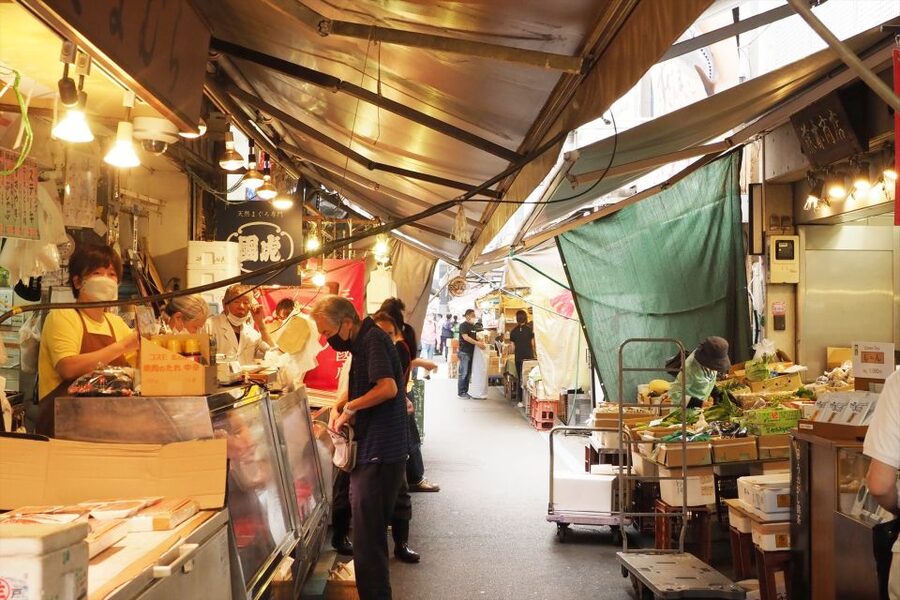
You should set your expectations carefully. This is a sushi-making lesson, not a premium omakase meal.
The final quality depends on your technique, and beginners may produce uneven rice shapes or loose rolls. That is part of the point. You are paying to learn and participate, not to receive a chef’s finished tasting menu.
The fish quality is a real consideration. One participant, who had eaten sushi at prices ranging from $30 to $500, found the fish used in class disappointing. That criticism matters because the activity is priced at $177, and some people may compare it with a very good sushi lunch or dinner.
At the same time, the class lets you control the process and understand what goes into each piece. If you enjoy practical lessons, the imperfect sushi may be more memorable than a polished plate served to you. If your main goal is the finest fish in Tokyo, spend the money at a respected sushi restaurant instead.
The inclusion of a sushi souvenir kit adds a small practical benefit. The supplied information does not specify its contents, so do not assume it includes a full set of professional tools. Think of it as a take-home reminder of the class rather than a major part of the value.
Dining etiquette and eating your own work
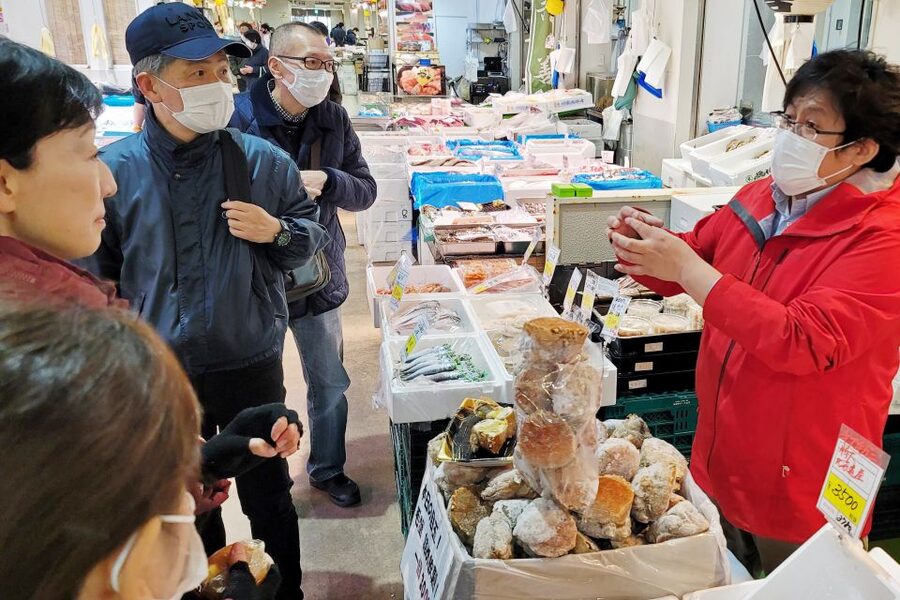
Once the sushi is made, you are introduced to Japanese dining etiquette and sit down to eat what you prepared. This closes the gap between watching a demonstration and understanding how the food is served.
The etiquette portion is especially useful if this is your first formal sushi lesson. It gives you context for handling and enjoying the food, rather than leaving you with a plate and no explanation.
Do not expect additional food or drinks beyond the sushi ingredients and what you make. Other food and drinks are not included. If you need a larger meal, plan one before or after the activity.
The class is conducted in English. That makes the technical instructions easier to follow, though the amount of conversation and individual attention can vary with the group size and the guide.
Is $177 a fair price?
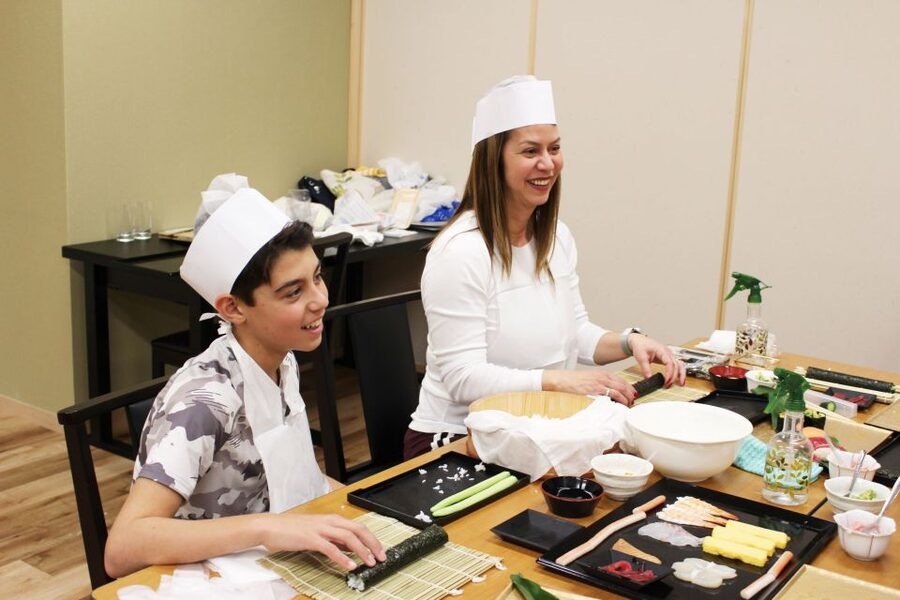
The price is $177 per person. That is high for a food activity, so the value depends on what you want from the day.
The fee includes:
- A guided Tsukiji Outer Market tour
- A nationally licensed English-speaking guide
- Public transportation to the kitchen
- A sushi-making class
- A licensed sushi instructor
- Sushi ingredients
- A souvenir kit
You are paying for two linked experiences, not just lunch. The market guide, transportation, instruction, ingredients, and small-group format all add value. For someone who wants a structured introduction to Japanese food culture and does not want to organize the market and cooking class separately, the package is convenient.
The calculation looks weaker if you mainly want to eat excellent sushi. You can explore Tsukiji on your own, and the class fish may not match the quality you could find at a carefully chosen restaurant. One participant felt an omakase meal or independent market visit would have been a better use of the same money.
I would call the price reasonable only if you value participation. You are buying a lesson, a guided look at Tsukiji, and the memory of making three sushi styles. You are not buying a luxury seafood meal.
Who will enjoy this Tokyo experience?
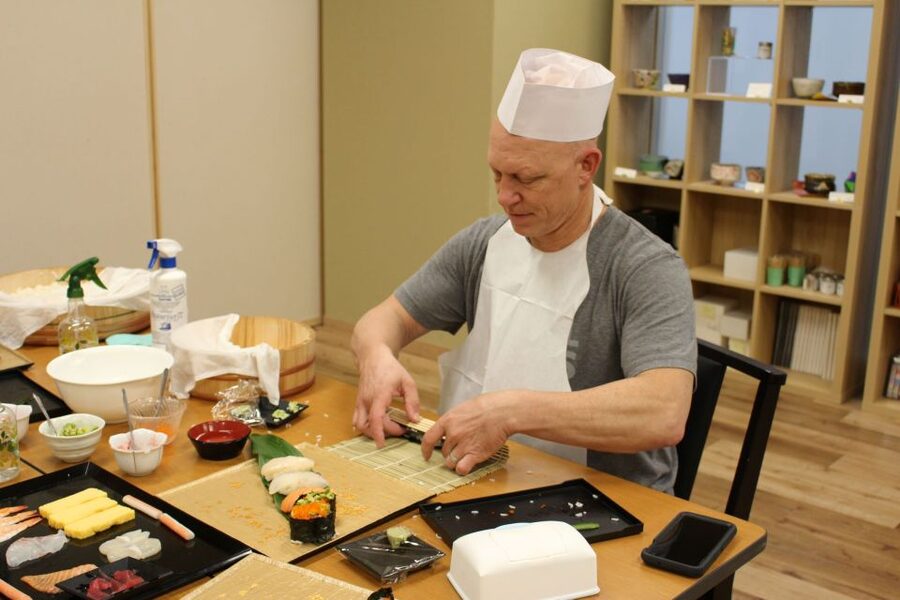
This activity suits you if you want a clear introduction to sushi and prefer learning by doing. It is also a good fit if you want Tsukiji explained rather than simply photographed, and if you appreciate a small group with an instructor nearby.
Families and mixed-age groups may like the practical format, but babies under one year are not permitted. The activity is not suitable for people with mobility impairments according to the stated restrictions, despite the separate wheelchair-accessible label. Ask for a precise accessibility explanation before paying.
You should wear comfortable shoes. The market involves walking through narrow alleys, and the overall session lasts nearly four hours. You also need enough energy for the market, the public transport transfer, and the cooking class.
This is less suitable for you if you have already explored Tsukiji, know how to make sushi, or care most about top-grade fish. It may also disappoint you if you expect to select and purchase tuna in the market.
Practical details that affect your day
You can cancel up to 24 hours before the activity for a full refund, and reserve now while paying later. That flexibility helps if your Tokyo schedule is still changing.
Starting times vary, so check availability for your chosen date. The duration is an estimate and may shift depending on the number of participants. Bad weather can also cause cancellation.
Most dietary restrictions and requirements can be accommodated. Tell the provider ahead of time so the instructor can prepare properly. Since the activity includes sushi ingredients but no other food or drinks, plan around the class if you need a full meal.
The meeting point is the entrance of Tsukiji Hongwanji Temple. Exit 1 of Tsukiji Station on the Hibiya Line is the simplest route. Bring comfortable shoes, arrive ready for a market walk, and leave room in your schedule for timing changes.
Should you book the Tsukiji and sushi class?
Book this experience if you want a guided look at Tsukiji followed by a hands-on lesson in nigiri, hosomaki, and gunkanmaki. The small group, licensed staff, included transportation, and souvenir kit make it a well-organized introduction for first-time sushi makers.
Skip it if your priority is the best fish for your money, or if you specifically want to buy tuna at the market and use it in class. At $177, the activity makes sense as a food culture lesson, not as a bargain meal. Go in expecting to make imperfect sushi, learn the process, and see a working market district with context, and you will have a clearer idea of what you are paying for.
FAQ
Where does the Tsukiji tour begin?
Meet your guide at the entrance of Tsukiji Hongwanji Temple. The temple is about a 30-second walk from Exit 1 of Tsukiji Metro Station on the Hibiya Line.
How long does the activity last?
The scheduled duration is 225 minutes, or about three hours and 45 minutes. The actual timing may change depending on the number of participants.
Is the tour conducted in English?
Yes. The live guide and activity language are English.
What types of sushi will I make?
You will learn to make nigiri, hosomaki, and gunkanmaki sushi.
Is transportation between the market and kitchen included?
Yes. Public transportation from Tsukiji to the sushi kitchen is included.
Are food and ingredients included?
Sushi ingredients are included. Other food and drinks are not included.
Can I cancel for a refund?
You can cancel up to 24 hours in advance for a full refund.
More Shopping Tours in Tokyo
- Tokyo: Tsukiji Fish Market Sushi Making Class with Pro Chef
★ 4.9 · 506 reviews - Tokyo Food Tour Taste Fresh Delights at Tsukiji Market
★ 5.0 · 429 reviews - Tokyo Tsukiji Fish Market Tour and Sushi Making Lesson
★ 5.0 · 390 reviews - Tsukiji Fish Market: Street Food & Culture Walking Tour
★ 4.8 · 259 reviews
More Markets in Tokyo
- Tsukiji Fish Market Guided Tour and Sushi Making with Pro Chef
★ 5.0 · 775 reviews - Tokyo: Tsukiji Fish Market Food and Culture Walking Tour
★ 4.7 · 757 reviews - Tsukiji Fish Market: Street Food & Culture Walking Tour
★ 5.0 · 669 reviews - Tsukiji Fish Market Small-Group Food Walking Tour
★ 5.0 · 621 reviews
New on our Tokyo list
- Sumi-e Experience in a relaxing green tea shop in Tokyo★ 5.0 · 3 reviews
- Tokyo : Kamikaze Street Drift Ride★ 5.0 · 3 reviews
- Private Zen Meditation in English in Shinjuku, Tokyo★ 5.0 · 3 reviews
- Onsen Spa in Tokyo and Asakusa Bar Hopping with Local Guide★ 5.0 · 3 reviews
- Easy for everyone! Now you can play handmade mini shamisen and show off to everyone! Musical instruments, sweets and live music★ 5.0 · 3 reviews
- Tokyo: Private Tsukiji Street Food & Sake with Local Guide★ 5.0 · 3 reviews
- Mt Fuji Exploration Tour with Free Japanese Kusa Mochi from Tokyo★ 4.5 · 3 reviews
- Tokyo Tsukiji Fish Market Walking and Exploring Hidden Gems Tour★ 5.0 · 3 reviews
Tsukiji & Toyosu Market Tours, compared.
Tokyo Tsukiji Fish Market Food and Culture Walking Tour
Read our review →
Tokyo Sushi Making Class in Tsukiji with Professional Chef
Read our review →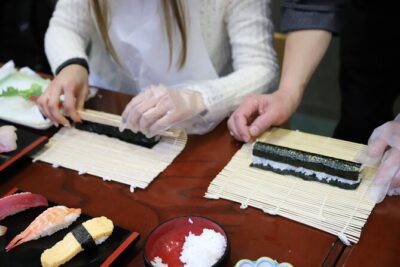
Tsukiji Fish Market Guided Tour and Sushi Making with Pro Chef
Read our review →Tsukiji Fish Market Food and Culture Walking Tour
Read our review →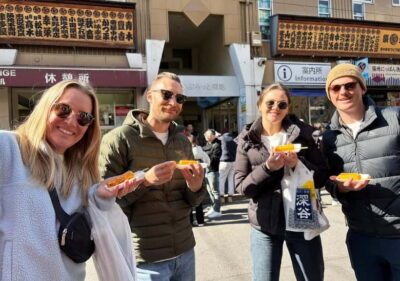
Tsukiji Fish Market: Street Food & Culture Walking Tour
Read our review →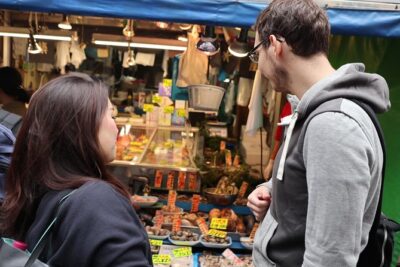
Tsukiji Fish Market Small-Group Food Walking Tour
Read our review →Browse the lists this tour appears in