
Reviewed · JAPANESE COOKING CLASSES
Unique Private Cooking Class with a Tokyo Local Emi
Japanese food is easier to understand when you make it in a local kitchen. With Emi, you prepare three dishes together, then sit down to eat them with tea and sake. I like the hands-on format and the chance to ask questions about home cooking, etiquette, and daily life in Tokyo. I also like that Emi sends you recipes to use at home.
The class is private, friendly, and adaptable, with menus that can include gyoza, tempura, karaage, tonkatsu, miso soup, yakisoba, and more. The main limitation is space: home sessions can feel tight, and groups of four or more need a studio and should book well ahead.
In This Review
- Key details before you book
- Why this class feels different from a restaurant meal
- Choosing a menu that works for your group
- The opening: barley tea and a relaxed start
- Hands-on cooking with Emi
- Eating together over sake
- A private class with a local perspective
- Location, timing, and group size
- Is $99 a fair price?
- What the strongest praise gets right
- Who should book this experience?
- Should you book Emi’s Tokyo cooking class?
- FAQ
- How long does the cooking class last?
- Where does the class begin?
- Where does the experience end?
- What food and drinks are included?
- How many dishes will I make?
- Can Emi accommodate allergies or vegetarian diets?
- When do I need to choose my menu?
- Is the class suitable for children?
- Is the cooking studio accessible?
Key details before you book
- Choose your dishes early: Select three dishes and send your choices at least four days before the class, or Emi chooses for you.
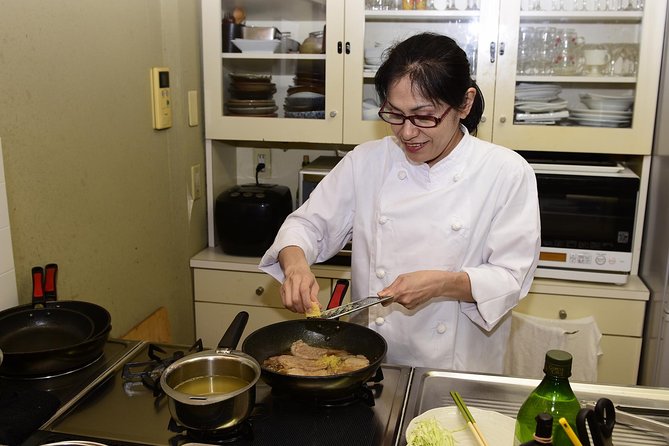
- Cook, do not just watch: You spend about 1.5 to 2 hours chopping, shaping, mixing, and cooking with Emi’s guidance.
- Private setting: Only your group takes part, either at Emi’s home or at her cooking studio.
- A full meal is included: Tea, all ingredients, the dishes you make, and sake come with the $99 price.
- Nerima location: The meeting point is near Nerima City Hall, with public transportation nearby.
- Plan for advance booking: Groups of four or more should reserve two to three months ahead.
Why this class feels different from a restaurant meal
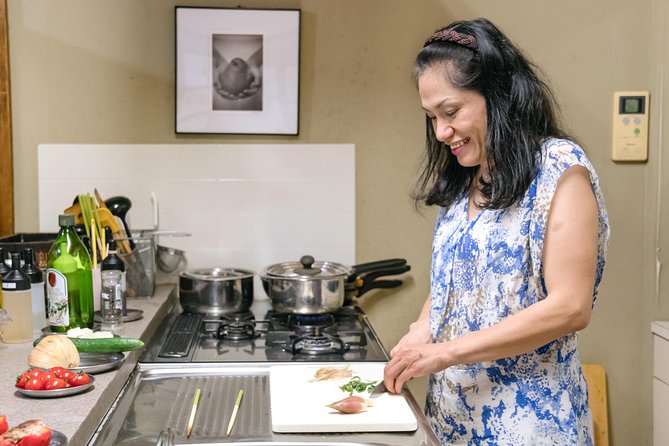
A restaurant shows you the finished plate. Emi shows you how ordinary Japanese meals come together, including the small decisions that rarely appear on a menu. You learn how ingredients are prepared, how dishes fit together, and how food connects with Japanese customs.
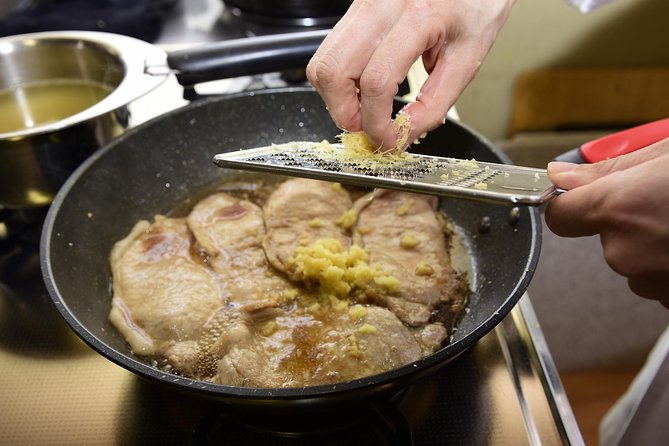
That difference matters in Tokyo. The city offers outstanding dining at every price, but a restaurant meal can leave you wondering how the food is made at home. Here, you might fold gyoza, prepare ginger pork, season miso soup, or learn the tricks behind crisp tempura. The food is not meant to imitate a formal restaurant course. It is home-style cooking, practical enough to repeat in your own kitchen.
The class lasts about three hours. Emi begins with mugi-cha, or barley tea, before the cooking starts. Then you choose three dishes from her menu, with the entire group preparing the same main selection. This keeps the lesson manageable and gives everyone a shared meal at the end.
I especially like the balance between instruction and conversation. Emi explains each step, but you do the preparation yourself. You can ask about food, Japanese culture, local customs, and places to visit in Tokyo while the meal takes shape.
More cooking classes in Tokyo:
- Ramen & Gyoza Cooking Class in Tokyo with Local Supermarket Visit
★ 5.0 · 823 reviews - Tokyo: Easy Ramen Cooking Experience in Kabukicho, Shinjuku
★ 4.6 · 321 reviews - Ramen and Sushi Cooking Class with Sake Pairing Set in Tokyo
★ 5.0 · 291 reviews
Choosing a menu that works for your group
The menu can be adjusted to suit your group, but there is one important rule: everyone prepares the same main dish. Send your preferred menu at least four days before the activity. If you do not, Emi selects the menu herself.
Possible dishes described by people who have taken the class include:
- Gyoza, including pork and vegetable or shrimp versions
- Yakisoba, including a vegetarian version
- Ginger-fried pork
- Tempura
- Tonkatsu
- Onigiri
- Karaage
- Miso soup
- Salmon with hijiki seaweed
- Japanese vegetable dishes
This range lets you choose between familiar comfort food and something you may not have tried before. Gyoza is a good pick if you want a practical technique to repeat at home. Tempura offers more cooking tips and timing. Ginger pork, tonkatsu, and karaage show how Japanese home cooks build flavor with straightforward ingredients.
Ask about ingredients before settling on your menu. Okonomiyaki contains fish granule soup stock, so it may not suit vegetarians or anyone avoiding fish. Emi can accommodate vegetarian requests, but the group’s menu may change to keep the meal consistent.
All food and drink are included, so do not eat a large meal beforehand. Three dishes can add up to a generous lunch or dinner, particularly when you make the food for the whole group.
The opening: barley tea and a relaxed start
The first cup of barley tea is a simple touch, but it sets the tone. Mugi-cha is a common Japanese drink, served chilled or warm in everyday settings, and it gives you an immediate taste of local food culture without turning the class into a formal ceremony.
This is also the time to settle in and discuss the menu. If you have allergies, dietary restrictions, or cooking preferences, contact Emi after booking rather than waiting until the class begins. Clear communication matters here because everyone will be working with the same main dish.
The class is designed for conversation. Emi speaks English well enough for clear instruction and cultural discussion, according to the experience details and the many specific accounts of her teaching. Her style is patient and sociable, which helps if you are not confident in the kitchen.
Hands-on cooking with Emi
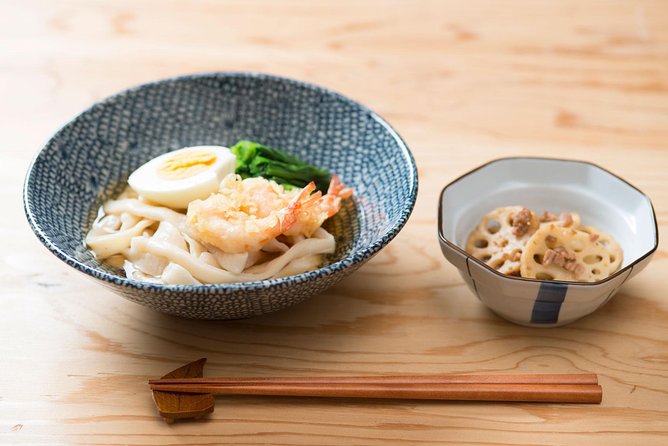
The cooking portion takes about 1.5 to 2 hours. You will not simply sit at a counter while Emi does everything. Her teaching approach has you prepare the meal, with demonstrations and step-by-step help as needed.
That makes the class useful for beginners. If shaping gyoza is difficult at first, Emi can show you how to fold and seal them. If you are unsure how to manage several dishes, she helps with timing and order. The point is not to produce perfect restaurant plates. It is to learn methods you can remember.
Past menus have included a particularly useful mix of dishes. Ginger pork teaches a simple Japanese flavor combination. Gyoza gives you a shared, tactile task. Tempura requires attention to preparation and cooking time. Karaage offers a favorite Japanese dish that is easy to try again at home.
The small kitchen setting can be part of the charm, but it is also the main practical drawback. At home, two or three people may fit comfortably, while a larger group uses the cooking studio. One account describes the home cooking area as small enough that one person worked beside Emi while another watched and took photographs. That arrangement may suit couples, but it is worth knowing if everyone in your group wants equal counter space.
A few more Tokyo bookings worth comparing
- Sushi Making Tokyo Roll and Authentic Japanese Sushi Class
★ 5.0 · 3,971 reviews - Tokyo: Roll and Authentic Sushi Making Class in Asakusa
★ 4.9 · 1,957 reviews - Tokyo Shinjuku Chopsticks Making Class
★ 5.0 · 1,763 reviews - Tokyo: Sushi Making Class in a Happi Coat near a Famous Spot
★ 4.9 · 1,377 reviews
Eating together over sake
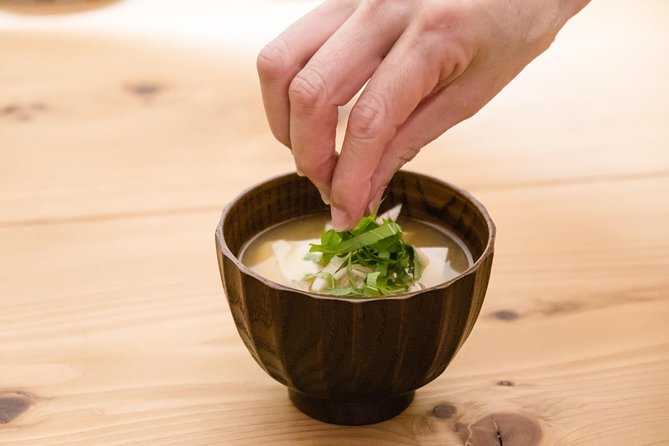
Once the dishes are ready, you sit down and eat what you made. Green tea and barley tea are included, as is sake for those who drink. This shared meal is more than a reward after the work. It gives you time to ask follow-up questions and connect the dishes with Japanese dining habits.
Some classes include a discussion of etiquette, such as how a home meal is served and enjoyed. That is a useful addition because Japanese food customs are not always obvious from a restaurant table. You get context without sitting through a formal lecture.
The meal also lets you see how the dishes work together. A single plate can taste good, but a home meal often depends on contrast: savory main dishes, vegetables, soup, rice-based food, or lighter side dishes. Emi’s class gives you a practical sense of that balance.
Portions can be substantial. One account describes having more food than two people could finish, then inviting Emi to eat with them. Do not count on leftovers, but do arrive hungry enough to enjoy the meal you have prepared.
A private class with a local perspective
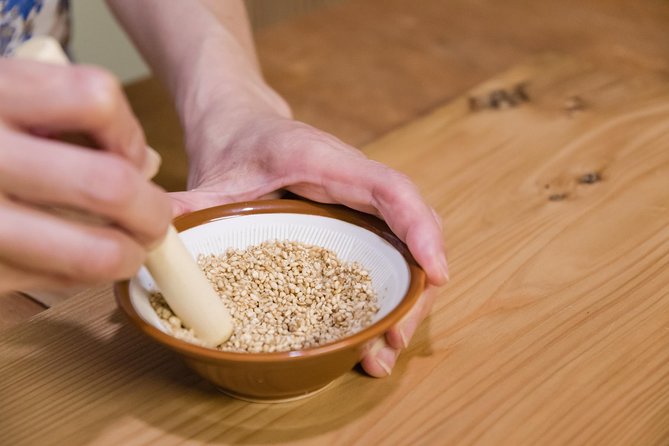
Because the class is private, the pace can match your group. You can stop to ask about an unfamiliar ingredient, repeat a technique, or talk about Tokyo beyond food. A larger public class may offer more space, but it cannot give the same personal attention.
Emi’s role goes beyond cooking instruction. She has helped people find local food shops, supermarkets, sweet shops, tea shops, and pottery stores after the class. If you want this extra stop, request one option in advance. She may take you to a Japanese sweet shop, a Japanese tea and pottery shop, or a supermarket before leaving you at Nerima Station.
Treat that add-on as a pleasant local suggestion, not a second tour. You choose only one place, and it needs to be arranged beforehand. A supermarket visit can be especially useful if you want to buy snacks or inspect Japanese ingredients after learning how they are used.
The setting may also give you a break from Tokyo’s busy sightseeing districts. Emi hosts weekend groups of two or three at her home. On weekdays, or for groups of four or more, the class takes place at her cooking studio. The studio is connected with the stated meeting area near Nerima City Hall, though you should follow the exact arrival instructions sent after booking.
Location, timing, and group size
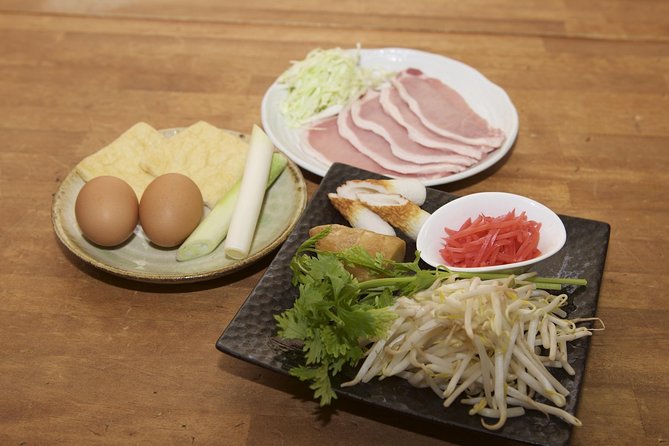
The listed starting point is Nerima City Hall at 6-chōme-12-1 Toyotamakita, Nerima City, Tokyo 176-8501. The activity ends back at the meeting point. It is near public transportation, but this is not a central Tokyo sightseeing stop, so allow time to reach Nerima.
The location can work well with other plans. The Harry Potter Museum in Tokyo is about a 20-minute walk from Emi’s apartment. If you plan to visit TeamLab Borderless in Azabudai Hills, the Oedo Line runs from Azabu-Juban Station to Nerima without a transfer. Check your timing carefully, since the class itself takes roughly three hours and may include a short post-class stop if arranged.
For two or three people, a weekend home session offers the most intimate setting. Groups of four or more use the studio, and the larger the group, the earlier you should reserve. The stated advice is two to three months ahead for groups of four or more, since studio space may not be available at shorter notice.
Children aged nine and under cannot take part. Children aged ten and older pay the adult price. This is a cooking lesson with knives, hot pans, and a fairly long session, so consider whether younger members of your party will enjoy that format.
There are about ten steps leading to the studio. If anyone in your group has accessibility concerns, contact the provider before booking. Hotel pickup and drop-off are not included, so you handle transportation to Nerima and back.
Is $99 a fair price?
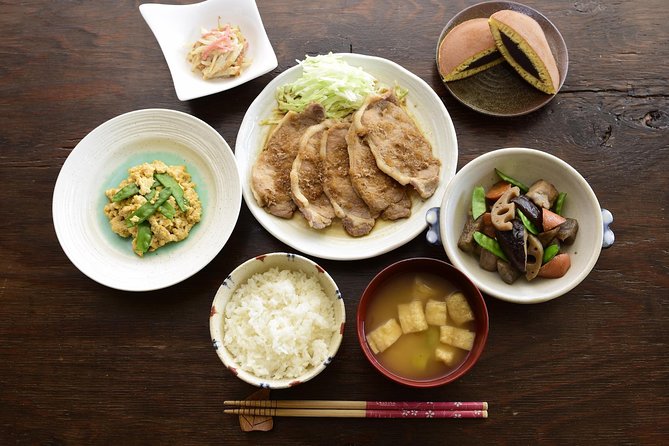
At $99 per person, this is not the cheapest way to eat Japanese food. You can buy a satisfying restaurant meal for less, and you will find cooking demonstrations at different price points.
The value comes from what the price includes: a private three-hour session, a full meal, all ingredients, tea, sake, personal instruction, cultural conversation, and recipes to take home. For a couple or small group, the private format makes the comparison stronger. You are paying for time and attention, not just the food.
I think the price works best if you want an activity as much as a meal. You leave with recipes, cooking practice, and a better sense of Japanese home food. If you only want to taste several dishes, a restaurant or market visit may offer better value.
The recipe handout is a real benefit. You can recreate gyoza, ginger pork, tempura, or another selected dish after returning home. That gives the experience a life beyond one afternoon or evening in Tokyo.
What the strongest praise gets right
The most consistent strengths are Emi’s warmth, patience, clear instruction, and ability to make people comfortable. That combination matters more than a fancy kitchen. Beginners can make mistakes without feeling rushed, while confident cooks can ask more detailed questions.
The food itself receives strong approval, but the deeper appeal is the sense of being welcomed into a local routine. Music, conversation, laughter, and small cultural explanations make the class feel personal rather than like a standard demonstration.
People also value the practical help around the cooking. Emi has met participants at a station, helped when they were lost, suggested places to visit, and shown people nearby shops. One participant even received help from Emi after losing a wallet during the trip. That kind of care cannot be promised as part of the formal schedule, but it reflects the attentive tone of the experience.
There is only one lower rating in the supplied feedback, and it still describes the food as tasty and Emi as a good chef who explained Japanese food and people well. The overall rating is 5 out of 5 from 131 reviews, with 100 percent recommending the activity. That record points to a consistently strong host-led experience, while the small kitchen and out-of-center location remain the practical points to weigh.
Who should book this experience?
I would choose this class if you want a break from temples, department stores, and crowded food streets. It is especially good for couples, friends, solo visitors who enjoy conversation, and families with children aged ten or older.
It suits you if you like to work with your hands and want recipes you can use later. It is less suitable if you dislike group menu decisions, need a fully accessible setting, or prefer a polished professional kitchen with lots of personal space.
Vegetarians and people with allergies should contact Emi as soon as the booking is confirmed. She is willing to adjust menus, but the whole group may need to eat the same modified selection. Do not assume that a dish is vegetarian simply because it contains vegetables. Okonomiyaki, for example, includes fish granule stock.
Should you book Emi’s Tokyo cooking class?
Book it if you want to understand Japanese food from the kitchen outward. The best parts are the hands-on work, the private setting, Emi’s patient teaching, and the chance to sit down with her and eat a meal you helped prepare.
Before paying, make sure the Nerima location fits your schedule, choose your menu early, and check the stairs if accessibility matters. Groups of four or more should reserve far ahead. With those details handled, this is a strong choice for anyone who wants to take home more than a photograph from Tokyo: you take home recipes, techniques, and a meal tied to a real local connection.
FAQ
How long does the cooking class last?
The experience lasts approximately three hours. Cooking takes about 1.5 to 2 hours, followed by the meal.
Where does the class begin?
The listed meeting point is Nerima City Hall, 6-chōme-12-1 Toyotamakita, Nerima City, Tokyo 176-8501, Japan. Studio sessions meet directly at the cooking studio.
Where does the experience end?
The activity ends back at the meeting point.
What food and drinks are included?
All ingredients and the meal are included, along with green tea, barley tea, and sake. Coffee may also be available as part of the included beverages.
How many dishes will I make?
You choose three dishes from Emi’s menu. The description also refers to making three to four home-style dishes, depending on the selected menu.
Can Emi accommodate allergies or vegetarian diets?
Yes. Emi asks you to share allergies, dietary restrictions, and cooking preferences at booking. She can accommodate vegetarian requests, but the group menu may change, and everyone prepares the same main dish.
When do I need to choose my menu?
Send your menu preference at least four days before the experience. If Emi does not hear from you by then, she chooses a menu for your group.
Is the class suitable for children?
Children aged nine and under cannot take part. Children aged ten and older are charged the adult price.
Is the cooking studio accessible?
There are approximately ten steps leading to the studio. Contact the provider before booking if anyone in your group has accessibility concerns.
New on our Tokyo list
- From Tokyo: Mount Fuji & Hakone Full Day Private Tour★ 4.9 · 25 reviews
- Tokyo Spectacular View Day-Cruise in 90 Minutes★ 5.0 · 25 reviews
- Real Tokyo Runner Club : Daikoku Car Meet Night Tour with JDM Car★ 5.0 · 25 reviews
- 2.5 Hour-Guided Cycle Tour in the Central Tokyo★ 5.0 · 25 reviews
- Ramen Making from Scratch +Akihabara Tour –Cooking Class★ 5.0 · 25 reviews
- [Self-Drive] Tokyo & Daikoku Custom Car Driving Tour★ 4.9 · 25 reviews
- Tokyo: 2-Hour Night Bike Tour of the City’s Hidden Gems★ 4.9 · 25 reviews
- Samurai themed Entertainment show in Shinjuku★ 4.5 · 25 reviews
Japanese Cooking Classes, compared.
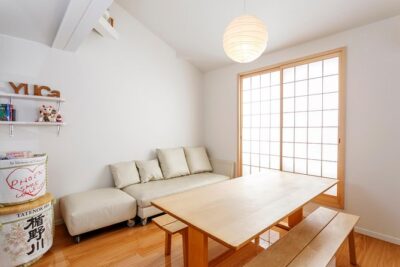
Ramen & Gyoza Cooking Class in Tokyo with Local Supermarket Visit
Read our review →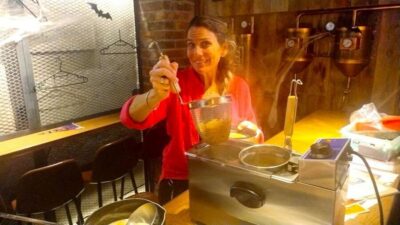
Easy Ramen Cooking Experience in Kabukicho, Shinjuku
Read our review →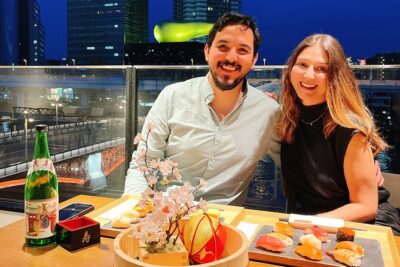
Ramen and Sushi Cooking Class with Sake Pairing Set in Tokyo
Read our review →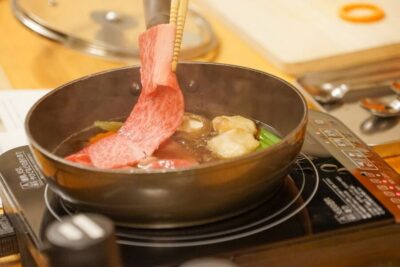
Tokyo Washoku 4-hour Cooking Class: From Market to Table
Read our review →
TokyoSumoShow, ChickenHotPot, and Mochi-Pounding by Pro Wrestlers
Read our review →
Professional Ramen & Gyoza with Ramen Chef in a restaurant!
Read our review →
Small-Group Wagyu Beef and 7 Japanese Dishes Tokyo Cooking Class
Read our review →Browse the lists this tour appears in