
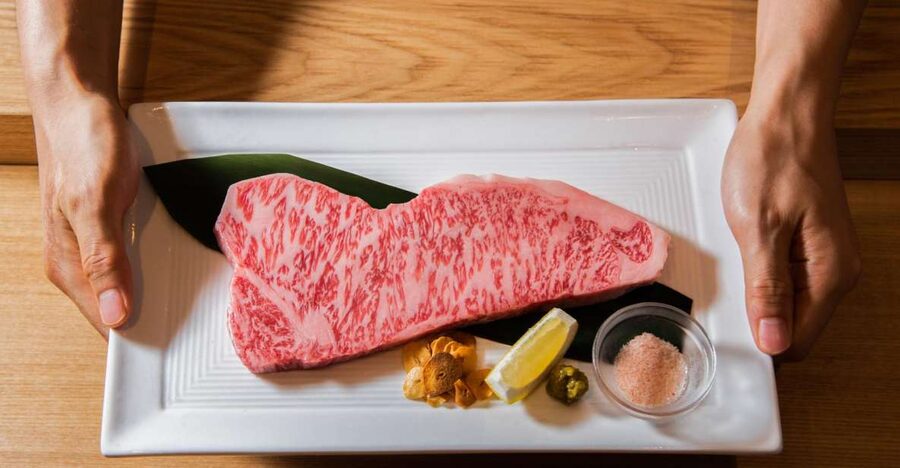
Reviewed · TOKYO FOOD TOURS
Wagyu & Sake 8 Course Tasting Dinner in Shinjuku
The best part of this Shinjuku dinner is the pairing lesson. You do not simply eat expensive beef and wash it down with sake. You taste how different sake styles work with fatty wagyu, appetizers, and specially made cocktails. The food becomes a tasting class, not just a meal.
I like the small group, capped at eight, and the English-speaking hosts who bring real personality to the table. Joe has used slides and notes to explain wagyu and sake, while Chizuru has made the evening warm and lively for diners. The main drawback is value: the menu is sold as an eight-course wagyu dinner, but one detailed account found only three or four courses were wagyu, with the rest being other dishes.
In This Review
- Key points to know
- What this Shinjuku dinner is really about
- The opening courses set up the lesson
- Several wagyu preparations, not one giant steak
- Sake changes the way the beef tastes
- Dessert gives the meal a softer finish
- Why the small group matters
- Is $145 a fair price?
- Who should book this experience?
- Practical tips for finding the venue
- What the strongest praise tells me
- Should you book the wagyu and sake dinner?
- FAQ
- Where does the wagyu and sake dinner take place?
- How long does the experience last?
- How many people are in the group?
- Is the tour conducted in English?
- What food is included?
- Is the sake included?
- Are vegetarian, vegan, or pescatarian options available?
- Can children join the experience?
- Can I cancel my booking?
Key points to know
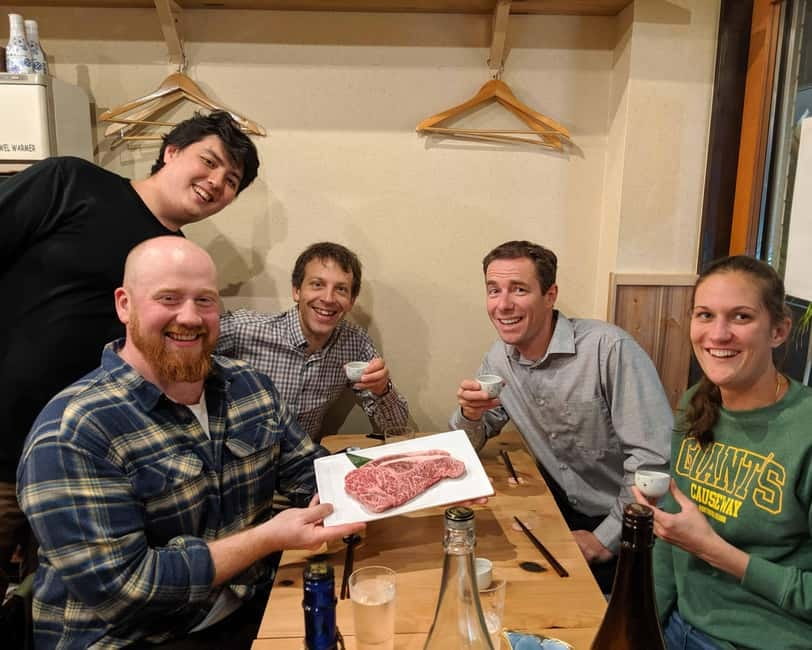
- Eight-course format: Expect several wagyu preparations, appetizers, and dessert, though the exact number of wagyu-focused plates may vary.
- Sake pairing included: You taste Japanese craft sake in several forms, including cocktails designed for beef.
- English instruction: Hosts explain wagyu grades, regions, cuts, preparation, and sake pairing during the meal.
- Small setting: The group is limited to eight people, making it easier to ask questions and follow the presentation.
- Shinjuku location: Meet at Ushinobi Sake Bar on the second floor, near Okubo Station’s South Exit.
- Adults only: The experience is not suitable for children under 18 or pregnant women.
What this Shinjuku dinner is really about
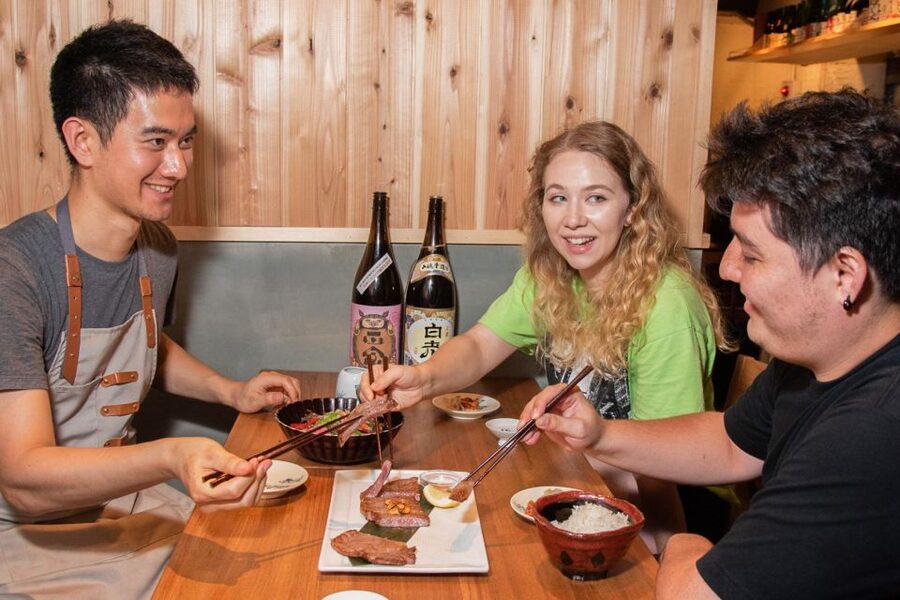
This is a 150-minute sit-down tasting at Ushinobi Sake Bar, in Shinjuku’s Okubo area. You meet directly at the venue on the second floor. The entrance can be hard to spot, so I would check the supplied venue photo and map before leaving your hotel. Okubo Station, South Exit, is the closest station.
The format suits people who want guidance with their meal. Wagyu can be confusing. Japanese beef comes from different regions, cuts vary in fat and texture, and cooking style changes the way the meat tastes. Sake has its own set of differences, from lighter and cleaner pours to fuller styles that can handle rich food.
Your host explains those connections as the courses arrive. The evening is conducted in English, and the small group makes the format more personal than a standard restaurant dinner. You can ask why one sake works with a particular cut, or why a certain preparation brings out more sweetness, salt, or fat.
The named hosts in past sessions include Joe and Chizuru. Joe has been praised for using slides and notes, while Chizuru has been described as welcoming and generous with facts about Japan. Hosts can change, so you should not book solely on the expectation of meeting one particular person.
More sake and whisky sessions:
- Ramen and Sushi Cooking Class with Sake Pairing Set in Tokyo
★ 5.0 · 291 reviews - Sake Tasting Masterclass in Shinjuku (8+ Varieties with a Pro)
★ 5.0 · 271 reviews - Sake Omakase in Tokyo: Guided Tasting by Certified Sommeliers
★ 5.0 · 239 reviews
The opening courses set up the lesson
The dinner begins with the first part of the eight-course meal. The exact dishes depend on what high-quality beef is available in Tokyo, so this is not a fixed menu with every plate guaranteed in advance.
That flexibility is important. The kitchen chooses from the best wagyu cuts available through its suppliers, with beef sourced from different Japanese regions. You might taste contrasts between cuts chosen for marbling, tenderness, or a firmer bite. You also get appetizers that help set the pace before the richest beef arrives.
I like this approach because it gives the host something real to explain. Regional wagyu is not just a label on a menu. The cut, fat content, cooking method, and seasoning all affect the result. A good guide can help you notice those changes instead of treating every slice as the same luxury product.
Still, do not assume every one of the eight courses is a separate wagyu cut. The advertised meal includes multiple wagyu preparations along with appetizers and dessert. One diner felt that only three or four courses were actually wagyu, so the menu may include more supporting dishes than the headline suggests.
Several wagyu preparations, not one giant steak
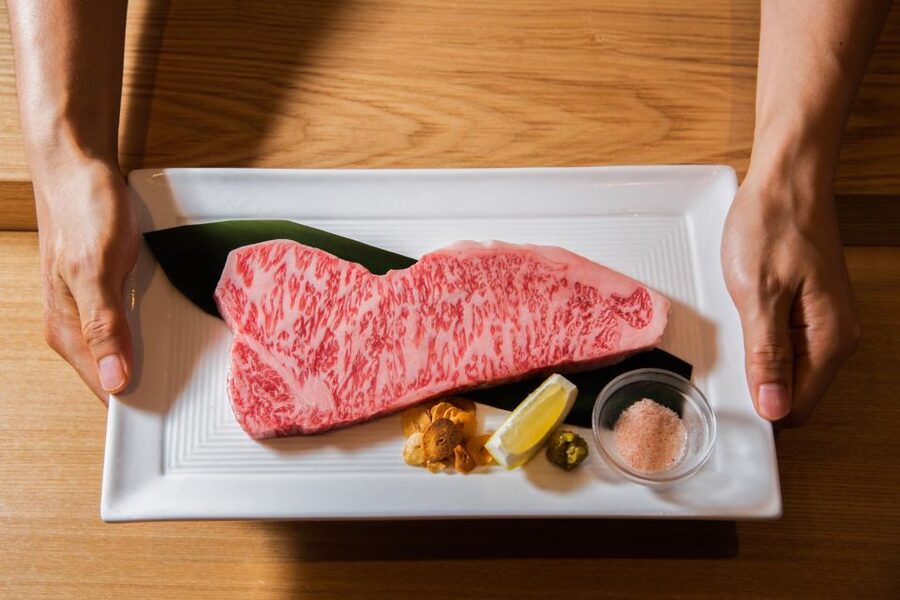
The point here is comparison. You are not served one large steak and left to judge it on your own. The beef appears in traditional Japanese styles and in different preparations intended to bring out its natural flavor.
That can mean the experience feels more like a guided tasting than a conventional steak dinner. Small portions let you compare texture and richness without relying on one cooking method. You may prefer one cut over another, especially if you enjoy leaner beef and find heavy marbling too rich.
This is also where expectations matter. Wagyu is famous for its fat, and some cuts can feel very fatty. One detailed account found certain portions difficult to enjoy for that reason. If you prefer lean meat, tell yourself in advance that this is a lesson in highly marbled beef, not a meal built around lean steaks.
I would also avoid arriving ravenous with the expectation of a huge quantity of meat. The menu is eight or more courses, but tasting menus usually spread the meal across small plates. The supplied information does not promise a particular weight of beef or a specific cut list.
Sake changes the way the beef tastes
The sake pairing is the most distinctive part of the evening. You try Japanese craft sake with several dishes and learn how the drink can complement wagyu instead of simply sitting beside it.
Sake is served in several ways, including original cocktails made for wagyu pairings. That gives you a broader introduction than a flight of similar pours. You may find that a clean sake works better with a delicate appetizer, while another style suits a fatty beef course. The host explains these choices as you taste.
This is useful if sake menus usually leave you guessing. You do not need prior knowledge, and you are encouraged to compare the food and drink as a pair. For me, that makes the experience worthwhile even if wagyu is already familiar to you.
Taste is personal, of course. One diner did not care for the sake itself but still valued trying the different versions. That is a fair warning. The pairing can teach you something without guaranteeing that you will like every pour.
The included sake is limited to the planned pairing. Extra drinks are not included, and the supplied information does not specify an unlimited beverage package. If you want more than the included pours, plan to pay separately at the venue.
More Tokyo food crawls:
- Tokyo: Shinjuku Food Tour (13 Dishes at 4 Local Eateries)
★ 5.0 · 6,603 reviews - Tokyo: Shinjuku Food Tour (15 Dishes and 4 Eateries)
★ 4.9 · 2,033 reviews - Best of Shinjuku: Izakaya Food Tour (4 Stops, 14+ Tastings)
★ 5.0 · 1,863 reviews - Tokyo Night Foodie Tour in Shinjuku – Seasonal Sushi, Wagyu Beef
★ 5.0 · 1,161 reviews
Dessert gives the meal a softer finish
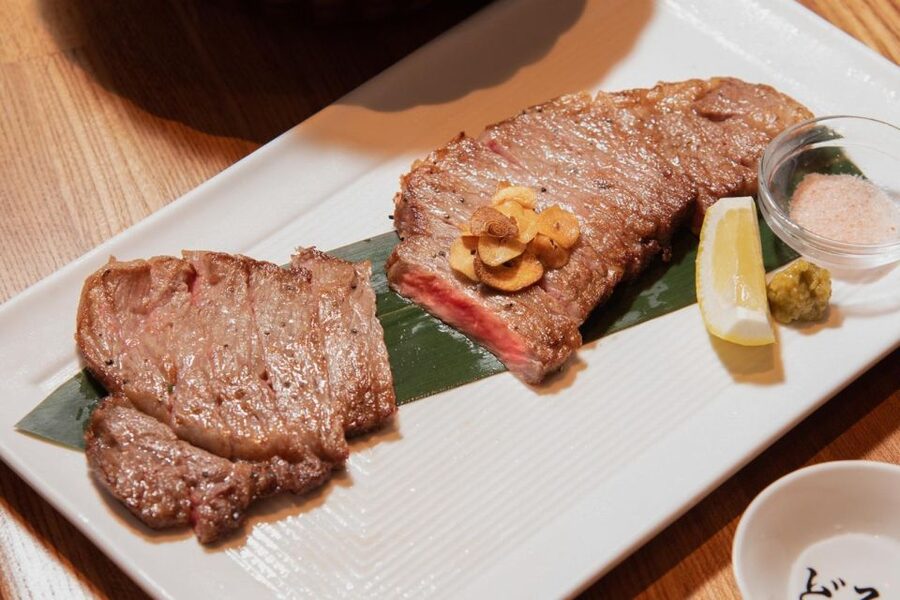
After the savory courses and beef pairings, dessert completes the menu. No exact dessert is given, so I would treat it as a closing course rather than plan around a particular sweet.
Its role is practical. Wagyu and sake can make for a rich meal, and a final dessert gives the dinner a clear ending. It also helps keep the experience from becoming a long succession of similar meat plates.
The meal includes appetizers and dessert, which is another reason to read the eight-course description carefully. You are buying a full tasting dinner, not eight guaranteed wagyu servings. If your main goal is to sample as many beef cuts as possible, ask about the current menu before booking.
Why the small group matters
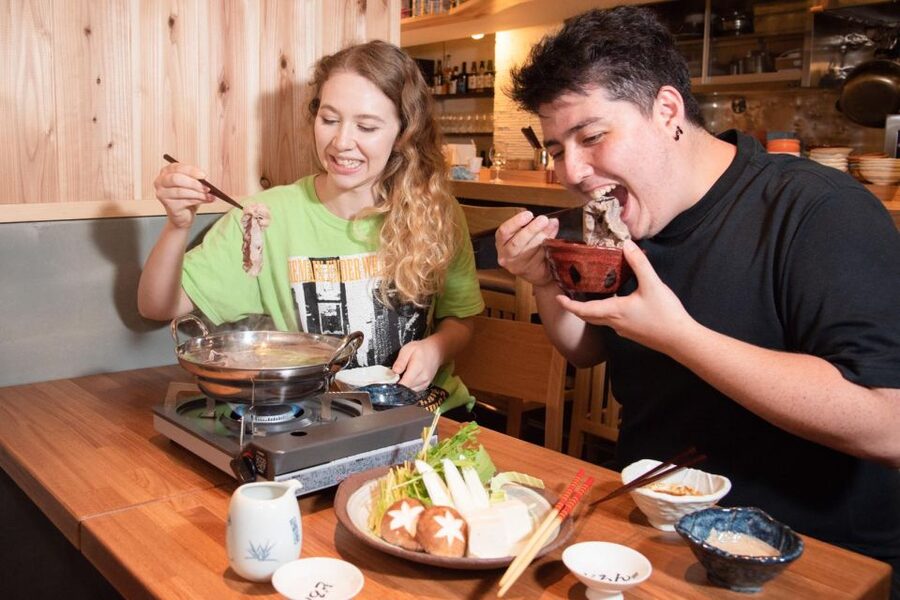
The group limit is eight people. That number is large enough for a social evening but small enough for the host to answer questions and keep the explanation moving.
I would choose this format over a large food walk if your priority is instruction. The guide can explain a cut as it is served, connect it to the sake in your glass, and respond to questions about Japanese food traditions. The experience is centered on the table rather than on moving between several restaurants.
The atmosphere also seems to depend heavily on the host. Joe has been praised for his friendly manner, clear teaching, and sake knowledge. Chizuru has made diners feel welcome while sharing facts about wagyu and Japan. Those details matter because a tasting can feel dry if the presenter simply recites information.
The tradeoff is that you spend the full 150 minutes in one venue. If you want to see several parts of Shinjuku or sample many unrelated foods, this is not the best use of your evening. It is a focused dinner with an educational angle.
Is $145 a fair price?
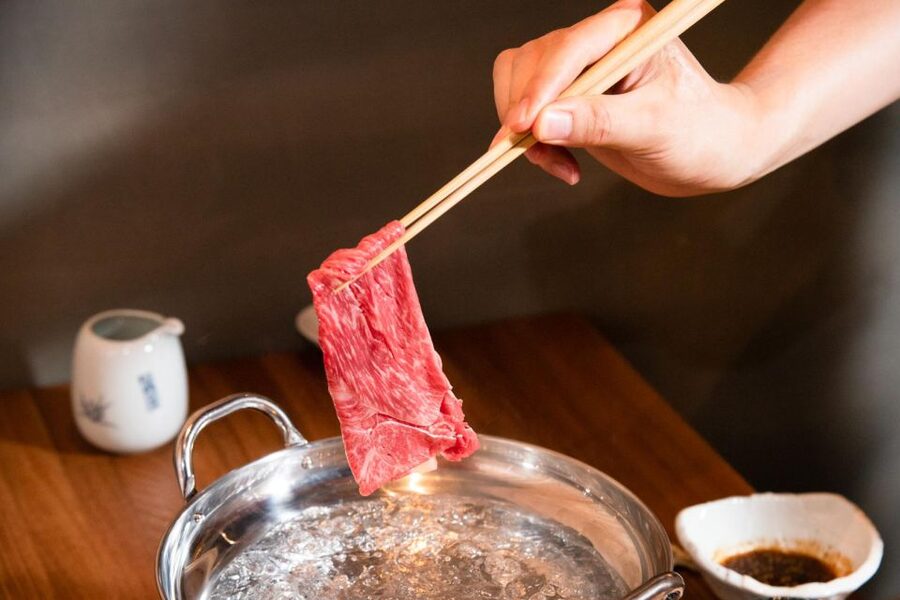
At $145 per person, this is a special-occasion meal. The price covers the eight-course dinner, several wagyu cuts and preparations, the planned sake pairing, and an English-led lesson in a small group.
I see the value in three parts. First, you get access to high-quality wagyu selected from different regions. Second, you taste sake alongside food rather than trying isolated samples. Third, you receive explanations that can help you order more confidently at other Japanese restaurants.
The value becomes weaker if you mainly want a large quantity of beef. The meal may contain only three or four clearly wagyu-focused courses, with the remaining plates made up of appetizers, other food, and dessert. That does not make the dinner poor, but it means the price is paying for teaching, pairing, and presentation as much as for meat.
I would book it for a couple or small group who see the meal as a food class and a night out. I would hesitate if you are comparing it with a steakhouse meal strictly by portion size. I would also think twice if you do not enjoy fatty beef or are unsure about alcoholic pairings.
Who should book this experience?
You are a good match if you want to understand why wagyu is prized in Japan, compare several styles of preparation, and learn how sake changes with different foods. It also suits first-time sake drinkers who would rather have a guide explain the choices than order from a long menu alone.
The experience works well for adults marking a special night in Tokyo. The 150-minute length gives the meal room to breathe, and the eight-person limit helps keep the conversation active.
It is not suitable for children under 18 or pregnant women. There are no pescatarian, vegan, or vegetarian alternatives, so you should only book if you are comfortable with a beef-centered menu and the included sake pairing.
If you dislike rich, fatty cuts, I would ask about the current menu before paying. The beef selection depends on what is available in Tokyo, and the balance between wagyu and other courses may change.
Practical tips for finding the venue
Ushinobi Sake Bar is near Okubo Station, not the main Shinjuku station complex. Use Okubo Station, South Exit, as your reference point, and enter the venue directly on the second floor.
The entrance is somewhat hidden. I would open the map and venue image before setting out, especially if you are arriving after dark or trying to reach the meeting point on time. Do not assume that a visible street-level sign will make the bar obvious.
The booking terms are flexible. You can cancel up to 24 hours before the start for a full refund, and you can reserve now while paying later. Starting times depend on availability, so check the date and time carefully before confirming.
What the strongest praise tells me
The most consistent strength is the host. Joe and Chizuru are remembered for being friendly, clear, and willing to answer questions. That is not a minor detail here. The guide is the link between a costly meal and a useful lesson.
The second strength is the sake pairing. The dinner gives you several ways to taste sake with wagyu, including cocktails created for the food. Even someone who does not enjoy every sake can come away with a clearer idea of how the drink is used at the table.
The food itself receives warmer but less uniform praise. Some diners describe it as excellent, while one found the courses uneven and the fattier cuts hard to enjoy. I would take that as a normal warning for a marbled-beef tasting, not a reason to dismiss the experience.
Should you book the wagyu and sake dinner?
Book this if you want a guided, adult-only food experience that explains both sides of the pairing. The strongest case is the combination of premium beef, regional sake, an English-speaking host, and a group of no more than eight.
Do not book it expecting eight separate wagyu servings or a lean-beef menu. The dinner includes appetizers and dessert, and the exact selection changes with market availability. At $145, I think it makes sense for curious food lovers who value instruction and atmosphere as much as the plate.
If that sounds like your kind of evening, Ushinobi Sake Bar offers a focused way to understand two important Japanese specialties in one sitting. If you want quantity, flexibility, or meat without much fat, choose a simpler meal instead.
FAQ
Where does the wagyu and sake dinner take place?
The dinner takes place at Ushinobi Sake Bar in Shinjuku. The closest station is Okubo Station, South Exit, and you enter the venue directly on the second floor.
How long does the experience last?
The dinner lasts 150 minutes.
How many people are in the group?
The group is limited to eight participants.
Is the tour conducted in English?
Yes. The live guide and activity language are English.
What food is included?
The experience includes an eight-course meal with multiple wagyu preparations, appetizers, and dessert. The exact menu is based on the best wagyu cuts available in Tokyo.
Is the sake included?
Yes. A limited sake pairing is included, with craft sake served in several ways. Extra drinks beyond the included pairing are not included.
Are vegetarian, vegan, or pescatarian options available?
No. The meal does not offer pescatarian, vegan, or vegetarian options.
Can children join the experience?
No. The experience is not suitable for children under 18.
Can I cancel my booking?
Yes. You can cancel up to 24 hours in advance for a full refund. You can also reserve now and pay later, keeping your plans flexible.
More Dinner Experiences in Tokyo
- Tokyo: Sumo Show and Dining Experience
★ 4.8 · 2,742 reviews - Sumida River: Japanese Traditional Yakatabune Dinner Cruise
★ 4.6 · 779 reviews - Tokyo Bay Yakatabune Dinner/Day Cruise with Japan Show and Drinks
★ 4.5 · 473 reviews - Tokyo: Shinjuku Bar Hopping with All-You-Can-Drink & Dinner
★ 4.9 · 440 reviews
More Shinjuku Nights and Walks
- Tokyo Bar Hopping Tour in Shinjuku (All-You-Can-Drink + Dinner)
★ 5.0 · 3,587 reviews - Tokyo: Shinjuku Local Bar and Izakaya Guided Walking Tour
★ 4.9 · 1,794 reviews - Tokyo Shinjuku Chopsticks Making Class
★ 5.0 · 1,763 reviews - Tokyo Shinjuku Sumo Show & Experience with Photo
★ 5.0 · 1,750 reviews
New on our Tokyo list
- Sumi-e Experience in a relaxing green tea shop in Tokyo★ 5.0 · 3 reviews
- Tokyo : Kamikaze Street Drift Ride★ 5.0 · 3 reviews
- Private Zen Meditation in English in Shinjuku, Tokyo★ 5.0 · 3 reviews
- Onsen Spa in Tokyo and Asakusa Bar Hopping with Local Guide★ 5.0 · 3 reviews
- Easy for everyone! Now you can play handmade mini shamisen and show off to everyone! Musical instruments, sweets and live music★ 5.0 · 3 reviews
- Tokyo: Private Tsukiji Street Food & Sake with Local Guide★ 5.0 · 3 reviews
- Mt Fuji Exploration Tour with Free Japanese Kusa Mochi from Tokyo★ 4.5 · 3 reviews
- Tokyo Tsukiji Fish Market Walking and Exploring Hidden Gems Tour★ 5.0 · 3 reviews
Tokyo Food Tours, compared.
Shinjuku Food Tour (13 Dishes at 4 Local Eateries)
Read our review →
Shinjuku Food Tour (15 Dishes and 4 Eateries)
Read our review →
Best of Shinjuku: Izakaya Food Tour (4 Stops, 14+ Tastings)
Read our review →
Tokyo Night Foodie Tour in Shinjuku – Seasonal Sushi, Wagyu Beef
Read our review →
Eat and Drink Like a Local: Tokyo Ueno Food Tour-Taverns&Ramen
Read our review →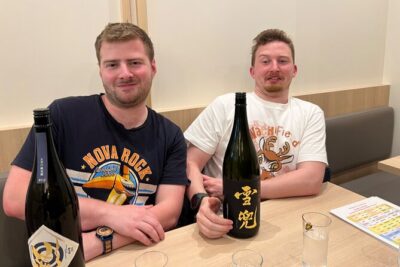
Tsukiji Fish Market: Street Food & Culture Walking Tour
Read our review →Shinjuku Food Tour – 15 Dishes, 3 Drinks, 4 Eateries
Read our review →Browse the lists this tour appears in