
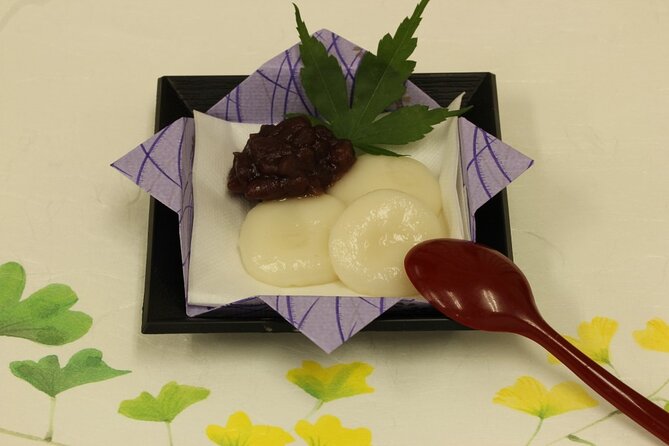
Reviewed · JAPANESE COOKING CLASSES
Zen Buddhist Vegetarian(Shojin Ryori): Cooking Experience
Shojin ryori turns a Tokyo cooking class into a lesson in Zen Buddhist food culture. Over about two and a half hours, you’ll prepare sesame tofu, dashi broth soup, vegetable tempura, and other vegetarian dishes, then sit down to eat what you made.
I like the small maximum of eight people, which gives the instructors room to demonstrate and help. I also like that the recipes are practical enough to repeat at home, rather than being kitchen tricks you’ll never use again. Masue and Hiro are described as patient and clear, a real help if your cooking skills are modest.
The main drawback is the price, $114.67 per person, before any optional tea upgrade. You also need to make your own way to the venue, and the class is aimed at people who want a focused cultural activity, not a quick food tasting.
In This Review
- Key points to know before booking
- Why shojin ryori makes a good Tokyo food experience
- Meeting Masue and Hiro at Kikai Shinkō Kaikan
- Preparing sesame tofu and Buddhist-style dashi
- Sitting down to eat the meal you prepared
- What the $114.67 price really buys you
- Who will enjoy this class most
- Timing, transport, and dietary requests
- How this class compares with a regular food tour
- Is the Zen Buddhist vegetarian cooking experience worth booking?
- FAQ
- Where does the cooking experience take place?
- What time does the class start?
- How long does the cooking experience last?
- How large is the group?
- What type of food will I learn to prepare?
- Are the ingredients included?
- Is a meal included?
- Is Japanese tea included?
- Is transportation to the venue included?
- Can I cancel for a full refund?
Key points to know before booking
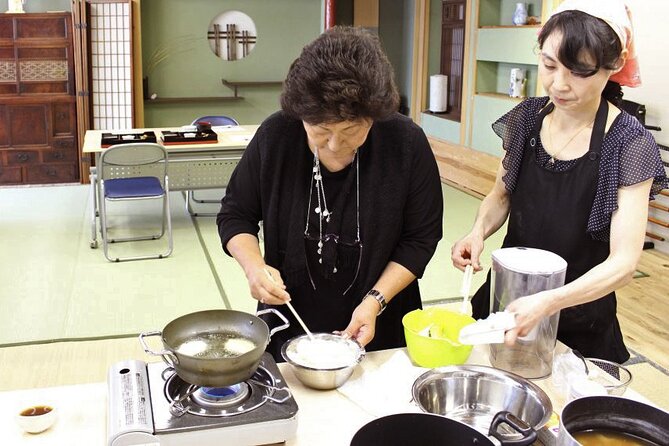
- You cook more than sushi: The lesson covers sesame tofu, dashi broth soup, vegetable tempura, and other shojin ryori staples.
- The group stays intimate: No more than eight people take part, allowing for personal help at the workstations.
- The food has a 700-year tradition: Shojin ryori developed through Zen Buddhist cooking methods and avoids meat and seafood.
- Masue and Hiro lead the class: Their demonstrations and patient instructions suit beginners as well as confident home cooks.
- Tea is an optional extra: You can upgrade the meal to include Japanese tea pairings.
- The meeting point is in Shibakoen: The class starts at 11:00 a.m. at Kikai Shinkō Kaikan in Minato City.
Why shojin ryori makes a good Tokyo food experience
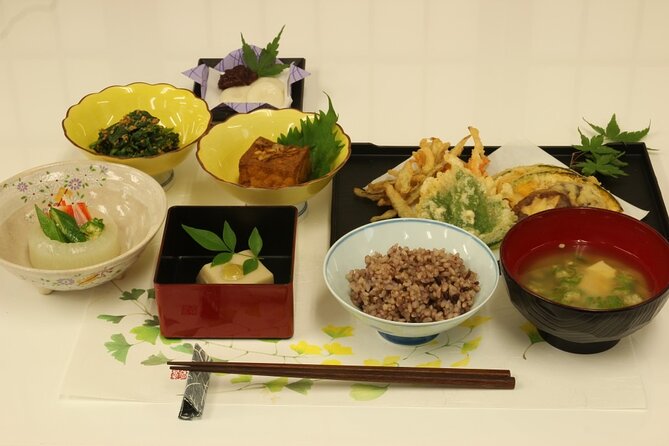
Tokyo is an easy place to eat well, but many famous Japanese dishes center on fish, meat, or seafood stock. Shojin ryori offers a different route into Japanese food, one built around vegetarian and vegan cooking methods shaped over roughly 700 years by Zen Buddhist monks.
That background matters. This is not simply a class where meat is removed from a standard Japanese recipe. The food tradition has its own methods, flavors, and ideas about careful preparation. You learn how vegetables, tofu, broth, sesame, and batter can carry a meal without relying on meat or seafood.
I find this especially useful if you are vegetarian or vegan and want more than a list of safe restaurant orders. It also suits anyone curious about the ideas behind Japanese food. The class connects what you cook with the discipline and restraint associated with Zen Buddhist cuisine, giving the meal a cultural purpose beyond the plate.
The experience is also a welcome change of pace in Tokyo. You are not rushing from one sight to the next or standing in line for a famous bowl of noodles. You spend time learning, preparing, and eating in one place. One of the strongest details from the available feedback is the sense that the class provides a quiet activity during a busy city visit.
More cooking classes in Tokyo:
- Ramen & Gyoza Cooking Class in Tokyo with Local Supermarket Visit
★ 5.0 · 823 reviews - Tokyo: Easy Ramen Cooking Experience in Kabukicho, Shinjuku
★ 4.6 · 321 reviews - Ramen and Sushi Cooking Class with Sake Pairing Set in Tokyo
★ 5.0 · 291 reviews
Meeting Masue and Hiro at Kikai Shinkō Kaikan
The class begins at 11:00 a.m. at Kikai Shinkō Kaikan, 3-chōme-5-8 Shibakōen, Minato City, Tokyo 105-0011. The venue is near public transportation, but transportation to the meeting point is not included, so you should plan that part yourself and arrive with enough time to find the building.
The exact meeting point matters because a cooking lesson has a firm start. You do not want to spend the first part of your morning trying to locate the entrance. Confirmation is sent within 48 hours of booking, subject to availability, so check the final confirmation for any meeting instructions before setting out.
Masue and Hiro are named as instructors associated with the class. Their teaching style is a strong fit for this format. The class is hands-on, but you are not expected to arrive as an experienced cook. Clear demonstrations and patient guidance help beginners keep up, while confident cooks still have a chance to learn unfamiliar Japanese methods.
A group of up to eight is another practical advantage. You are not lost in a large demonstration crowd. The instructors can watch your preparation, answer questions, and help when a technique needs correction. The small group also makes the meal at the end feel more like a shared workshop than a performance.
Preparing sesame tofu and Buddhist-style dashi
The cooking portion introduces time-tested recipes that you can try again at home. Sesame tofu is one of the most distinctive items listed for the lesson. Its name can be misleading if you expect a simple tofu dish. It represents the careful use of plant ingredients that is central to shojin ryori.
You will also prepare dashi broth soup. Dashi is a basic building block in Japanese cooking, so learning how it works is useful well beyond this single meal. In a shojin ryori setting, the broth is part of the larger challenge of creating satisfying flavor without meat or seafood.
Vegetable tempura adds a different technique and texture. The lesson is not limited to one soft or simmered style of food. You get to work with crisp preparation as well as tofu and soup, giving the meal more variety.
The full list of dishes can depend on the class format, but the named examples give you a clear idea of the food. You should expect a vegetarian meal prepared from supplied ingredients, with instruction from a nationally accredited guide-interpreter. The ingredients are included, so you do not need to shop or bring cooking supplies.
The value here is practical. A food tour can introduce you to a dish for one meal, but this class aims to give you methods you can use at home. If you keep notes or pay close attention to the demonstrations, you should leave with more than a pleasant lunch. You will have several recipes and a better sense of how Japanese vegetarian cooking is put together.
Sitting down to eat the meal you prepared
After the preparation, you sit down and eat the food made during the class. That transition is important. You get to see how the separate dishes work together as a complete meal, rather than tasting each item in isolation while standing at a counter.
The meal gives you a chance to notice the results of your own work. Did the tofu set as expected? Does the soup have the right balance? How does the texture of the vegetable tempura change the meal? Those questions make the final food more meaningful than a standard restaurant lunch.
A Japanese tea pairing is available as an upgrade. The base experience includes the cooking lesson and ingredients, but the tea pairing is not part of the standard inclusions. If tea interests you, check the added cost and exact details before booking.
I see the tea option as a nice fit for someone who wants a fuller food-and-culture experience. If you mainly want to learn the recipes, you may prefer to skip the upgrade and keep the cost down. The class already includes a prepared meal, so the tea is an enhancement rather than a requirement.
More temples and shrines near Tokyo:
- Tokyo: Meiji Shrine, Asakusa, Skytree Bus Tour and Cruise
★ 4.7 · 1,986 reviews - Tokyo: Asakusa Walking Tour with Sensoji Temple Visit
★ 4.8 · 1,583 reviews - Nikko: Kegon Falls, Lake Chuzenji & Toshogu Temple
★ 4.6 · 1,577 reviews - Tokyo: Kamakura & Enoshima Day Trip including Temple Tickets
★ 4.5 · 1,375 reviews
What the $114.67 price really buys you
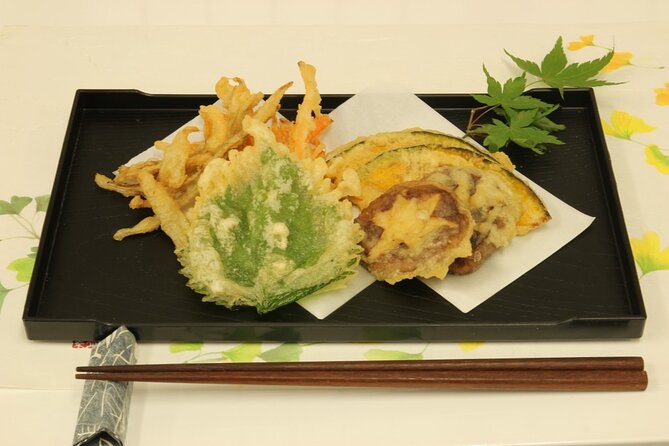
At $114.67 per person, this is not a bargain meal. You are paying for a guided, small-group lesson, ingredients, the cultural explanation behind shojin ryori, and the food you prepare. The price makes more sense if you treat the experience as a cooking class and cultural activity rather than comparing it with the cost of lunch in Tokyo.
The group limit improves the value. With only eight people, the instructors can provide personal help instead of repeating instructions to a large room. That is particularly useful for a beginner who wants to learn proper technique rather than simply follow along from a distance.
The included nationally accredited guide-interpreter also adds context to the food. You are not only chopping, mixing, or frying. You are learning about an ancient cruelty-free tradition and how it relates to Zen Buddhist practice.
Still, I would look closely at your own priorities. If you want a quick introduction to Japanese food, two and a half hours may feel long and the price may feel high. If you want a focused lesson, a meal, and recipes you can recreate, the cost is easier to justify.
Group discounts may be available, which could improve the price for friends or families booking together. The available details do not state the discount amount, so check the final booking terms rather than assuming a particular saving.
Who will enjoy this class most
This experience is a natural choice for vegetarians and vegans who want a Japanese food activity that takes their dietary needs seriously. The program is built around vegetarian cooking, and the food tradition itself is associated with cruelty-free Buddhist principles.
It also suits curious omnivores. You do not need to follow a vegetarian diet to learn why sesame tofu, vegetable tempura, and dashi soup matter in Japanese cooking. The class offers a chance to explore a side of Japanese cuisine that many first-time visitors miss.
Beginners should feel comfortable booking. The available feedback specifically describes Masue and Hiro as friendly, patient, and kind, with detailed instructions and clear demonstrations. That makes the lesson suitable if your normal cooking experience is limited.
The class is also a good choice for a couple or a small group looking for a quieter activity. One couple described the experience as a special part of a Tokyo visit, and the calm pace can balance out a packed sightseeing schedule.
You may want to skip it if you dislike cooking, need a very flexible schedule, or only want to eat rather than prepare food. The program is built around participation. You will get the most from it if you are willing to listen, try the techniques, and stay engaged through the full session.
Timing, transport, and dietary requests
The activity lasts about two hours and 30 minutes and starts at 11:00 a.m. It ends back at the meeting point. Since no transportation is included, you should allow time to reach Kikai Shinkō Kaikan in Shibakoen on your own.
The morning schedule works well with an afternoon in Tokyo, but the class is not a drop-in activity. Confirmation is sent within 48 hours, subject to availability, so do not assume a place is secured until you receive confirmation.
Most people can participate, and the venue is near public transportation. If you have dietary requirements or special requests, tell the provider in advance. That point is especially important for a cooking class, where ingredients and preparation plans are arranged ahead of time.
Free cancellation is available if you cancel at least 24 hours before the local start time. Cancellations or changes made less than 24 hours before the experience are not accepted for a refund, so keep the cutoff in mind when arranging your Tokyo schedule.
How this class compares with a regular food tour
A regular food tour usually gives you a wider taste of a neighborhood or several prepared dishes. This class gives you less variety in location, but more control over what you eat and how it is made.
That difference is useful. You will not simply hear a guide explain Japanese food while moving from stop to stop. You will learn by preparing the food yourself, then eat the result. The tradeoff is that you spend the entire session in one setting and do not explore multiple restaurants or markets.
The lesson also gives you a better option if seafood is a concern. Japanese cuisine often uses fish-based ingredients in ways that are not obvious at first glance. A class devoted to shojin ryori lets you focus on vegetarian cooking from the start, though you should still state any specific dietary needs in advance.
I would choose this over a standard food tour if you enjoy hands-on activities and want a skill to take home. I would choose a food tour instead if your priority is seeing more of Tokyo while sampling many different dishes.
Is the Zen Buddhist vegetarian cooking experience worth booking?
Book this class if you want a small, calm, hands-on introduction to Japanese food culture, especially if you are vegetarian or vegan. The combination of Zen Buddhist context, practical recipes, a prepared meal, and a maximum of eight people gives the experience a clear purpose.
The best reasons to go are the chance to learn sesame tofu, dashi broth soup, and vegetable tempura, plus the patient instruction associated with Masue and Hiro. You also get food you can recreate at home, which gives the class more lasting value than a meal alone.
Think twice if $114.67 feels too high for a cooking activity, or if you would rather spend two and a half hours sightseeing. You will need to arrange transportation to Shibakoen, and the optional tea pairing costs extra.
For the right person, this is a thoughtful addition to a Tokyo itinerary. It offers a direct way to understand Japanese vegetarian cooking, and it gives you something useful to carry home besides photographs.
FAQ
Where does the cooking experience take place?
The meeting point is Kikai Shinkō Kaikan, 3-chōme-5-8 Shibakōen, Minato City, Tokyo 105-0011, Japan.
What time does the class start?
The experience starts at 11:00 a.m.
How long does the cooking experience last?
The activity lasts approximately two hours and 30 minutes.
How large is the group?
The class has a maximum of eight participants.
What type of food will I learn to prepare?
The class teaches shojin ryori, a vegetarian cooking tradition associated with Zen Buddhism. Listed examples include sesame tofu, dashi broth soup, and vegetable tempura.
Are the ingredients included?
Yes. Ingredients are included in the experience.
Is a meal included?
You sit down to eat the meal you prepare during the class.
Is Japanese tea included?
Japanese tea pairings are available as an optional upgrade. Tea is not listed among the standard inclusions.
Is transportation to the venue included?
No. You must arrange your own transportation to the meeting point. The venue is near public transportation.
Can I cancel for a full refund?
Yes, if you cancel at least 24 hours before the experience start time. Cancellations or changes made less than 24 hours before the start time are not accepted for a refund.
More Vegan & Vegetarian in Tokyo
- Vegan Friendly Sushi & Okonomiyaki Shibuya Night Foodie Tour
★ 5.0 · 124 reviews - Ramen & Dumpling Cooking in Tokyo with Chef/Vegan possible
★ 5.0 · 107 reviews - Vegan/Vegetarian Ramen and Gyoza by Bentoya cooking
★ 5.0 · 59 reviews - Ramen Making from Scratch with Tokyo Mom(Vegan Option Available)
★ 5.0 · 39 reviews
New on our Tokyo list
- Sumi-e Experience in a relaxing green tea shop in Tokyo★ 5.0 · 3 reviews
- Tokyo : Kamikaze Street Drift Ride★ 5.0 · 3 reviews
- Private Zen Meditation in English in Shinjuku, Tokyo★ 5.0 · 3 reviews
- Easy for everyone! Now you can play handmade mini shamisen and show off to everyone! Musical instruments, sweets and live music★ 5.0 · 3 reviews
- Onsen Spa in Tokyo and Asakusa Bar Hopping with Local Guide★ 5.0 · 3 reviews
- Tokyo: Private Tsukiji Street Food & Sake with Local Guide★ 5.0 · 3 reviews
- Mt Fuji Exploration Tour with Free Japanese Kusa Mochi from Tokyo★ 4.5 · 3 reviews
- Tokyo Tsukiji Fish Market Walking and Exploring Hidden Gems Tour★ 5.0 · 3 reviews
Japanese Cooking Classes, compared.
Ramen & Gyoza Cooking Class in Tokyo with Local Supermarket Visit
Read our review →
Easy Ramen Cooking Experience in Kabukicho, Shinjuku
Read our review →
Ramen and Sushi Cooking Class with Sake Pairing Set in Tokyo
Read our review →
Tokyo Washoku 4-hour Cooking Class: From Market to Table
Read our review →
TokyoSumoShow, ChickenHotPot, and Mochi-Pounding by Pro Wrestlers
Read our review →
Professional Ramen & Gyoza with Ramen Chef in a restaurant!
Read our review →
Small-Group Wagyu Beef and 7 Japanese Dishes Tokyo Cooking Class
Read our review →Browse the lists this tour appears in