
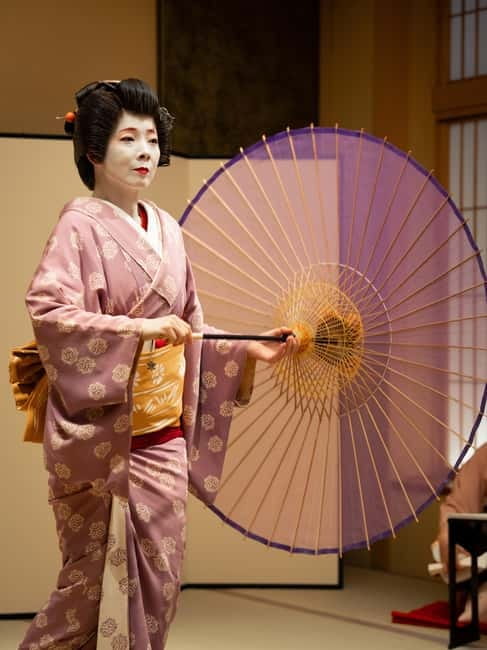
Reviewed · TEA CEREMONIES
Asakusa: Geisha Performance and Tea House Experience
A graceful geisha dance, live shamisen music, and a playful drinking game all fit into this 75-minute visit at Miyakodori’s Ozashiki Tea House in Asakusa. It gives you a close look at a traditional form of Japanese hospitality that is usually difficult for outsiders to encounter.
I especially like the chance to ask the geisha direct questions, rather than simply watch a polished stage show. I also like the mix of beauty and humor: the elegant performance is followed by Konpira Fune Fune, an ozashiki-asobi game that gets everyone involved.
The main consideration is cost. At $106 per person, this is not a casual stop-in attraction, and one alcoholic or non-alcoholic drink is required per person and paid for separately. Still, the small-group setting, live music, sweets, matcha, games, and photo make it a strong choice for a special cultural evening.
In This Review
- Key points to know
- Entering Miyakodori’s Ozashiki Tea House in Asakusa
- Dance, costumes, and the sound of the shamisen
- From formal art to Konpira Fune Fune
- Matcha, seasonal sweets, and time for questions
- A commemorative photo to finish the visit
- What the $106 price really covers
- Who will enjoy this most
- How to make the most of your 75 minutes
- Is this Asakusa geisha experience worth booking?
- FAQ
- Where does the geisha experience take place?
- How long does the activity last?
- How much does the experience cost?
- Are drinks included?
- Are meals included?
- What entertainment is included?
- Can I ask the geisha questions?
- Is transportation to the tea house included?
- Can I cancel the booking?
Key points to know
- Real geisha and maiko: Meet performers in person and learn about their work and lives.
- Live shamisen accompaniment: Dance, singing, and traditional instrumental music form the heart of the presentation.
- Konpira Fune Fune game: Join a classic ozashiki-asobi activity that adds a relaxed, funny turn to the visit.
- Matcha and seasonal sweets: Enjoy freshly whisked tea and a small Japanese confection during the program.
- English support: An English-speaking host or greeter and translator help you follow the presentation and ask questions.
- A required drink purchase: Your complimentary matcha is included, but each person must also order one alcoholic or non-alcoholic drink.
Entering Miyakodori’s Ozashiki Tea House in Asakusa
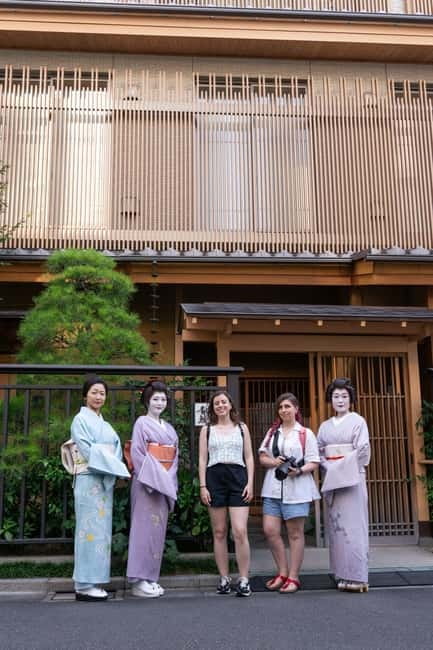
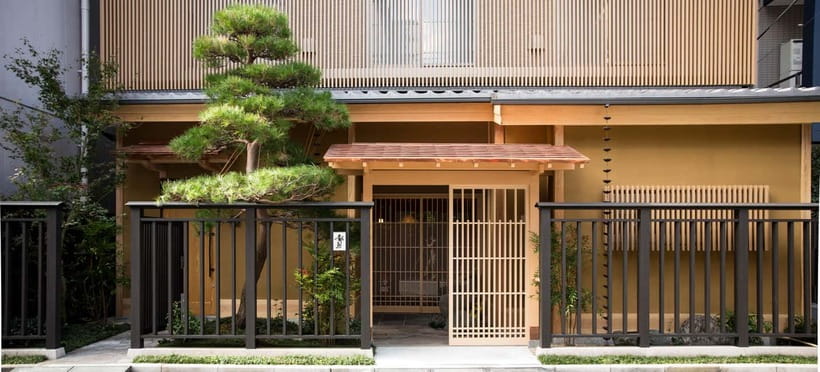
The setting is Miyakodori’s Ozashiki Tea House in Asakusa, one of Tokyo’s best-known districts for traditional sights and old-style entertainment. You arrange your own way there, since transportation is not included. The precise meeting details and starting time should be checked when you book.
The experience begins with a welcome before you move into the banquet area. One detailed account describes entering through a less obvious door, meeting the owner, choosing a drink, and then sitting on low stools. That small transition matters: you are not watching a distant performance in a large theater. You are being received in a tea-house setting built around conversation and personal attention.
The format suits solo visitors, couples, and small groups. One group reported about 16 people, which gives you a useful idea of the scale, though the exact number may vary. A group of this size allows the performance to feel close without making the social activities too awkward.
You should arrive early enough to find the venue without rushing. One visitor specifically recommended arriving earlier, a sensible tip in Asakusa, where a busy sightseeing day can make even a short journey take longer than expected.
More geisha evenings:
- Authentic Geisha Performance with Dinner in Tokyo
★ 4.5 · 101 reviews - Tokyo: Traditional Geisha Experience Show & Japanese Dinner
★ 4.2 · 59 reviews - Tokyo Traditional Geisha Show and Japanese Fine Dining Experience
★ 4.5 · 35 reviews
Dance, costumes, and the sound of the shamisen
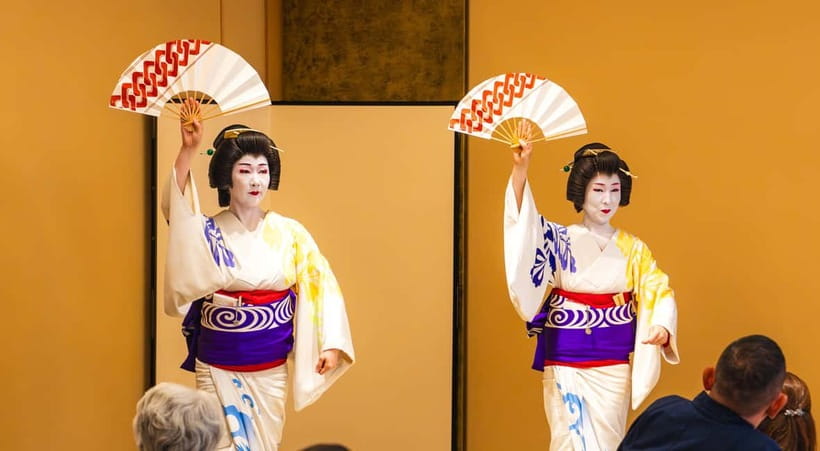
The formal performance is the quiet center of the visit. Real geisha and maiko present graceful dances while shamisen music and singing provide the accompaniment. The shamisen is a three-stringed Japanese instrument with a sharp, expressive tone, and hearing it played live gives the performance a character that a recording cannot match.
The artistry is controlled rather than showy. Small movements, posture, timing, costume, and facial expression carry much of the meaning. If you are used to fast-paced stage entertainment, you may need to slow down and watch carefully. The pleasure comes from precision and atmosphere, not spectacle.
The performers named in the detailed accounts include geiko Chizuru, maiko Tamaaki, and Shisa, who provided the shamisen music and singing. An English translator helps you understand what is happening and makes the later conversation more accessible.
Costume is another important part of the visual experience. The clothing and styling are not simply decorations for a tourist show. They form part of the performers’ professional presentation and help explain why geisha entertainment is treated as a traditional art.
I would give the dance your full attention. Photos are part of the experience, but constantly lifting your phone can make you miss the details that make this kind of performance special.
From formal art to Konpira Fune Fune
After the dance and music, the mood becomes much lighter. You are guided through Konpira Fune Fune, an ozashiki-asobi game associated with traditional banquet entertainment. It is often described as a drinking game, but the required order can be alcoholic or non-alcoholic, so you do not need to drink alcohol to take part.
This change of pace is one of the program’s smartest features. The dance gives you a sense of discipline and refinement. The game shows another side of the tea-house tradition, one built around quick reactions, teasing, and shared laughter.
You will not simply watch the game from the side. The point is participation, and the activity is designed to be approachable even if you know nothing about Japanese party games. Families can take part as well. One family brought children aged three to ten, who remained engaged by the performance and the activities.
The game can feel a little more social than the dance. If you are shy, the host and translator help explain what to do. If you are traveling alone, this is the part most likely to connect you with the rest of the room.
Keep in mind that the required drink order is separate from the complimentary matcha. You pay for one drink per person, and you can choose an alcoholic or non-alcoholic option. That extra charge should be included in your budget before you decide if the $106 price feels right.
Matcha, seasonal sweets, and time for questions
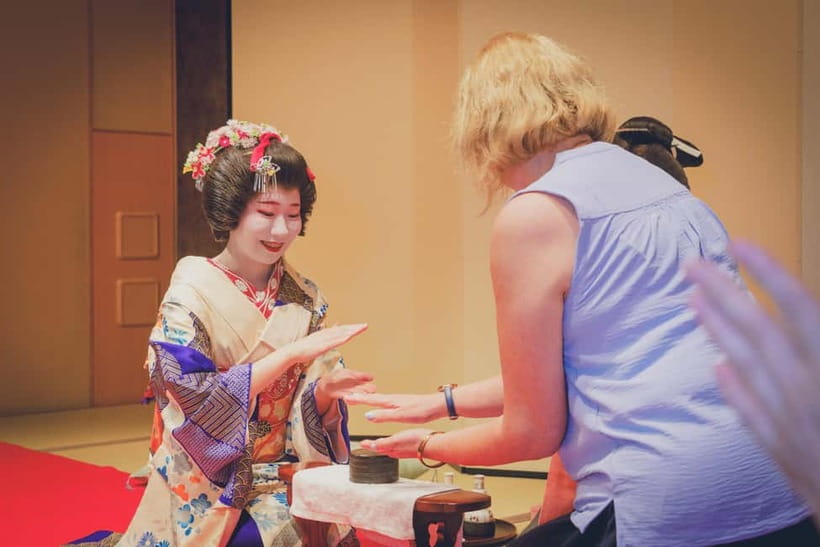
The tea portion brings the program back to a calmer rhythm. You receive freshly whisked matcha with seasonal Japanese sweets. The serving is a light cultural tasting, not a meal, so plan to eat beforehand if you want dinner.
The sweets add useful context to the tea rather than simply filling time between activities. Seasonal Japanese confections are made to complement matcha, often balancing its bitter edge with sweetness. Even if you are not a tea enthusiast, this short tasting helps you understand how tea, sweets, manners, and conversation fit together.
The most valuable part for many people is the opportunity to ask questions. You can ask about the performers’ lives and work, with the translator helping bridge the language gap. That direct exchange turns the visit from a staged presentation into a conversation about living cultural practice.
You should prepare a few questions in advance. Ask about training, performance routines, the difference between a geiko and a maiko, or what daily professional life involves. The supplied information confirms that personal questions are welcomed, but it does not promise a fixed question-and-answer list, so the exact conversation may depend on the group and the available time.
The host and owner also play an important role. Multiple accounts describe the welcome as friendly and attentive, and one family received help marking a birthday during the visit. Special arrangements are not guaranteed, but the atmosphere appears open to small personal touches.
More tea rooms worth booking:
- Matcha Making Class in Tokyo with Authentic Japanese Sweets Set
★ 5.0 · 744 reviews - Tokyo: Traditional Tea Ceremony with a Tea Master
★ 5.0 · 528 reviews - Tokyo: Matcha Making Experience with Mochi Sweets in Asakusa
★ 4.9 · 388 reviews - Tokyo: Matcha and Kimono Experience
★ 4.7 · 219 reviews
A commemorative photo to finish the visit
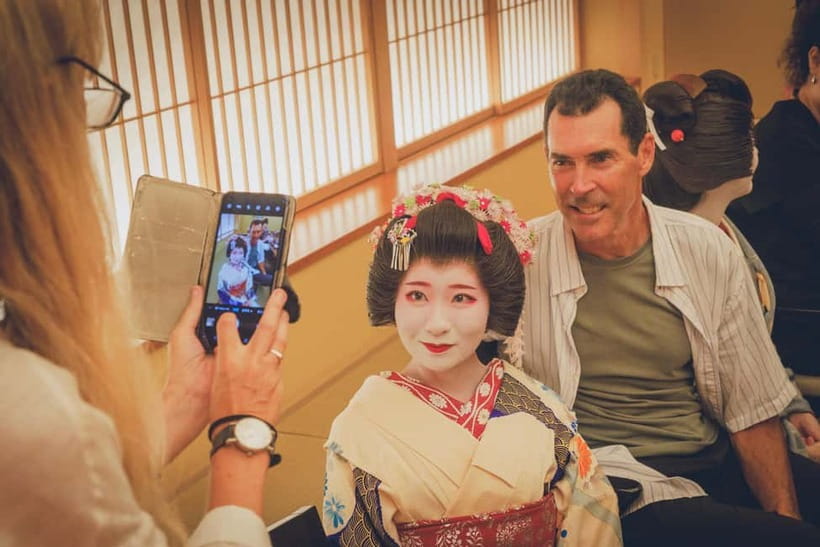
The final photo gives you a simple keepsake from the experience. A commemorative picture with the geisha is included, which is a useful benefit at a cultural activity where photography may otherwise feel uncertain.
Follow the staff’s instructions about when and where to take pictures. During the performance, you should focus on watching unless photography is clearly allowed. The closing photo provides a better moment for a personal record and avoids distracting from the dance and music.
For couples, the photo can mark a honeymoon or anniversary. For solo visitors, it gives you a tangible memory without asking another participant to take a picture. For families, it becomes a shared memento of an activity that children may remember for its unusual costumes, music, and game.
What the $106 price really covers
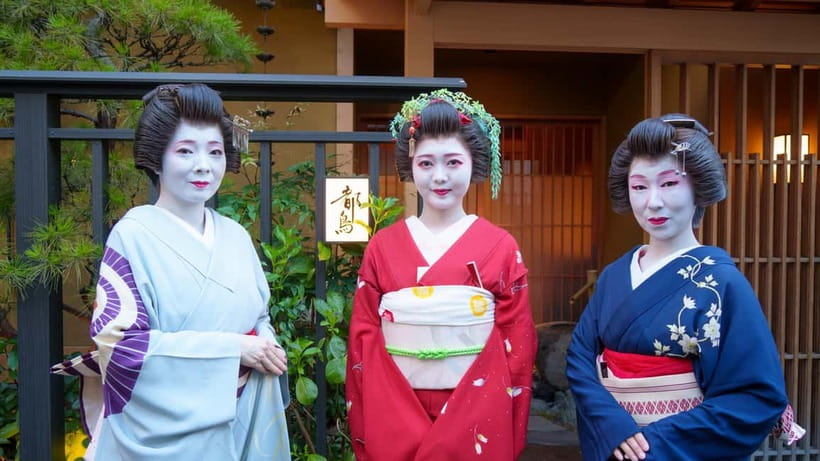
At $106 per person, this is a premium cultural experience. The value depends on what you want from Tokyo. If your priority is covering many sights for the least money, this will not be your best choice. You are paying for access to a small, hosted meeting with professional performers, not just a short dance demonstration.
The 75-minute schedule includes several distinct parts:
- A welcome at the tea house
- A geisha dance performance
- Live shamisen music and singing
- An ozashiki-asobi game
- Seasonal sweets and freshly whisked matcha
- Time to ask questions
- A commemorative photo
That is a good amount for an evening activity, though the program is compact. You should not expect a full meal, a long historical lecture, or a broad tour of Asakusa. Transportation is also not included, and the required drink costs extra.
The strongest value comes from the combination of access and interaction. A public performance might give you the dance, but not necessarily the questions, game, tea-house welcome, or photo. A general cultural tour might explain geisha traditions, but not provide live shamisen music and direct conversation.
I would consider this worthwhile for a honeymoon, birthday, anniversary, or final-night splurge. It is also a practical choice if you want one focused cultural activity rather than another long day of sightseeing.
Who will enjoy this most
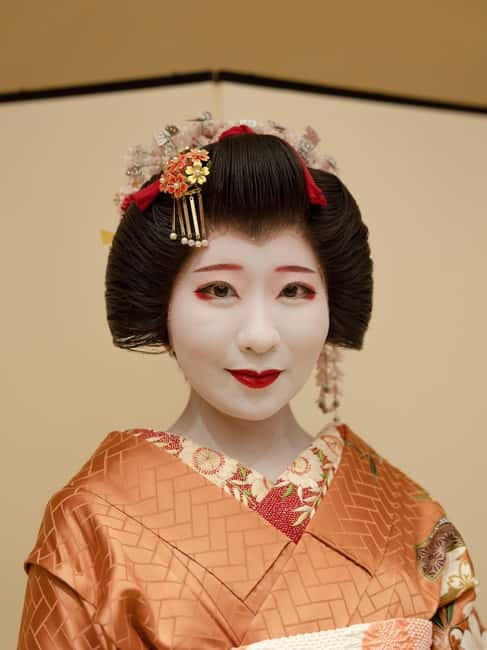
This experience works best for people who are curious about Japanese performing arts and willing to take part. You do not need prior knowledge of geisha culture, and English support makes the program easier to follow.
It is a good fit for:
- Solo visitors who want a structured evening and friendly conversation
- Couples marking a special trip
- Small groups looking for something beyond major Tokyo sights
- Families with children who can sit through a short performance
- Visitors interested in music, dance, costume, and Japanese hospitality
- Anyone who wants to ask respectful questions about modern geisha life
The format may be less suitable if you want a private performance or a full dinner. The supplied details describe a small-group setting, not an exclusive booking, and the 75 minutes move through several activities. Visitors who prefer to observe quietly may enjoy the dance but feel less comfortable during the interactive game.
You should also be comfortable sitting on low stools or low seating, as one account describes. The information provided does not give further accessibility details, so ask the provider directly if seating or mobility is a concern.
How to make the most of your 75 minutes
I would read a little about geisha, geiko, and maiko before arriving, then bring a short list of questions. You will get more from the conversation if you understand the basic difference between a performer’s role and the popular stereotypes often attached to geisha culture.
Arrive with enough time to locate the tea house. Asakusa has many lanes and busy points of interest, and the venue may not feel obvious from the street. Your meeting instructions should be treated as essential, not optional.
Dress neatly and behave with the same care you would show at any cultural performance. The setting is refined, but the mood is not stiff. Listen during the dance, join the game when invited, and let the translator or host guide the conversation.
Bring enough money for the required drink. Matcha is included, but the drink order is not. You can choose a non-alcoholic option, which makes the experience suitable for people who do not drink.
Do not plan a full dinner around the sweets. They are a seasonal accompaniment to matcha, not a replacement for a meal. Pair the activity with dinner before or after in Asakusa.
The cancellation terms are helpful for a changing Tokyo schedule: you can cancel up to 24 hours in advance for a full refund. The reserve-now, pay-later option also lets you hold a place without paying immediately, subject to the booking terms.
Is this Asakusa geisha experience worth booking?
I would book it if you want a personal introduction to traditional Japanese performance, especially if dance, live music, and conversation matter more to you than saving every yen. The most praised elements are consistent: the performers’ artistry, the welcoming service, the fun game, and the chance to ask questions directly.
I would skip it if you are looking for a cheap sightseeing stop, a full meal, or a private event. The price is high for 75 minutes, and the extra drink charge makes the final cost higher than the headline figure.
For the right person, though, this is a memorable use of an evening in Asakusa. You get formal beauty, good humor, matcha, seasonal sweets, and a human connection with artists who practice a living tradition. That balance makes the experience more than a photo opportunity.
FAQ
Where does the geisha experience take place?
It takes place at Miyakodori’s Ozashiki Tea House in Asakusa, Tokyo, on Honshu.
How long does the activity last?
The cultural experience lasts 75 minutes.
How much does the experience cost?
The listed price is $106 per person.
Are drinks included?
Freshly whisked matcha is included, but each person must order one additional drink. The drink may be alcoholic or non-alcoholic and is paid for separately.
Are meals included?
Seasonal Japanese sweets are included. Meals other than the sweets are not included.
What entertainment is included?
The program includes a geisha dance performance, live shamisen music, singing, and an ozashiki-asobi game called Konpira Fune Fune.
Can I ask the geisha questions?
Yes. The experience includes an opportunity to speak with the geisha and ask questions about their lives and world. English support and a translator are available.
Is transportation to the tea house included?
No. You are responsible for getting to the venue in Asakusa.
Can I cancel the booking?
You can cancel up to 24 hours in advance for a full refund. A reserve-now, pay-later option is also available.
More Asakusa Visits
- Tokyo: Japanese Dance Cabaret Theater Asakusa-Kaguwa Ticket
★ 4.8 · 2,270 reviews - Tokyo: Meiji Shrine, Asakusa, Skytree Bus Tour and Cruise
★ 4.7 · 1,986 reviews - Tokyo: Roll and Authentic Sushi Making Class in Asakusa
★ 4.9 · 1,957 reviews - Tokyo: Asakusa Walking Tour with Sensoji Temple Visit
★ 4.8 · 1,583 reviews
New on our Tokyo list
- From Tokyo: Mount Fuji & Hakone Full Day Private Tour★ 4.9 · 25 reviews
- Tokyo Spectacular View Day-Cruise in 90 Minutes★ 5.0 · 25 reviews
- Real Tokyo Runner Club : Daikoku Car Meet Night Tour with JDM Car★ 5.0 · 25 reviews
- 2.5 Hour-Guided Cycle Tour in the Central Tokyo★ 5.0 · 25 reviews
- Ramen Making from Scratch +Akihabara Tour –Cooking Class★ 5.0 · 25 reviews
- [Self-Drive] Tokyo & Daikoku Custom Car Driving Tour★ 4.9 · 25 reviews
- Tokyo: 2-Hour Night Bike Tour of the City’s Hidden Gems★ 4.9 · 25 reviews
- Samurai themed Entertainment show in Shinjuku★ 4.5 · 25 reviews
Tea Ceremonies, compared.
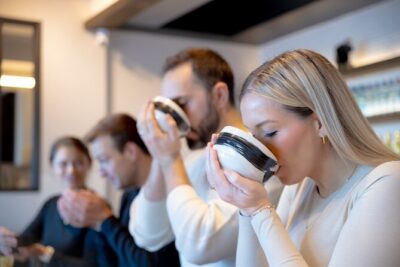
Matcha Making Class in Tokyo with Authentic Japanese Sweets Set
Read our review →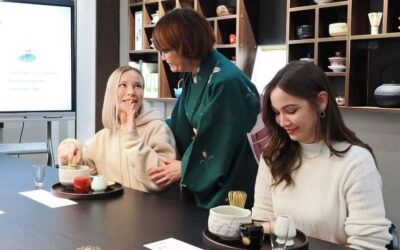
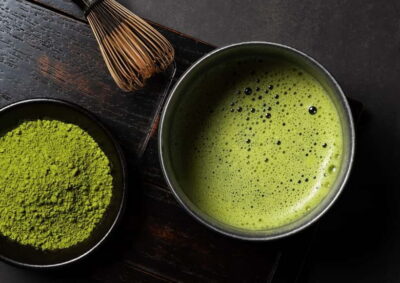
Matcha Making Experience with Mochi Sweets in Asakusa
Read our review →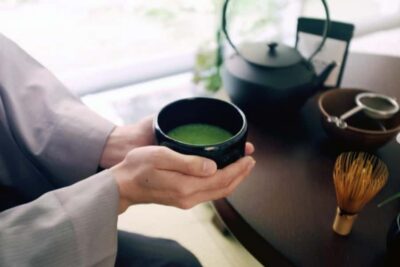
Tea Ceremony Workshop in Tokyo by the Experienced Instrucor
Read our review →

Make Traditional Nerikiri Sweets & Matcha experience in Shibuya
Read our review →Browse the lists this tour appears in