
Reviewed · JAPANESE COOKING CLASSES
Hands-on Japanese Cooking in a Shinjuku Home Kitchen with Satoru
The best part of this Tokyo experience is not the recipe card. It is the chance to walk from JR Shinjuku Station into Satoru’s home, cook in his compact kitchen, and sit down together for a meal. You prepare Japanese food from scratch, then talk with your host about the ingredients and everyday cooking behind it.
I like the private format, which gives families and couples room to ask questions without keeping up with a large class. I also like the personal touch of a Japanese utensil and ingredient to take home. The main drawback is the fixed menu schedule, so you need to check the day and tell Satoru about dietary needs at least one week ahead.
In This Review
- Key points
- From Shinjuku Station to Satoru’s Apartment
- Cooking Two to Five Japanese Dishes From Scratch
- What the Menu Schedule Means for Your Booking
- Sitting Down for the Meal With Satoru
- Why the Private Format Adds Value
- Timing, Group Size, and Practical Planning
- Who Will Enjoy This Cooking Class Most
- Small Details That Make the Experience Memorable
- Should You Book Hands-on Japanese Cooking in Shinjuku?
- FAQ
- Where does the Japanese cooking class meet?
- Where does the activity end?
- How long does the experience last?
- How many dishes will I prepare?
- What menus are available?
- Is a vegetarian option available?
- Is alcohol included?
- Can I cancel for a full refund?
Key points
- A real home kitchen: Meet Satoru at JR Shinjuku Station, then walk together to his simple apartment.
- Two menu patterns: Sunday through Tuesday and Saturday feature teishoku, while Wednesday through Friday focus on dishes such as okonomiyaki, karaage, yakisoba, katsu curry, ramen, or gyoza.
- Hands-on preparation: Cooking takes about 90 minutes, with two to five dishes depending on the menu.
- A meal with your host: Sit down afterward to eat what you made and share one or two glasses of local alcohol.
- Good for families: Satoru’s patient teaching style works well for groups with teenagers.
- Plan ahead: Vegetarian options are available, but menu changes and food restrictions must be sent at least one week before the class.
From Shinjuku Station to Satoru’s Apartment
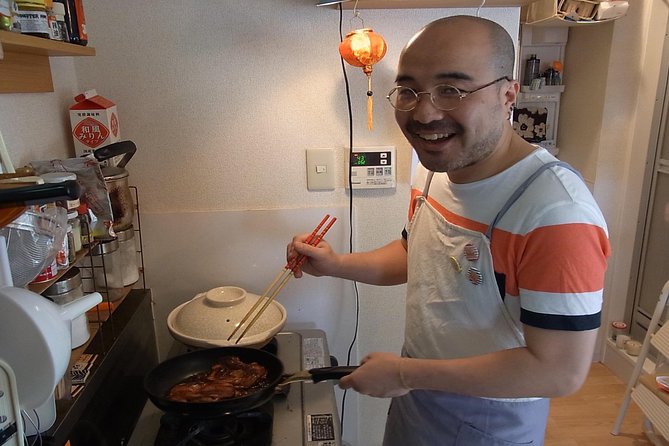
Your meeting point is at JR Shinjuku Station, at 3-chōme-38-1 Shinjuku. Satoru meets you there and walks with you to his apartment, which puts the class in a useful Tokyo setting from the start.
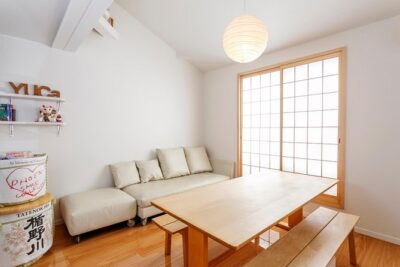
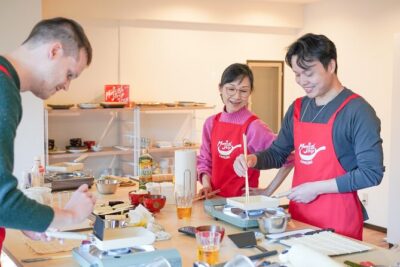
This is not a restaurant kitchen built for tourists. It is a simple, cozy home in the heart of Shinjuku. That distinction matters. You get a look at how a local prepares food in a small, efficient space, rather than watching a chef work in a polished studio.
The walk is also practical. You do not need to find an unfamiliar apartment on your own, and the activity ends back at the same meeting point. Hotel pickup and drop-off are not included, so plan your own route to Shinjuku Station before the class begins.
A home kitchen has limits. Space is small, and you should not expect the room or equipment of a professional cooking school. For me, that is part of the appeal, but anyone wanting a formal classroom with lots of work space may prefer a different kind of class.
More cooking classes in Tokyo:
- Ramen & Gyoza Cooking Class in Tokyo with Local Supermarket Visit
★ 5.0 · 823 reviews - Tokyo: Easy Ramen Cooking Experience in Kabukicho, Shinjuku
★ 4.6 · 321 reviews - Ramen and Sushi Cooking Class with Sake Pairing Set in Tokyo
★ 5.0 · 291 reviews
Cooking Two to Five Japanese Dishes From Scratch
The cooking portion takes about an hour and a half. Satoru guides you through two to five dishes, depending on the menu, and explains the ingredients as you work.
The useful detail here is the attention to basic flavors. You can ask about savory dashi, the stock used in many Japanese dishes, or sweeter ingredients such as organic honey. Satoru also connects ingredients to his own choices and stories, giving the cooking a personal frame rather than turning it into a simple set of instructions.
You are not only watching. The format is hands-on, so you take part in preparing the food. That makes the class a better choice for anyone who wants techniques and ideas to use after returning home.
The menu changes by day:
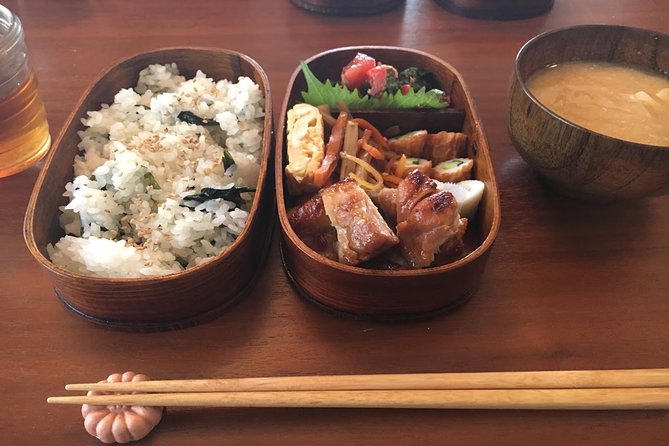
- Saturday through Tuesday: A teishoku, or Japanese set meal, with miso soup, rice, and two side dishes.
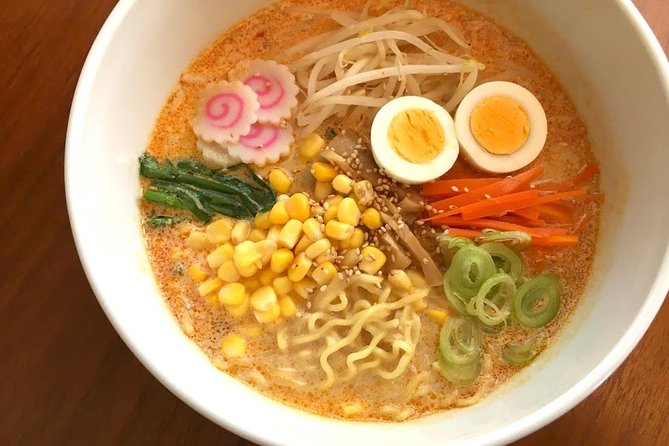
- Wednesday through Friday: A popular Japanese dish, such as okonomiyaki, karaage, yakisoba, katsu curry rice, ramen, or gyoza.
The schedule gives you a helpful choice if your dates are flexible. A teishoku offers a broad look at a Japanese meal, with rice, soup, and side dishes working together. A day devoted to ramen, gyoza, or fried chicken gives you a more focused lesson around one familiar favorite.
The menu is not fully open-ended. Specific days have specific menus, and if you do not state a preference, Satoru prepares the scheduled dish. If you want a change, or if you have allergies, restrictions, or other food needs, contact the host at least one week before the class. Vegetarian cooking is available if requested in advance.
What the Menu Schedule Means for Your Booking
The menu is one of the most important details to check before paying. If you have your heart set on okonomiyaki, do not simply book any available date and hope for it. Look at the schedule and tell Satoru your preference.
The set meal days are likely the better fit if you want variety. Miso soup, rice, and two side dishes show how several small parts make up a normal Japanese meal. This format can also suit a family, since each person gets a range of flavors and textures to try.
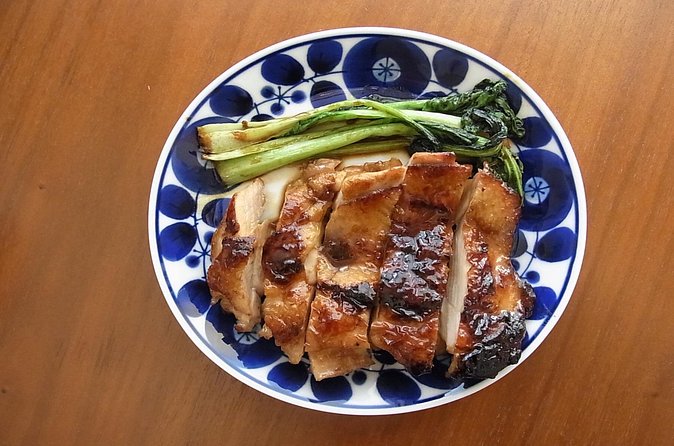
The popular-food days may be better for a first taste of a dish you already know from Japanese restaurants. Okonomiyaki, yakisoba, ramen, gyoza, karaage, and katsu curry are familiar names, but preparing them at home helps you understand how they fit into daily Japanese cooking.
There is also a seasonal element. The menu can vary with the season, so the exact food may not be identical on every date. That is worth accepting if you want a home-style experience rather than a fixed demonstration.
Sitting Down for the Meal With Satoru
After cooking, you sit down with Satoru and eat the meal you helped prepare. This shared table is the second half of the experience, not an afterthought.
You receive one or two glasses of local alcohol, included in the price. The drink gives you a natural chance to slow down, ask questions, and talk about Japanese ingredients and food customs. If you do not drink alcohol, the provided details do not specify a substitute, so ask in advance if that matters to you.
The conversation is a major reason to choose a private home class. You can ask why a certain ingredient was used, how dashi affects the final taste, or what led Satoru to choose a sweeter ingredient such as organic honey. The format leaves room for the host’s stories and for your own questions.
Families seem particularly well matched to this setup. Satoru is described as patient, and his teaching style has worked well with teenagers. That is useful information for parents planning a Tokyo day that does not revolve around shopping, temples, or long museum visits.
Still, the meal is part of a cooking class, not a full restaurant dinner. The focus is on preparing food together and sharing it afterward. If you mainly want to eat without handling ingredients, book a restaurant or food walk instead.
More Shinjuku nights and walks:
- Tokyo: Shinjuku Food Tour (13 Dishes at 4 Local Eateries)
★ 5.0 · 6,603 reviews - Tokyo Bar Hopping Tour in Shinjuku (All-You-Can-Drink + Dinner)
★ 5.0 · 3,587 reviews - Tokyo: Shinjuku Food Tour (15 Dishes and 4 Eateries)
★ 4.9 · 2,033 reviews - Best of Shinjuku: Izakaya Food Tour (4 Stops, 14+ Tastings)
★ 5.0 · 1,863 reviews
Why the Private Format Adds Value
At $130 per person, this is not a budget meal. You are paying for more than the food. The price covers a private class with Satoru, the walk from the station, the cooking instruction, the meal, one or two local drinks, and a Japanese utensil and ingredient to take home.
The private setup matters most when you are traveling as a family or small group. You can ask questions at your own pace, and Satoru can adjust his explanations to your interests. The experience has received a five out of five rating from 19 reviews, with 100 percent recommending it, which supports the idea that the teaching and personal contact are its strongest features.
Value depends on what you want from Tokyo. If you measure the price against the cost of a meal alone, it will seem high. If you value time in a local home, direct instruction, conversation, and a souvenir with a practical connection to Japanese cooking, the price is easier to justify.
I would especially consider it for a short Tokyo visit. You get food, culture, and personal contact in two and a half hours, without giving up a full day of sightseeing. The station meeting point also makes it easy to fit around other plans in Shinjuku.
The class is generally booked about 72 days ahead on average. That does not guarantee that every date will sell out, but it is a clear sign that you should not leave a preferred day until the last minute.
Timing, Group Size, and Practical Planning
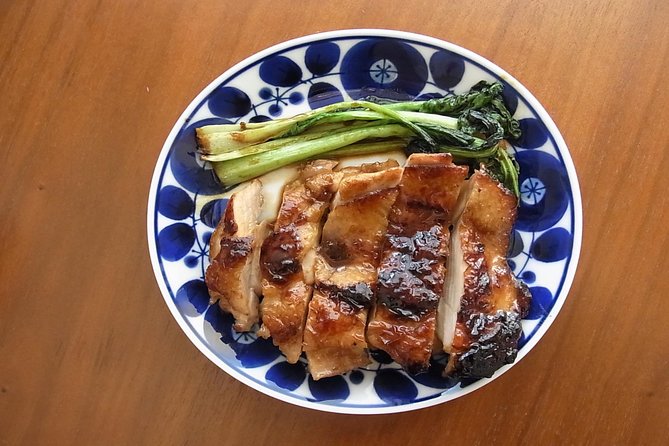
The total experience lasts about two hours and 30 minutes. Cooking takes around 90 minutes, followed by the shared meal and conversation. Allow extra time before the start to reach the meeting point at JR Shinjuku Station.
This is a private activity, meaning only your group participates. That makes it suitable for couples, families, and friends who want a relaxed social setting. It also lets you discuss food restrictions before the class rather than trying to manage them in a crowded group.
A mobile ticket is provided. Confirmation arrives within 48 hours of booking, subject to availability. Since the meeting point is near public transportation, the activity is fairly simple to add to a Tokyo itinerary, but you remain responsible for getting to and from Shinjuku.
The cancellation terms are friendly if your plans change early. You can cancel for a full refund up to 24 hours before the local start time. Changes or cancellations inside that window are not accepted for a refund.
Who Will Enjoy This Cooking Class Most
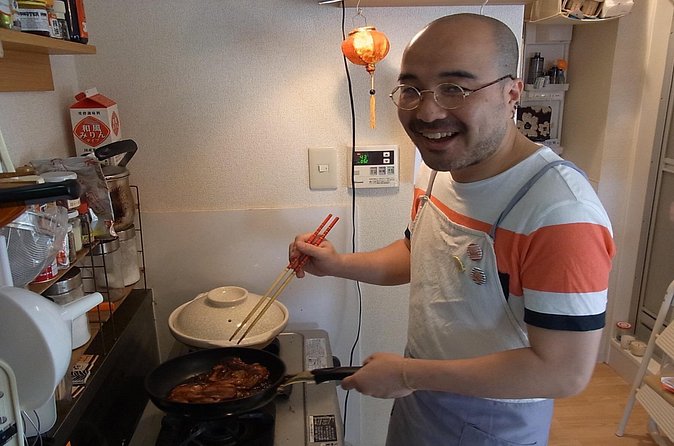
I would recommend this experience to you if you want to meet a local person in a personal setting and take part in the meal rather than simply order it. It is a strong choice for families with older children or teenagers, especially since Satoru’s patience and humor help keep the class welcoming.
It also suits visitors who enjoy asking questions. The ingredients are not treated as anonymous items on a counter. You can ask about dashi, honey, and the reasons behind the menu, then hear the host’s explanation as you cook.
Couples and friends can also make good use of the private format. You will have a shared activity, a sit-down meal, and a small cooking-related gift instead of another passively watched performance.
I would think twice if you have severe allergies or complex dietary restrictions and have not contacted the host early. The class can offer a vegetarian option, but menu changes need advance notice. I would also reconsider if you want a large professional kitchen, a broad choice of dishes on the same date, or a class that ends with a restaurant-style meal prepared entirely by the chef.
Small Details That Make the Experience Memorable
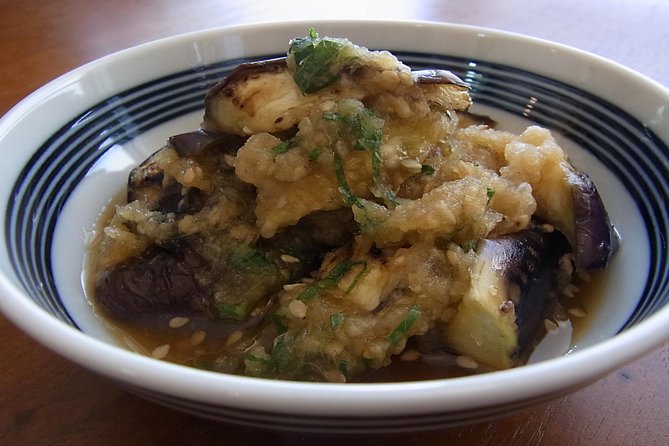
The home setting is the clearest difference from an ordinary cooking lesson. Satoru’s apartment is simple and cozy, and the small kitchen shows how Japanese home cooking can work with limited space.
The souvenir is modest but useful: a Japanese utensil and an ingredient. It is not a major gift, but it connects to what you learned and gives you something practical to use after the trip.
The strongest part of the class is the combination of cooking and conversation. You are not just handed a finished plate, and you are not left to follow a recipe without context. You prepare the food, ask about the ingredients, and then share the result with the person teaching you.
The class also gives you a choice between two kinds of Japanese food experience. Teishoku days show a complete set meal, while the other days focus on popular dishes such as ramen, gyoza, or okonomiyaki. Check the calendar before booking, since the date may shape the meal more than you expect.
Should You Book Hands-on Japanese Cooking in Shinjuku?
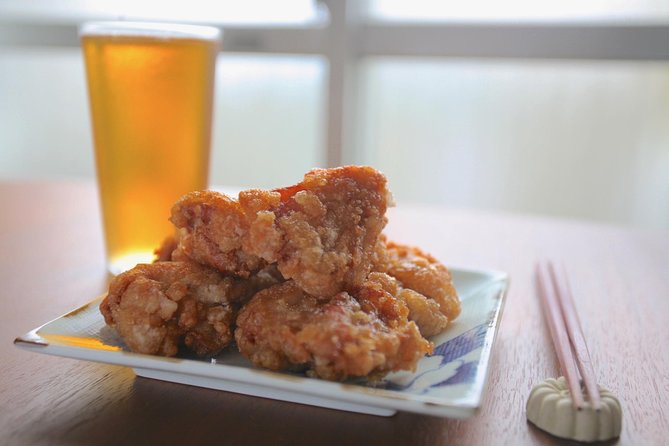
Book this class if you want a private, social look at Japanese home cooking and like the idea of meeting Satoru in his own apartment. It offers more personal contact than a standard restaurant meal and more conversation than a typical cooking demonstration.
The $130 price is fair for a private class, meal, drinks, and take-home gifts, but it is not the right pick for a cheap lunch. Choose your date carefully, send dietary requests at least one week ahead, and confirm the menu before booking.
For families, couples, and curious food lovers, this is a practical way to add local contact to a Tokyo schedule. For visitors who prefer polished kitchens or total menu freedom, spend the money elsewhere.
FAQ
Where does the Japanese cooking class meet?
You meet Satoru at JR Shinjuku Station at 3-chōme-38-1 Shinjuku, Shinjuku City, Tokyo 160-0022, Japan.
Where does the activity end?
The activity ends back at the meeting point at Shinjuku Station.
How long does the experience last?
The class lasts approximately two hours and 30 minutes. About an hour and a half is used for cooking before the shared meal and conversation.
How many dishes will I prepare?
You can expect to prepare two to five Japanese dishes, depending on the menu for the day.
What menus are available?
Saturday through Tuesday feature teishoku, a set meal with miso soup, rice, and two side dishes. Wednesday through Friday feature a popular Japanese dish such as okonomiyaki, karaage, yakisoba, katsu curry rice, ramen, or gyoza.
Is a vegetarian option available?
Yes. A vegetarian option is available, but you must request it when booking.
Is alcohol included?
Yes. The experience includes one or two glasses of local alcohol.
Can I cancel for a full refund?
Yes. You can cancel at least 24 hours before the local start time for a full refund. Cancellations or changes made less than 24 hours before the start are not accepted for a refund.
More Workshops in Tokyo
- Sushi Making Tokyo Roll and Authentic Japanese Sushi Class
★ 5.0 · 3,971 reviews - Tokyo: Roll and Authentic Sushi Making Class in Asakusa
★ 4.9 · 1,957 reviews - Tokyo Shinjuku Chopsticks Making Class
★ 5.0 · 1,763 reviews - Tokyo: Sushi Making Class in a Happi Coat near a Famous Spot
★ 4.9 · 1,377 reviews
New on our Tokyo list
- Sumi-e Experience in a relaxing green tea shop in Tokyo★ 5.0 · 3 reviews
- Tokyo : Kamikaze Street Drift Ride★ 5.0 · 3 reviews
- Private Zen Meditation in English in Shinjuku, Tokyo★ 5.0 · 3 reviews
- Onsen Spa in Tokyo and Asakusa Bar Hopping with Local Guide★ 5.0 · 3 reviews
- Easy for everyone! Now you can play handmade mini shamisen and show off to everyone! Musical instruments, sweets and live music★ 5.0 · 3 reviews
- Tokyo: Private Tsukiji Street Food & Sake with Local Guide★ 5.0 · 3 reviews
- Mt Fuji Exploration Tour with Free Japanese Kusa Mochi from Tokyo★ 4.5 · 3 reviews
- Tokyo Tsukiji Fish Market Walking and Exploring Hidden Gems Tour★ 5.0 · 3 reviews
Japanese Cooking Classes, compared.
Ramen & Gyoza Cooking Class in Tokyo with Local Supermarket Visit
Read our review →
Easy Ramen Cooking Experience in Kabukicho, Shinjuku
Read our review →
Ramen and Sushi Cooking Class with Sake Pairing Set in Tokyo
Read our review →
Tokyo Washoku 4-hour Cooking Class: From Market to Table
Read our review →
TokyoSumoShow, ChickenHotPot, and Mochi-Pounding by Pro Wrestlers
Read our review →
Professional Ramen & Gyoza with Ramen Chef in a restaurant!
Read our review →
Small-Group Wagyu Beef and 7 Japanese Dishes Tokyo Cooking Class
Read our review →Browse the lists this tour appears in