
Reviewed · JAPANESE COOKING CLASSES
Japanese Home Styled Cooking Class in or around Shinjuku, Tokyo
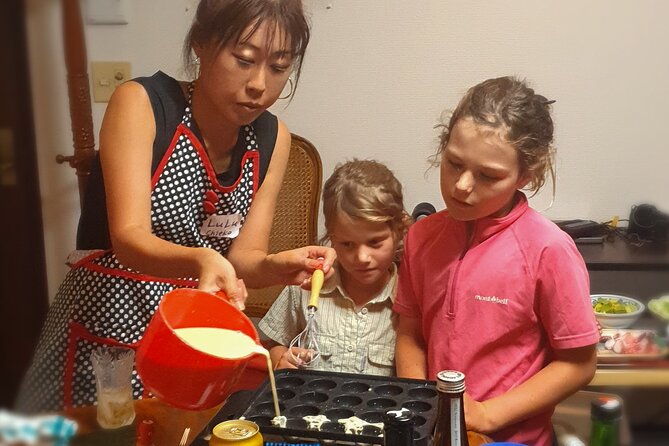
The best part of this Shinjuku-area class is its focus on food Japanese people actually cook at home, not restaurant theater. In about two and a half hours, you prepare three or four everyday dishes, then sit down to eat what you made.
I like the hands-on format, with tools and ingredients supplied, and I like the practical recipe sheets that let you repeat the meal at home. Hosts may include Chieko-San, Lulu, or Erica, and the small group setting allows time for questions and photos. The main consideration is menu choice: you can select from four options only when your group is the sole booking that day.
In This Review
- Key points to know before booking
- What this cooking class really offers
- Choosing a menu near Shinjuku
- Cooking with tools and ingredients provided
- From preparation to the shared meal
- The cultural side of Japanese home cooking
- The hosts and the tone of the class
- Is $89.99 a fair price?
- Who should book this experience
- Timing, transport, and cancellation details
- What to bring and how to prepare
- My recommendation: book it for the recipes
- FAQ
- Where does the Japanese cooking class meet?
- Where does the activity end?
- How long does the cooking class last?
- How many dishes will I prepare?
- Can I choose the menu?
- Are cooking tools and ingredients included?
- Is transportation included?
- What should I do if I have a food allergy?
- What is the cancellation policy?
Key points to know before booking
- Cook familiar Japanese home dishes: The menus focus on food people commonly prepare at home, including sushi and green bean salad in one reported class.
- Expect roughly 2 hours 30 minutes: Cooking and eating are both part of the scheduled experience.
- Choose from four menus when possible: Menu selection depends on whether another group joins the class.
- Learn from named hosts and helpers: Chieko-San, Lulu, and Erica have all been associated with the class, with extra help available on some dates.
- Take home recipes, not just memories: Recipe sheets give you a useful souvenir for your own kitchen.
- Plan around a central meeting point: The class begins and ends at 2-chōme-5-1 Yoyogi, near public transportation.
What this cooking class really offers
Tokyo gives you endless chances to eat well. A cooking class earns its place in your schedule only if it teaches you something you can use after you leave Japan. This one aims for exactly that: simple dishes, familiar ingredients, basic techniques, and enough cultural context to make the food feel connected to daily life.
You are not signing up for a professional chef course. The goal is home cooking. That makes the class a good match for you if you want to understand what goes into ordinary Japanese meals and try making those dishes again at home.
The class is held in or around Shinjuku, in the Yoyogi area of central Tokyo. The meeting point is 2-chōme-5-1 Yoyogi, Shibuya, Tokyo 151-0053. You should allow time to find the address and arrive ready to begin, since the activity returns to the same meeting point at the end.
More cooking classes in Tokyo:
- Ramen & Gyoza Cooking Class in Tokyo with Local Supermarket Visit
★ 5.0 · 823 reviews - Tokyo: Easy Ramen Cooking Experience in Kabukicho, Shinjuku
★ 4.6 · 321 reviews - Ramen and Sushi Cooking Class with Sake Pairing Set in Tokyo
★ 5.0 · 291 reviews
Choosing a menu near Shinjuku
When you book, you can select one of four menu options. This is a useful feature because it gives you some control over the kind of meal you will prepare. All four choices are described as popular and well-known Japanese dishes.
There is an important catch. Your menu choice is available only if you or your group are the only people booked for that class. If another group attends on the same day, you may not be able to choose the menu. I would treat the selection as a preference, not a guarantee, unless the operator confirms otherwise.
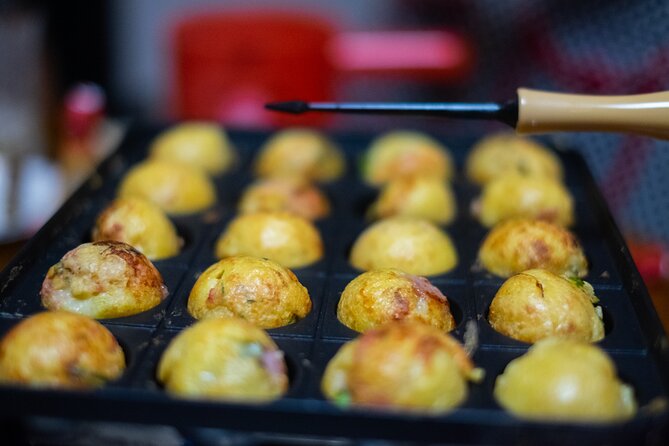
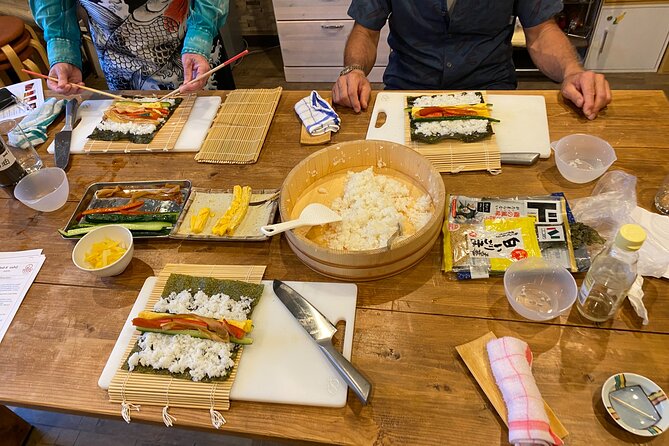
The menus are not fully detailed in the available information, so you should check the current choices at booking. One class included sushi and a green bean salad, which gives you a sense of the format: several dishes that work together as a meal rather than one elaborate centerpiece.
That variety is valuable. You get to practice more than one technique and see how different parts of a Japanese meal fit together. It also keeps the class from feeling like a single-recipe demonstration.
Cooking with tools and ingredients provided
You do not need to shop for ingredients or bring cooking equipment. The class supplies both, and the format is hands-on. That means you should expect to take part in preparing the food rather than simply watch a host work at the counter.
For a visitor, this removes much of the guesswork. Japanese supermarkets can be fascinating, but buying the right quantities and finding unfamiliar ingredients can take time. Here, the preparation is already organized so you can concentrate on the cooking itself.
The cooking is described as basic and authentic. That combination matters. Basic does not mean bland or childish. It means the recipes are approachable enough for you to recreate them once you return home, even if your kitchen lacks specialist equipment.
Some sessions have several helpers. That can make a real difference in a group class, especially when people are working at different speeds. One person may need help with a technique while another is ready for the next step. Extra assistance also helps keep the mood social without leaving anyone lost.
From preparation to the shared meal
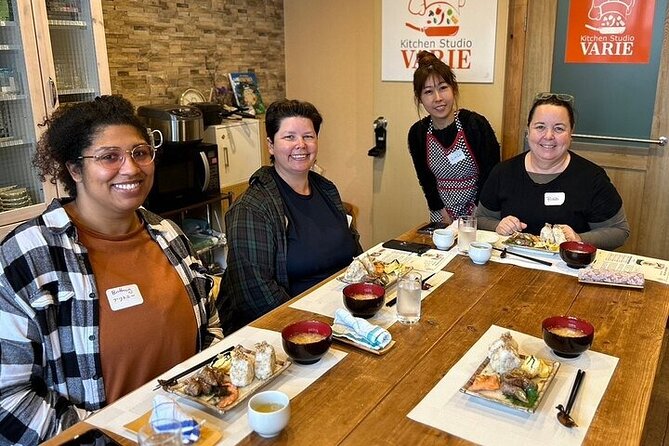
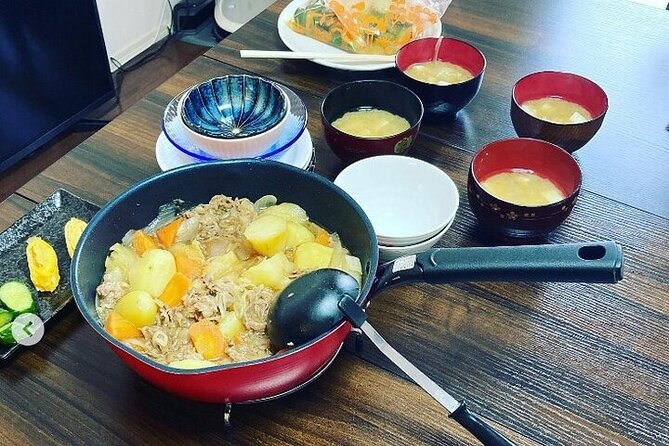
The full experience lasts about two hours and 30 minutes. The first part is devoted to preparing the dishes, followed by time to eat together. Since the cooking and meal are part of one continuous session, you get a clear payoff at the end: lunch or dinner made by the group.
I like this arrangement better than a class that sends you away after the final stir. Sitting down to eat gives you a chance to see how the dishes work together and ask follow-up questions while the food is fresh.
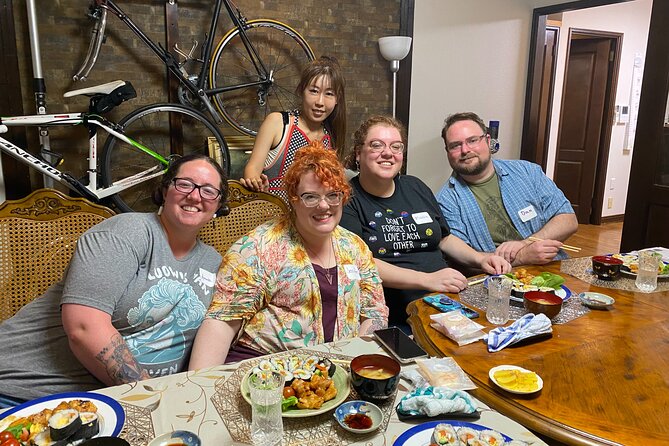
The meal also creates the social side of the experience. You connect with the host and the other people in the class rather than spending the whole session in a silent demonstration. The class has a maximum of 12 people, so it is not private, but it is still limited enough to allow interaction.
Keep your expectations sensible. A group of up to 12 can feel lively, and the amount of personal attention may vary by date. The presence of helpers can improve the experience, but you should not assume every session has the same staffing.
More Shinjuku nights and walks:
- Tokyo: Shinjuku Food Tour (13 Dishes at 4 Local Eateries)
★ 5.0 · 6,603 reviews - Tokyo Bar Hopping Tour in Shinjuku (All-You-Can-Drink + Dinner)
★ 5.0 · 3,587 reviews - Tokyo: Shinjuku Food Tour (15 Dishes and 4 Eateries)
★ 4.9 · 2,033 reviews - Best of Shinjuku: Izakaya Food Tour (4 Stops, 14+ Tastings)
★ 5.0 · 1,863 reviews
The cultural side of Japanese home cooking
The class includes background on the history and culture of Japanese cuisine. The value here is not just memorizing facts. Food makes more sense when you understand why certain dishes appear together, how home cooking differs from restaurant fare, and which recipes are common in ordinary Japanese life.
This cultural explanation gives the meal a stronger connection to Tokyo. You are not only learning a recipe from a distant cuisine. You are learning how a Japanese host thinks about familiar food.
The emphasis on home-style cooking is also useful for setting expectations. You will not necessarily prepare the most famous or visually elaborate dish in Japan. Instead, you may learn something that feels more believable in your own kitchen, which is exactly what one participant appreciated about the class.
That practical quality is the class’s main strength. A sushi restaurant can show you a polished final product. This experience shows you a process that you can attempt again.
The hosts and the tone of the class
The teaching team can vary, but the names connected with the experience include Chieko-San, Lulu, and Erica. Chieko-San is described as speaking English very well and taking time to answer questions. Lulu and Erica are described as warm, inviting, and enthusiastic about Japanese food and cooking.
You may also have several helpers during the session. One useful detail from the class experience is that helpers took plenty of pictures, giving participants a visual record of the cooking as well as the finished dishes.
That kind of support is particularly handy if you are traveling with family or friends. You can focus on the food instead of trying to photograph every step yourself. Still, picture-taking is a reported feature of one session, not something I would treat as a guaranteed inclusion on every date.
The tone appears social rather than formal. You cook, laugh, ask questions, and eat together. If you want a quiet, highly technical lesson with exact chef-level instruction, this may feel too relaxed. If you want an approachable introduction with human contact, the format should suit you well.
Is $89.99 a fair price?
The listed price is $89.99 per person. That includes all fees and taxes, cooking tools, and ingredients. Private transportation is not included, so you make your own way to and from the Yoyogi meeting point.
The value depends on how you use the class. You are paying for ingredients, instruction, a prepared meal, cultural explanation, and recipe sheets. You also save the time and expense of sourcing ingredients and equipment yourself for a one-off cooking attempt in Tokyo.
At two and a half hours, the price is easier to justify if you care about learning rather than simply eating. A restaurant meal may cost less, depending on your choices, but it will not teach you how to recreate the dishes or give you the same direct contact with a host.
The class also offers group discounts, which may make it more appealing for families or friends booking together. Since the maximum group size is 12, you should expect a shared class unless your party fills the available places or the operator confirms a private arrangement.
I would compare the cost with other hands-on food activities in Tokyo, but I would not judge it as a standard meal price. This is part meal, part lesson, and part cultural exchange.
Who should book this experience
I would recommend this class most strongly to:
- First-time visitors to Japan who want more context for the food they are eating.
- Home cooks who want recipes that are realistic to repeat.
- Families and small groups looking for a shared activity in central Tokyo.
- Food-focused visitors who prefer participation over a guided tasting.
- People who enjoy meeting others in a relaxed, social setting.
It can also work well as a rainy-day plan, but note that the cancellation terms say the activity requires good weather. If the provider cancels because of poor weather, you are offered another date or a full refund.
You should think twice if you need a guaranteed menu, a private class, or highly specialized instruction. You should also contact the provider in advance if anyone in your party has food allergies. The menu and available alternatives can be discussed ahead of time, but you should not wait until the class begins.
Timing, transport, and cancellation details
The experience begins and ends at the same Yoyogi address, near public transportation. Private transportation is not part of the package, so you are responsible for reaching 2-chōme-5-1 Yoyogi in time.
Confirmation is provided when you book, and the activity accepts a mobile ticket. It is commonly booked well ahead, with an average booking time of 37 days in advance. That does not mean you must book exactly that early, but it suggests that popular dates can fill before your trip.
The cancellation policy is straightforward but strict close to the start time. You receive a full refund if you cancel at least 24 hours before the experience begins. Cancellations or changes made less than 24 hours before the start are not accepted for a refund.
One past booking dispute involved a last-minute request after the party had made other plans. The practical lesson is simple: check your Tokyo schedule carefully before booking, and make changes more than a day ahead.
If the minimum number of participants is not reached, the class may be canceled. In that case, you are offered another date or experience, or a full refund.
What to bring and how to prepare
The important equipment and ingredients are supplied, so you do not need to pack cooking tools. Bring your booking confirmation on your phone and wear something comfortable for a hands-on activity.
Food allergies deserve special attention. Tell the provider in advance so the menu and possible alternatives can be discussed. Do not assume that a familiar-looking Japanese dish is free of an ingredient you need to avoid.
It is also wise to arrive hungry but not starving. You will spend time cooking before eating, and the meal is the reward at the end. Since the session is social, come ready to work alongside other people rather than expecting a private lesson at your own pace.
My recommendation: book it for the recipes
I would book this experience if you want a useful food memory from Tokyo, not just another meal. The strongest reasons are the home-style menus, the hands-on format, the recipe sheets, and the chance to learn from hosts such as Chieko-San, Lulu, and Erica.
The main limits are equally clear: the menu may not be yours to choose, private transportation is excluded, and last-minute changes are costly. For most visitors who accept those conditions, $89.99 buys a friendly, practical introduction to everyday Japanese cooking and a souvenir you can actually use.
FAQ
Where does the Japanese cooking class meet?
The class begins at 2-chōme-5-1 Yoyogi, Shibuya, Tokyo 151-0053, Japan.
Where does the activity end?
The activity ends back at the meeting point in Yoyogi.
How long does the cooking class last?
The experience takes approximately 2 hours and 30 minutes, including cooking and eating the meal together.
How many dishes will I prepare?
You will learn to prepare three or four authentic Japanese home-style dishes.
Can I choose the menu?
You can select one of four menu options when booking. If another group attends the same class, you may not be able to choose the menu.
Are cooking tools and ingredients included?
Yes. Cooking tools and ingredients are provided, and all fees and taxes are included in the price.
Is transportation included?
No. Private transportation is not included. The meeting point is near public transportation.
What should I do if I have a food allergy?
Tell the provider in advance. The menu and available options can then be discussed before the class.
What is the cancellation policy?
You can cancel for a full refund up to 24 hours before the experience starts. Cancellations or changes made less than 24 hours before the start are not accepted for a refund.
More Workshops in Tokyo
- Sushi Making Tokyo Roll and Authentic Japanese Sushi Class
★ 5.0 · 3,971 reviews - Tokyo: Roll and Authentic Sushi Making Class in Asakusa
★ 4.9 · 1,957 reviews - Tokyo Shinjuku Chopsticks Making Class
★ 5.0 · 1,763 reviews - Tokyo: Sushi Making Class in a Happi Coat near a Famous Spot
★ 4.9 · 1,377 reviews
New on our Tokyo list
- Tokyo : Kamikaze Street Drift Ride★ 5.0 · 3 reviews
- Private Zen Meditation in English in Shinjuku, Tokyo★ 5.0 · 3 reviews
- Sumi-e Experience in a relaxing green tea shop in Tokyo★ 5.0 · 3 reviews
- Onsen Spa in Tokyo and Asakusa Bar Hopping with Local Guide★ 5.0 · 3 reviews
- Easy for everyone! Now you can play handmade mini shamisen and show off to everyone! Musical instruments, sweets and live music★ 5.0 · 3 reviews
- Tokyo: Private Tsukiji Street Food & Sake with Local Guide★ 5.0 · 3 reviews
- Mt Fuji Exploration Tour with Free Japanese Kusa Mochi from Tokyo★ 4.5 · 3 reviews
- Tokyo Tsukiji Fish Market Walking and Exploring Hidden Gems Tour★ 5.0 · 3 reviews
Japanese Cooking Classes, compared.
Ramen & Gyoza Cooking Class in Tokyo with Local Supermarket Visit
Read our review →
Easy Ramen Cooking Experience in Kabukicho, Shinjuku
Read our review →
Ramen and Sushi Cooking Class with Sake Pairing Set in Tokyo
Read our review →
Tokyo Washoku 4-hour Cooking Class: From Market to Table
Read our review →
TokyoSumoShow, ChickenHotPot, and Mochi-Pounding by Pro Wrestlers
Read our review →
Professional Ramen & Gyoza with Ramen Chef in a restaurant!
Read our review →
Small-Group Wagyu Beef and 7 Japanese Dishes Tokyo Cooking Class
Read our review →Browse the lists this tour appears in