
Reviewed · HISTORICAL TOURS
Kamakura: Private History and Heritage Tour by Rickshaw
Kamakura is easy to visit on your own, but a rickshaw gives you a lively way to see its old center without losing time finding your way between the sights. You ride through the former samurai capital, pass Otori Gate, stop at shrines and temples, and get direct views of the Great Buddha on the longer routes. The private format also lets you shape the outing around your schedule.
I like the choice of four tour lengths, especially the 45-minute ride for a quick introduction and the 3-hour-10-minute route for a fuller look at Kamakura. I also like the personal touch: guides take photos, offer a souvenir postcard and sticker, and have been praised for being friendly, funny, and well informed. The main catch is that admission fees are extra, and the shorter rides do not include every major sight.
In This Review
- Key points at a glance
- Why a rickshaw suits Kamakura
- Starting near Tsurugaoka Hachimangu Shrine
- The 45-minute center route
- The 1-hour-10-minute ride to Hokokuji Temple
- The 2-hour-10-minute route, Hachimangu and Daibutsu
- The 3-hour-10-minute full Kamakura outing
- Photo stops and the personal touch
- Who will get the most from this ride
- Children, seating, and comfort
- Is $51 per person good value?
- Which duration should you book?
- Should you book the Kamakura rickshaw tour?
- FAQ
- Where does the rickshaw tour meet?
- How long are the available tours?
- Is the Great Buddha included in every tour?
- Which tour includes Hokokuji Temple?
- How many people can ride in one rickshaw?
- Is the tour wheelchair and stroller accessible?
- What language does the guide speak?
- Are admission fees included?
Key points at a glance
- Four private routes: Choose from 45, 70, 130, or 190 minutes, depending on your time and priorities.
- The Great Buddha is on the longer routes: You see Daibutsu on the 2-hour-10-minute and 3-hour-10-minute options.
- Hokokuji Temple adds gardens and quiet: The 1-hour-10-minute route includes time to wander its famous grounds.
- A good photo-friendly outing: Photo stops are built in, and guides can take pictures of you along the way.
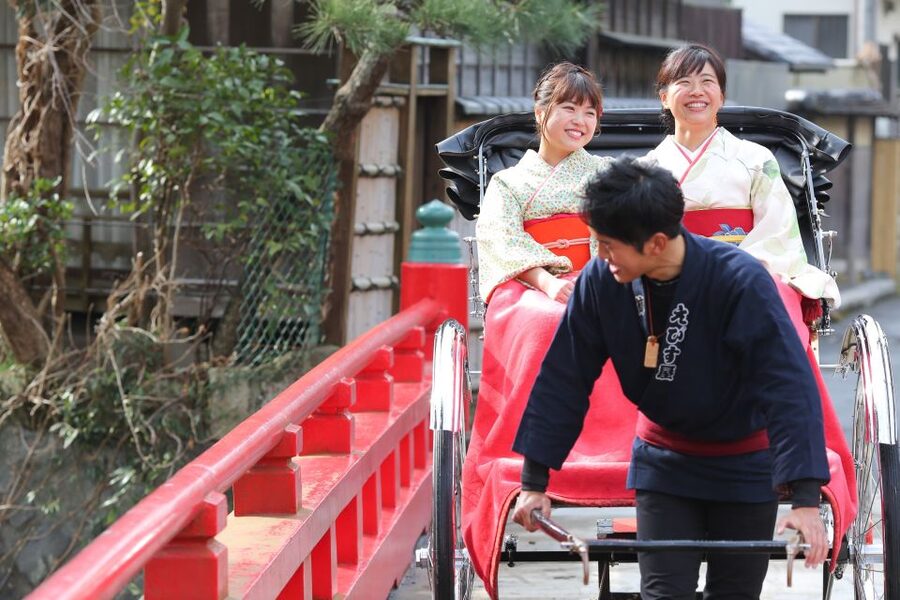
- Small rickshaw capacity: Each carriage holds up to two adults, with young children riding on an adult’s lap.
- Easy meeting point: The office is less than 90 meters from Tsurugaoka Hachiman-gu Shrine.
Why a rickshaw suits Kamakura
Kamakura’s main sights are spread through a town that rewards slow travel. You can walk between some of the shrines and temples, but a rickshaw changes the pace. You sit above street level, see more as you move, and have a local guide pointing out places you might otherwise pass without a second look.
I like this kind of ride most at the start of a Kamakura visit. It helps you get your bearings, then leaves you free to return to a favorite temple on foot. The guide also handles the route, which matters when your day is tight or you are visiting from Tokyo.
The private setup is more useful than it may sound. You are not tied to a large group, and the local partner says the route can be adjusted around your interests. You can contact them before the tour if you have particular sights or preferences in mind.
The ride is not a substitute for a full walking tour. You will see the town from the carriage, but your time inside temples and gardens depends on the route you book. Also, the live guide service is listed as Japanese. One guide, Satoshi, has been praised for giving information along the way, and another guide was described as speaking English and Japanese well. Still, you should confirm language needs before booking if detailed English guiding is important to you.
More Private Tours in Kamakura
- Kamakura Private Tour: Temples, Nature, and the Great Buddha
★ 5.0 · 121 reviews - Kamakura 8 hr Private Walking Tour with Licensed Guide from Tokyo
★ 5.0 · 80 reviews - Kamakura: Private Guided Walking Tour with Local Guide
★ 4.8 · 60 reviews
Starting near Tsurugaoka Hachimangu Shrine
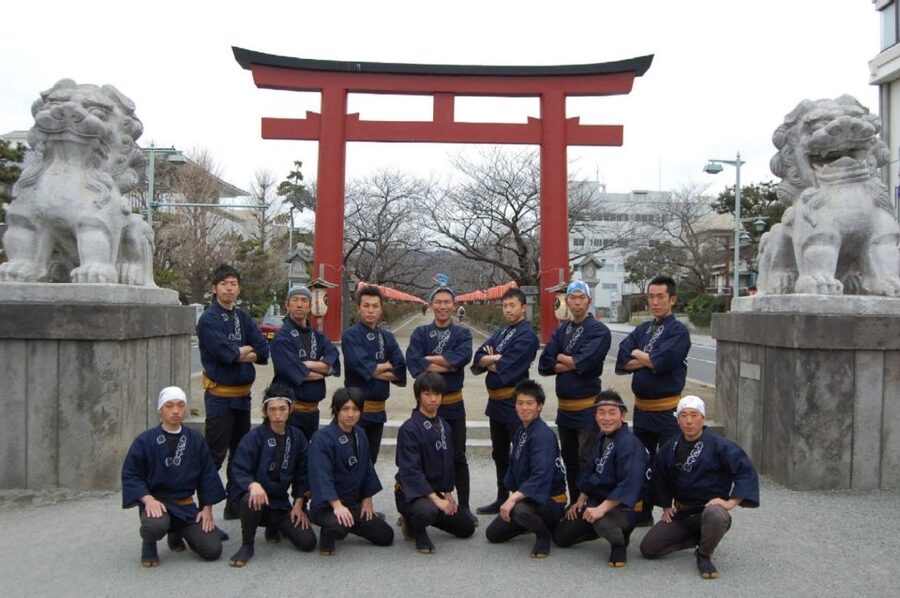
Your guide waits just outside the Ebisuya Rickshaw office. The meeting point is less than 90 meters down the street from Tsurugaoka Hachiman-gu Shrine, so it is well placed for a first look at Kamakura’s best-known central shrine.
The location works especially well for the shortest tour. You can meet the guide, settle into the rickshaw, and head through the center without spending half your allotted time getting to the action. Look for the office near the approach to the shrine rather than expecting hotel pickup. Transportation to Kamakura is not included, so you need to make your own way to the town.
The rickshaw itself is 21.1 inches, or 74 centimeters, wide. That is fine for two adults who do not mind sitting close, but it is not a roomy carriage. You may find separate rickshaws more comfortable if each passenger wants more space.
The 45-minute center route
The 45-minute option is the practical choice if you have only a short window in Kamakura. It focuses on the center of town, passing Otori Gate and Tsurugaoka Hachimangu Shrine before returning toward the station through side streets.
This route gives you the feel of old Kamakura rather than a full temple tour. Otori Gate marks the approach to Hachimangu, and the shrine is the central historic reference point for the town. The return through quieter streets adds variety and may take you past temple grounds that you would not notice on the main road.
I would choose this option in two situations. First, it suits a day trip where you want a short introduction before visiting another part of town. Second, it works for anyone who finds extended walking difficult but still wants to see the historic center.
The limitation is clear: this route does not include the Great Buddha or Hokokuji Temple. You also do not get the longer climb through the shrine grounds. Think of it as an orientation ride, not the main event for a full day in Kamakura.
The 1-hour-10-minute ride to Hokokuji Temple
The next option adds Hokokuji Temple and its famous gardens. That extra time gives you a more satisfying temple stop, especially if gardens matter to you as much as major monuments.
Hokokuji is known for its garden setting, so this route offers a change from streets and shrine approaches. You can get out and wander through the grounds rather than simply viewing the temple from the road. The stop also makes the 70-minute option feel less like a quick city loop and more like a focused cultural outing.
This is a good middle choice for visitors who want one proper temple visit but do not have time for the Great Buddha and the full Hachimangu route. It also gives families and casual sightseers a manageable plan without committing to three hours.
Keep the timing in mind. A 70-minute tour is still short, and entrance charges are not included. If you want to linger in the garden, take photos, and move at an easy pace, the longer options may give you less reason to watch the clock.
More Kamakura and Enoshima days:
- Tokyo: Kamakura & Enoshima Day Trip including Temple Tickets
★ 4.5 · 1,375 reviews - Tokyo: Mt. Fuji, Kamakura, Big Buddha, & Lake Ashi Day Trip
★ 4.5 · 867 reviews - From Tokyo: Kamakura & Enoshima 1-Day Bus Tour
★ 4.5 · 189 reviews - Kamakura Historical Walking Tour with the Great Buddha
★ 5.0 · 129 reviews
The 2-hour-10-minute route, Hachimangu and Daibutsu
The 130-minute option is where the tour becomes a fuller introduction to Kamakura. It includes the climb up to Tsurugaoka Hachimangu Shrine, views over the city, and a visit to the Daibutsu, the Great Buddha Statue.
Hachimangu is not just a quick roadside stop on this route. You go all the way up through the shrine area, giving you a better sense of its scale and position in the town. The views over Kamakura are a strong reason to choose this duration. You get a wider look at the place you have been riding through, rather than seeing it only at street level.
The Great Buddha adds Kamakura’s most recognizable monument. Seeing Daibutsu up close gives the ride a clear centerpiece, and the stop is particularly useful if you are visiting Kamakura for the first time and want its famous sights covered in one outing.
This option should be your minimum choice if the Great Buddha is high on your list. It costs more time than the short rides, but you avoid the hassle of arranging separate transport and route planning between the central shrine and Daibutsu.
Admission fees are not part of the tour price, so budget for those separately. The supplied details do not state the current admission cost, and it is sensible to check before you go.
The 3-hour-10-minute full Kamakura outing
The longest option combines every major stop described for the tour: the central streets, Otori Gate, Tsurugaoka Hachimangu Shrine, Hokokuji Temple, its gardens, the views over the city, and the Great Buddha.
At 190 minutes, this is not a quick ride with a few photo pauses. It gives you the best chance to see Kamakura’s main heritage sights without trying to piece them together yourself. The private format is useful here because you can discuss interests with the local partner and make the outing fit your group.
I would pick this route for a first visit when Kamakura is a major part of your day. It also makes sense for families who want help moving between sights, or for couples who value photos and a relaxed private outing more than the lowest price.
The tradeoff is time and cost. A long rickshaw ride may feel less active than walking, and you still need to pay for entry fees and your own food and drinks. If you already know the town well, a shorter ride followed by independent exploring could offer better value.
Photo stops and the personal touch
Photo stops are included on every route, and this is one of the experience’s most useful extras. A guide can place you at a good angle, take pictures of the two of you, and keep the ride from becoming a blur of passing sights.
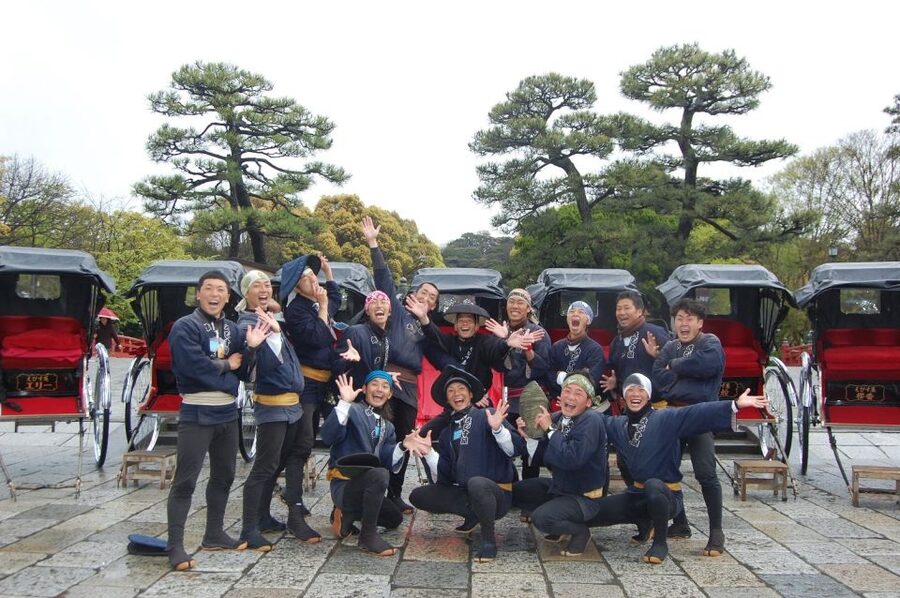
One guide, Satoshi, was singled out for being pleasant and friendly while explaining Kamakura along the way. Another guide was praised for speaking English and Japanese well. A separate account highlighted guides who explained the sights, made jokes, and took photos. Those details suggest that the quality of the outing depends heavily on the person assigned to your rickshaw, as with any guide-led activity.
You also receive a souvenir postcard and sticker. They are small items, but they suit the experience better than a generic ticket or digital confirmation. You leave with a simple reminder of the ride.
Selfie sticks are not allowed. That rule makes sense in a narrow carriage and around busy heritage sites, but bring a regular phone or camera if you want your own pictures between the guide’s photo stops.
Who will get the most from this ride
I think the tour is best for four kinds of visitors:
- First-time visitors to Kamakura: You get a clear introduction to the main historic areas without planning every turn.
- Short-stay visitors: The 45-minute and 70-minute routes fit neatly into a packed day.
- Families: The private carriage and guide make the outing easier to manage than a large group tour.
- Couples and small groups: The photo stops and private setting give the ride a personal feel.
It is also a useful option if you want to limit walking. The activity is listed as wheelchair and stroller-friendly, though the narrow 74-centimeter carriage is worth considering. Ask about your specific equipment before booking so there are no surprises.
The tour is not suitable for people with back problems, and it is not recommended during pregnancy, especially in the first 16 weeks. The activity information also says pregnant women are not suitable participants, so follow that stricter guidance when making your decision.
Children, seating, and comfort
Each rickshaw holds a maximum of two adults. Up to two children aged 5 and under can ride with two adults, but they must sit on an adult’s lap.
Children aged 6 and over pay the adult price. A child under 6 also pays the adult price if they need their own seat rather than sitting on an adult’s lap. These rules matter because the carriage has limited room, and families should not assume that one rickshaw will provide separate seats for everyone.
For a family with young children, the private format is still helpful. You can keep the ride together and avoid worrying about a large group’s pace. Just check the seating plan carefully before you book.
Is $51 per person good value?
At $51 per person, the price is reasonable if you use the ride as a way to connect several Kamakura sights with a private guide. You are paying for the carriage, the guide’s time, the route planning, photo stops, and the ability to keep the outing private.
The value depends on the duration you choose. The 45-minute ride is best seen as a short introduction. It may feel expensive if your only goal is transportation, since the ride is designed to explain and show the town rather than simply move you from one point to another.
The longer tours make the cost easier to justify. The 130-minute route includes both Hachimangu and the Great Buddha, while the 190-minute version adds Hokokuji and the gardens. If you would otherwise need to plan several stops and work out how to move between them, the private ride can save effort as well as time.
Remember that food, drinks, transportation to Kamakura, and admission fees are not included. The booking terms allow cancellation up to 24 hours in advance for a full refund, and you can reserve now and pay later, which helps if your Japan plans are still changing.
Which duration should you book?
Choose the 45-minute tour if you want a quick center-of-town introduction and already have other Kamakura plans.
Choose the 1-hour-10-minute tour if Hokokuji’s gardens appeal to you and you want one temple stop without spending most of the day on the ride.
Choose the 2-hour-10-minute tour if the Great Buddha and the views from Hachimangu are your priorities. This is the strongest choice for many first-time visitors.
Choose the 3-hour-10-minute tour if you want all the listed sights handled in one private outing and have enough time for a slower pace.
You can also contact the local partner about tailoring the route. That is worth doing if you have a particular interest in shrines, gardens, photography, or family comfort.
Should you book the Kamakura rickshaw tour?
Book it if you want a private, guided introduction to Kamakura and like the idea of seeing the town from a rickshaw rather than walking every stretch. The high rating is supported by specific strengths: friendly guides, clear explanations, laughter, and useful photo stops. Satoshi’s warm service is a good example of the personal contact this format can provide.
I would choose the 130-minute route for most first visits. It includes the Great Buddha and the views from Hachimangu, giving you the town’s biggest sights without the full time commitment. Pick the longest route if Hokokuji’s gardens matter to you or if you want someone else to organize the day.
Skip it if you are looking only for the cheapest way between sights, need a wide seat, have back problems, or prefer to spend your time walking independently. For everyone else, this is a pleasant and practical way to get a first look at Kamakura.
FAQ
Where does the rickshaw tour meet?
Your guide waits just outside the Ebisuya Rickshaw office, less than 90 meters down the street from Tsurugaoka Hachiman-gu Shrine.
How long are the available tours?
You can choose a tour lasting 45 minutes, 1 hour and 10 minutes, 2 hours and 10 minutes, or 3 hours and 10 minutes.
Is the Great Buddha included in every tour?
No. The Great Buddha is included on the 2-hour-10-minute and 3-hour-10-minute tours.
Which tour includes Hokokuji Temple?
The 1-hour-10-minute tour includes a stop at Hokokuji Temple and time to walk through its famous gardens. The 3-hour-10-minute tour includes it as well.
How many people can ride in one rickshaw?
A rickshaw can carry up to two adults. Up to two children aged 5 and under can ride with two adults if they sit on an adult’s lap.
Is the tour wheelchair and stroller accessible?
Yes, the activity is listed as wheelchair and stroller-friendly. Each rickshaw is 74 centimeters wide, so check whether your wheelchair or stroller will fit comfortably.
What language does the guide speak?
The live tour guide service is listed as Japanese. One guide has been praised for speaking English and Japanese well, so contact the local partner before booking if you need detailed English guiding.
Are admission fees included?
No. Admission fees, food and drinks, transportation to Kamakura, and hotel pickup and drop-off are not included.
More Historical Tours in Kamakura
- Kamakura Heritage Bike or Walk Tour with ex-Rickshaw guide
★ 5.0 · 11 reviews - Historic Kamakura: Temples, Shrines and Street Food Private Walking Tour
★ 5.0 · 6 reviews - Kamakura Historical and Cultural Day Trip with Local Cuisine
★ 5.0 · 4 reviews - Tokyo: Imperial Palace and Shogun Historical Walking Tour
★ 5.0 · 2,251 reviews
New on our Kamakura list
- 1-Day trip: Kamakura City (Enoshima/Shonan/Beach)★ 4.7 · 3 reviews
- Kamakura Zen: Great Buddha, Nature, Bamboo & Samurai Culture★ 5.0 · 3 reviews
- Kamakura Half Day Walking Tour with Local Experience★ 3.4 · 4 reviews
- Hiking Tour in Enoshima with a Local Guide★ 5.0 · 4 reviews
- Kamakura Tour with Pro Photographer: Anime Train & Fuji Sunset★ 5.0 · 4 reviews
- Kamakura Private Custom Tour★ 5.0 · 4 reviews
- Kamakura Historical and Cultural Day Trip with Local Cuisine★ 5.0 · 4 reviews
- Kamakura Full-Day Private Tour★ 5.0 · 4 reviews
Historical Tours, compared.
Imperial Palace and Shogun Historical Walking Tour
Read our review →
Yanaka Walking Tour: Historic and Traditional District of Tokyo
Read our review →
Shinjuku Historical Walking Tour & Secret Backstreets
Read our review →
Mt. Fuji Heritage Tour: Traditional Villages, Lakes & Shrine
Read our review →
The Best of Izakaya in Shinjuku Food & Cultural Tour
Read our review →
Yanaka Historical Walking Tour in Tokyo’s Old Town
Read our review →Browse the lists this tour appears in