
Reviewed · CYCLING TOURS
Kamakura Heritage Bike or Walk Tour with ex-Rickshaw guide
Kamakura is at its best when you move beyond the station and let its temples, shrines, back roads, and coast unfold at a human pace. This private tour gives you that choice, by bicycle or on foot, with Ichi, a former rickshaw guide who spent five years showing these streets to visitors.
I like the flexible bike-or-walk format, which lets you cover more ground without turning the day into a race. I also like the strong historical storytelling, especially around the Kamakura shogunate, samurai culture, and the meaning behind each religious site.
The main drawback is the price, $150.24 per person for about four hours. It can be good value for a private guide and included admissions, but it makes most sense for people who want personal attention rather than a low-cost introduction.
In This Review
- Key points to know before booking
- Why Kamakura works so well by bike or on foot
- Meeting Ichi at Kamakura Station
- The Great Buddha at Kotoku-in
- Tsurugaoka Hachimangu and the samurai city
- The graves of Minamoto no Sanetomo and Hojo Masako
- Hokokuji’s bamboo grove and matcha
- Riding or walking along Yuigahama Beach
- Hasedera and the Kannon statue
- Egara Tenjin Shrine and the final historical layer
- What the private format is really worth
- Bike practicalities and age limits
- The guide’s strongest qualities
- Who should book this Kamakura tour?
- FAQ
- How long does the Kamakura bike or walking tour last?
- Is this a private tour?
- Where does the tour begin?
- Where does the tour end?
- Can I choose between biking and walking?
- Are the Great Buddha and Hokokuji Temple admissions included?
- Is green tea at Hokokuji included?
- What happens if bad weather cancels the tour?
- Should you book it?
Key points to know before booking
- Private tour with Ichi: You get your own guide, not a large group, and can ask questions as you go.
- Choose walking or cycling: The route connects central Kamakura, eastern temple areas, the Hase district, and Yuigahama Beach.
- Major sights included: The Great Buddha, Tsurugaoka Hachimangu Shrine, Hokokuji Temple, Hasedera, Egara Tenjin Shrine, and the graves of Minamoto no Sanetomo and Hojo Masako.
- E-bikes may be available: Previous participants specifically valued the e-bikes, which can make the four-hour route easier.
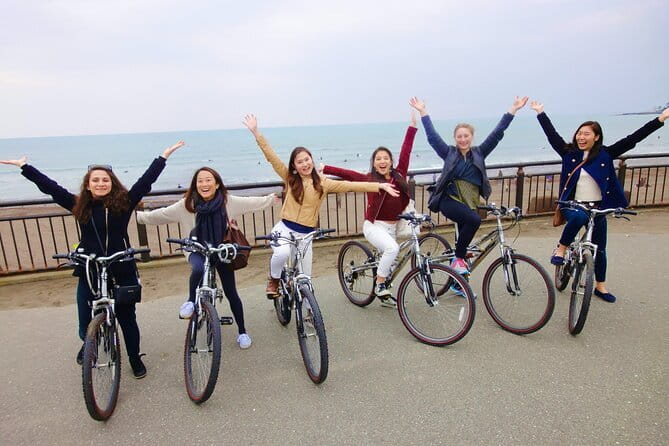
- Photos are part of the experience: Ichi takes plenty of pictures, with one participant noting more than 20 good shots.
- The tour depends on good weather: Bad weather can lead to a new date or a full refund.
Why Kamakura works so well by bike or on foot
Kamakura is compact enough to visit in a day, but its sights are spread across several distinct areas. The Great Buddha sits near Hase, Hasedera is close by, Hachimangu Shrine anchors the center, and Hokokuji lies farther east. Add the beach and smaller historic stops, and you have a route where transport matters.
A private bike tour solves that problem neatly. You can cover more of town than you would on foot, while still stopping often enough to look around. The walking option is better if you prefer a slower pace, want to focus on temple grounds, or simply do not enjoy cycling in an unfamiliar city.
Ichi’s background as a rickshaw driver guide is useful here. He knows how to connect the famous places with the streets between them, rather than treating each stop as an isolated photo opportunity. Several participants praised his English, his sense of humor, and his ability to explain Japanese customs in a clear way.
The route also has a good mix of major sights and quieter stops. You get Kamakura’s famous landmarks, but you also see a grave site, a small shrine devoted to learning, a bamboo garden, and a seaside road.
More Walking Tours in Kamakura
- Kamakura Historical Walking Tour with the Great Buddha
★ 5.0 · 129 reviews - Kamakura Walking Tour – The City of Shogun
★ 5.0 · 100 reviews - Kamakura 8 hr Private Walking Tour with Licensed Guide from Tokyo
★ 5.0 · 80 reviews
Meeting Ichi at Kamakura Station
The tour begins at Kamakura Station, at 1-chome-1-15 Onarimachi. This is a practical meeting point because the station is near public transportation and puts you close to the city center.
Expect the first part of the tour to set the rhythm for the day. Ichi can explain how the bike or walking option will work and help shape the pace around your interests. Since this is a private experience, you are not tied to the needs of a large group.
The four-hour duration is long enough for a meaningful overview, but not long enough for extended visits at every temple. That is an important distinction. You will see many major places, but this is not a series of slow, detailed temple studies.
The tour ends back at the same meeting point. Plan your day around that return rather than assuming you will finish near the coast or at Hase Station.
The Great Buddha at Kotoku-in
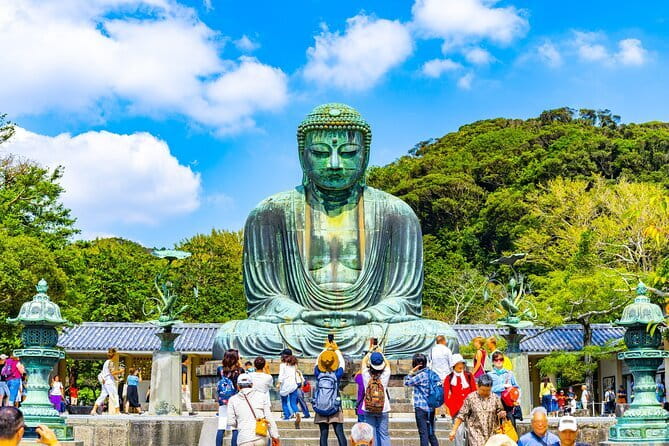
The Great Buddha of Kamakura is the tour’s most instantly recognizable stop. At Kotoku-in Temple, you see the large seated bronze Buddha in an open setting, a sight that feels different from visiting a statue inside a crowded hall.
The scheduled visit lasts about 30 minutes, and admission is included. That is enough time to take in the statue, hear the main historical points, and photograph the site without spending too much of the tour at one location.
Ichi’s explanation matters here because the statue is more than a large landmark. Its connection to Kamakura’s religious and political past gives the visit a stronger sense of place. The tour’s strongest historical comments focus on explaining why Kamakura became such an important center during the rise of the bakufu, or military government.
A half-hour is also a sensible limit for this stop. The Buddha is powerful to see, but the grounds are not enormous. If you want a long meditation session or extensive temple study, you may find the time short. For a first look at Kamakura, the balance works well.
Tsurugaoka Hachimangu and the samurai city
Tsurugaoka Hachimangu Shrine is the spiritual center of Kamakura and one of the key places for understanding its samurai identity. The shrine is dedicated to Hachiman, a deity associated with war and the warrior class.
You get about 30 minutes here, with no separate admission charge. The grounds provide a useful contrast with the Great Buddha. Instead of one dominant statue, you move through a broad shrine complex where architecture, approach paths, ceremonies, and symbols all help tell the story.
This is where Ichi’s storytelling can turn a beautiful stop into a meaningful one. The tour explains the role of the Kamakura shogunate and the importance of the bakufu, rather than offering only dates and names. One of the most praised qualities of the guide is his ability to make complicated Japanese history easy to follow while still adding specific details.
If you are visiting during a major festival or a popular holiday, the shrine may feel much busier than the quieter temple stops. The tour still gives you a useful visit, but your time for lingering and taking photographs can be limited.
More Kamakura and Enoshima days:
- Tokyo: Kamakura & Enoshima Day Trip including Temple Tickets
★ 4.5 · 1,375 reviews - Tokyo: Mt. Fuji, Kamakura, Big Buddha, & Lake Ashi Day Trip
★ 4.5 · 867 reviews - From Tokyo: Kamakura & Enoshima 1-Day Bus Tour
★ 4.5 · 189 reviews - Kamakura Private Tour: Temples, Nature, and the Great Buddha
★ 5.0 · 121 reviews
The graves of Minamoto no Sanetomo and Hojo Masako
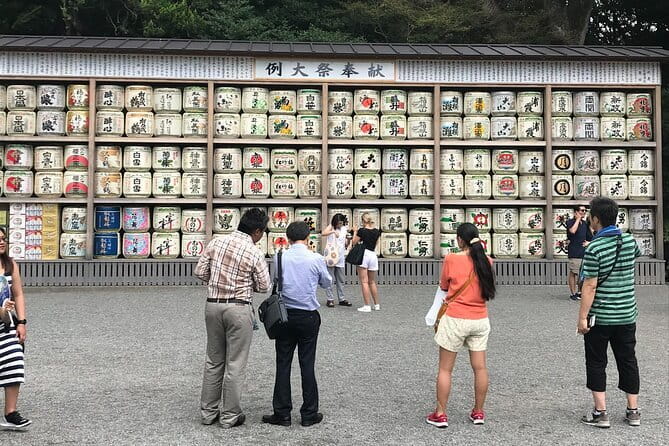
This brief 10-minute stop offers a quieter historical note. You visit the grave of Minamoto no Sanetomo, the third shogun of the Kamakura shogunate, along with the grave associated with Hojo Masako.
The stop is short, but it gives the political story a human scale. The Kamakura period was not only about grand temples and military power. It was also shaped by family alliances, succession struggles, and personal tragedies.
You should not expect a large monument or a long formal visit. The value comes from the explanation and the setting. Ichi can connect the people buried here with the larger story you began at Hachimangu.
For history-minded visitors, this may be one of the most rewarding parts of the tour. For someone interested mainly in gardens and architecture, it may feel less immediately dramatic.
Hokokuji’s bamboo grove and matcha
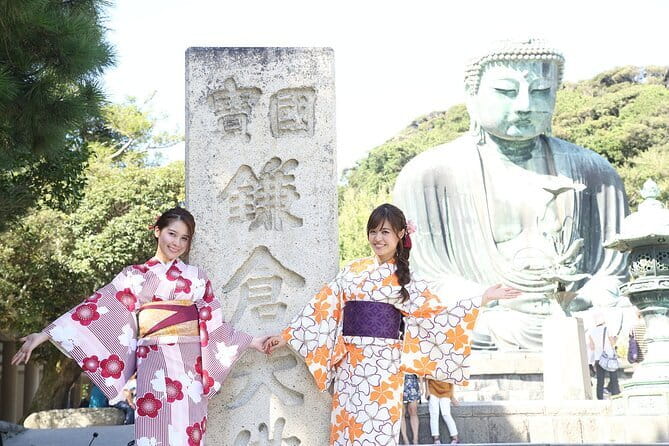
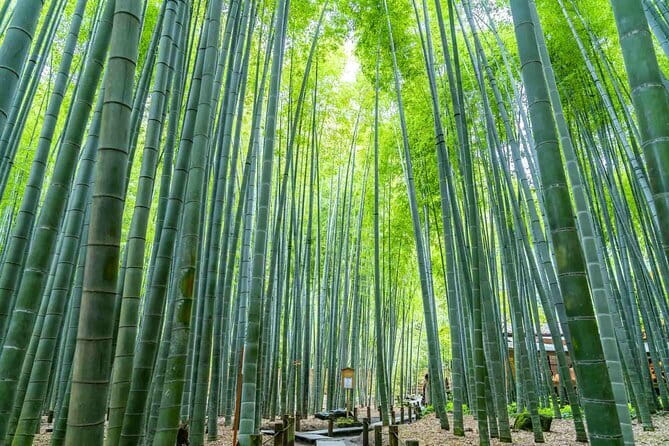
Hokokuji Temple is one of Kamakura’s most appealing stops. Its bamboo grove creates a cool, quiet change of mood after the larger shrine and Buddha site. The scheduled visit is about 30 minutes, and admission is included.
The bamboo garden is not enormous, so do not expect a long forest walk. Its appeal comes from the calm atmosphere, the close-packed bamboo, and the chance to slow down for a moment. You can also purchase green tea at the temple cafe for 500 yen, or about $3, though the tea is optional and not included.
This is a good place to let Ichi adjust the pace. If you are walking, you may want extra time for the garden. If you are cycling, the stop gives you a welcome break from the road.
The only practical caution is that half an hour passes quickly. The tea adds a pleasant ritual, but ordering and drinking it will use part of your visit. Decide in advance if you want the tea experience or prefer to use the time for photographs and quiet viewing.
Riding or walking along Yuigahama Beach
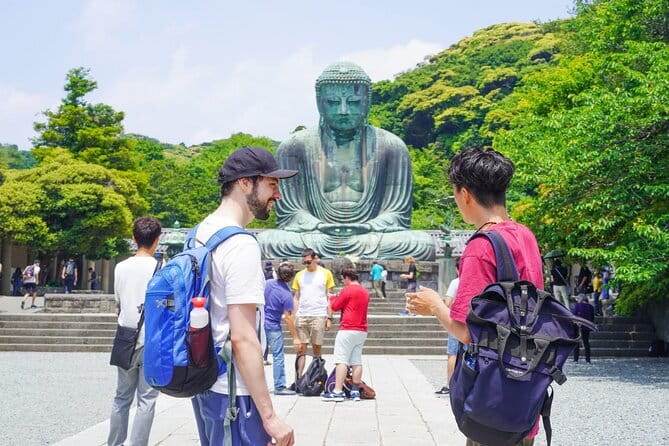
The route includes Yuigahama Beach and its seaside road. This is not presented as a long beach stay. Instead, you ride or walk through the coastal area, taking in the change from temple town to Pacific shore.
The beach adds variety to the tour. Kamakura is often treated as a history destination, but its coastal setting is a major part of the city’s character. A bike makes this section especially practical because you can keep moving along the road without spending too much of the four-hour schedule.
Summer is the busiest season at the beach, so expect more people and a livelier atmosphere then. At other times, the coast may provide a calmer break between temple visits.
Do not book this tour expecting a swim or a beach afternoon. The point is to experience Kamakura’s seaside side as part of the route.
Hasedera and the Kannon statue
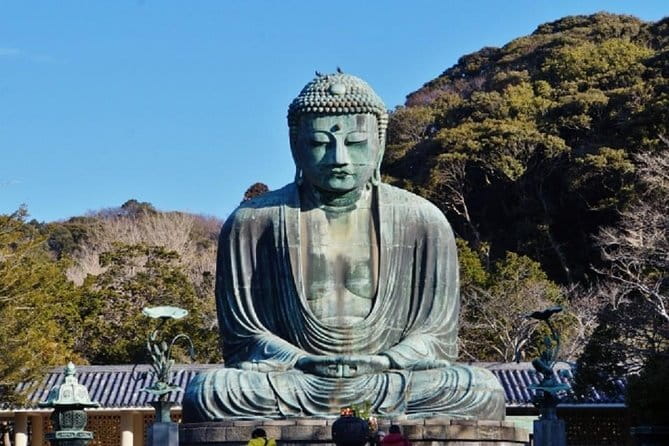
Hasedera Temple, also called Hase Temple, is known for its gardens, coastal views, and large wooden statue of Kannon, the Goddess of Mercy. The tour allows about 20 minutes here.
The temple combines several types of Kamakura scenery in one place. You get religious art, planted grounds, and views toward the coast. The 9.18-meter wooden Kannon statue gives the visit a strong focal point, while the gardens provide a gentler visual counterpoint.
Twenty minutes is enough for an introduction, but it is not generous if you want to explore every corner. If Hasedera is high on your personal list, tell Ichi early. A private tour gives you more room to express your priorities, though the overall route still has to fit inside four hours.
The short timing also means you should wear comfortable shoes, even if you choose the bike option. You will still walk around the temples, and the tour is not simply a ride from gate to gate.
Egara Tenjin Shrine and the final historical layer
Egara Tenjin Shrine is dedicated to Sugawara no Michizane, a deity associated with scholarship and learning. The visit lasts about 10 minutes, with admission included.
This is a small but useful addition to the route because it shows another side of Japanese religious life. The tour is not focused only on war, shoguns, and famous statues. Egara Tenjin brings in education, study, and the tradition of visiting shrines for academic success.
Ten minutes is enough to see the setting and hear the essential story. It is not a stop for a long independent exploration. Its value is in the contrast with Hachimangu and the Buddhist temples.
By the end of the day, the route has introduced you to several strands of Kamakura: military rule, Buddhist devotion, Shinto practice, scholarship, coastal life, and the city’s surviving historic sites.
What the private format is really worth
The listed price is $150.24 per person. That is not a bargain tour, especially for a solo visitor. The value improves for couples, friends, or a small family group because the guide’s time is dedicated only to your party.
You are paying for more than transport between sights. The price includes a professional guide, private touring, and admission to the Great Buddha and Hokokuji Temple. You still pay for your own lunch and optional matcha, and you are responsible for any personal damage caused during the activity.
The private format is most useful if you want to ask questions, adjust the walking or cycling balance, and hear more than a standard audio guide can offer. Ichi’s experience as a rickshaw guide also means he can add local stories and explain customs along the way.
The value is weaker if you are comfortable navigating Kamakura independently and mainly want entrance tickets. Many of the shrines and outdoor areas can be visited without a guide. The tour earns its price through convenience, route planning, personal attention, and interpretation.
Bike practicalities and age limits
The tour is not recommended for children under 13 who cannot ride an adult-sized bicycle. That wording matters. This is not a small-child cycling activity, and the cycling option requires a basic level of confidence.
Several participants specifically praised the use of e-bikes. If an e-bike is available for your booking, it can make the spread-out route more manageable. Still, confirm the cycling arrangements when you book rather than assuming every departure uses the same equipment.
The walking option removes the cycling concern, but you still need to be comfortable spending four hours moving between historic sites. Most people can participate, but the experience involves repeated walking and time on your feet.
Good weather is required. If poor weather forces cancellation, you can receive a full refund or choose another date. You can also cancel for a full refund up to 24 hours before the local start time. Changes or cancellations inside that window are not accepted.
The guide’s strongest qualities
The feedback about Ichi is unusually consistent in a few areas. His English is described as good, and his explanations make difficult Japanese history easier to understand. That is particularly useful in Kamakura, where many places connect to the same political and religious figures.
His former rickshaw work also appears to shape the tour’s personality. He knows how to keep the route moving, where to pause, and how to make room for photographs. The photo service is a real bonus for friends traveling together, since nobody has to be left out of every group picture.
The tour also seems comfortable for mixed backgrounds. It has worked for a Japanese participant touring with an Australian friend, as well as for international visitors seeing Kamakura for the first time. That suggests Ichi can adjust his explanations rather than assuming everyone arrives with the same knowledge.
The best praise focuses on thoughtful planning, humor, detailed stories, and less familiar viewpoints. You should still keep your expectations realistic. Four hours cannot cover every temple in Kamakura, and the tour gives some stops only 10 or 20 minutes.
Who should book this Kamakura tour?
I would choose this tour if you have one half-day in Kamakura and want a guided overview without joining a large group. It is especially suitable for first-time visitors, history fans, couples, and small groups who want photographs and a flexible pace.
It is also a strong option for friends with different interests. One person can ask about samurai politics, another can focus on gardens and architecture, and another can simply enjoy the coast and cycling.
I would think twice if you want a slow temple retreat, a full beach day, or a very cheap sightseeing option. The route is broad rather than leisurely, and the cost reflects private guiding.
If you book, decide ahead of time whether you prefer bikes or walking, and tell Ichi which stops matter most to you. Choose a clear-weather day if possible, wear comfortable shoes, and bring extra money if matcha at Hokokuji appeals to you.
FAQ
How long does the Kamakura bike or walking tour last?
The tour lasts approximately four hours.
Is this a private tour?
Yes. Only your group participates, with a professional guide.
Where does the tour begin?
It begins at Kamakura Station, at 1-chome-1-15 Onarimachi, Kamakura, Kanagawa 248-0012, Japan.
Where does the tour end?
The activity ends back at the meeting point near Kamakura Station.
Can I choose between biking and walking?
Yes. You can choose a bike tour or a walking tour, and the schedule can be adjusted within the tour time to suit your pace and interests.
Are the Great Buddha and Hokokuji Temple admissions included?
Yes. Entrance fees for the Great Buddha and Hokokuji Temple are included.
Is green tea at Hokokuji included?
No. Green tea is optional and costs 500 yen, or about $3.
What happens if bad weather cancels the tour?
You can receive a full refund or choose a different date. The experience requires good weather.
Should you book it?
Book this tour if you want Kamakura explained, not simply photographed. Ichi’s personal guiding, the choice between biking and walking, and the mix of major landmarks with quieter historical stops make it a strong half-day introduction.
The price is the key question. For a private group that values history, photos, and a well-planned route, it is reasonable. For independent visitors seeking the lowest possible cost, it is harder to justify.
My practical choice would be the bike option for a first visit, especially if an e-bike is available. You will see more of Kamakura while still having time to stop at its most important temples, shrines, graves, and coast.
More Historical Tours in Kamakura
- Kamakura: Private History and Heritage Tour by Rickshaw
★ 4.9 · 7 reviews - Historic Kamakura: Temples, Shrines and Street Food Private Walking Tour
★ 5.0 · 6 reviews - Kamakura Historical and Cultural Day Trip with Local Cuisine
★ 5.0 · 4 reviews - Tokyo: Imperial Palace and Shogun Historical Walking Tour
★ 5.0 · 2,251 reviews
More Cycling Tours in Kamakura
- Tokyo Guided Small-Group Biking Tour
★ 5.0 · 1,250 reviews - Tokyo Great Cycling Tour
★ 5.0 · 811 reviews - Tokyo Top Highlights 3h Guided E-bike Tour
★ 5.0 · 714 reviews - 3h Tokyo E-Bike Tour: Hidden Gems, and Local Life with guide
★ 5.0 · 670 reviews
New on our Kamakura list
- 1-Day trip: Kamakura City (Enoshima/Shonan/Beach)★ 4.7 · 3 reviews
- Kamakura Zen: Great Buddha, Nature, Bamboo & Samurai Culture★ 5.0 · 3 reviews
- Kamakura Half Day Walking Tour with Local Experience★ 3.4 · 4 reviews
- Hiking Tour in Enoshima with a Local Guide★ 5.0 · 4 reviews
- Kamakura Tour with Pro Photographer: Anime Train & Fuji Sunset★ 5.0 · 4 reviews
- Kamakura Private Custom Tour★ 5.0 · 4 reviews
- Kamakura Historical and Cultural Day Trip with Local Cuisine★ 5.0 · 4 reviews
- Kamakura Full-Day Private Tour★ 5.0 · 4 reviews
Cycling Tours, compared.
3h Tokyo E-Bike Tour: Hidden Gems, and Local Life with guide
Read our review →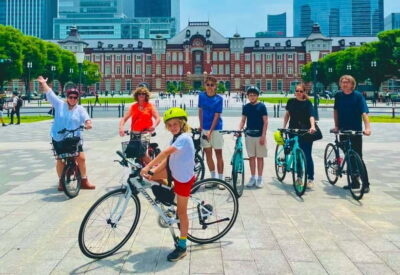
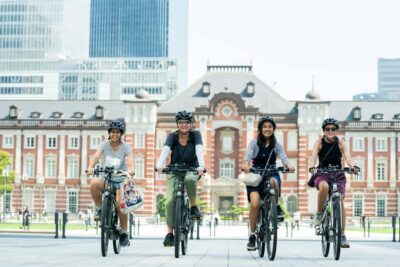
3-hour Guided E-Bike Tour of the City’s Hidden Gems
Read our review →
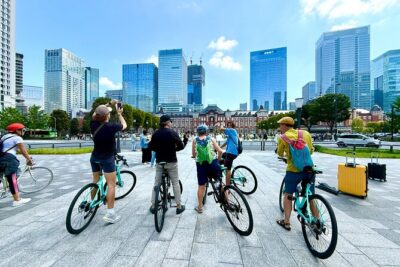
3-Hour Bike/E-Bike Tour of the City’s Highlights
Read our review →Browse the lists this tour appears in