
Reviewed · SUMO EXPERIENCES
Ryogoku: Sumo Town Guided Walking Tour with Lunch
Ryogoku’s real attraction is not only the sumo stadium. It is the whole neighborhood, where stable life, Shinto, Buddhist traditions, old crafts, gardens, and hearty hot-pot cooking come together. This three-and-a-half-hour walking tour gives you the background to understand what you are seeing, even if no tournament is taking place.
I like the small group size, capped at eight, and the chance to ask an expert guide direct questions about wrestler life. I also like the chanko-nabe lunch, a practical dish built around shared eating and good nutrition. The main catch is simple: this tour does not include a sumo bout or training session, and you may only see stables from outside.
In This Review
- Key points to know before you book
- Why Ryogoku is the right place to learn sumo
- Starting outside Ryogoku Station
- Hakkaku-beya and the world of the sumo stable
- Ryogoku Kokugikan and the sport’s public face
- Ryogoku Edo Noren and local culture
- Ekoin Temple and the religious side of sumo
- Kasugano-beya and a second view of stable life
- Chanko-nabe: the meal that fits sumo life
- What the guides add to the walk
- Is $122 a fair price?
- Who should book this Ryogoku experience?
- FAQ
- Does this tour include watching an actual sumo bout?
- Can I watch sumo wrestlers train?
- How long does the tour last?
- Where does the tour meet?
- Where does the tour finish?
- Is lunch included?
- What language is the tour conducted in?
- How large is the group?
- Should you book it?
Key points to know before you book
- Sumo life beyond the ring: Learn how wrestlers train, eat, live, and build careers inside a stable.
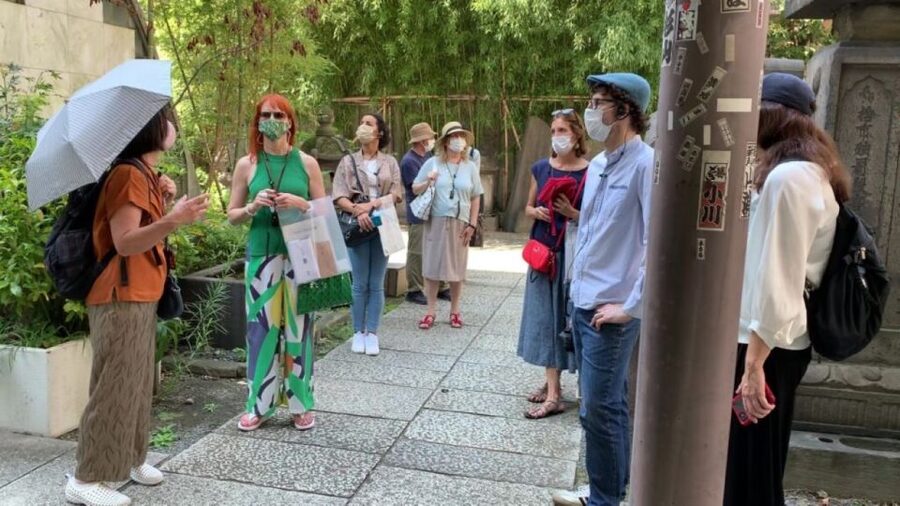
- A proper Ryogoku walk: Visit the Kokugikan area, sumo stables, Edo-era cultural sites, shrines, temples, and local landmarks.
- Chanko-nabe lunch included: Share the hot-pot meal associated with wrestlers, with food served at a Ryogoku restaurant.
- Guides make the difference: Jeff, Taka, Sue, and Yoko have each led highly praised tours, with strong explanations and a friendly manner.
- Small group, steady pace: A maximum of eight people makes it easier to hear the guide and ask questions.
- No match-day promise: You can learn a great deal about sumo without seeing wrestlers compete, but book a tournament ticket separately if live action is your priority.
Why Ryogoku is the right place to learn sumo
Sumo can look mysterious if you only watch the opening ceremony and the brief clash at the center of the ring. Ryogoku gives you a chance to place the sport in its daily setting.
This is Tokyo’s sumo town, home to the Ryogoku Kokugikan and several sumo stables. The tour explains how sumo began and developed over about 1,600 years, while also linking it to Japanese food, Shinto shrines, Buddhist temples, swords, woodblock prints, and gardens.
I like this wider approach. You are not simply being shown a stadium and handed a few facts. You are learning why sumo is tied to ritual, discipline, food, clothing, hierarchy, and community. That context can make a future bout much easier to follow.
The English-speaking guide is the key part of the experience. Guides named Jeff, Taka, Sue, and Yoko have led this route, and the strongest praise centers on their clear explanations, humor, and personal interest in the sport. With only eight people, you should have a better chance to stop and ask about a wrestler’s rank, a stable’s daily routine, or the meaning of a ceremony.
More sumo mornings:
- Tokyo: Sumo Show Experience with Chicken Hot Pot and a Photo
★ 4.8 · 6,678 reviews - Tokyo: Sumo Show and Dining Experience
★ 4.8 · 2,742 reviews - the SUMO show
★ 5.0 · 1,960 reviews
Starting outside Ryogoku Station
The meeting point is outside the Toei Oedo Line Ryogoku Station. This is convenient if you are already visiting the district, but you should allow time to find the correct station exit and meet your guide before the walk begins.
The full experience lasts 210 minutes. That includes the walking route, explanations at the stops, and about one hour for lunch. Wear comfortable shoes. You will cover several short sections on foot, and the tour is not designed for people with mobility impairments.
The route is best understood as a neighborhood walk with a strong theme, not as a formal museum tour. Some stops are viewed from the outside, and the guide supplies the background that turns ordinary-looking streets into part of the sumo world.
Hakkaku-beya and the world of the sumo stable
One early stop is Hakkaku-beya, a sumo stable. The scheduled visit lasts about 15 minutes and is described as an outside viewing rather than an interior tour.
That distinction matters. A stable, or beya, is where wrestlers live and train under the direction of a stablemaster. You can learn how the stable shapes a wrestler’s career, from daily practice to food, rank, and life inside the group.
Do not book this expecting guaranteed access to a practice room. The route lets you see the setting from outside, and the guide explains what happens behind the doors. On some days, you might see wrestlers in the neighborhood, but this is not promised.
One memorable possibility is catching a glimpse of everyday stable life rather than staged entertainment. A previous tour group saw wrestlers walking in a back alley and noticed loincloths airing in the sun after practice. Moments like that are interesting because they show the ordinary side of a sport that can otherwise feel remote.
At other times, wrestlers may be away at a tournament. One tour took place while the sumo wrestlers were in Nagoya, yet the guide still provided plenty of information about stable life. That is the right expectation: the learning is dependable, while sightings are a bonus.
Ryogoku Kokugikan and the sport’s public face
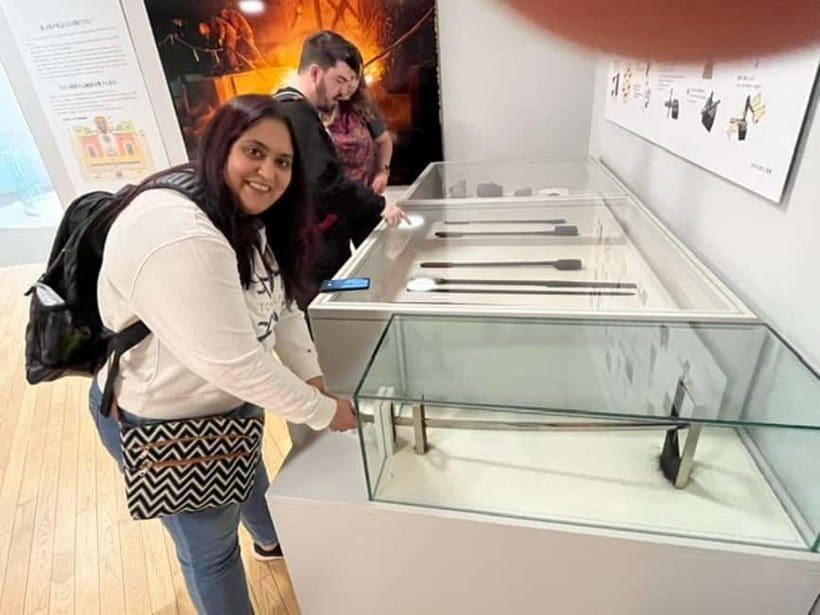
The Ryogoku Kokugikan is the district’s major sumo landmark. The itinerary allows about 30 minutes here for guided sightseeing and walking.
Even without a bout, the arena helps explain how sumo moves from private stable practice to a major public event. Your guide can connect the building to tournament customs, the sport’s long development, and the details that are easy to miss when you watch alone.
This is especially useful if you have never attended a tournament. Sumo has its own terms, rituals, ranks, and rhythms. Knowing some of that structure before you sit down for a match can turn a short contest into a story about strategy, status, training, and career pressure.
The Kokugikan stop is not a substitute for match tickets. The tour specifically excludes actual sumo bouts, so check Japan’s tournament schedule separately if live competition is the main reason you are visiting Ryogoku.
A few more Tokyo bookings worth comparing
- Tokyo: Mt.Fuji & Lake Kawaguchiko 1-Day Bus Tour w/Optional Lunch
★ 4.5 · 839 reviews - Tokyo: Sumo Experience and Chanko Nabe Lunch
★ 4.8 · 257 reviews - Tokyo: Tsukiji Fish Market Tour with 6 Stops & Seafood Lunch
★ 4.5 · 165 reviews - Tokyo: 1 Day Bus Tour with Meiji-Jingu,Odaiba,lunch&Skytree
★ 4.6 · 156 reviews
Ryogoku Edo Noren and local culture
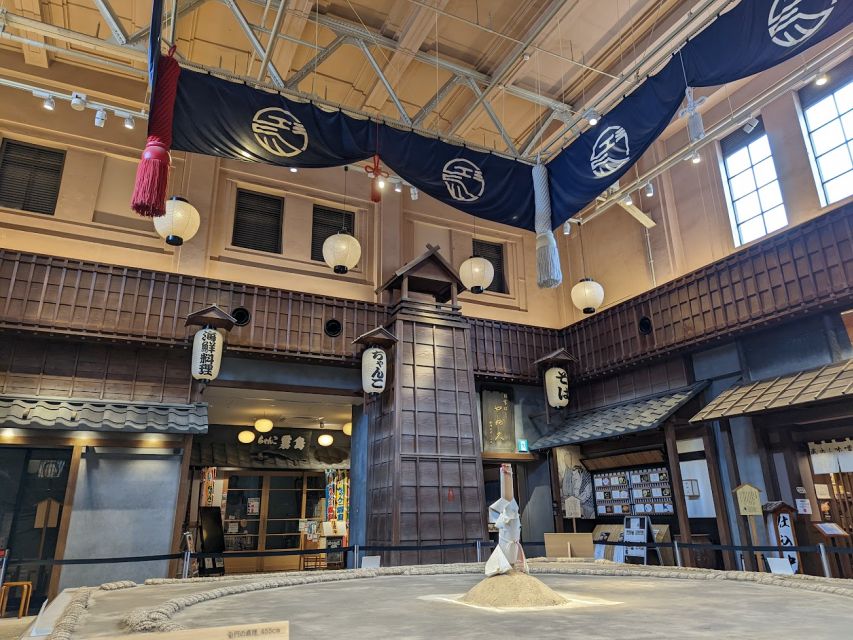
Ryogoku Edo Noren is another 30-minute stop. The route uses it as part of the district’s cultural story, placing sumo alongside food and the older Edo period traditions of Tokyo.
The tour also touches on subjects such as woodblock prints, Japanese gardens, swords, shrines, and temples. That mix helps you see Ryogoku as more than a sports neighborhood. Sumo is the focus, but the route uses it as a doorway into several parts of Japanese culture.
This broad scope is a strength if you want more than a single-topic tour. A guide can explain why a Shinto setting feels different from a Buddhist temple, or how older Japanese customs continue to shape modern public life. You will not get a full museum course on every topic, but you will gain useful signposts for the rest of your time in Tokyo.
The trade-off is that the tour moves through several themes in a limited time. If your interest is only in technical wrestling rules, some of the cultural material may feel like a side trip. If you enjoy connecting food, religion, art, and sport, it adds real value.
Ekoin Temple and the religious side of sumo
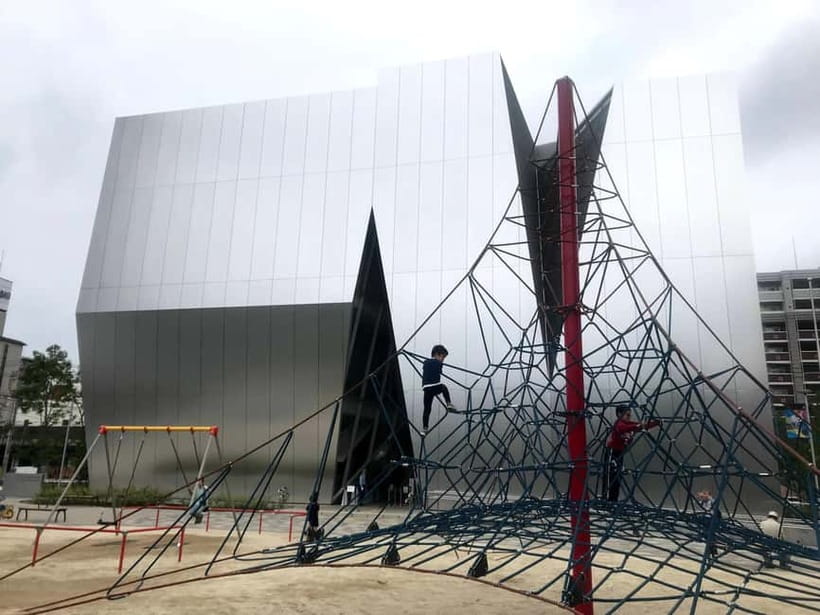
The route includes about 15 minutes at Ekoin, a Buddhist temple. This gives the walking tour a quiet change of pace after the major arena and neighborhood sights.
The temple stop helps place sumo in a wider religious setting. Sumo has strong links to Shinto ritual, but the tour also introduces Buddhist traditions and the different roles these faiths play in Japanese culture.
Short stops like this are best used as listening points. You will not have a long period for independent exploration, but you can ask the guide how religious customs connect to sumo and daily life. That direct conversation is one of the reasons a small group works well.
Kasugano-beya and a second view of stable life
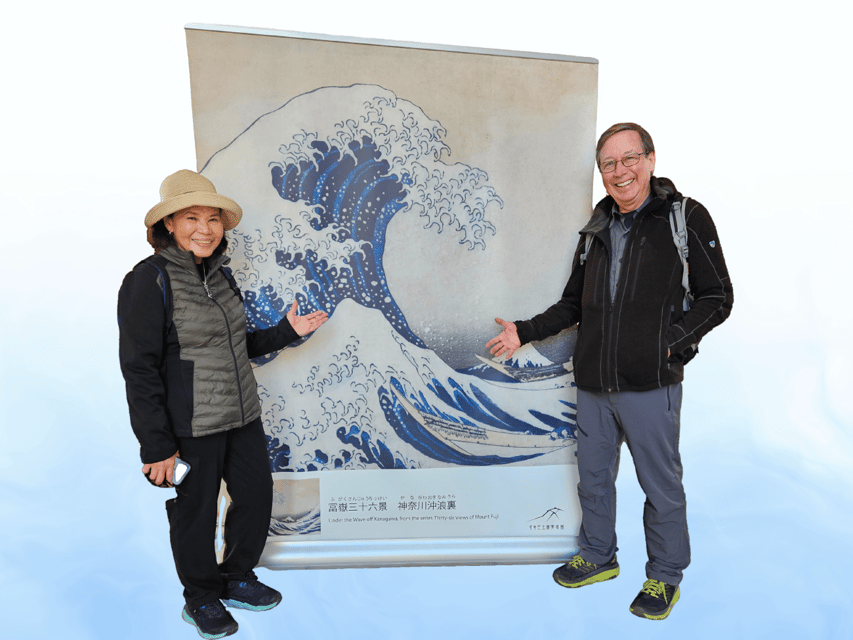
Kasugano-beya provides another chance to learn about the sumo stable system. The scheduled visit lasts about 15 minutes and, like Hakkaku-beya, is an exterior sightseeing stop.
Seeing two stable locations gives you a more grounded picture of the district. You can compare the feel of the streets and understand that sumo is not confined to the Kokugikan. Wrestlers live and train within the neighborhood, and stable buildings are part of the local fabric.
Again, do not count on entering or watching a practice. Training schedules, tournament travel, and stable rules can affect what you see. One advantage of having a strong guide is that the visit still has purpose even when the doors remain closed.
Chanko-nabe: the meal that fits sumo life
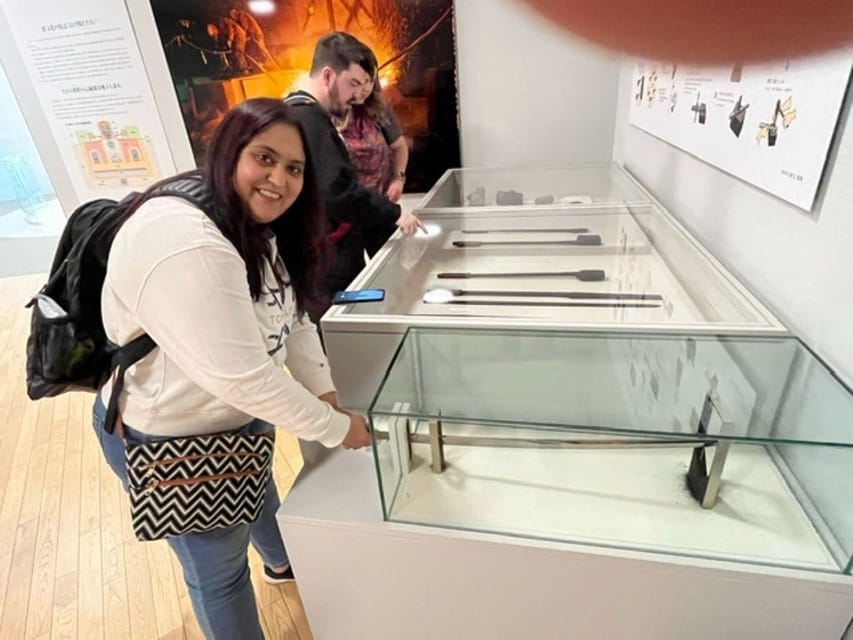
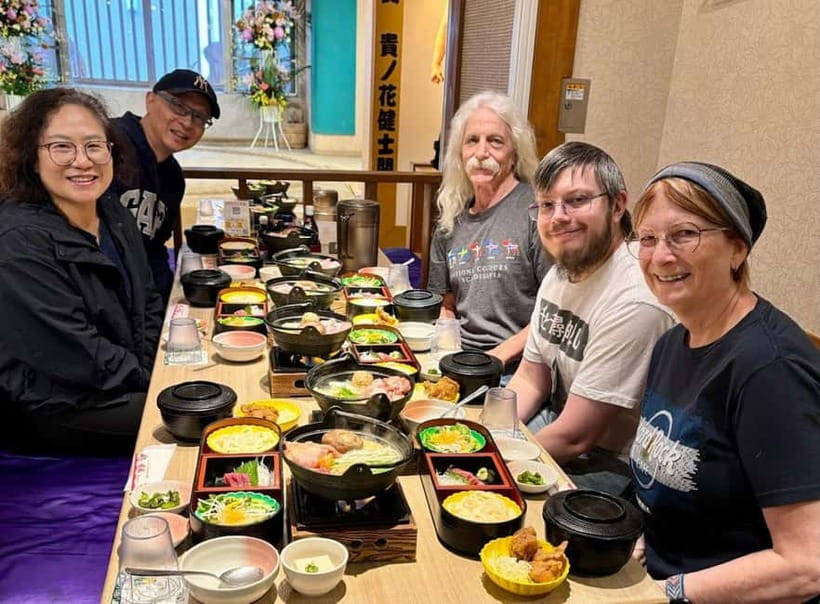
The tour ends with about an hour for lunch at Hana no Mai near the Edo-Tokyo Museum front, described as a seafood pub and chanko-nabe restaurant. The meal is included in the $122 price.
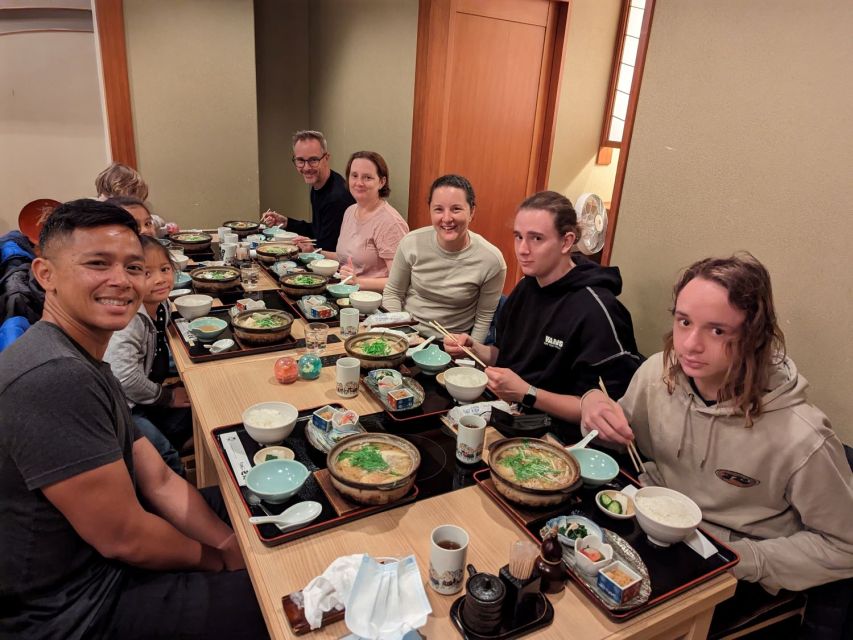
Chanko-nabe is a hot pot associated with sumo wrestlers. It is filling, flexible, and built around a mix of ingredients. The dish makes practical sense for stable life because it can be prepared in one pot, heated during cooking, and shared by the group.
The guide also explains why it became useful to wrestlers. It offers a balanced meal, the cooking process is hygienic, and eating together encourages solidarity and teamwork. The dish is not simply a novelty for tourists. It reflects the practical demands of feeding a group of athletes without professional cooks in the stable kitchen.
I like that the lunch gives the tour a real cultural payoff. You are not just hearing about wrestler food. You are sitting down to eat a version of it in Ryogoku and learning how shared meals fit into the sport.
The lunch does have a possible weakness. One account described several tour groups arriving at the same time, which made the restaurant feel crowded and less personal. The meal itself can still be enjoyable, but do not expect a quiet private dining experience.
Food allergies are another serious consideration. The tour is not suitable for people with food allergies, so ask about the meal before booking if you have dietary concerns.
What the guides add to the walk
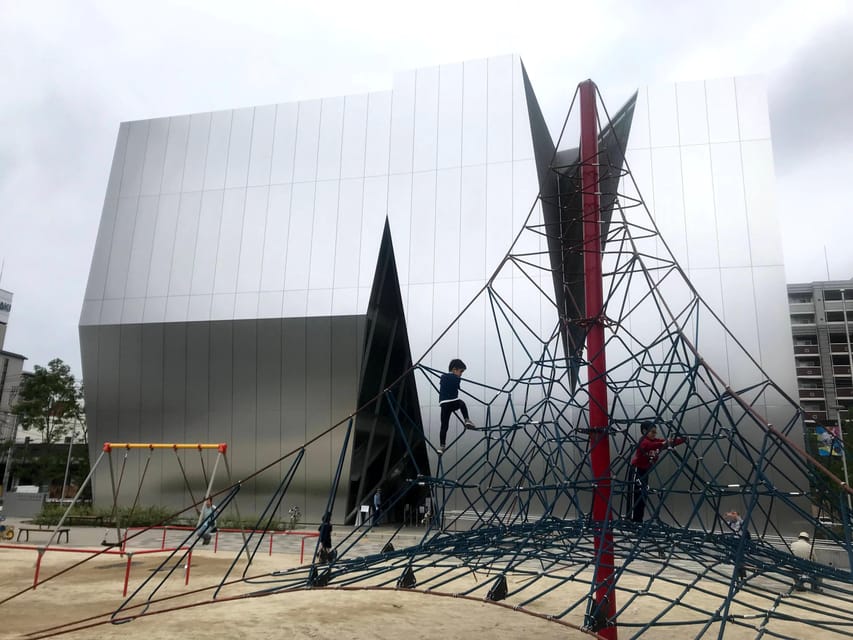
The tour’s strongest feature is the guide’s ability to make connections. Jeff has been praised for his strong sumo expertise and friendly manner. Taka has been described as informative and funny, while Sue has been noted for thoughtful route planning and fascinating details.
Yoko has also led the walk with clear enthusiasm for the sport. On a day with poor weather, she adjusted the plan and still kept the group moving through the scheduled sights and lunch.
These details matter because a neighborhood tour can otherwise become a series of quick photo stops. The guide turns the route into a conversation. You can ask why wrestlers eat as they do, how their careers develop, what happens inside a stable, and how sumo fits into Japanese religious and cultural life.
Guide quality can vary from one departure to the next, but the named guides have received especially strong praise. The overall rating is 4.8 from nine reviews, with most scores at the top level. That is a small sample, so I would treat it as encouraging rather than proof that every departure will be identical.
Is $122 a fair price?
At $122 per person, this is not a cheap neighborhood stroll. You are paying for a three-and-a-half-hour guided experience, an English-speaking specialist, a small group limited to eight, and a full lunch.
The value is strongest if you are new to sumo or want cultural context that would be hard to assemble on your own. A solo walk can take you past the Kokugikan, temples, and stable buildings, but it will not automatically explain how they fit together.
The price is less compelling if you mainly want to see a live bout or a training session. Neither is included, and no wrestler sighting is guaranteed. In that case, reserve tournament tickets separately and think of this tour as preparation rather than the main event.
The included lunch helps justify the cost, though the possibility of a crowded restaurant should be part of your calculation. You are buying an organized cultural walk with a meal, not a private food tour.
Who should book this Ryogoku experience?
I would recommend it to first-time visitors who want a clear introduction to sumo and to anyone who enjoys learning through neighborhoods rather than only through exhibits.
It suits you especially well if:
- You want to understand sumo before attending a tournament.
- You like asking questions during a small-group tour.
- You are interested in Japanese religion, food, art, and history as well as sport.
- You want a local lunch included in a half-day plan.
- You are comfortable walking between several stops.
I would hesitate if you need step-free mobility support, have food allergies, or want guaranteed access to a stable. I would also choose a tournament ticket first if the sight of an actual bout is your top goal.
Book with comfortable shoes and realistic expectations. You might see wrestlers in the neighborhood, but the reliable experience is the guide’s explanation, the Ryogoku sights, and the chanko-nabe meal.
FAQ
Does this tour include watching an actual sumo bout?
No. The tour does not include watching sumo matches. It visits sumo-related landmarks and explains the sport, so you need separate arrangements for a tournament.
Can I watch sumo wrestlers train?
Training sessions are not included in the tour. You see Hakkaku-beya and Kasugano-beya from outside, and you might see wrestlers around the neighborhood, but no training visit is promised.
How long does the tour last?
The tour lasts 210 minutes, or three and a half hours. The itinerary includes walking stops and about one hour for lunch.
Where does the tour meet?
Meet your English-speaking guide outside Ryogoku Station, at the Toei Oedo Line Ryogoku Station area.
Where does the tour finish?
The tour finishes at 2-chome-17-17 Ryogoku, Sumida City, Tokyo 130-0026, Japan.
Is lunch included?
Yes. Lunch at a chanko-nabe restaurant in Ryogoku is included in the tour price.
What language is the tour conducted in?
The tour is conducted in English by a live English-speaking guide.
How large is the group?
The tour is limited to eight participants, making it a small-group experience.
Should you book it?
Book this tour if you want to understand the world around sumo, not just take a picture of the arena. The combination of stable exteriors, the Kokugikan, temples, local culture, expert commentary, and chanko-nabe gives you a useful foundation for watching sumo later.
Skip it if you need a guaranteed bout, training session, or private meal. For everyone else, especially first-time visitors with a free half-day in Tokyo, this is a well-focused way to make Ryogoku and its sumo traditions easier to understand.
More Walking Tours in Tokyo
- Tokyo Tsukiji Fish Market Food and Culture Walking Tour
★ 5.0 · 3,184 reviews - Tokyo: Imperial Palace and Shogun Historical Walking Tour
★ 5.0 · 2,251 reviews - Tokyo: Shinjuku Local Bar and Izakaya Guided Walking Tour
★ 4.9 · 1,794 reviews - Tokyo: Tsukiji Fish Market Food and Walking tour
★ 5.0 · 1,724 reviews
New on our Tokyo list
- Sumi-e Experience in a relaxing green tea shop in Tokyo★ 5.0 · 3 reviews
- Tokyo : Kamikaze Street Drift Ride★ 5.0 · 3 reviews
- Private Zen Meditation in English in Shinjuku, Tokyo★ 5.0 · 3 reviews
- Onsen Spa in Tokyo and Asakusa Bar Hopping with Local Guide★ 5.0 · 3 reviews
- Easy for everyone! Now you can play handmade mini shamisen and show off to everyone! Musical instruments, sweets and live music★ 5.0 · 3 reviews
- Mt Fuji Exploration Tour with Free Japanese Kusa Mochi from Tokyo★ 4.5 · 3 reviews
- Tokyo Tsukiji Fish Market Walking and Exploring Hidden Gems Tour★ 5.0 · 3 reviews
- Tokyo: Private Tsukiji Street Food & Sake with Local Guide★ 5.0 · 3 reviews
Sumo Experiences, compared.
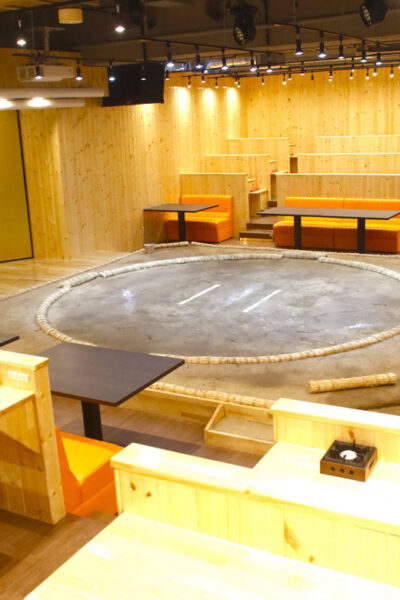
Sumo Show Experience with Chicken Hot Pot and a Photo
Read our review →
Tokyo Shinjuku Sumo Show & Experience with Photo
Read our review →

Authentic Sumo Experience in Tokyo: Enter the Sanctuary
Read our review →
Luxury Sumo Show Experience & Japanese cuisine & Drink
Read our review →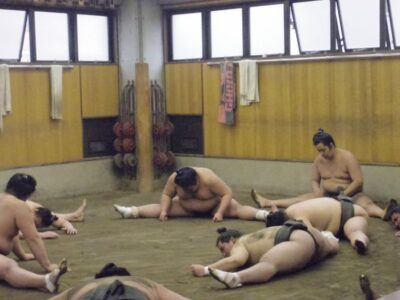
Browse the lists this tour appears in