
Reviewed · SAKE & WHISKY TASTINGS
Sake Pairing Workshop with Japanese Food in Shinjuku
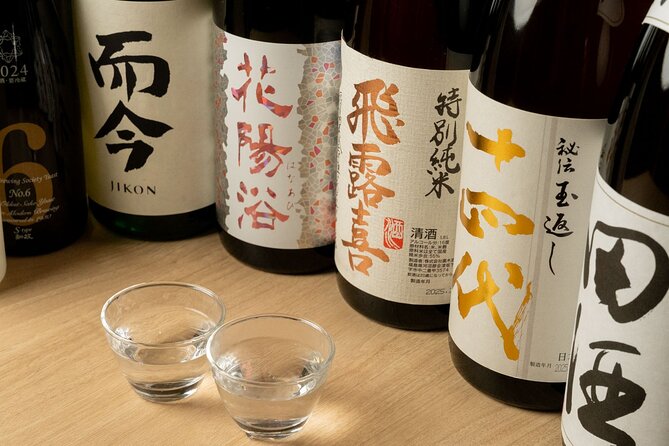
The best part of this Shinjuku workshop is that you do not simply sip sake and nod politely. You learn why a crisp pour works with chicken nanban, how warmth changes rice-based flavors, and why creamy nigori can suit sea urchin croquettes. The meal gives the tasting a clear purpose.
I like the small group of up to 12, which should make questions easier, and I like the unusual food lineup. Chicken nanban, miso butter dishes, sea urchin croquettes, and fried vanilla taiyaki give you more to talk about than a plate of generic snacks. The main consideration is that the all-you-can-drink format may feel rushed during a two-hour session if you try too many of the 20 sakes.
In This Review
- Key points at a glance
- Why the Shinjuku setting works for a sake lesson
- Starting with kanpai and sake basics
- Chicken nanban meets crisp sake
- Miso butter dishes and fuller flavors
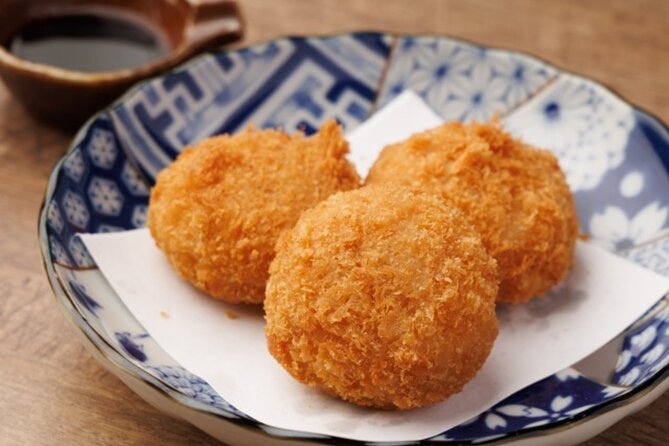
- Nigori and sea urchin cream croquettes
- Fried vanilla taiyaki for the sweet finish
- Twenty sakes, plus beer and highballs
- What the $73.17 price really includes
- Who will get the most from this workshop
- Booking, weather, and cancellation details
- Should you book the Shinjuku sake workshop?
- FAQ
- Where does the sake workshop begin?
- Where does the activity end?
- How long does the experience last?
- How much does the experience cost?
- How many people can join the workshop?
- Is the workshop available in English?
- What food is included?
- How many sakes are included?
- Are other drinks available?
- Can I cancel for a full refund?
Key points at a glance
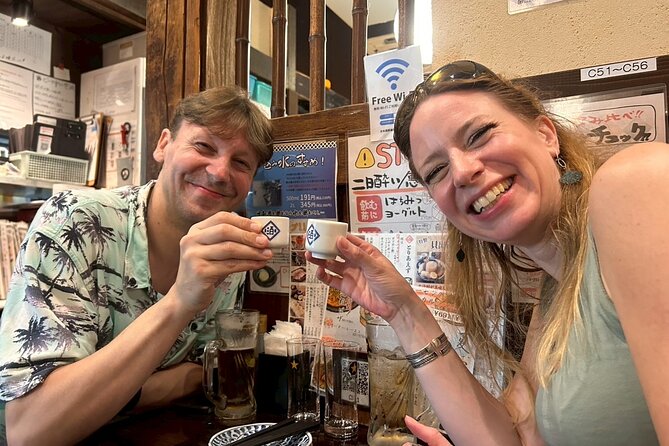
- A four-sake food pairing flight: Taste selected pours with chicken nanban, miso butter dishes, sea urchin croquettes, and fried vanilla taiyaki.
- Twenty sakes after the guided tasting: Continue exploring at your own pace, with beer, highballs, and soft drinks also available.
- Temperature is part of the lesson: Learn how serving sake warm or cold can change its aroma and flavor.
- A bilingual guide leads the session: Anika is named as one guide, and the workshop includes practical explanations of sake varieties and Japanese labels.
- A complete two-hour meal and lesson: The price includes the course dinner and drink plan, not just a short tasting.
- Easy Shinjuku meeting point: The activity begins and ends near H&M at 3-chōme-5-4 Shinjuku, with mobile ticket entry.
Why the Shinjuku setting works for a sake lesson
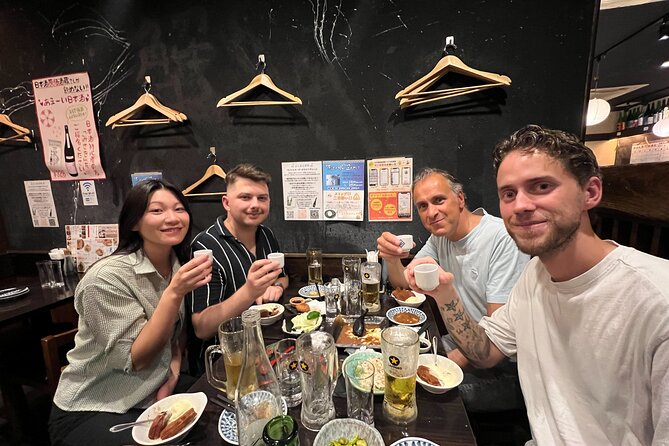
Shinjuku is a useful place for an evening food experience because it puts you in the middle of Tokyo’s dining culture. This workshop starts at H&M, 3-chōme-5-4 Shinjuku, and returns to the same meeting point, so you do not need to arrange a second pickup or figure out a new ending point afterward.
The location is near public transportation, which matters in Tokyo. You can build this into a day of sightseeing without committing to a long trip across the city. The meeting point is a retail landmark rather than a more obscure street address, but you should still allow time to get there. Shinjuku can be confusing, especially if you exit at the wrong side of the station.
The experience lasts about two hours. That is long enough for a proper meal and guided tasting, but short enough to fit before or after another plan. I would treat it as a focused food activity, not a full-night pub crawl. The group limit of 12 helps keep the session personal, though the exact pace will depend on how much the group asks and how many extra pours you try.
More sake and whisky sessions:
- Ramen and Sushi Cooking Class with Sake Pairing Set in Tokyo
★ 5.0 · 291 reviews - Sake Tasting Masterclass in Shinjuku (8+ Varieties with a Pro)
★ 5.0 · 271 reviews - Sake Omakase in Tokyo: Guided Tasting by Certified Sommeliers
★ 5.0 · 239 reviews
Starting with kanpai and sake basics
The lesson begins with the foundations. You learn basic kanpai etiquette, then move into the building blocks of tasting: aroma, flavor, texture, and temperature. This is helpful if sake menus usually look like a wall of unfamiliar Japanese names.
The temperature lesson is especially practical. Many people think of sake as one fixed drink, but serving it warm or cold can alter what you notice. A warmer pour may show different aromas and a softer or fuller impression, while a chilled pour can feel cleaner and more direct. The workshop uses that contrast to show you how the same broad category of drink can behave differently.
I like this teaching approach because it gives you a tool for later meals. Instead of memorizing one brand, you learn to pay attention to how sake is served and what it does with food. The guide also explains how to read Japanese labels, a small skill that can make future restaurant visits less intimidating.
The bilingual format is another practical advantage. Anika is specifically named as a guide, and her role includes explaining sake varieties, history, and food matches in clear English. A single excellent guide can make a tasting feel relaxed rather than like a lecture, and the available feedback highlights Anika’s friendly manner as a strong part of the experience.
Chicken nanban meets crisp sake
The first food match centers on chicken nanban. This Japanese dish is known for fried chicken with a tangy sauce and a creamy element, so it gives the sake a strong set of flavors to work against.
Here, the lesson focuses on pairing a crisp sake with the chicken. The point is not simply that one drink tastes good with one dish. You are encouraged to notice how acidity and freshness can cut through fried food and tangy sauce, helping each bite feel less heavy.
This is the kind of pairing explanation I find most useful. You do not need a trained palate to understand the basic idea. Take a bite, take a sip, and compare the balance. If the sake refreshes your mouth and keeps the sauce from taking over, you have learned something you can apply to other meals.
Chicken nanban also gives the workshop a familiar entry point. Even if you are new to sake, fried chicken is easy to understand. The pairing becomes a lesson you can feel rather than a list of technical terms.
Miso butter dishes and fuller flavors
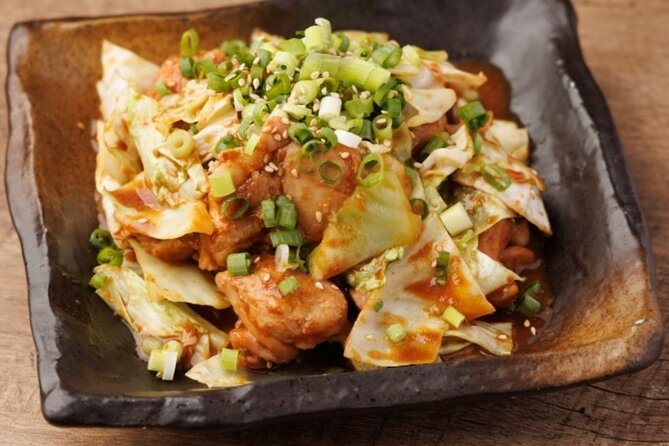
The next match shifts toward miso butter dishes and fuller sake. Miso brings salt and fermented depth, while butter adds a smooth, heavy note. The workshop uses a more substantial brew to show how a drink with greater body can hold its own beside food with strong flavor.
This section is useful because it moves beyond the idea that sake is always delicate. Some sake is light and clean, but other styles can feel rounded, sweet, dry, bold, or creamy. Food pairing makes those differences easier to notice.
I would take your time here instead of treating the meal as a race. Smell the sake before sipping it. Try it alone, then with the miso butter dish. The meal is doing real work as part of the instruction, so paying attention will give you more value than simply ordering another glass.
More Shinjuku nights and walks:
- Tokyo: Shinjuku Food Tour (13 Dishes at 4 Local Eateries)
★ 5.0 · 6,603 reviews - Tokyo Bar Hopping Tour in Shinjuku (All-You-Can-Drink + Dinner)
★ 5.0 · 3,587 reviews - Tokyo: Shinjuku Food Tour (15 Dishes and 4 Eateries)
★ 4.9 · 2,033 reviews - Best of Shinjuku: Izakaya Food Tour (4 Stops, 14+ Tastings)
★ 5.0 · 1,863 reviews
Nigori and sea urchin cream croquettes
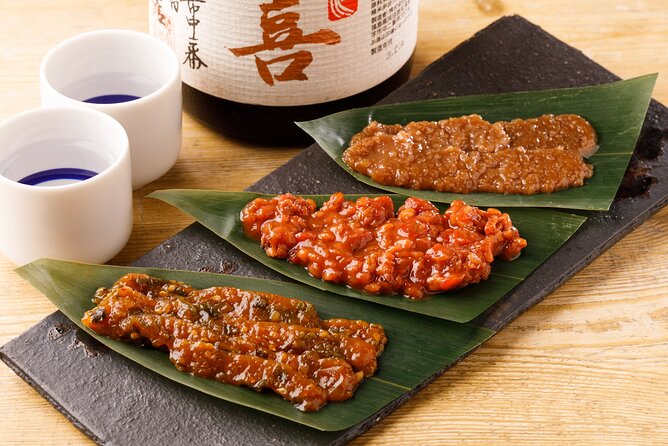
The most unusual match is the sea urchin cream croquette with soft nigori sake. Nigori is a cloudy style that retains some rice solids, giving it a softer, thicker appearance and texture than a clear sake.
Sea urchin can be a strong choice for a class because it has a distinctive ocean flavor and creamy character. Paired with a creamy croquette, it creates a rich mouthfeel that the nigori is meant to match rather than fight.
This is likely to be the most personal part of the meal. If you already enjoy sea urchin, the croquette gives you a memorable match. If you are unsure about it, the format still lets you learn how texture and flavor affect a pairing, but this is not the safest dish for a very cautious eater.
The session allocates about 30 minutes to the creamy and sweet portion of the meal. That gives you time to compare the nigori with the croquette instead of swallowing both in a hurry. You may also find that the cloudy sake is easier to enjoy with food than on its own.
Fried vanilla taiyaki for the sweet finish
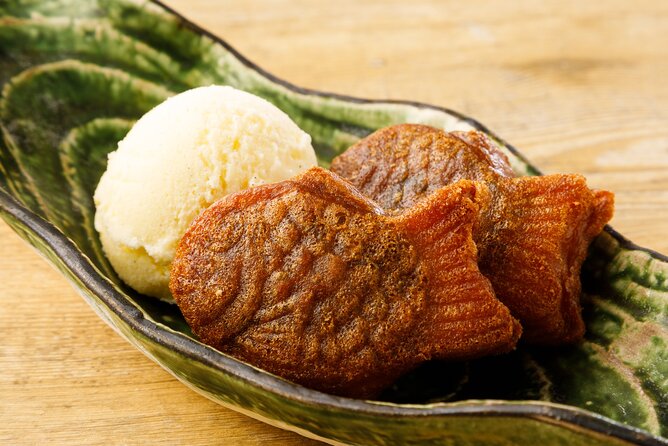
The final pairing changes direction again. You finish with fried vanilla taiyaki, a crisp pastry shaped like the familiar fish-shaped Japanese snack, matched with a sweet sake.
This course shows that sake is not limited to savory dishes. A sweet sake can work with vanilla and fried pastry in much the same way that a dessert wine might complement a sweet course. The crisp outside of the taiyaki also adds a texture contrast to the earlier creamy dishes.
I like ending with this pairing because it gives the meal a clear finish. You begin with basic tasting skills, work through savory and creamy flavors, and close with dessert. It also helps you remember that sake menus can include styles suited to different parts of a meal.
Still, do not expect every sake to suit every palate. Sweet sake can be a welcome change after savory courses, but if you prefer dry drinks, this may be the least appealing pour of the guided flight.
Twenty sakes, plus beer and highballs
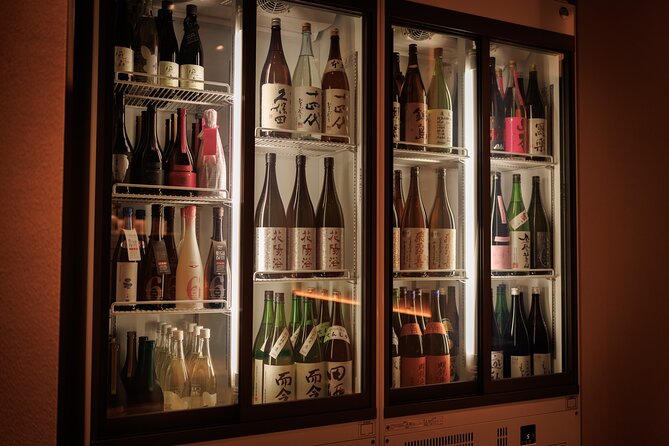
The four guided pairings are only the start. The included drink plan gives you access to 20 sakes, along with beer, highballs, and soft drinks. That is a generous inclusion for a two-hour experience, especially because the guide helps you understand what you are tasting rather than leaving you alone with a long list.
The value depends on how you use it. If you sample several sake styles and keep notes, the extra access turns the evening into a useful introduction to Japanese drinking culture. If you drink quickly without comparing aroma, temperature, or food matches, you may remember the quantity more than the lesson.
I suggest pacing yourself. Start with the four sake pairings, then choose only a few additional pours. Ask about labels, serving temperatures, and differences between styles. The point is not to prove you can reach all 20 options. It is to find two or three kinds you would recognize and order again.
Beer and highballs are useful for mixed groups. Someone who does not enjoy sake is not limited to soft drinks, while soft drinks give non-drinkers a clear alternative. This makes the workshop easier to recommend to couples or friends with different tastes.
What the $73.17 price really includes
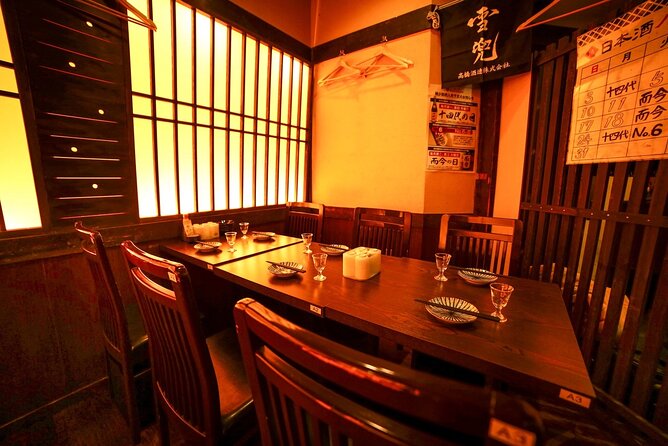
At $73.17 per person, this is not a cheap drink stop, but it is more than a standard tasting. The price includes a course dinner, a four-sake flight, and the all-you-can-drink plan with 20 sakes, beer, highballs, and soft drinks.
The dinner matters. Four tasting pours alone might not justify the cost for every visitor, but the food adds substance and turns the activity into a full two-hour outing. You are paying for instruction, a meal, a bilingual guide, and the chance to compare many drinks in one place.
I would compare it with the cost of ordering several sake flights and separate dishes at a Tokyo restaurant. You may spend less by ordering one or two drinks on your own, but you would lose the guided explanations and the deliberate matches. On the other hand, if you mainly want a quiet meal or already know sake well, the teaching and tasting range may not be worth the added price.
The best value goes to a first-time sake drinker, a food-focused visitor, or anyone who wants an organized introduction without planning several restaurants. Booking 31 days ahead on average suggests you should not leave it until the last day if your schedule is fixed.
Who will get the most from this workshop
I would recommend this experience to you if you want a social, structured way to learn about sake. The small maximum group gives you a better chance to ask questions than a large bus tour, and the meal keeps the tasting grounded in real Japanese food.
It also suits people who like trying dishes outside their usual comfort zone. Sea urchin cream croquettes and fried vanilla taiyaki are more distinctive than the usual edamame and crackers. You should be open to strong flavors and creamy textures, even though the menu also includes approachable chicken nanban.
This is less suitable if you dislike drinking, need a very quiet setting, or want a long evening with no set sequence. The workshop has a planned progression, and the all-you-can-drink option may encourage some people to focus on volume. Visitors with serious food allergies should also confirm details before booking, since the provided information does not list ingredients or substitutions.
Most travelers can participate, and the activity is near public transportation. The mobile ticket is convenient, and the return to the meeting point keeps the logistics simple.
Booking, weather, and cancellation details
You receive confirmation at booking, and the activity uses a mobile ticket. Free cancellation is available until 24 hours before the start time for a full refund. Inside that 24-hour window, cancellations and changes are not accepted and the payment is not refunded.
The experience requires good weather. If poor weather causes a cancellation, you are offered another date or a full refund. The same applies if the minimum number of participants is not met, with the option of another date or experience, or a full refund.
That weather condition is worth noting because this is primarily an indoor food workshop, yet the stated policy still applies. Keep an eye on messages from the operator as your date approaches.
Should you book the Shinjuku sake workshop?
Book it if you want more than a sake sample. The combination of a bilingual guide, four food matches, a course dinner, and access to 20 sakes gives you a useful first look at how Japanese drinks work with Japanese food.
I especially like it for first-time visitors who want a clear introduction without spending a week decoding restaurant menus. Anika’s friendly guidance, the small group size, and the chance to learn Japanese labels add practical value that you can carry into the rest of your trip.
Skip it if you already know your preferred sake styles and would rather choose your own izakaya dishes at your own pace. At $73.17, the cost makes the most sense when you use the instruction and tasting range. Arrive ready to compare, ask questions, and pace yourself, and this can be one of the more useful food stops in Shinjuku.
FAQ
Where does the sake workshop begin?
It begins at H&M, 3-chōme-5-4 Shinjuku, Shinjuku City, Tokyo 160-0022, Japan.
Where does the activity end?
The activity ends back at the meeting point.
How long does the experience last?
The workshop lasts approximately two hours.
How much does the experience cost?
The listed price is $73.17 per person.
How many people can join the workshop?
The maximum group size is 12 travelers.
Is the workshop available in English?
A bilingual expert leads the workshop. Anika is named as one of the guides.
What food is included?
The course includes chicken nanban, miso butter dishes, sea urchin cream croquettes, fried vanilla taiyaki, and other listed course items.
How many sakes are included?
The experience includes a guided flight of four sakes and access to an all-you-can-drink selection of 20 sakes.
Are other drinks available?
Yes. The all-you-can-drink plan also includes beer, highballs, and soft drinks.
Can I cancel for a full refund?
Yes, if you cancel at least 24 hours before the experience start time. Cancellations within 24 hours are not refunded.
More Workshops in Tokyo
- Sushi Making Tokyo Roll and Authentic Japanese Sushi Class
★ 5.0 · 3,971 reviews - Tokyo: Roll and Authentic Sushi Making Class in Asakusa
★ 4.9 · 1,957 reviews - Tokyo Shinjuku Chopsticks Making Class
★ 5.0 · 1,763 reviews - Tokyo: Sushi Making Class in a Happi Coat near a Famous Spot
★ 4.9 · 1,377 reviews
More Drinking Tours in Tokyo
- Tokyo: Shinjuku Local Bar and Izakaya Guided Walking Tour
★ 4.9 · 1,794 reviews - Shibuya Meltdown Nightlife Tour: All-You-Can-Drink Bar Hopping
★ 5.0 · 1,058 reviews - Tokyo: Pub Crawl and Bar Tour
★ 4.5 · 951 reviews - Tokyo: Shinjuku Local Bar & Izakaya Crawl Tour
★ 5.0 · 890 reviews
New on our Tokyo list
- Sumi-e Experience in a relaxing green tea shop in Tokyo★ 5.0 · 3 reviews
- Tokyo : Kamikaze Street Drift Ride★ 5.0 · 3 reviews
- Private Zen Meditation in English in Shinjuku, Tokyo★ 5.0 · 3 reviews
- Onsen Spa in Tokyo and Asakusa Bar Hopping with Local Guide★ 5.0 · 3 reviews
- Easy for everyone! Now you can play handmade mini shamisen and show off to everyone! Musical instruments, sweets and live music★ 5.0 · 3 reviews
- Tokyo: Private Tsukiji Street Food & Sake with Local Guide★ 5.0 · 3 reviews
- Mt Fuji Exploration Tour with Free Japanese Kusa Mochi from Tokyo★ 4.5 · 3 reviews
- Tokyo Tsukiji Fish Market Walking and Exploring Hidden Gems Tour★ 5.0 · 3 reviews
Sake & Whisky Tastings, compared.
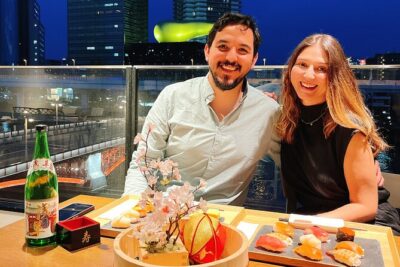
Ramen and Sushi Cooking Class with Sake Pairing Set in Tokyo
Read our review →
Sake Tasting Masterclass in Shinjuku (8+ Varieties with a Pro)
Read our review →
Sake Omakase in Tokyo: Guided Tasting by Certified Sommeliers
Read our review →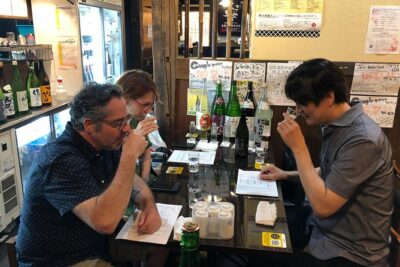
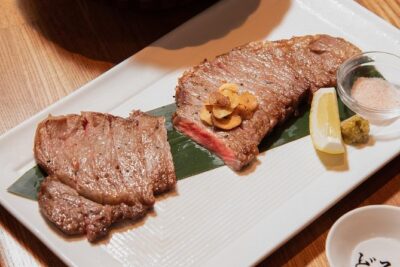
Wagyu & Sake Pairing in Shinjuku – Steak, Shabu-Shabu & More
Read our review →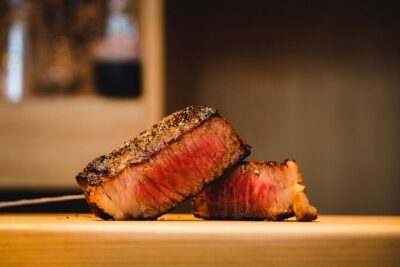
Tokyo Wagyu & Sake Pairing Tasting Experience with Local Flavors
Read our review →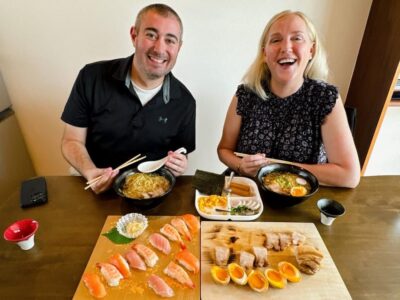
Sushi and Ramen Cooking Class with Sake Pairing Set
Read our review →
Tsukiji: Outer Market Walking Tour & Sake Tasting Experience
Read our review →Browse the lists this tour appears in