
Reviewed · TEMPLE & SHRINE TOURS
Tokyo Early Morning Tour Asakusa Meiji Shrine (Private Opt)
Tokyo is at its best before the crowds arrive, and this early morning route makes good use of that quiet window. In about five hours, you move from Sensoji Temple and Tsukiji’s food stalls to the forest paths of Meiji Jingu and the Hachiko Statue in Shibuya.
I like two things here: the route covers four very different sides of Tokyo, and an English-speaking guide can explain temple customs, local stories, and train travel as you go. The main catch is that transportation costs about 600 yen extra, and four stops in five hours leave little room for lingering.
- Sensoji before the crowds: Begin in Asakusa at Tokyo’s oldest and best-known Buddhist temple.
- Tsukiji food time: Visit the lively outer market, where the seafood trade continues after the wholesale market moved to Toyosu.
- Meiji Jingu’s quiet forest: Trade city noise for a peaceful Shinto shrine and broad wooded paths.
- A practical Tokyo lesson: Guides such as Hana Tanaka have helped families learn how to use the trains.
- A small group finish: End at the Hachiko Statue, just outside Shibuya Station, after seeing the famous crossing.
- Flexible booking choices: Select a small-group or private option, with a self-guided choice also presented in the tour details.
In This Review
- Four Tokyo icons before the heat sets in
- Starting at Asakusa and Sensoji Temple
- Tsukiji Outer Market and the case for arriving hungry
- Meiji Jingu, where Tokyo gets quiet
- Shibuya Crossing and the Hachiko finish
- What guides Hana and Kouta add
- Timing, transport, and the physical side
- Who gets the best value from this tour
- Booking details and cancellation
- Should you book the Tokyo early morning tour?
- FAQ
- How long does the Tokyo early morning tour last?
- Which places does the tour visit?
- Is transportation included?
- Is food included?
- What is the group size?
- Where does the tour start?
Four Tokyo icons before the heat sets in
This is a smart first-day introduction to Tokyo. You get a Buddhist temple, a food market, a Shinto shrine, and one of the world’s best-known street crossings, all linked in one morning and early afternoon.
The timing is the key. Asakusa, Tsukiji, and Shibuya can feel packed later in the day. Starting early gives you a better chance to see Sensoji without the thickest pedestrian traffic, and it keeps the walking more comfortable before Tokyo gets hotter.
You should think of this as a guided orientation, not a slow, deeply focused visit to each site. The schedule gives you about one hour in Asakusa, one hour at Tsukiji, 90 minutes at Meiji Jingu, and 30 minutes in Shibuya. That is enough to see the main points and ask questions, but not enough to shop at length, eat a full market meal, or explore every shrine path.
The tour costs $59.46 per person. That is a fair price if you want a local guide, help with the route, and a compact introduction to major sights. It is less compelling if you are comfortable navigating Tokyo alone and want to spend half a day at just one or two places. Add roughly 600 yen for transportation, plus your own food and drinks.
Starting at Asakusa and Sensoji Temple
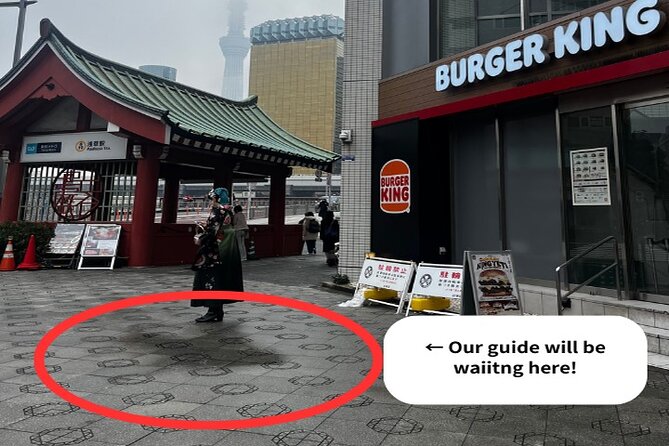
The meeting point is Burger King Asakusa Azumabashi, at 2-chome 20-6 Kaminarimon, Taito City, Tokyo 111-0034. From there, the first stop is Asakusa, a district where old Tokyo remains easy to see among the modern streets.
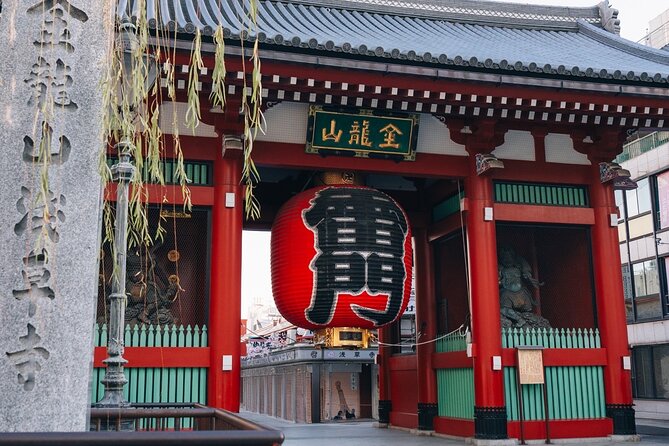
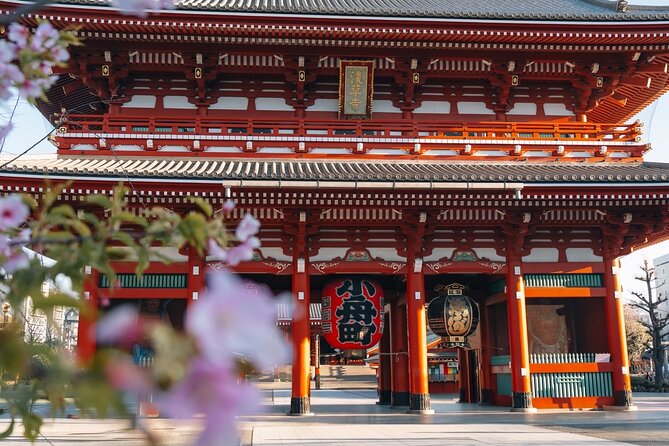
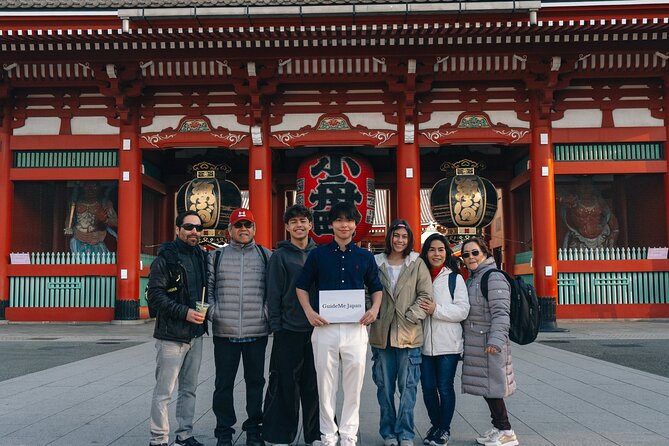
Sensoji is the star. This is Tokyo’s oldest and most famous Buddhist temple, and its large entrance, temple grounds, and nearby Nakamise Shopping Street give you an immediate sense of the city’s religious and commercial life.
You can expect the guide to explain the setting and the customs rather than simply point out buildings. That matters at a temple, where a few basic details can help you understand what you are seeing and how to behave respectfully. The tour information specifically allows about an hour here, so you should have time for the main temple area and a short look along Nakamise.
I like beginning here because Asakusa gives you context quickly. It feels different from the glass towers and neon often associated with Tokyo, yet it is not cut off from modern city life. You see tradition, shopping, food, and commuters sharing the same compact district.
The limitation is simple: one hour goes fast. If you want souvenirs, sweets, temple photography, or a quiet look at every corner, you may want to return on your own later. For a first pass, though, this is an efficient opening stop.
More temples and shrines near Tokyo:
- Tokyo: Meiji Shrine, Asakusa, Skytree Bus Tour and Cruise
★ 4.7 · 1,986 reviews - Tokyo: Asakusa Walking Tour with Sensoji Temple Visit
★ 4.8 · 1,583 reviews - Nikko: Kegon Falls, Lake Chuzenji & Toshogu Temple
★ 4.6 · 1,577 reviews
Tsukiji Outer Market and the case for arriving hungry
Next comes Tsukiji Fish Market, another strong reason to choose an early start. The former inner wholesale market moved to Toyosu, but the outer market remains a major stop for food lovers, with small businesses selling seafood and other market fare.
Do not arrive expecting the old wholesale auction experience. That part of the market is no longer here. Instead, you get an active outer-market district where food remains the focus. The tour allows about an hour, and that is enough to look around and buy something if you move with purpose.
Food and drinks are not included, so budget separately for anything you eat. This is one place where a guide can add real value. Hana Tanaka has been praised for giving practical tips about what to try at the market, which can help you make a quick choice instead of wandering past every stall.
You may wish you had more time. One hour is tight if you want to browse, compare foods, and sit down for a proper meal. Still, the short visit works well for a first taste, especially if you plan to return to Tsukiji independently.
The market also breaks up the temple visits nicely. After the calm formality of Sensoji, Tsukiji gives you a more hands-on look at Tokyo’s food culture. I would schedule this tour on a morning when you are ready to eat, not after a large hotel breakfast.
Meiji Jingu, where Tokyo gets quiet
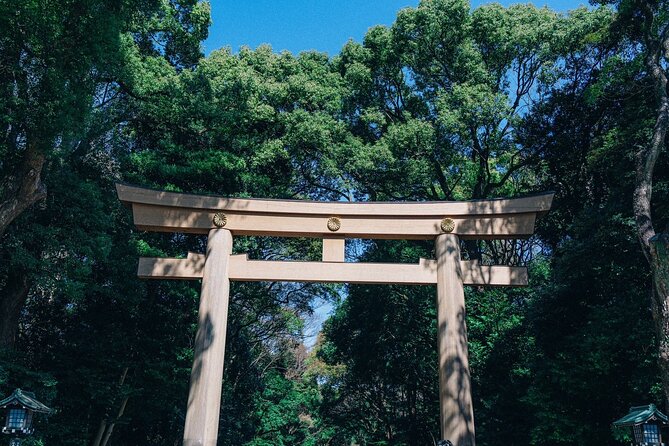
The longest stop is Meiji Jingu, with about 90 minutes set aside. This Shinto shrine sits in a wooded area in central Tokyo, creating a sharp change of mood after Tsukiji and the train ride across the city.
Meiji Jingu is dedicated to Emperor Meiji and Empress Shoken. The forested approach and shrine grounds offer a peaceful break from traffic, signs, and crowds. You will have more time here than at any other stop, which is useful because the setting is as important as the shrine buildings themselves.
A guide can explain the difference between the Buddhist setting at Sensoji and the Shinto traditions at Meiji Jingu. That comparison gives the morning a useful thread. You are not just collecting famous locations. You are seeing two major religious traditions in places that feel quite different.
The walk may require a moderate level of physical fitness. You will be on your feet for most of the tour, and the route includes movement between sights and public transportation. Wear comfortable shoes and avoid treating this like a bus tour where you sit between every stop.
Meiji Jingu is also the stop most likely to reward a slower pace. The 90-minute allowance is still planned time, not unlimited free exploration, but it gives you a better chance to pause and take in the setting. If your main goal is shopping or city views, this may be less exciting than Shibuya. If you want a calm place in the middle of a major city, it is likely to be your favorite stop.
Shibuya Crossing and the Hachiko finish
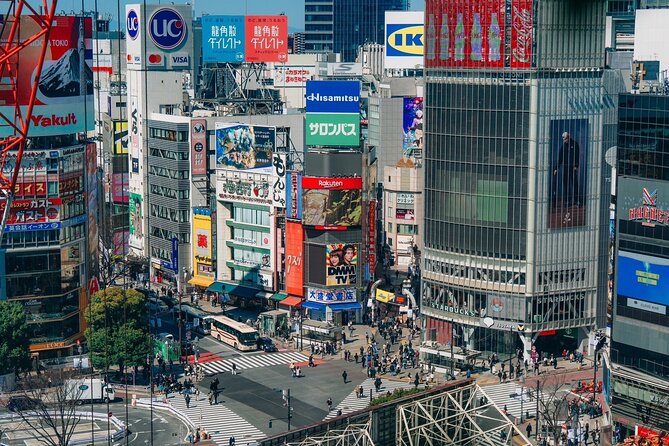
The final stop is Shibuya Crossing, with about 30 minutes allowed. This famous pedestrian scramble sits outside Shibuya Station, where people cross from several directions at once.
Half an hour is enough to see the crossing, take photos, and absorb the scale of the surrounding streets. It is not enough for a full Shibuya shopping session, so adjust your expectations. The tour is designed to show you the landmark, not cover the whole district.
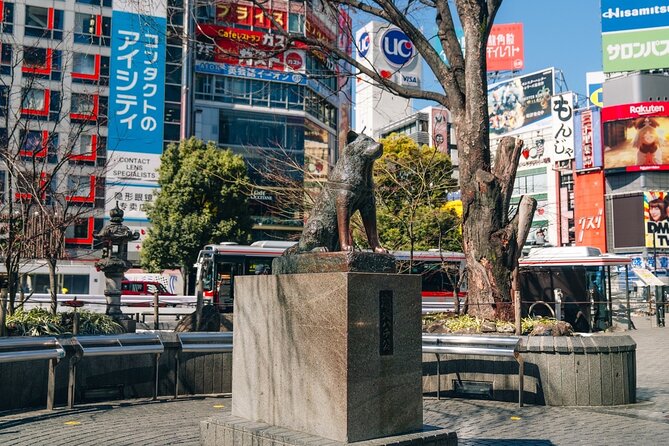
The finish is the Hachiko Statue at 2 Chome-1 Dogenzaka, just outside Shibuya Station. Hachiko’s story is one of Japan’s best-known tales of loyalty, and ending here gives the tour a clear, memorable finish.
I like this ending because it leaves you in a useful part of Tokyo. You can continue exploring Shibuya on your own, meet friends, shop, or use the station to reach another neighborhood. The route starts in historic Asakusa and ends in modern Shibuya, giving you a neat visual contrast across the city.
The downside is that the last stop can feel brief. Shibuya rewards repeat visits, especially if you want to explore nearby streets or find a viewpoint. Treat the crossing as an introduction, then keep the rest of the day open if this area interests you.
More Asakusa visits:
- Tokyo: Japanese Dance Cabaret Theater Asakusa-Kaguwa Ticket
★ 4.8 · 2,270 reviews - Tokyo: Roll and Authentic Sushi Making Class in Asakusa
★ 4.9 · 1,957 reviews - Tokyo Asakusa Rickshaw Tour
★ 5.0 · 1,375 reviews - Tokyo Panoramic 1 Day: Meiji Shrine, Asakusa, Odaiba and SKYTREE®
★ 4.5 · 1,222 reviews
What guides Hana and Kouta add
The guide is the main reason to pay for this experience instead of copying the route from a map. The strongest personal praise has gone to Hana Tanaka, who has led families through the temples, market, and train system with a warm, local style.
Hana has also been praised for helping first-time visitors learn how to ride the train. That is a practical benefit, especially early in a Tokyo trip when station signs, platforms, and transfers can seem confusing. A little help at the start can make the rest of your holiday easier.
Kouta has been noted for answering questions and connecting well with teenagers. That makes this a promising choice for families with older children, who may not want a long lecture about temples but will respond better to stories, clear explanations, and a varied route.
The tour has a maximum of eight people, which should make conversation and movement easier than on a large coach outing. You can also choose a private option, and the tour details present a self-guided choice. Check the exact option before booking, since the level of guide contact changes the value of the price.
A guide cannot remove every practical limitation. The group still has to follow a fixed schedule, and a small group may move at different speeds. The benefit is that you can ask questions and get local context while the route is unfolding.
Timing, transport, and the physical side
The advertised duration is approximately five hours. One account describes a six-hour guided outing, so I would avoid booking a tight appointment immediately afterward. The exact pace may depend on the group, questions, and time spent at the market.
Transportation is not included. The stated estimate is around 600 yen, which is modest compared with the cost of getting lost, taking the wrong train, or paying for several unnecessary rides. Still, keep cash or a usable transit payment method ready, and remember that food is also extra.
The meeting point is near public transportation, and the route finishes by the Hachiko Statue rather than returning you to Asakusa. That is helpful if you want to continue in Shibuya, but less convenient if you need to return to your hotel in the east side of Tokyo.
You should have a moderate level of physical fitness. This is a walking and public-transit experience, not a seated sightseeing ride. Comfortable footwear matters, especially because market streets, temple grounds, shrine approaches, and station areas all involve time on your feet.
The early hour may also be a challenge if you have just arrived from another time zone. On the other hand, it can help you use jet lag productively. You will see major sights, eat at Tsukiji, and finish in Shibuya before much of the afternoon is gone.
Who gets the best value from this tour
I would recommend it most strongly to first-time visitors who want a guided overview of Tokyo’s major contrasts. Families can benefit from the varied stops and help with trains, while couples and solo visitors may appreciate the compact route and market tips.
It also suits you if you want a small group rather than a large bus. The maximum of eight people keeps the format personal, and the private option offers more control if your budget allows it.
This is not the best fit for someone who already knows Tokyo well. Independent visitors may prefer to spend several hours at Tsukiji, return to Asakusa for shopping, or explore Shibuya at their own speed. The same is true if you dislike fixed schedules.
The self-guided option, as presented in the tour details, may appeal if you want the planned route without as much guide involvement. Confirm exactly what that option includes before paying, since the advertised inclusions specifically name an English-speaking guide.
Booking details and cancellation
Confirmation is provided at booking. Free cancellation is available if you cancel at least 24 hours before the experience begins, based on Tokyo local time. Cancellations or changes made less than 24 hours ahead are not accepted for a refund.
The tour is recommended by all listed participants and carries a five-star rating from 69 reviews, with guides Hana and Kouta receiving particular praise for personal attention, cultural explanations, family support, and train help. The most useful lesson is not simply that the guides are friendly. It is that their value comes from making a packed route easier to understand and manage.
Should you book the Tokyo early morning tour?
Book this tour if you want to see four major Tokyo sights in one morning, prefer an early start, and would like help with local customs and trains. The $59.46 price is reasonable when you use the guide well, especially on your first day in Japan.
Skip it if you want long meals, serious shopping time, or a slow visit to each neighborhood. The route is quick, transportation costs extra, and Shibuya receives only a short final look.
For many first-time visitors, I think the balance works. You see Sensoji, taste the atmosphere of Tsukiji, find quiet at Meiji Jingu, and finish with Shibuya’s famous crossing. Just wear good shoes, leave room in your schedule, and arrive ready to make the most of the morning.
FAQ
How long does the Tokyo early morning tour last?
The advertised duration is approximately five hours. One tour account describes a six-hour outing, so allow some extra time if you have a later appointment.
Which places does the tour visit?
The route includes Asakusa, Tsukiji Fish Market, Meiji Jingu Shrine, and Shibuya Crossing. It ends at the Hachiko Statue near Shibuya Station.
Is transportation included?
No. Transportation is not included, and the estimated transportation cost is around 600 yen.
Is food included?
No. Food and drinks are not included, so plan to pay separately for anything you buy at Tsukiji or elsewhere.
What is the group size?
The maximum group size is eight people. A private option is also available, and the tour details present a self-guided choice.
Where does the tour start?
The meeting point is Burger King Asakusa Azumabashi, at 2-chome 20-6 Kaminarimon, Taito City, Tokyo 111-0034.
More Morning in Tokyo
- Tokyo: Sumo Morning Practice Viewing Tour
★ 4.8 · 570 reviews - Tokyo: Sumo Morning Training Visit
★ 4.4 · 370 reviews - Tokyo: Sumo Morning Practice Tour at Sumida City
★ 4.8 · 308 reviews - Tokyo Sumo Morning Practice Tour at Stable
★ 5.0 · 298 reviews
New on our Tokyo list
- From Tokyo: Mount Fuji & Hakone Full Day Private Tour★ 4.9 · 25 reviews
- Tokyo Spectacular View Day-Cruise in 90 Minutes★ 5.0 · 25 reviews
- Real Tokyo Runner Club : Daikoku Car Meet Night Tour with JDM Car★ 5.0 · 25 reviews
- 2.5 Hour-Guided Cycle Tour in the Central Tokyo★ 5.0 · 25 reviews
- Ramen Making from Scratch +Akihabara Tour –Cooking Class★ 5.0 · 25 reviews
- [Self-Drive] Tokyo & Daikoku Custom Car Driving Tour★ 4.9 · 25 reviews
- Tokyo: 2-Hour Night Bike Tour of the City’s Hidden Gems★ 4.9 · 25 reviews
- Samurai themed Entertainment show in Shinjuku★ 4.5 · 25 reviews
Temple & Shrine Tours, compared.
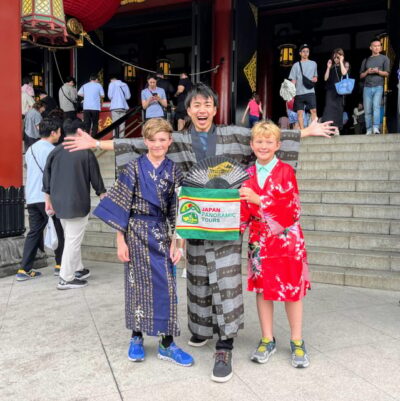
Meiji Shrine, Asakusa, Skytree Bus Tour and Cruise
Read our review →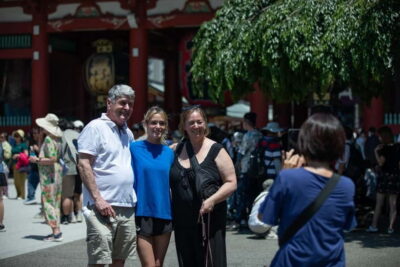
Asakusa Walking Tour with Sensoji Temple Visit
Read our review →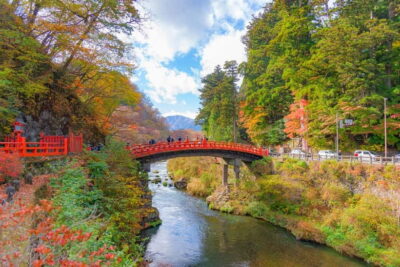
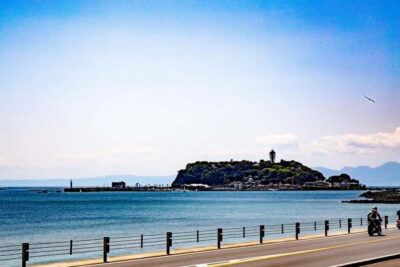
Kamakura & Enoshima Day Trip including Temple Tickets
Read our review →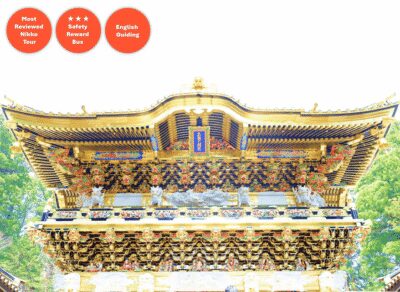
Nikko Toshogu Shrine and Kegon Waterfall Tour
Read our review →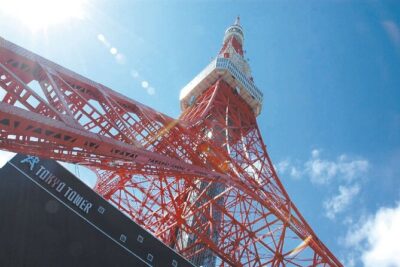
Tokyo Panoramic 1 Day: Meiji Shrine, Asakusa, Odaiba and SKYTREE®
Read our review →
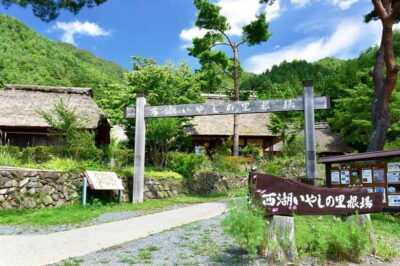
Mt. Fuji Heritage Tour: Traditional Villages, Lakes & Shrine
Read our review →Browse the lists this tour appears in