
Reviewed · TEA CEREMONIES
Walking Tour: Yanaka,Nezu& Sendagi: Tea Ceremony & Old Tokyo
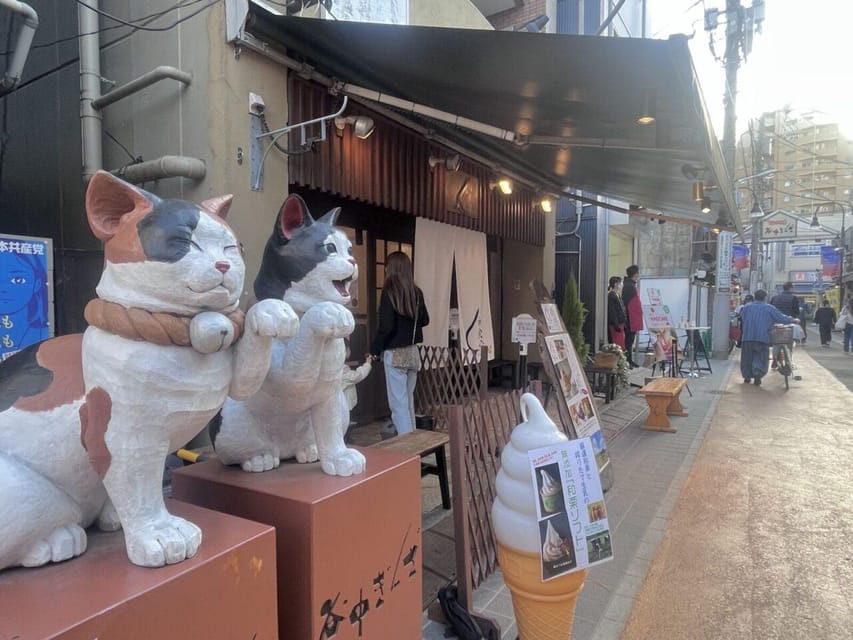
Yanaka, Sendagi and Nezu give you a side of Tokyo that high-rise districts cannot. Here, old wooden homes, temples, quiet lanes and small local shops create a slower rhythm, and the tea ceremony with antique bowls gives the day its most memorable cultural moment.
I like the balance: you get art, nature, shrines, food and traditional neighborhoods rather than one long history lecture. I also like the personal feel of guides such as Jeff and Beth, who can turn the walk into a friendly conversation about both old and modern Japan.
The main drawback is simple: this is a full day on foot, with about six hours of scheduled sightseeing and walking. The route also includes free time for lunch, so you should expect to pay for that meal separately and be ready for a long day in comfortable shoes.
In This Review
- Key points to know before you book
- Why Yanesen feels different from central Tokyo
- Starting at Nippori and entering Yanaka Cemetery
- The secret food stop and a slower Yanaka walk
- Inside the Asakura Museum of Sculpture
- Lunch and free time in Yanaka
- Walking through Sendagi’s temple quarter
- The tea ceremony with antique bowls
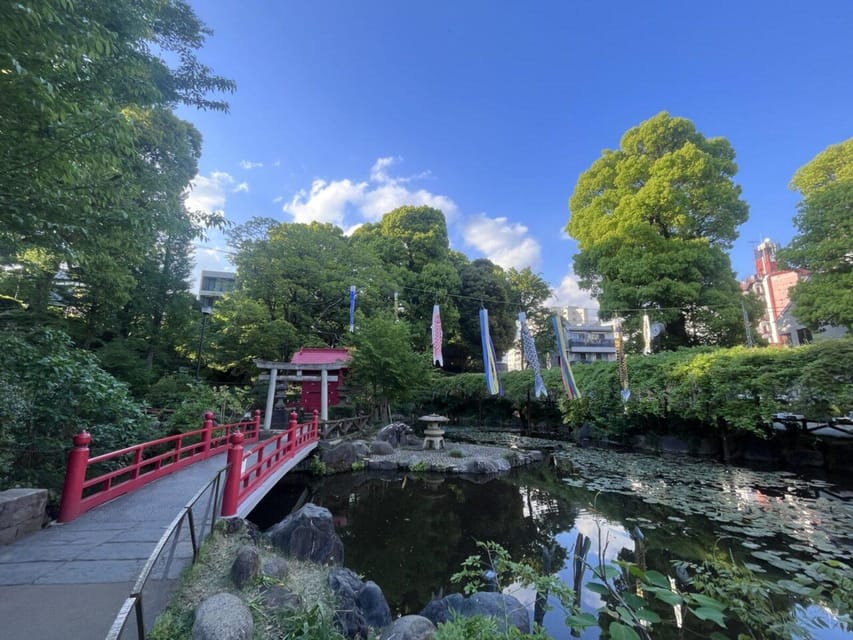
- Finishing at Nezu-jinja Shrine
- What $135 really buys you
- Walking comfort, pace and practical planning
- Who should book this Yanesen day
- Should you book the Yanaka, Sendagi and Nezu tour?
- FAQ
- Where does the tour begin?
- Is the meeting point at Nishi-Nippori Station?
- What language is the tour conducted in?
- How long does the experience last?
- Is the tea ceremony included?
- What is special about the tea ceremony?
- Is museum admission included?
- Is lunch included?
- Where does the tour finish?
- Can I cancel for a full refund?
Key points to know before you book
- Antique tea bowls: The tea ceremony uses antique bowls, with wagashi sweets and a close look at the care behind the ritual.
- Three old Tokyo districts: Yanaka, Sendagi and Nezu form Yanesen, an area known for its Shitamachi character.
- A friendly guide matters: Jeff and Beth have led this experience, with an approach that feels conversational rather than stiff.
- Art and architecture: The Asakura Museum of Sculpture adds a thoughtful indoor stop to a day of streets, shrines and gardens.
- A full walking day: The route begins at Nippori Station and returns there, but you need stamina for several hours on foot.
- Good Tokyo contrast: This is a strong choice if you want more than the city’s famous towers, shopping streets and major sights.
Why Yanesen feels different from central Tokyo
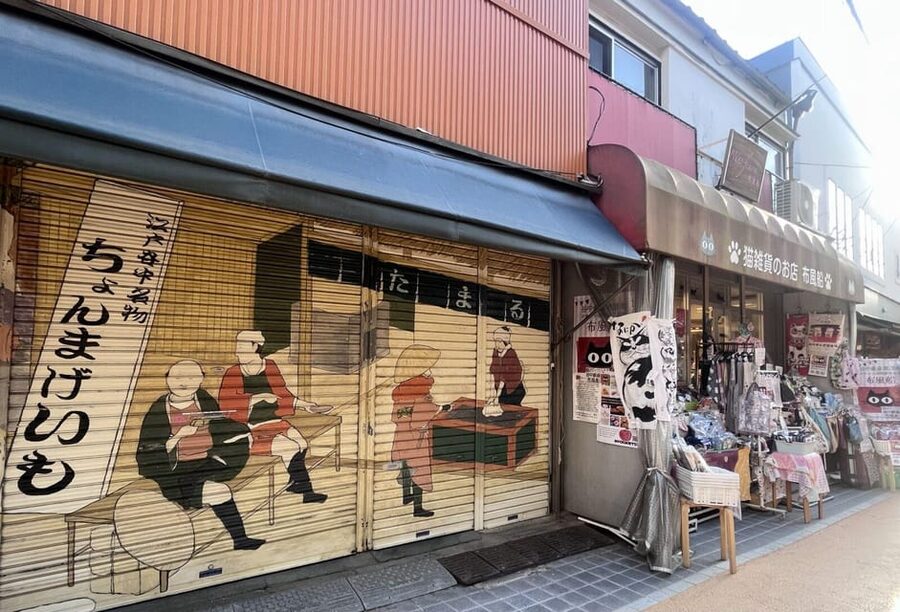
Yanesen is the shared name for Yanaka, Nezu and Sendagi. These districts sit close to better-known parts of Tokyo, yet their mood is quite different. They retain much of the old Shitamachi character, a term linked to Tokyo’s lower-city neighborhoods and their working-class traditions.
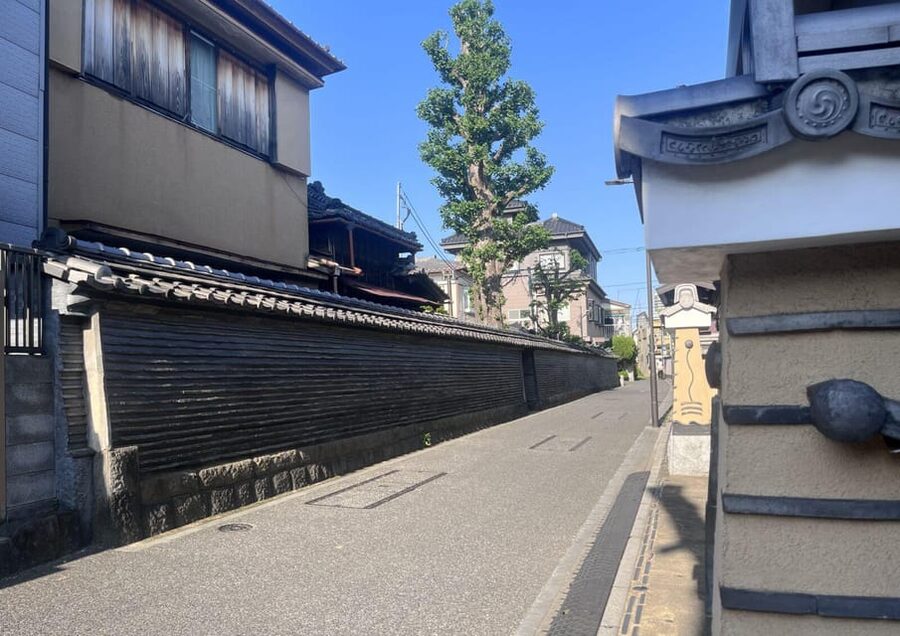
You will see a more intimate side of the city here. The attraction is not one grand monument. It is the way small details collect: traditional buildings, temple grounds, narrow streets, local food, old religious sites and a neighborhood pace that feels less hurried.
That makes this tour useful early in a Tokyo visit. A guide can explain what you are seeing while you get your bearings in an area that is easy to miss if you stick to major stations and headline sights. You are not simply checking off monuments. You are learning how an older part of Tokyo fits beside the modern metropolis.
The experience also avoids being locked into one theme. You move from a cemetery to a food stop, from local streets to sculpture, then on to Sendagi and one of Tokyo’s most beautiful shrines. That range keeps the day from becoming repetitive.
More old-Tokyo backstreet walks:
- The Old Quarter of Tokyo – Yanaka Walking Tour
★ 4.5 · 590 reviews - Yanaka Walking Tour: Historic and Traditional District of Tokyo
★ 5.0 · 530 reviews - Tokyo: Old Quarter Yanaka Walking Tour
★ 4.8 · 406 reviews
Starting at Nippori and entering Yanaka Cemetery
The meeting point is outside the West exit of Nippori Station at 10:30 in the morning. Look for the red information board and post box directly in front of the ticket gates. Take care here: the correct station is Nippori, not Nishi-Nippori.
From the station, you walk about 10 minutes to Yanaka Cemetery. The cemetery is more than a passing sight. It helps set the tone for Yanaka, where religious sites, residential streets and older architecture sit close together.
The guided portion lasts about 30 minutes. Your guide can give the place context while you walk, rather than leaving you to guess why it matters. This is especially useful in Tokyo, where a quiet cemetery may appear to be just another peaceful green space if you do not know how it connects to the neighborhood.
Expect a calm opening rather than a dramatic first stop. That is part of the appeal. You begin with space, silence and a sense of the area’s older character before moving into its streets and food culture.
The secret food stop and a slower Yanaka walk
After the cemetery, the tour includes a one-hour stop described as a secret stop, with a local food tasting. The exact food is not specified, so you should treat this as a pleasant introduction to local flavor rather than booking the tour for one particular dish.
This stop also gives the day a human scale. Food is often the easiest way to connect a place with daily life, and a small tasting can show you something that a large restaurant meal does not. It breaks up the walking and gives your guide a natural opening to discuss local customs.
You then spend about 80 minutes exploring Yanaka, with guided sightseeing and free time. This is one of the best parts of the schedule for simply looking around. The tour is not forcing every minute into a formal explanation, so you can enjoy the streets at a slower pace.
Yanaka is known as a historic and artistic neighborhood, and the route is designed to show both sides. You might find traditional architecture beside newer creative businesses, which is one reason the area appeals to visitors who want old Tokyo without leaving the city altogether.
The free time matters. A guide can point out what makes Yanaka different, but you also need a few minutes to form your own impression. If you like taking photographs, browsing small shops or pausing at an interesting building, this section gives you room to do that.
Inside the Asakura Museum of Sculpture
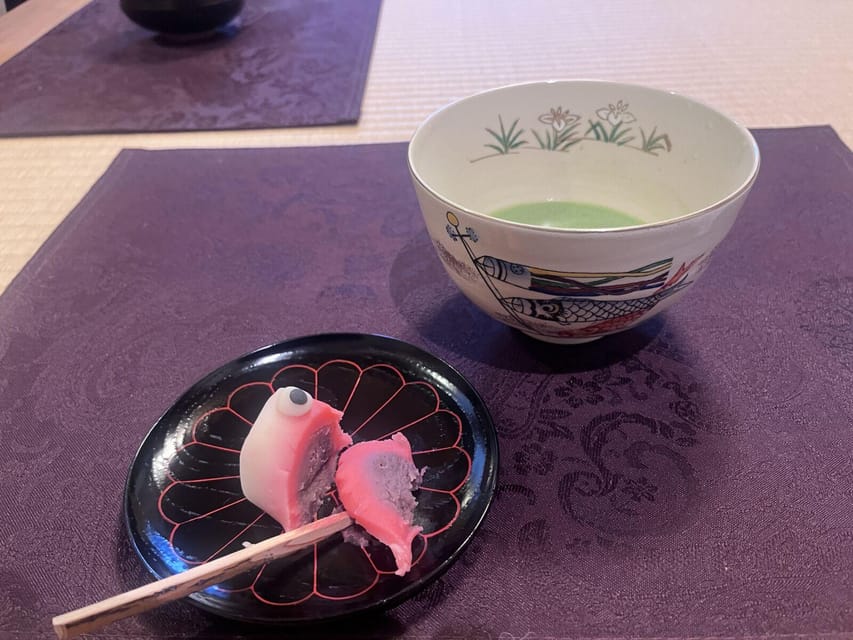
The Asakura Museum of Sculpture is the main art stop, and admission is included. You spend about an hour there with a guided visit.
This museum adds depth to the day. Without it, the route could feel like a pleasant neighborhood walk with temples and old streets. The museum gives you a closer look at the artistic side of Yanaka and provides an indoor change of pace.
The attraction is not only the sculpture. The visit also connects art with traditional domestic space and architecture, making it a useful counterpoint to the religious buildings later in the day. Your guide can help you understand what you are seeing, which is valuable if Japanese sculpture is not familiar territory.
An hour is enough to make the stop meaningful without allowing it to take over the entire day. Still, art museums are personal. If you prefer only outdoor sightseeing, this is the part of the tour that may feel less essential. If you like seeing how art fits into a neighborhood’s identity, it earns its place.
More tea rooms worth booking:
- Matcha Making Class in Tokyo with Authentic Japanese Sweets Set
★ 5.0 · 744 reviews - Tokyo: Traditional Tea Ceremony with a Tea Master
★ 5.0 · 528 reviews - Tokyo: Matcha Making Experience with Mochi Sweets in Asakusa
★ 4.9 · 388 reviews - Tokyo: Matcha and Kimono Experience
★ 4.7 · 219 reviews
Lunch and free time in Yanaka
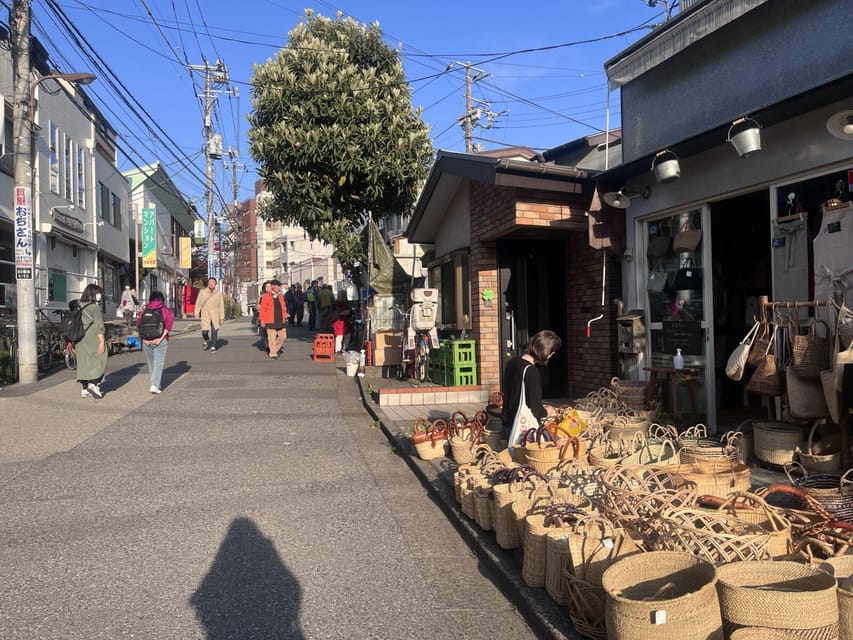
Lunch comes after the museum, with about an hour for eating and free time in Yanaka. The schedule does not specify a restaurant or include lunch among the listed inclusions, so budget for your own meal.
This arrangement has both advantages and limits. You get flexibility instead of being tied to a fixed menu, and you can use the hour to rest after the morning walk. On the other hand, you should not assume that lunch is covered by the $135 price.
The break is well placed. By this point you have already covered the cemetery, food tasting, neighborhood walk and museum. A sit-down meal gives you a chance to recharge before the afternoon walk through Sendagi.
Ask your guide for help if you want to make the most of the pause. Since the guide leads the route in English and can respond to your interests, the lunch hour can be more useful than a standard group meal. Keep your expectations practical: this is free time, not a separate food tour.
Walking through Sendagi’s temple quarter
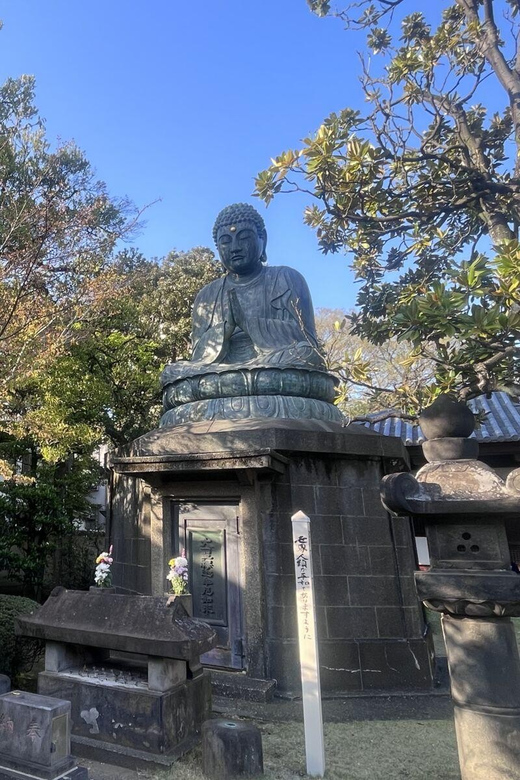
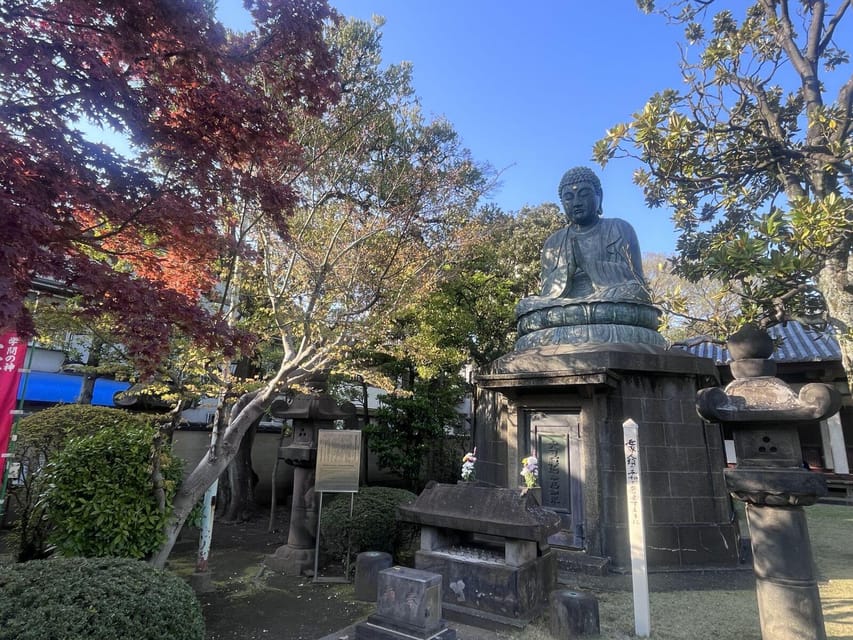
The route continues into Sendagi for about 40 minutes of guided walking. Sendagi is known for temples and park areas, so this section shifts the mood again.
Compared with Yanaka’s artistic and residential feel, Sendagi offers a stronger sense of religious Tokyo. The walking is likely to be less about one major sight and more about noticing how temples and greenery fit into the neighborhood.
This is where the tour’s variety works well. You are not spending the entire day inside museums or crowded shrine approaches. Instead, the guide helps connect ordinary streets with the customs and buildings that have shaped them.
The 40-minute timing is also manageable. It is long enough to explore without making Sendagi feel like another full tour nested inside the day. If you enjoy quiet paths and temple grounds, you will probably appreciate this section. If your ideal Tokyo day is packed with famous landmarks, it may feel understated.
That contrast is worth understanding before booking. Yanesen rewards attention. It does not deliver the instant spectacle of a major observation deck or a famous commercial district. Its value comes from detail, atmosphere and explanation.
The tea ceremony with antique bowls
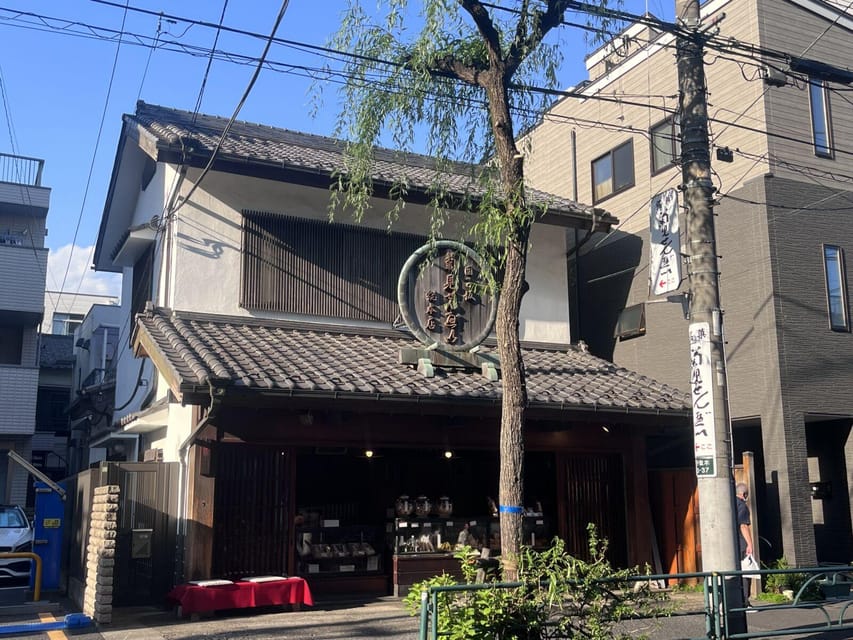
The tea ceremony is the emotional center of the experience. You drink tea from antique tea bowls and receive wagashi, the traditional sweet served with tea.
This is more than a quick photo opportunity. The age and individuality of the bowls give the ritual a strong sense of place. Each bowl has its own appearance and character, and the setting encourages you to slow down and pay attention to the act of drinking tea.
One especially unusual detail is the tea-house owner’s drawing. The owner made a portrait based on the antique tea bowl selected for the ceremony. That small artistic touch turns the experience into something personal rather than a standard demonstration.
The atmosphere matters as much as the drink. Tea ceremony can be difficult to understand if you only watch it from a distance. Taking part, even in a modest way, helps you notice the gestures, presentation and care involved.
Your guide can also explain what is happening and answer questions in English. Previous guides have included Jeff and Beth. Both have been described as warm and easy to talk with, and Beth in particular has been praised for explaining both present-day and older Japan with enthusiasm.
Do keep the right expectations. This is one part of a long walking day, not a full multi-hour tea-school lesson. If you want a formal course in tea preparation, you may need a more specialized activity. If you want a meaningful introduction with distinctive bowls, sweets and a memorable setting, this tour gives you that within a broader Tokyo day.
Finishing at Nezu-jinja Shrine
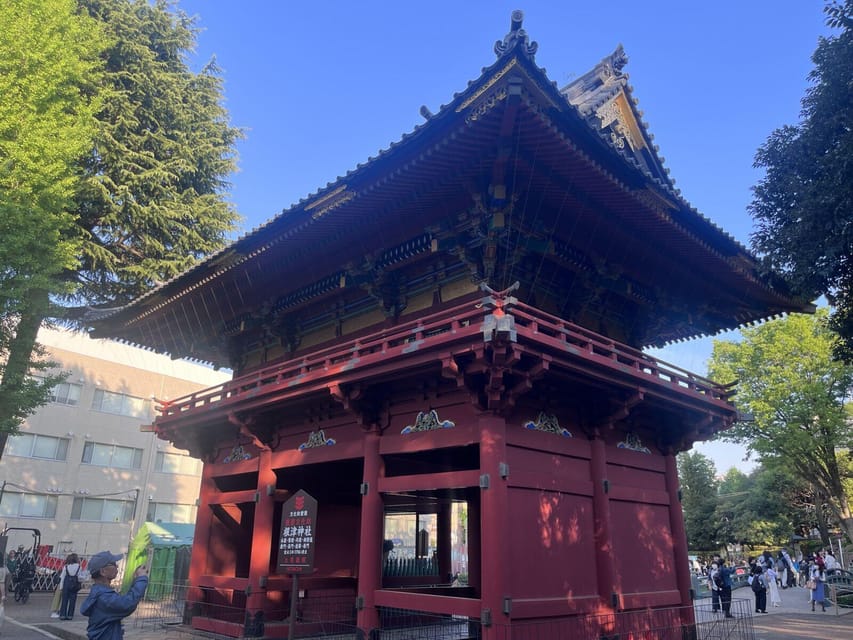
The final major stop is Nezu-jinja Shrine, where you spend about an hour with your guide. It is presented as one of Tokyo’s most beautiful shrines, and it provides a strong finish to the route.
The shrine gives the day a clear visual and cultural endpoint. After seeing a cemetery, neighborhood streets, a museum and Sendagi’s temples, you arrive at a major sacred site that brings several themes together: architecture, religious practice, nature and local history.
You should allow yourself time to look beyond the main approach. Shrine visits are often most rewarding when you notice the smaller details, from gates and pathways to the relationship between the buildings and the surrounding greenery. Your guide’s explanation helps turn those details into a story rather than a collection of attractive structures.
The tour then returns to Nippori Station. Because the route begins and ends there, it is convenient if you are staying elsewhere in Tokyo and using the railway network. The schedule does not provide a specific ending time, but the listed stops add up to a full day, so avoid booking a tight evening reservation.
What $135 really buys you
The price is $135 per person. That is not a cheap neighborhood stroll, but it is more than a guide simply pointing out streets.
Your fee includes the Asakura Museum of Sculpture admission, the tea ceremony and a local English-speaking guide. The day also includes a food tasting and visits to several districts, though lunch is not listed among the included items.
The main value comes from access and interpretation. Yanesen is easy to walk through on your own, but it is not always easy to understand what you are seeing. A guide can connect the cemetery, architecture, art museum, tea house, temples and shrine into one readable picture of old Tokyo.
The tea ceremony also changes the calculation. A distinctive cultural experience using antique bowls is difficult to compare with a normal sightseeing stop. If that is one of your main reasons for booking, the price becomes easier to justify.
I would be less likely to recommend the tour to someone who wants a quick, low-cost orientation walk. You could explore the neighborhoods independently for less. The tour earns its price for people who want a full day of context, guided access and a planned route that combines several kinds of experiences.
Walking comfort, pace and practical planning
Wear comfortable shoes. The route includes a 10-minute walk from Nippori Station, a cemetery visit, neighborhood walking, Sendagi, shrine grounds and movement between stops. It is not an extreme hike, but the length of the day makes footwear important.
Arrive early enough to find the correct station exit. Nippori and Nishi-Nippori are different stations, and going to the wrong one could create a stressful start.
The tour is conducted in English. The guide’s role is especially useful here because the day includes cultural settings where simple translation may not explain the larger meaning.
Plan for the weather as you would for any full day outdoors. The route includes indoor time at the museum and tea house, but much of the experience takes place outside. Your lunch break is also free time, so carry whatever you normally need for a day of walking and set aside money for food.
The activity offers free cancellation up to 24 hours before the start for a full refund. You can also reserve now and pay later, which helps if your Tokyo plans are still shifting.
Who should book this Yanesen day
I recommend this tour most strongly if you want to see a quieter side of Tokyo and prefer local neighborhoods to a checklist of major sights. It suits you if you enjoy walking, art, religious architecture, traditional culture and conversations with an English-speaking guide.
It is also a good fit for a return visit to Tokyo. If you have already seen the city’s major districts, Yanesen gives you a different rhythm and a more residential view.
First-time visitors can benefit too, especially if you want help understanding how old Tokyo survives beside the modern city. The route gives you a useful mix without requiring you to plan several separate stops.
You may want to skip it if you dislike walking, want a tightly timed food experience, or prefer large headline attractions. The day is deliberately understated. Its rewards come from the tea ceremony, local streets, museum visit and small details rather than from one spectacular landmark.
Should you book the Yanaka, Sendagi and Nezu tour?
Book it if the antique-bowl tea ceremony catches your attention and you want that experience placed inside a wider look at old Tokyo. The food tasting, Asakura Museum of Sculpture, temples, Yanaka Cemetery and Nezu-jinja Shrine give the day enough variety to justify its length.
I would especially choose it for the friendly guide style associated with Jeff and Beth. A conversational guide can make a neighborhood walk feel much more personal, and this route depends on explanation as much as sightseeing.
Skip it if you want a short introduction or a bargain activity. At $135, it makes sense when you value the included admission, cultural experience and full-day guidance. With comfortable shoes, a lunch budget and an open mind for quieter sights, this is one of the better ways to meet Tokyo beyond its famous center.
FAQ
Where does the tour begin?
The tour begins at 10:30 outside the West exit of Nippori train station. Look for the red information board and post box in front of the ticket gates.
Is the meeting point at Nishi-Nippori Station?
No. You need to arrive at Nippori Station, not Nishi-Nippori Station.
What language is the tour conducted in?
The tour is conducted in English with a live English-speaking guide.
How long does the experience last?
It is valid for one day and follows a full-day schedule beginning at 10:30. A specific ending time is not provided.
Is the tea ceremony included?
Yes. The tea ceremony is included in the activity price.
What is special about the tea ceremony?
You drink tea from antique tea bowls and receive wagashi. The tea-house owner has also created a drawing based on the antique bowl selected for the ceremony.
Is museum admission included?
Yes. Admission to the Asakura Museum of Sculpture is included.
Is lunch included?
Lunch is scheduled as free time in Yanaka, but lunch is not listed among the included items.
Where does the tour finish?
The tour returns to Nippori Station.
Can I cancel for a full refund?
Yes. You can cancel up to 24 hours in advance for a full refund. You can also reserve now and pay later.
More Walking Tours in Tokyo
- Tokyo Tsukiji Fish Market Food and Culture Walking Tour
★ 5.0 · 3,184 reviews - Tokyo: Imperial Palace and Shogun Historical Walking Tour
★ 5.0 · 2,251 reviews - Tokyo: Shinjuku Local Bar and Izakaya Guided Walking Tour
★ 4.9 · 1,794 reviews - Tokyo: Tsukiji Fish Market Food and Walking tour
★ 5.0 · 1,724 reviews
New on our Tokyo list
- Sumi-e Experience in a relaxing green tea shop in Tokyo★ 5.0 · 3 reviews
- Tokyo : Kamikaze Street Drift Ride★ 5.0 · 3 reviews
- Private Zen Meditation in English in Shinjuku, Tokyo★ 5.0 · 3 reviews
- Onsen Spa in Tokyo and Asakusa Bar Hopping with Local Guide★ 5.0 · 3 reviews
- Easy for everyone! Now you can play handmade mini shamisen and show off to everyone! Musical instruments, sweets and live music★ 5.0 · 3 reviews
- Tokyo: Private Tsukiji Street Food & Sake with Local Guide★ 5.0 · 3 reviews
- Mt Fuji Exploration Tour with Free Japanese Kusa Mochi from Tokyo★ 4.5 · 3 reviews
- Tokyo Tsukiji Fish Market Walking and Exploring Hidden Gems Tour★ 5.0 · 3 reviews
Tea Ceremonies, compared.

Matcha Making Class in Tokyo with Authentic Japanese Sweets Set
Read our review →
Matcha Making Experience with Mochi Sweets in Asakusa
Read our review →

Tea Ceremony Workshop in Tokyo by the Experienced Instrucor
Read our review →

Make Traditional Nerikiri Sweets & Matcha experience in Shibuya
Read our review →Browse the lists this tour appears in