
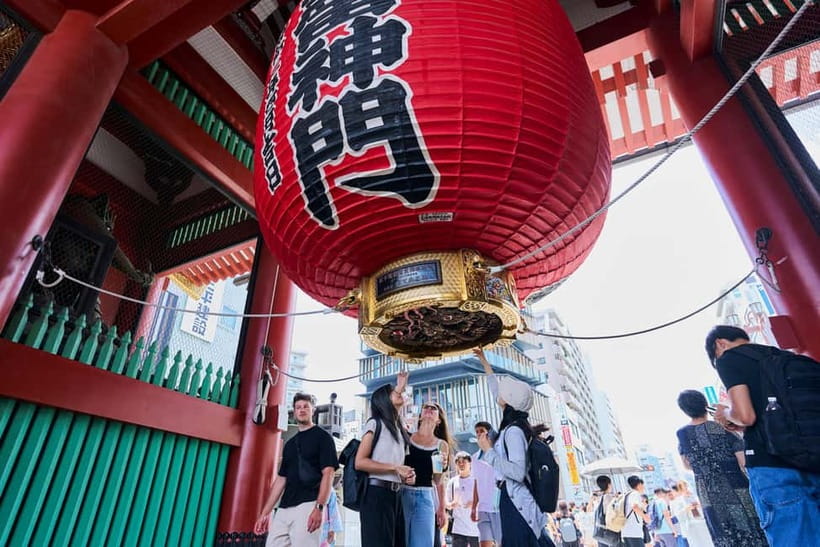
Reviewed · TOKYO FOOD TOURS
Asakusa: 2-Hour History Walking Tour & Local Food Tasting
Asakusa’s appeal is simple: Tokyo’s oldest temple, traditional snacks, and old-fashioned shopping streets all sit within an easy walk. This two-hour tour gives you a quick way to connect the famous sights with the everyday shops around them. Senso-ji Temple is the main event, with more than 1,400 years of worship behind it.
I like two things right away. First, the food stops keep the temple visit from becoming a dry history lesson. Second, the mix of a professional knife shop, samurai and ninja goods, and Japanese tableware gives you useful, unusual shopping stops instead of the usual souvenir run.
The main consideration is time. Two hours is enough for an introduction, but not enough for a slow temple visit, a long meal, and extended shopping. You will need comfortable shoes, and it is smart to carry cash for offerings, fortune papers, and anything you decide to eat.
In This Review
- Key points at a glance
- Why Asakusa works so well for a short walking tour
- Starting at Kaminarimon Police Box
- Senso-ji, Tokyo’s oldest temple
- Asakusa Shrine and the meeting of two traditions
- Street food with room for personal choice
- Professional knives and useful souvenirs
- Samurai and ninja goods for a lighter stop
- Japanese tableware with a local feel
- What $16 really buys you
- Timing, shoes, weather, and cash
- Who should book this Asakusa walk
- Should you book it?
- FAQ
- How long does the Asakusa walking tour last?
- Where does the tour begin?
- How will I identify the guide?
- Where does the tour end?
- What language is the tour offered in?
- What does the $16 price include?
- Are food and drinks included?
- Should I bring cash?
- Can I cancel for a full refund?
Key points at a glance

- Senso-ji dates to 628: See Tokyo’s oldest temple and learn why it has remained central to Asakusa for centuries.
- Asakusa Shrine sits beside the temple: The stop shows how Buddhism and Shinto share space in Japan.
- Local food is part of the walk: Try traditional sweet or savory treats, with food and drinks purchased separately.
- The shops are practical and playful: Browse professional knife stores, samurai and ninja goods, and cute Japanese tableware.
- The tour costs $16 per person: That is a modest price for a two-hour guided introduction to one of Tokyo’s historic neighborhoods.
- The route starts and ends by Asakusa Station: Meet at the Kaminarimon Police Box, where your guide will hold a Local Guide Stars sign.
Why Asakusa works so well for a short walking tour
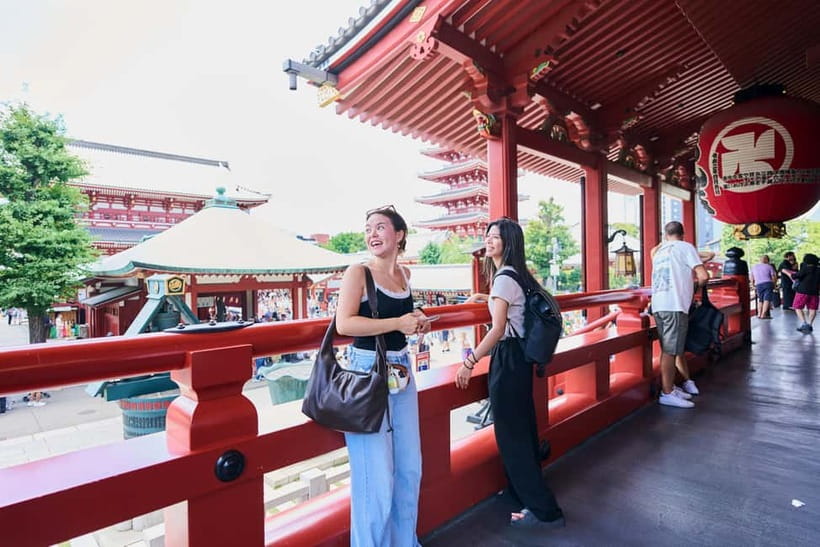
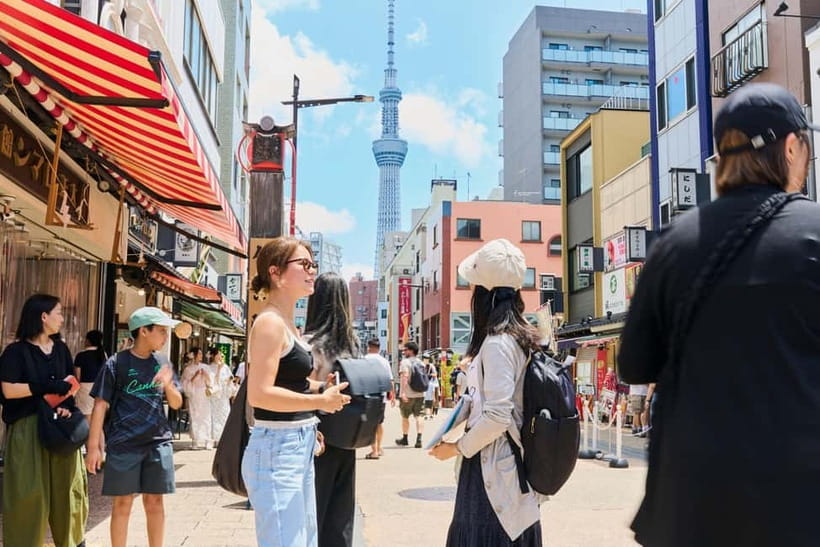
Asakusa is one of the best parts of Tokyo for seeing a traditional side of the city without leaving the urban center. The neighborhood brings together temple grounds, food stalls, small shops, and old cultural traditions in a compact area.
That compact setting matters. You are not spending half the tour on trains or buses. Instead, your time goes toward walking, looking, tasting, and asking questions. For a first visit to Tokyo, this is a useful way to get your bearings in a neighborhood that feels different from the city’s modern shopping districts.
The experience is led in English by a local guide. The supplied information does not name the guide, so you should not expect a specific host. You can expect the guide to point out places that are easy to miss if you simply walk through Asakusa on your own, especially the recommended food stops and smaller specialty shops.
The current rating is 5 from four posted responses, including Oscar’s brief thumbs-up. That is a small sample, so I would not treat it as proof that every group will have the same experience. Still, it fits the tour’s straightforward promise: a short, friendly introduction to Asakusa with several distinct stops.
More Tokyo food crawls:
- Tokyo: Shinjuku Food Tour (13 Dishes at 4 Local Eateries)
★ 5.0 · 6,603 reviews - Tokyo: Shinjuku Food Tour (15 Dishes and 4 Eateries)
★ 4.9 · 2,033 reviews - Best of Shinjuku: Izakaya Food Tour (4 Stops, 14+ Tastings)
★ 5.0 · 1,863 reviews
Starting at Kaminarimon Police Box
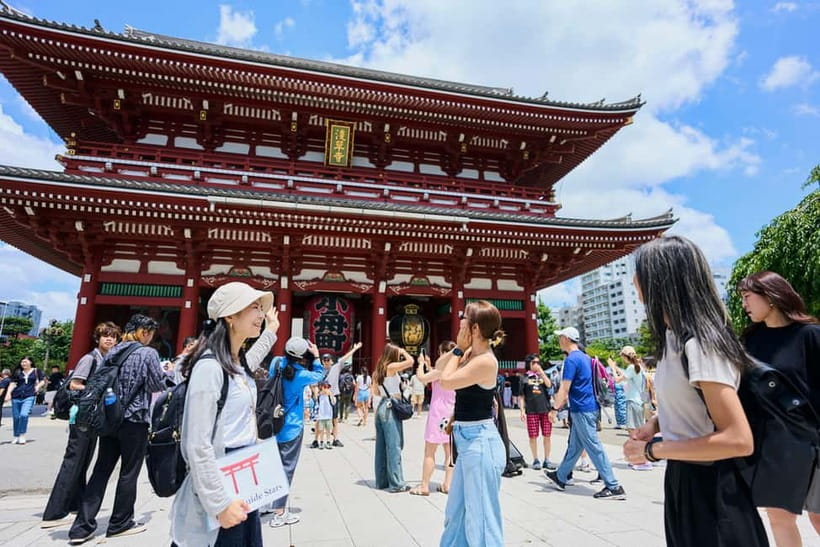
The meeting point is in front of the Kaminarimon Police Box at Asakusa Station. Look for a guide holding a sign marked Local Guide Stars.
This is a practical meeting spot because it places you near the entrance to one of Asakusa’s best-known areas. Even so, give yourself enough time to find the correct exit and reach the police box. Tokyo stations can have several exits, and arriving at the last minute may leave you searching rather than enjoying the start of the walk.
The activity ends back at the same meeting point. That makes the tour easy to fit into a larger day. You can continue exploring Asakusa afterward, return to your hotel, or use the station for your next stop without arranging a separate pickup.
There is no hotel pickup or drop-off. That keeps the price low, but you are responsible for reaching Asakusa Station on your own.
Senso-ji, Tokyo’s oldest temple
The tour’s central stop is Senso-ji, described as Tokyo’s oldest temple and founded in 628. The site has been loved for more than 1,400 years and was once protected by samurai.
That age gives the visit weight. You are not just seeing a famous building for a photograph. You are visiting a place that has remained part of local religious life across many centuries of change. The guide can help connect the temple’s long story to the streets and customs around it.
Senso-ji is also a good lesson in how Tokyo works. The city is often associated with neon, high-rise buildings, and rapid technology, but Asakusa shows an older rhythm. Temple worship, food traditions, souvenir shopping, and small local businesses continue side by side.
You should expect a public religious site rather than a quiet museum. The temple is a major attraction, and the atmosphere may feel active, especially around the approach to the main grounds. A two-hour tour cannot cover every corner or provide a long period for personal reflection, but it can show you how to read the place and why it matters.
If you want to make a small offering or draw an omikuji, bring cash. Cashless payment is not accepted for these temple activities. Neither offering nor fortune paper is required, and both are extra, but the option is useful to know before you arrive.
Asakusa Shrine and the meeting of two traditions
Right beside Senso-ji is Asakusa Shrine. Including both sites gives this tour a stronger cultural focus than a simple temple photo stop.
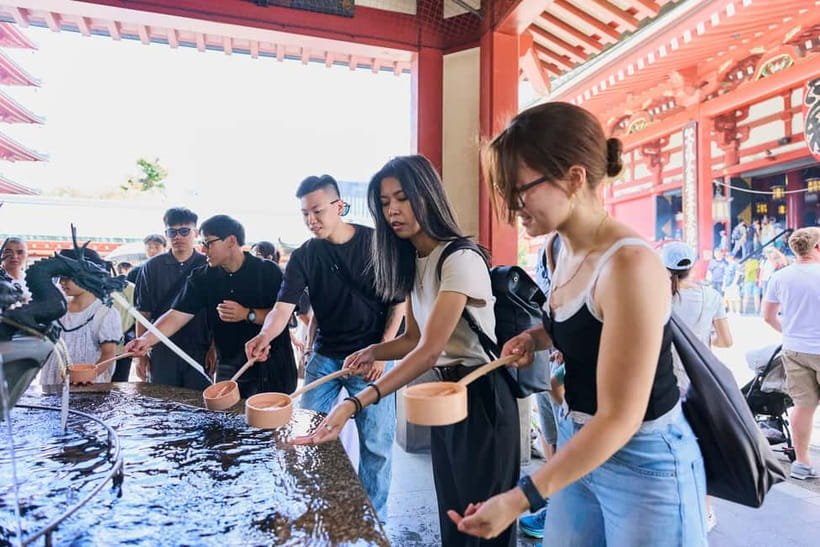
Here, you learn how Buddhism and Shinto coexist in Japan. The two traditions have different origins and practices, yet they share physical space in this part of Asakusa. For a visitor, that relationship can be confusing at first. A local explanation helps you understand why a Buddhist temple and a Shinto shrine can be next-door neighbors without seeming out of place.
This is one of the most valuable parts of the walk for first-time visitors. You do not need a background in Japanese religion to follow it. You simply need to pay attention to the contrast between the two sites and ask questions when the customs seem unfamiliar.
The itinerary does not promise an extended religious ceremony or private access. Think of this as a clear introduction during a walk, not a formal lesson. The benefit comes from seeing the two places in context.
More Asakusa visits:
- Tokyo: Japanese Dance Cabaret Theater Asakusa-Kaguwa Ticket
★ 4.8 · 2,270 reviews - Tokyo: Meiji Shrine, Asakusa, Skytree Bus Tour and Cruise
★ 4.7 · 1,986 reviews - Tokyo: Roll and Authentic Sushi Making Class in Asakusa
★ 4.9 · 1,957 reviews - Tokyo: Asakusa Walking Tour with Sensoji Temple Visit
★ 4.8 · 1,583 reviews
Street food with room for personal choice
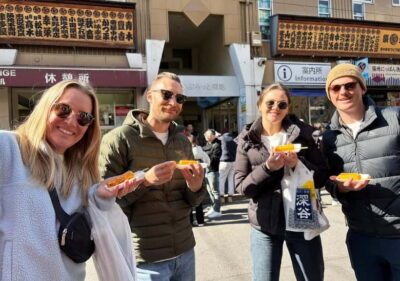
Food tasting adds a pleasant change of pace after the temple stops. The guide takes you toward local favorites and recommends places for traditional treats. The choices may be sweet or savory, which lets you follow your own appetite.
Food and drinks are not included in the $16 price. That is worth noting before you book. The low base cost gives you control over spending, but you should carry money if you want to taste something along the route.
I prefer this arrangement to a fixed meal on a short walking tour. You can spend only what suits you, skip a food that does not appeal to you, or save your appetite for later. The tradeoff is that the final cost depends on what you buy, and the tour price itself does not cover the snacks.
The food portion is also more useful than a generic restaurant recommendation. You are walking through an area where people have enjoyed traditional treats for generations, so the snack stops connect the modern visitor experience with Asakusa’s long-running local culture.
Do not expect a full lunch. The stated experience is a local food tasting, not a meal. If you need a substantial meal, plan one before or after the tour.
Professional knives and useful souvenirs
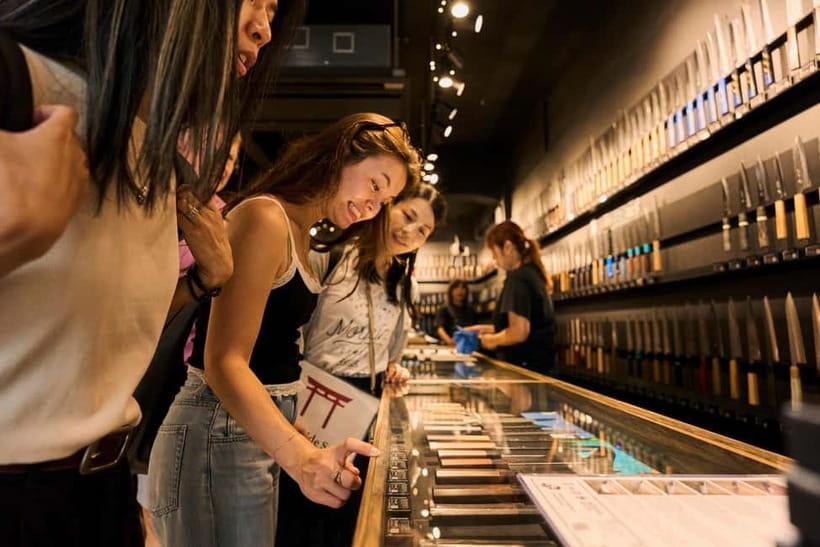
The stop at a professional knife shop gives the shopping portion a practical edge. These are not simply shelves of mass-produced keepsakes. The focus is on pro-level knives and renowned knife shops, which may interest home cooks, food lovers, or anyone curious about Japanese kitchen tools.
The tour does not state that a purchase is included, so any knife or other item will be your own expense. You also need to think about how you will transport a knife home. The experience information does not provide shipping, packing, or airline guidance, so ask the shop directly about those details before buying.
Even if you do not shop, the stop has value. A guide can help explain why the store is worth entering and what makes it different from an ordinary souvenir shop. You can look, ask questions, and decide without treating the visit as a sales obligation.
This is also a good example of the tour’s balance. Senso-ji covers major history, while the knife shop shows a living craft and a modern use for Japanese design.
Samurai and ninja goods for a lighter stop
The samurai sword and ninja gear store shifts the mood again. After the temple’s religious setting and the knife shop’s practical focus, this stop offers a more playful look at popular images of Japan.
The description identifies samurai swords and ninja goods, but it does not promise demonstrations, handling, or costume activities. Keep your expectations to browsing and learning about the merchandise.
For families and first-time visitors, this may be one of the easiest stops to enjoy. The subject is familiar, visual, and fun. It also gives you a chance to look for a souvenir with a strong connection to Japanese history and popular culture.
At the same time, anyone seeking a serious museum-level study of samurai arms should not treat this shop as a substitute. The tour is designed to introduce you to local shopping stops, not provide a specialist weapons lecture.
Japanese tableware with a local feel
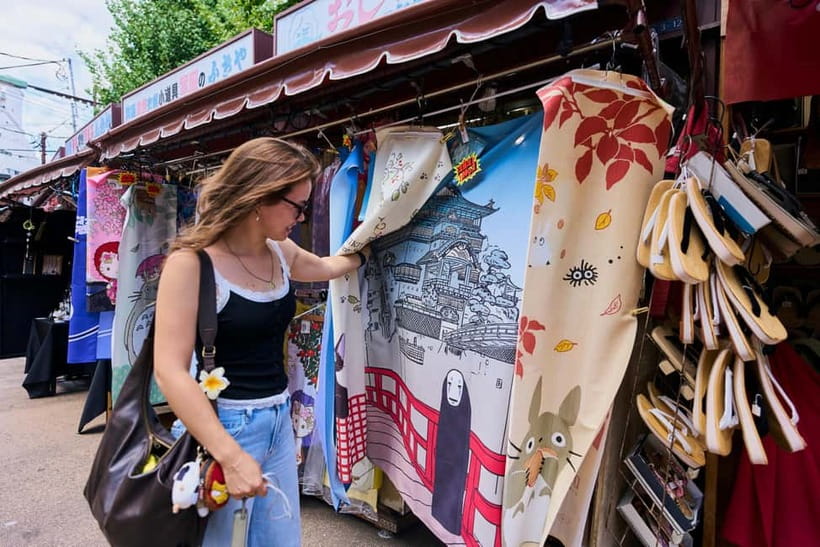
The cute Japanese tableware shop rounds out the shopping portion. Tableware is often a better souvenir than a decorative item that sits unused. A small dish, cup, or other piece can bring a daily reminder of your time in Japan, though the exact products available are not specified.
This stop should appeal to you if you like home goods, cooking, or small gifts. It also gives the tour a gentler finish after the more dramatic samurai and ninja merchandise.
As with the other shops, purchases are not included. You can browse without buying, and the guide’s role is to direct you toward a place worth seeing rather than require a shopping stop.
The three shop visits work well together because they show different sides of Japanese design: professional tools, historic imagery, and everyday tableware. You get more variety than a walk that focuses only on temples.
What $16 really buys you
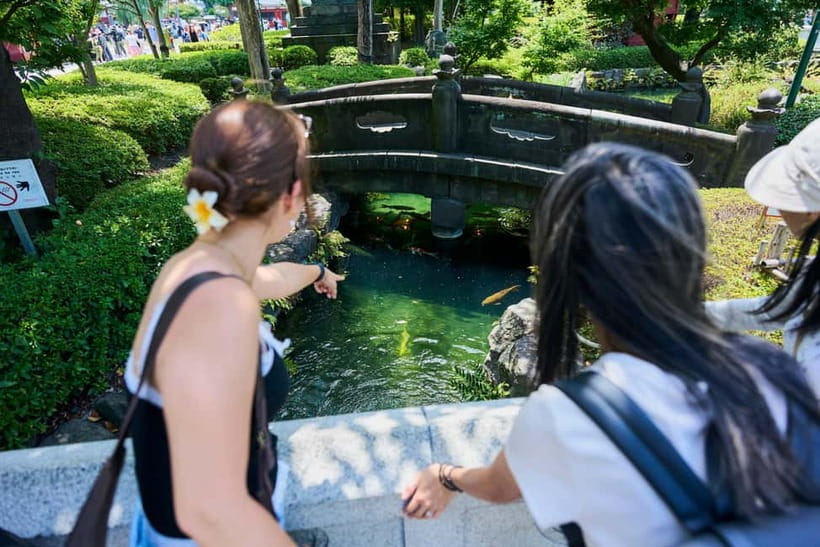
At $16 per person, this is an inexpensive guided introduction to Asakusa. You are paying for two hours with a local English-speaking guide, a walk through Senso-ji and Asakusa Shrine, food recommendations, and several specialty shopping stops.
The value is strongest if you would otherwise wander without context. Senso-ji is easy to locate, but understanding the connection between the temple and shrine, finding local snack options, and identifying worthwhile shops can take more time on your own.
The price is less compelling if you already know Asakusa well or want a long, detailed tour of temple architecture. Two hours limits how much history the guide can cover, and your food and shopping expenses come afterward.
Still, the low cost makes this a reasonable first-day choice. You can learn the basic layout, taste something, and return later for a longer visit. It is also a low-risk booking for a short Tokyo stay, especially since you can reserve now and pay later.
Timing, shoes, weather, and cash
The tour lasts two hours and involves walking throughout. Wear comfortable shoes. This is not the right outing for footwear that looks good but leaves you sore after a short distance.
Weather can affect the experience, so prepare for changing conditions. The information does not state a weather cancellation policy, so bring suitable clothing and be ready for an outdoor walk.
Carry cash for temple offerings, omikuji, food, and possible purchases. The tour itself has no extra required fees, but that does not mean you will spend nothing once you see the snacks and shops.
The tour is offered in English. It does not include transportation from your hotel, meals, drinks, or shopping purchases. Those limits are clear and help explain how the operator keeps the advertised price low.
Who should book this Asakusa walk
I would recommend this tour to first-time Tokyo visitors who want a short introduction without committing to a full-day activity. It suits you if you enjoy mixing history, local food, and browsing rather than focusing on one subject.
Families may like the variety, especially the ninja and samurai shop. Food-minded visitors may appreciate the guide’s local picks, while home cooks may find the knife shop the most useful stop.
You may want something longer if you prefer a slow photography walk, detailed religious history, or extended time inside shops. You should also choose another activity if you need a full meal included or prefer private transportation.
Should you book it?
Book this tour if you want an affordable, easy introduction to Asakusa with more personality than a simple temple visit. The combination of Senso-ji, Asakusa Shrine, local treats, professional knives, samurai goods, and Japanese tableware gives you a good range of experiences in two hours.
Skip it if you already know Asakusa or want a highly specialized history tour. For most first-time visitors, though, $16 is a fair price for a guided orientation, especially when you value local food suggestions and practical shopping stops. Bring cash, wear good shoes, and leave room in your schedule to keep exploring after the guide returns you to the station.
FAQ
How long does the Asakusa walking tour last?
The tour lasts two hours.
Where does the tour begin?
Meet in front of the Kaminarimon Police Box at Asakusa Station.
How will I identify the guide?
The guide will be holding a sign that says Local Guide Stars.
Where does the tour end?
The activity ends back at the original meeting point.
What language is the tour offered in?
The tour is offered in English.
What does the $16 price include?
The price includes an English-speaking local guide, the walking tour, the Senso-ji visit, local food recommendations, visits to knife shops, and an introduction to Buddhism and Shinto in Japan.
Are food and drinks included?
No. Meals and drinks are not included, so you pay separately for anything you choose to eat or drink.
Should I bring cash?
Yes. Cash is useful for temple offerings and omikuji because cashless payment is not accepted for those activities. You may also want cash for food and souvenirs.
Can I cancel for a full refund?
Yes. You can cancel up to 24 hours in advance for a full refund.
More Walking Tours in Tokyo
- Tokyo Tsukiji Fish Market Food and Culture Walking Tour
★ 5.0 · 3,184 reviews - Tokyo: Shinjuku Local Bar and Izakaya Guided Walking Tour
★ 4.9 · 1,794 reviews - Tokyo: Tsukiji Fish Market Food and Walking tour
★ 5.0 · 1,724 reviews - Tokyo: Tsukiji Fish Market Guided Walking Tour
★ 4.9 · 1,397 reviews
More Historical Tours in Tokyo
- Tokyo: Imperial Palace and Shogun Historical Walking Tour
★ 5.0 · 2,251 reviews - Tokyo: Imperial Palace Japanese History Walking Tour
★ 4.9 · 987 reviews - Tokyo: Shinjuku Historical Walking Tour & Secret Backstreets
★ 5.0 · 530 reviews - Yanaka Walking Tour: Historic and Traditional District of Tokyo
★ 5.0 · 530 reviews
New on our Tokyo list
- Sumi-e Experience in a relaxing green tea shop in Tokyo★ 5.0 · 3 reviews
- Tokyo : Kamikaze Street Drift Ride★ 5.0 · 3 reviews
- Private Zen Meditation in English in Shinjuku, Tokyo★ 5.0 · 3 reviews
- Onsen Spa in Tokyo and Asakusa Bar Hopping with Local Guide★ 5.0 · 3 reviews
- Easy for everyone! Now you can play handmade mini shamisen and show off to everyone! Musical instruments, sweets and live music★ 5.0 · 3 reviews
- Tokyo: Private Tsukiji Street Food & Sake with Local Guide★ 5.0 · 3 reviews
- Mt Fuji Exploration Tour with Free Japanese Kusa Mochi from Tokyo★ 4.5 · 3 reviews
- Tokyo Tsukiji Fish Market Walking and Exploring Hidden Gems Tour★ 5.0 · 3 reviews
Tokyo Food Tours, compared.
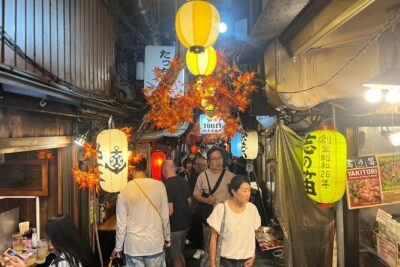
Shinjuku Food Tour (13 Dishes at 4 Local Eateries)
Read our review →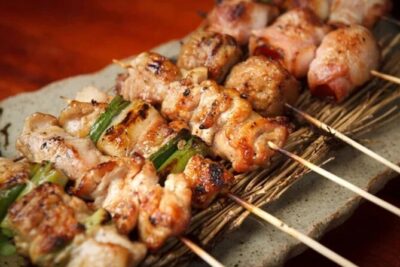
Shinjuku Food Tour (15 Dishes and 4 Eateries)
Read our review →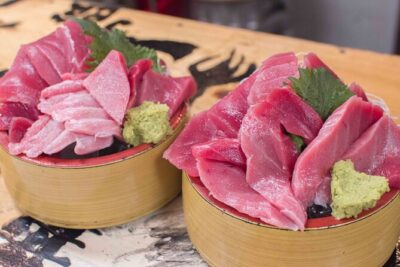
Best of Shinjuku: Izakaya Food Tour (4 Stops, 14+ Tastings)
Read our review →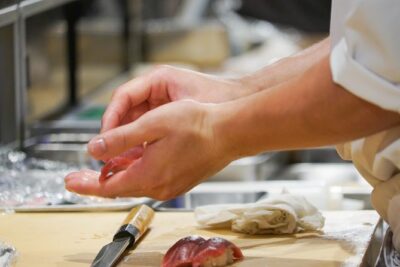
Tokyo Night Foodie Tour in Shinjuku – Seasonal Sushi, Wagyu Beef
Read our review →
Eat and Drink Like a Local: Tokyo Ueno Food Tour-Taverns&Ramen
Read our review →
Tsukiji Fish Market: Street Food & Culture Walking Tour
Read our review →Shinjuku Food Tour – 15 Dishes, 3 Drinks, 4 Eateries
Read our review →Browse the lists this tour appears in