
Reviewed · TEA CEREMONIES
Asakusa Cultural Walk & Matcha Making Tour
Asakusa is easy to see badly: walk down Nakamise, snap a photo at Senso-ji, and follow the crowd back to the station. This three-hour cultural walk gives you a better plan, pairing the district’s famous sights with a matcha-making lesson and lunch at a local restaurant.
I like the small group of up to eight, which gives you room to ask questions and talk with your guide. I also like the hands-on food stops: you do not just watch Japanese customs, you make matcha and cook okonomiyaki or monjayaki yourself.
The main catch is that the food portion may not match your first choice. Monjayaki is advertised as a highlight, but okonomiyaki may be served instead, and one recent booking did not include the promised snack. Anyone with gluten intolerance should skip this tour.
In This Review
- Key points to know before booking
- Why this Asakusa walk is more than a Senso-ji photo stop
- Meeting near Kaminarimon
- Asakusa Shrine and the customs behind the visit
- Nakamise, shopping, and the tourist center
- The 55-minute matcha lesson at Kaminari Issa
- Hoppy Street and the local lunch stop
- The guides make the difference
- What $88 buys you
- Who should book this three-hour experience
- Practical details that can affect your day
- Should you book the Asakusa Cultural Walk and Matcha Making Tour?
- FAQ
- How long does the Asakusa Cultural Walk and Matcha Making Tour last?
- Where does the tour meet?
- What food is included?
- Is a vegetarian meal available?
- Is the tour suitable for someone with gluten intolerance?
- How many people are in the group?
- Can I cancel the tour?
Key points to know before booking
- Matcha is made by you, not simply served to you: The 55-minute teahouse stop covers the preparation and tasting of highly ranked matcha.
- Lunch is part of the price: You receive okonomiyaki or monjayaki plus one drink, with a vegetarian option available.
- Asakusa is explained through local life: Your guide covers temple customs, shopping, food, and daily habits, not just photo stops.
- The group stays small: A maximum of eight people makes it easier to speak with an English-speaking guide.
- The timing leaves your afternoon open: The tour runs from 11 a.m. to about 2 p.m., ending on Hoppy Street.
- Food restrictions need careful thought: The experience is not suitable for people with gluten intolerance and cannot guarantee allergy-free meals.
Why this Asakusa walk is more than a Senso-ji photo stop
Asakusa is one of Tokyo’s best places to see old customs in daily use, but its most famous streets can feel like a conveyor belt. The value of this tour is the human explanation. You walk through the major sights while a local guide fills in the small details that are easy to miss on your own.
The focus is not only on famous buildings. You hear about proper temple customs, local eating habits, useful things to buy, and how the district works beyond its postcard views. That makes the tour useful early in your Tokyo visit, when you want to get your bearings before exploring on your own.
The experience also has a good rhythm. You begin with outdoor sightseeing, move into a quiet tea setting, stop around Hoppy Street, and finish with a meal. It is active without being an exhausting full-day outing.
More tea rooms worth booking:
- Matcha Making Class in Tokyo with Authentic Japanese Sweets Set
★ 5.0 · 744 reviews - Tokyo: Traditional Tea Ceremony with a Tea Master
★ 5.0 · 528 reviews - Tokyo: Matcha Making Experience with Mochi Sweets in Asakusa
★ 4.9 · 388 reviews
Meeting near Kaminarimon
The meeting point is in front of the Kaminarimon Police Box, about three minutes from Exit 1 of Asakusa Station on the Ginza Line. Your guide carries a red or orange sign, so look for that rather than waiting near a restaurant or temple gate.
The tour begins at 11 a.m. Arrive early. This is a strict start time, and you cannot join later, receive a refund, or reschedule if you miss the group.
Leave your luggage at your hotel. Large bags are not allowed, and some parts of the route are not suitable for wheelchairs or strollers. Comfortable walking shoes make sense, though the route is only three hours.
Asakusa Shrine and the customs behind the visit
The first temple-area stop lasts about 20 minutes at Asakusa Shrine. This gives you a chance to see the religious setting with context instead of treating it as a quick background for photos.
A local guide can explain how to behave around the shrine, what visitors are doing, and why certain gestures matter. That information is practical. Japan has many customs that are easy to copy incorrectly when you are moving with a crowd.
The tour description also lists a second Asakusa Shrine visit of about 25 minutes. The exact flow may vary, but you should expect a substantial amount of time in the shrine and temple area. This is useful if you want more than a quick look, though anyone hoping for a quiet, slow temple visit should remember that the tour keeps moving.
The guide-led format is especially helpful for families and first-time visitors. Children can ask direct questions, and you do not have to stop every few minutes to search for an explanation on your phone.
Nakamise, shopping, and the tourist center
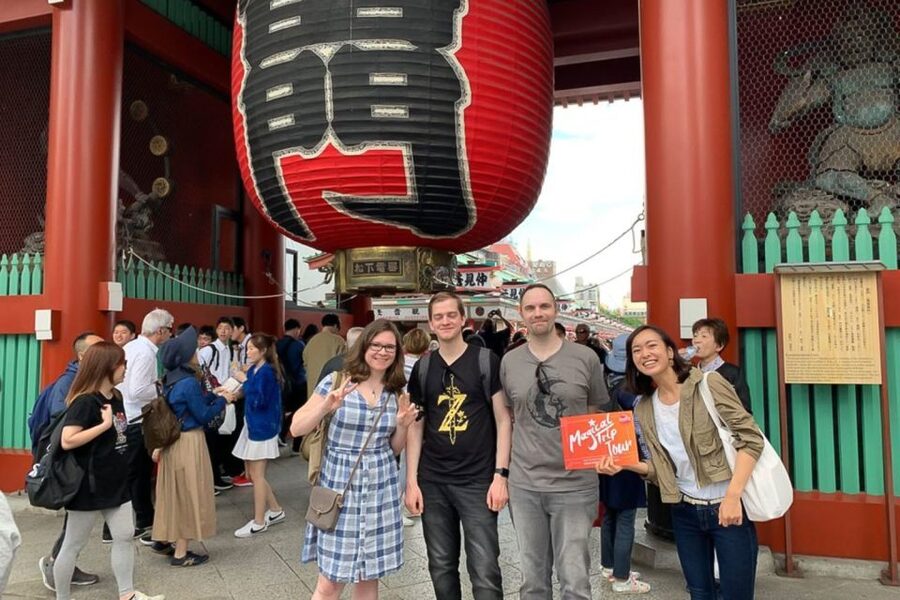
The walk continues through Nakamise, the shopping street leading toward Senso-ji. The stop lasts around 20 minutes, enough to see the traditional-style storefronts and consider the many food and souvenir choices.
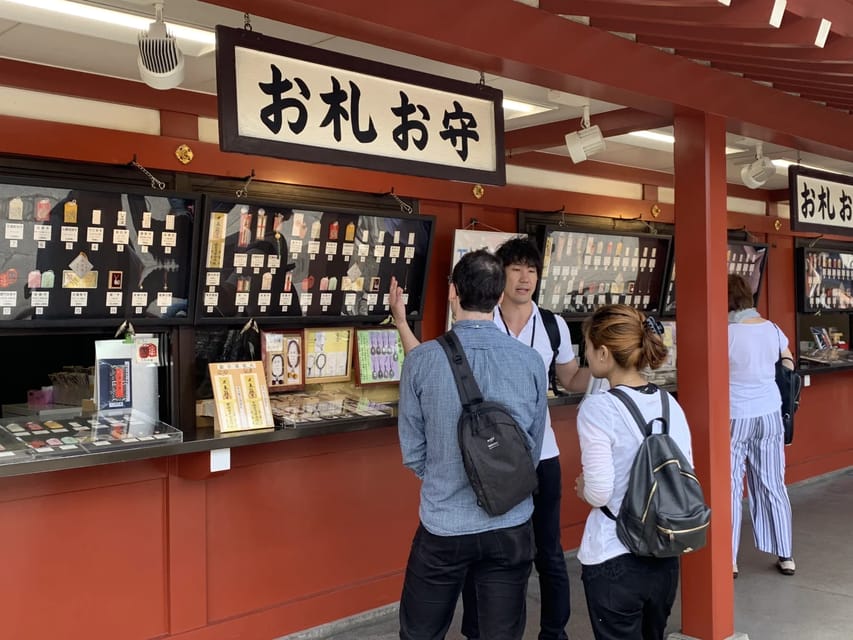
This is where the tour’s local advice can save you from buying the first item you see. Your guide can point out what to eat, what to buy, and which purchases are worth saving for later. You still have time after the tour to return to shops that catch your eye.
Nakamise is also the busiest part of the route. Expect crowds and limited space, especially around the main approach to the temple. That is not a flaw in the tour, but it affects the mood. You are seeing Asakusa’s best-known public face, not a quiet neighborhood street.
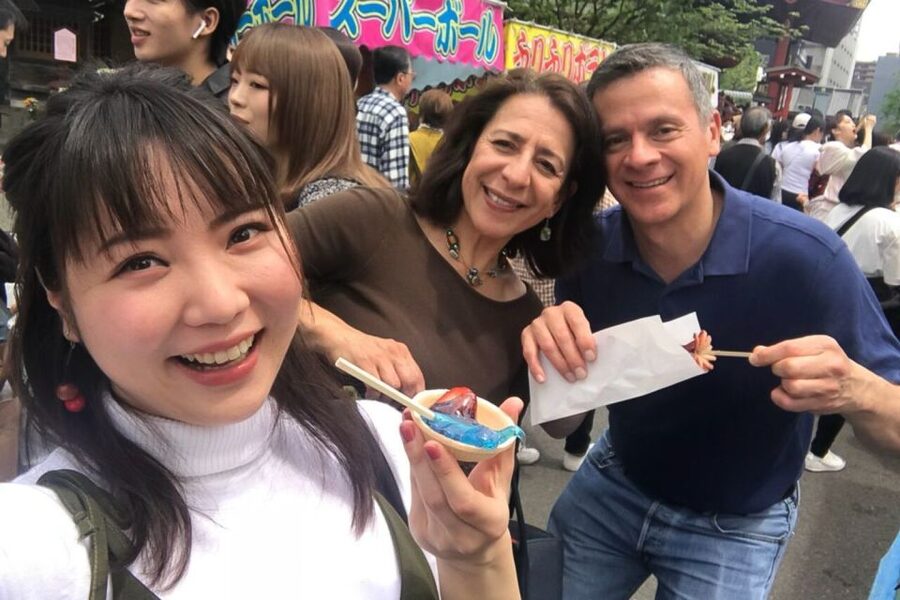
One small disappointment is possible here. A snack is included in the tour price, but the exact snack and timing are not fixed. One booking did not receive the promised snack, so I would treat the included lunch as the dependable food stop and the snack as a bonus.
More Asakusa visits:
- Tokyo: Japanese Dance Cabaret Theater Asakusa-Kaguwa Ticket
★ 4.8 · 2,270 reviews - Tokyo: Meiji Shrine, Asakusa, Skytree Bus Tour and Cruise
★ 4.7 · 1,986 reviews - Tokyo: Roll and Authentic Sushi Making Class in Asakusa
★ 4.9 · 1,957 reviews - Tokyo: Asakusa Walking Tour with Sensoji Temple Visit
★ 4.8 · 1,583 reviews
The 55-minute matcha lesson at Kaminari Issa
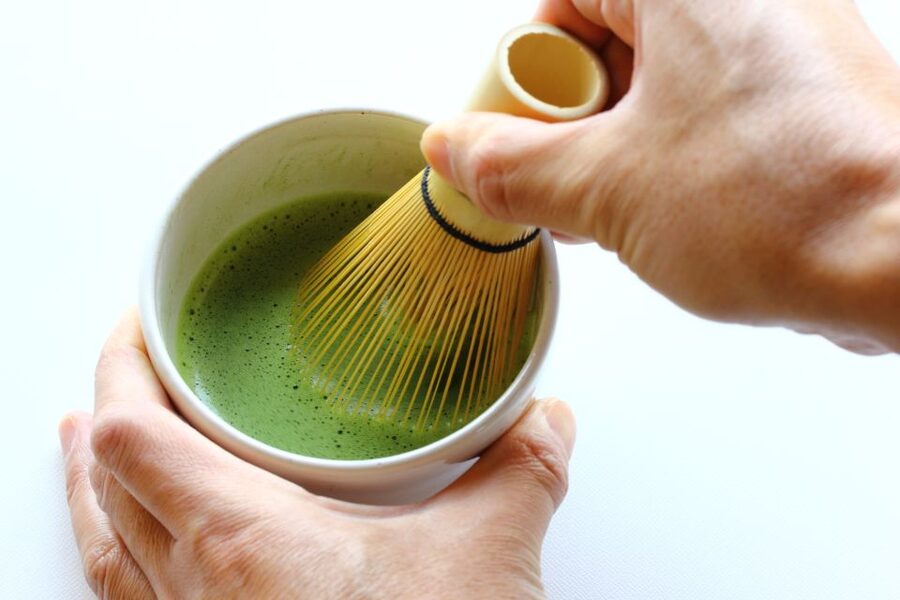
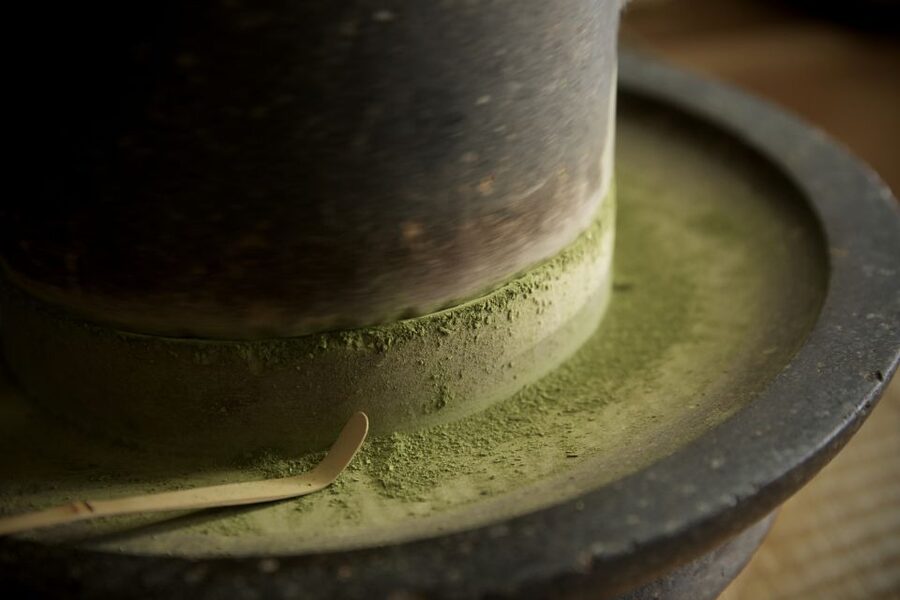
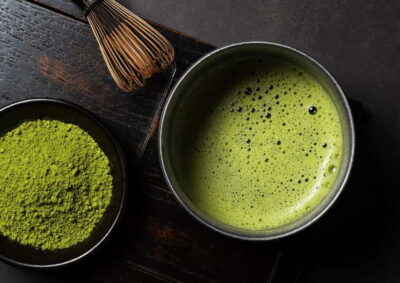
The most distinctive part of the experience is the matcha-making session at Kaminari Issa. You spend about 55 minutes learning how powdered green tea is prepared and then tasting the result.
This is not simply a cup of tea handed to you between sightseeing stops. You take part in the process, with the guide showing you each step. The pace gives you time to ask questions about tea customs, preparation, and the role of matcha in Japanese culture.
A guide named Hina received especially strong praise for making this section clear, patient, and enjoyable. She explained the tea-making process and its cultural background while helping the group through each technique. Hina may not be your guide on every date, but her approach shows the level of personal instruction this stop can offer.
The setting also changes the pace of the day. After the open streets and temple grounds, you get a quieter Japanese-style break. For couples and solo visitors, it is a pleasant chance to focus on one activity rather than trying to cover another sight.
The experience promises a taste of highly ranked matcha. Keep your expectations practical: this is a cultural lesson, not a formal tea-school ceremony with a long, silent ritual. Its appeal is the chance to make and taste the tea yourself.
Hoppy Street and the local lunch stop
The route includes about 15 minutes around Hoppy Street before lunch. This area is associated with casual local dining and an older side of Asakusa’s food culture. The short stop gives you a look at the restaurant scene and helps connect the district’s sightseeing areas with its everyday eating life.
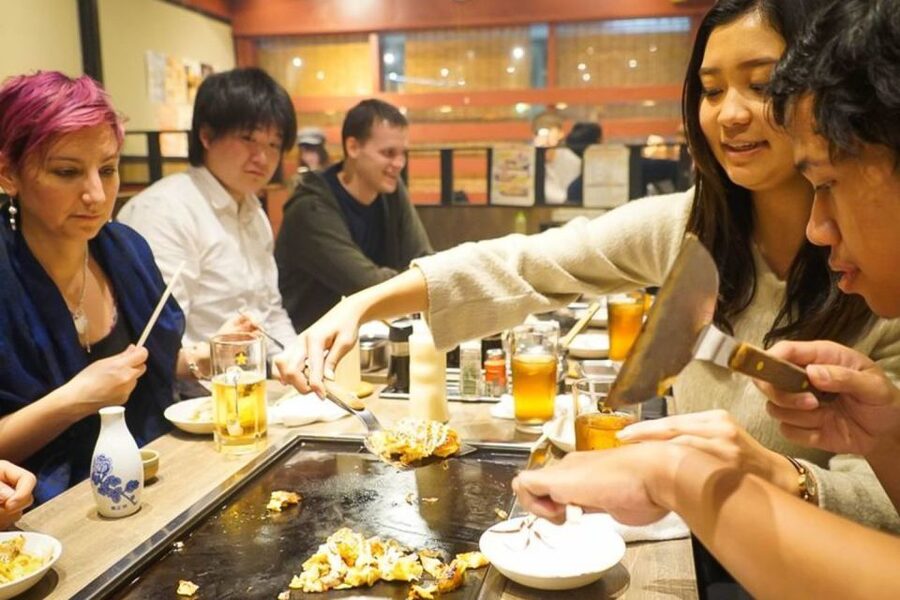
Lunch lasts around 40 minutes at a local café or restaurant. Your meal includes either okonomiyaki or monjayaki and one drink. You prepare the dish yourself, which turns lunch into another activity rather than a simple break.
Okonomiyaki is a savory Japanese pancake made at the table. Monjayaki is a softer, more liquid batter dish associated with Tokyo, and trying it is a major reason many people choose this tour. If monjayaki is important to you, ask at the start of the tour if it is available that day. One booking received okonomiyaki instead, and that was disappointing for someone who had already eaten it elsewhere.
The tour includes a vegetarian menu, but it is not vegan and is not suitable for people with gluten intolerance. The food is prepared in kitchens that are not operated by MagicalTrip, so allergy-free meals cannot be guaranteed. Substitutions may not be possible at every stop, although the guide may try to make up for a restriction at another stop.
You do not pay for the guide’s food or drinks. Extra food and drinks are available for purchase, which is useful if you want another drink or a little more to eat. Bring that possibility into your budget.
The guides make the difference
This tour depends heavily on the person leading it. A good guide can turn a familiar route into a cultural conversation, while a less engaging guide would leave you with little more than a series of stops.
The English-speaking guides named in past bookings include Hina, Nori, and Ramesh. Nori was praised for making the day work well even when the food details changed. Ramesh was described as friendly, informed, and fun, with a group atmosphere that felt welcoming.
That warmth matters in a small group. With no more than eight people, you are likely to have more chances to ask about customs, local restaurants, or shopping than you would on a large bus tour. You may also meet other people, which suits solo visitors and couples who enjoy a social afternoon.
The guide’s local connection is another reason to book this instead of simply following a map. The tour was created by someone who has lived in Asakusa for more than seven years, and the goal is to show you places and habits beyond the main tourist street.
What $88 buys you
At $88 per person, this is not the cheapest way to walk around Asakusa. You can visit Senso-ji, Nakamise, and Hoppy Street without paying for a guide.
The price makes more sense when you use the included experiences. You receive three hours with an English-speaking local guide, a matcha-making session, a snack, lunch with one drink, tour photos, and a small-group format. Buying lunch and a tea experience separately could easily bring the cost closer to this amount, though the exact comparison depends on the restaurants and tea venue you choose.
I see the strongest value for first-time visitors who want help making choices. You are paying to avoid guesswork, get explanations in English, and combine sightseeing with two cultural activities in a short block of time.
The value is weaker if you already know Asakusa well, have no interest in matcha, or want complete control over lunch. It is also less appealing if monjayaki is the single reason you are booking, since okonomiyaki may be served instead.
Who should book this three-hour experience
This tour suits families, couples, friends, and solo visitors. It gives children and adults something to do at each stage, and the food preparation keeps the afternoon from becoming a simple succession of buildings.
I would particularly recommend it for a first visit to Tokyo, or for anyone staying near Asakusa who wants local orientation before exploring independently. The 11 a.m. start is convenient after a slower morning, and finishing around 2 p.m. leaves the rest of the day for shopping, museums, or more Asakusa wandering.
It may not suit visitors with mobility needs, since parts of the route are not accessible by wheelchair or stroller. It is also a poor fit for strict dietary requirements, vegans, and anyone with gluten intolerance.
The tour runs in English and allows up to eight participants. That small size is a real advantage if you want conversation rather than a guide speaking to a crowd.
Practical details that can affect your day
You can cancel up to 24 hours ahead for a full refund, and you can reserve now while paying later. Check the available starting times when booking, since the stated schedule is 11 a.m. to about 2 p.m.
The tour operates outdoors as well as indoors, so dress for the weather. In bad weather, the planned rickshaw ride can be replaced with a Ninja Experience in Asakusa. Since the main schedule centers on walking, temple visits, tea, and lunch, confirm the exact weather adjustment with the operator if that activity is important to you.
Bring only what you need for three hours. Large bags are not permitted, and late arrival can end the experience before it begins.
Should you book the Asakusa Cultural Walk and Matcha Making Tour?
Book it if you want a guided introduction to Asakusa that mixes famous sights with participation. The matcha lesson and do-it-yourself lunch give the tour more substance than a standard temple walk, and the small group should make it easy to ask questions.
Think twice if you need a guaranteed monjayaki meal, strict allergy accommodations, vegan food, or step-free access. At $88, the tour earns its price through the guide, lunch, tea session, photos, and compact schedule, but it is not a bargain sightseeing walk.
For most first-time visitors who want a friendly local introduction, I would choose it, with one request: confirm the lunch option and dietary details before you go.
FAQ
How long does the Asakusa Cultural Walk and Matcha Making Tour last?
The tour lasts three hours. It starts at 11 a.m. and ends at about 2 p.m.
Where does the tour meet?
Meet in front of the Kaminarimon Police Box at Senso-ji. It is about three minutes from Exit 1 of Asakusa Station on the Ginza Line. Your guide will hold a red or orange sign.
What food is included?
The tour includes a small snack and lunch consisting of okonomiyaki or monjayaki plus one drink. Additional food and drinks can be purchased.
Is a vegetarian meal available?
Yes. A vegetarian menu is available, but the tour is not vegan.
Is the tour suitable for someone with gluten intolerance?
No. The experience is not suitable for people with gluten intolerance, and allergy-free meals cannot be guaranteed.
How many people are in the group?
The tour is limited to eight participants and is led in English by a live local guide.
Can I cancel the tour?
You can cancel up to 24 hours before the tour for a full refund. You can also reserve now and pay later.
More Walking Tours in Tokyo
- Tokyo Tsukiji Fish Market Food and Culture Walking Tour
★ 5.0 · 3,184 reviews - Tokyo: Imperial Palace and Shogun Historical Walking Tour
★ 5.0 · 2,251 reviews - Tokyo: Shinjuku Local Bar and Izakaya Guided Walking Tour
★ 4.9 · 1,794 reviews - Tokyo: Tsukiji Fish Market Food and Walking tour
★ 5.0 · 1,724 reviews
New on our Tokyo list
- Sumi-e Experience in a relaxing green tea shop in Tokyo★ 5.0 · 3 reviews
- Tokyo : Kamikaze Street Drift Ride★ 5.0 · 3 reviews
- Private Zen Meditation in English in Shinjuku, Tokyo★ 5.0 · 3 reviews
- Onsen Spa in Tokyo and Asakusa Bar Hopping with Local Guide★ 5.0 · 3 reviews
- Easy for everyone! Now you can play handmade mini shamisen and show off to everyone! Musical instruments, sweets and live music★ 5.0 · 3 reviews
- Mt Fuji Exploration Tour with Free Japanese Kusa Mochi from Tokyo★ 4.5 · 3 reviews
- Tokyo Tsukiji Fish Market Walking and Exploring Hidden Gems Tour★ 5.0 · 3 reviews
- Tokyo: Private Tsukiji Street Food & Sake with Local Guide★ 5.0 · 3 reviews
Tea Ceremonies, compared.
Matcha Making Class in Tokyo with Authentic Japanese Sweets Set
Read our review →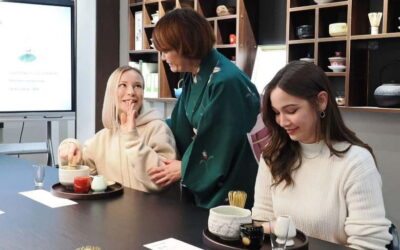
Matcha Making Experience with Mochi Sweets in Asakusa
Read our review →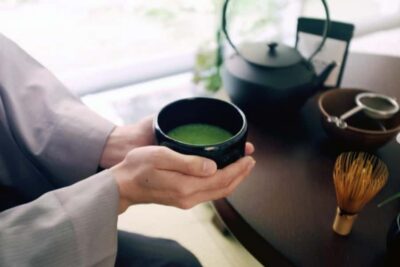
Tea Ceremony Workshop in Tokyo by the Experienced Instrucor
Read our review →

Make Traditional Nerikiri Sweets & Matcha experience in Shibuya
Read our review →Browse the lists this tour appears in