
Reviewed · WALKING TOURS
Buddha, Bamboo & Zen – Bespoke Kamakura Private Walking Tours
Kamakura gives you a welcome change from Tokyo’s bright signs and packed streets. This private day walk brings you to the Great Buddha, a quiet bamboo grove, old temples, samurai-era sites, and Kamakura’s most important shrine, all at a pace shaped around your group.
I like the flexible format, since Brad can follow your own wish list or steer you toward favorite spots. I also like the small-group setup, limited to six people, and the way the day allows for food, rest, shopping, and the very real possibility of stopping before you are templed out. The main drawback is that admission fees, transport, and lunch cost extra, and the day includes a fair amount of walking and travel between sights.
In This Review
- Key points at a glance
- Why Kamakura makes a good escape from Tokyo
- Starting at Kamakura Station and choosing your pace
- Kotoku-in and the Great Buddha
- Hasedera’s gardens and the Eleven-headed Kannon
- Hokoku-ji and the 2,000-stem bamboo grove
- Komachi Street for lunch, snacks, and browsing
- Tsurugaoka Hachimangu and Kamakura’s warrior past
- Yagura caves and the parts of Kamakura beyond the main sights
- What the $355.80 group price really covers
- Who will get the most from this private walk
- Should you book Buddha, Bamboo & Zen?
- FAQ
- How long does Buddha, Bamboo & Zen last?
- Where does the tour start and end?
- How many people can join the private tour?
- Is lunch included?
- Are temple admission fees included?
- How much should I bring for transport and temple fees?
- Can I cancel for a full refund?
Key points at a glance
- A private route with Brad: Your Australian English-speaking guide can shape the day around your interests, energy, and preferred pace.
- The Great Buddha and Hasedera: Two of Kamakura’s best-known Buddhist sights open the day with powerful art, gardens, and religious history.
- Hokoku-ji’s bamboo grove: Walk among about 2,000 moso bamboo plants and stop for matcha green tea.
- A useful mix of sights: The route includes temples, a Shinto shrine, shopping, food breaks, and man-made caves called yagura.
- Transport and walking both matter: About two hours are set aside for moving between attractions, resting, and eating.
- Good value for a group: The $355.80 price covers up to six people, but you should budget separately for entry fees, public transport, and meals.
Why Kamakura makes a good escape from Tokyo
Kamakura is close enough to visit from Tokyo, yet it feels like a different kind of Japan. The town is tied to samurai rule, Zen Buddhism, Shinto worship, and a long tradition of temple building. The appeal is not one single sight. It is the change of rhythm.
You can move from a huge bronze Buddha to a small garden, from a quiet bamboo path to a busy shopping street, then finish at a shrine connected with warriors. That mix gives the day shape without making it feel like a checklist.
This tour is especially useful if you want context along the way. Brad’s role is not just to point out buildings. He can explain the connection between Kamakura’s temples, Zen traditions, samurai culture, and the town’s understated style. His friendly, informal approach also helps if you are dealing with jet lag or finding Japanese transport for the first time.
The schedule is advertised at about six hours, though the route allows roughly two hours for walking, trains, buses, rest, and food. One family managed around seven hours, so you should expect some flexibility rather than a tightly timed procession from one gate to the next.
More Private Tours in Kamakura
- Kamakura Private Tour: Temples, Nature, and the Great Buddha
★ 5.0 · 121 reviews - Kamakura 8 hr Private Walking Tour with Licensed Guide from Tokyo
★ 5.0 · 80 reviews - Kamakura: Private Guided Walking Tour with Local Guide
★ 4.8 · 60 reviews
Starting at Kamakura Station and choosing your pace
The meeting point is Kamakura Station’s east exit, at 1 Chome-1 Komachi. This is a sensible place to begin because Komachi Street, Tsurugaoka Hachimangu, and the town center are close by.
From there, the day may include public transport and walking. Public transportation is not included, with an estimated cost of ¥840 per person. Bring cash, since the tour recommends about ¥2,000 per person for temple admissions and transport, plus extra money for food and drinks.
The private format is the heart of the experience. You can share an itinerary before the day, or let Brad take the lead. That matters in Kamakura, where a group interested in gardens may want a different day from one focused on samurai history, shopping, or Zen.
You can also call it a day once you feel satisfied. That is a small but important advantage over a large group tour, where the schedule often continues simply because the next stop is printed on the page.
Kotoku-in and the Great Buddha
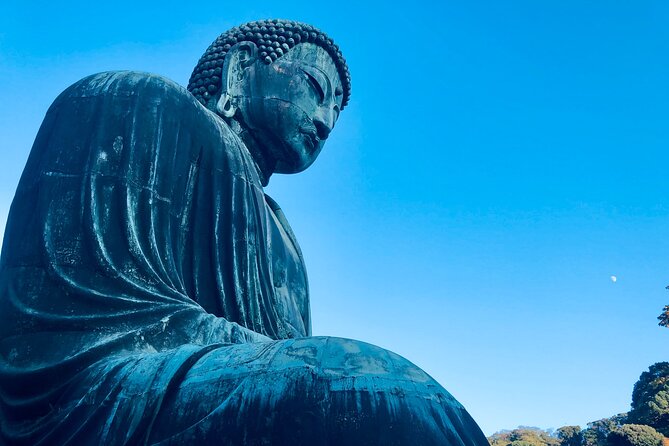
Kotoku-in is home to Kamakura’s best-known sight, the Great Buddha. The bronze statue rises 13.35 meters and has become a symbol of the town. It was first carved in wood before being cast in bronze, a detail that helps you appreciate the technical work behind its simple, calm appearance.
You get about an hour here. That gives you enough time to look closely, hear the story of the statue, and take photographs without rushing through the temple grounds.
Admission is not included. The listed cost for Kotoku-in is ¥300 per person. There is also an optional interior visit noted in the tour information, though the basic admission fee is the one you should plan for.
The Great Buddha is a major sight, so this is not the quietest stop of the day. Still, its scale gives the morning a strong opening. I like that the tour does not treat it as the whole Kamakura experience. You see the famous statue, then move toward smaller and more reflective places.
Hasedera’s gardens and the Eleven-headed Kannon
The next planned stop is Hasedera, a Buddhist temple known for its 9.18-meter Eleven-headed Kannon statue. The wooden image is connected with a tradition dating back 1,304 years, to 721 AD. Even if religious sculpture is not normally your main interest, the size and age of the figure make this a worthwhile stop.
The temple gardens are another reason to come. Flowers bloom at different times of the year, and the hydrangea path is a particularly well-known feature. The available information allows about 45 minutes here, so the visit is more focused than a long garden wander.
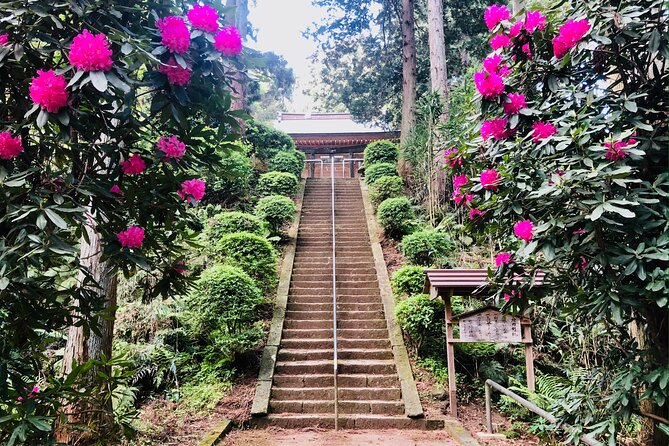
Admission is ¥400 per person and is paid separately. You should keep in mind that Hasedera can be more demanding than a flat town walk because temple grounds may include slopes and steps. The tour is described as suitable for most people, but you will want comfortable shoes and a sensible pace.
This is also a good place for Brad’s flexible style to help. If your group is more interested in gardens than sculpture, you can spend your attention outside. If the Kannon statue and Buddhist traditions catch your interest, the stop can carry more historical weight.
More Walking Tours in Kamakura
- Kamakura Historical Walking Tour with the Great Buddha
★ 5.0 · 129 reviews - Kamakura Walking Tour – The City of Shogun
★ 5.0 · 100 reviews - Kamakura 6hr Private Walking Tour with Government-Licensed Guide
★ 5.0 · 42 reviews
Hokoku-ji and the 2,000-stem bamboo grove
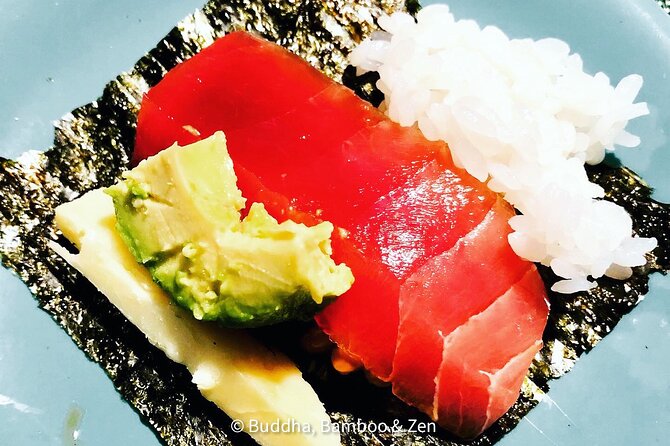
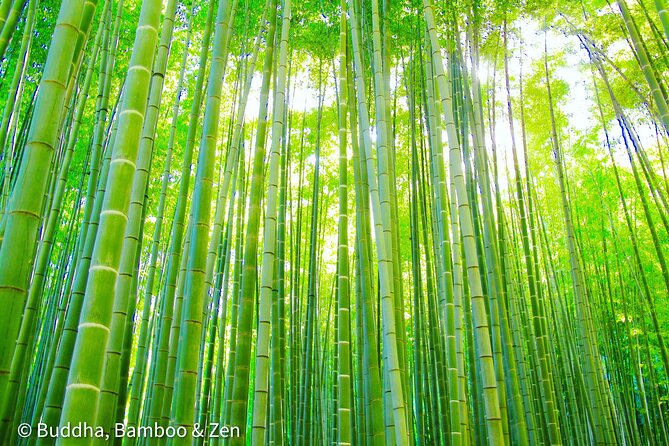
Hokoku-ji is the most atmospheric stop on the route. This Rinzai Zen temple was founded in 1334 and is often called the Bamboo Temple. Its grove contains about 2,000 moso bamboo plants, creating a narrow green passage that feels far removed from Tokyo.
The grove is not enormous, so you should not expect a full-day forest walk. Its value comes from the contrast. After the scale of the Great Buddha and the formal gardens of Hasedera, the bamboo path offers a quieter pause.
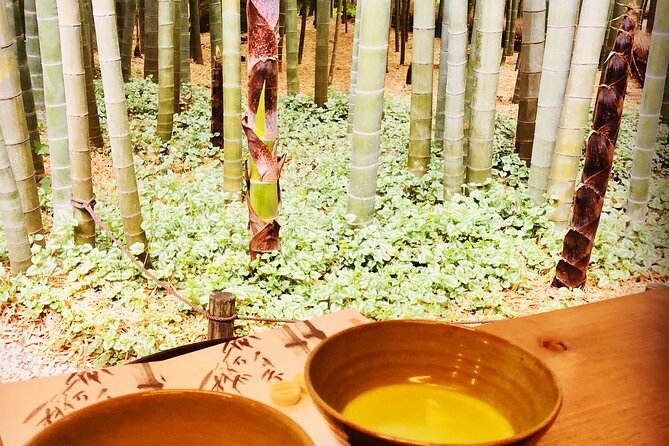
A small additional fee of ¥600 per person is listed for Hokoku-ji. You can also enjoy matcha green tea here for an extra charge. The tea stop gives the visit a useful sense of place, but remember that all food and drinks are separate from the tour price.
I like this part of the route because it is simple. You walk, look up, slow down, and let the setting do some of the work. If you are hoping for long periods of silence, keep expectations in check, since the grove is a popular attraction. Still, it is one of the most memorable settings in this Kamakura itinerary.
Komachi Street for lunch, snacks, and browsing
Komachi Street cuts through the heart of Kamakura and makes a lively break from temple grounds. The pedestrian street is lined with dining choices, small shops, and side streets worth exploring.
One hour is allocated here, but the private format may allow the stop to stretch if lunch or shopping matters to your group. Food is not included, and neither are drinks or snacks. You will need to choose and pay for your own meal.
This stop keeps the tour from becoming a full day of religious sites. Some people enjoy visiting temple after temple. Others begin to lose focus by the third gate. Komachi gives you a chance to sit down, eat, browse, and reset.
The street can feel much busier than the temple areas, especially at popular times. That is part of its character, but it may not suit you if you want a fully quiet day. Brad can help balance the busy shopping street with calmer stops elsewhere.
Tsurugaoka Hachimangu and Kamakura’s warrior past
Tsurugaoka Hachimangu is Kamakura’s leading Shinto shrine. It was first established in 1063 and is dedicated to Hachiman, the tutelary deity of warriors. The shrine gives the day a different religious and historical viewpoint from the Buddhist temples.
You approach the shrine along a broad route leading toward its main buildings. The setting helps explain Kamakura’s importance as a center of samurai power. Here, the focus shifts from statues and Zen gardens to Shinto practice and the culture of warrior families.
Admission to the shrine is free, though some areas or special features may have separate charges if applicable. The planned visit lasts about an hour.
This is a strong final major stop because it brings several themes together. Kamakura was not simply a seaside town with old temples. It was a political and military center where Buddhism, Shinto, and samurai life shaped one another.
Yagura caves and the parts of Kamakura beyond the main sights
The advertised route also includes man-made caves known as yagura. These rock chambers are linked with Kamakura’s medieval past and give you a look at a less polished side of the town.
The exact cave stop can vary because this is a bespoke tour. That flexibility is useful if your group wants to see more than the headline attractions. You might spend more time on samurai history, take a short historic-pass hike, or visit additional temples and shrines that fit your interests.
The key point is to discuss priorities with Brad before the day begins. If you want the standard highlights, the planned route gives you plenty. If you have already seen the Great Buddha or prefer history and walking trails, the day can be adjusted.
The tour description makes clear that Brad is alert to temple fatigue. That is practical, not just friendly wording. Kamakura offers more religious sites than most people can absorb in one day, and a good guide knows when a quiet street, lunch, or a change of subject will help.
What the $355.80 group price really covers
The listed price is $355.80 per group, for as many as six people. At the full group size, that works out to about $59.30 per person before admissions, transport, and food. For two people, the per-person cost is much higher, so this tour gives better value to families and friend groups.
The price includes guiding services only. Based on the listed fees, the three main paid temples add up to ¥1,300 per person:
- Kotoku-in: ¥300
- Hasedera: ¥400
- Hokoku-ji: ¥600
Public transport is estimated at ¥840 per person. Lunch, matcha, drinks, and snacks are also extra. The tour recommends carrying about ¥2,000 per person for admissions and transport, though the listed amounts total slightly more than that, so I would bring a little extra cash.
The value comes from the private attention and the ability to adjust the day. A cheaper shared tour may cover the same famous sights, but it is less likely to pause for your lunch preference, skip a temple when you are tired, or add a short hike because your group wants one.
Who will get the most from this private walk
I would choose this tour if you are traveling with family or friends and want one person to handle the local flow of the day. It is also a good match if you want history explained in plain English rather than simply reading signs.
The tour suits people who enjoy a mix of major sights and quieter details. You should be comfortable with walking, public transport, steps, and several hours on your feet. The route includes rest and food breaks, but it is not a vehicle-based sightseeing tour.
It can work well for first-time visitors to Kamakura because it covers the essential sights. It can also suit returning visitors if you tell Brad what you have already seen and ask for a less familiar route.
The experience may be less suitable if you want a fixed, minute-by-minute schedule, a fully private vehicle, or all costs bundled into one price. It also requires good weather. If poor weather forces cancellation, you can choose another date or receive a full refund.
The listed operating information shows Wednesday availability from 8:00 AM to 5:00 PM, with the activity beginning and ending at Kamakura Station. Confirm the exact date and timing when booking.
Should you book Buddha, Bamboo & Zen?
Book it if you want a flexible Kamakura day with a personal guide, especially for a group of up to six. The strongest parts are Brad’s friendly local approach, the blend of Buddhist temples and a Shinto shrine, and the freedom to slow down, eat, shop, or stop when your group has had enough.
The tour has a perfect 5 rating from 25 ratings and a 100 percent recommendation rate, but the practical details matter more than the headline score. You will pay extra for admissions, transport, and food, and the day involves substantial walking.
For a family that wants to escape Tokyo’s city pace, or friends who want a mix of the Great Buddha, bamboo, samurai history, gardens, and local streets, this is a strong choice. Bring comfortable shoes, cash, and a rough idea of your priorities. Then let the day remain pleasantly flexible.
FAQ
How long does Buddha, Bamboo & Zen last?
The tour lasts approximately six hours. About two hours are allowed for travel between attractions on foot, by train, and by bus, along with rest and food breaks.
Where does the tour start and end?
The meeting point is Kamakura Station at the east exit, 1 Chome-1 Komachi. The activity ends back at the meeting point.
How many people can join the private tour?
The tour is private and is available for groups of up to six people.
Is lunch included?
No. Lunch, matcha green tea, snacks, drinks, and other food are paid for separately by each person.
Are temple admission fees included?
No. Temple entry fees are separate. The listed fees are ¥300 for Kotoku-in, ¥400 for Hasedera, and ¥600 for Hokoku-ji.
How much should I bring for transport and temple fees?
The tour recommends about ¥2,000 per person for temple admissions and transportation, plus extra cash for food and drinks. Public transport is estimated at ¥840 per person.
Can I cancel for a full refund?
Yes. You can cancel at least 24 hours before the experience start time for a full refund. If poor weather causes the tour to be canceled, you will be offered another date or a full refund.
New on our Kamakura list
- Yokohama and Kamakura 6hr Private Trip Government-Licensed Guide★ 5.0 · 25 reviews
- Tokyo: Kamakura and Yokohama Private Day Trip with Guide★ 4.6 · 27 reviews
- Private Kamakura plus Yokohama Tour – English Speaking Driver★ 4.5 · 28 reviews
- Day Trip to Kamakura & Enoshima: Shrines, Seaside, Temples & Tea★ 5.0 · 32 reviews
- Kamakura: A Journey Through Medieval Japan★ 4.9 · 32 reviews
- From Tokyo: Kamakura Private Customize Tour by Luxury Van★ 4.6 · 38 reviews
- Exciting Kamakura – One Day Tour from Tokyo★ 5.0 · 40 reviews
- When Emperors Reigned and Shoguns Ruled★ 5.0 · 43 reviews
Walking Tours, compared.
Tokyo Tsukiji Fish Market Food and Culture Walking Tour
Read our review →
Imperial Palace and Shogun Historical Walking Tour
Read our review →
Shinjuku Local Bar and Izakaya Guided Walking Tour
Read our review →
Asakusa Walking Tour with Sensoji Temple Visit
Read our review →
Tokyo Castle & Imperial PalaceーShogun Walking Tour
Read our review →
Browse the lists this tour appears in