
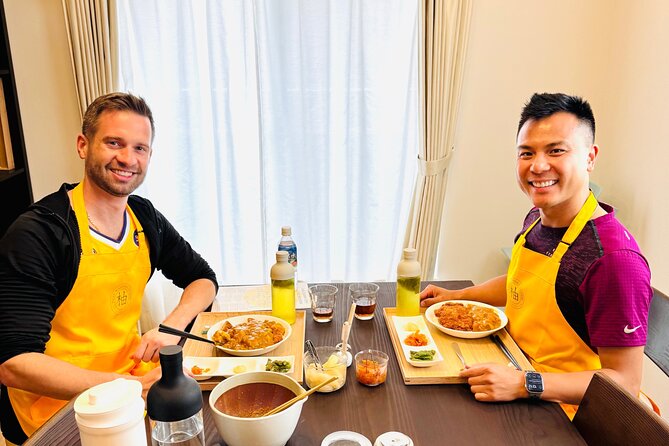
Reviewed · JAPANESE COOKING CLASSES
Japanese Katsu Curry Cooking Class–near YANAKA, Tokyo!
The special appeal here is that you make Japanese curry roux from scratch, rather than opening a box of curry cubes. Yuki, your home-cook host, also teaches the little tricks behind crisp, golden tonkatsu, then sits down with you for a proper curry-rice lunch.
I like the small maximum group of six, which keeps the class personal, and I like its quiet setting in old Tokyo near Yanaka. You get cooking instruction plus a short talk about Japanese home cooking and Tokyo life. The main drawback is price: at $111.67 per person, this costs far more than an ordinary curry lunch, so its value depends on how much you want the lesson and social time.
In This Review
- Key Points
- Why Scratch-Made Curry Changes the Class
- Meeting Yuki in Old Tokyo
- 10:30 to 12:30: Building Curry From the Base Up
- Getting Tonkatsu Crisp Without Making It Greasy
- A Seasonal Vegetable Side Dish and Japanese Tea
- What the $111.67 Price Really Buys
- Dietary Needs and Practical Planning
- Who Will Get the Most From This Class
- What to Know Before You Book
- Should You Book the YUZU WASHOKU STUDIO Class?
- FAQ
- Where does the Japanese katsu curry class meet?
- What time does the class start?
- How long does the experience last?
- What food will I make?
- Is tonkatsu always made with pork?
- Can dietary needs be accommodated?
- What is the cancellation policy?
Key Points
- Scratch-made curry roux: Adjust the seasoning and flavor instead of relying on packaged cubes.
- Tonkatsu technique: Learn how to fry a pork cutlet until it is crisp and golden, with chicken or tofu available by advance request.
- Small home kitchen setting: The class takes place in a quiet residential area near Yanaka, not in a large cooking school.
- Lunch is included: Eat your curry rice, tonkatsu, seasonal vegetable side dish, and drink what you prepare.
- Useful for cooking at home: Recipes and ingredient substitution tips help you repeat the dishes outside Japan.
- Dietary requests matter: Vegetarian, gluten-free, halal, and other needs must be stated when booking.
Why Scratch-Made Curry Changes the Class
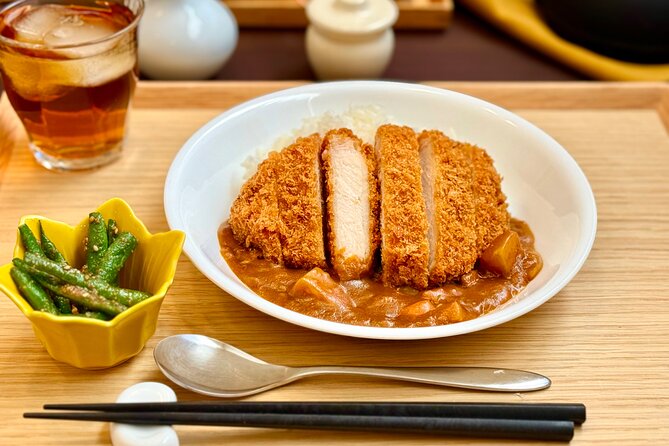
Japanese curry is often thought of as an easy weeknight meal made with a block of prepared roux. That version is common and comforting, but it hides much of the cooking process. Here, you make the roux yourself and can adjust the flavor to suit your taste.
That makes this more than a recipe demonstration. You get a better sense of how Japanese curry is built, and you leave with a method you can adapt at home. The class also includes advice on replacing ingredients with items sold in your own country, a valuable touch if you do not expect to find every Japanese product after your trip.
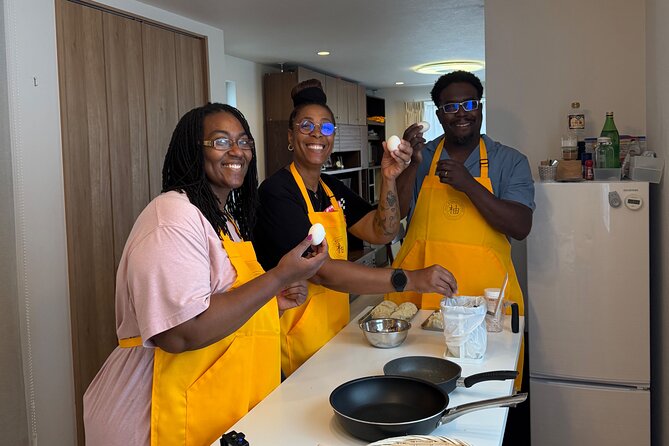
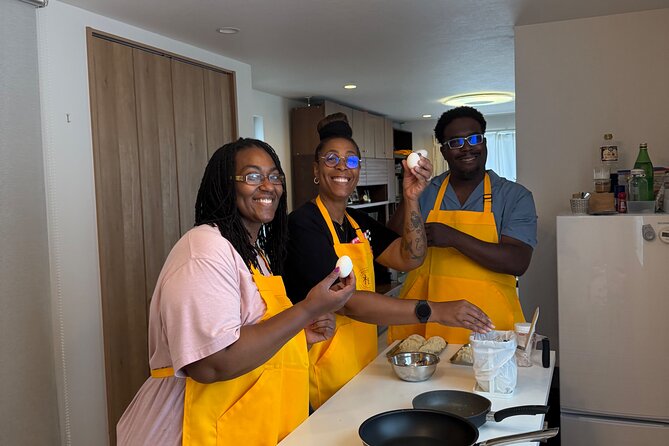
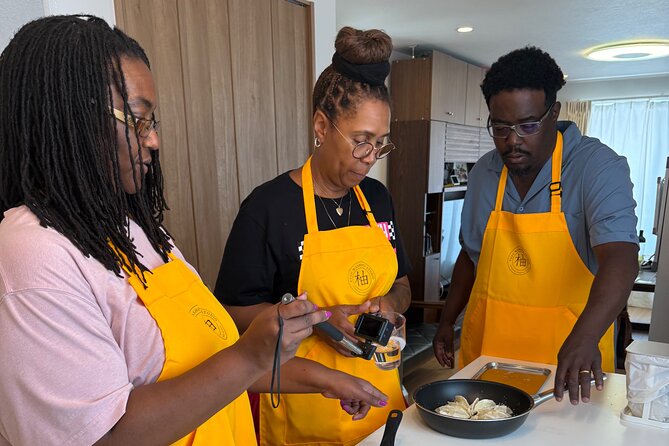
Yuki keeps the format hands-on. You are not simply watching a chef work while standing behind a counter. The experience is designed around cooking together, with simple recipes and practical pointers. That setup works well for curious home cooks, including people who already know their way around a kitchen.
One past participant who considered themselves an experienced cook still picked up useful ways to improve. That is a good sign for mixed groups, since the class does not appear aimed only at complete beginners.
More old-Tokyo backstreet walks:
- The Old Quarter of Tokyo – Yanaka Walking Tour
★ 4.5 · 590 reviews - Yanaka Walking Tour: Historic and Traditional District of Tokyo
★ 5.0 · 530 reviews - Tokyo: Old Quarter Yanaka Walking Tour
★ 4.8 · 406 reviews
Meeting Yuki in Old Tokyo
The class begins at 10:00 a.m. at YUZU WASHOKU STUDIO, at 1-chōme-58-4 Nishinippori in Arakawa City. The address is near public transportation and close to Yanaka, one of Tokyo’s older downtown districts.
The studio sits in a quiet residential neighborhood. That setting is part of the experience. You are not being ushered into a restaurant kitchen designed for large groups. Instead, you get a glimpse of ordinary Tokyo life, with the cooking taking place in a home-style Japanese kitchen.
The quieter location also means you should allow time to find the exact meeting point. The activity provides a mobile ticket, but you will still want to check your route and arrive ready for a residential street rather than a major sightseeing entrance.
From 10:15 to 10:30, Yuki gives a short introduction to Japanese home cooking and offers Tokyo guidance. This is a modest part of the schedule, but it adds useful context before the cooking begins. If you are exploring Yanaka afterward, the local orientation can help you look at the neighborhood with more attention.
10:30 to 12:30: Building Curry From the Base Up
The main cooking session begins at 10:30. You prepare the curry without store-bought roux, then shape the final flavor to your liking.
The exact recipe and seasonal ingredients may vary, but the point is consistent: you learn the process rather than memorizing a fixed restaurant formula. You can pay attention to how the roux develops and how small changes affect the finished curry.
This is especially useful if Japanese curry is a favorite food for you. At home, you can make the flavor milder, stronger, sweeter, or more suited to the ingredients available in your kitchen. The class is not just about reproducing one lunch in Tokyo. It gives you a framework for making the dish again.
The recipes are described as simple and easy to follow. That matters because a cooking class can lose its value if the instructions are too fussy to repeat. Yuki also explains ingredient substitutions, so you are not left with a recipe that only works if you shop in Japan.
You should expect participation rather than a polished chef performance. The small group, capped at six people, makes it easier to follow the steps and ask questions. It also means the experience may feel more social and informal than a formal culinary school lesson.
Getting Tonkatsu Crisp Without Making It Greasy
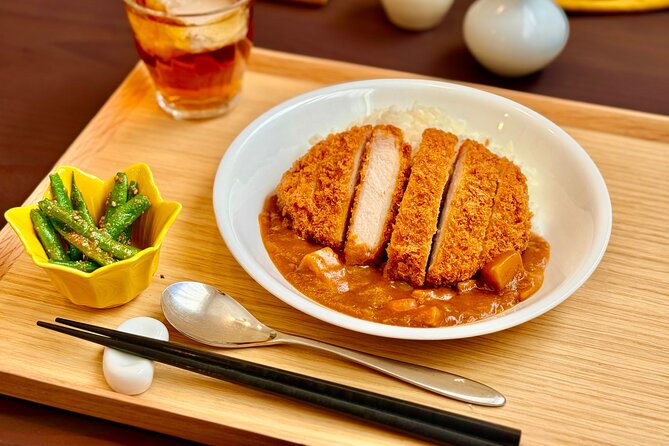
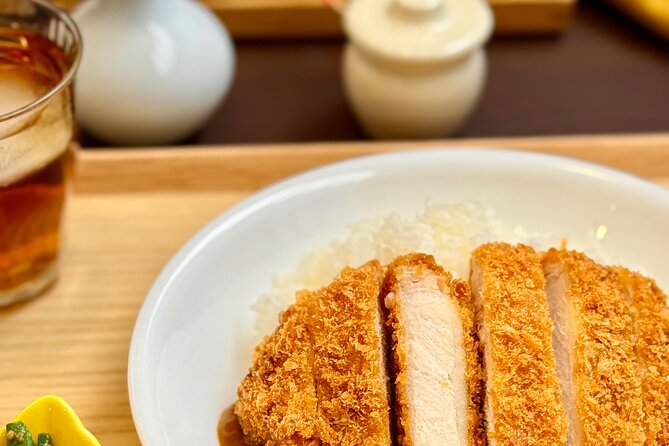
The second major skill is tonkatsu, the breaded and fried cutlet usually served with Japanese curry. The goal is a crisp, golden coating around tender meat, and the class focuses on how to get that result at home.
This is one of the strongest reasons to choose this experience instead of a general Japanese food class. Curry alone is useful, but curry paired with tonkatsu teaches you two different kinds of cooking: building a sauce from scratch and managing a fried coating.
Tonkatsu is typically made with pork. If you prefer not to eat pork, chicken or tofu can be substituted, but you need to request that in advance. That flexibility is helpful, though it is not something to leave until the morning of the class.
The class should suit a range of cooking abilities. A beginner gets a clear introduction to a well-loved Japanese dish, while an experienced cook can focus on technique, timing, and small improvements. One participant even wished they had photographed Yuki’s rice cooker, which hints at the practical, everyday nature of the class. This is home cooking, not a staged restaurant spectacle.
More cooking classes in Tokyo:
- Ramen & Gyoza Cooking Class in Tokyo with Local Supermarket Visit
★ 5.0 · 823 reviews - Tokyo: Easy Ramen Cooking Experience in Kabukicho, Shinjuku
★ 4.6 · 321 reviews - Ramen and Sushi Cooking Class with Sake Pairing Set in Tokyo
★ 5.0 · 291 reviews - Tokyo: Wagyu and 7 Japanese Dishes Cooking Class
★ 4.9 · 273 reviews
A Seasonal Vegetable Side Dish and Japanese Tea
Curry and fried cutlet make a rich meal, so the seasonal vegetable side dish is a welcome part of the menu. The vegetables change with the season, which means the side dish is not fixed year-round.
That seasonal element adds variety, but it also means you should not book expecting one exact vegetable preparation. If a particular ingredient matters to you, ask ahead rather than assuming it will appear.
Lunch includes the curry rice, tonkatsu, side dish, green tea, and water. You eat what you have prepared, turning the lesson into a complete midday meal rather than a series of small samples.
The green tea fits the setting and gives the meal a simple Japanese finish. There is no mention of alcoholic drinks or extra tasting menus, so you should see this as a focused cooking lunch, not a broader food tour.
The session is scheduled to finish around 12:30 p.m., making it easy to continue sightseeing in Yanaka or nearby parts of Tokyo afterward. Since the class ends where it begins, you do not need to arrange a separate return transfer.
What the $111.67 Price Really Buys
At $111.67 per person, this is a premium lunch experience. You could eat curry and tonkatsu for much less in Tokyo. The price makes sense only if you value the instruction, the small group, the recipes, and the chance to cook with a local host.
Several practical extras are included: the meal, seasonal side dish, green tea, water, a rental apron, and a hand towel. Hotel pickup is not included, so you make your own way to Nishinippori.
The best value comes if you plan to use the recipes after your trip. A visitor who simply wants to taste Japanese curry may find a restaurant better suited to the budget. A home cook who wants to understand the dish and repeat it later gets more from the fee.
The advance booking pattern also tells you something useful. The class is booked, on average, 44 days ahead, so it is wise to reserve early if your Tokyo dates are fixed. The small capacity of six limits the number of places available on each date.
Dietary Needs and Practical Planning
Dietary requests are possible, but you need to state them when reserving. Vegetarian, gluten-free, halal, and other special requirements should be discussed in advance.
For the tonkatsu, pork can be replaced with chicken or tofu. This is helpful for people who avoid pork, but you should not assume that every part of the meal automatically suits your diet. Give Yuki clear information before the class so the menu can be planned properly.
The experience requires good weather and a minimum number of participants. If poor weather or low enrollment causes a cancellation, you are offered another date or experience, or a full refund.
You can cancel for a full refund up to 24 hours before the start time. Changes or cancellations inside that 24-hour window are not accepted for a refund. Since the class begins at 10:00 a.m. local time, check Tokyo time when making any last-minute decision.
No accessibility details are provided, so contact the provider directly if you have mobility needs or require specific arrangements. The meeting point is near public transportation, but the studio is in a residential neighborhood rather than a purpose-built tourist venue.
Who Will Get the Most From This Class
I would recommend this to you if Japanese curry is one of the foods you most want to understand, not just eat. It is also a good pick for couples, small groups, and solo visitors who enjoy sharing a meal while learning a practical skill.
The class has a warm, personal feel. Yuki’s replies to participants are friendly and individual, and the teaching style appears to be encouraging rather than formal. One couple booked it for a honeymoon and described it as a perfect part of their trip, while another participant returned home and made the dishes again.
It also suits people who want a break from Tokyo’s major sights. Yanaka and Nishippori offer a slower setting than the city’s busiest shopping and entertainment districts. The studio provides a brief look at daily life, with cooking as the reason for being there.
I would be less likely to recommend it if you want a fast activity, dislike fried food, or have no interest in cooking after you return home. The class lasts about two and a half hours, and much of its value lies in learning techniques you can reuse.
What to Know Before You Book
Reserve early, especially for weekends or a tightly planned Tokyo visit. The maximum group size is six, and the typical booking lead time is about 44 days.
Bring your appetite, but do not expect to arrive for lunch alone. The food is the result of your shared work, and the cooking process is the main event.
Tell Yuki about allergies and dietary needs at the time of booking. If you want chicken or tofu instead of pork, request it then as well.
Wear something comfortable for a kitchen setting. An apron and hand towel are supplied, so you do not need to pack those.
Allow enough time to reach the Nishippori address. The mobile ticket is convenient, but a phone confirmation does not replace planning your route through the residential streets.
Should You Book the YUZU WASHOKU STUDIO Class?
Book it if you want a small, personal cooking lesson that goes beyond packaged curry cubes. The combination of scratch-made roux, tonkatsu technique, a seasonal vegetable dish, and a sit-down lunch gives you a complete two-and-a-half-hour experience.
The $111.67 fee is not a bargain meal price. It is a fairer deal for someone who values instruction, local conversation, and recipes that can be made again at home. If that sounds like you, this class offers a useful and tasty look at everyday Japanese cooking near Yanaka.
FAQ
Where does the Japanese katsu curry class meet?
It meets at YUZU WASHOKU STUDIO, 1-chōme-58-4 Nishinippori, Arakawa City, Tokyo 116-0013, Japan.
What time does the class start?
The class starts at 10:00 a.m.
How long does the experience last?
The experience lasts approximately 2 hours and 30 minutes, finishing around 12:30 p.m.
What food will I make?
You will make Japanese curry from scratch, tonkatsu, and a seasonal vegetable side dish. Lunch includes curry rice, the side dish, green tea, and water.
Is tonkatsu always made with pork?
Tonkatsu is typically made with pork, but chicken or tofu can be substituted if you request it in advance.
Can dietary needs be accommodated?
Vegetarian, gluten-free, halal, allergy, and other special dietary needs can be discussed, but you must provide the information when making your reservation.
What is the cancellation policy?
You can cancel up to 24 hours before the start time for a full refund. Cancellations or changes made less than 24 hours before the experience are not accepted for a refund.
More Workshops in Tokyo
- Sushi Making Tokyo Roll and Authentic Japanese Sushi Class
★ 5.0 · 3,971 reviews - Tokyo: Roll and Authentic Sushi Making Class in Asakusa
★ 4.9 · 1,957 reviews - Tokyo Shinjuku Chopsticks Making Class
★ 5.0 · 1,763 reviews - Tokyo: Sushi Making Class in a Happi Coat near a Famous Spot
★ 4.9 · 1,377 reviews
New on our Tokyo list
- Sumi-e Experience in a relaxing green tea shop in Tokyo★ 5.0 · 3 reviews
- Tokyo : Kamikaze Street Drift Ride★ 5.0 · 3 reviews
- Private Zen Meditation in English in Shinjuku, Tokyo★ 5.0 · 3 reviews
- Onsen Spa in Tokyo and Asakusa Bar Hopping with Local Guide★ 5.0 · 3 reviews
- Easy for everyone! Now you can play handmade mini shamisen and show off to everyone! Musical instruments, sweets and live music★ 5.0 · 3 reviews
- Tokyo Tsukiji Fish Market Walking and Exploring Hidden Gems Tour★ 5.0 · 3 reviews
- Tokyo: Private Tsukiji Street Food & Sake with Local Guide★ 5.0 · 3 reviews
- Mt Fuji Exploration Tour with Free Japanese Kusa Mochi from Tokyo★ 4.5 · 3 reviews
Japanese Cooking Classes, compared.
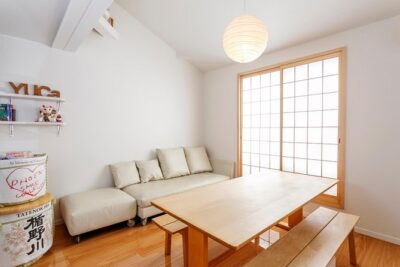
Ramen & Gyoza Cooking Class in Tokyo with Local Supermarket Visit
Read our review →
Easy Ramen Cooking Experience in Kabukicho, Shinjuku
Read our review →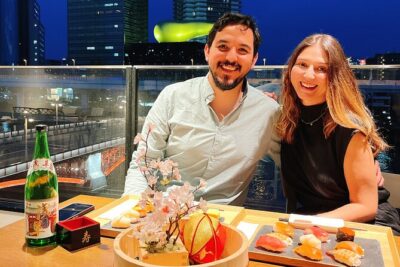
Ramen and Sushi Cooking Class with Sake Pairing Set in Tokyo
Read our review →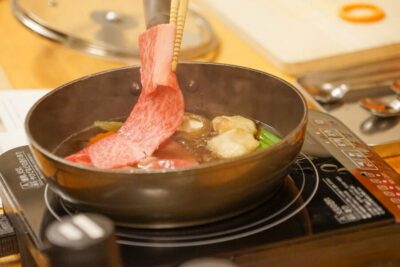
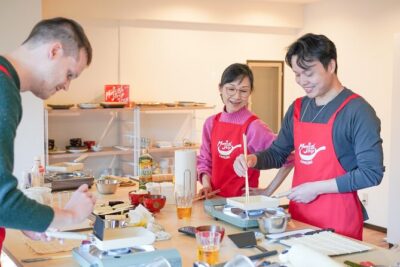
Tokyo Washoku 4-hour Cooking Class: From Market to Table
Read our review →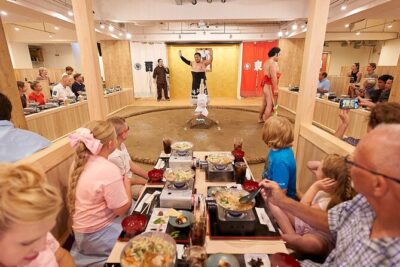
TokyoSumoShow, ChickenHotPot, and Mochi-Pounding by Pro Wrestlers
Read our review →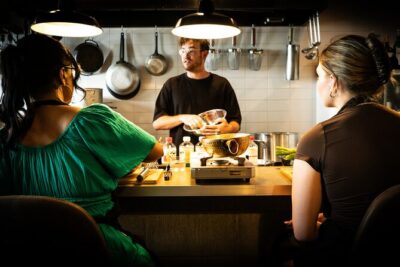
Professional Ramen & Gyoza with Ramen Chef in a restaurant!
Read our review →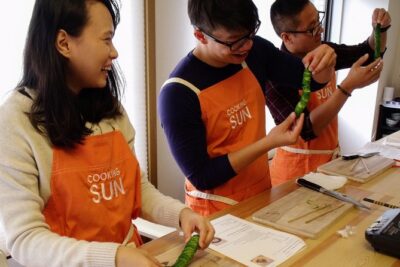
Small-Group Wagyu Beef and 7 Japanese Dishes Tokyo Cooking Class
Read our review →Browse the lists this tour appears in