
Reviewed · TEMPLE & SHRINE TOURS
Kamakura Walking Tour with Local Guide Including Hokokuji Temple
Kamakura packs shrines, temples, a giant bronze Buddha, and a quiet bamboo grove into one rewarding day outside Tokyo. The best part is the contrast: you move from the bright vermilion gates of Tsurugaoka Hachimangu to the calm green aisles of Hokokuji, then on to the 47-foot Great Buddha.
I like the small private group, limited to five, because your guide can explain Shinto and Buddhist customs without shouting over a crowd. I also like that the guides, including Take, Hiroyuki Iwai, Steve, and Kobata-san, have helped people handle local trains and buses while adding useful cultural context. The main drawback is cost: the $146.59 price does not include local transportation, lunch, or three temple entrance fees.
In This Review
- Key points to know before booking
- Why Kamakura makes a smart day trip from Tokyo
- Tsurugaoka Hachimangu, Kamakura’s grand starting point
- Hokokuji’s bamboo grove and Zen calm
- Two hours on Komachi Street
- Meeting Kamakura’s Great Buddha
- Hasedera and the eleven-faced Kannon
- What the private format adds
- The real cost of the day
- Fitness, timing, and what to bring
- Who should book this Kamakura tour
- Should you book it?
- FAQ
- How long does the Kamakura walking tour last?
- What time does the tour begin?
- Is this a private tour?
- Are transportation costs included?
- Which entrance fees must I pay separately?
- Is lunch included?
Key points to know before booking
- The Great Buddha is only one part of a full Kamakura day: You also visit two major religious sites, a bamboo grove, and Komachi Street.
- Hokokuji’s bamboo garden requires a separate fee: Allow ¥400 for entry, with tea available as part of the temple experience if offered on the day.
- The tour is private and small: Only your group participates, with a maximum group size of five.
- Local transport is extra: Budget around ¥2,000 per person for transportation to and from the attractions for you and your guide.
- The nine-hour schedule includes transit: The listed sightseeing stops total about four hours, so the rest of the day is used for moving between Tokyo and Kamakura.
- You need moderate fitness: Expect walking, public transportation, and time on your feet at temple and shrine grounds.
Why Kamakura makes a smart day trip from Tokyo
Kamakura offers a different side of Japan without requiring an overnight stay. It was once the center of political power in Japan, and its religious monuments remain the main reason to come. This tour gives you a useful first look at that mix in a single day.
You begin at 9:00 a.m., with hotel pickup included. The exact route to Kamakura depends on the transport plan, but local trains and buses are part of the experience. That matters because your guide does not simply deposit you at a gate and leave you to sort out the rest. Guides who have led this outing, including Hiroyuki Iwai, have helped guests navigate public transportation along the way.
I like this approach for a first visit. Kamakura’s attractions are spread across town, so transport planning can eat into your day. The tradeoff is that fares are not included, and the total transit cost is estimated at around ¥2,000 per person for you and your guide.
The nine-hour length may sound generous, but it is realistic once you allow for travel from Tokyo, transfers within Kamakura, meals, and five sightseeing stops. The listed visits take roughly four hours in total, with the remaining time assigned to transport. You should not expect nine uninterrupted hours inside temples and shrines.
More Temple & Shrine Tours in Kamakura
- Tokyo: Kamakura & Enoshima Day Trip including Temple Tickets
★ 4.5 · 1,375 reviews - Kamakura Historical Walking Tour with the Great Buddha
★ 5.0 · 129 reviews - Kamakura Private Tour: Temples, Nature, and the Great Buddha
★ 5.0 · 121 reviews
Tsurugaoka Hachimangu, Kamakura’s grand starting point
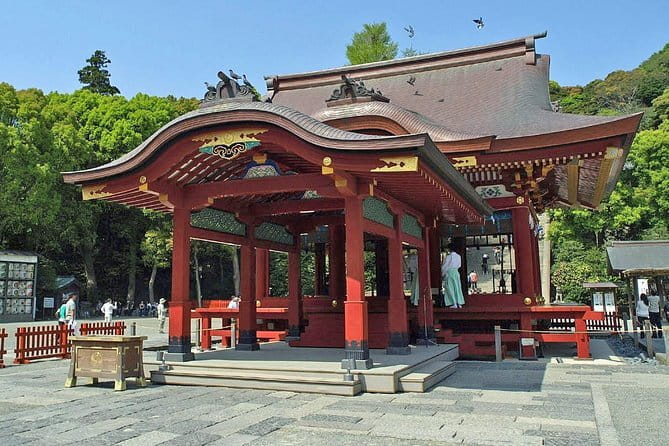
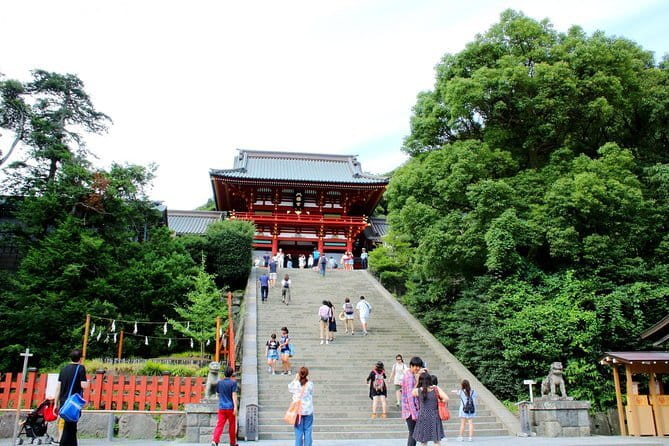
Your first stop is Tsurugaoka Hachimangu, Kamakura’s best-known Shinto shrine. The shrine sits at the heart of the town, and the main approach helps explain how Kamakura grew around it.
The visit is scheduled for about 30 minutes, and admission is free. That is enough time for a focused introduction, though not a long, leisurely look at every part of the grounds. Your guide can explain how Shinto spaces differ from Buddhist temples, which becomes useful later when the tour moves to Hokokuji, Kotoku-in, and Hasedera.
The shrine is brightly colored and visually striking. It gives you a strong opening photograph, but its real value is orientation. You see the central religious site first, then spend the rest of the day comparing it with quieter Zen and Buddhist settings.
Thirty minutes is also a sensible length if you want to cover several Kamakura highlights in one day. If you prefer slow temple visits, long photography stops, or time for private reflection, the schedule may feel brisk.
Hokokuji’s bamboo grove and Zen calm
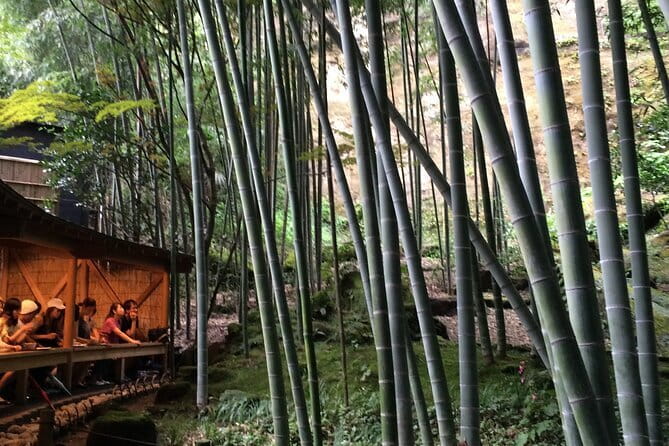
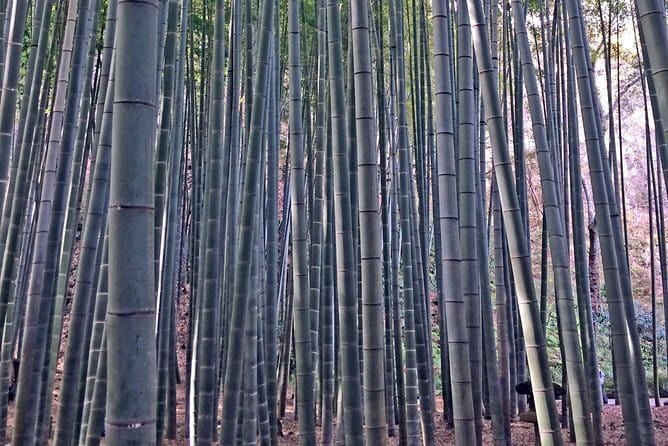
Hokokuji Temple is the most atmospheric stop on the route. This Zen temple is known for its bamboo garden, where tall green stalks create a shaded corridor unlike the open shrine grounds at Tsurugaoka Hachimangu.
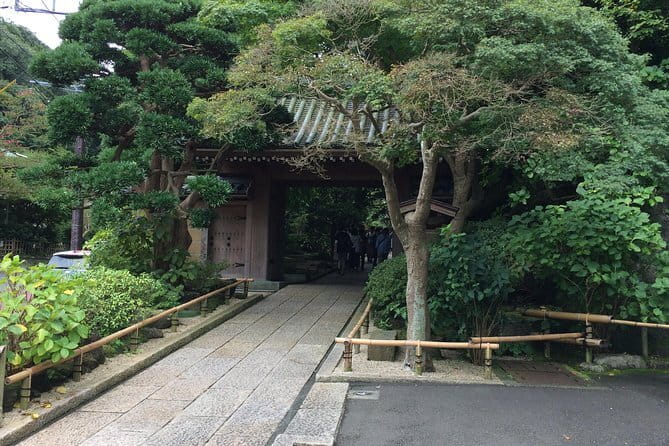
The visit lasts about one hour. Entry is not included and costs ¥400 per person. The extra fee is modest, but you should keep it in mind because the tour has three separate paid temple visits.
Hokokuji is a good place to let your guide explain Zen practice in simple terms. One of the strongest aspects of this private outing is the chance to ask questions as they occur. Steve, one of the guides associated with the tour, used an educational folder to explain Japanese Buddhism and Kamakura to a family. That kind of prepared material can make the visit more meaningful, especially if you are new to Japanese religious traditions.
The bamboo grove is compact rather than an all-day nature walk. That is not a criticism. It fits well into a route that also includes the Great Buddha and Hasedera. Still, you should not book this tour expecting an extended hike through a vast forest.
If you want refreshments at Hokokuji, check what is included on the day. The attraction information identifies the bamboo grove fee, while lunch and drinks for both you and the guide are not included in the tour price.
Two hours on Komachi Street
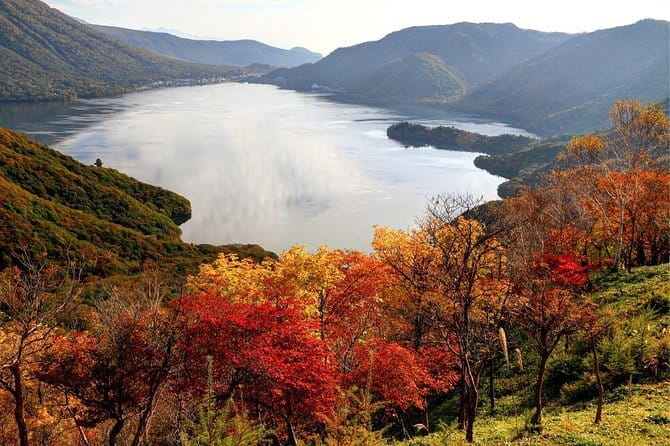
Komachi Street is the longest scheduled stop, with about two hours for shopping and a break. After the temples, this is where the day becomes less formal and more flexible.
The street is famous for Kamakura shopping, and two hours gives you time to browse rather than rush from one shop to the next. It also creates a sensible window for lunch, though you pay for your own food and drinks, as well as your guide’s meal if you choose to eat together.
Ask your guide for help with timing. A private guide can tell you how much time to keep for the remaining visits, which is useful if you want to shop without turning the afternoon into a race. The stop may also suit families because it breaks up the temple visits with a more casual stretch.
The main limitation is that the tour does not specify particular shops, restaurants, or included tastings. This is a general Komachi Street visit, not a dedicated food tour. If local cuisine is your top priority, treat this as free time for lunch rather than a guided culinary program.
More Walking Tours in Kamakura
- Kamakura Walking Tour – The City of Shogun
★ 5.0 · 100 reviews - Kamakura 8 hr Private Walking Tour with Licensed Guide from Tokyo
★ 5.0 · 80 reviews - Kamakura: Private Guided Walking Tour with Local Guide
★ 4.8 · 60 reviews - Kamakura 6hr Private Walking Tour with Government-Licensed Guide
★ 5.0 · 42 reviews
Meeting Kamakura’s Great Buddha
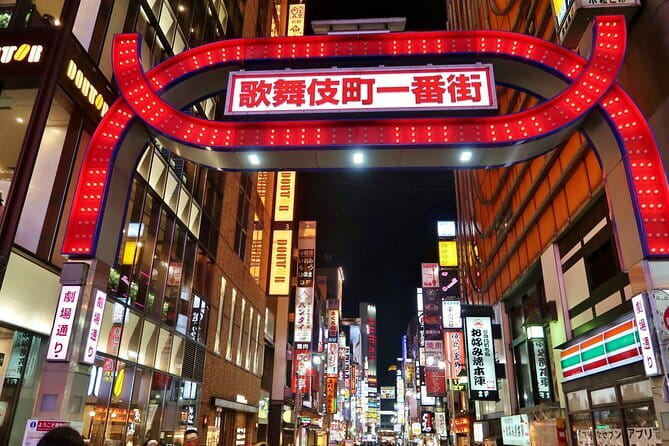
Kotoku-in is home to the Great Buddha of Kamakura, a 47-foot, or 14-meter, bronze statue. This is the tour’s most recognizable monument and the stop most likely to anchor your memory of Kamakura.
The visit is scheduled for about 30 minutes. Admission costs ¥300 per person and is not included. Thirty minutes gives you time to see the statue, hear the basic story behind it, and take photographs, but it does not leave much room for a slow visit if the grounds are busy.
The statue’s scale is impressive, but the setting also matters. After the enclosed feeling of the bamboo grove, the open view of the seated Buddha changes the pace again. Your guide can connect the monument to the Buddhist sites already visited, helping you understand the difference between a working temple complex and a single famous statue.
This stop works well for a mixed-age group. Children and teenagers often respond immediately to the statue’s size, while adults can focus on its religious and artistic meaning. The tour description does not promise interior access, so plan on seeing the main attraction from the grounds unless your guide confirms otherwise.
Hasedera and the eleven-faced Kannon

Hasedera is the final listed stop. The temple is associated with an eleven-faced Kannon, a Buddhist figure connected with compassion. The visit lasts about 30 minutes, and the entrance fee is ¥400 per person.
As with the Great Buddha, half an hour is a focused visit rather than a full exploration. You will have time to see the key religious feature and receive an explanation, but you may need to move on before examining every corner of the temple.
The stop adds a different Buddhist theme to the day. Hokokuji gives you Zen and bamboo, Kotoku-in gives you the giant bronze Buddha, and Hasedera introduces Kannon worship. That range is one reason this route offers more than a simple photo trip to the Great Buddha.
The attraction is also a useful final stop because your guide can tie together the day’s religious sites. If you have questions after seeing several forms of Japanese worship, this is a good time to ask them.
What the private format adds
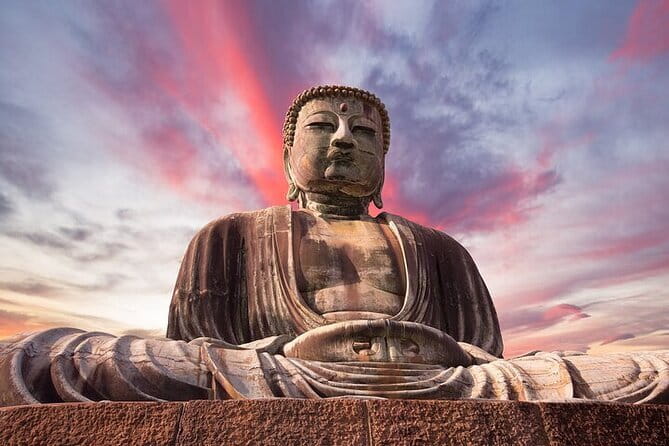
The group limit is five people, and only your group participates. That is a major advantage over a large bus tour. You can ask for clarification, adjust your pace within reason, and get help with transport without competing for the guide’s attention.
The guides named in the tour material include Take, Hiroyuki Iwai, Steve, and Kobata-san. Their styles may differ, but the useful pattern is clear: expect a guide who combines site explanations with practical help getting around. Hiroyuki Iwai is described as organized and friendly, while Take is associated with strong explanations of Japanese history. Steve prepared educational material about Buddhism and Kamakura, and Kobata-san is noted for making the day feel relaxed.
Those details matter because Kamakura is not just a collection of monuments. Without context, you may remember a red shrine, a bamboo grove, and a large statue. With a good guide, you can begin to see how Shinto and Buddhism appear in different settings and why these places matter.
The private format also helps if your group has mixed interests. A family with teenagers may want efficient visits and shopping time, while older adults may prefer more explanation and a gentler pace. One guide adjusted to a family dealing with illness, which suggests some flexibility, but you should still discuss major mobility or timing needs before departure.
The real cost of the day
The listed price is $146.59 per person. For a private, full-day outing from Tokyo with hotel pickup, drop-off, and a professional guide, that can be fair value, especially for a group of two to five people.
The headline price is not the final cost. You must add:
- About ¥2,000 per person for transportation to and from the attractions for you and your guide
- ¥400 for Hokokuji
- ¥300 for Kotoku-in
- ¥400 for Hasedera
- Lunch and drinks for you and the guide
The three listed entrance fees total ¥1,100 per person. That is not a large amount, but the local transit and meal costs should be part of your planning. The tour is easier to price for a couple or small family because the guide service is spread across a small group. A solo visitor pays the same per-person tour price and may find a shared group outing cheaper, though this experience is private.
Hotel pickup and drop-off add real value in Tokyo. You avoid finding the starting point and can return directly to your hotel after a long day. Still, confirm the pickup details when booking because the information provided only says pickup is offered, not which hotels or neighborhoods qualify.
Fitness, timing, and what to bring
You should have moderate physical fitness. The day includes walking around shrine and temple grounds, standing during explanations, and using public transportation. The schedule does not promise a fully accessible route or private vehicle between every stop.
Wear comfortable shoes and keep your day bag light. That is practical advice for any nine-hour outing with several religious sites and transit connections. Bring money for the entrance fees, transportation, lunch, and drinks.
The 9:00 a.m. start gives you a full day in Kamakura, but the return time is not specified. Since the remaining hours are assigned to travel, the day’s end will depend on traffic, train schedules, and how long your group spends at each stop.
Free cancellation is available if you cancel at least 24 hours before the local start time. Changes or cancellations made within 24 hours are not accepted for a refund.
Who should book this Kamakura tour
I would choose this tour if you want Kamakura’s major religious sights but do not want to plan several train and bus connections yourself. It suits first-time visitors, families, couples, and small groups who value explanations and private attention.
It is also a good fit if you want more than the Great Buddha. The route gives you a shrine, a Zen temple, a bamboo grove, a shopping street, a major Buddhist statue, and Hasedera in one day.
I would think twice if you want a slow, unstructured day. The itinerary covers a lot, and the 30-minute visits at Tsurugaoka Hachimangu, Kotoku-in, and Hasedera are fairly tight. You also pay extra for transport, meals, and admissions.
Should you book it?
Book this experience if convenience, cultural explanation, and a private group matter more to you than the lowest possible price. The strongest reason to choose it is the guide’s role in making Kamakura understandable while helping you manage local transport.
Skip it if you are comfortable planning the route yourself and want to spend a long time at one or two sites. For everyone else, this is a well-shaped introduction to Kamakura, with enough variety to make the day feel full without turning it into a checklist of monuments.
FAQ
How long does the Kamakura walking tour last?
The tour lasts approximately nine hours. The sightseeing stops account for about four hours, and the remaining time is used for travel between Tokyo, Kamakura, and the attractions.
What time does the tour begin?
The scheduled start time is 9:00 a.m. Hotel pickup is offered, but the provided information does not specify the pickup time for individual hotels.
Is this a private tour?
Yes. Only your group participates, and the small group format is limited to five people.
Are transportation costs included?
No. Transportation to and from the attractions for you and your guide costs around ¥2,000 per person, according to the tour information.
Which entrance fees must I pay separately?
You pay ¥400 per person for Hokokuji Temple’s bamboo grove, ¥300 per person for Kotoku-in and the Great Buddha, and ¥400 per person for Hasedera Temple.
Is lunch included?
No. Lunch and drinks are not included for you or the guide.
More Walking Tours in Tokyo
- Tokyo Tsukiji Fish Market Food and Culture Walking Tour
★ 5.0 · 3,184 reviews - Tokyo: Imperial Palace and Shogun Historical Walking Tour
★ 5.0 · 2,251 reviews - Tokyo: Shinjuku Local Bar and Izakaya Guided Walking Tour
★ 4.9 · 1,794 reviews - Tokyo: Tsukiji Fish Market Food and Walking tour
★ 5.0 · 1,724 reviews
More Temple and Shrine Visits
- Tokyo: Meiji Shrine, Asakusa, Skytree Bus Tour and Cruise
★ 4.7 · 1,986 reviews - Tokyo: Asakusa Walking Tour with Sensoji Temple Visit
★ 4.8 · 1,583 reviews - Nikko: Kegon Falls, Lake Chuzenji & Toshogu Temple
★ 4.6 · 1,577 reviews - Tokyo: Nikko Toshogu Shrine and Kegon Waterfall Tour
★ 4.5 · 1,266 reviews
New on our Tokyo list
- Sumi-e Experience in a relaxing green tea shop in Tokyo★ 5.0 · 3 reviews
- Tokyo : Kamikaze Street Drift Ride★ 5.0 · 3 reviews
- Private Zen Meditation in English in Shinjuku, Tokyo★ 5.0 · 3 reviews
- Onsen Spa in Tokyo and Asakusa Bar Hopping with Local Guide★ 5.0 · 3 reviews
- Easy for everyone! Now you can play handmade mini shamisen and show off to everyone! Musical instruments, sweets and live music★ 5.0 · 3 reviews
- Tokyo: Private Tsukiji Street Food & Sake with Local Guide★ 5.0 · 3 reviews
- Mt Fuji Exploration Tour with Free Japanese Kusa Mochi from Tokyo★ 4.5 · 3 reviews
- Tokyo Tsukiji Fish Market Walking and Exploring Hidden Gems Tour★ 5.0 · 3 reviews
Temple & Shrine Tours, compared.
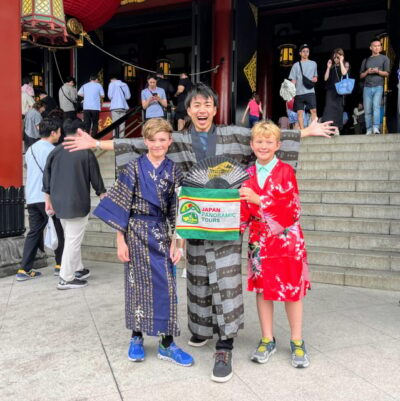
Meiji Shrine, Asakusa, Skytree Bus Tour and Cruise
Read our review →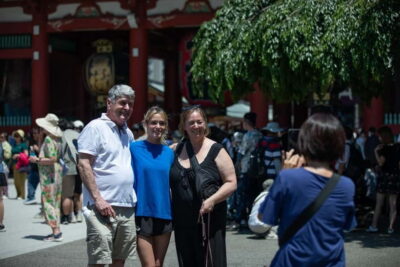
Asakusa Walking Tour with Sensoji Temple Visit
Read our review →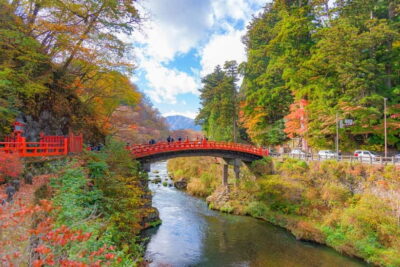
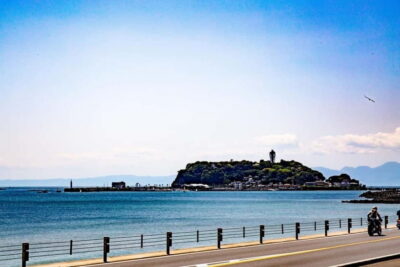
Kamakura & Enoshima Day Trip including Temple Tickets
Read our review →
Nikko Toshogu Shrine and Kegon Waterfall Tour
Read our review →
Tokyo Panoramic 1 Day: Meiji Shrine, Asakusa, Odaiba and SKYTREE®
Read our review →
Mt. Fuji Heritage Tour: Traditional Villages, Lakes & Shrine
Read our review →Browse the lists this tour appears in