
Reviewed · SUMO EXPERIENCES
Tokyo Sumo History Tour with Chanko Nabe Lunch
Sumo makes far more sense when you see where it began, how its rituals work, and what a wrestler’s daily world looks like. This three-hour walk through Ryōgoku links Ekō-in Temple, the birthplace of organized matches, with the modern Kokugikan arena and a full-size ring replica.
I like the clear story and the hotpot lunch. You get more than a stadium photo, and the individual chanko-nabe pot gives the meal a genuine sumo connection. I also like the flexible museum plan, since you visit the Sumo Museum when it is open or two historic stables when it is closed. The main consideration is simple: you do not watch live sumo wrestlers on this tour, and you cannot enter the arena seating area without a tournament ticket.
In This Review
- Key points to know before booking
- Start in Ryōgōku, Tokyo’s sumo neighborhood
- See Kokugikan from the outside
- Walk back to the site where organized sumo began
- Museum treasures or two historic stables
- Try the rituals beside a life-sized ring
- Finish with an individual chanko-nabe lunch
- What the $91.04 price really buys
- The guide can shape the whole morning
- Timing, walking, and practical limits
- Who should book this sumo experience
- Should you book the Tokyo Sumo History Tour?
- FAQ
- How long does the Tokyo Sumo History Tour last?
- What time does the tour start?
- Where does the tour begin?
- Where does the tour end?
- Is lunch included?
- Can I enter the Kokugikan arena during the tour?
- Will I see live sumo wrestlers?
- What happens if the Sumo Museum is closed?
Key points to know before booking
- Sumo’s story unfolds across Ryōgōku: Follow the sport from a sacred temple site to the modern Kokugikan.
- The museum visit can change: On closed days, the guide substitutes two historic stables with different designs.
- The replica ring makes customs easier to understand: Learn about salt throwing, pre-bout poses, and other ring rituals.
- Chanko-nabe is included: Your lunch comes in an individual pot, while drinks and extra food cost more.
- Guides add personality: Malik, also referred to as Maik in the tour information, has been praised for explaining both sumo rules and wrestler life.
- The group can reach 20 people: That is small enough for a guided walk, but not the same as a private tour.
Start in Ryōgōku, Tokyo’s sumo neighborhood
Meet at 10:00 a.m. outside the 7-Eleven at 1-chōme-3-20 Yokoami, on the first floor, near Ryōgōku Station. The location is close to public transportation, and beginning at the station gives you a useful introduction to the district before the history lesson begins.
Ryōgōku is the right place for this subject. Champion portraits around the station set the tone, and the streets quickly feel tied to sumo rather than merely decorated for tourists. Your guide can explain what you are seeing before the tour moves into its more formal stops.
The first stop takes about 10 minutes and costs nothing beyond the tour price. Use this opening to get comfortable with the group and ask basic questions. If you are new to sumo, this is a good moment to sort out terms such as rikishi, the Japanese word for a sumo wrestler.
The tour is conducted in English and can include up to 20 people. That size matters. You should have a chance to hear the guide, but you may not get the same back-and-forth attention as you would on a private walk.
More sumo mornings:
- Tokyo: Sumo Show Experience with Chicken Hot Pot and a Photo
★ 4.8 · 6,678 reviews - Tokyo: Sumo Show and Dining Experience
★ 4.8 · 2,742 reviews - the SUMO show
★ 5.0 · 1,960 reviews
See Kokugikan from the outside
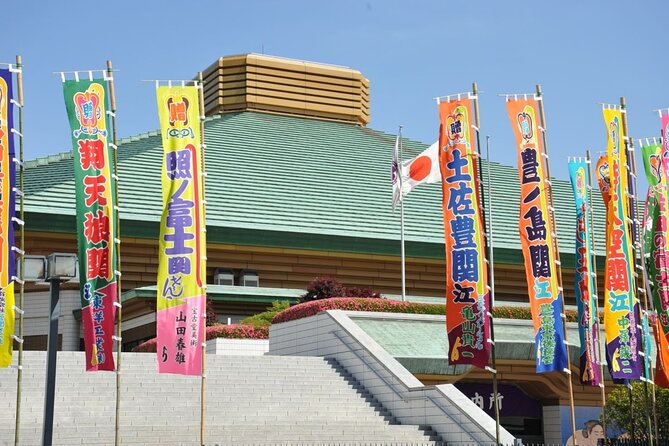
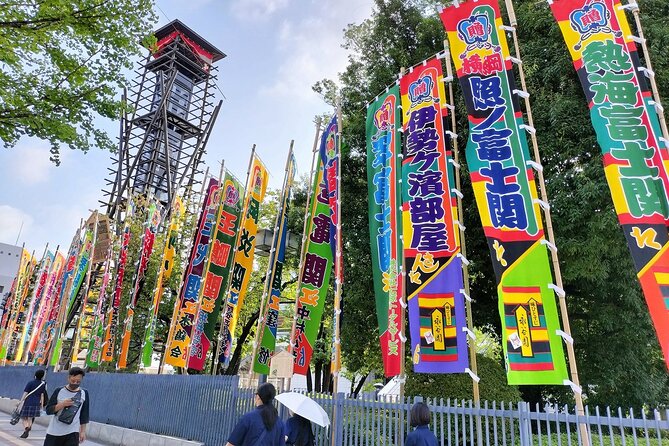
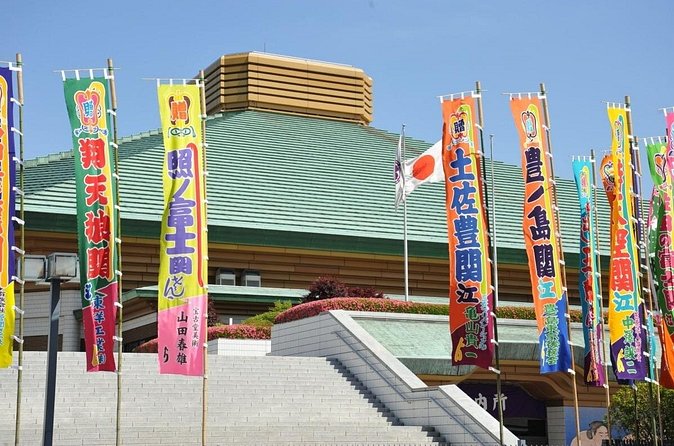
The Ryōgoku Kokugikan is the spiritual center of modern professional sumo, even if this tour only visits the exterior. You spend about 20 minutes looking at the famous stadium and learning why it matters.
Three grand tournaments take place here each year. Your guide explains the colorful banners outside, the way a tournament atmosphere is built, and the meaning behind the wrestlers’ grand entrances. These details help you read the building as more than a large sports venue.
Be realistic about the arena stop. No tournament ticket is included, and entering the seating area is not possible without one. If you already have a separate ticket for a tournament, this walking tour may help you understand what you see later. If not, the outside view is still useful, but the stop will feel more historical and interpretive than event-based.
The Kokugikan is especially valuable for first-time sumo fans. You learn the basic structure of professional sumo before seeing the older places that shaped it.
Walk back to the site where organized sumo began
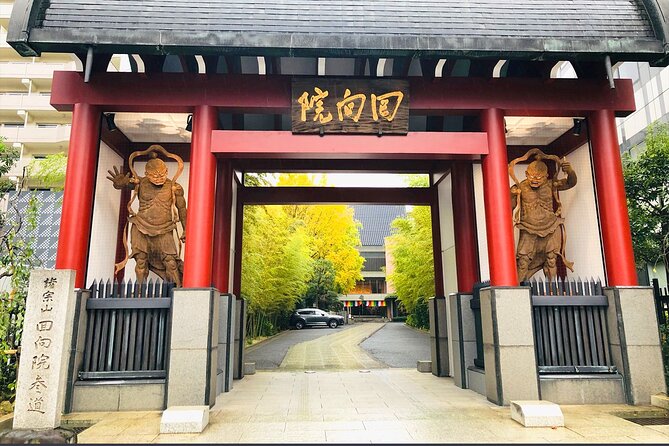
The former main gate of Ekō-in Temple gives the tour its strongest historical link. Organized sumo matches began at this temple, and the stop moves the sport away from modern competition and toward its religious and community roots.
At the Chikara-zuka Monument, you pay respect to past wrestlers and referees. The monument gives your guide a natural opening to discuss the people who helped shape sumo, not just the champions whose faces appear around the station.
This stop lasts about 20 minutes. It is not a grand temple visit with a long list of rooms and treasures. Its value comes from the meaning of the site and the way it connects sumo to ritual. You will get more from it if you listen for the change from sumo as spectacle to sumo as a practice with rules, ceremony, and respect.
I like this part because it gives the tour a proper beginning. Instead of treating sumo as a strange sport you watch for a few minutes, you see how place and tradition are tied together.
Museum treasures or two historic stables
The next stop depends on the day. When the Sumo Museum is open, you spend about 30 minutes with exhibits that can include ceremonial aprons, old photographs, and trophies. It is a compact museum, so do not expect a full morning of displays. Its strength is focus: the objects show how much ceremony surrounds a sport that often looks simple from the outside.
The ceremonial aprons are especially useful for understanding sumo’s visual language. Photographs and trophies add a human scale, showing the people and competitions behind the formal rules.
The museum may be closed on some days. In that case, the guide takes you to two historic stables, each with a different design. This alternative shifts the focus from objects to the places where wrestlers live and train.
That substitution is worth understanding before you book. A stable visit is not the same as a museum visit, and the available details do not promise that you will watch wrestlers practice. The tour information and direct feedback make clear that you should not book this experience expecting to see live sumo action. Instead, you learn about the daily life and surroundings of rikishi.
I see the two options as different strengths rather than a guaranteed better or worse version. The museum suits anyone interested in artifacts and visual history. The stables suit anyone more curious about routine, discipline, and the physical setting of sumo life.
A few more Tokyo bookings worth comparing
- Tokyo: Mt.Fuji & Lake Kawaguchiko 1-Day Bus Tour w/Optional Lunch
★ 4.5 · 839 reviews - Tokyo: Sumo Experience and Chanko Nabe Lunch
★ 4.8 · 257 reviews - Tokyo: Tsukiji Fish Market Tour with 6 Stops & Seafood Lunch
★ 4.5 · 165 reviews - Tokyo: 1 Day Bus Tour with Meiji-Jingu,Odaiba,lunch&Skytree
★ 4.6 · 156 reviews
Try the rituals beside a life-sized ring
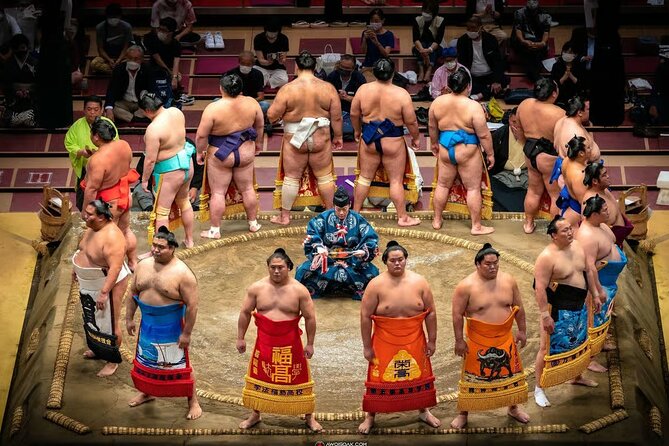
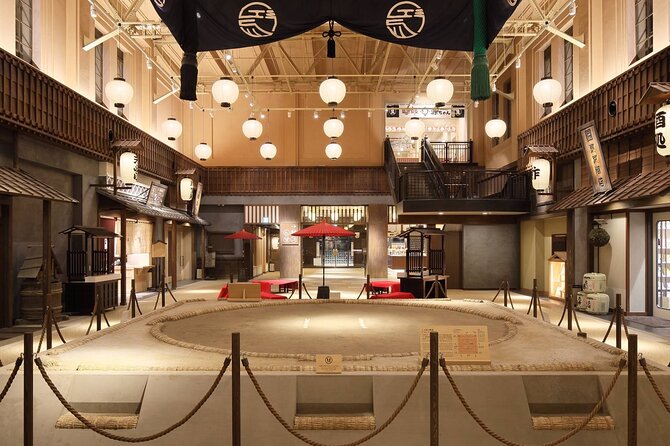
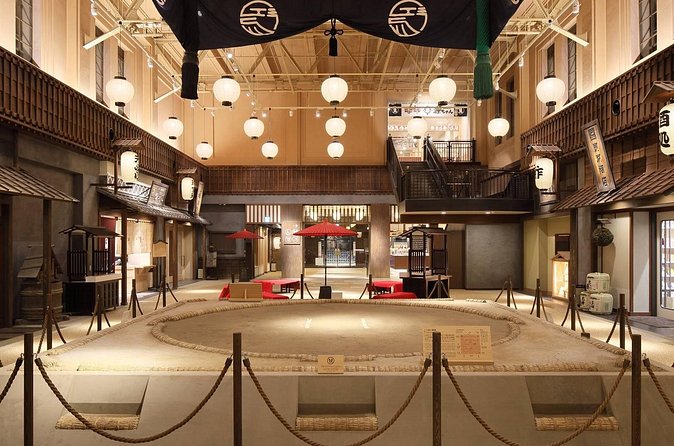
At Ryōgoku Edo Noren, you stand next to a life-sized replica of a sumo ring. This is one of the most useful stops for beginners because the ring turns abstract rules into something you can see and stand beside.
Your guide explains salt throwing, pre-bout movements, and other customs before you try sumo poses for photos. The exercise is lighthearted, but it has a practical purpose. Sumo contains many gestures that can look mysterious when you only see them on television. Here, you can ask what each movement means and why the wrestlers take so long before the bout itself begins.
The replica ring also helps you understand scale. Sumo is often reduced to two wrestlers pushing against each other, but the ring, boundaries, and ceremony shape the contest. This short stop gives the sport a physical frame before lunch.
If you are traveling with children or friends who are not committed sports fans, this may be the most engaging part. You can pose for pictures without pretending that you have joined a real match. The stop lasts about 20 minutes, so it remains a quick lesson rather than a staged performance.
Finish with an individual chanko-nabe lunch
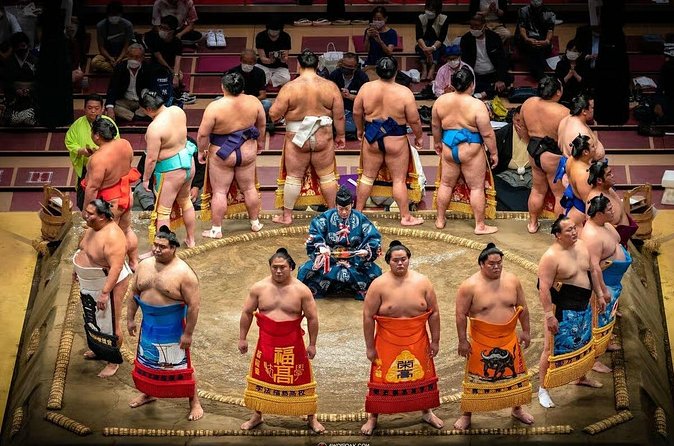
The final hour is devoted to chanko-nabe, the hotpot associated with sumo wrestlers. Each person receives an individual pot, which makes the meal feel more personal than sharing one large serving at a restaurant table.
Chanko-nabe is an important finish because it connects the sport to food and daily life. Sumo is not only about tournament days, ceremonial clothing, and dramatic throws. Food is part of how wrestlers prepare for their demanding routines, and the hotpot gives you a direct taste of that side of the culture.
The meal is served at Chanko Edosawa, although the particular restaurant can change with availability. The included portion is the chanko-nabe set. Drinks and additional food are not included, so budget a little extra if you want something beyond the set meal.
The lunch has also been singled out for its taste, with the guide helping explain why it is associated with rikishi. You should not expect a cooking class or a long culinary tour. The value is the connection between the dish and the subject of the morning.
An individual pot is a nice touch. It lets you try the meal at your own pace and gives you a clear sense of what is included. For many people, this will be the most memorable souvenir of the tour, since it is something you can taste rather than simply photograph.
What the $91.04 price really buys
At $91.04 per person, this is not the cheapest way to see Ryōgōku. You can walk around the station and view the Kokugikan exterior on your own for free. You can also look for a restaurant serving chanko-nabe without joining a guided tour.
The price makes more sense when you add up what the guide contributes. You receive about three hours of English-language explanation, a planned route through several connected sites, the museum or stable visit, access to the replica ring setting, and lunch. The meal alone does not justify the cost, but the food gives the walking tour a satisfying finish.
I would call it fair value for a first-time visitor who wants context. You are paying to understand what you see, not simply to collect locations. If you already follow sumo closely, the museum or stable option may still be useful, but the introductory explanations may feel familiar.
The lack of arena entry is the main limit on value. This is not a substitute for a tournament day. It works best as a cultural tour that can complement a separate Kokugikan visit.
The guide can shape the whole morning
The guide matters here because the route contains several places that could otherwise be easy to overlook. A monument, a closed museum, or a stadium exterior needs explanation to become meaningful.
Malik is praised in the tour information for giving an in-depth account of sumo and for explaining how to watch and understand it. The name Maik also appears in the guide details, so the guide assigned to your date may be listed under either spelling. The provider is Maikel T.
The useful point is not the name alone. You want a guide who can explain both the formal side of sumo and the ordinary life of wrestlers. The strongest version of this tour will help you understand rules, rituals, stable life, tournament culture, and food without assuming that you already know the sport.
This tour suits beginners especially well. You can arrive knowing almost nothing and still follow the story. At the same time, someone who watches tournaments may appreciate the chance to connect familiar rituals with the places where they developed.
Timing, walking, and practical limits
The tour starts at 10:00 a.m. and ends back at the meeting point. It lasts about three hours, with roughly one hour reserved for lunch. That timing leaves the rest of your day free for other Tokyo plans.
You should expect a walking tour through Ryōgōku, with several stops and a meal at the end. Most people can participate, and the tour runs near public transportation. The supplied details do not give a precise walking distance, so wear comfortable shoes and allow yourself enough time to reach the meeting point.
The maximum group size is 20. That keeps the tour within a manageable range, but it can still feel like a group activity at the larger end. If you want a quiet, highly personal conversation at every stop, this may not be the right format.
The mobile ticket is convenient for a Tokyo day of sightseeing. Confirmation arrives when you book. Free cancellation is available up to 24 hours before the start time, while cancellations or changes inside that window are not refunded or accepted. The tour also requires a minimum number of participants, so a cancellation by the operator would bring an alternative date, another experience, or a full refund.
Who should book this sumo experience
I would recommend this tour to you if you want a clear introduction to sumo and prefer learning through places, objects, and food. It is particularly good for first-time visitors, families who want a cultural activity with a meal, and anyone curious about the difference between ritual and sport.
It is also a good choice if you have a free morning in Tokyo and want to spend it in a district tied closely to one subject. The route is focused rather than scattered across the city, so you finish with a stronger sense of place.
I would hesitate if your main goal is to see wrestlers in action. You will not receive arena seating, and the stable alternative does not promise a practice session. For live sumo, you need a separate tournament ticket and plan.
The tour is also less useful if you want a full museum day or a specialized history lecture. The museum is compact, the walk lasts about three hours, and the explanations are designed to serve beginners as well as established fans.
Should you book the Tokyo Sumo History Tour?
Book it if you want sumo explained in its own neighborhood, with a thoughtful route from Ekō-in Temple to Kokugikan and a meal that fits the subject. The best parts are the clear historical progression, the replica ring, and the individual chanko-nabe lunch.
Skip it if you expect to watch a bout, enter the Kokugikan, or meet active wrestlers. At $91.04, the tour earns its price through interpretation and lunch, not exclusive access to competition.
For most first-time sumo visitors, I think it is a sensible morning choice. You leave with more than a few photographs. You understand why the ring rituals matter, where organized sumo began, how wrestlers’ daily world fits into the sport, and what to look for the next time you watch a match.
FAQ
How long does the Tokyo Sumo History Tour last?
The experience lasts approximately three hours, including the walking tour and chanko-nabe lunch.
What time does the tour start?
The tour starts at 10:00 a.m.
Where does the tour begin?
It begins at the 7-Eleven Japan at 1-chōme-3-20 Yokoami, Sumida City, Tokyo, on the first floor. The meeting point is near Ryōgōku Station.
Where does the tour end?
The activity ends back at the meeting point.
Is lunch included?
Yes. Chanko-nabe lunch is included. Drinks and additional food ordered during lunch are not included.
Can I enter the Kokugikan arena during the tour?
No. Arena seating during tournaments is not included or possible without a separate tournament ticket.
Will I see live sumo wrestlers?
The tour does not promise a live sumo viewing. When the Sumo Museum is closed, the guide visits two historic stables instead, where you learn about wrestlers’ daily lives.
What happens if the Sumo Museum is closed?
The guide takes you to two historic stables, each with a unique design. When open, the Sumo Museum visit includes exhibits such as ceremonial aprons, photographs, and trophies.
More Historical Tours in Tokyo
- Tokyo: Imperial Palace and Shogun Historical Walking Tour
★ 5.0 · 2,251 reviews - Tokyo: Imperial Palace Japanese History Walking Tour
★ 4.9 · 987 reviews - Tokyo: Shinjuku Historical Walking Tour & Secret Backstreets
★ 5.0 · 530 reviews - Yanaka Walking Tour: Historic and Traditional District of Tokyo
★ 5.0 · 530 reviews
New on our Tokyo list
- Sumi-e Experience in a relaxing green tea shop in Tokyo★ 5.0 · 3 reviews
- Tokyo : Kamikaze Street Drift Ride★ 5.0 · 3 reviews
- Private Zen Meditation in English in Shinjuku, Tokyo★ 5.0 · 3 reviews
- Onsen Spa in Tokyo and Asakusa Bar Hopping with Local Guide★ 5.0 · 3 reviews
- Easy for everyone! Now you can play handmade mini shamisen and show off to everyone! Musical instruments, sweets and live music★ 5.0 · 3 reviews
- Tokyo: Private Tsukiji Street Food & Sake with Local Guide★ 5.0 · 3 reviews
- Mt Fuji Exploration Tour with Free Japanese Kusa Mochi from Tokyo★ 4.5 · 3 reviews
- Tokyo Tsukiji Fish Market Walking and Exploring Hidden Gems Tour★ 5.0 · 3 reviews
Sumo Experiences, compared.
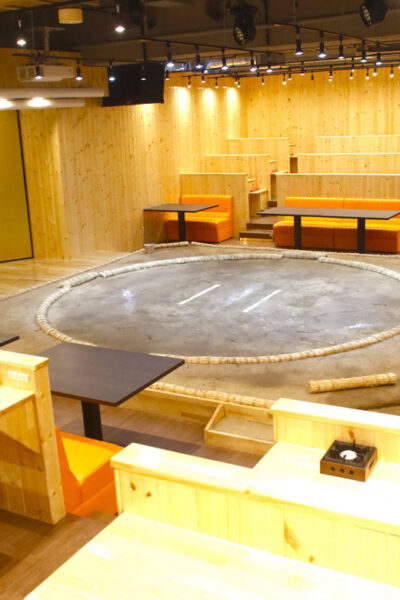
Sumo Show Experience with Chicken Hot Pot and a Photo
Read our review →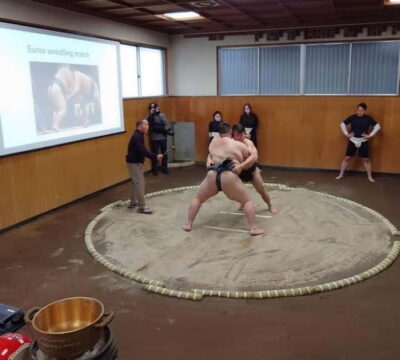
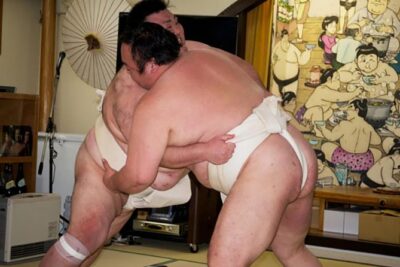
Tokyo Shinjuku Sumo Show & Experience with Photo
Read our review →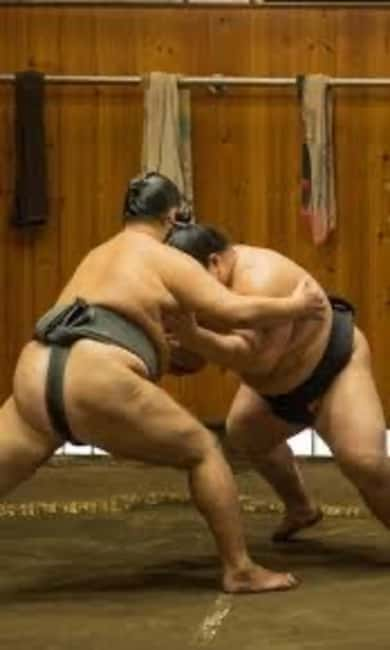

Authentic Sumo Experience in Tokyo: Enter the Sanctuary
Read our review →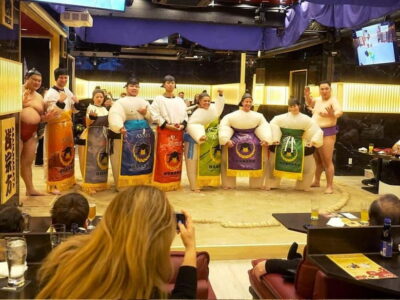
Luxury Sumo Show Experience & Japanese cuisine & Drink
Read our review →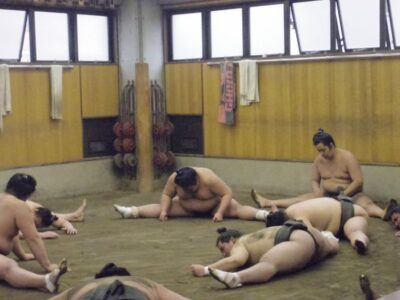
Browse the lists this tour appears in